
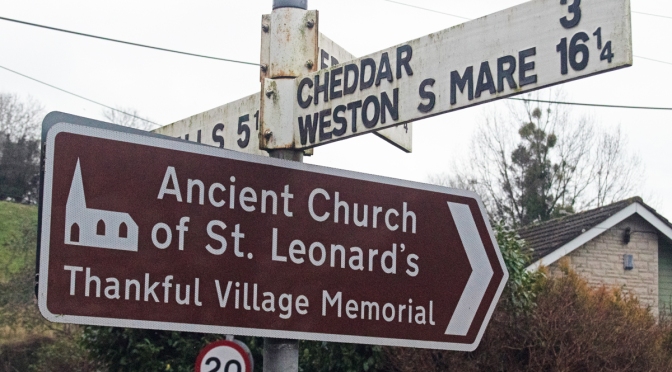
At the foothills of the Mendips, on the main road between Wells and Weston-super-Mare, lies the quiet, unassuming village of Rodney Stoke. Owned by a number of families over the years, Stoches (old English for ‘settlement’) has been known as Stoke Whiting, Stoke Giffard and Stoke Rodney over the years, before the name settled on Rodney Stoke.
With a population of close to 1,500 people, you would expect the village to be a bustling affair, but settled as it is – along three lanes leading downhill from the A371 – it has an altogether quieter feel about it.

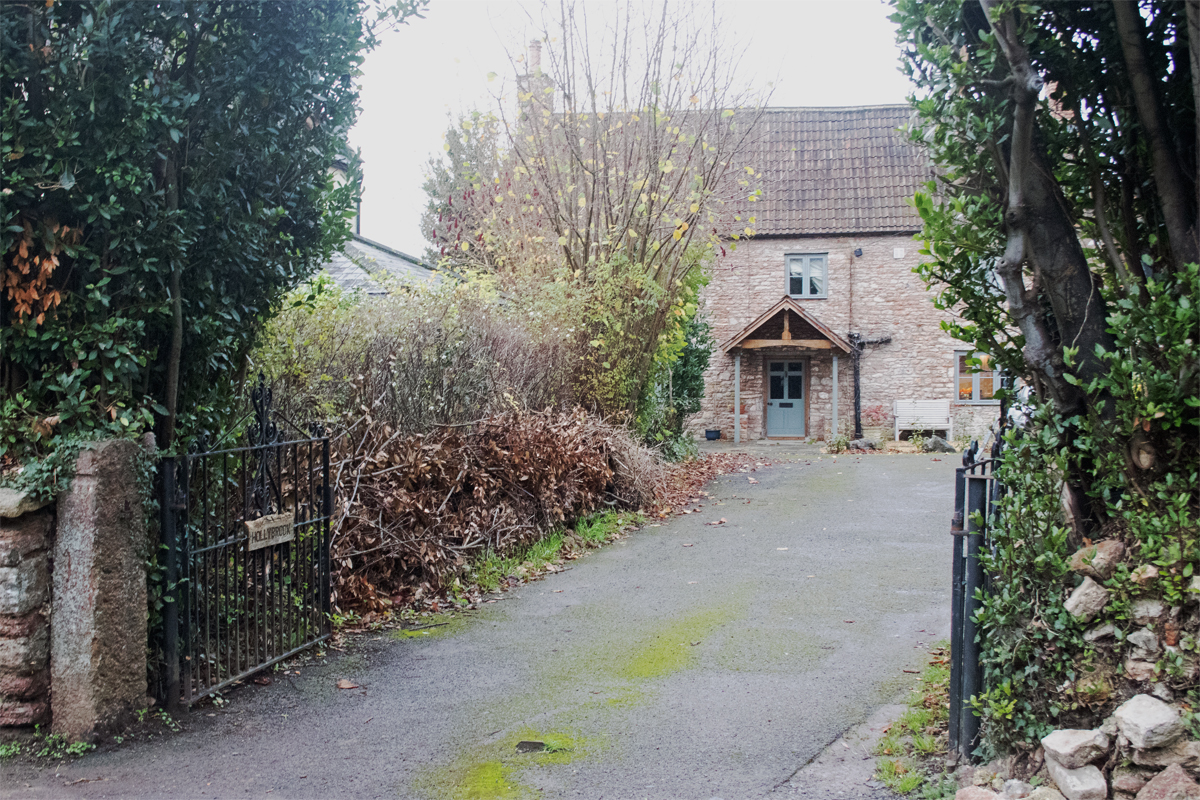
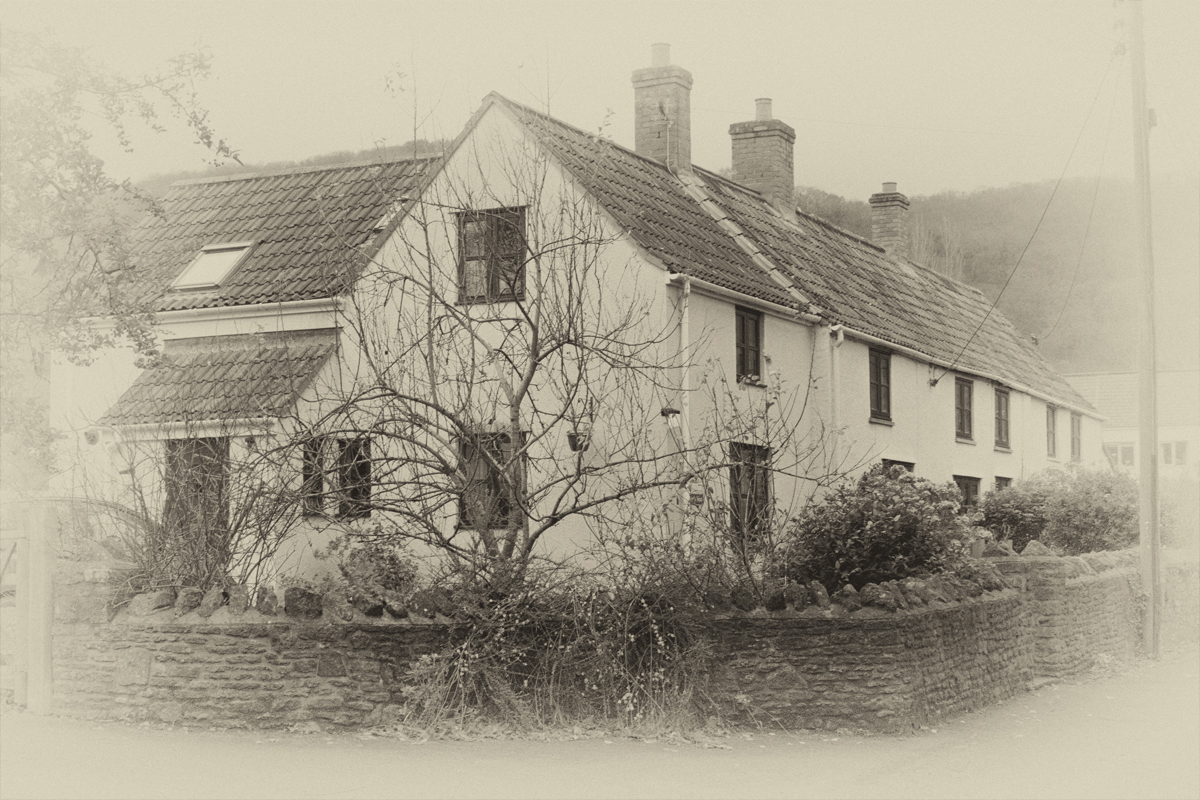
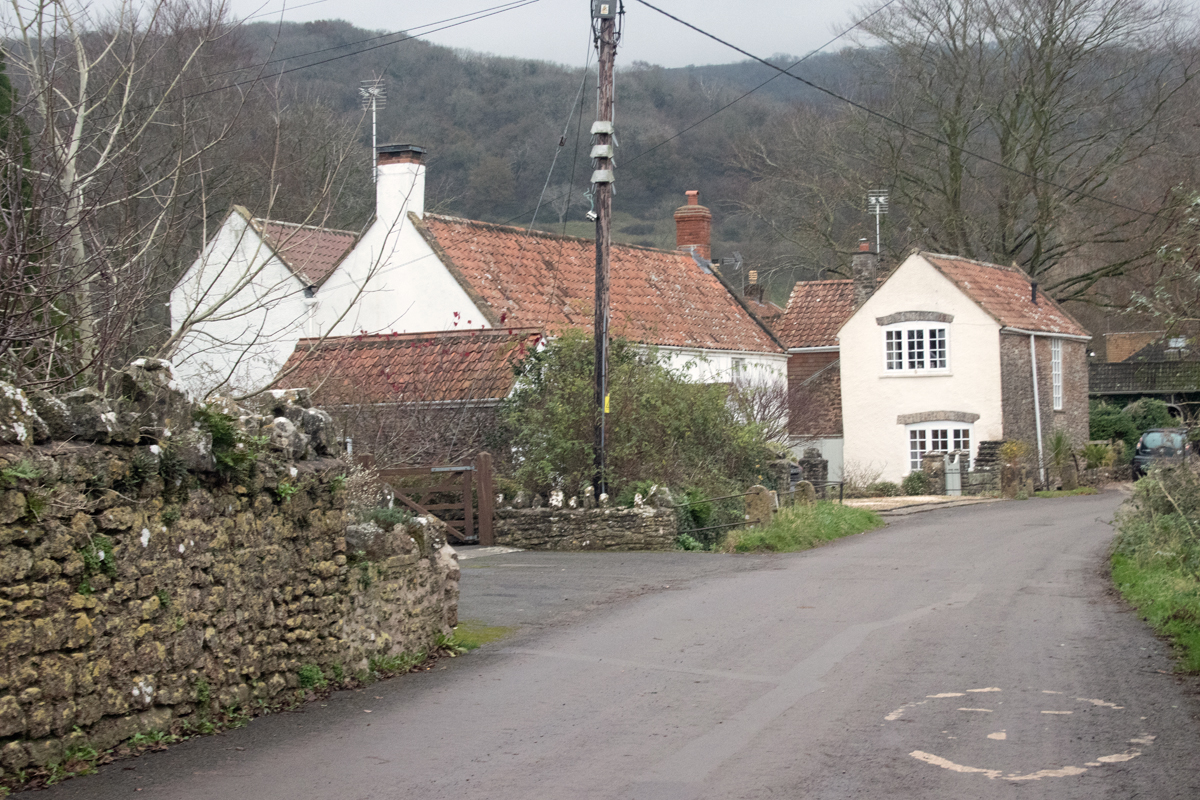
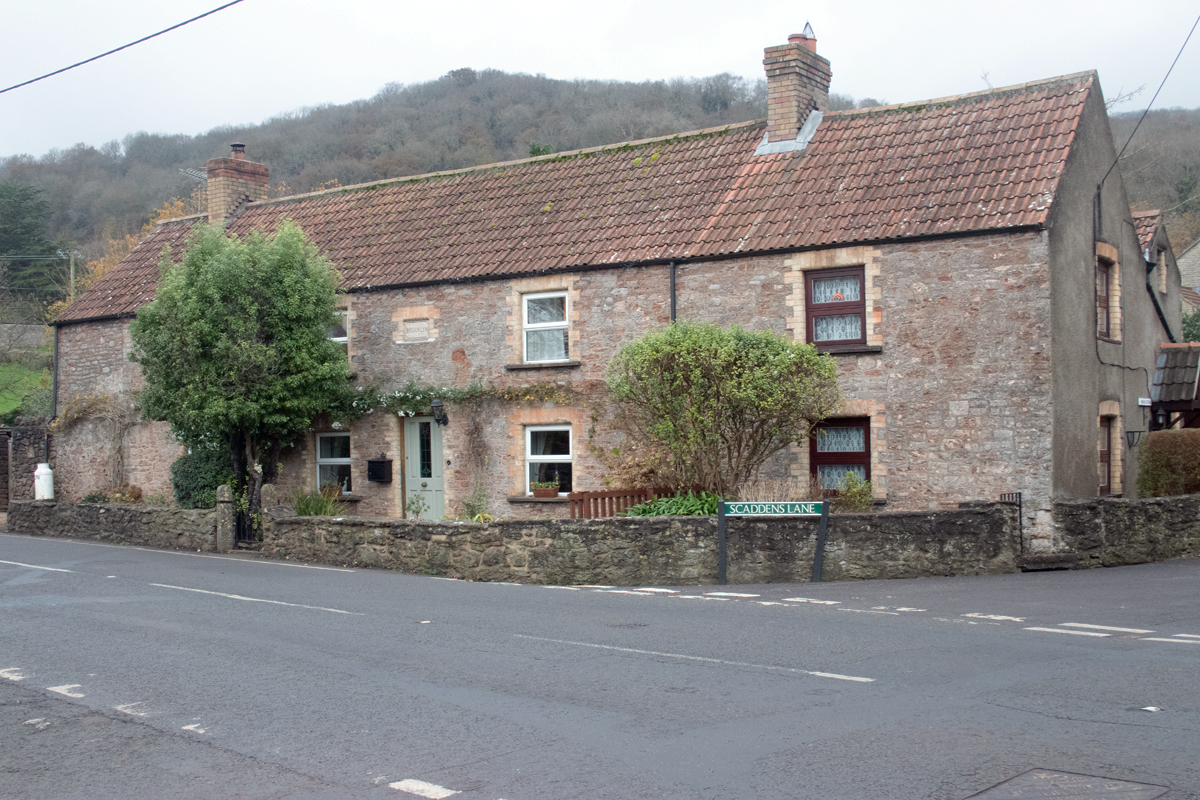

The lanes are lined with cottages built for former farm workers. Some former outbuildings have been converted into newer residences while other parts of the village are much newer properties, albeit still in keeping with the history of the village.

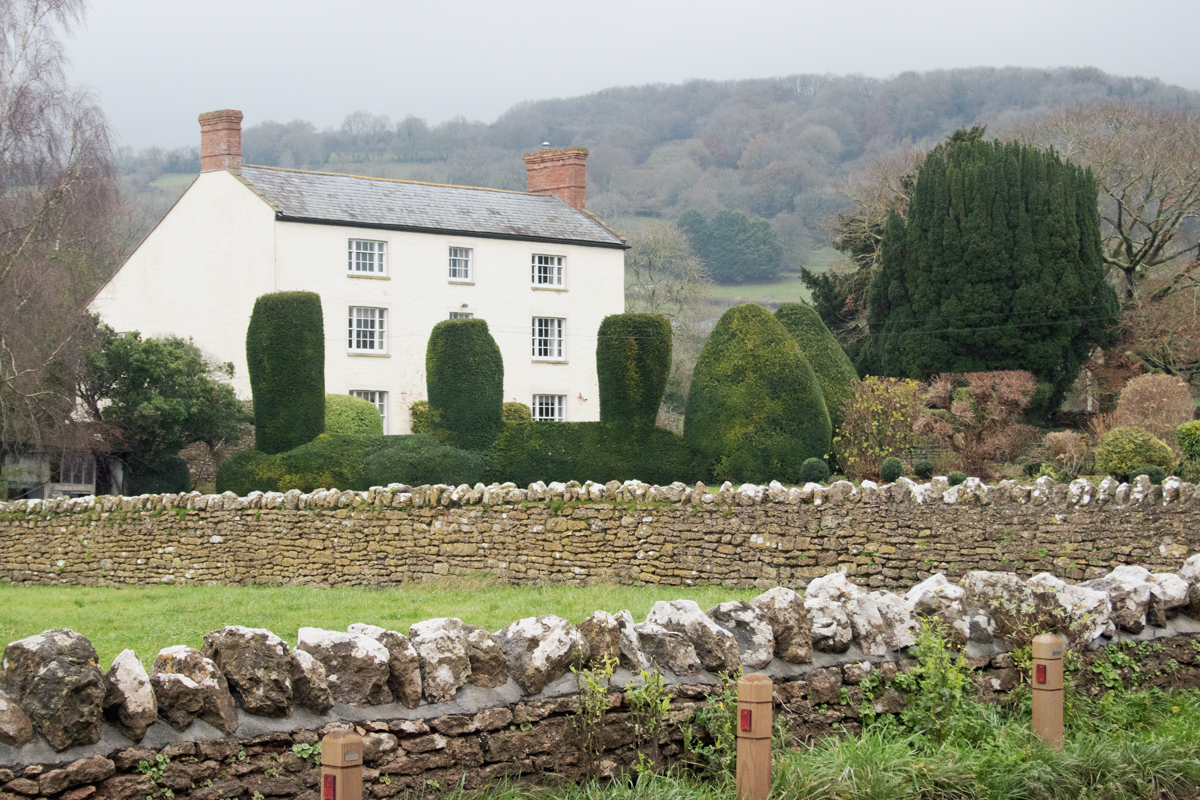

At the bottom of Stoke Street lies a farm, while the former manor house stands proud above the surrounding fields.
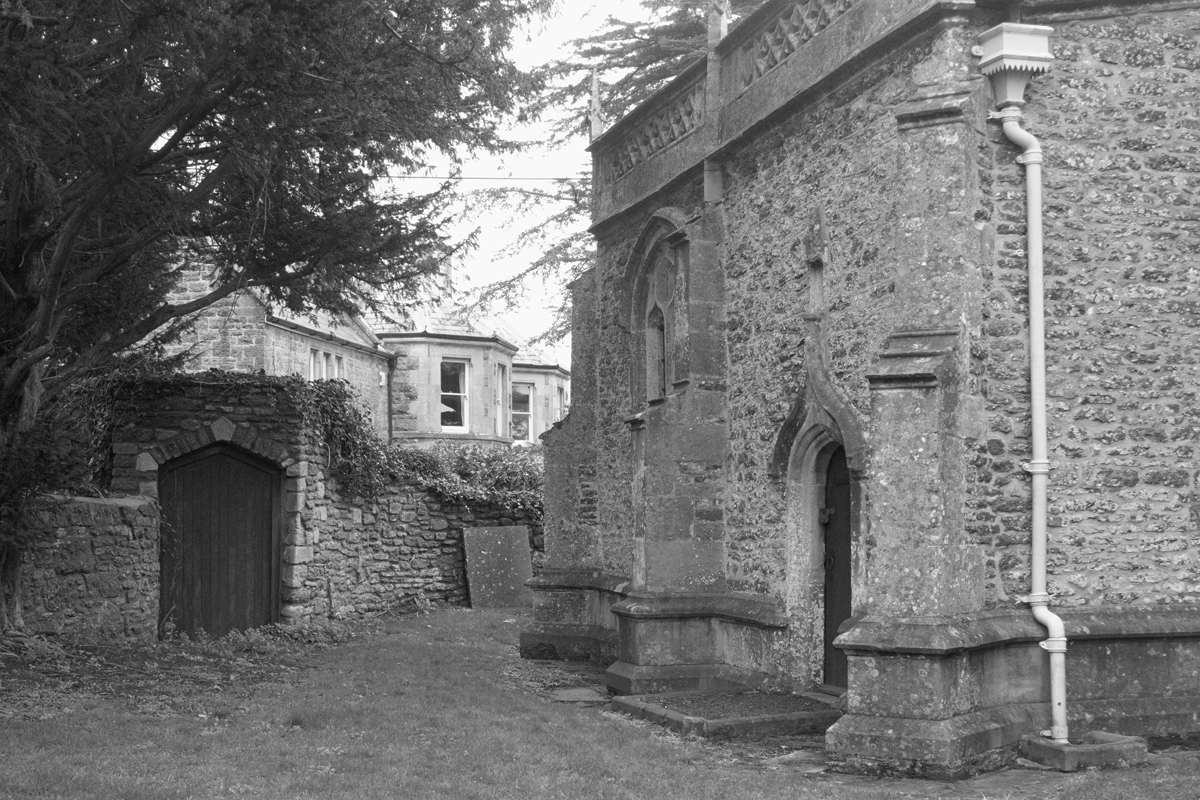
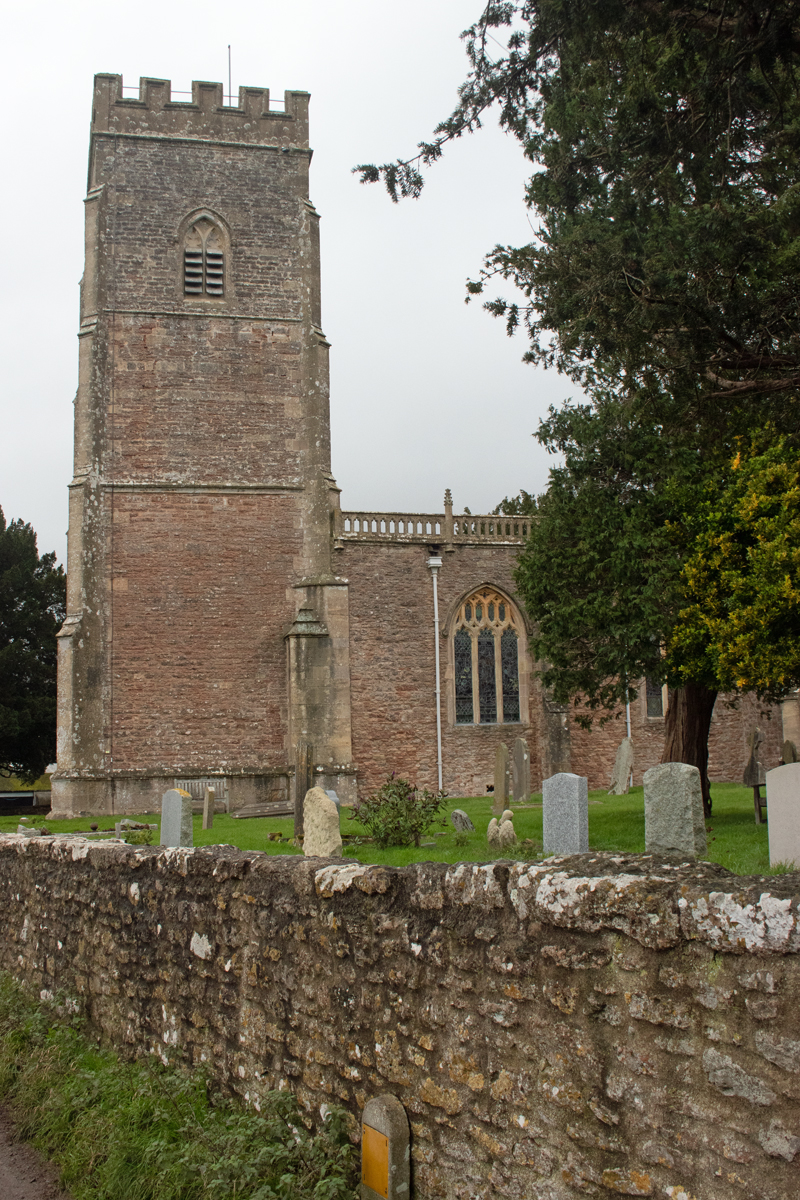
The parish church – St Leonard’s – is, unsurprisingly, place next to the manor house and, while hidden from most of the village, it can be clearly seen on the skyline from the south, standing tall and proud against the dramatic escarpment of the Mendips.

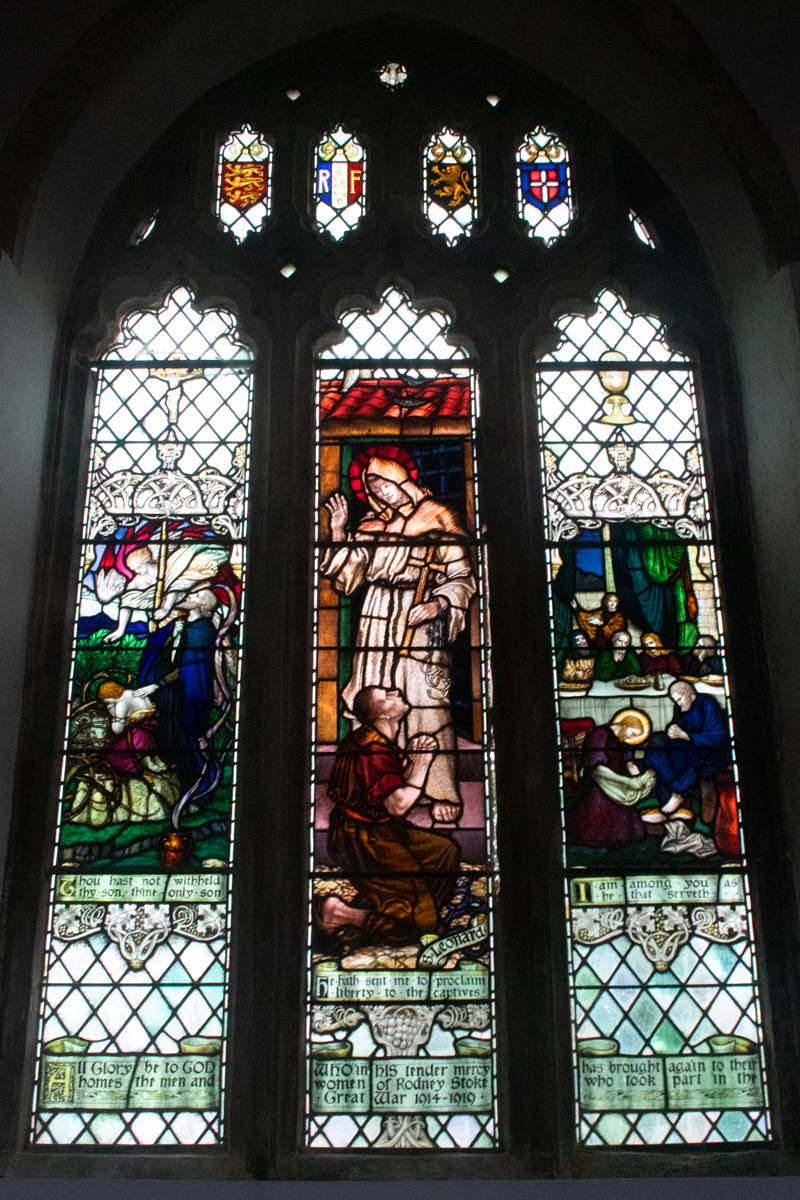
Normally, when I visit the local villages, I spent time in the churchyard looking for Commonwealth War Graves. However, Rodney Stoke stands out as one of the county’s Thankful Villages.
Fifty-three parishes in England and Wales are commemorated as having sent servicemen to war between 1914 and 1918, all of whom returned at the end of the conflict. These Thankful Villages stand out, particularly given that there are tens of thousands of towns and villages across the country.
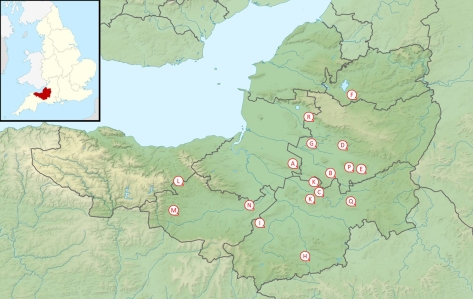
Somerset has the highest number of Thankful Villages by county, with Rodney Stoke counting as one of nine. This is celebrated by a window in the church, giving thanks that “All glory be to God, whom in his tender mercy has brought again to their homes, the men and women of Rodney Stoke who took part in the Great War 1914-1919”.
(As an aside, Rodney Stoke sadly doesn’t fit into the category of being Doubly Thankful, having seen all of their service men and women return from both world wars. Four local residents – David Cooper, John Glover-Price, Denis Thayer and James Williams – perished in the 1939-1945 conflict.)
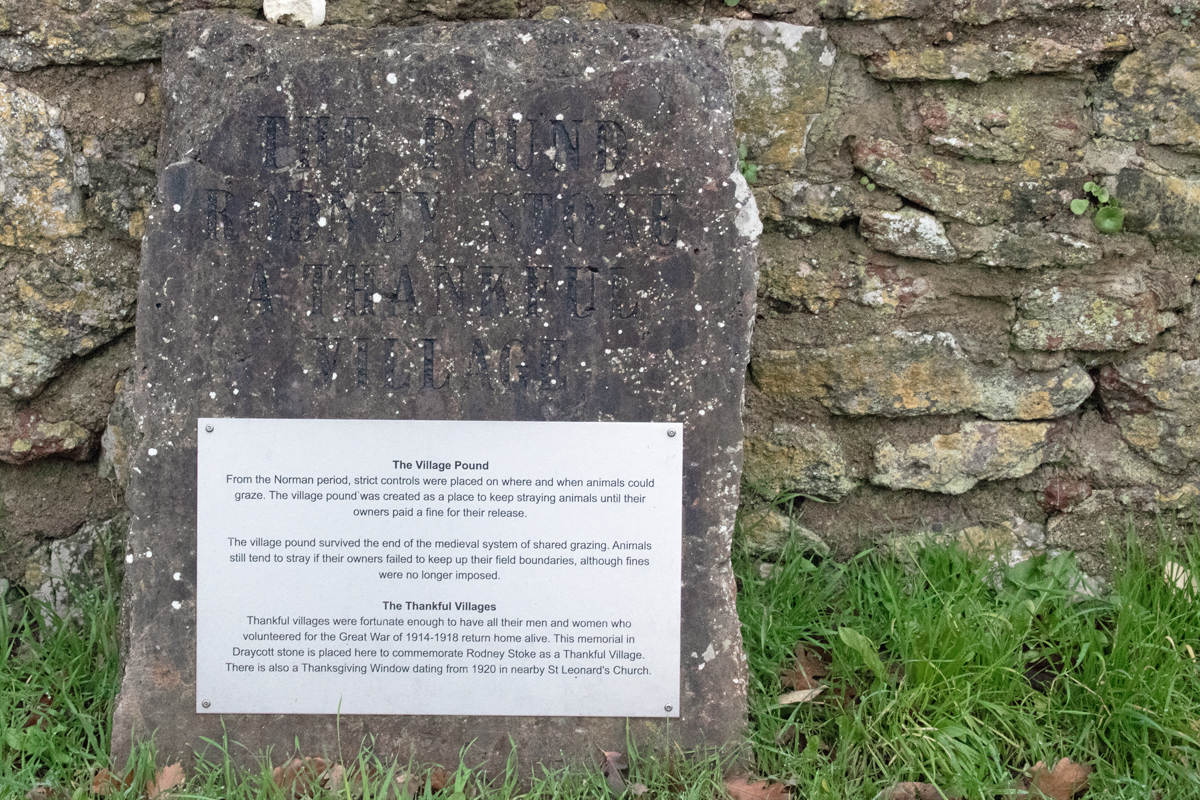
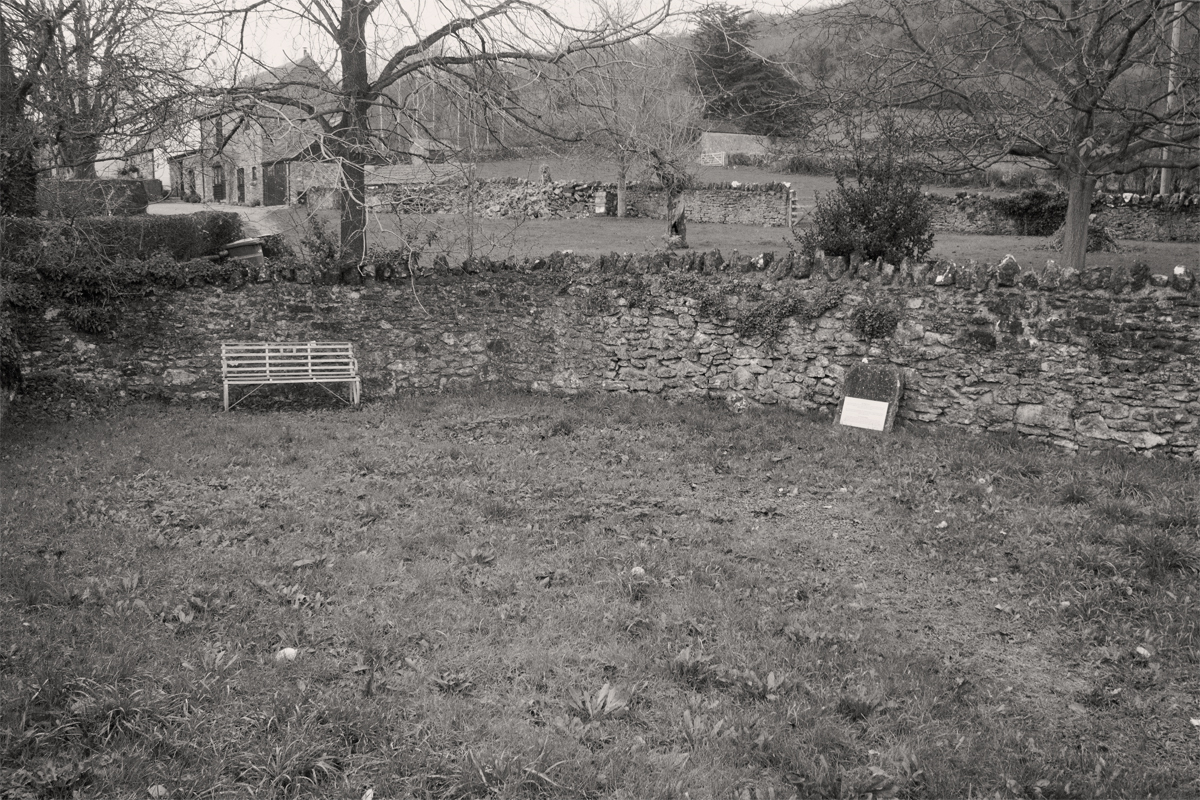
A second memorial to Rodney Stoke being thankful is situated in the Village Pound.
Since Norman times, strict controls were in place about where and when animals could graze on common land. The Pound – a walled area on the main road – was a place for straying animals to be kept until their owners paid the due fine.
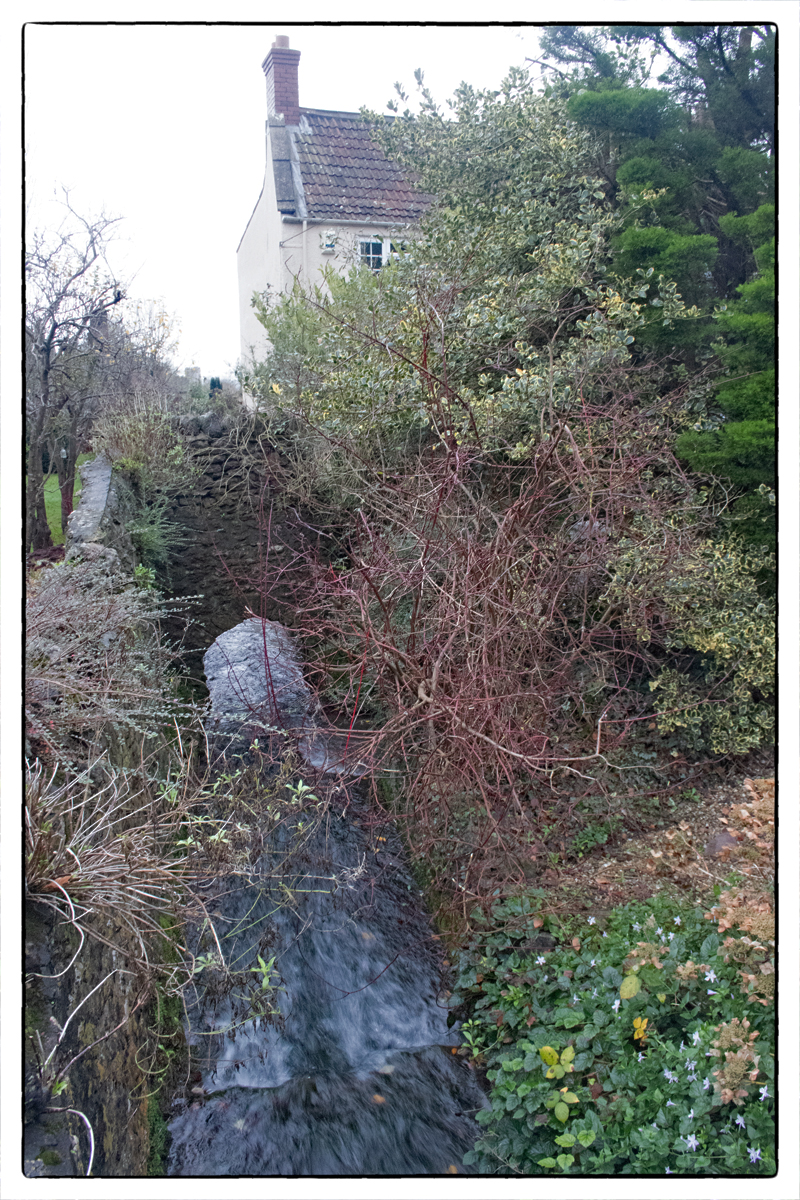


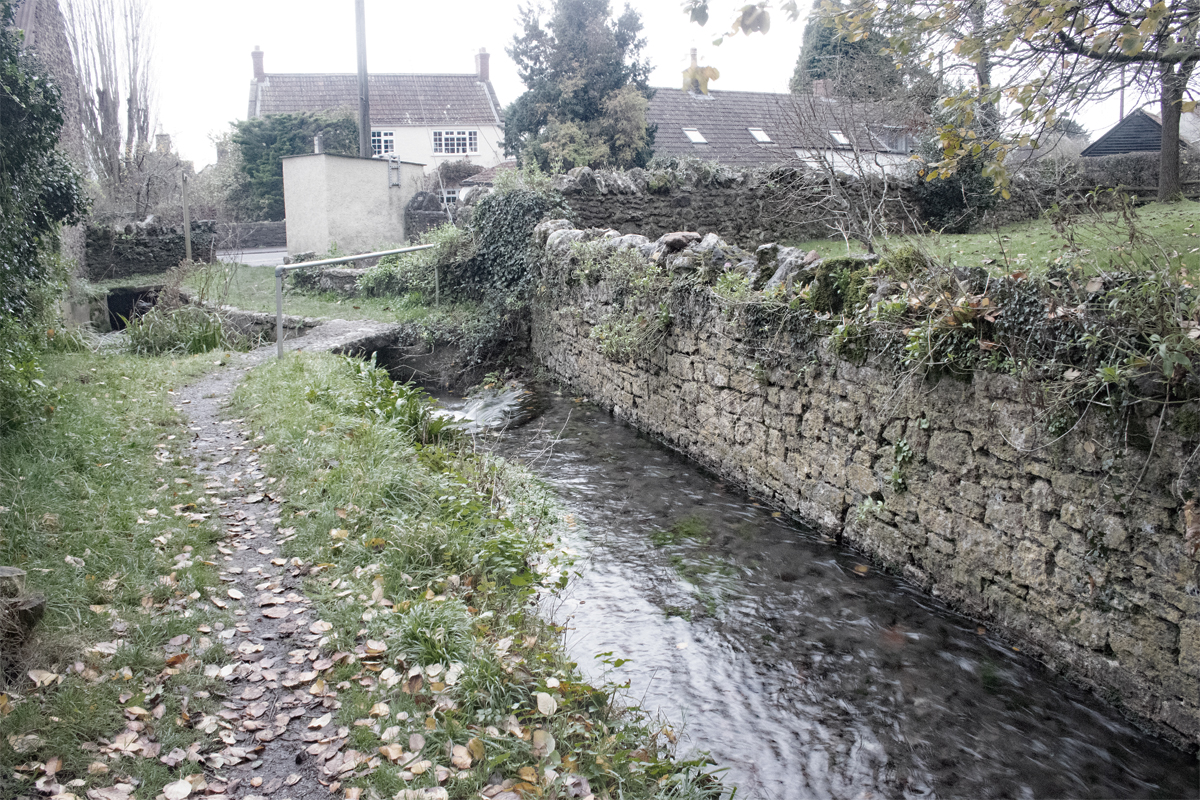
As with other villages I have visited for this alphabetical journey, Rodney Stoke is definitely worth stopping by for. To the north of the village lie the Stoke and Stoke Woods Nature Reserves , and the village pub – the Rodney Stoke Inn – must also be worth a visit!
 CKPonderingsToo
One thought on “A-Z of Somerset: Rodney Stoke”