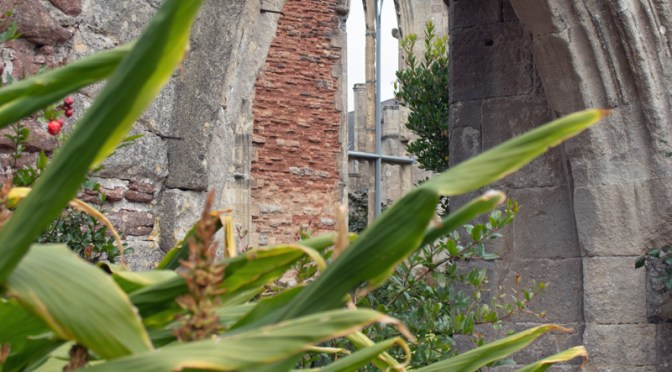

We are not as intrinsically connected to nature as we once were.
Go outdoors. Get into the country. Bring nature into your home.
Make than connection and feel the benefit.

We are not as intrinsically connected to nature as we once were.
Go outdoors. Get into the country. Bring nature into your home.
Make than connection and feel the benefit.

We all have things we believe in, things we have faith in, places we turn to when times are dire.
Whatever you creed, colour, faith or belief, find yourself that sanctuary you can escape to.
Centre yourself and prepare to face the world again.

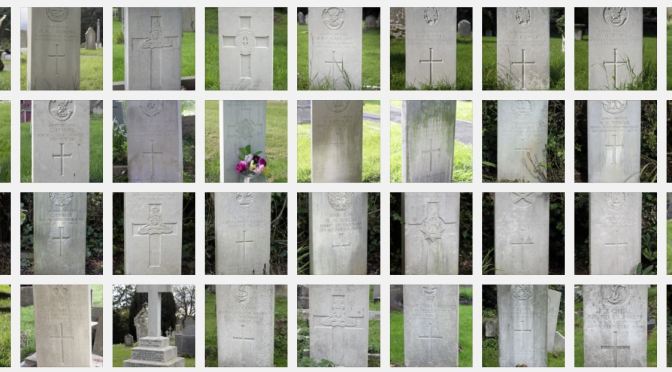
One hundred tales of the fallen of World War One.
One hundred tales of pandemics, battlefield wounds, accidental shootings, car crashes, drownings, suicides, tram accidents and plane crashes.
One hundred tales of soldiers, sailors, airmen and nursing staff, from the United Kingdom, Canada, South Africa and the West Indies.
One hundred stories behind the names on the gravestones.
Let their stories not be forgotten.
Learn more at the CKPonderingsCWG blog.
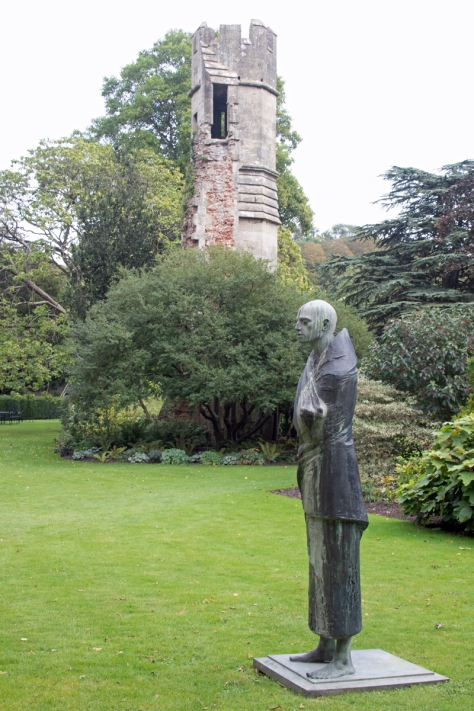
We spend our time rushing from one thing to another, trying desperately to cram as much as we can into the hours that we have.
This doesn’t allow us to appreciate what we have, where we are, and what we have accomplished.
Take a breath. Take a step back. Just enjoy the moment.

We are often constricted by our own viewpoints.
Respect the beliefs of others, even if they are not your own, or you don’t agree with them.
Life is about give and take, so be measured in your approach.

Don’t take everything at face value.
Often there is more the to the story than meets the eye; hype is overrated.
Look beyond what you are being told.
Read between the lines and seek out that which you are not being told.
Believe you can find the truth, but not that you are being given it straight away.
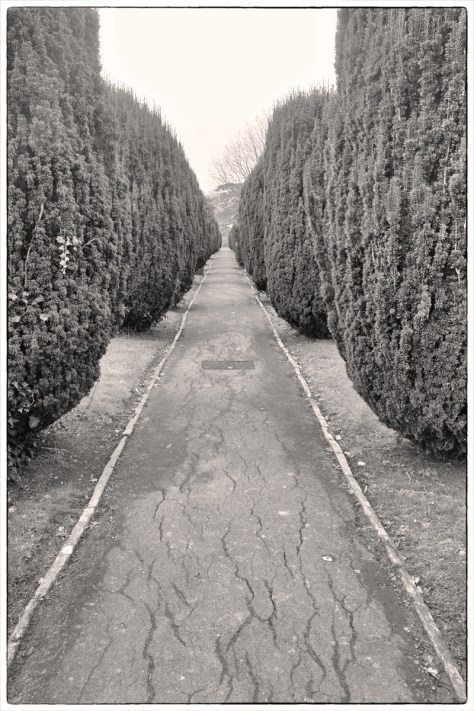
Not every path is obvious, not every road is straight.
There are often many twists and turns to navigate, but often life is more about the journey than the destination.
When we are born, we are not provided with in-built satellite navigation.
Our journey is our own, and, after all, a direct route would be a boring one.
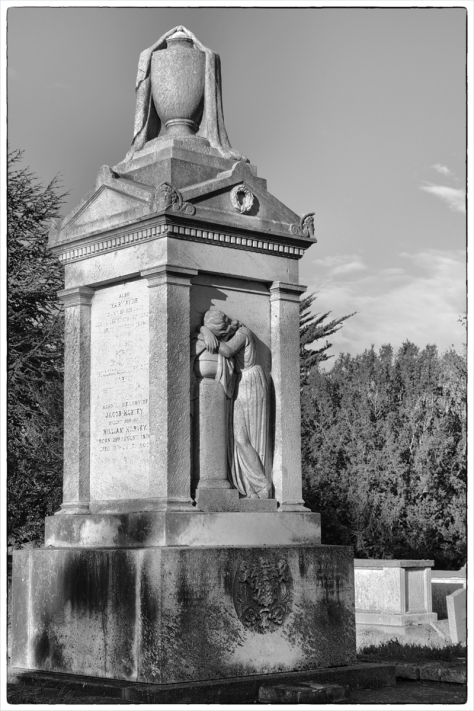
Life is full of ups and downs.
There is no failure in feeling distressed or unable to cope.
Nor is there any failure in asking for help.
Reach out to others if you need to.
It is good to talk.
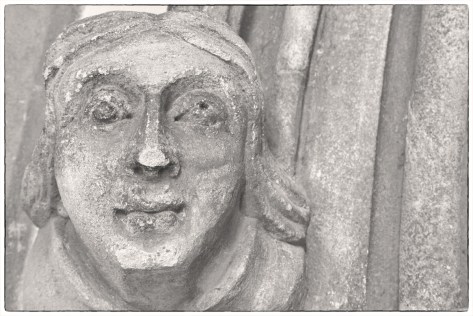
Find happiness in the small things.
Not all joy comes in the form of huge bells and whistles.
Sometimes, it is the smallest of details that can bring a smile to your face.
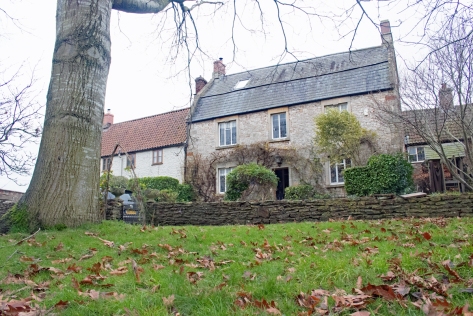
In the north of the county*, just eight miles from the centre of Bristol lies the quiet village of Stanton Drew. Nestled in the rolling hills of this part of the county, it is easily overlooked. (Avoid using your SatNav – you will end up encountering all sorts of twisty turny country roads!!)
Old enough as a village to have featured in the Domesday Book, it was listed as Stantone, from the Old English and Celtic words meaning “the stone enclosure with an oak tree”.
Drew came from the name of one of the former owners of the area, and was added to distinguish the place from neighbouring Stanton Wick and Stanton Prior.

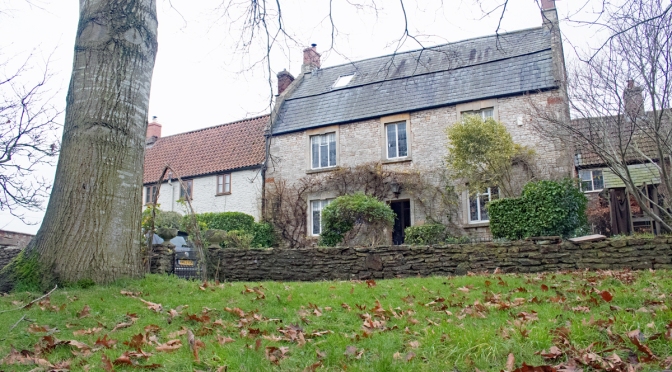
Approaching from the north, the first hint of Stanton Drew comes from the sight of the unusual Round House. Originally a tollhouse, this quirky thatched building sets the tone for the other buildings in the village.

Over the narrow bridge, and you arrive at the village itself.
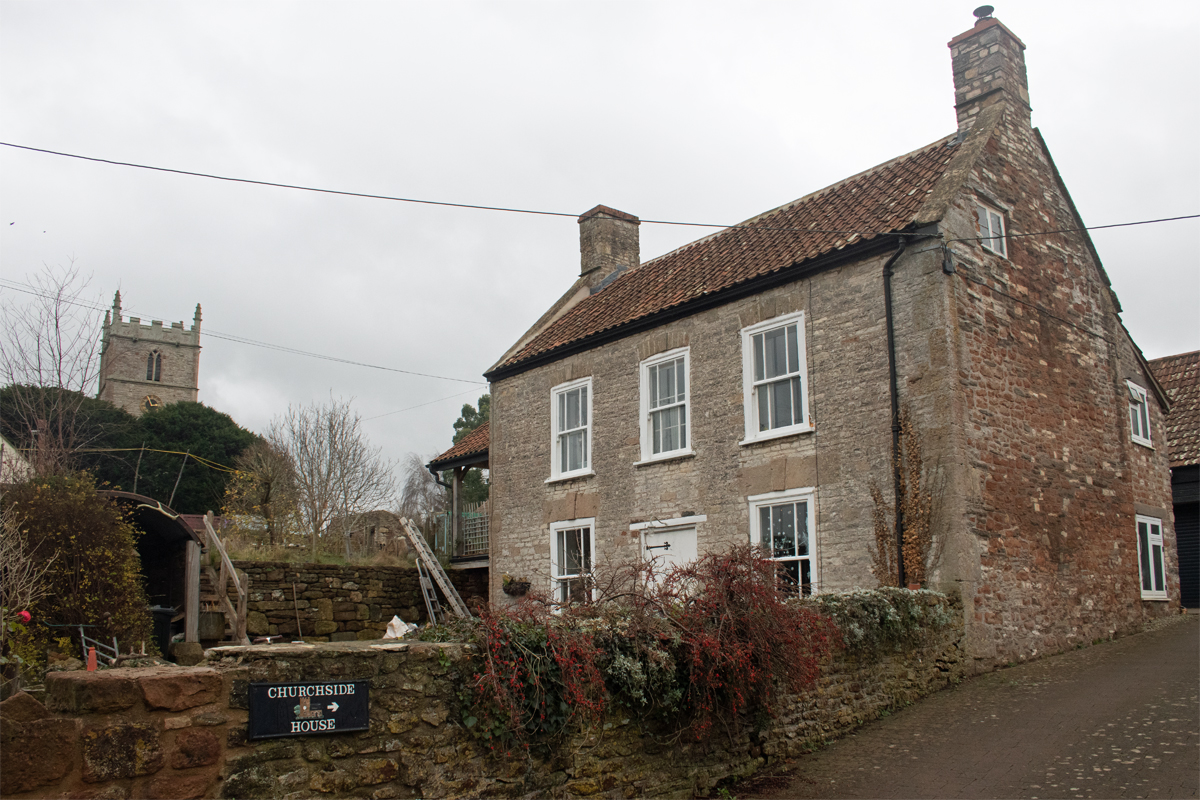
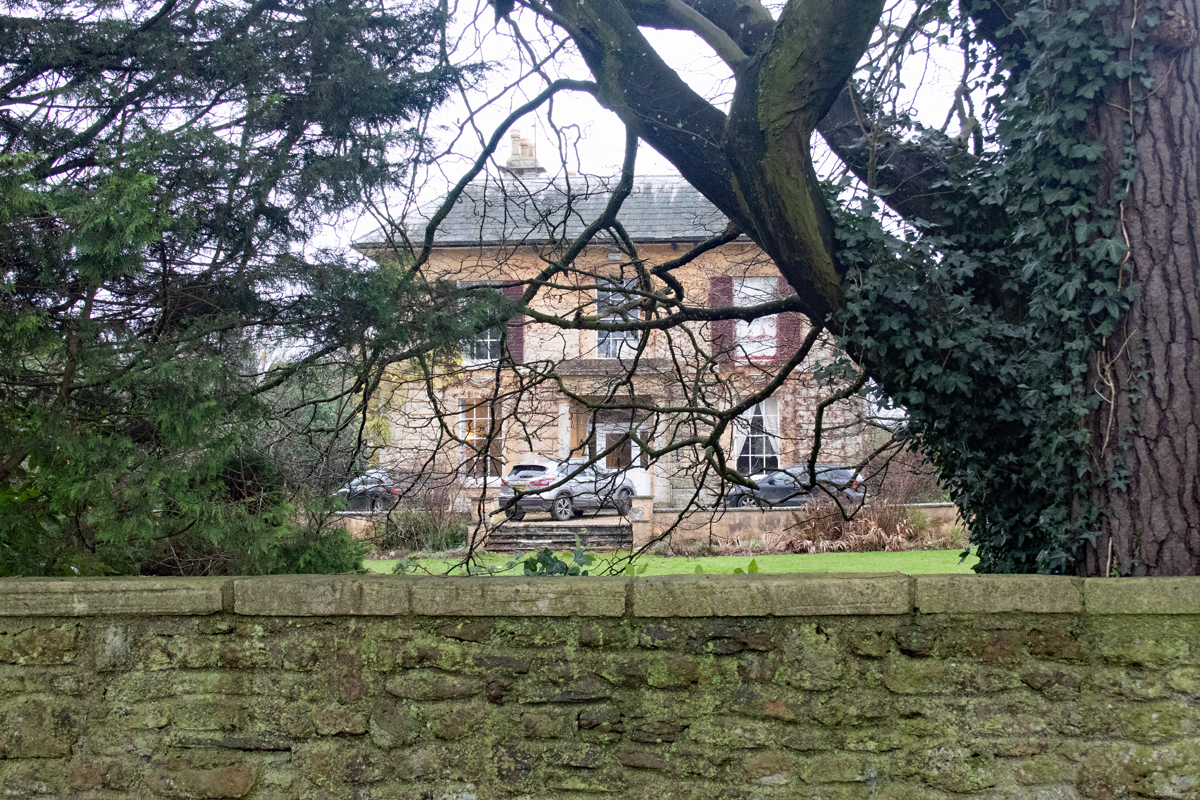
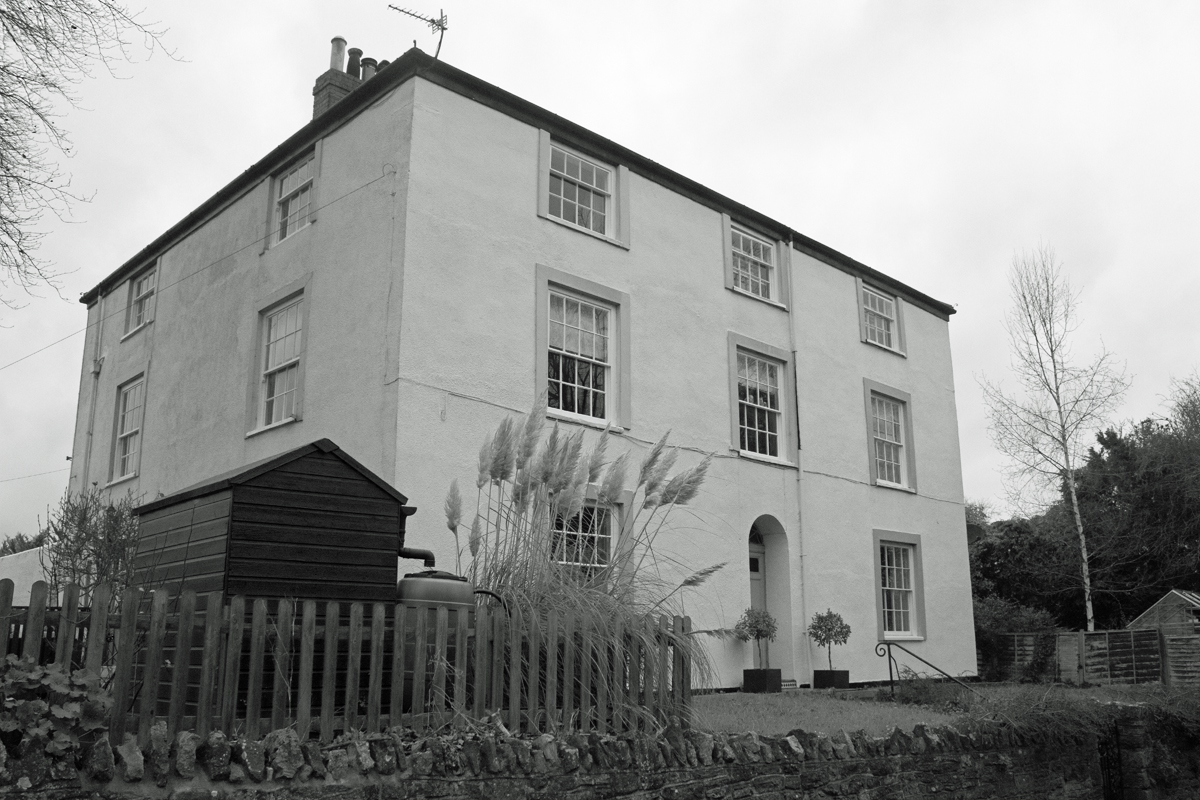

You very readily identify that this was once a place of great wealth. There are a number of large properties, and it is difficult to identify if there was ever just one manor house.
Stanton Drew gained its wealth from coal, and, at, as late as the 1950s, there were as many as three mines within the parish boundaries.
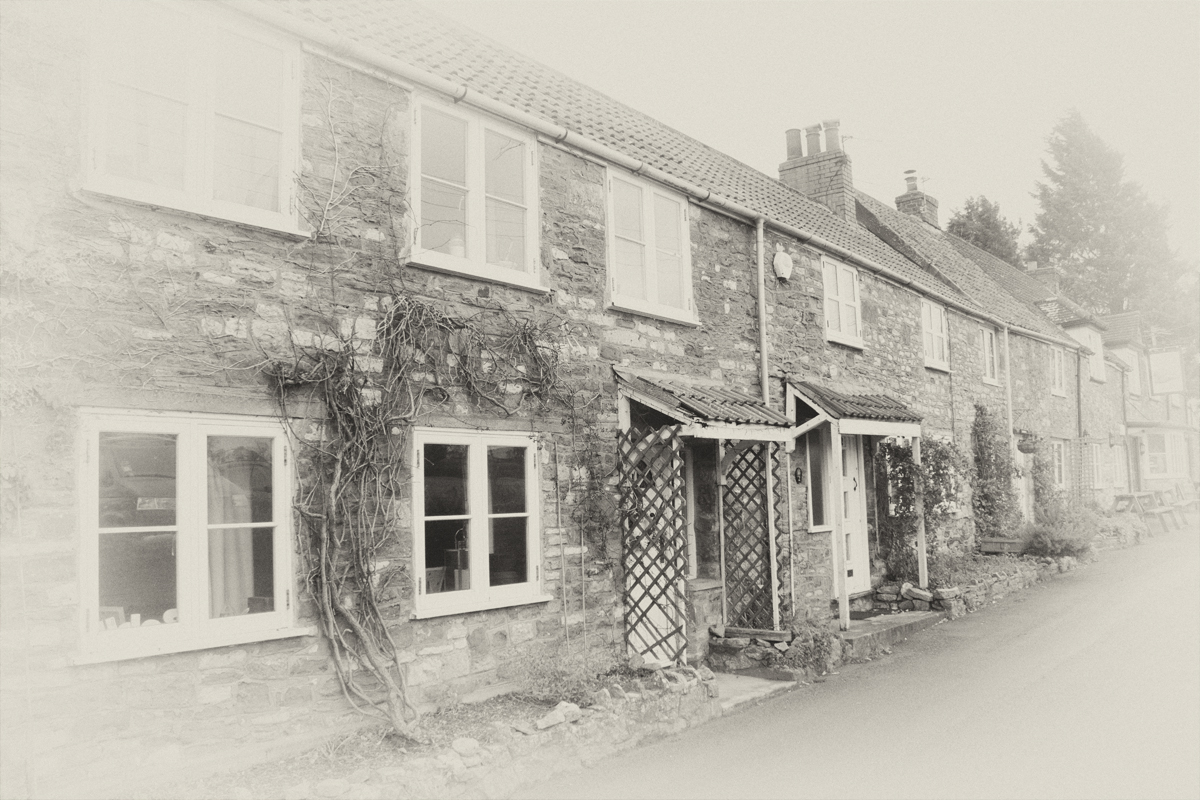
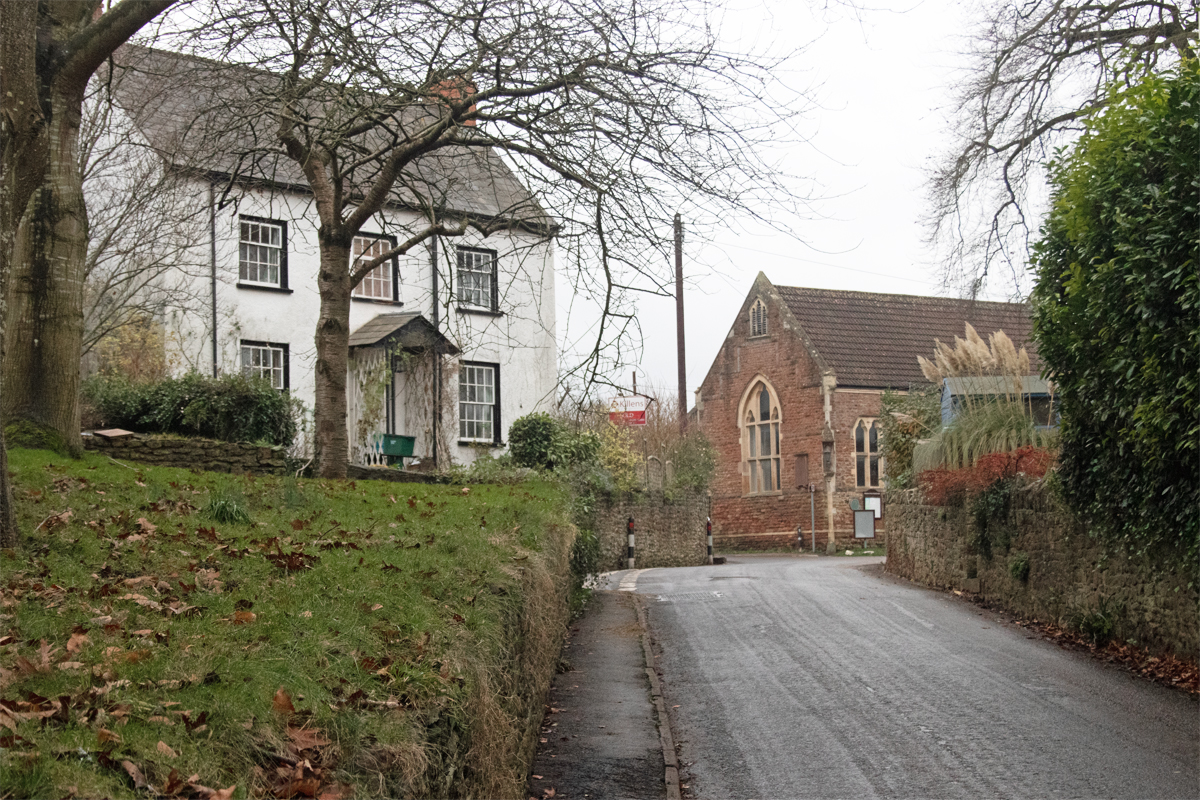
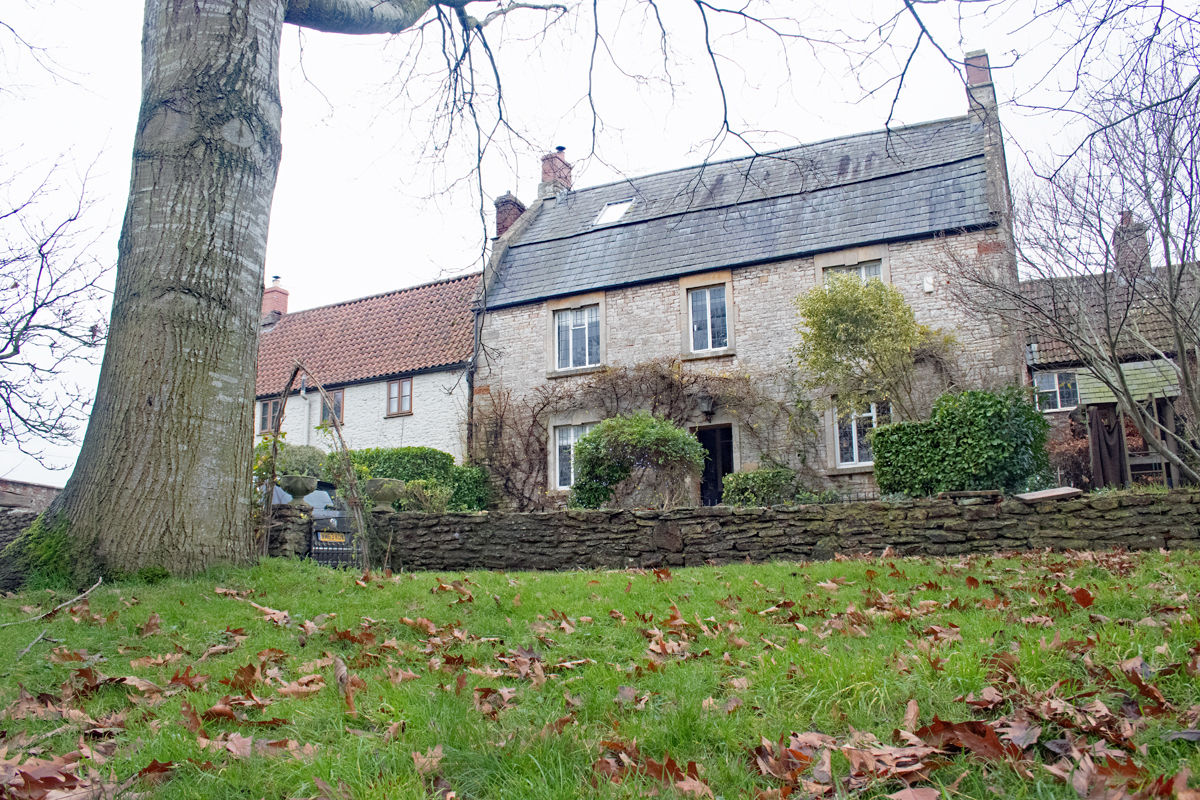
In fact, there is little evidence of any smaller housing; yes the land around the village is also good for agriculture, but there aren’t many traditional farming cottages to be found.
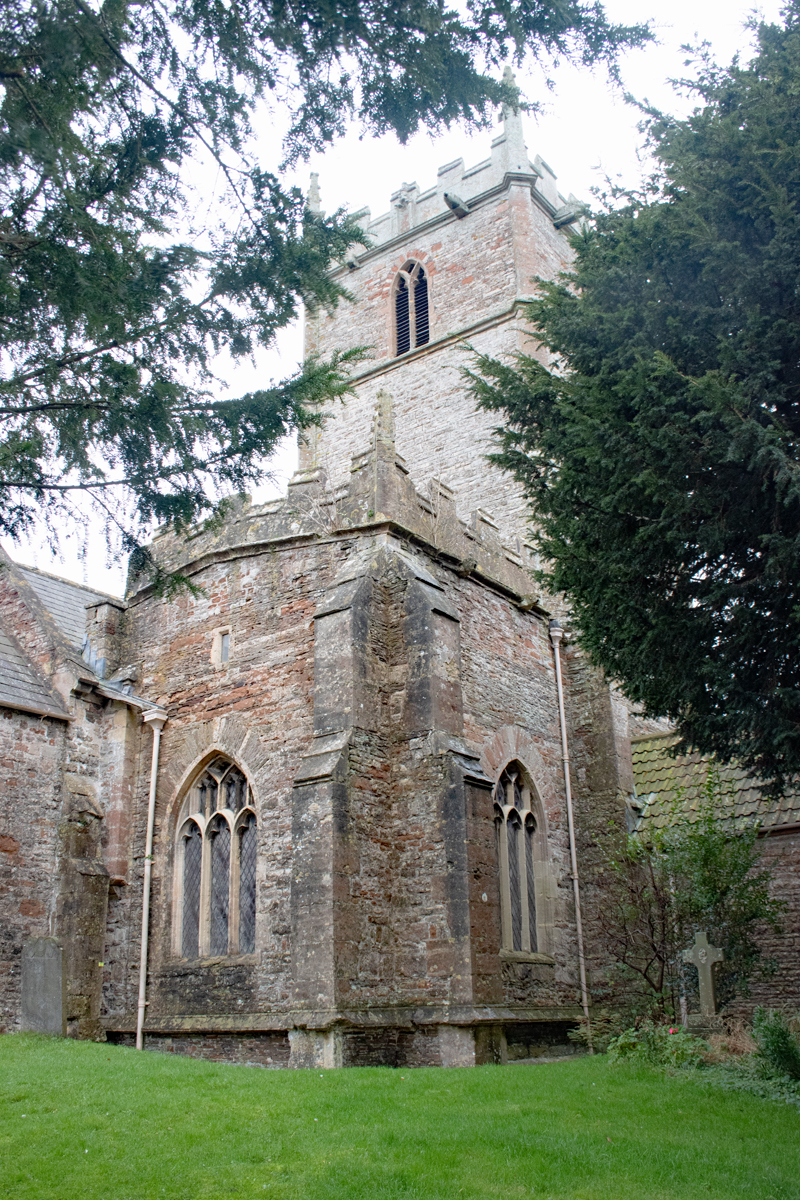
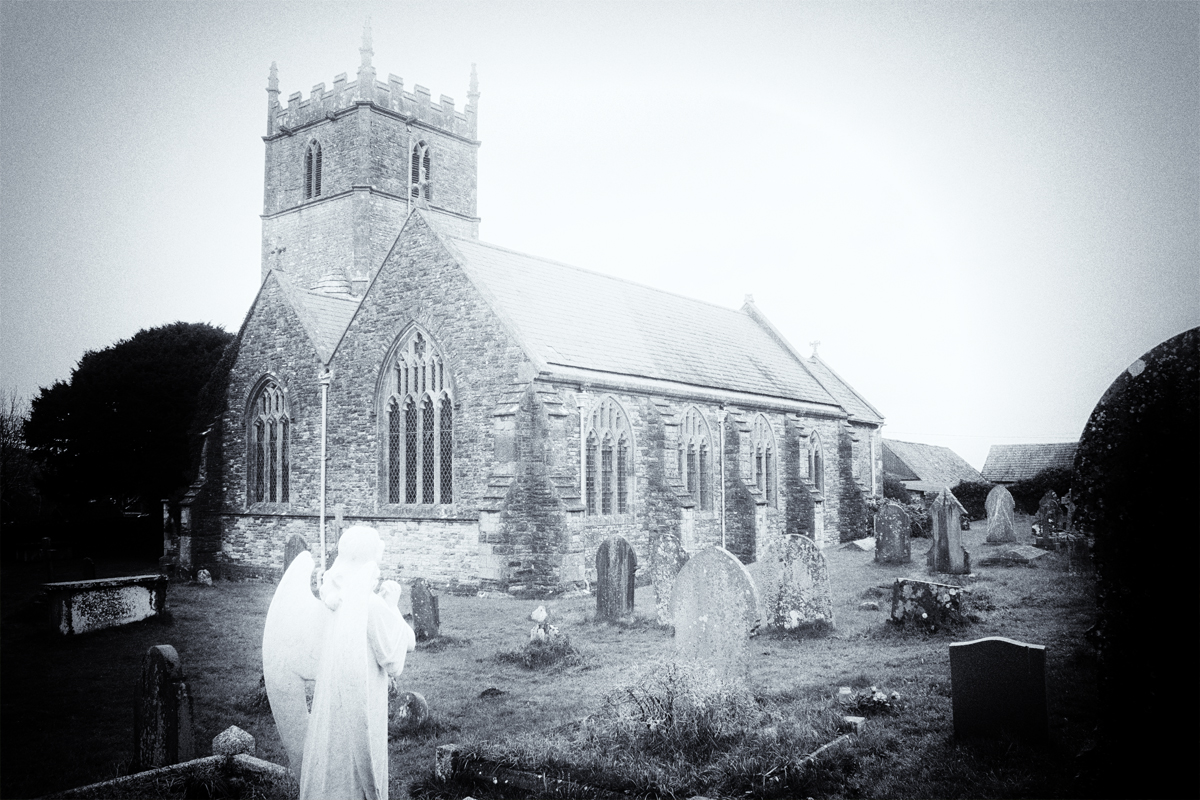


The main religious site is the church of the Blessed Virgin Mary, which dates to the 13th and 14th centuries.

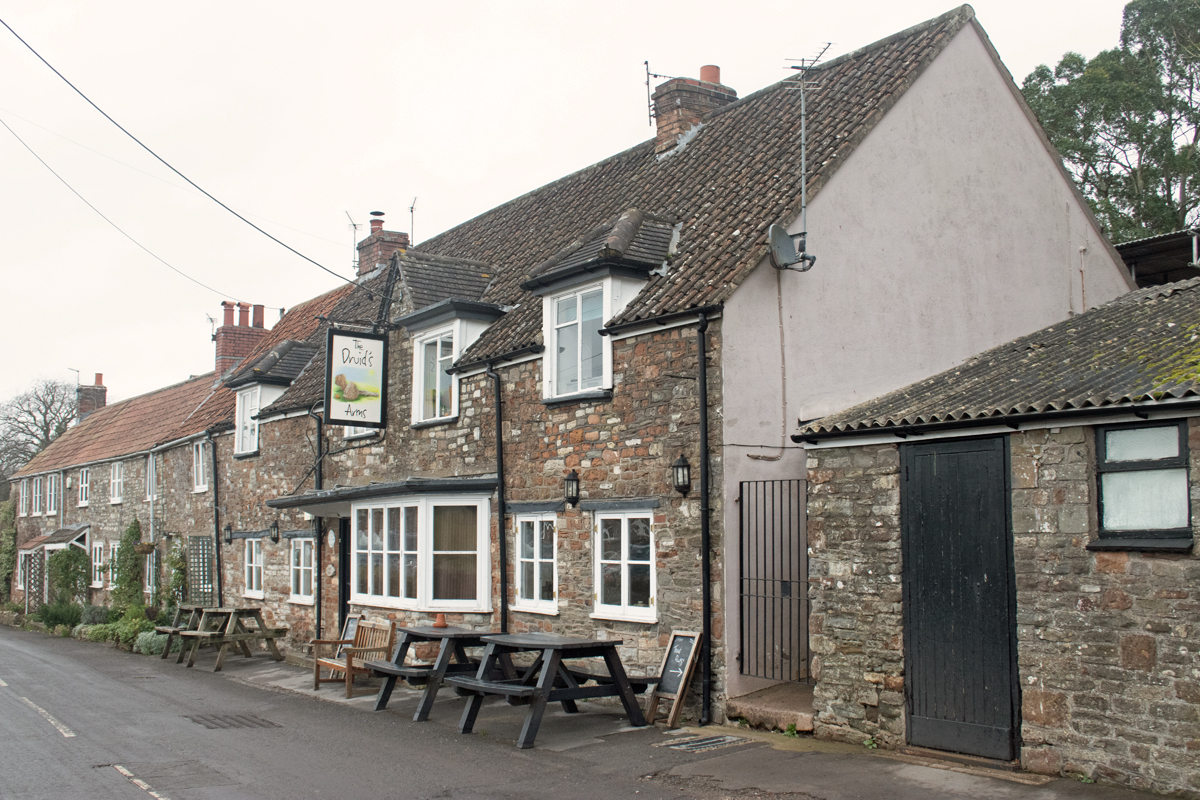
As befits a village of this stature, there is a school and village pub, but as you wander round Stanton Drew, you can’t help but get the feeling there there is something more about this place, something that you cannot quite put your finger on.
And oddly, it’s the garden of the village pub – The Druid’s Arms – that gives you the first hint.
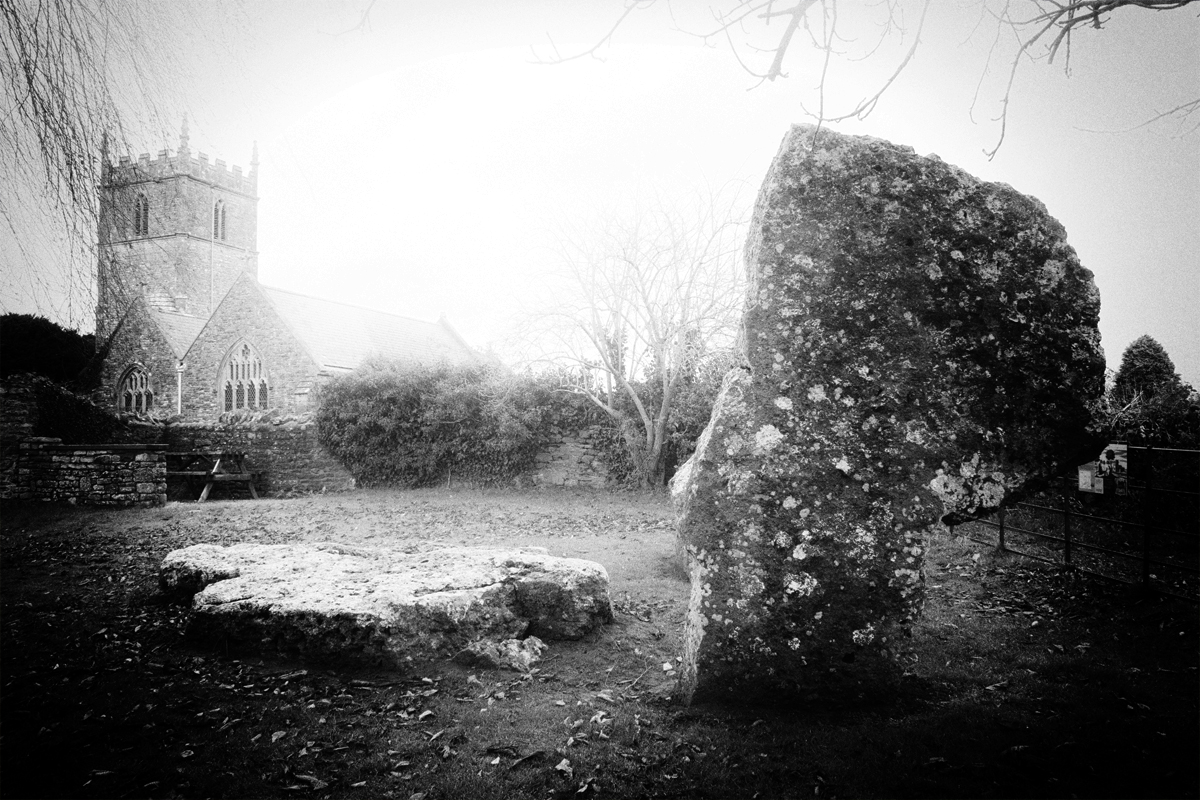

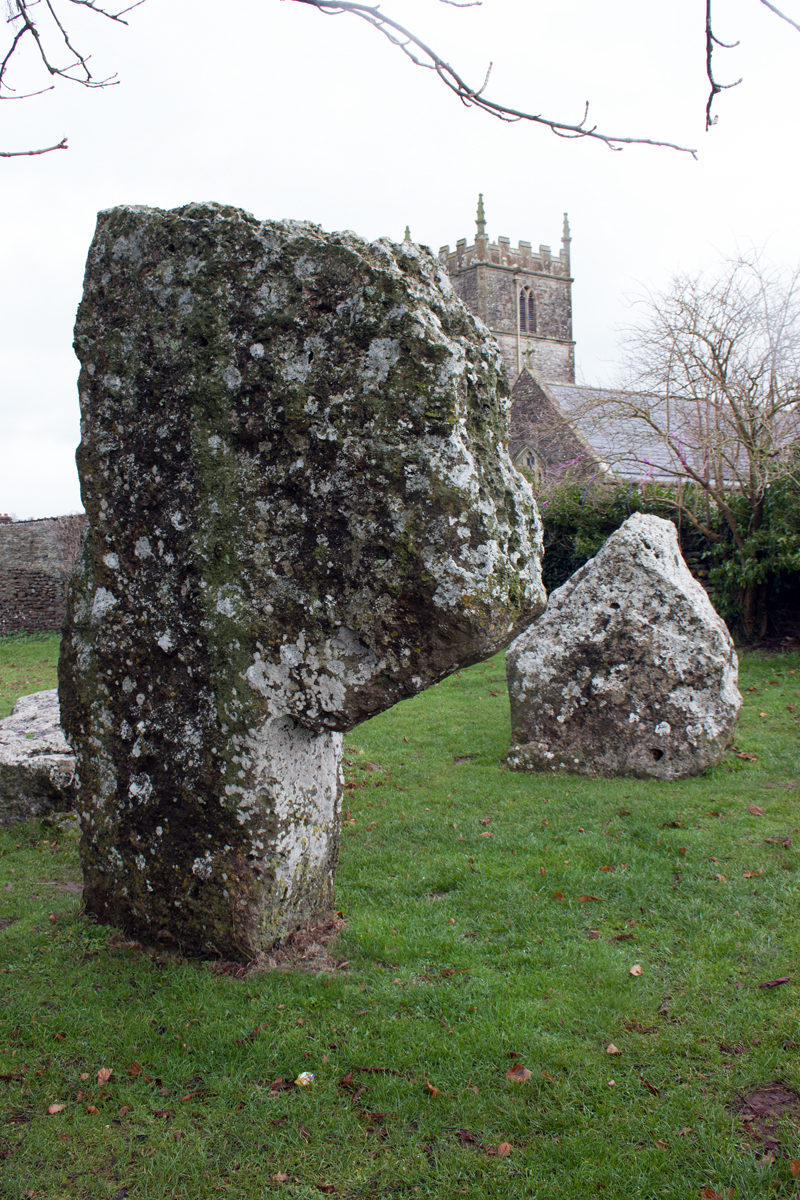

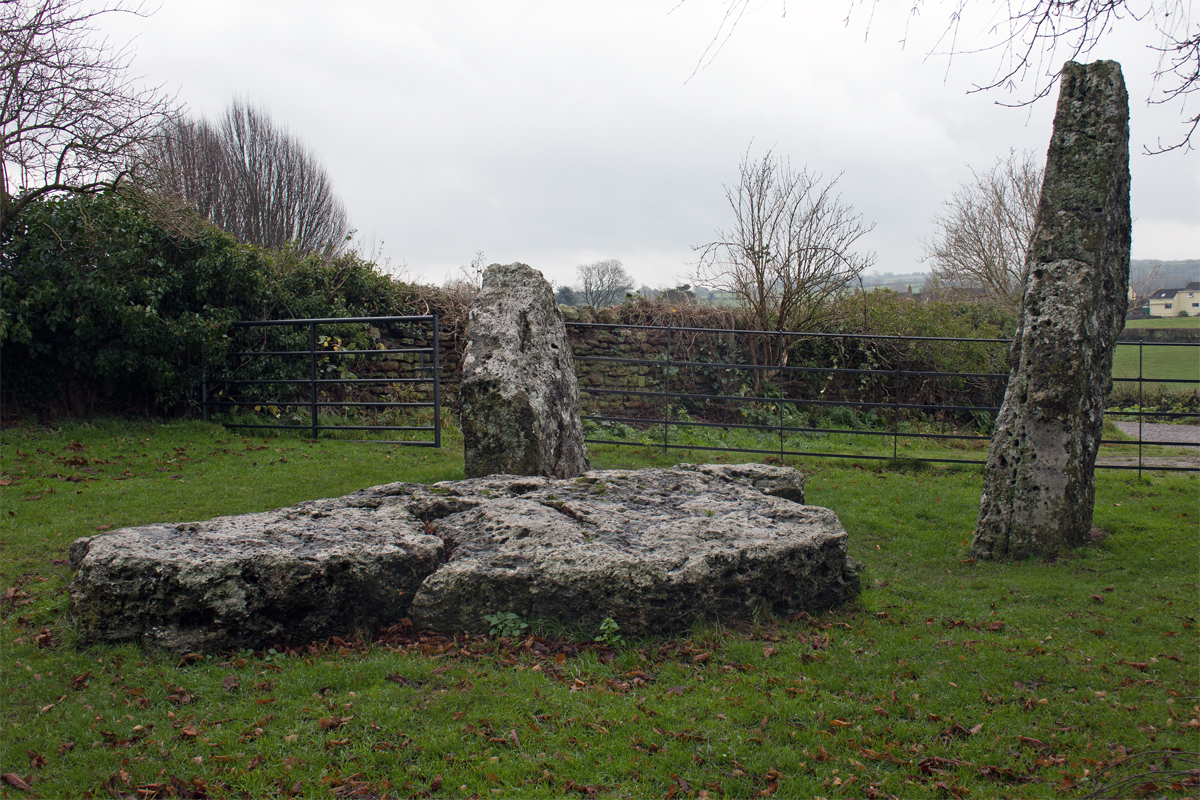
For while Stanton Drew was first listed in the Domesday Book, its history significantly predates this writing from 1086.
Three stones form a prehistoric enclosure, within site of the village church. They hint at the ceremonial activities which took place here around 4,500 years ago.
They are also said to be the relics of a parson, bride and bridegroom, turned to stone by the Devil because their wedding guests danced on a Sunday.
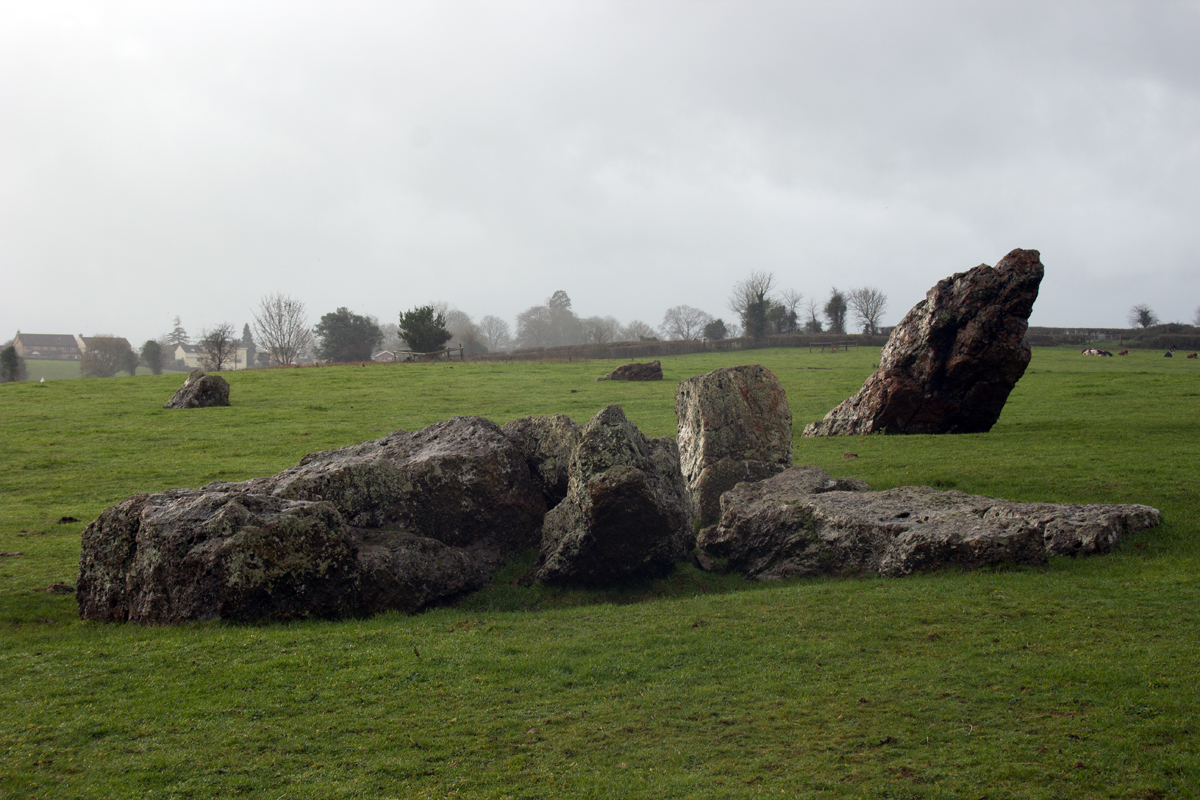
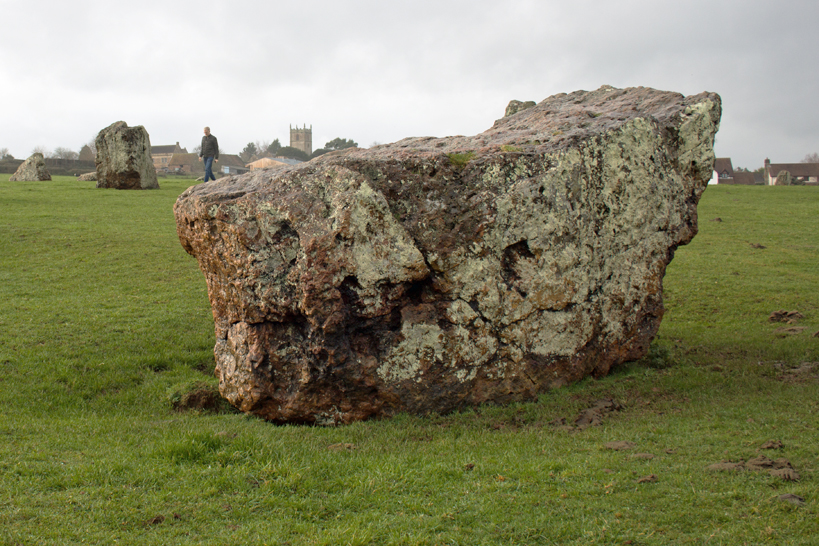
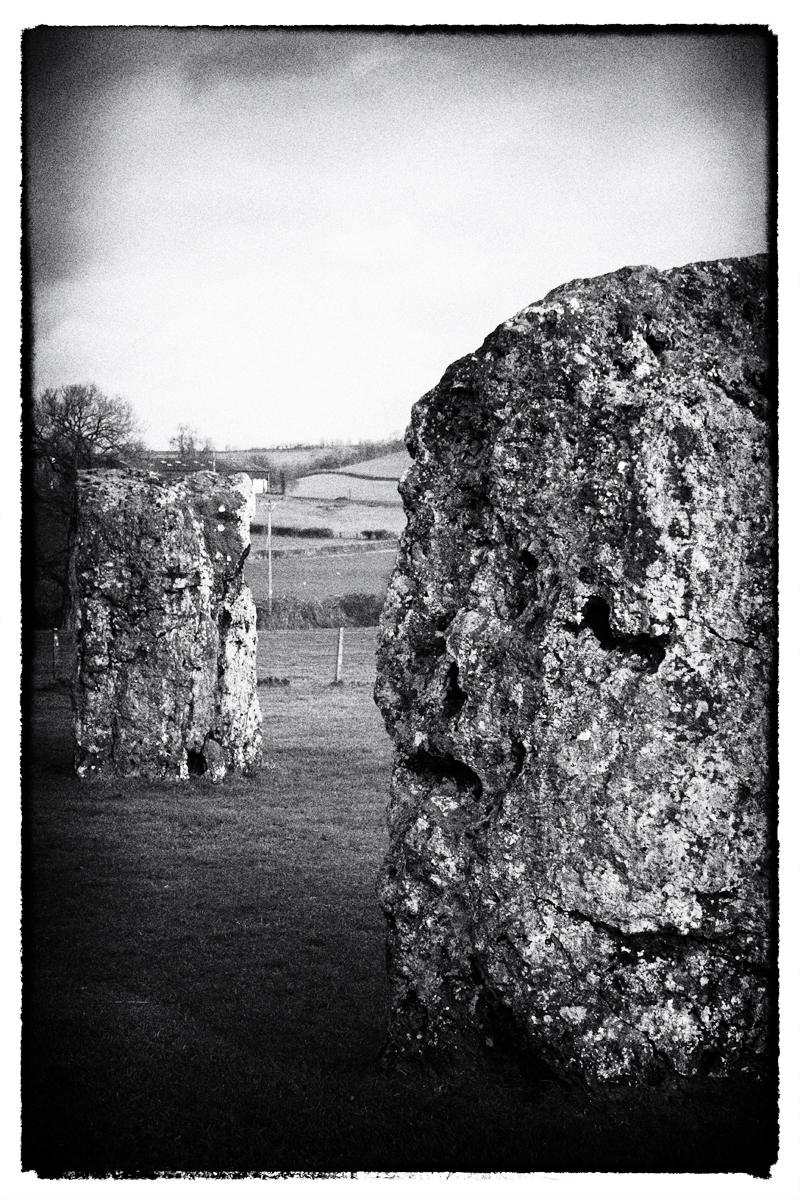
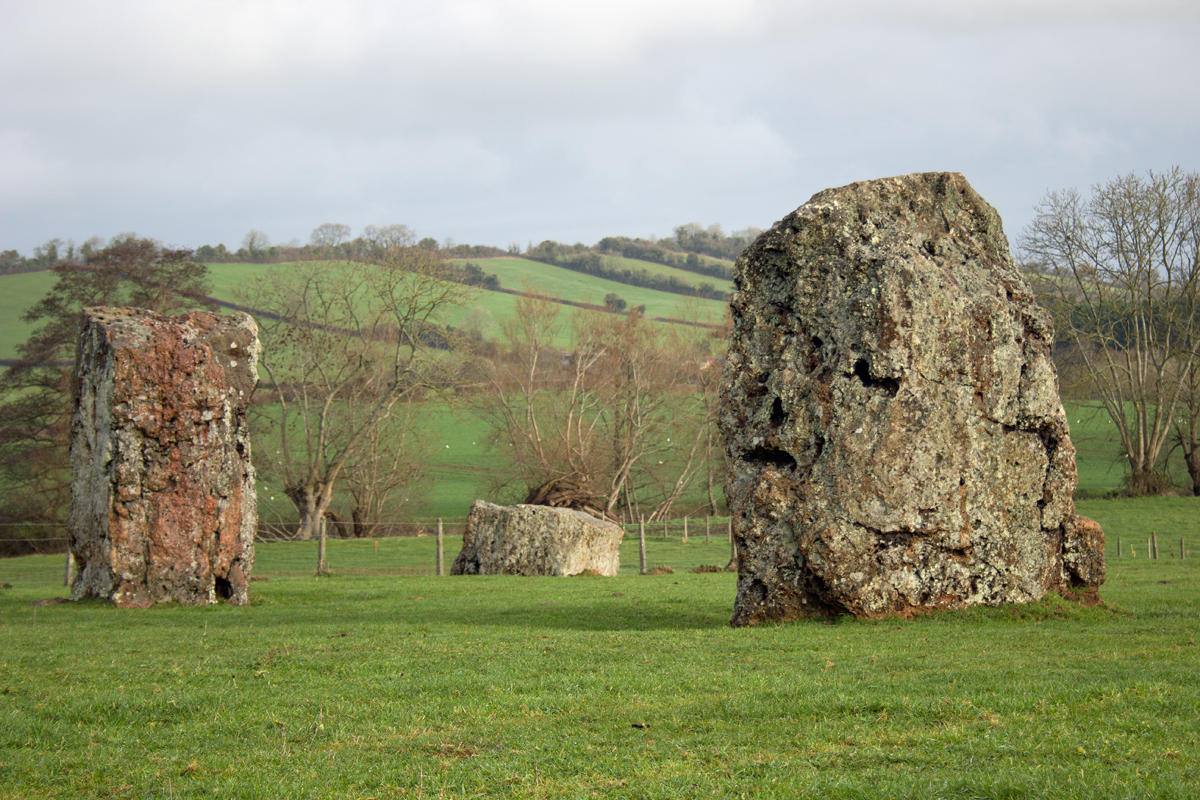
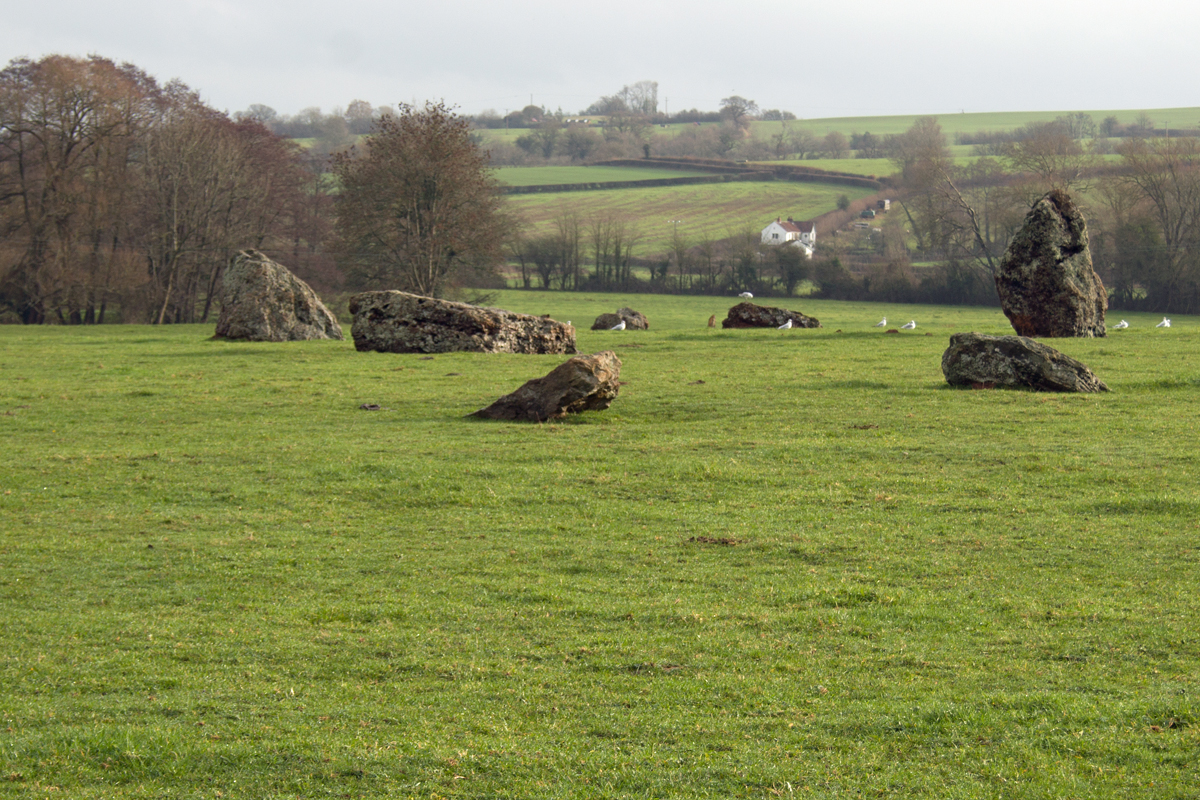
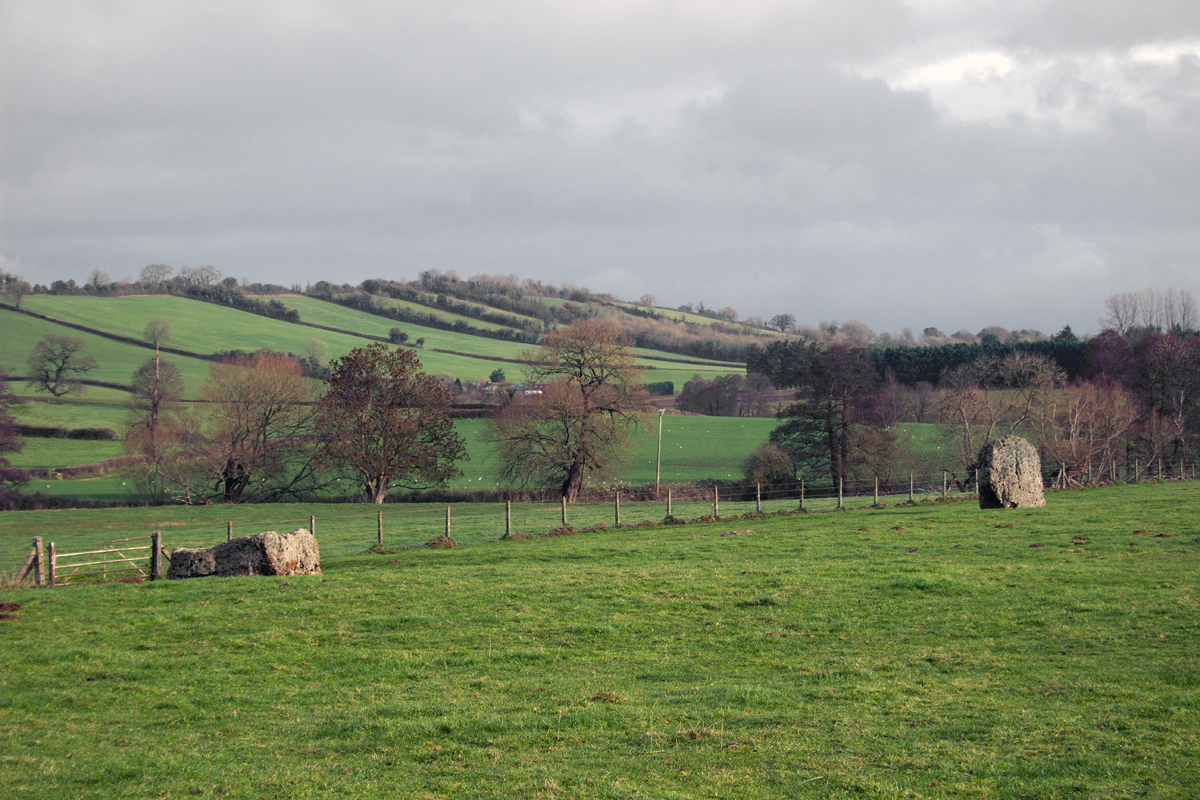

Behind the church as the most impressive element of Stanton Drew.
Three stone circles, up to 371 ft (113m) in diameter lie to the east and north of the village. Contemporary in date to the Neolithic site at Stonehenge, the Great Stanton Drew circle is, in fact, larger than its more well-known Wiltshire counterpart.
Only the stone circle at Avebury is bigger in size, meaning that the Stone Age circles of Stanton Drew are, in fact, the second largest Neolithic site in the United Kingdom.
Significantly less visited than either Avebury or Stonehenge, Stanton Drew is one of the country’s best kept prehistoric secrets.
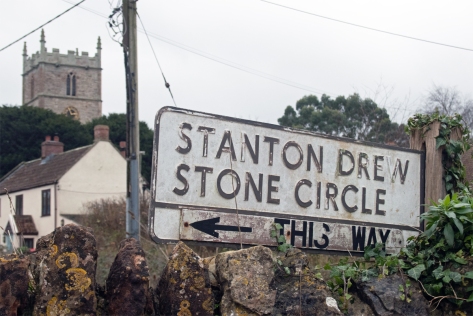
Undoubtedly one of the places to visit in the county, there is plenty to admire in Stanton Drew, and, for history buffs and walkers alike, there is more than enough to see and do.

* While Stanton Drew lies in the Bath and North East Somerset Unitary Authority, is is still part of the ceremonial county of Somerset, and so is happily included as part of this A-Z wandering.
Commemorating the fallen of the First World War who are buried in the United Kingdom.
Looking at - and seeing - the world
Nature + Health
ART - Aesthete and other fallacies
A space to share what we learn and explore in the glorious world of providing your own produce
A journey in photography.
turning pictures into words
Finding myself through living my life for the first time or just my boring, absurd thoughts
Over fotografie en leven.
Impressions of my world....

 CKPonderingsToo