

Photos fade, but our memories remain.
Find romance in nostalgia, and keep it close.

Photos fade, but our memories remain.
Find romance in nostalgia, and keep it close.

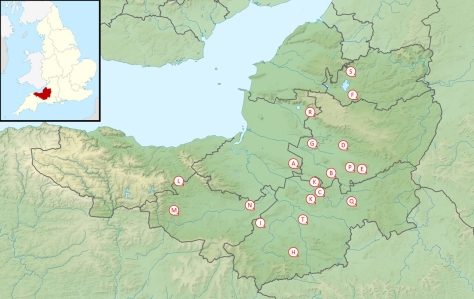
Nestled under the northern slopes of the Mendips, close to the Blagdon Lake in the Chew Valley, lies the quiet and unassuming village of Ubley.
The derivation of the village’s name is lost to time: in the 10th century it was known as Hubbanlege; a century later is was Tumbeli (or “rolling meadow” in old English). The name may come from local king Ubba, although it may also have been given the name in Veb, after the Latin word for lead, from the lead miners who lived in the area.
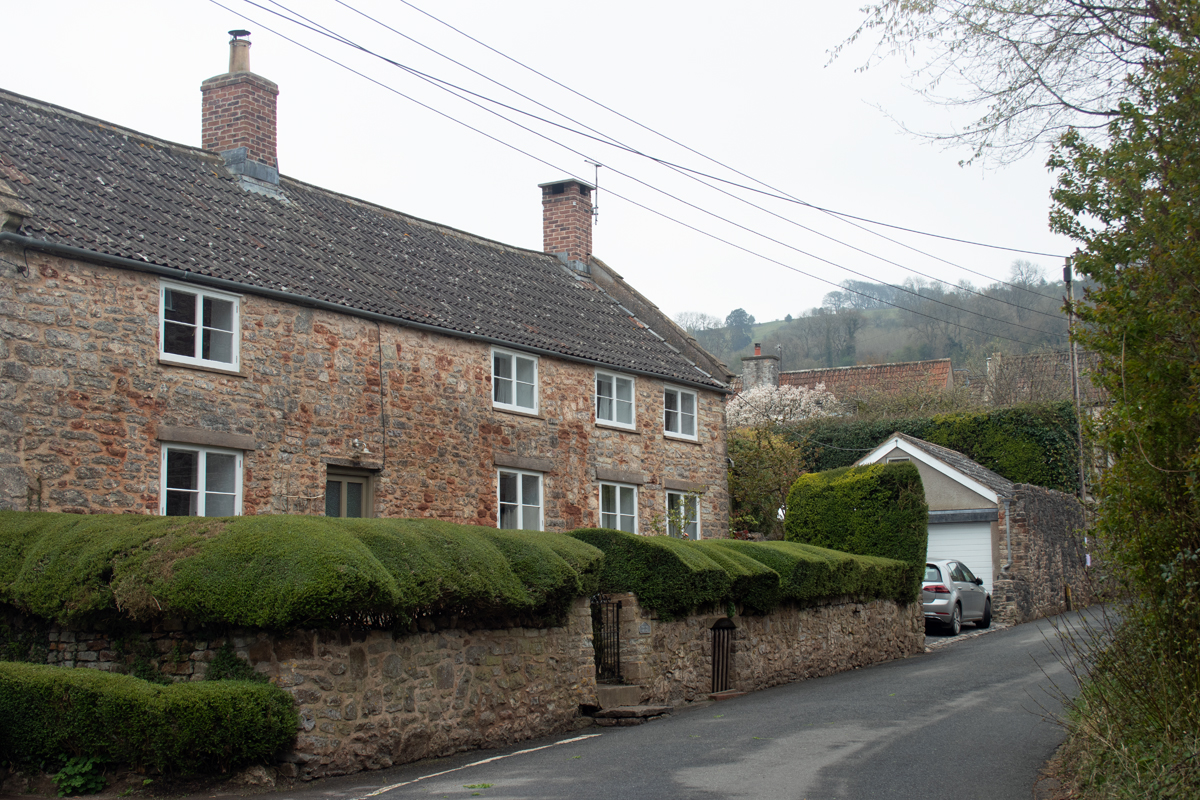
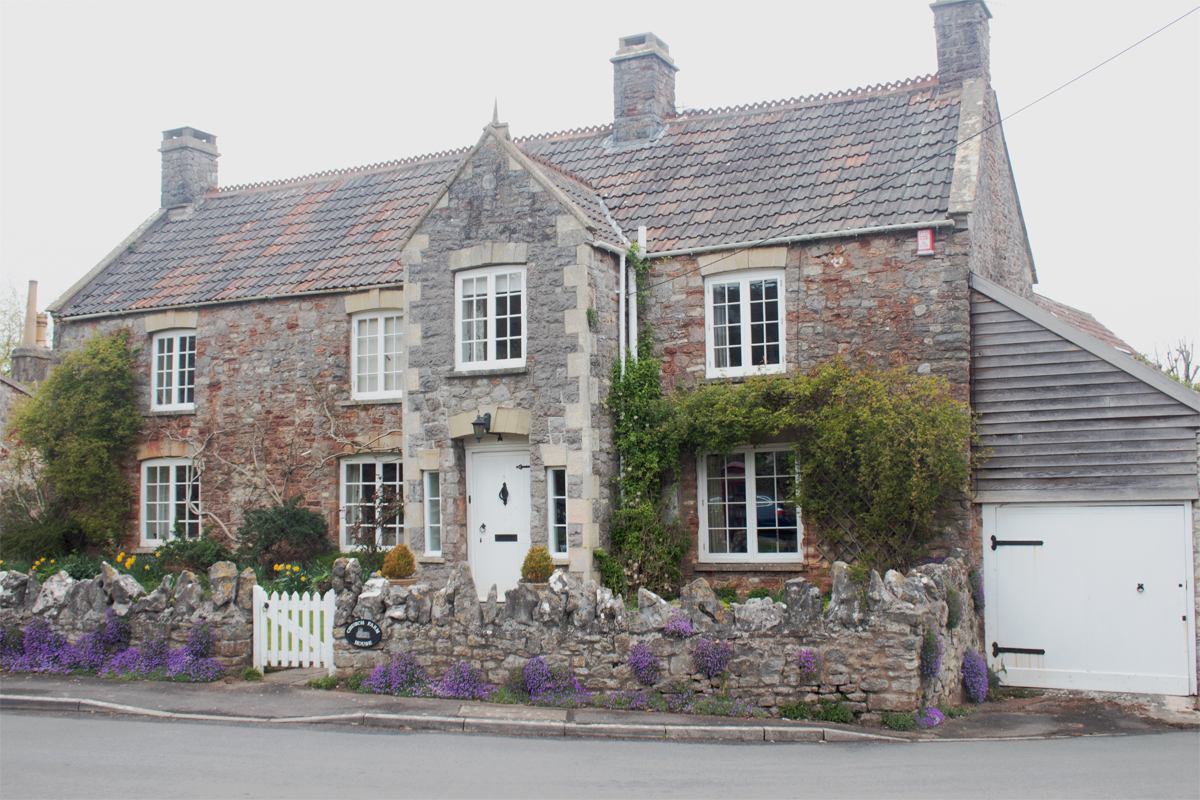
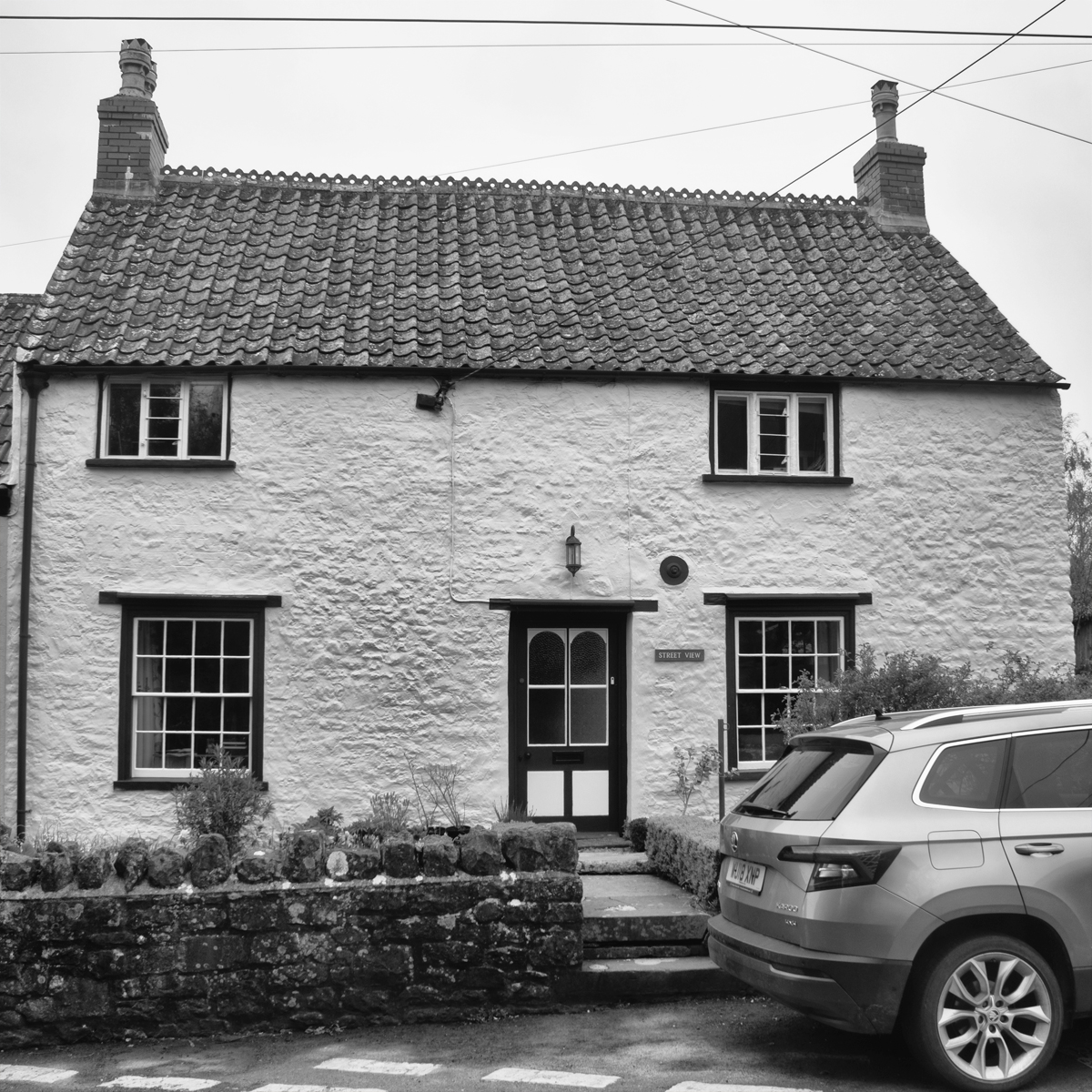
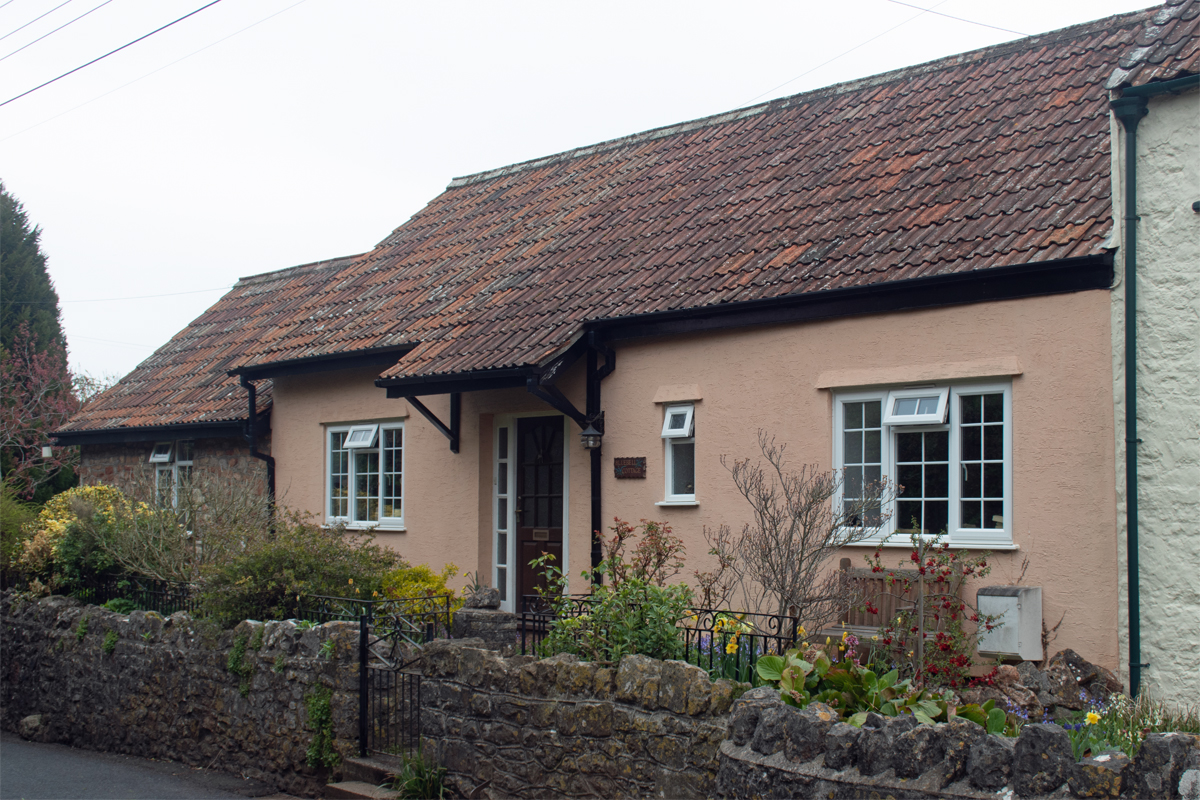
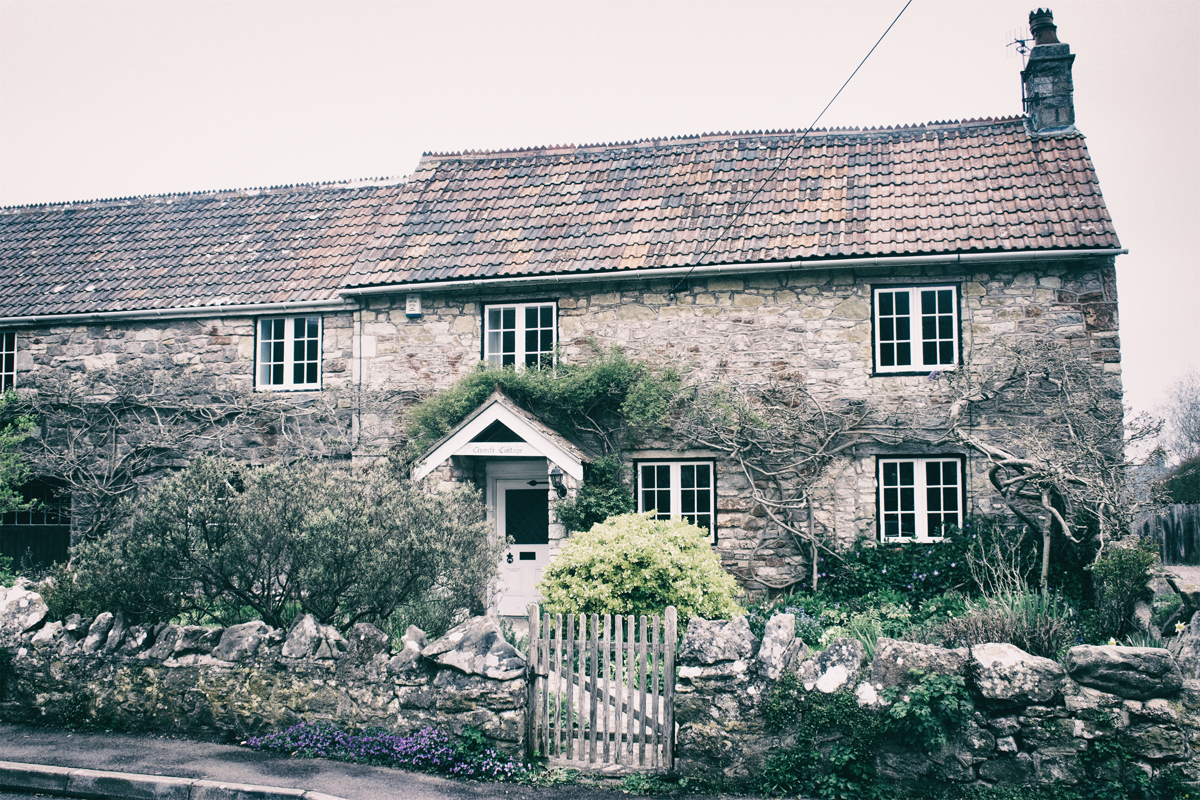
Today, the village has a population of around 330 people, most of whom live in old, stone built houses around the village green.

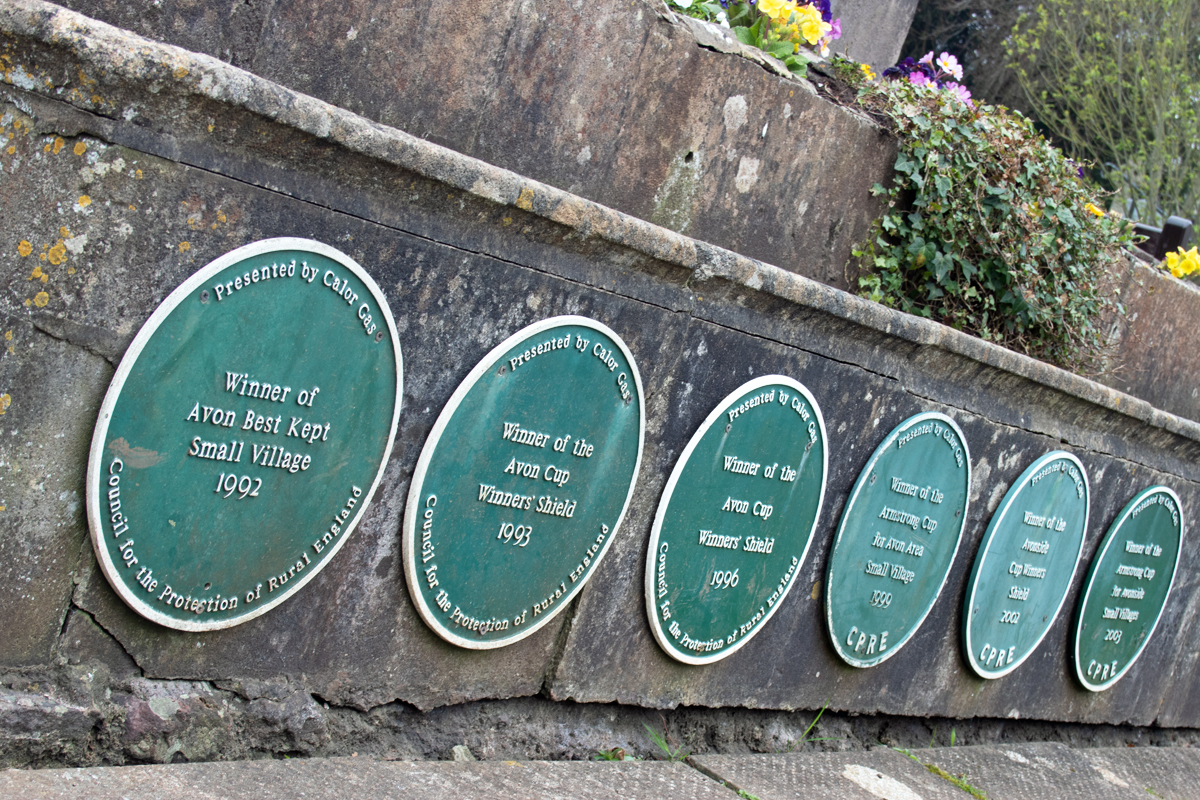
Ubley is a village that takes pride in its appearance, although the Best Kept Village signs date from twenty or thirty years ago. It is a quiet place in a quiet valley, and one with a community feel that is even more apparent because of the events of the last year or so.

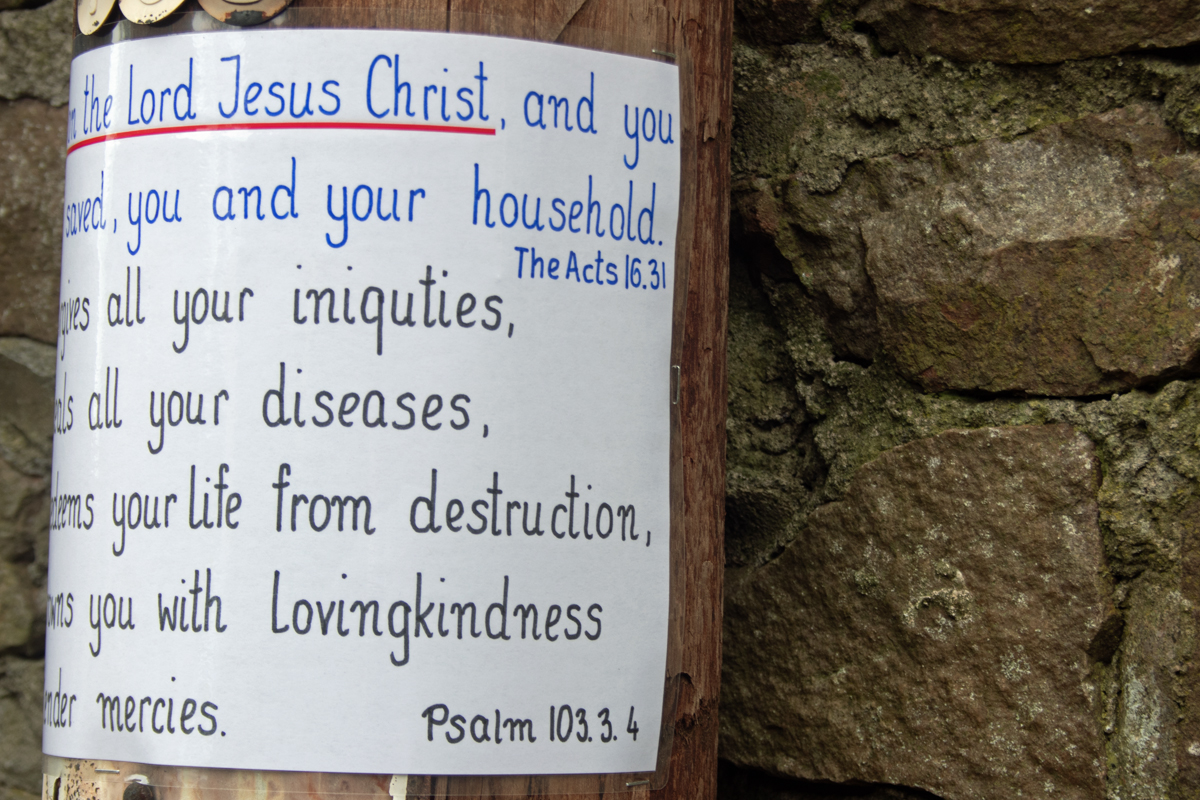




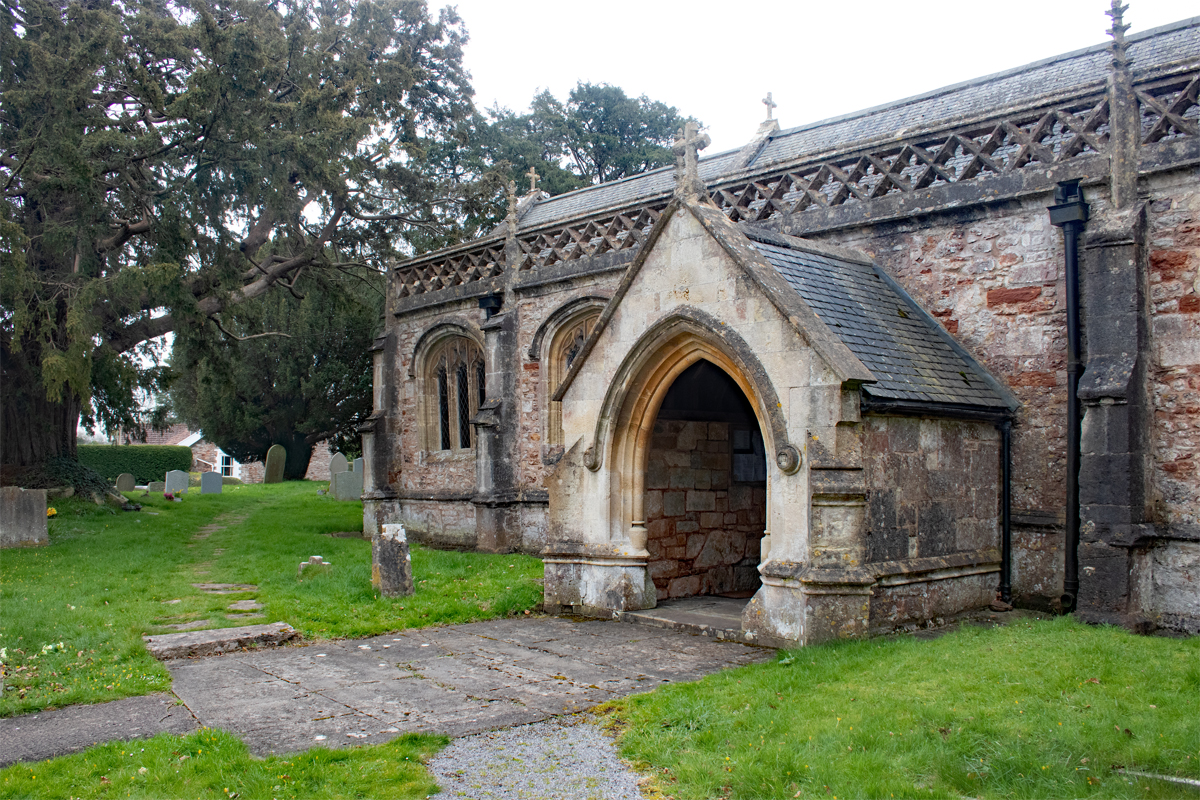
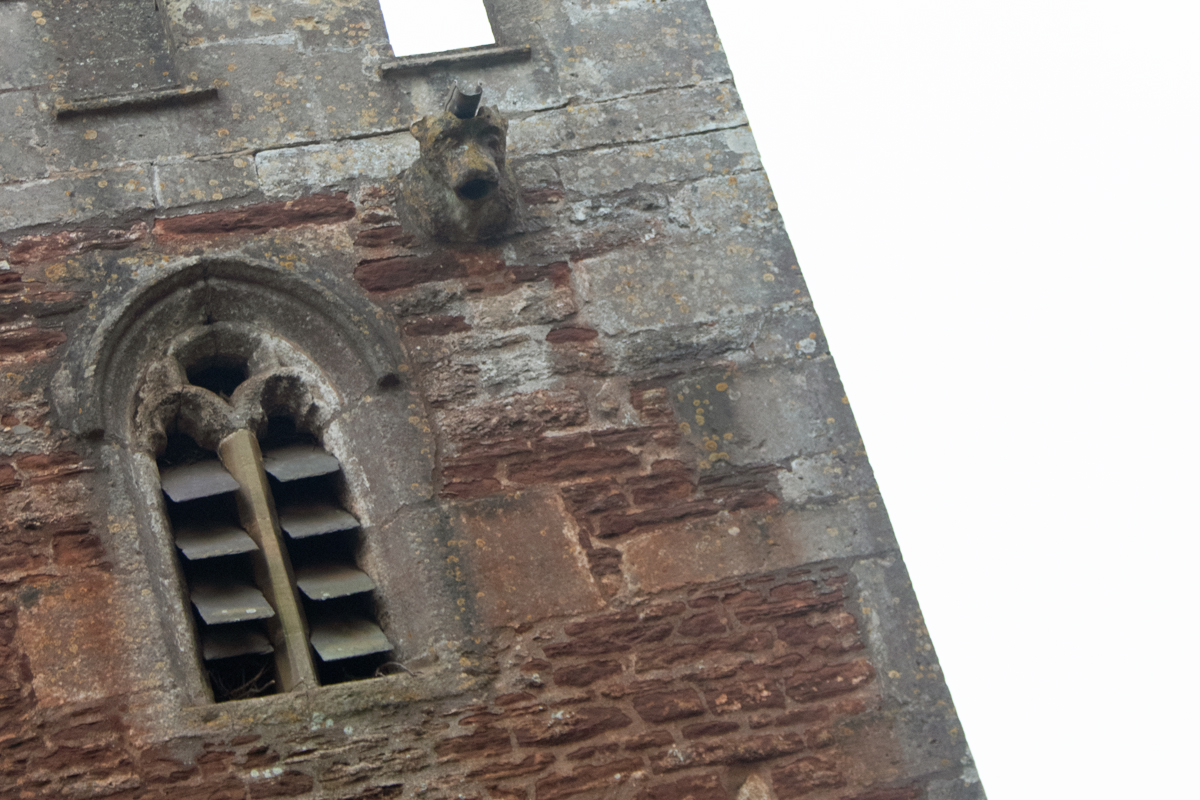
At the heart of the village lies St Bartholomew’s Church. Grade I Listed, it was closed on the day I visited, but was being frequented by a large number of crows, diligently building nests within its open steeple.
The grounds around the church are a peaceful, safe haven for those who have been buried within them over the years.
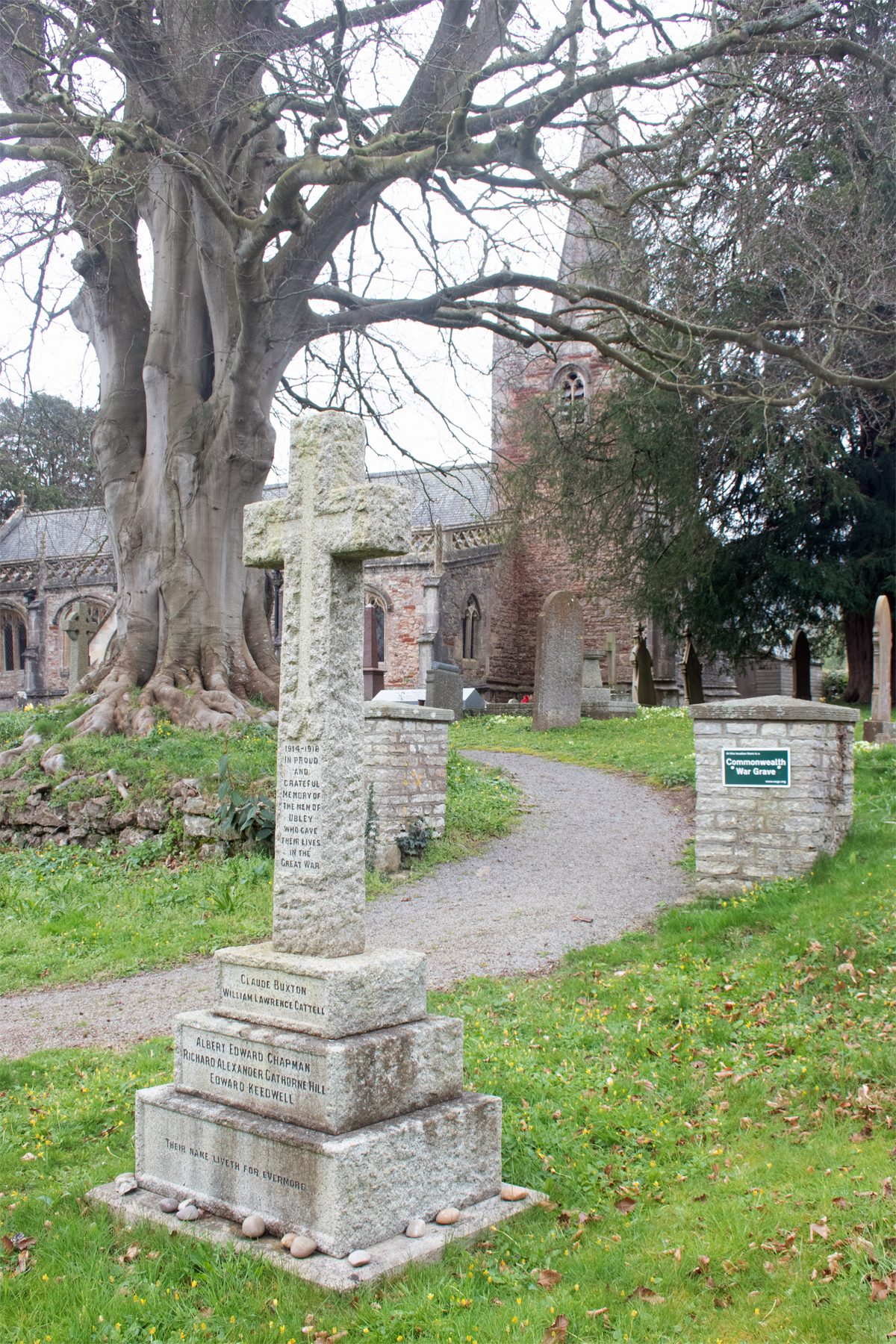
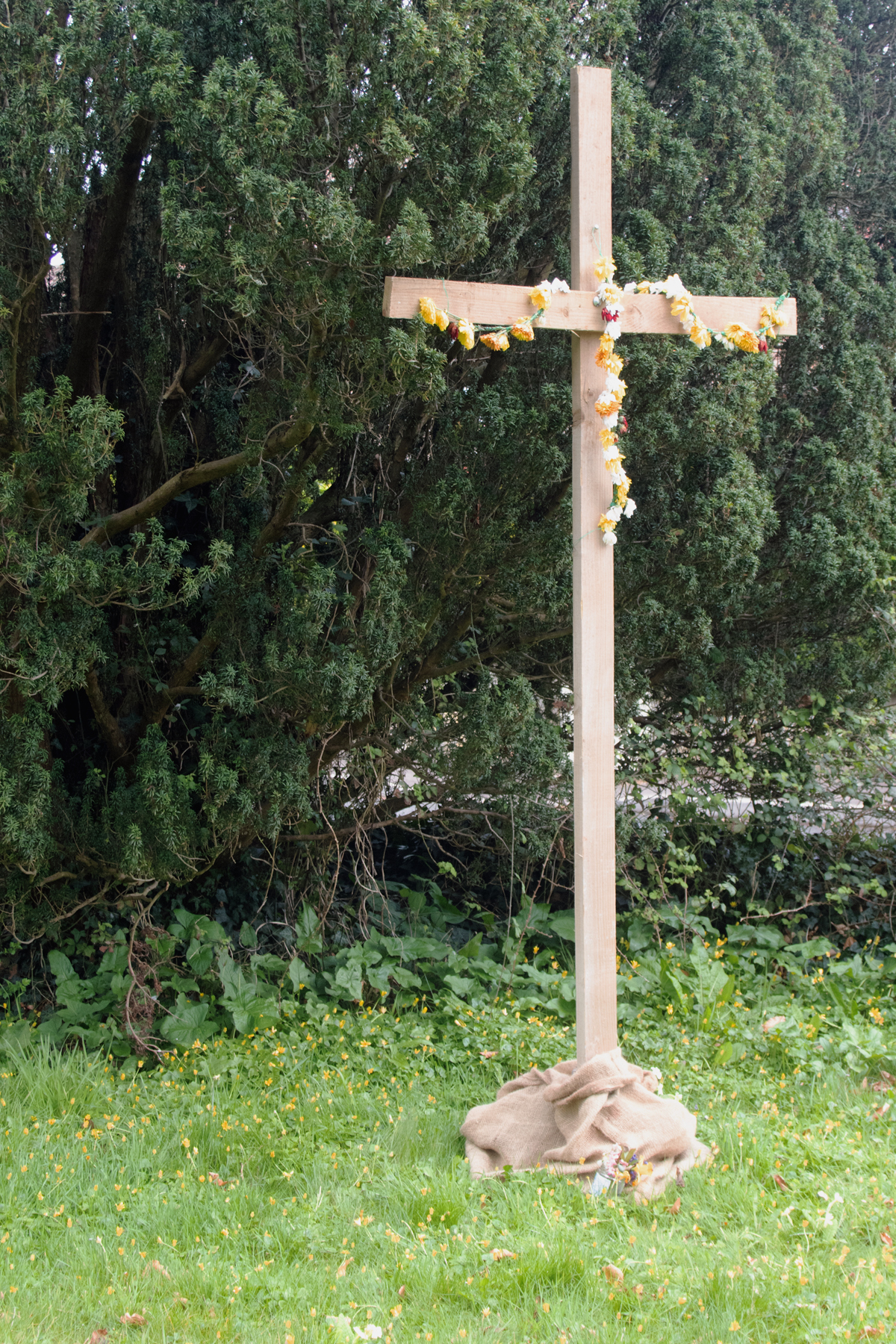



The village War Memorial remembers the five villagers who died in the First World War. There is only grave to a fallen solder in the churchyard and, ironically, that is for Second Lieutenant Alfred Newington, who wasn’t even a local man. (You can read more about his life and story by clicking on his name.)


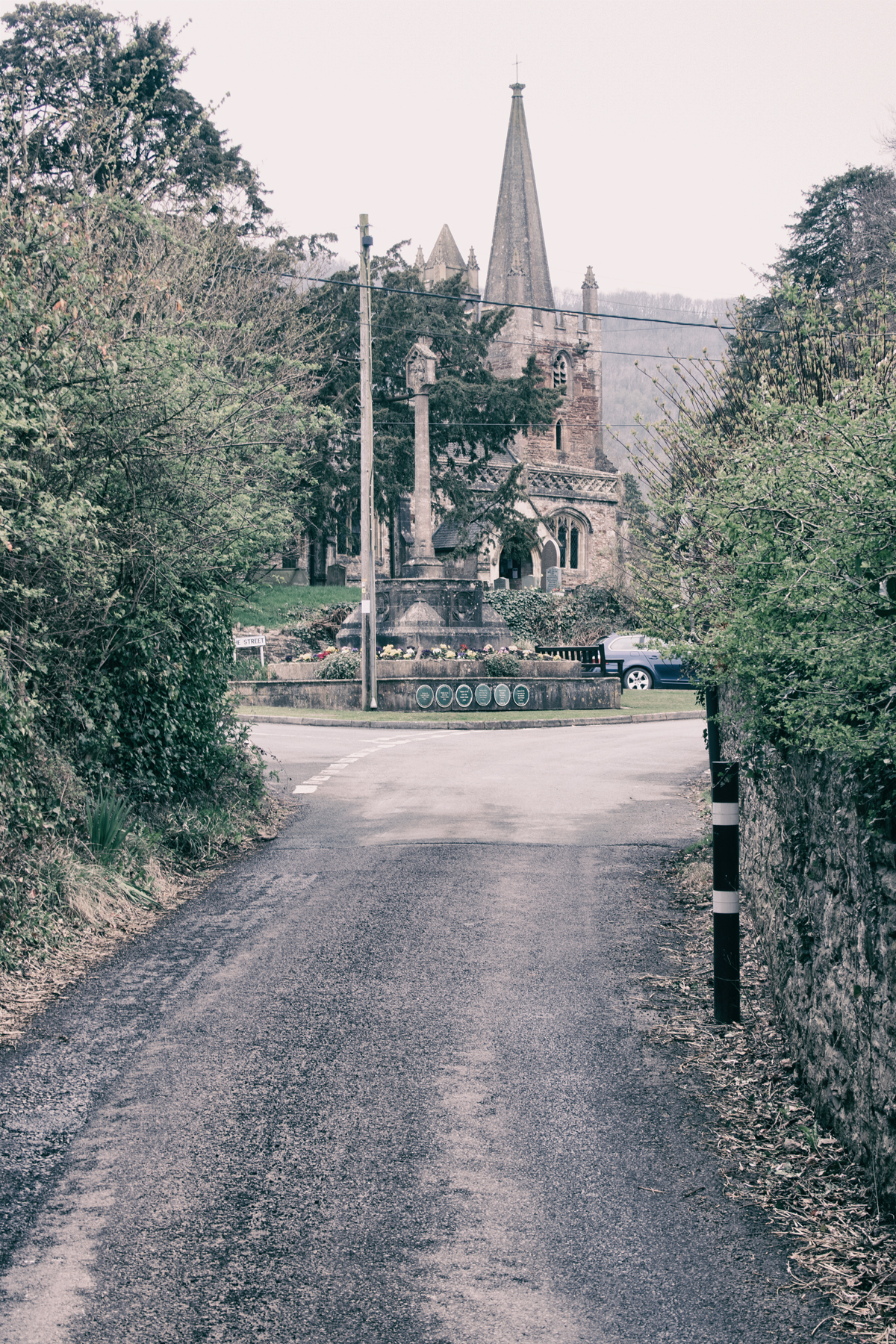
Within easy reach of both the Mendips and Blagdon Lake, Ubley is worth a visit; it provides plenty of opportunity for walking and cycling. It is far enough away from the hubbub of the main Weston to Bath road, but accessible to it, to warrant stopping off.

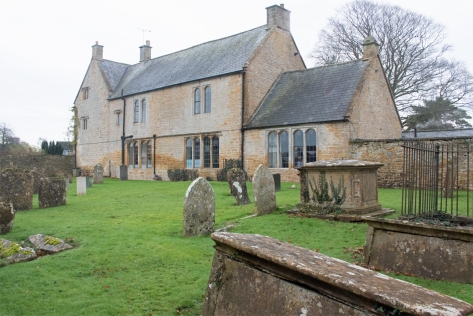
Just to the north west of Yeovil lies the quiet village of Tintinhull. The derivation of its name is steeped in mystery – ‘tin’ meant ‘fort’ in old English and ‘examine’ in Saxon, while ‘hull’ is an old term for ‘hill’. The village sits in the lea of Ham Hill, so a combination of elements seems likely.
Tintinhull has a population of just over a thousand people, and the manor dates back to pre-Norman times. The local Saxon tribes used to avoid siting their villages on the old Roman roads, so the village sits just away from the Fosse Way (now the A303).
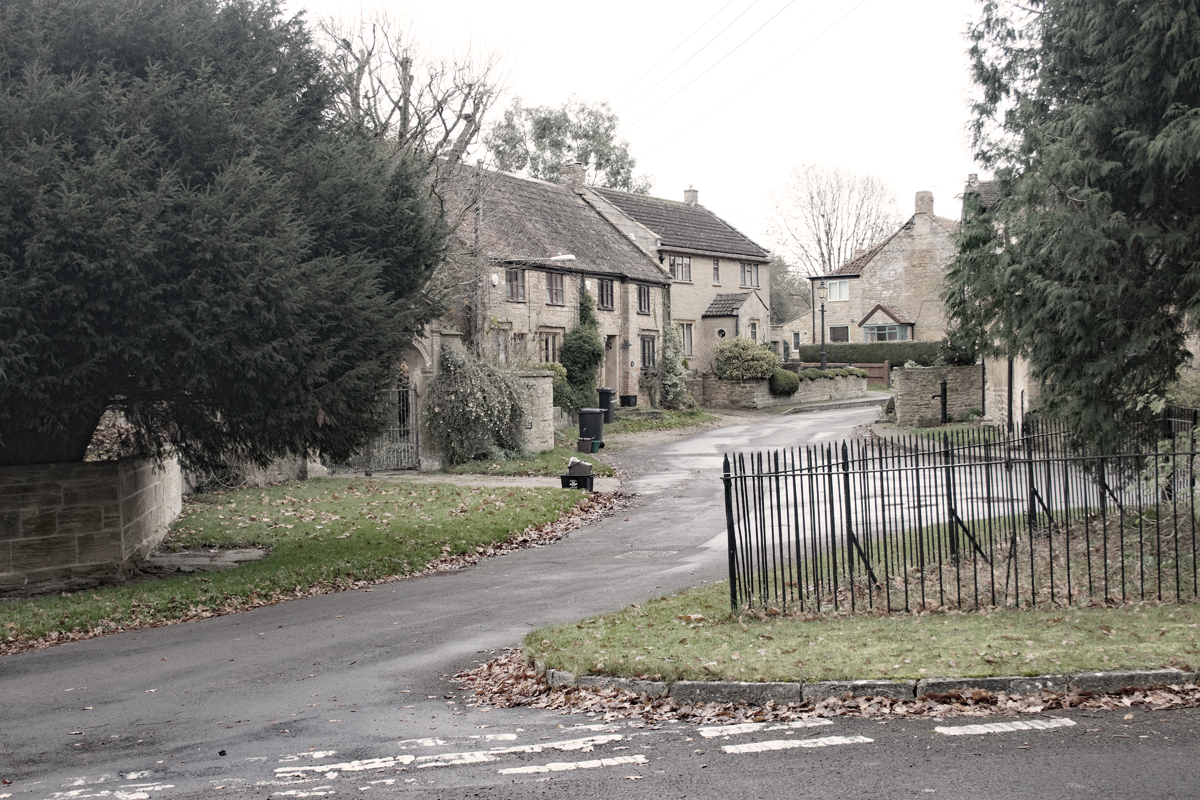
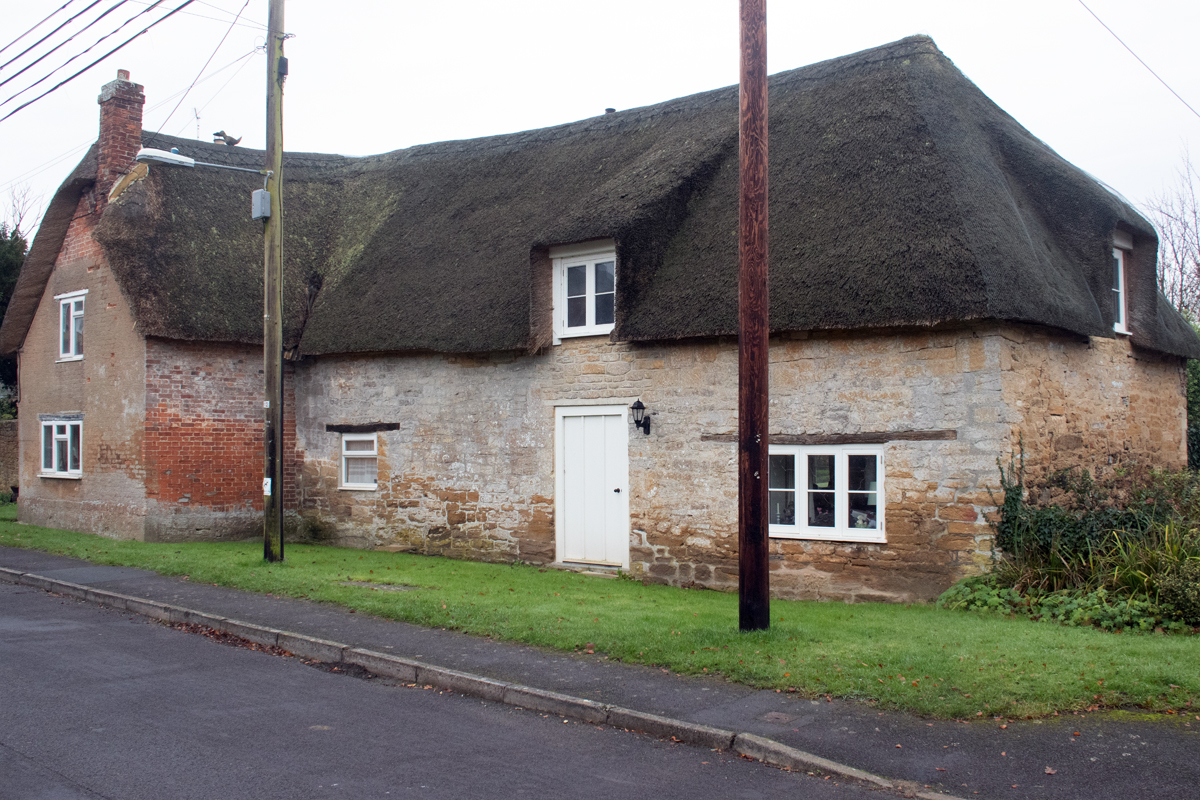
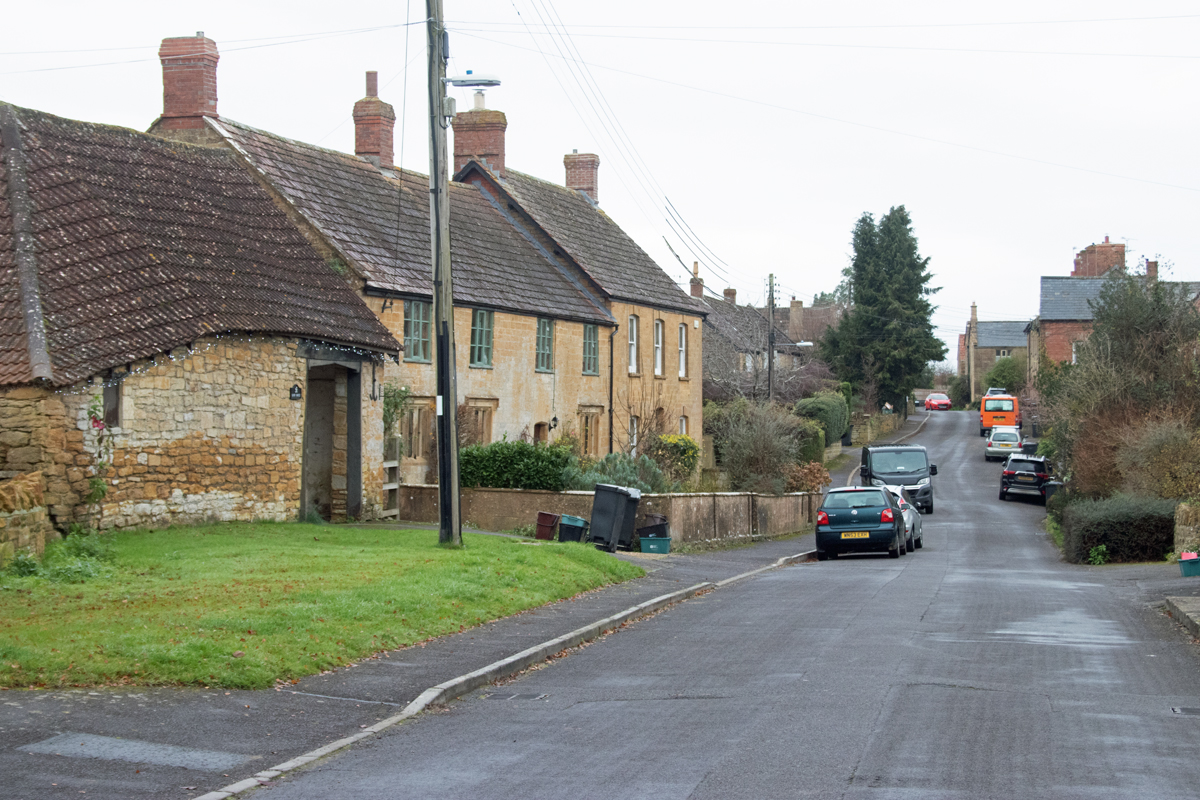
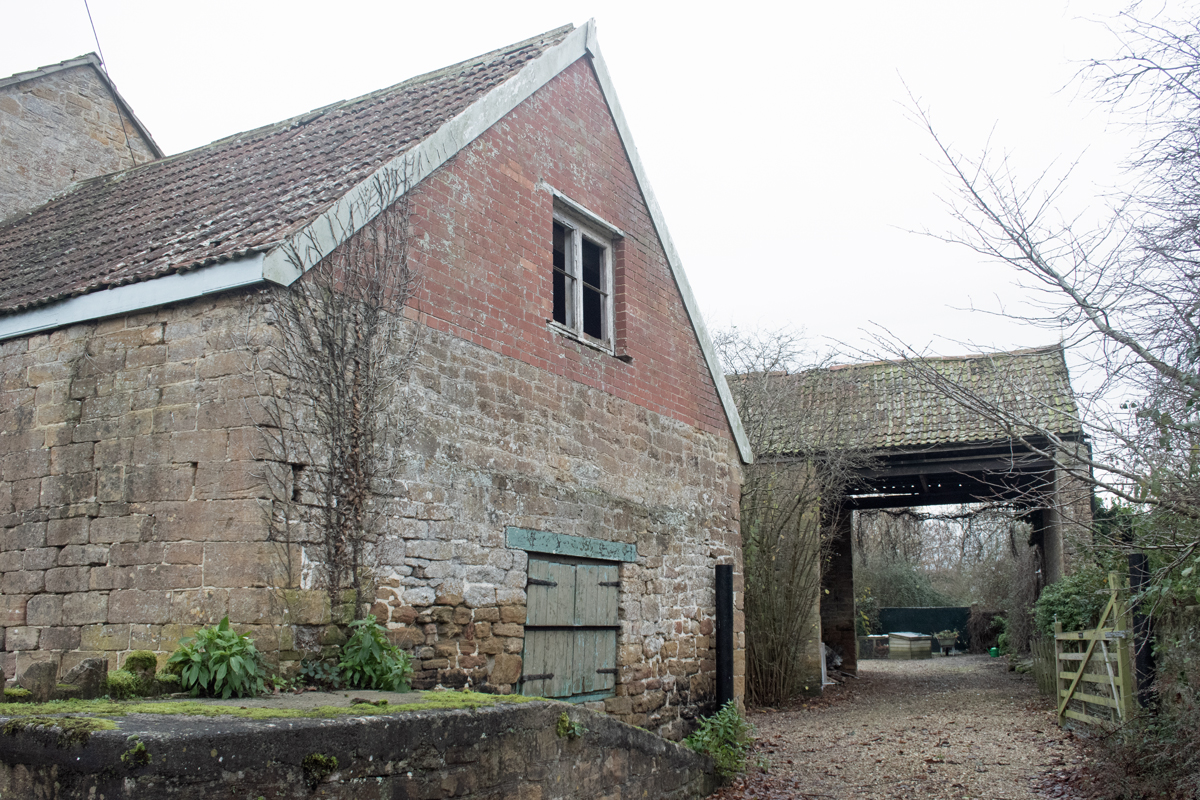

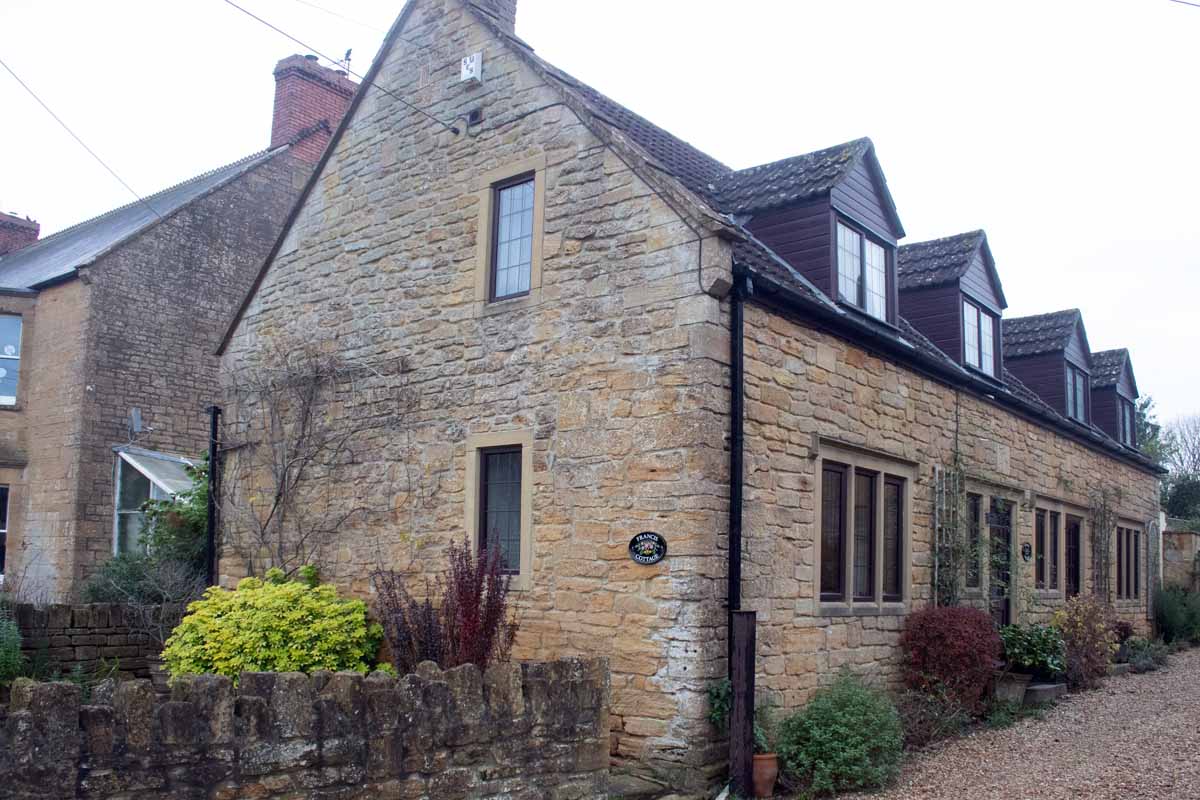
Most of the houses in the village are made from Ham stone – quarried from the local hill – and this gives a quaint, consistent feel to the place. A lot of the original cottages are thatched and, barring the telegraph poles and cars, Tintinhull has the typical chocolate-box feel you would expect of a West Country village.
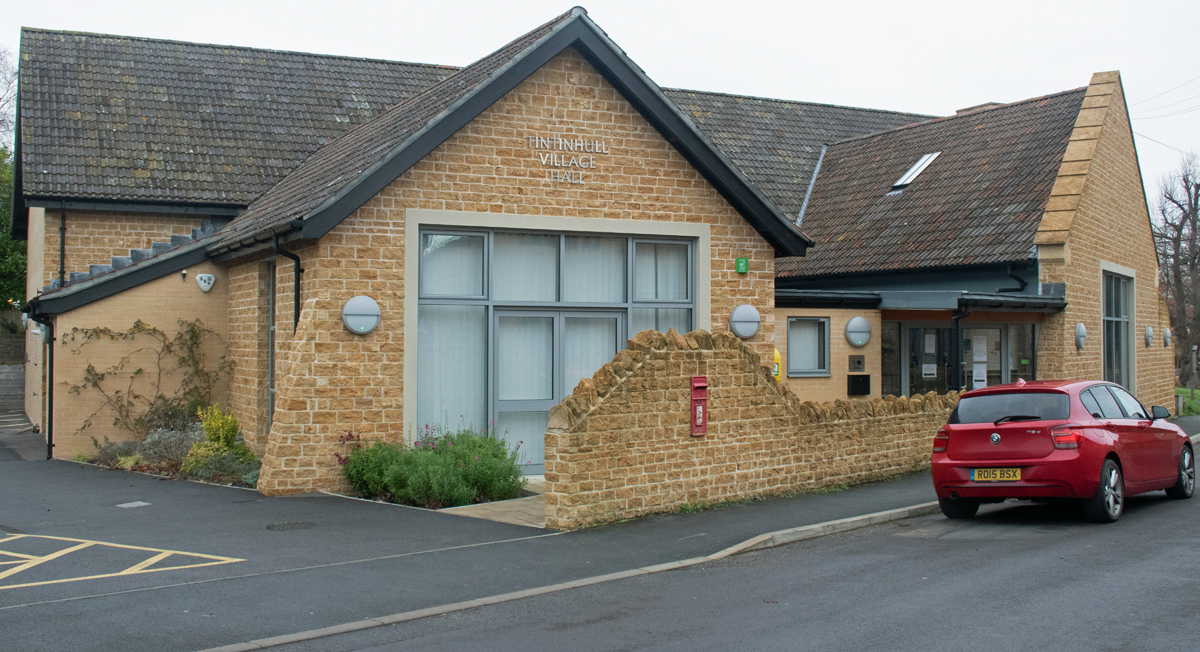


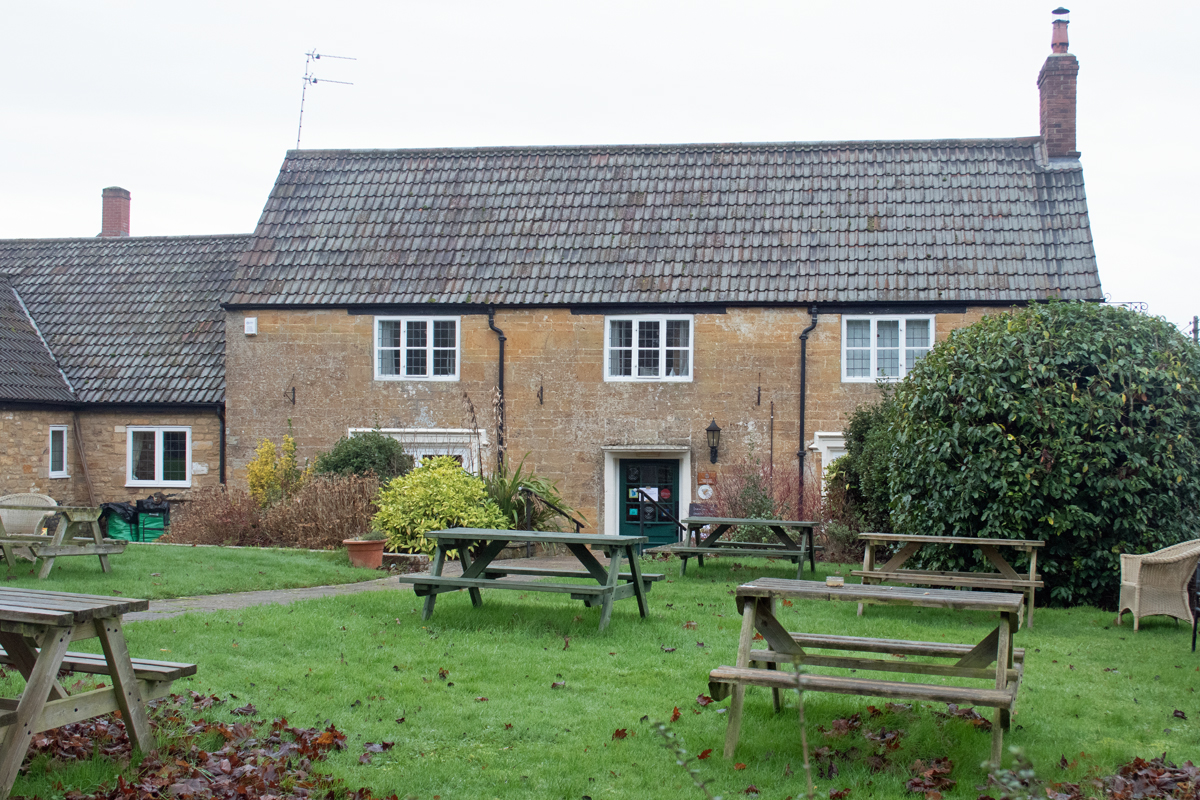
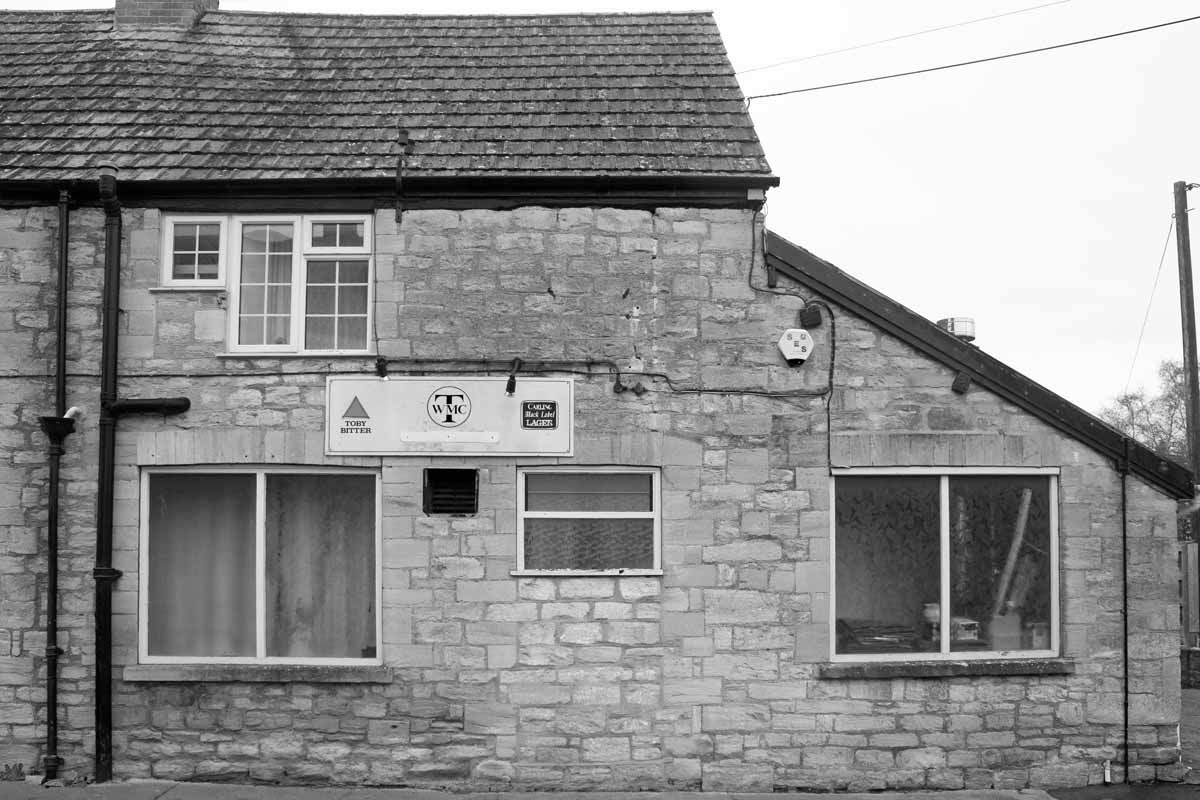
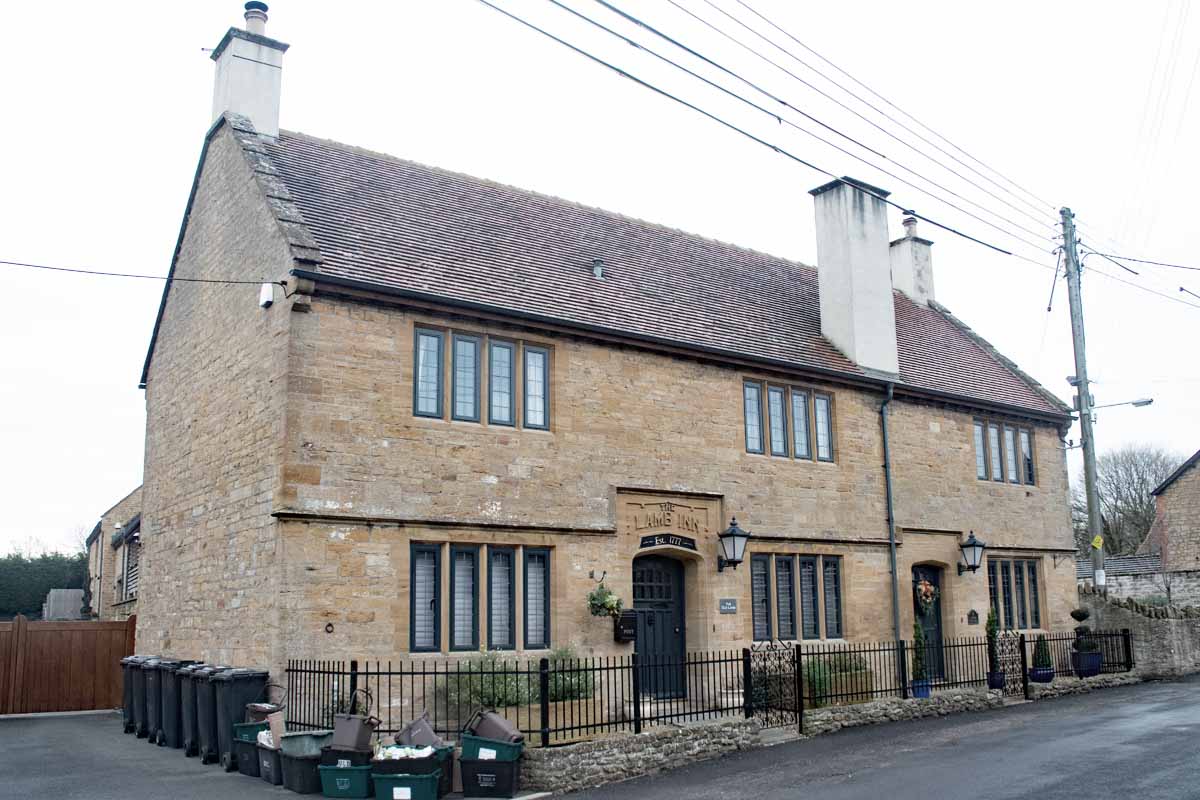
There is not an immediate heart to the Tintinhull – the village green is surrounded by cottages – but there are plenty of gathering places, both contemporary and historic.
Opposite the new Village Hall, the old Lamb Inn has been tastefully converted to cottages and in the same stretch of road the old Working Men’s Club still bears the Toby Bitter advertising sign.
The remaining village pub – the Crown & Victoria – is set on the way to the manor house, and was obviously the stopping off point for farm workers ending their shift and returning home.
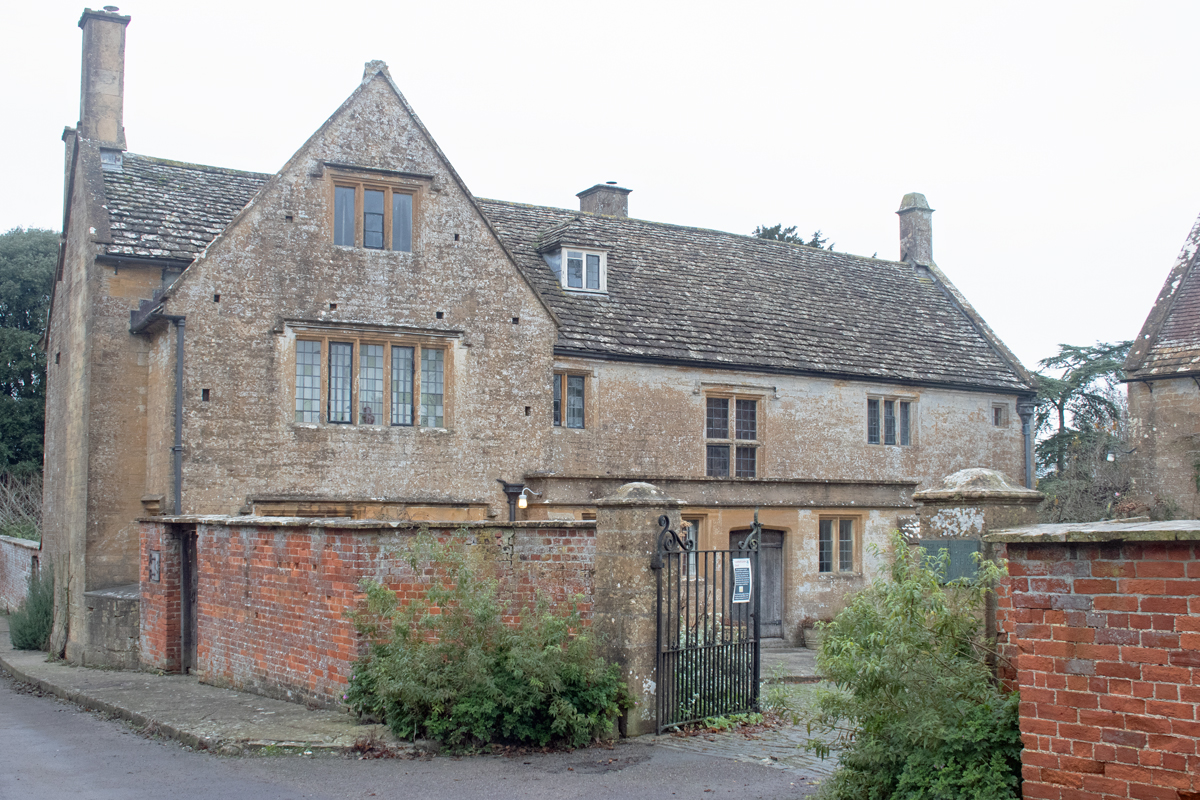
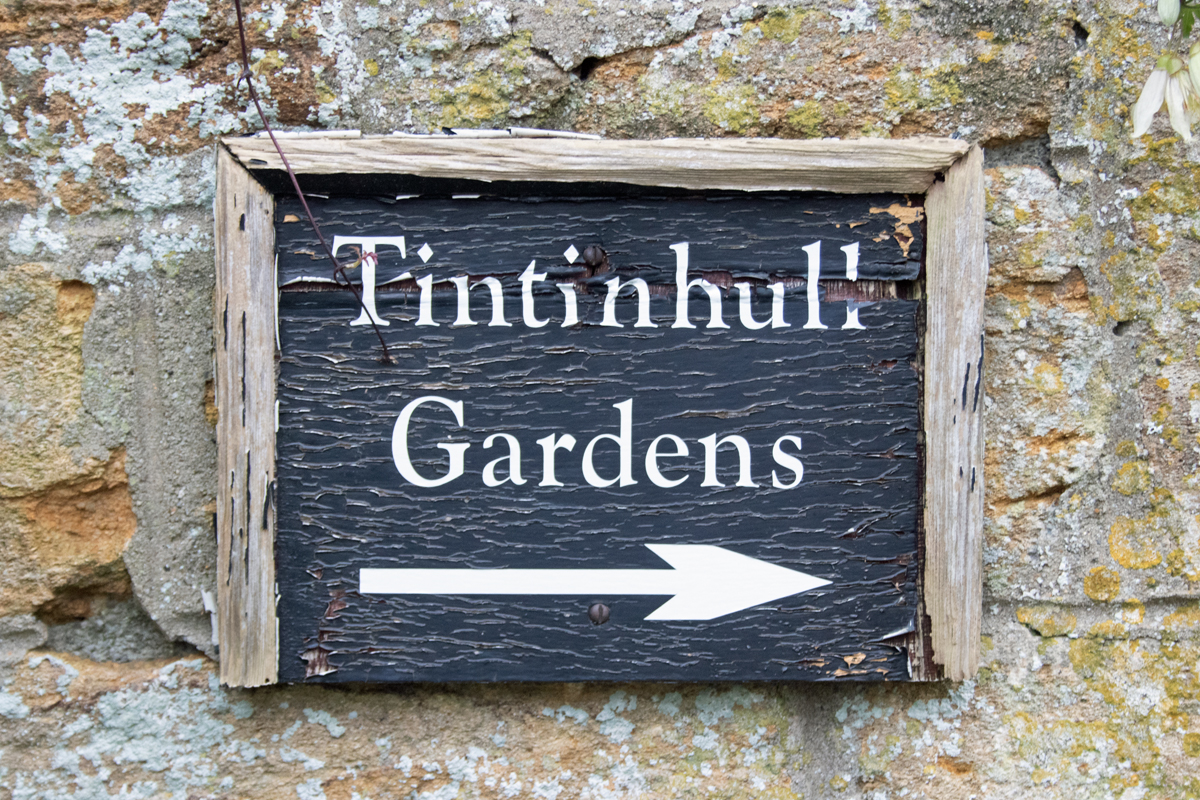
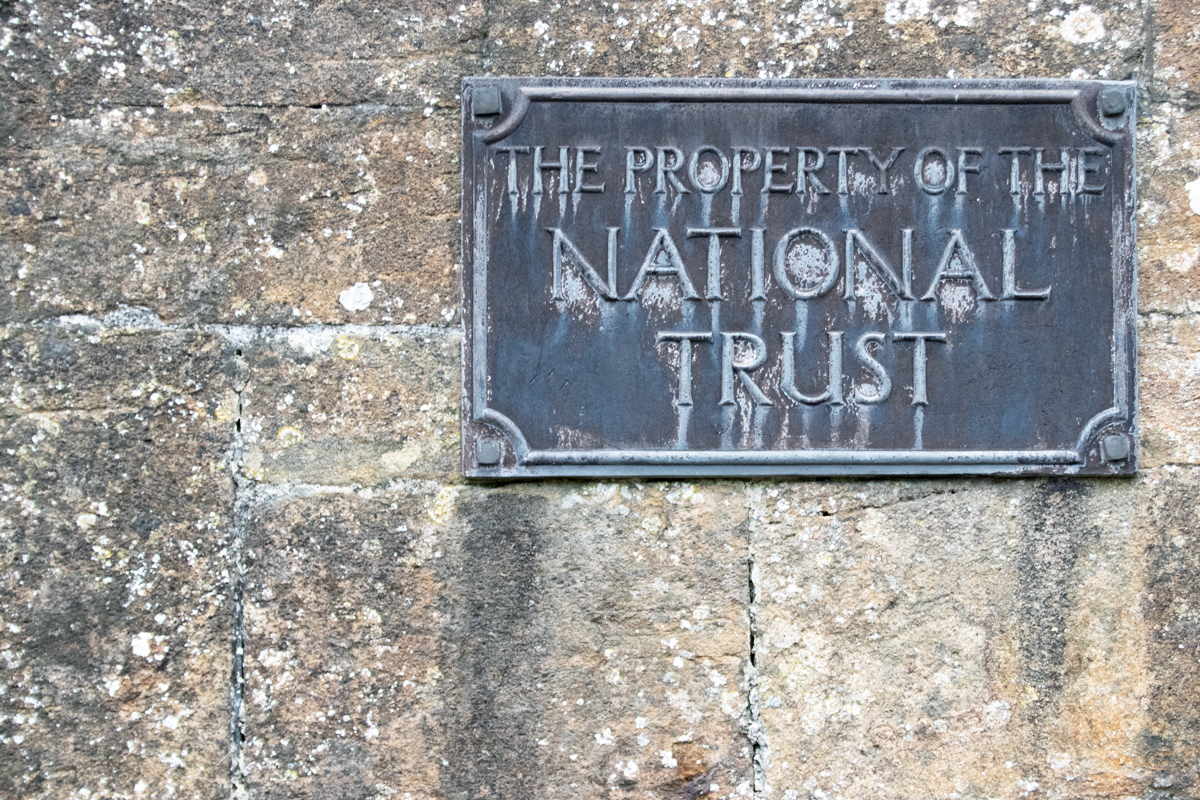
The manor house itself is now owned and run by the National Trust, and it is the connected Tintinhull Gardens that now draw people to this part of Somerset. (Sadly, due to the time of year and the restrictions imposed by the coronavirus pandemic, the gardens were not open at the time of visiting.)
Most of the villages I have visited on this alphabetical journey include the main elements of the manor house, a school, a gathering place and the church, and Tintinhull is no exception.
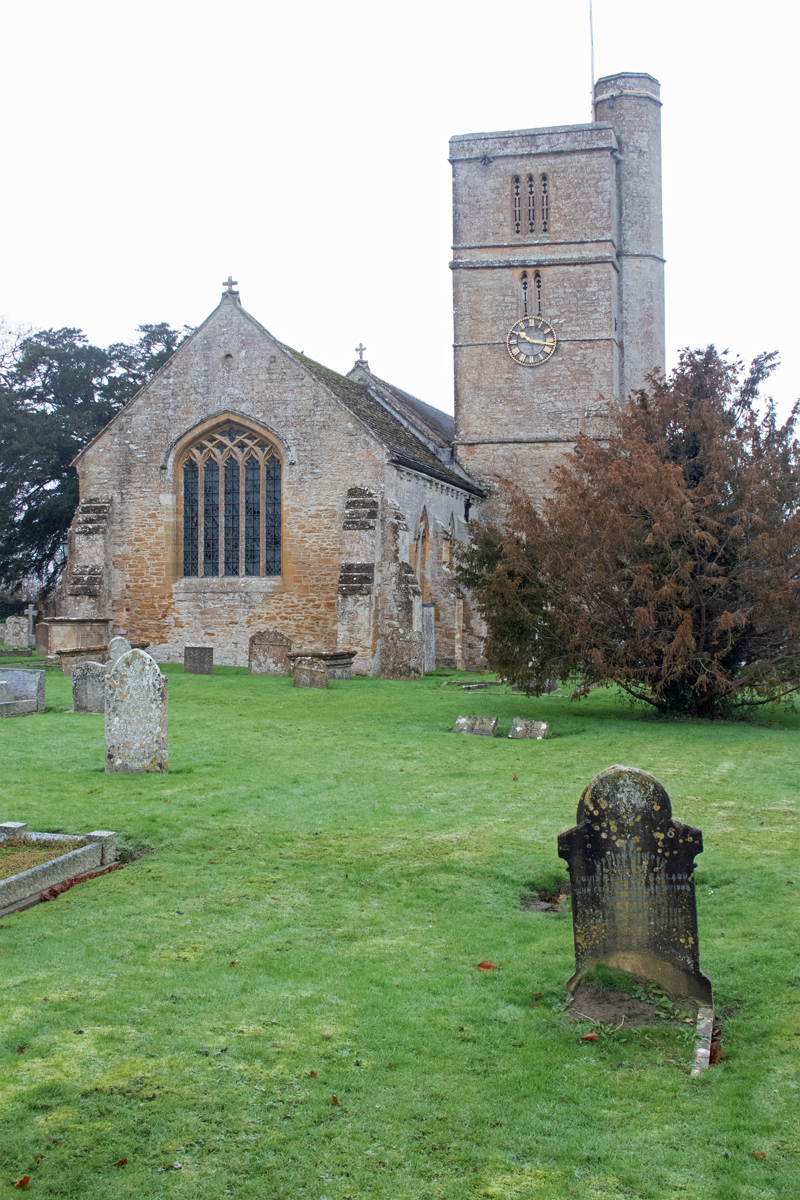
St Margaret’s Church sits away from the manor house – unusual, as they are normally intrinsically linked. As with most village churchyards, it is a peaceful place, somewhere to reflect and gather one’s thoughts.
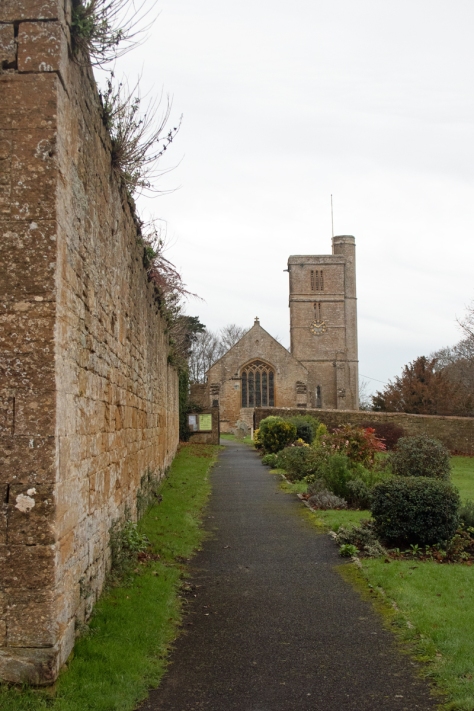
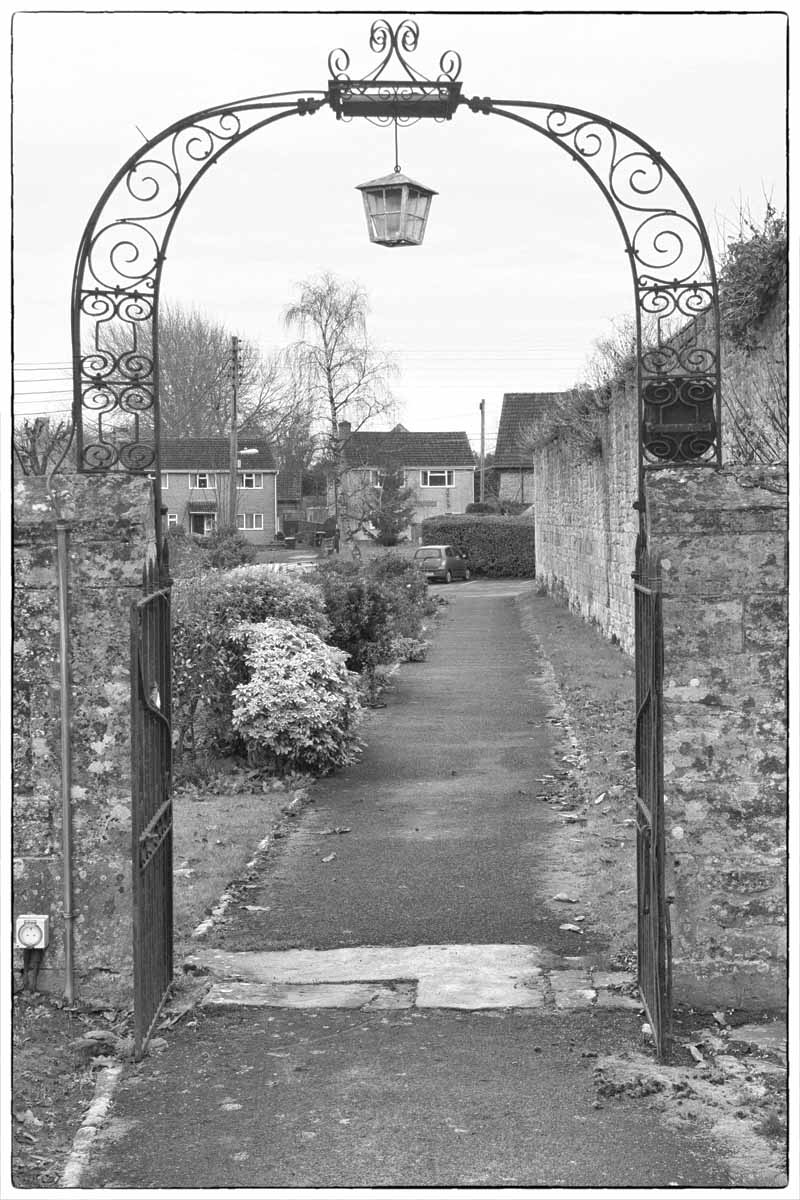
Approached by way of a long path, you feel a sense of great reverence as you walk towards St Margaret’s; this sensation is added to by the imposing wall on the left of the path, hiding a dramatic house behind it.
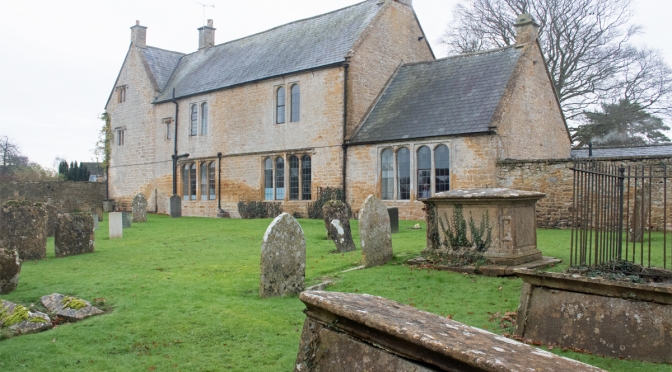
Once in the churchyard itself, the extent of the building behind the wall is revealed; this is Tintinhull Court, in its medieval glory.
Originally the parsonage, it was first built by the abbot of nearby Montacute Priory; remodelled three times since its original construction, it has been designated a Grade I building.
The history of Tintinhull Court begins to make more sense of the village layout; this was the original manor house and its owners built the church next door, with window overlooking the the graveyard and the parishioners walking towards their weekly sermon.
The resident Napper family built Tintinhull House – on the other side of the village – as a dower house in the seventeenth century; close enough that the Court’s widow was in walking distance, but far enough away for her not to disturb the ongoing matters of her heirs.
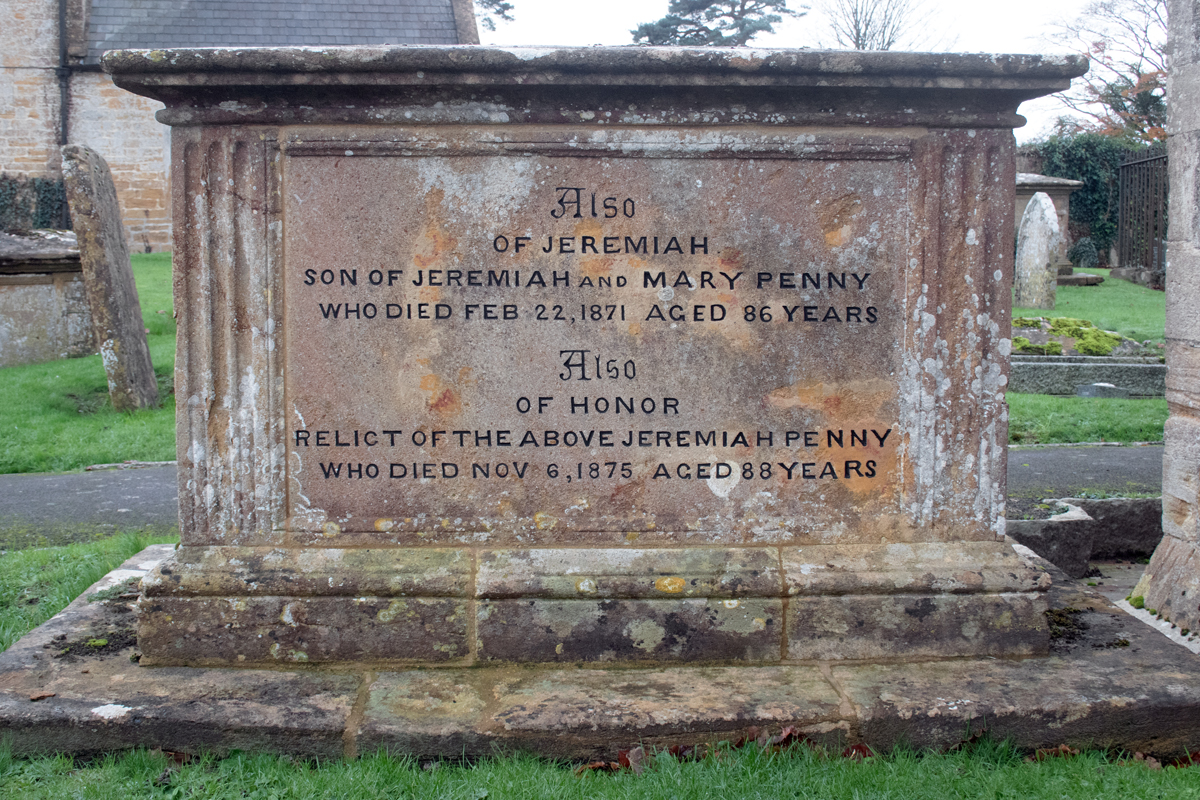

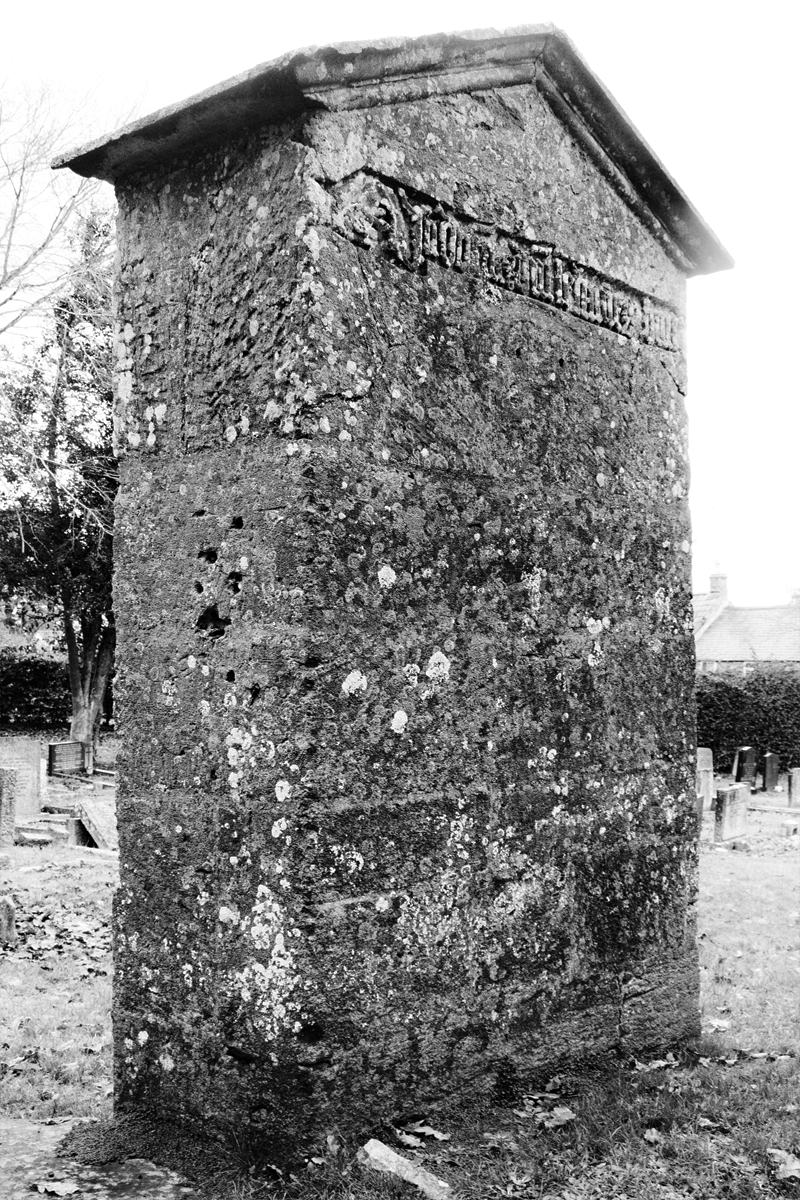

The graveyard also commemorates three residents who fell on home oil during the First World War.
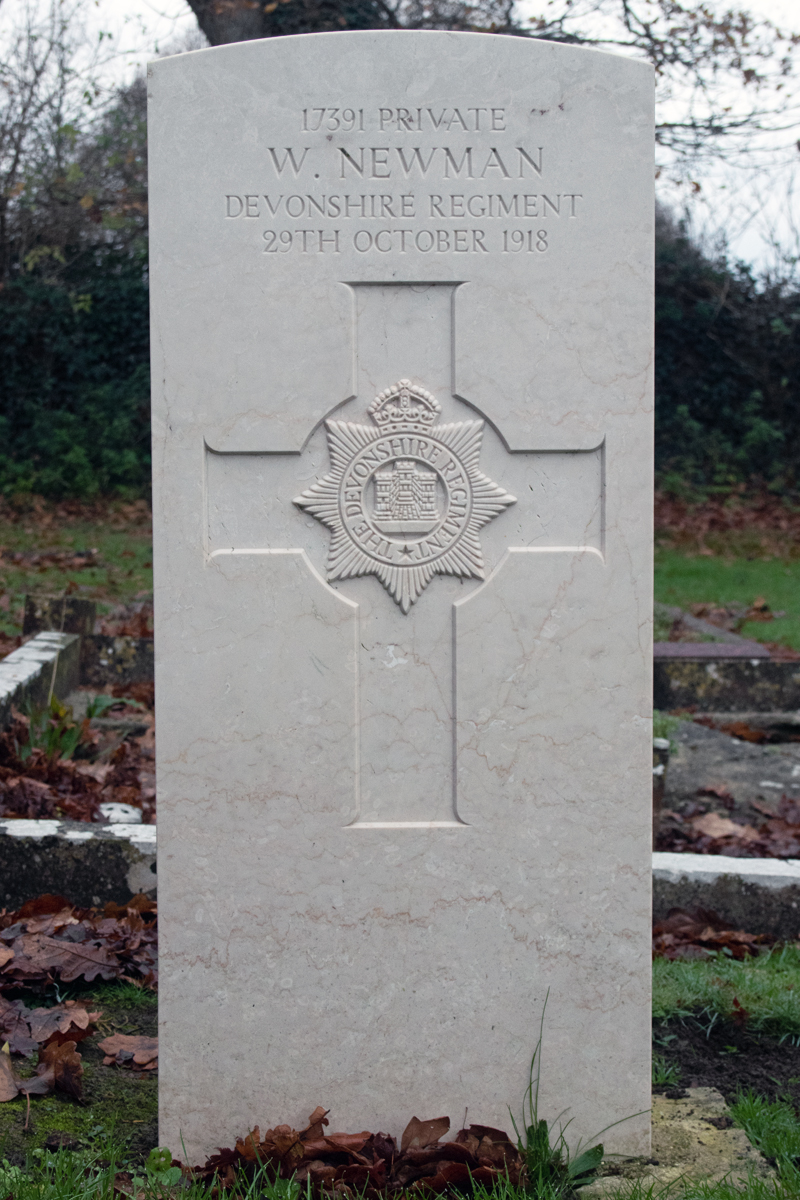


To find out more about the lives of Private William Newman, Stoker Henry Lucas and Boy Albert Matthews, follow the links, or head over to the CKPonderingsCWG website.
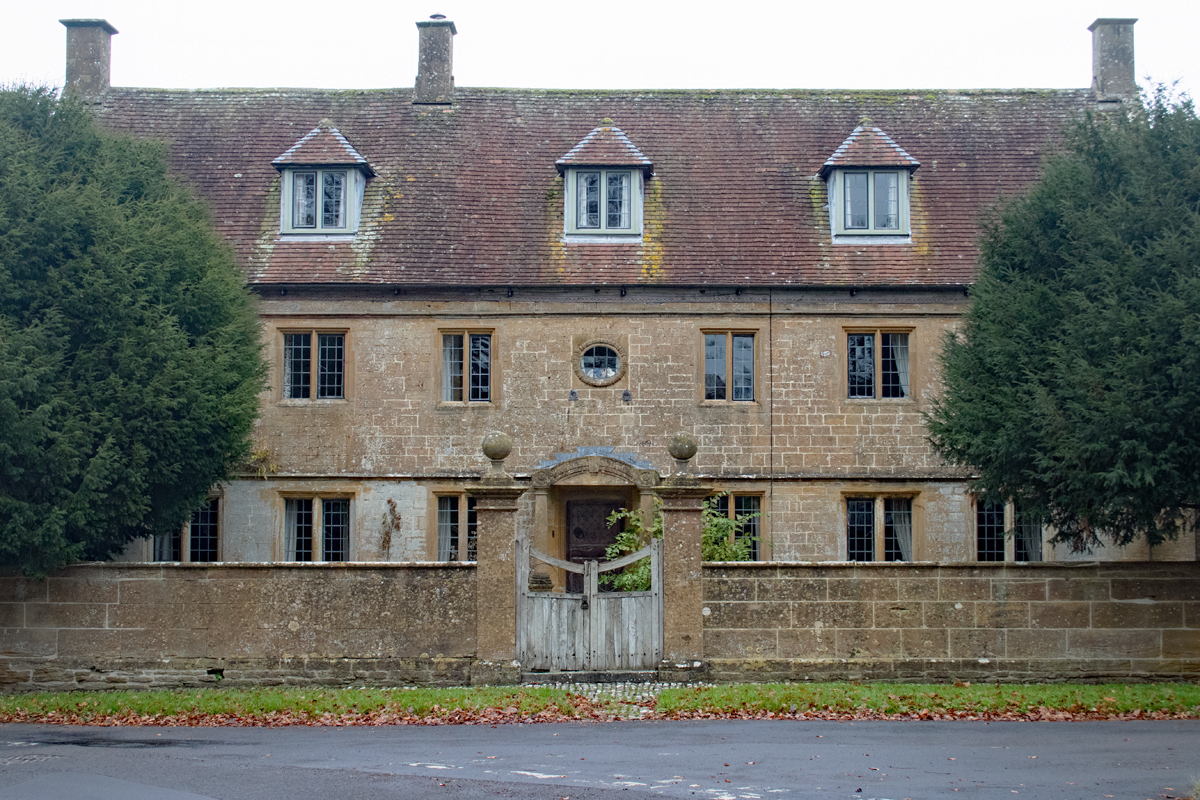

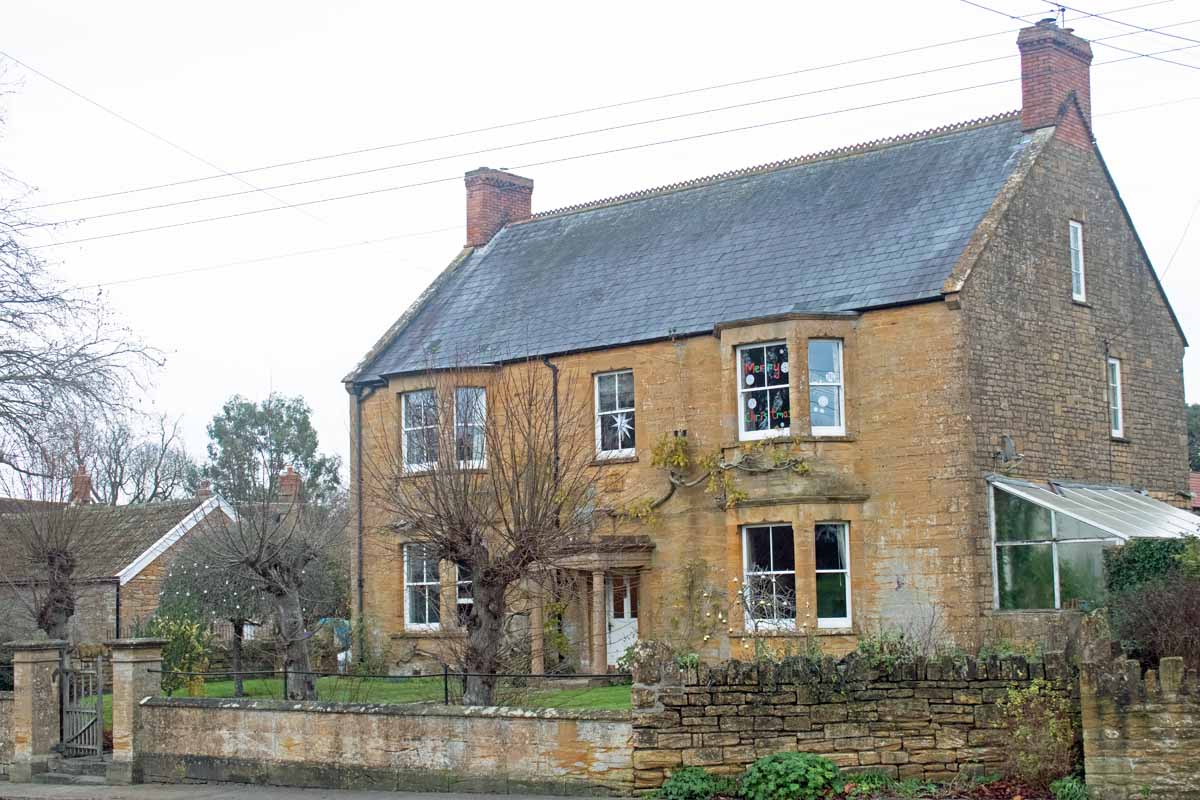

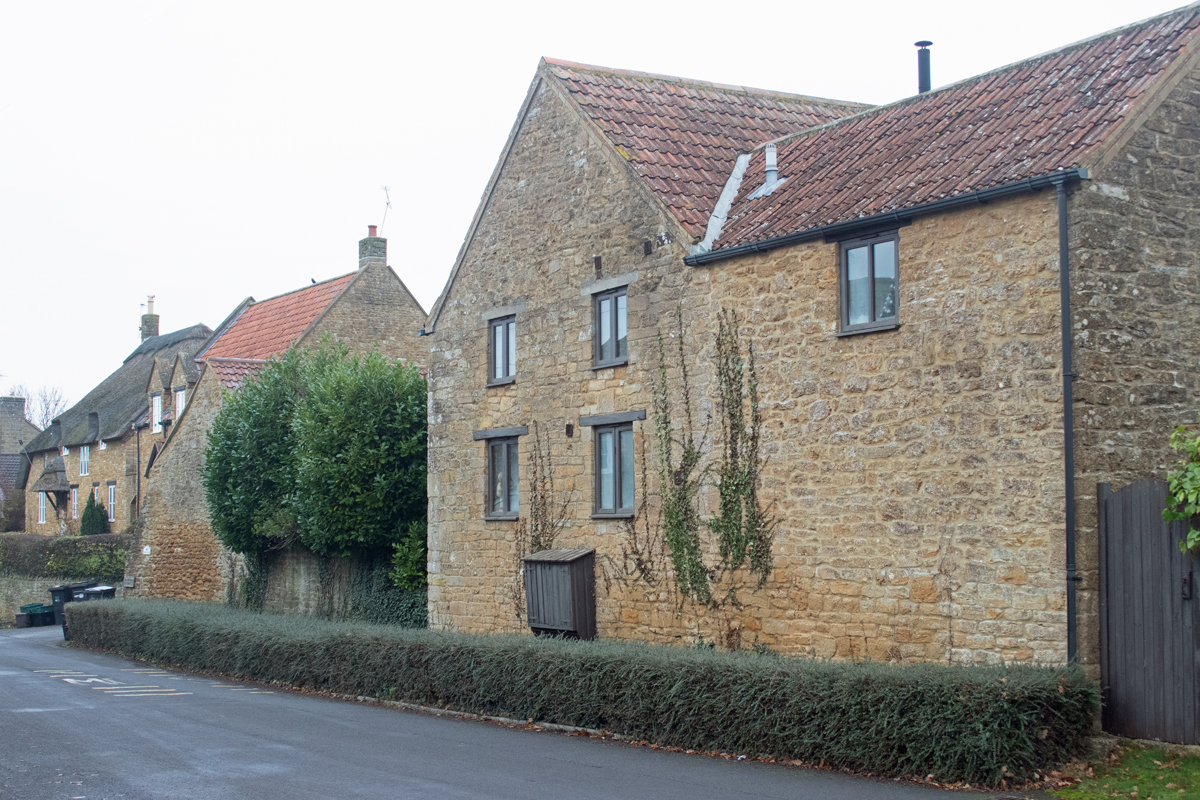
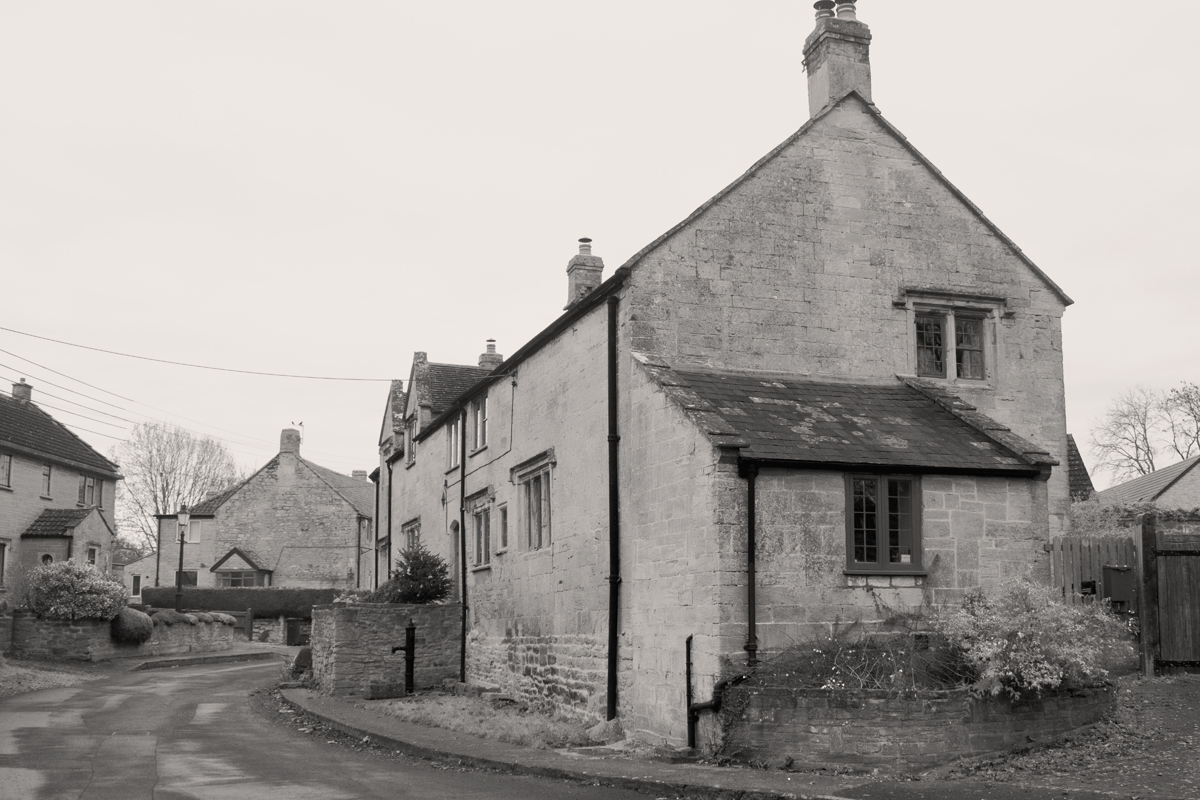
Tintinhull has a long history, and economically it has survived well; primarily an agricultural community, the village has also been a focus for glove-making, dating back as far as the thirteenth century. By the late nineteenth century, much of the village’s employment came from the industry, and it continues today, although on a much reduced level.
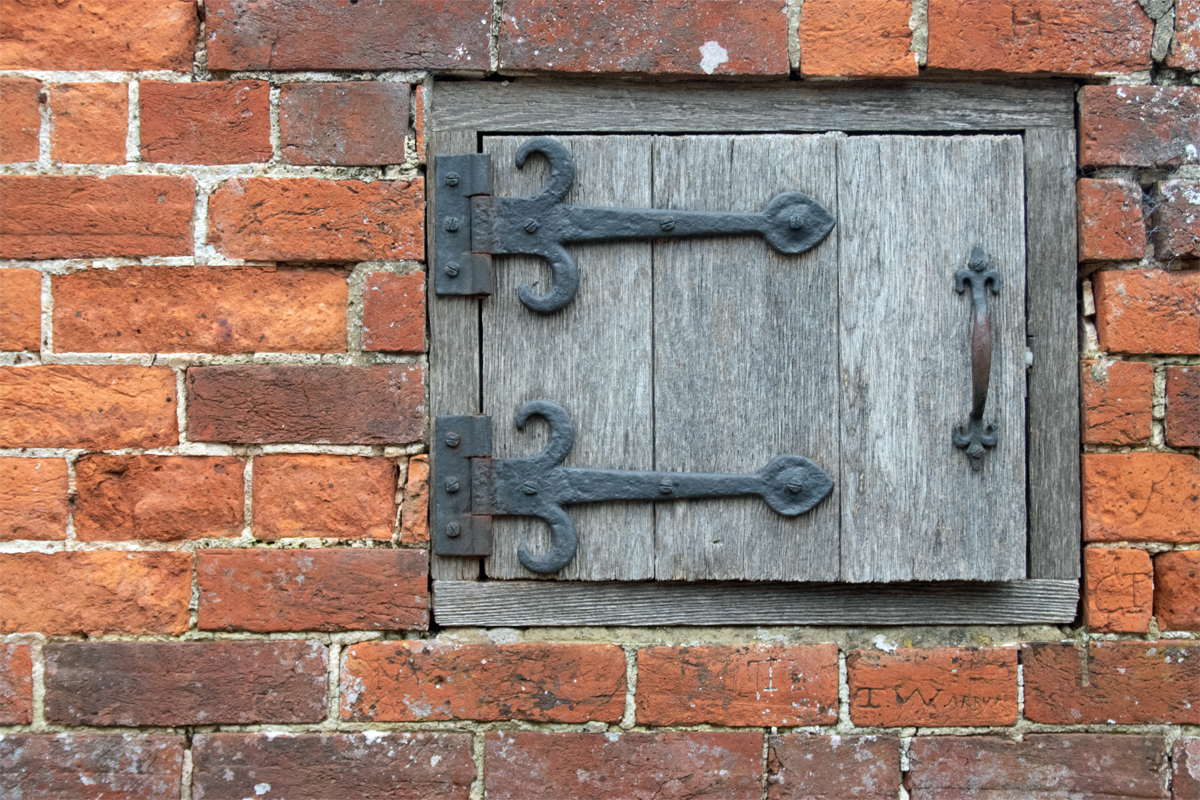



We all have things we believe in, things we have faith in, places we turn to when times are dire.
Whatever you creed, colour, faith or belief, find yourself that sanctuary you can escape to.
Centre yourself and prepare to face the world again.
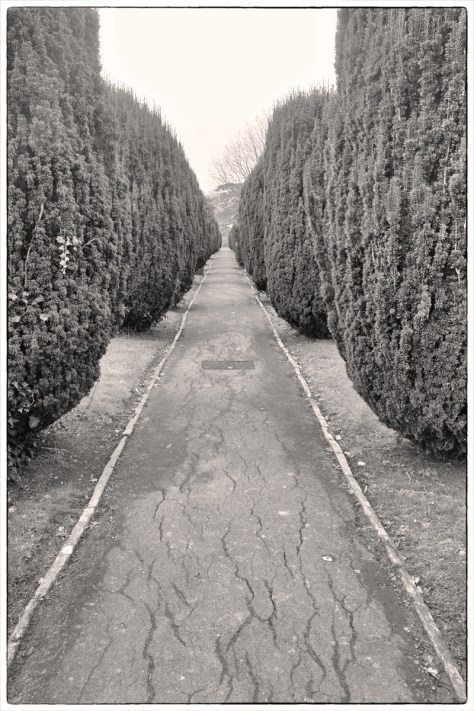
Not every path is obvious, not every road is straight.
There are often many twists and turns to navigate, but often life is more about the journey than the destination.
When we are born, we are not provided with in-built satellite navigation.
Our journey is our own, and, after all, a direct route would be a boring one.
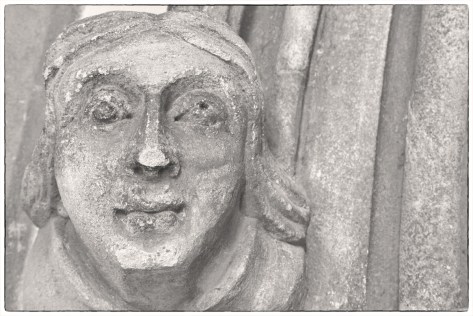
Find happiness in the small things.
Not all joy comes in the form of huge bells and whistles.
Sometimes, it is the smallest of details that can bring a smile to your face.
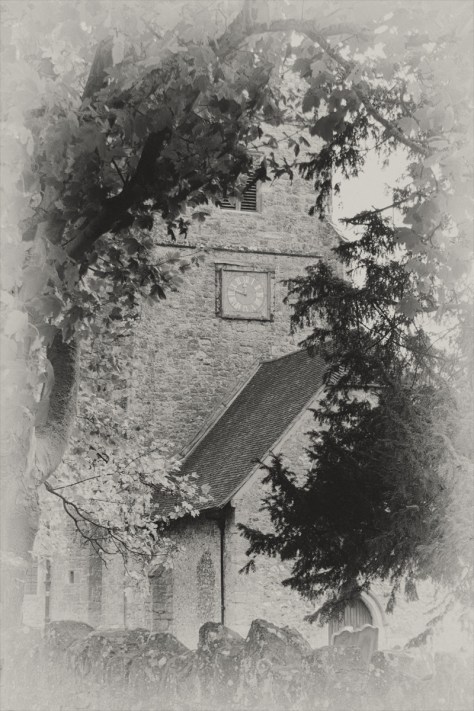
We live our lives based on what went before; and this can lead to what we have done before happening again.
While your roots are important, you need to ensure that you don’t repeat the same mistakes again.
Take a step back, identify objectively what worked and what didn’t, and try a new approach.
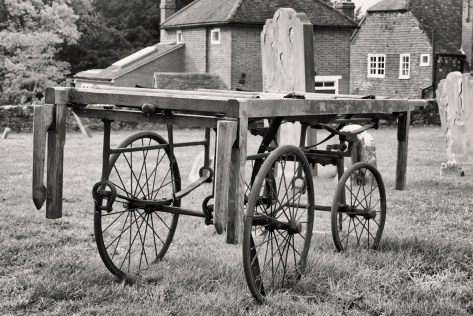
Respect the old traditions.
They got us to where we are and can teach us where to go from here.
You are who you are because of those that went before, and will be the reason those that follow will be how they will be.
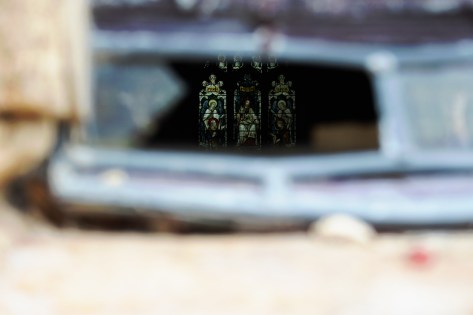
The thing you’re searching for may not be easy to discover.
But the journey to it is as important as the reward at the end.
The sense of achievement will be worth the hardship.
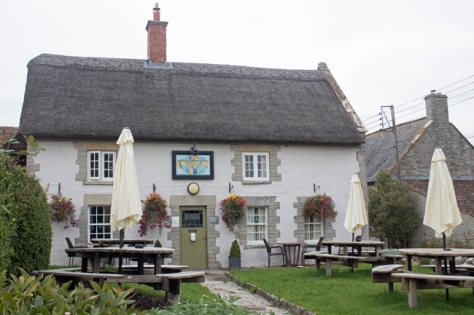
I couldn’t let the lack f a J village pass, so I have included a second K in the list.
Just to the south of Kingweston, in between Somerton and Yeovil, sits the quiet village of Kingsdon.
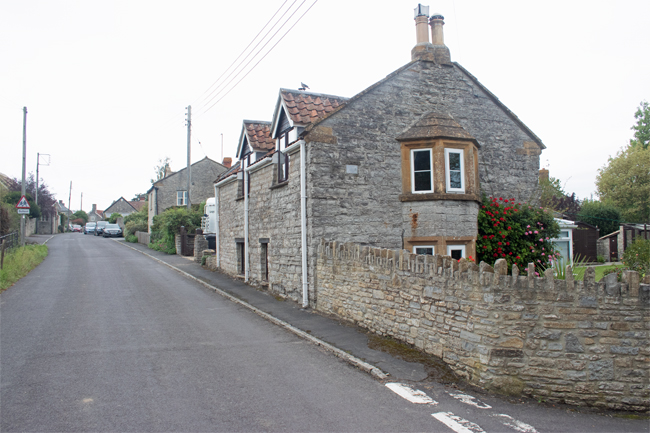
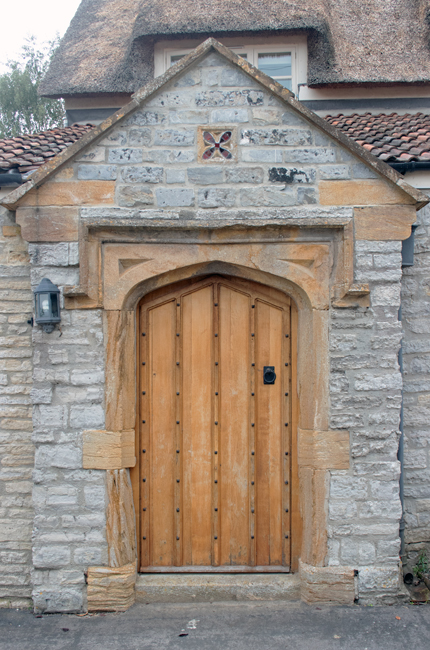
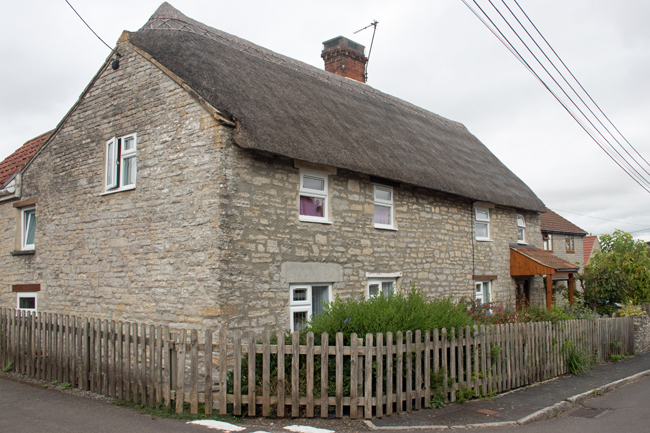
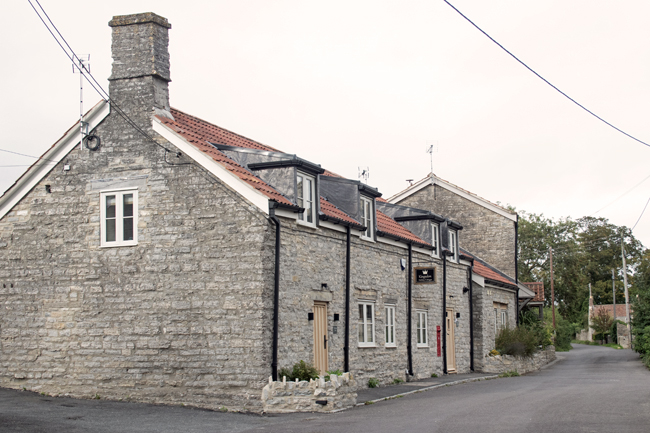
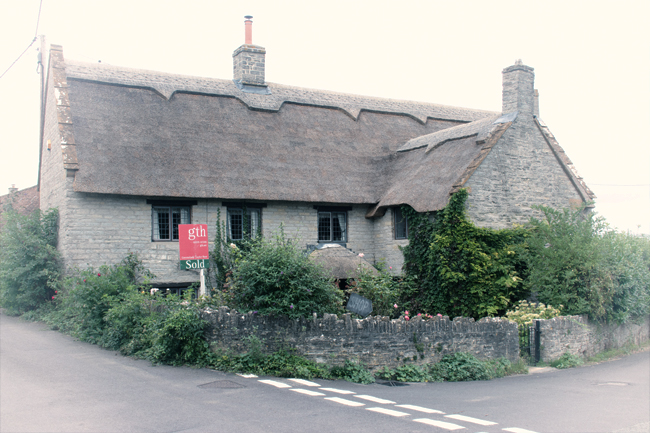
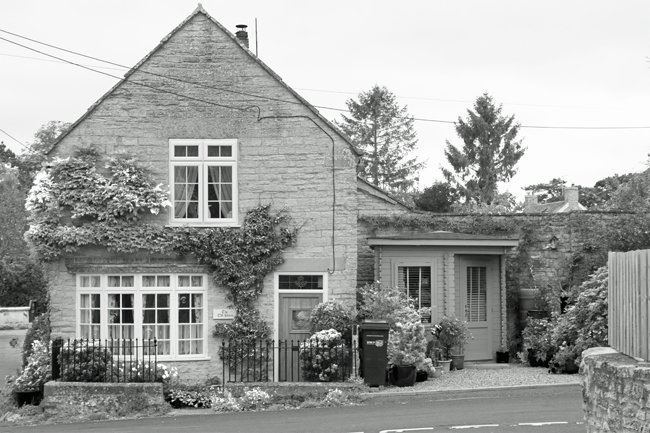
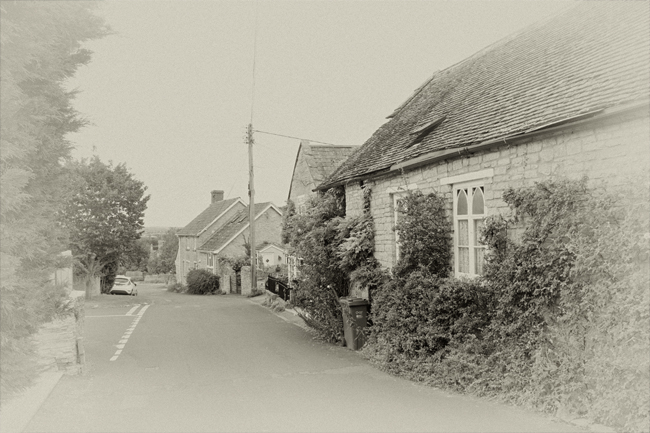
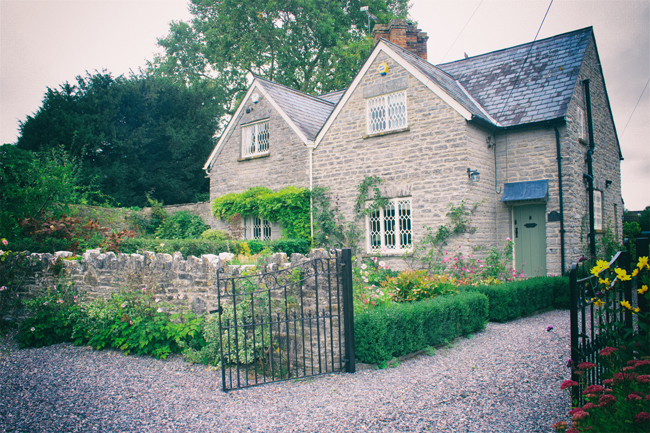
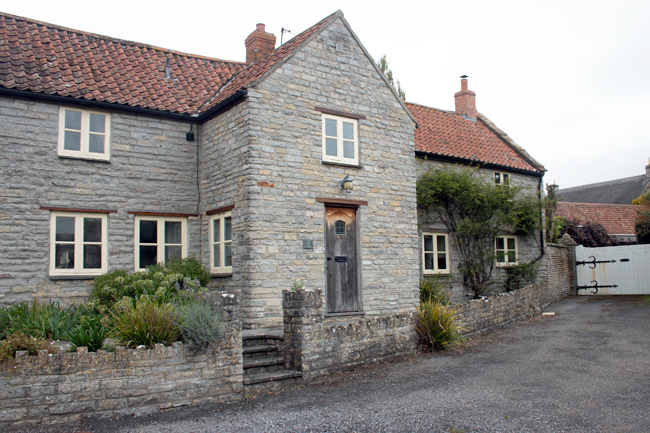
With a population of just over 300 people, it is a tight-knit community, somewhere where, you readily find yourself walking along quiet roads, getting welcoming nods and hellos from local resident and dog-walkers.
The village gets is name from nearby Kingsdon Hill, which in turn reflects its regal connection to Somerton, a royal estate since the Norman Conquest.
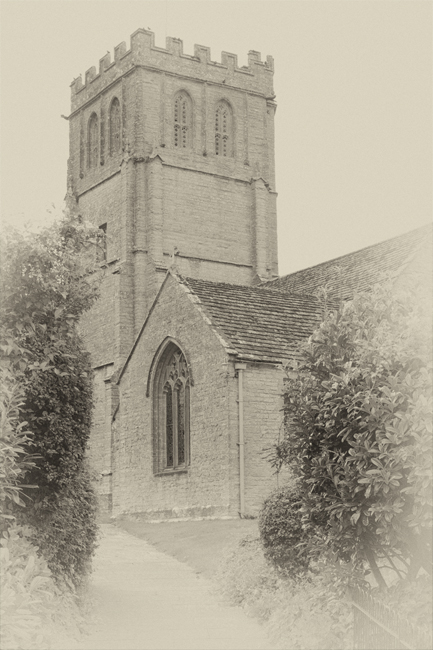
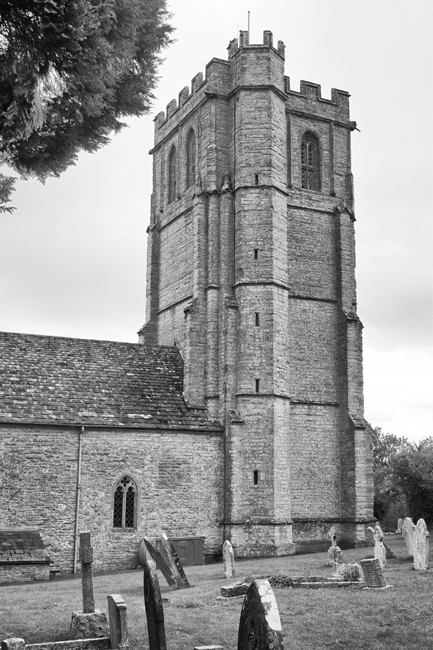
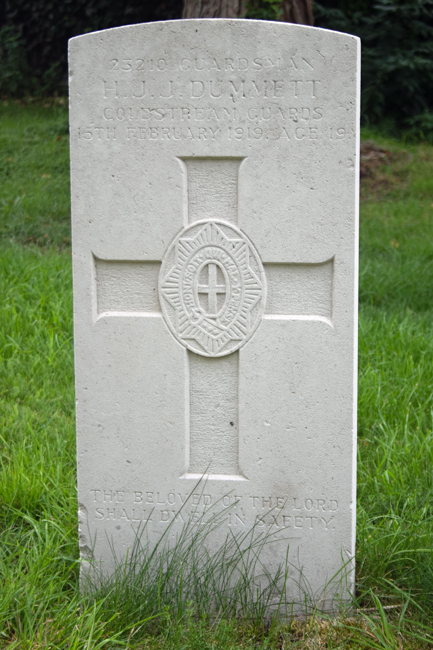
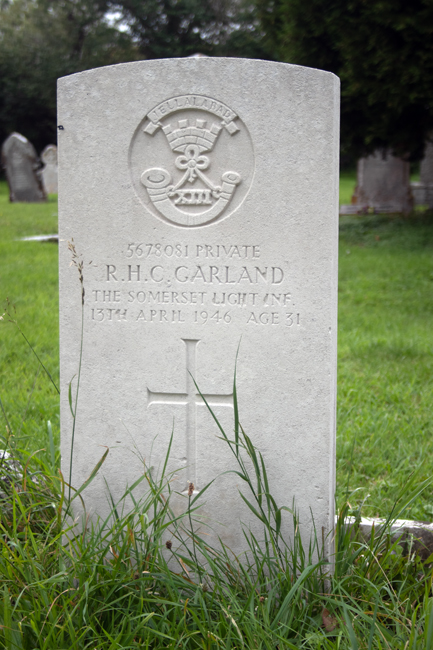
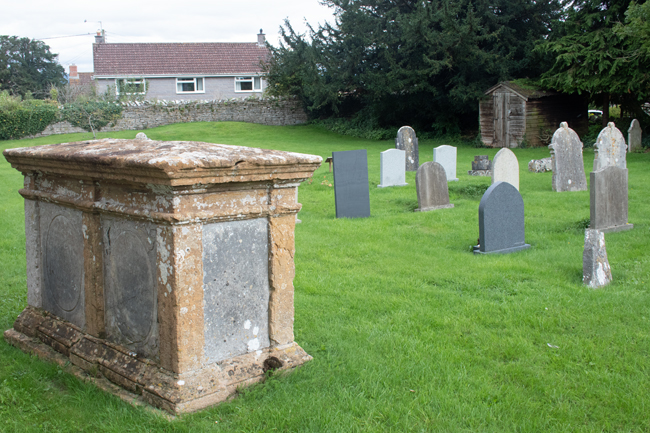
All Saints Church, to the north of the village, is a peaceful location and dates back to the 1400s. The churchyard includes two Commonwealth War Graves, which I’ll explore in later blogs.
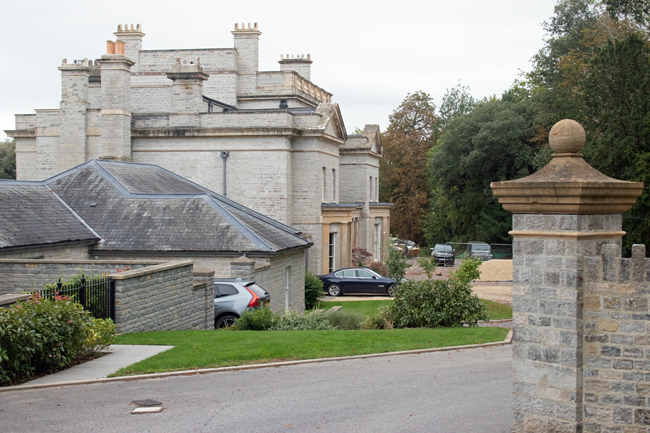

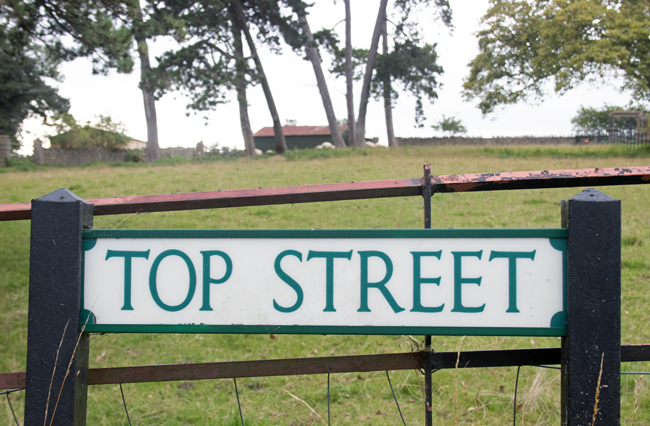
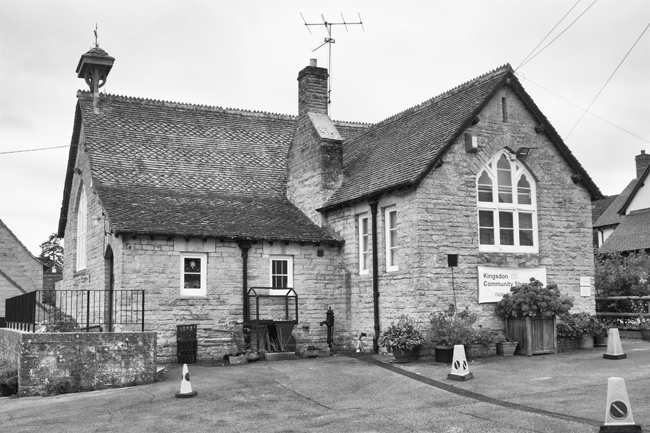

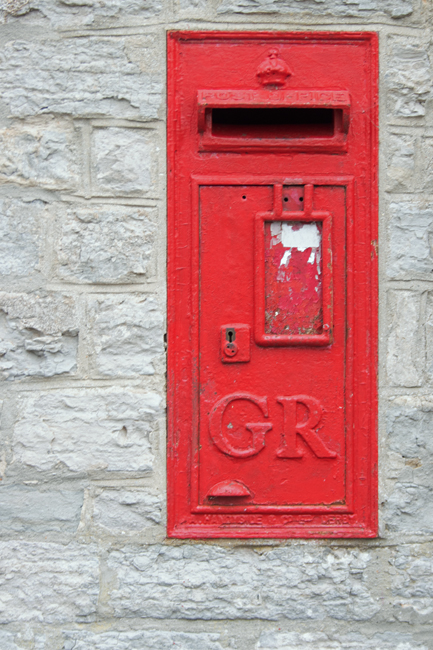

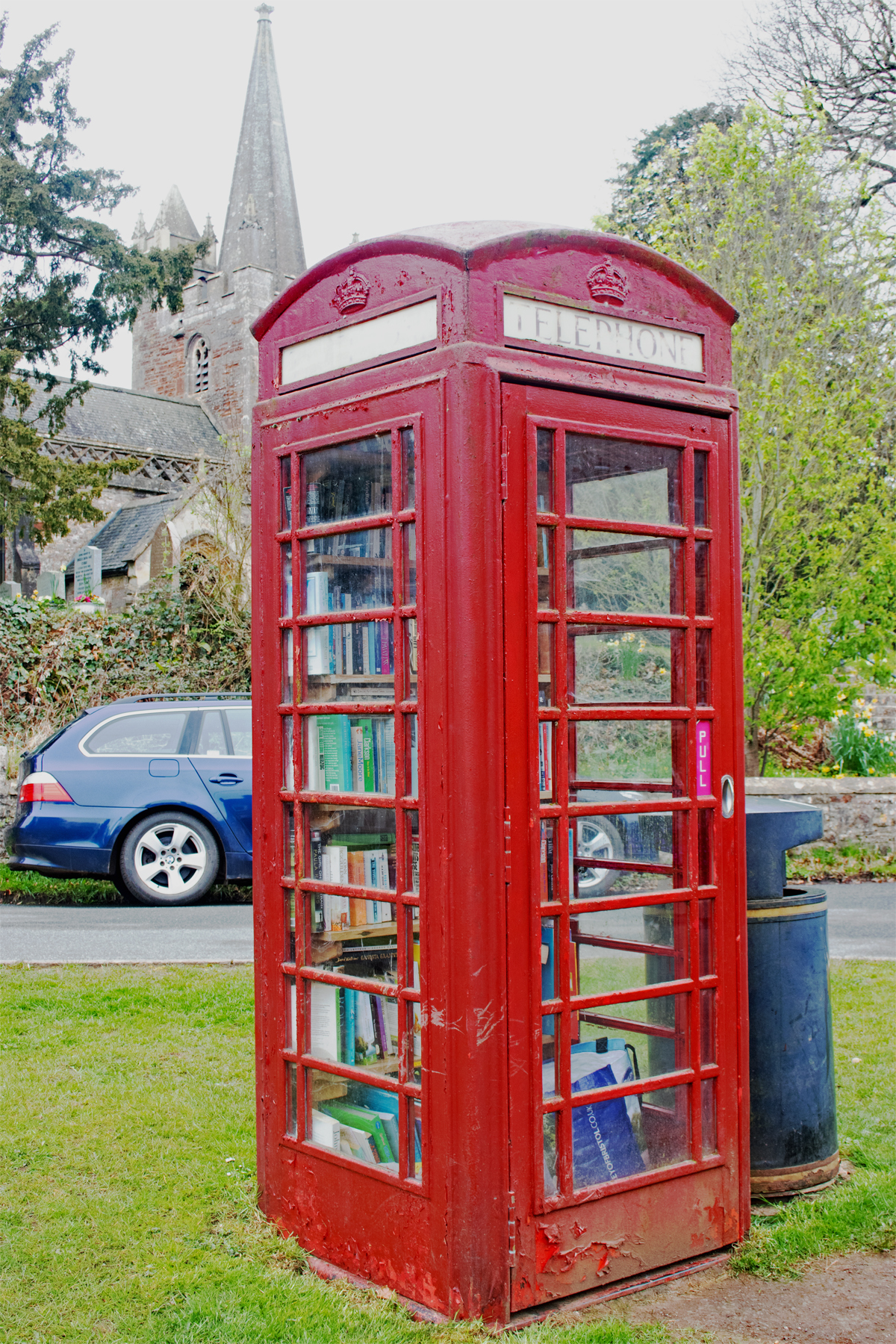
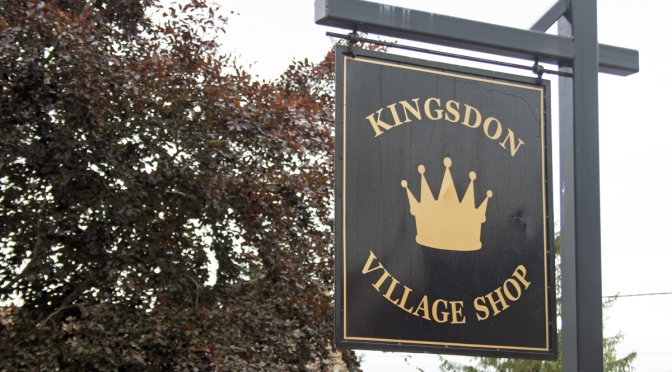
The community feel runs throughout Kingsdon, with a local pub, a phonebox book swap facility and a village school-cum-shop.
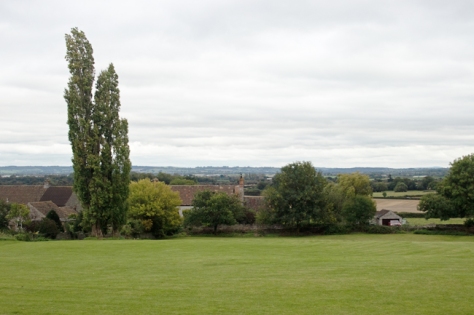
The views south are stunning too, heightening the real sense of countryside living. And, with plenty of footpaths locally, Kingsdon works well as a start point, finish, or stopping off point for an afternoon stroll.
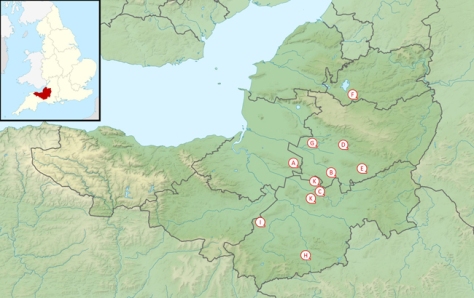
Commemorating the fallen of the First World War who are buried in the United Kingdom.
Looking at - and seeing - the world
Nature + Health
ART - Aesthete and other fallacies
A space to share what we learn and explore in the glorious world of providing your own produce
A journey in photography.
turning pictures into words
Finding myself through living my life for the first time or just my boring, absurd thoughts
Over fotografie en leven.
Impressions of my world....


 CKPonderingsToo