Tag Archives: Exmoor

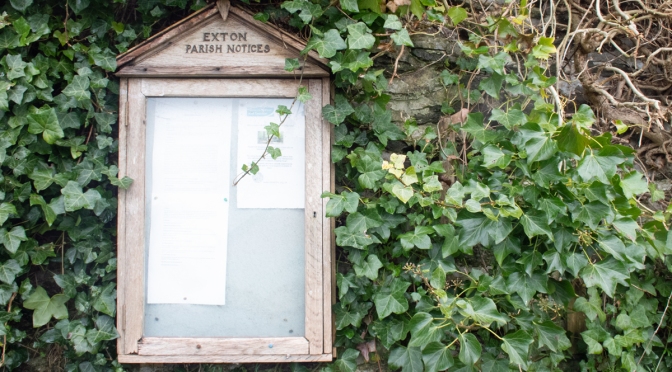
A-Z of Somerset: Exton

Okay, so it’s a slight cheat, but, as there are no villages in Somerset beginning with the letter X, one starting with an Ex serves as a good alternative.


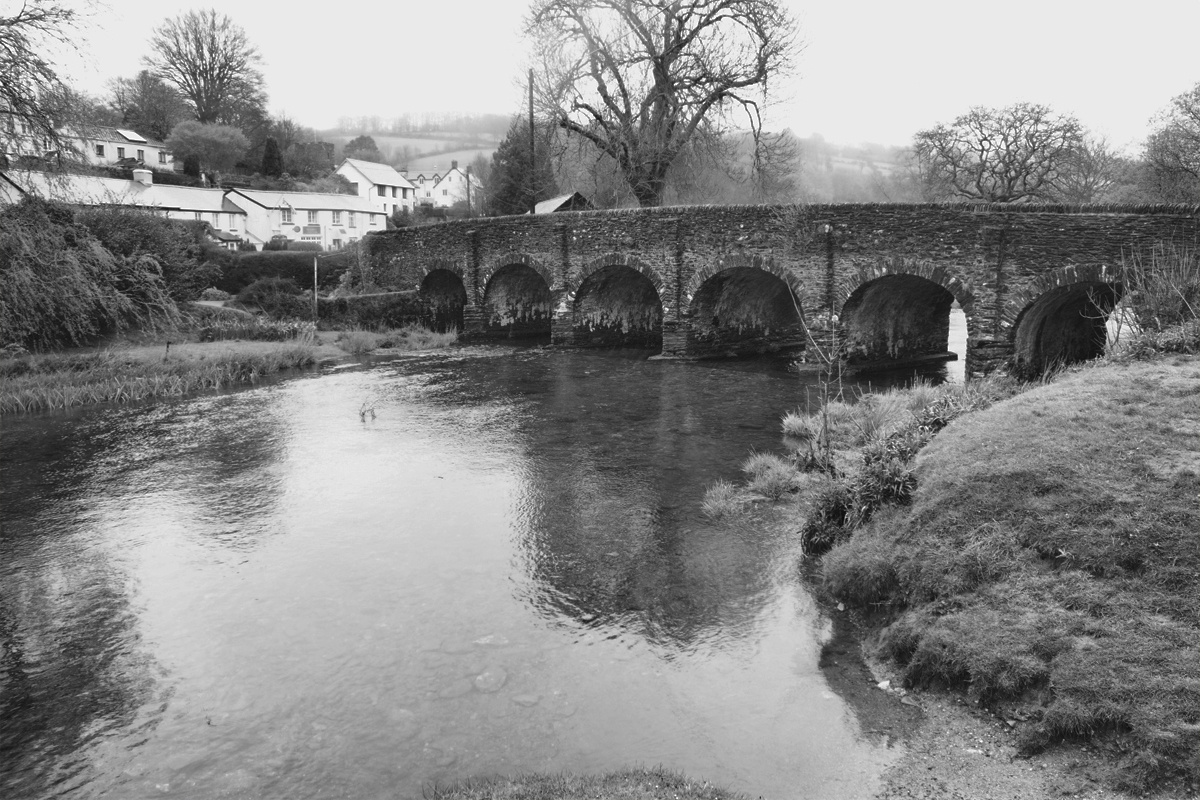
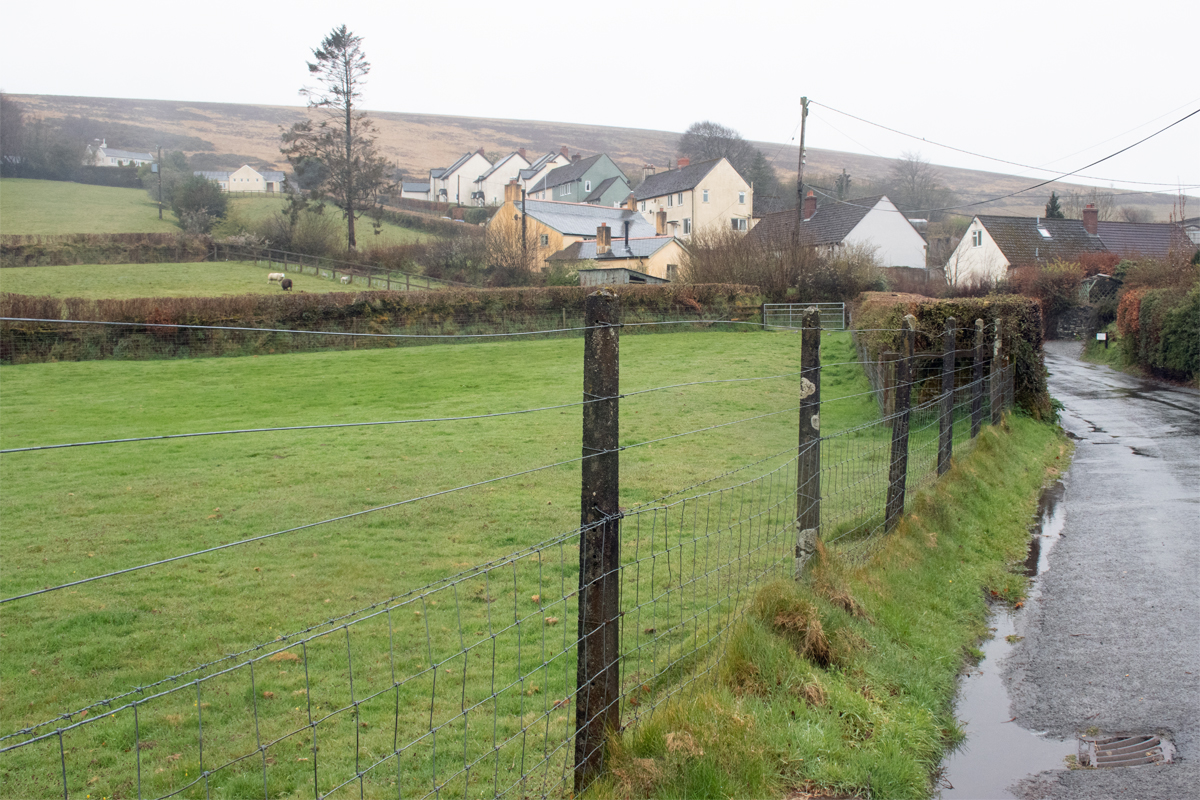
Set on the side of a steep valley in the heart of Exmoor, the village of Exton includes the neighbouring hamlet of Bridgetown. Not surprisingly, the village gets its name from the river Exe, which runs through the National Park; Bridgetown has a bridge that goes over the river to the west.

Exton itself is tiny; it has a population of less than 300 people, and is, in effect, made up of two roads; the first runs north-south along the bottom of the valley, the second climbs east, up a steep hill into the countryside.
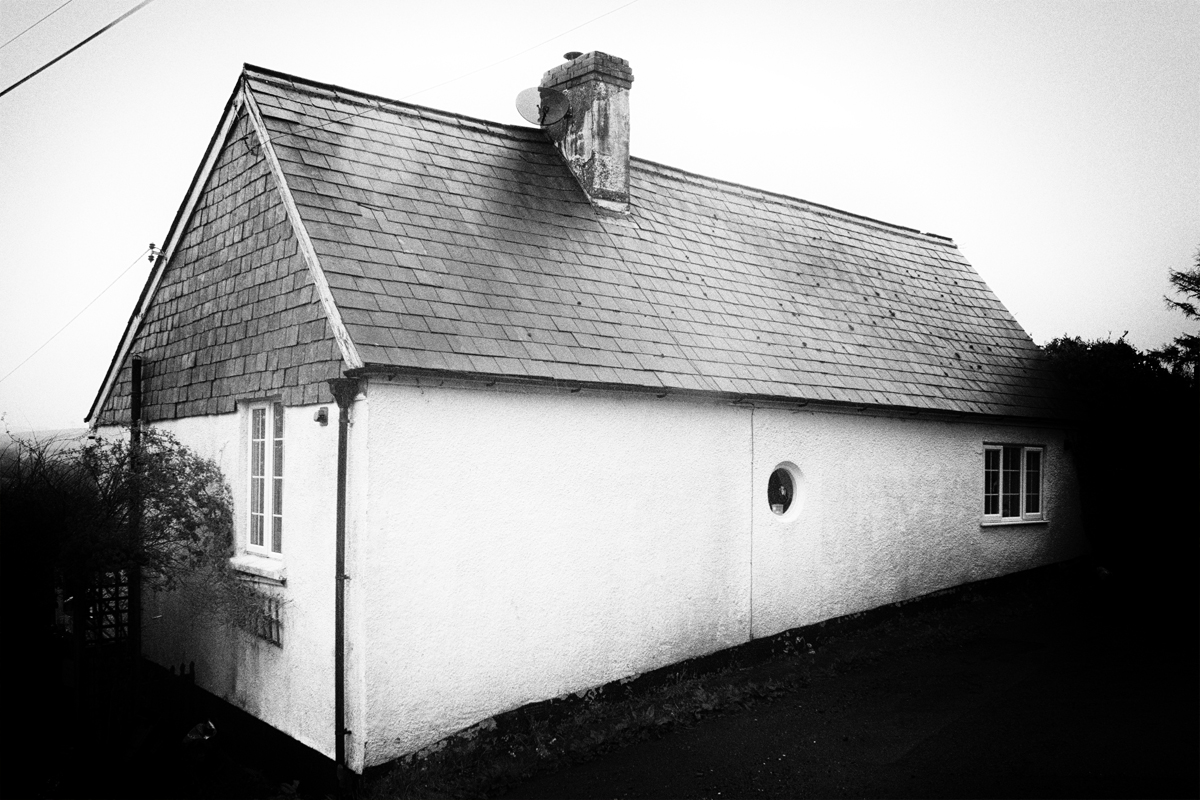

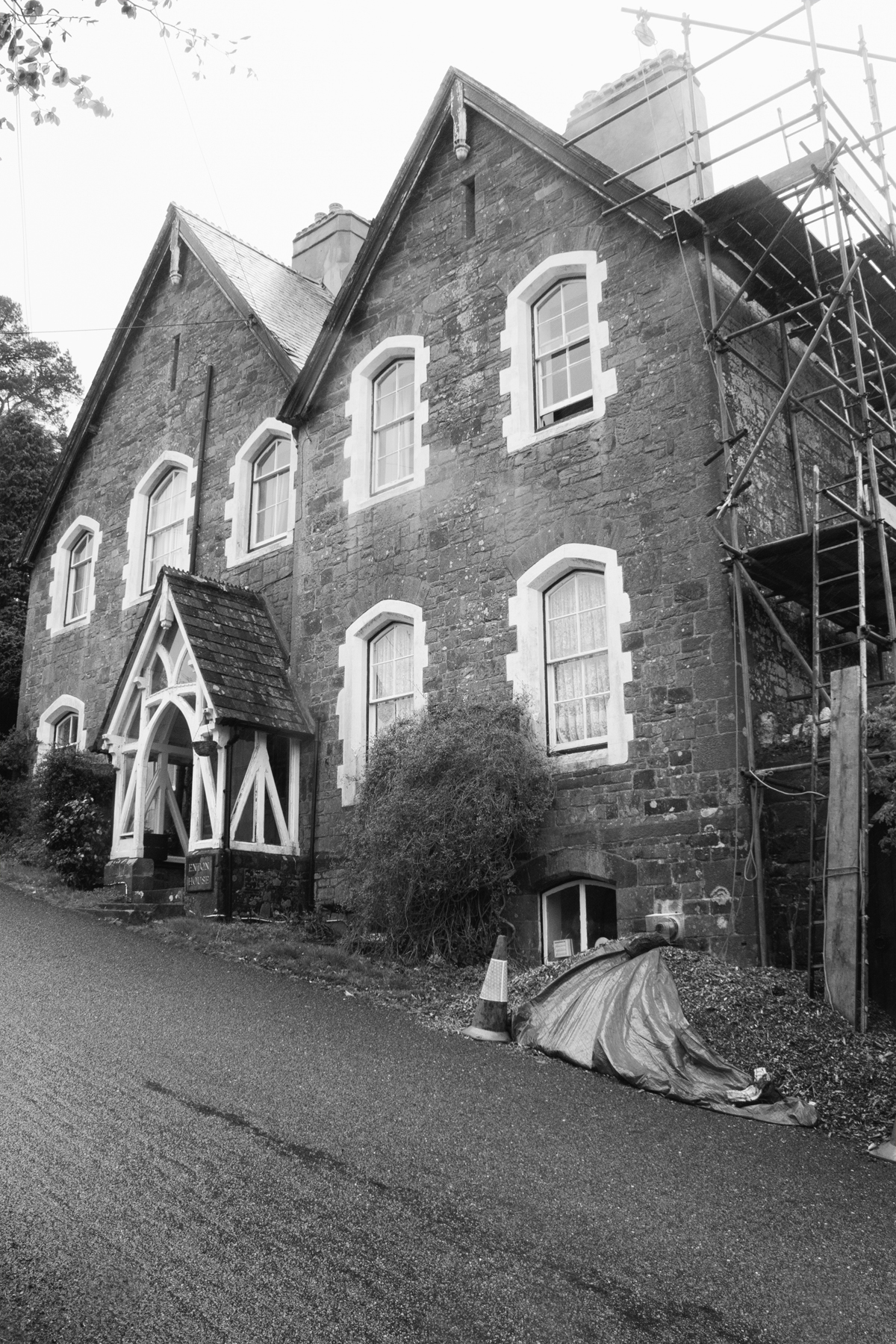
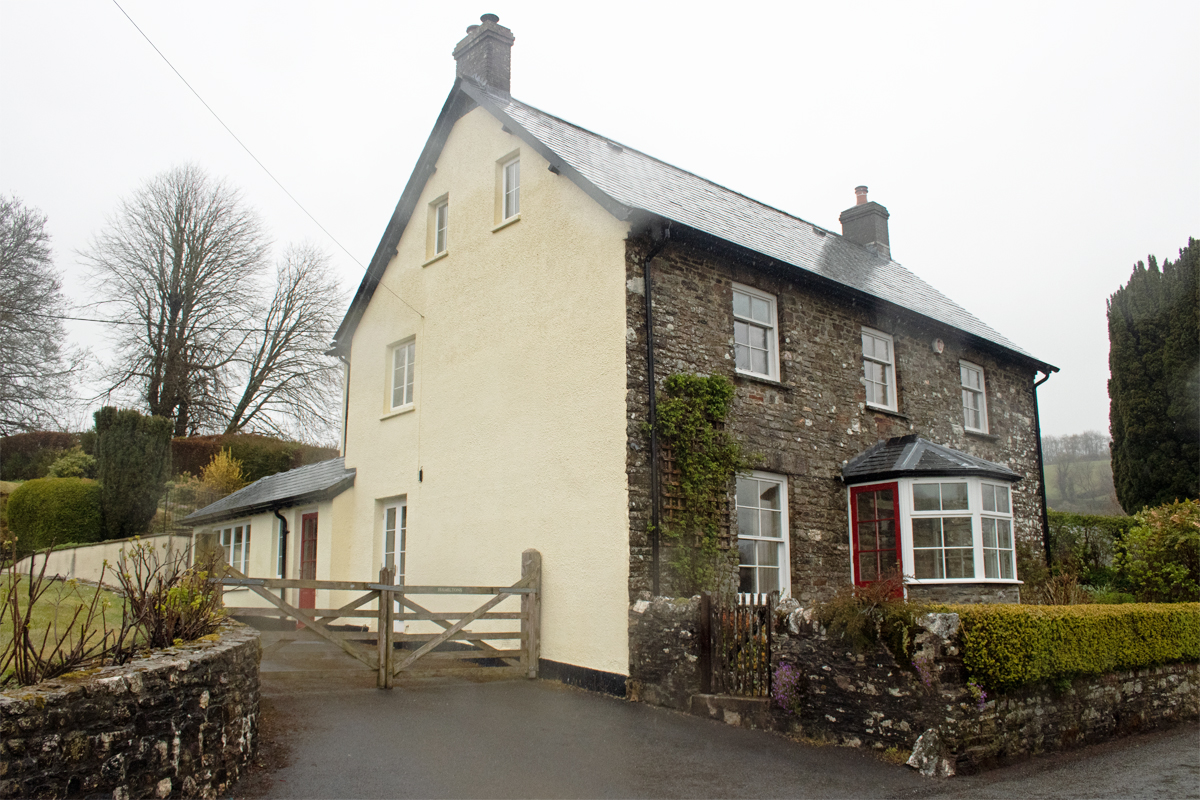
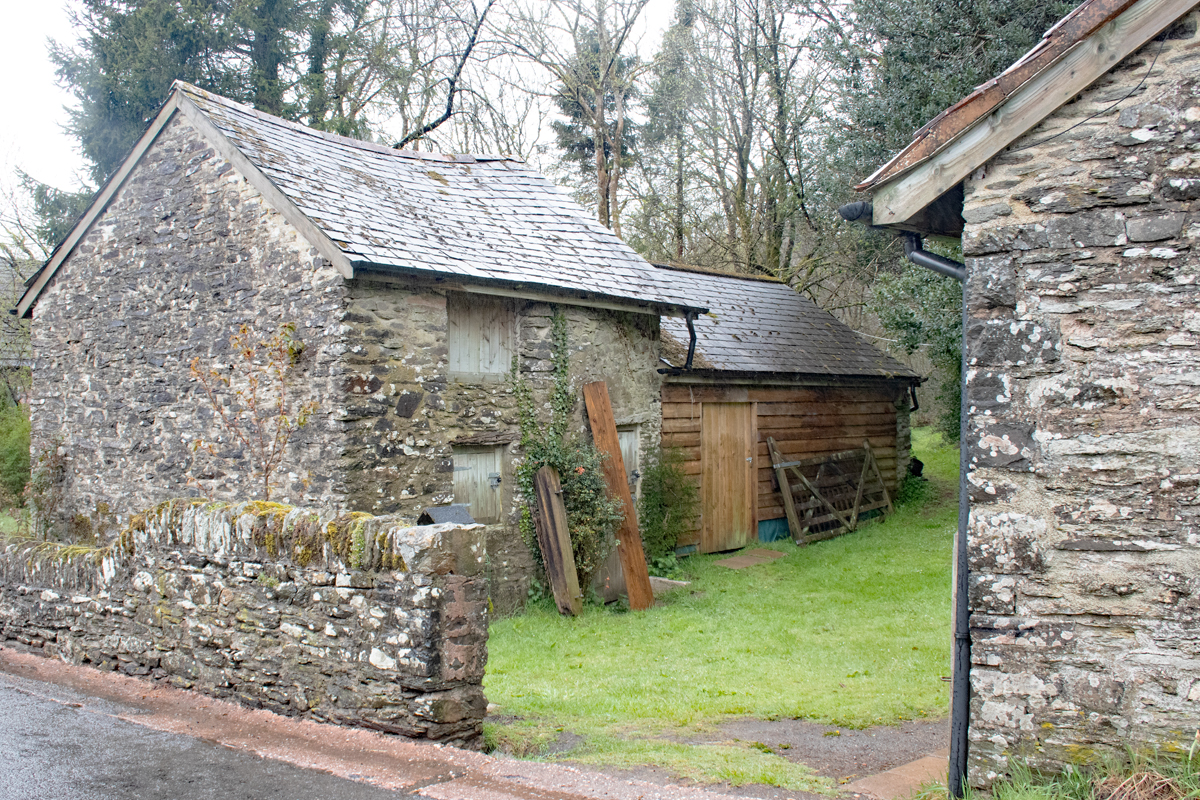
There is little new about the buildings in the Exton part of the village village; they are all original, stone built properties, and on the drive up the hill, Exton feels more like a hamlet than a village.

But a village it is; the Badger’s Holt inn and village hall are located along the valley bottom, while the upper part of Exton includes the village church.

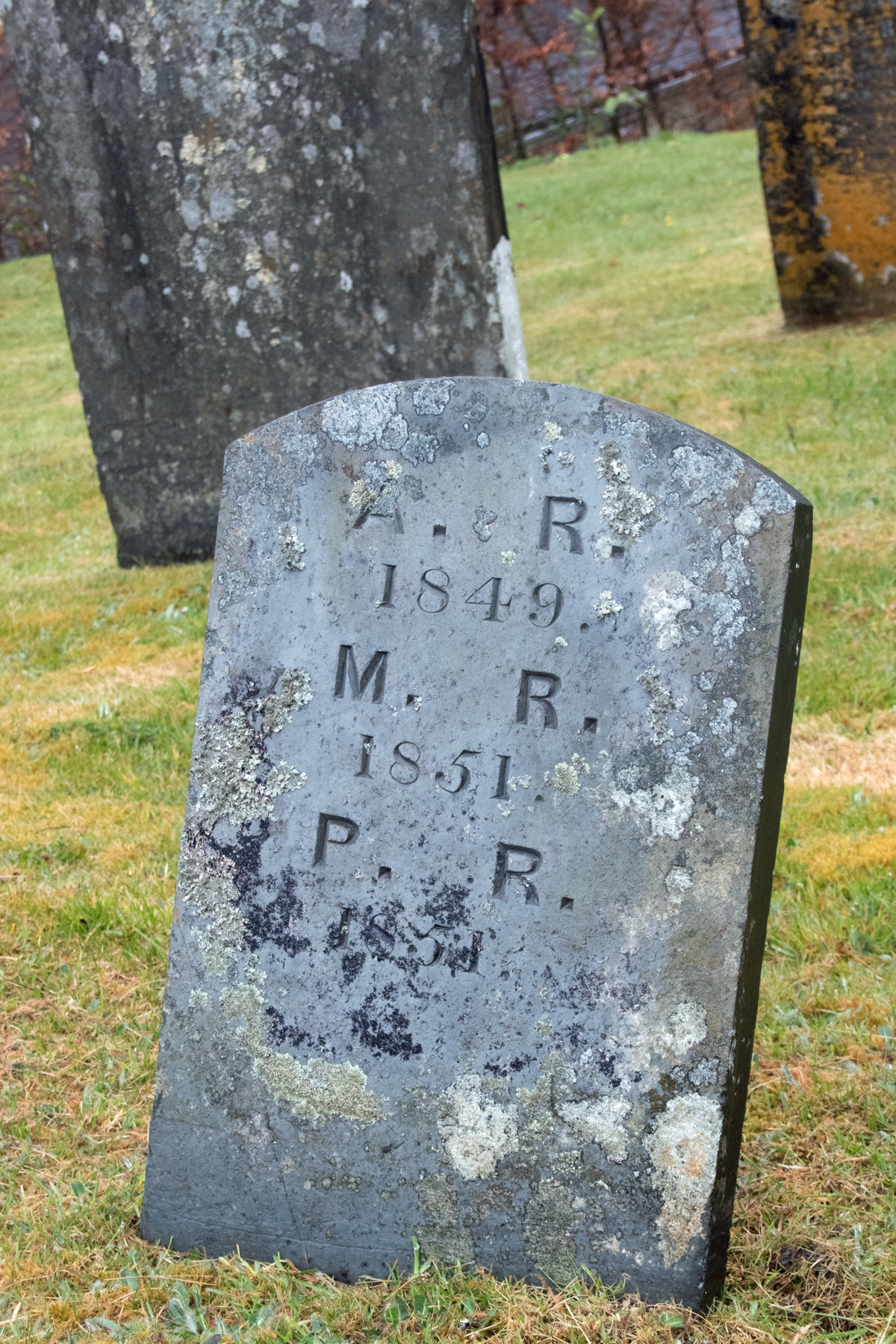
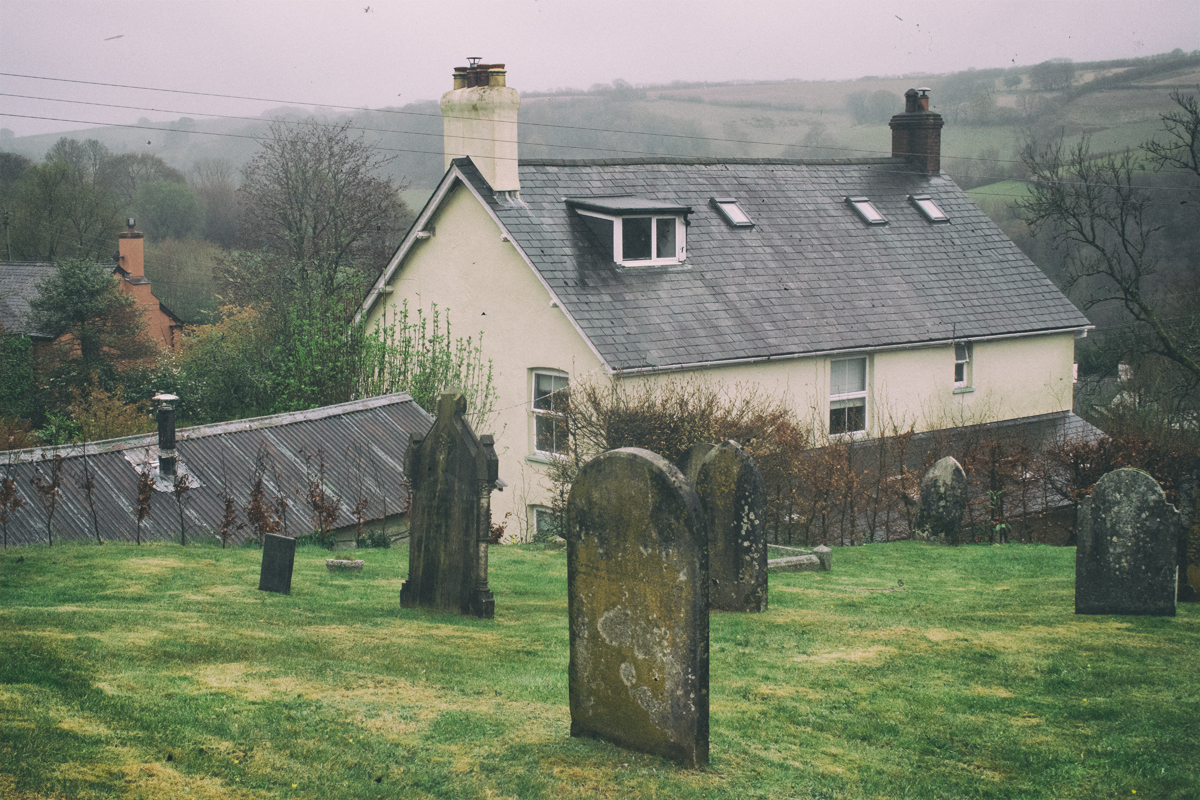
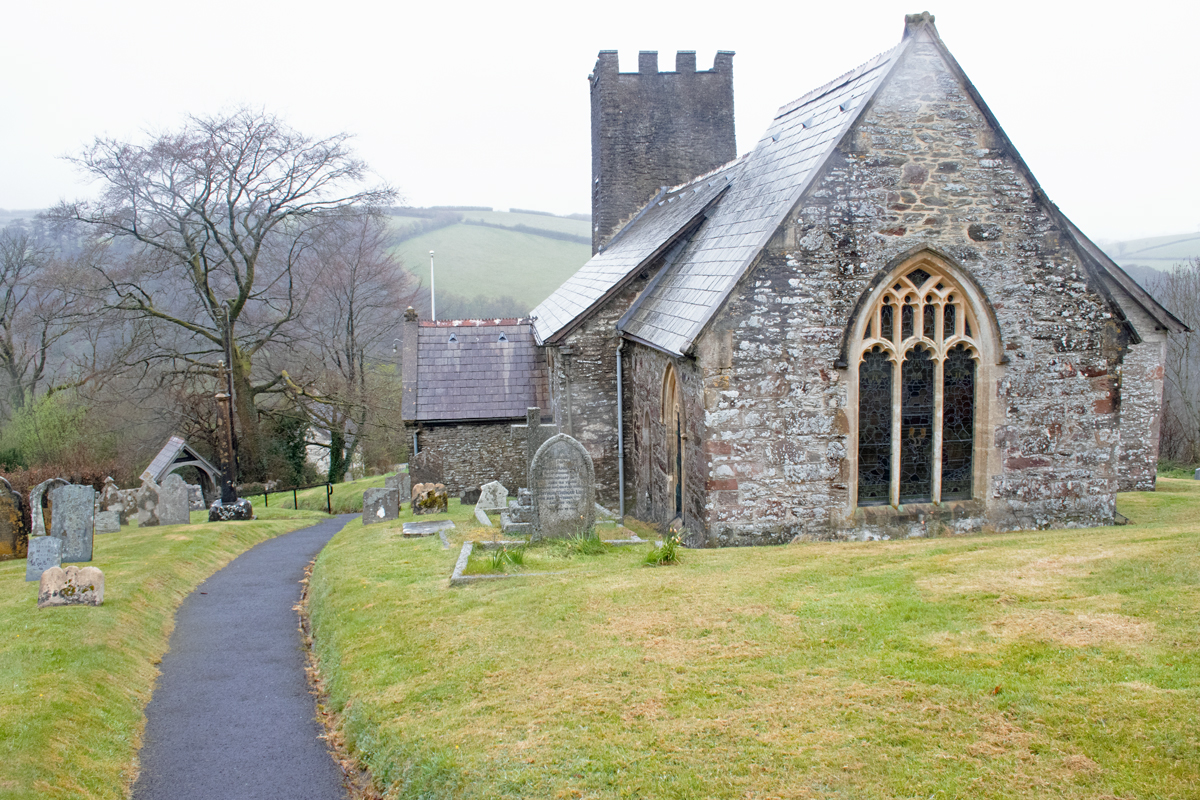
The church itself is dedicated to St Peter and dates back to Norman times; while their was an extensive Victorian renovation, the majority of the church dates to between the 13th and 15th centuries.

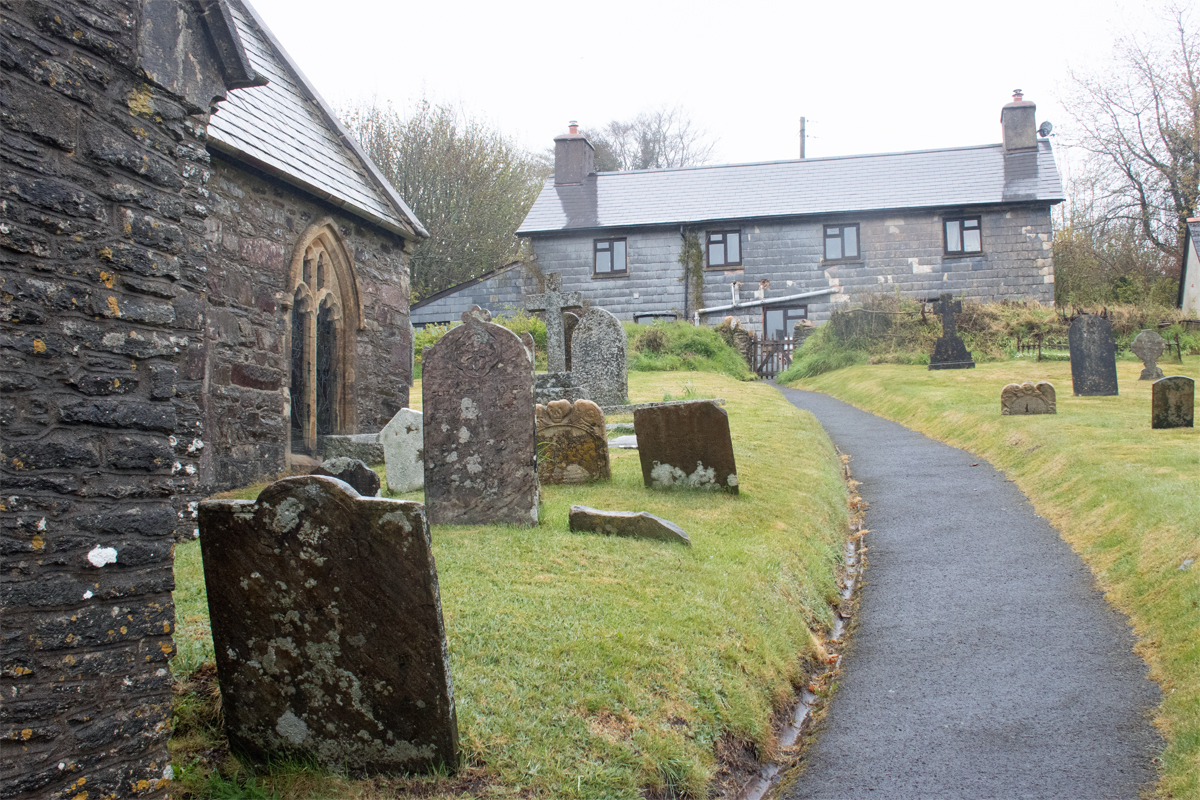
What grabs you about the church, however, are the views across the Exe valley. The well-kept graveyard is hilly, and most of the village’s houses are only visible as rooftops, with the western side of the valley visible in the distance.
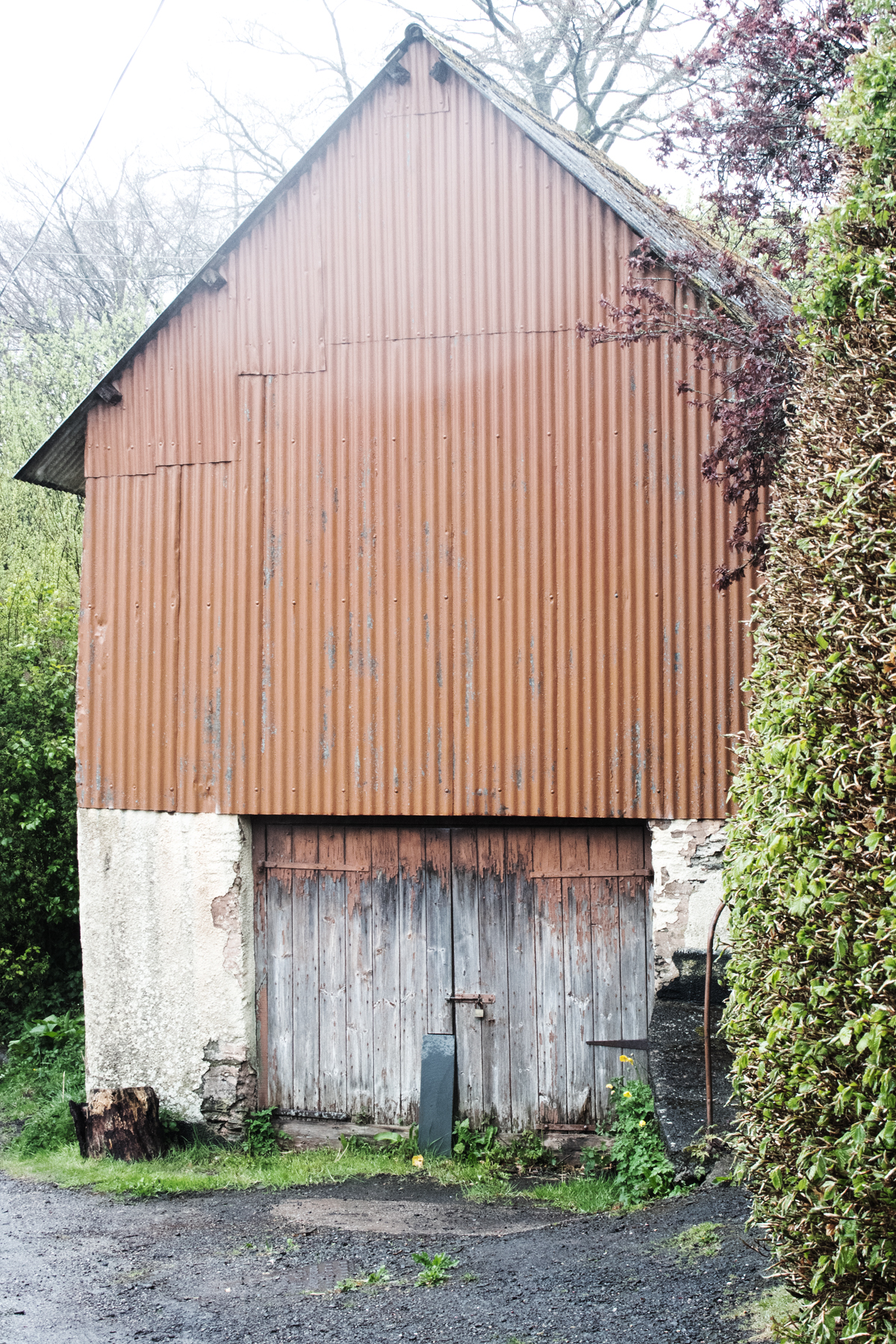

Above all, however, Exton is a country village. Its location has inhibited its growth, and this is in no way to its detriment. You either drive through it on your way from Dunster to Tiverton, or you attempt a sharp turn and steep hill to the main amenities.

Either way, it’s definitely worth a pause, and it’s well worth a stop off on your journey.


A-Z of Somerset: Withypool

W is for Withypool

There are no villages beginning with the letter W in Somerset, so we are moving on to W in the alphabetical tour.

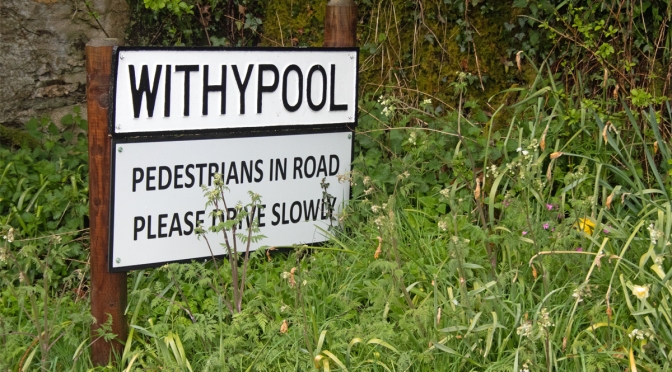
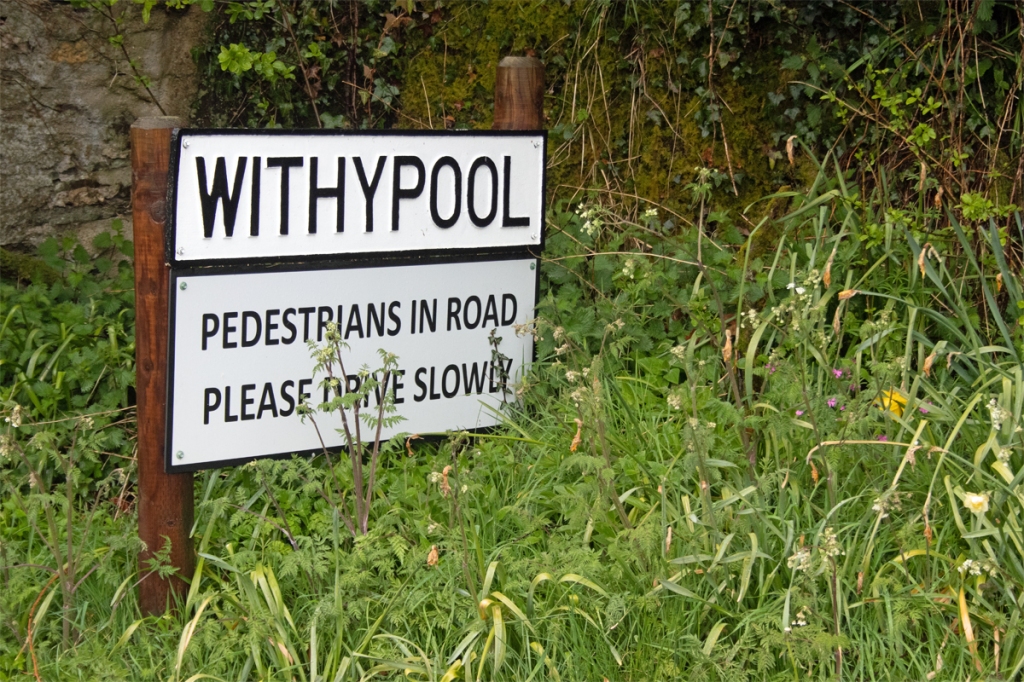
In the far west of the lies the quiet village of Withypool. With a history dating back to the Bronze Age, the name derives quite literally – a withy is a willow branch and the pool related to the River Barle, which flows through the village.


Withypool occupied a truly beautiful part of Exmoor, and, on a less damp and dismal day, it would have been a pleasure to explore its lanes and walks more readily. It is situated in the quiet countryside, around halfway between Minehead to the north east and Barnstaple to the west, and has a population of around 200 people. It does have, however, the required constituents that make up a village; a church and a meeting point.


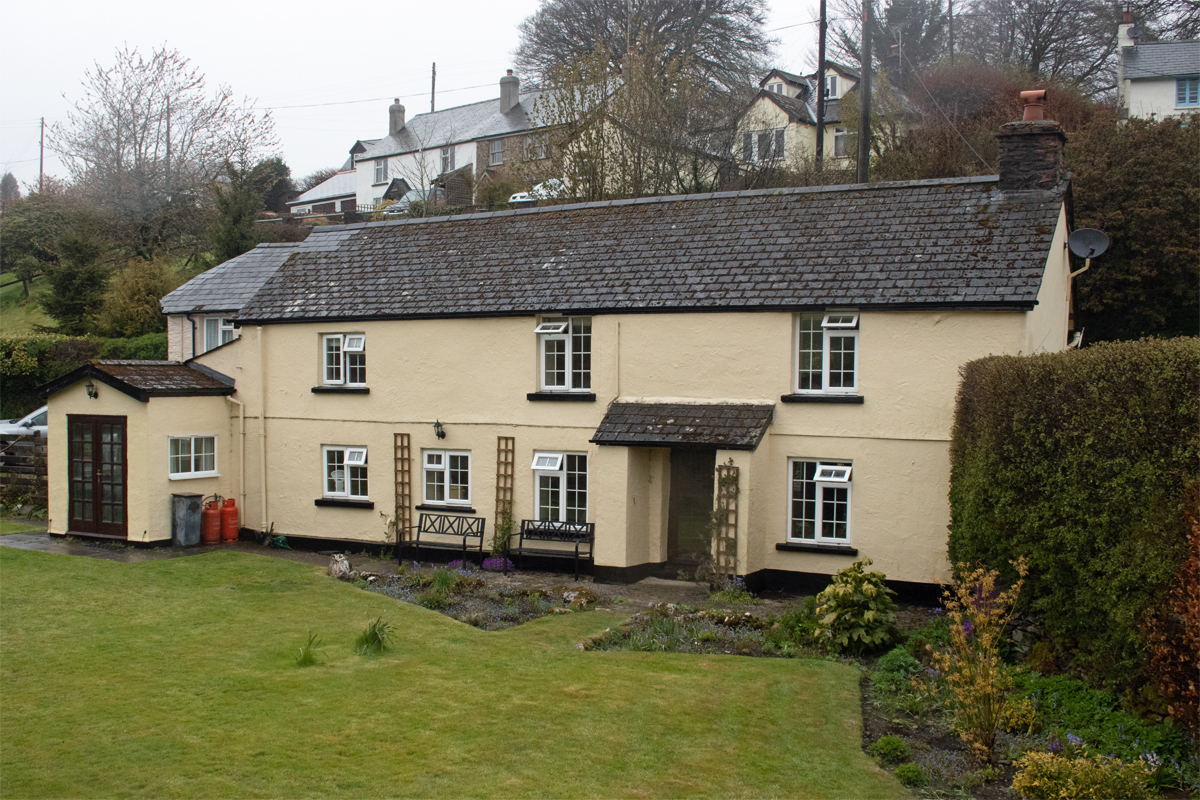
Withypool’s houses are typical, stone-built cottages. They wind down the valley, from one side of the valley, across the river and up the other side. These are workers cottages, and give the village a real sense of community, even in the pouring rain.


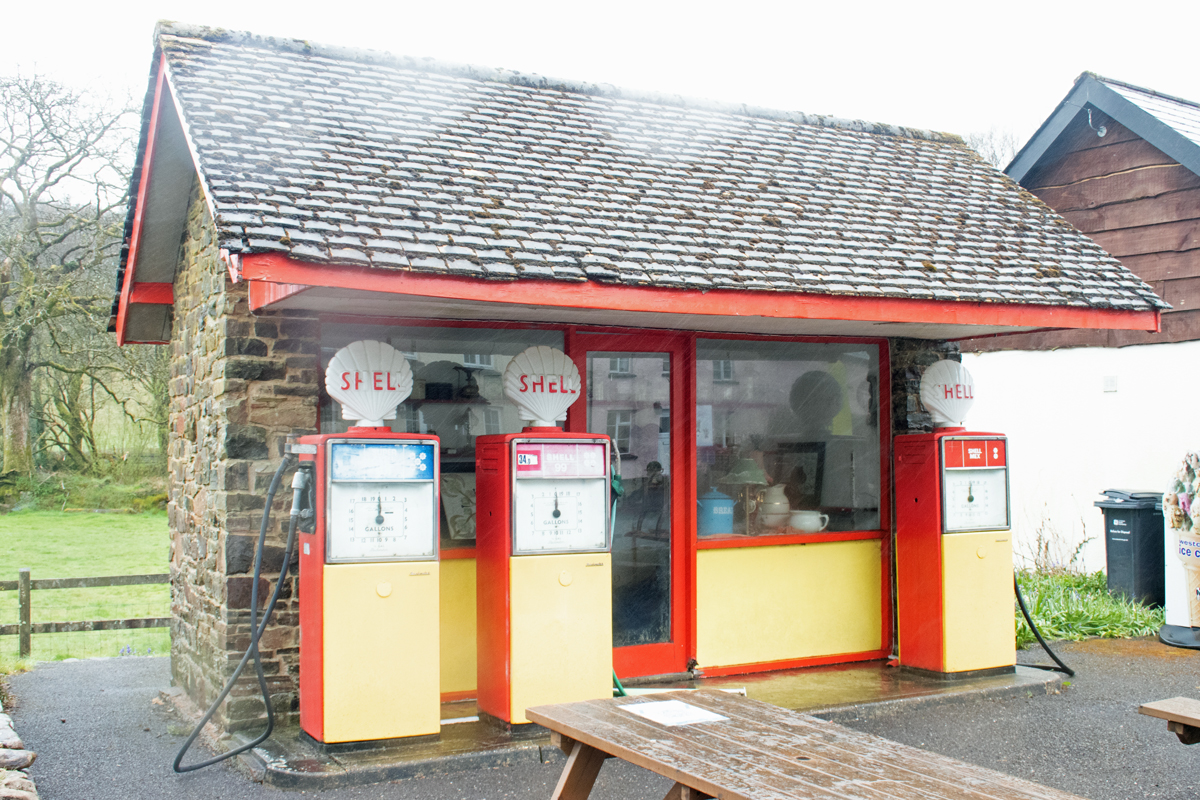
At the heart of Withypool is a well-used post office and store. Outside stands an old-fashioned petrol pump, and on the other side of the road, next to a small café, is what was another petrol station; Exmoor is a place for tourists, and, situated at the heart of the rolling countryside, Withypool would have been the ideal spot to refuel.


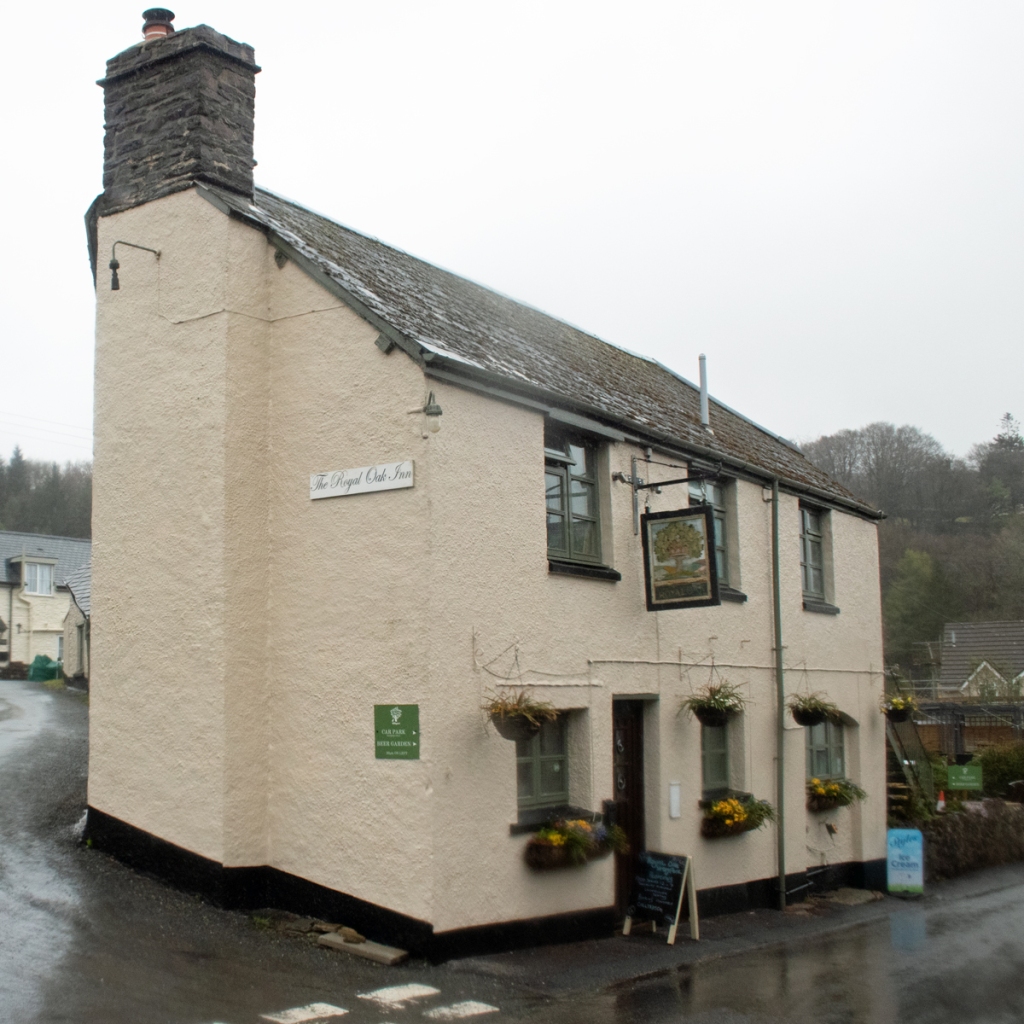
The main focal point for the villagers themselves, however, would have been the local pub. This particular pub, The Royal Oak Inn, had a lot of its own stories to tell, though.

Author R. D. Blackmore wrote part of Lorna Doone in the bar, while artist Sir Alfred Munnings, celebrated for his portraits of horses, had a studio in the loft.

In the 1930s, the inn was owned by Gwladys and Maxwell Knight, a spy-ring leader and radio broadcaster upon whom Ian Fleming based the character of James Bond’s boss, M.

During the Second World War, Woolacombe beach, situated a short drive tot he east, was used to simulate the invasion of Normandy, and General Dwight Eisenhower planned some of the operation from The Royal Oak.


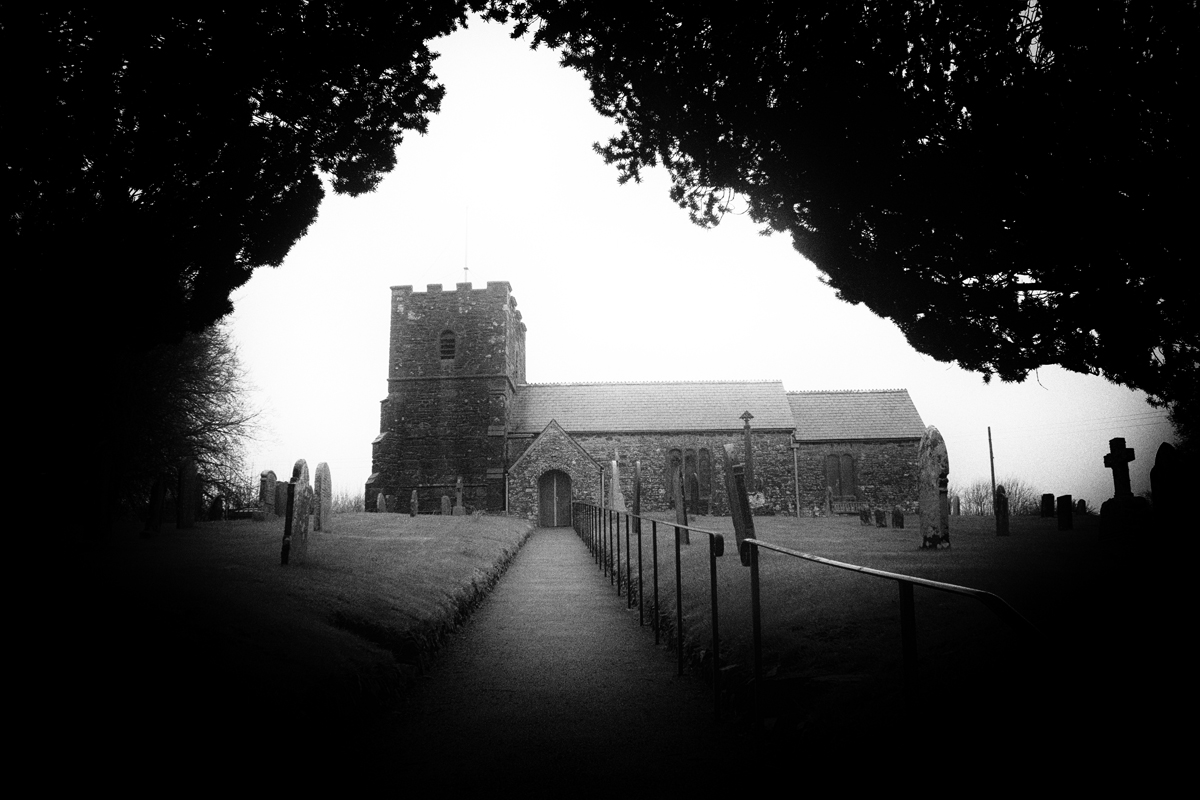
The spiritual centre of the Withypool lies not far from the Royal Oak. The Church of St Andrew is of medieval origin, although the main tower has been restored and rebuilt a couple of times since then, most recently at the start of the twentieth century.

The approach to the church is up a steep path; while a relatively small building, its location has been designed to dominate and spread awe. The hill is stands on ensures it can be seen from most of the village, ready to call everyone to services and make them difficult to avoid.

Having said that, the views themselves are stunning, underlining how beautiful a setting the village is in.


Withypool is definitely a place to stop off and explore, if you are ever in the Exmoor area. The ting to remember is that there is no such thing as bad weather, only bad clothing, so make sure you’re prepared for whatever the Moor decides to throw at you.