“You are unique, but you are part of a collective.” The message was clear.
Individuality was gone, uniformity was key. But within her uniformity, she knew she was individual. This wasn’t 1984, for Pete’s sake…
She had to keep hold of her individuality. She had to maintain the essence of ‘her’. She didn’t want to stand out, didn’t want to be obvious, didn’t want to run the risk of being separate, ostracised.
So how to keep a collective mentality while retaining an individual perspective? How to be part of the whole while remaining true to herself?
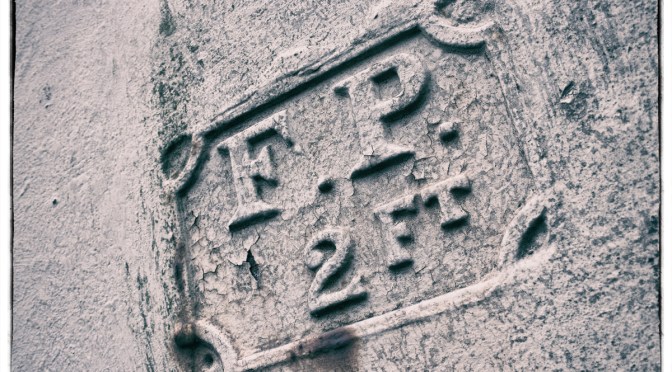
The first sign they came to was halfway up the wall, buried beneath years of paint.
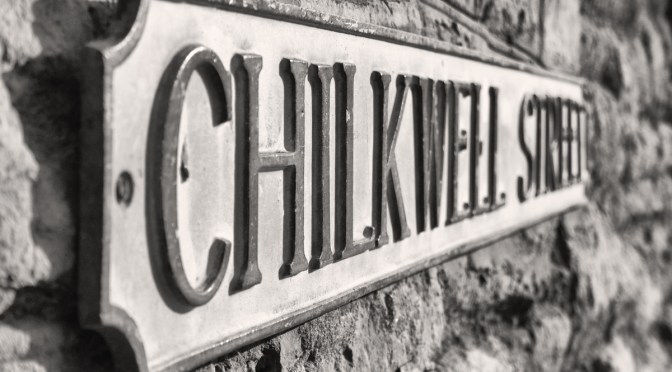
It was Victorian, as old as the house into which it was embedded; a memory of a time when it meant something to take time, effort and pride to make signage. Signage that was there for one reason and one alone. Nobody would normally look for it; most wouldn’t even see it.
But there it sat, bold as cast iron, giving information to the world and no-one.
Further on, another sign pointed the way.
It was a different direction than the one they wanted to go in, but its instructions were clear, very clear.
There seemed no reason for the diversion, though. The road was empty in both directions, no hint of closure. But they were conscientious and set off in the direction the sign was pointing, unsure whether, in fact, that would get them to the destination they were hoping for.
A gate barred their way, a third sign informing them what lay beyond.
But was it an Abbey or was it a Farm? They had previously seen a sign for Street Road, which was muddling in itself, and this just added to their confusion.
Beyond the gate was a path, but they were on the outskirts of a town, and there was no farm in sight, let alone any building of religious significance.
Still they made their way on, hoping against hope that where they were heading, what they were doing, was right.
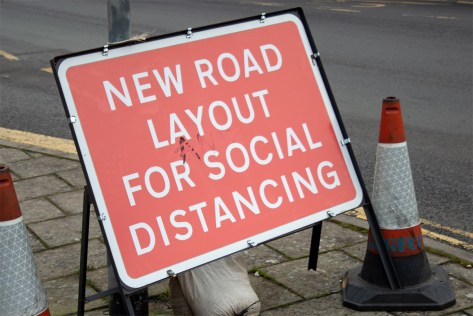
Another sign, and one whose message always seemed to cause chaos.
Social distancing was a new concept. Years had gone by and people had slowly but surely gotten used to being more tactile. Then things had changed, and distance became the new close.
New road layouts were always a hazard, particularly as the signs tended to stay in place long after new became old.
So they carried on, taking extra care and being overly vigilant, hoping that the end was in sight, metaphorically as well as geographically.
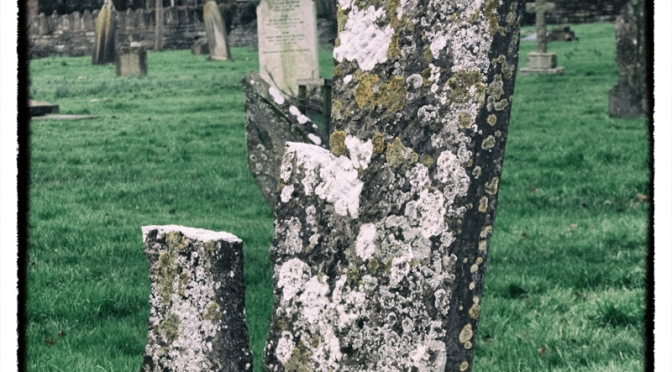
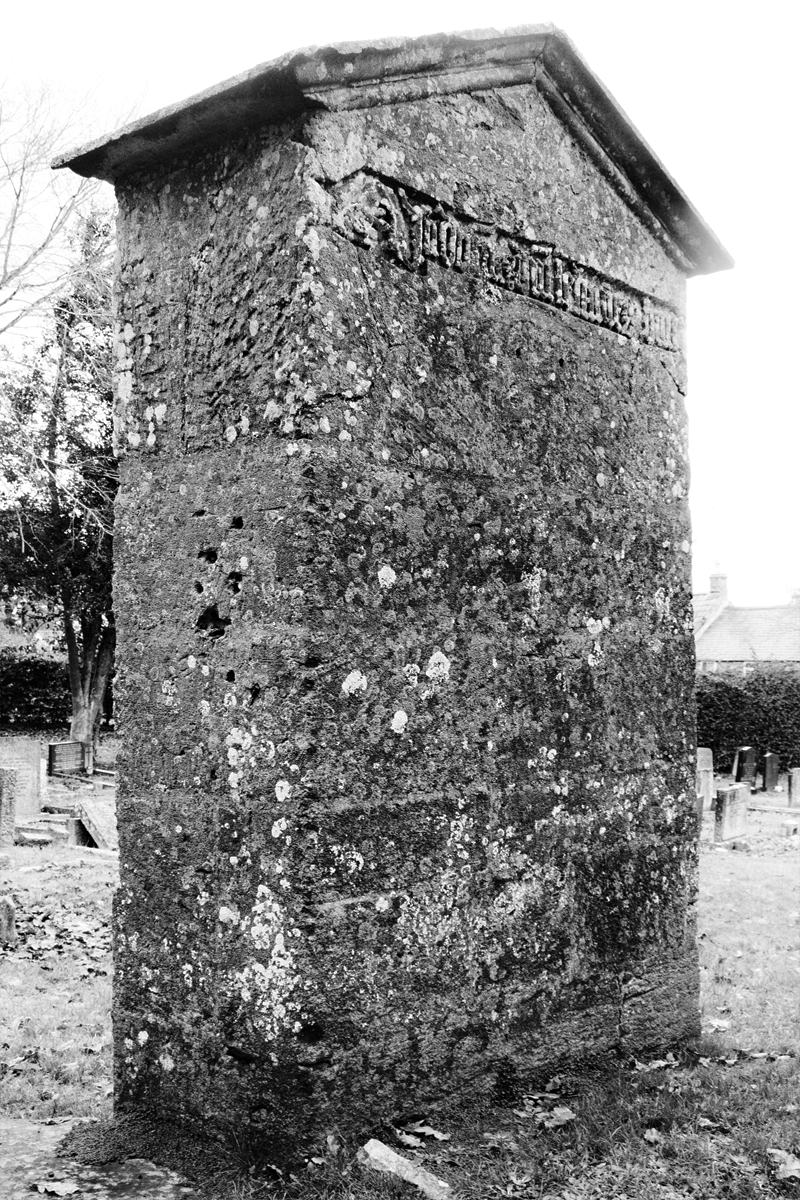
The stone had been like that for generations, from what he had been told. The chunk of granite had cracked from tip to base, that fateful night in 1874. Nothing else had been touched, no other graves affected, no other souls disturbed. Just this one stone.
The dedication had worn away decades before, the records lost to time. Nobody knew any more whose grave it was, nobody knew if their remains were still there. The rumour was that the devil himself had torn the stone asunder, ripping the body from the ground so that his own domain may remain unsullied.
Who could have been so evil that even the devil didn’t want them as his bedmate? What crimes must they have committed to anger Lucifer so?
And who came each month to lay flowers on the grave with no name?
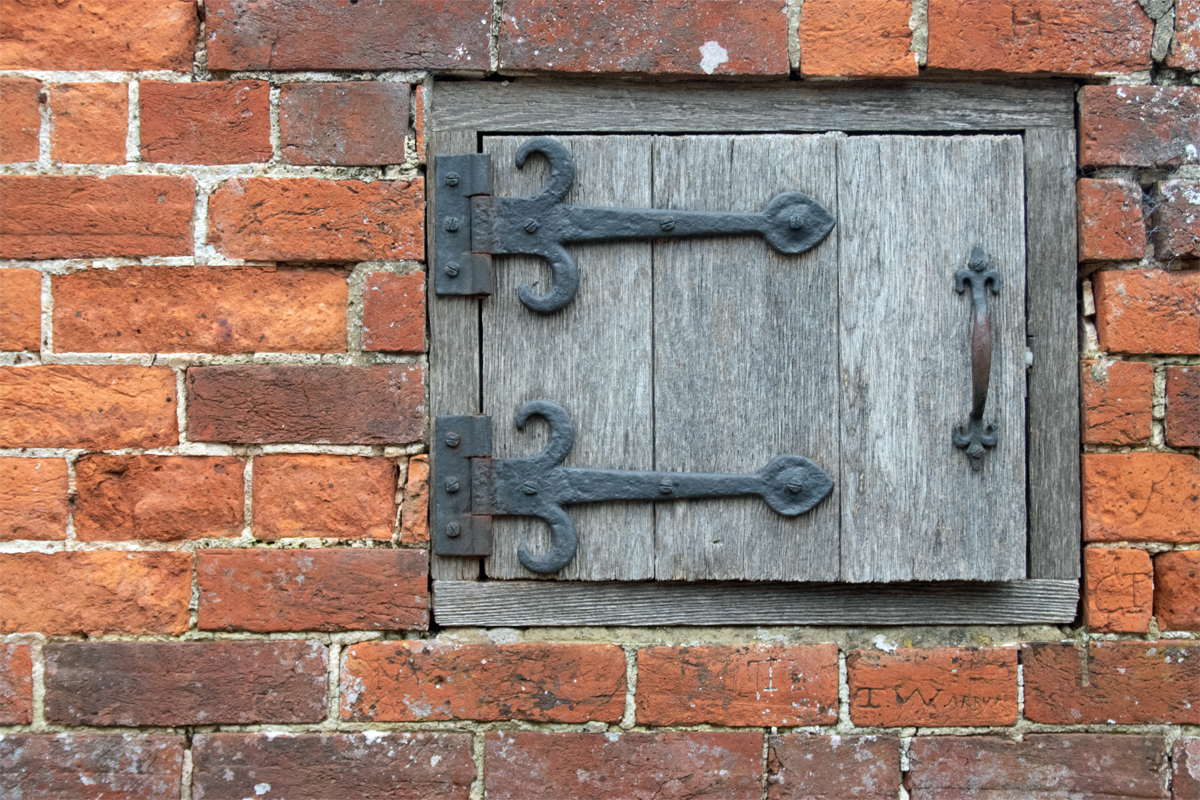
The gate swung open unbidden. The creaking of the hinges shattered the calm of the trees surrounding him, bringing him sharply to his senses.
Beyond the gate he could make out a building. The windows were shuttered, but he had a feeling that the house wasn’t empty, merely sleeping, waiting for the moment when someone would arrive to wake it from its reverie.
The lawns were tended, and he wanted to take a step forward, to get a better look at the garden, but immediately felt as if he would be trespassing, unwanted, into grounds that had been perfectly manicured by a gardener who had every intention of keeping them that way, no matter what happened.
To walk forward or to turn and run? Intruders were definitely not welcome here, and, without any shadow of a doubt, he would be intruding. But he also felt that it was too late. With the opening of that gate, the barrier had been broken and he was left with only one choice.
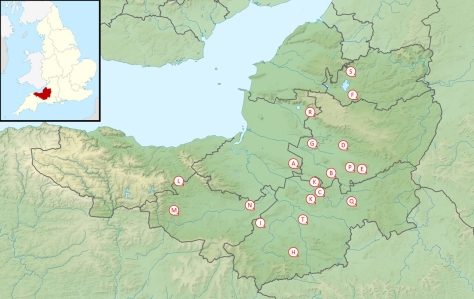
Just to the north west of Yeovil lies the quiet village of Tintinhull. The derivation of its name is steeped in mystery – ‘tin’ meant ‘fort’ in old English and ‘examine’ in Saxon, while ‘hull’ is an old term for ‘hill’. The village sits in the lea of Ham Hill, so a combination of elements seems likely.
Tintinhull has a population of just over a thousand people, and the manor dates back to pre-Norman times. The local Saxon tribes used to avoid siting their villages on the old Roman roads, so the village sits just away from the Fosse Way (now the A303).
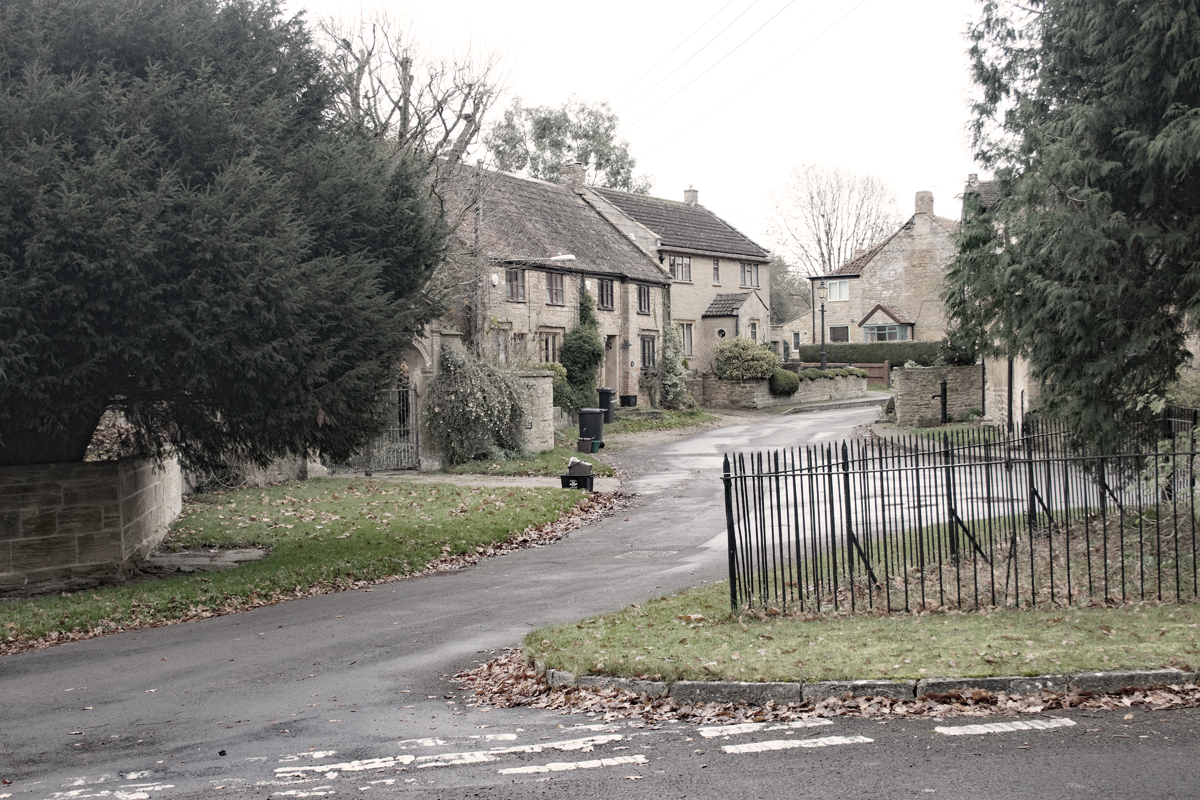
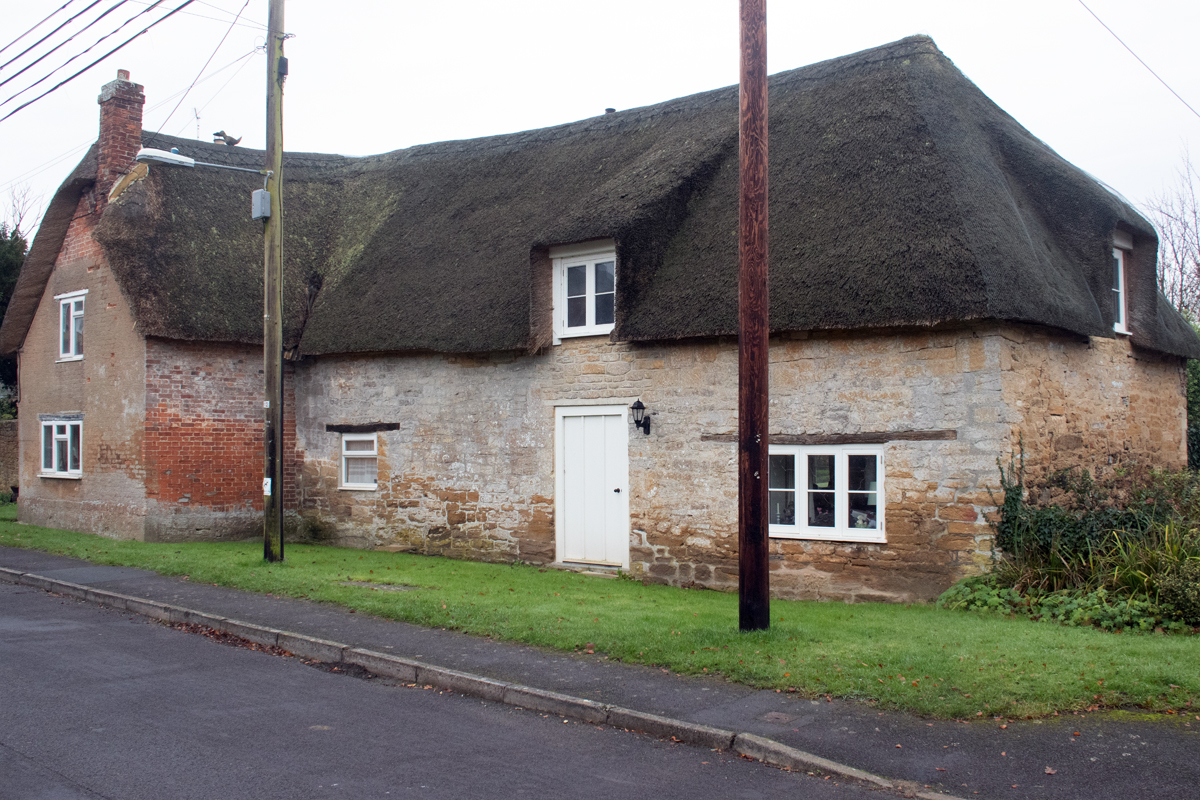
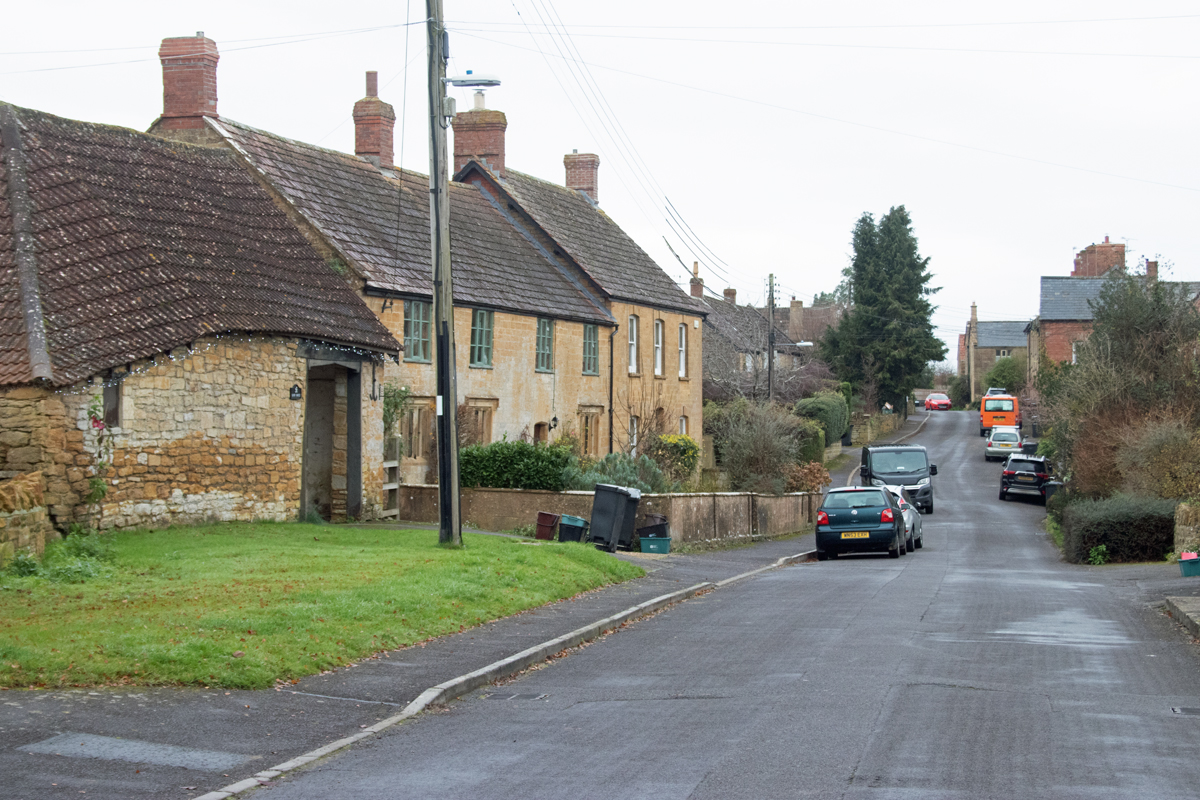
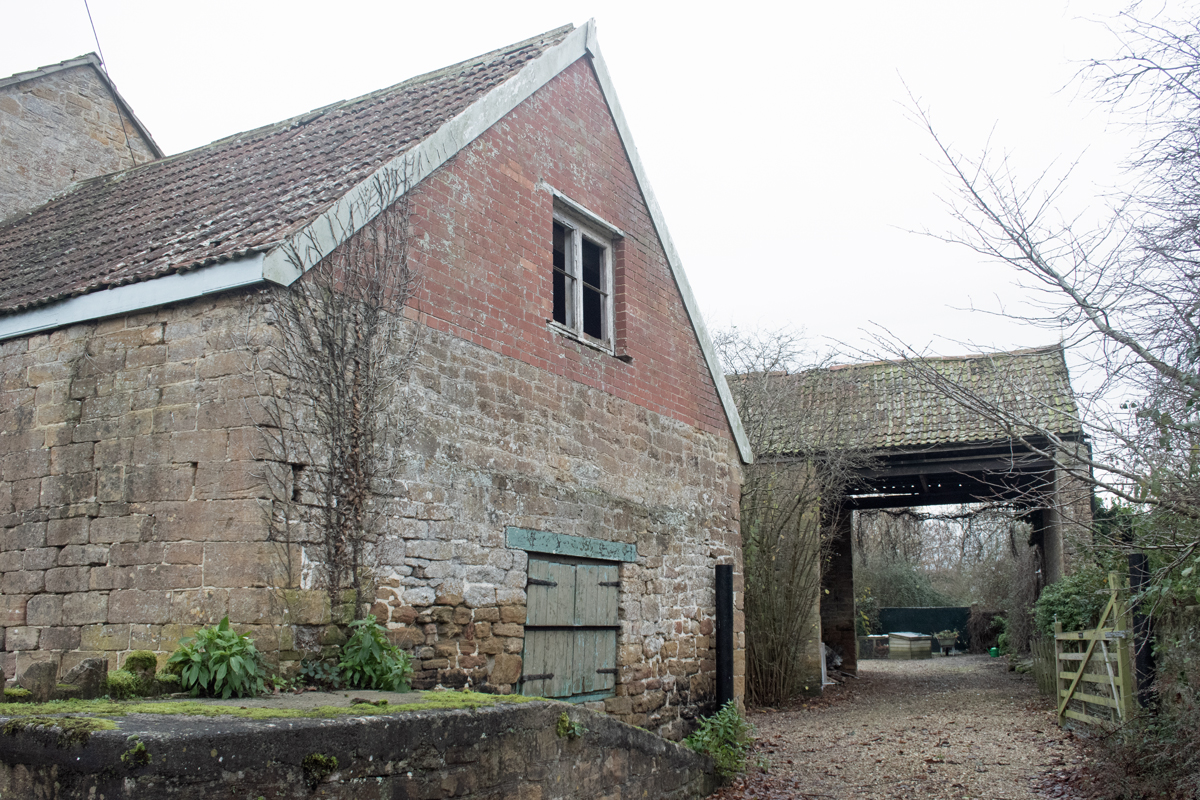
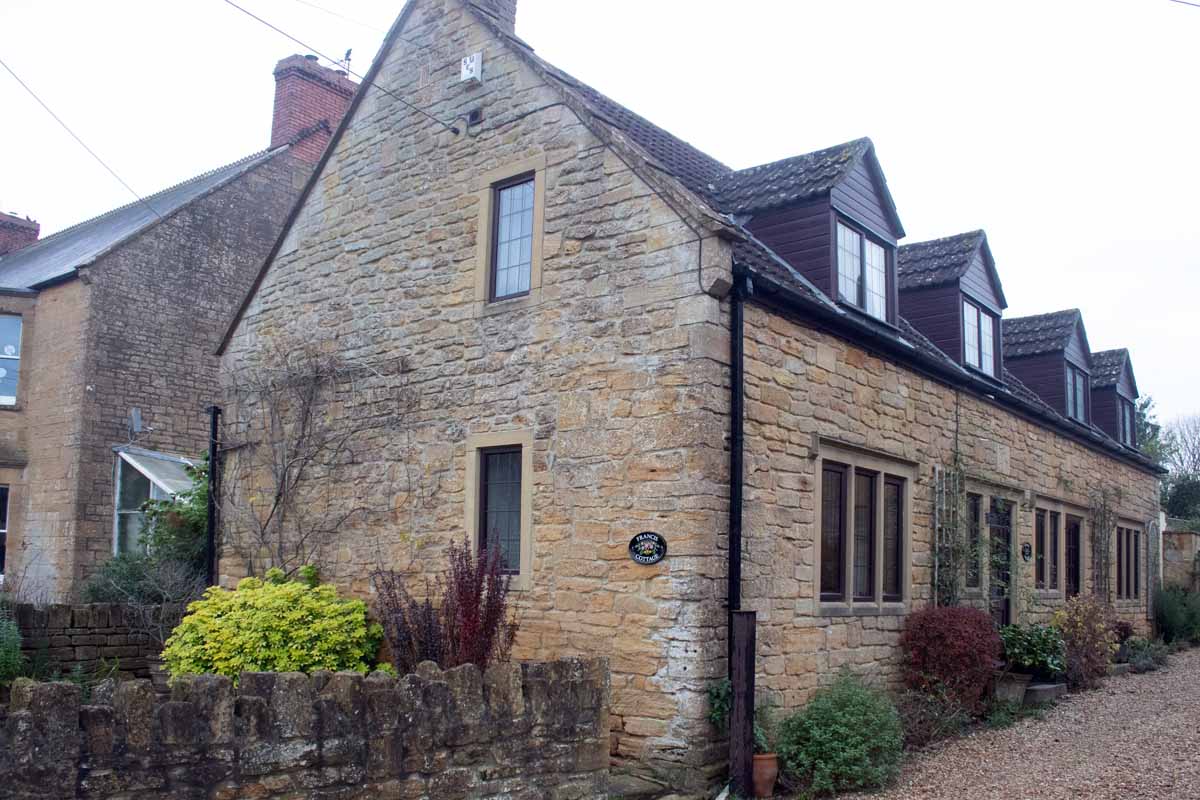
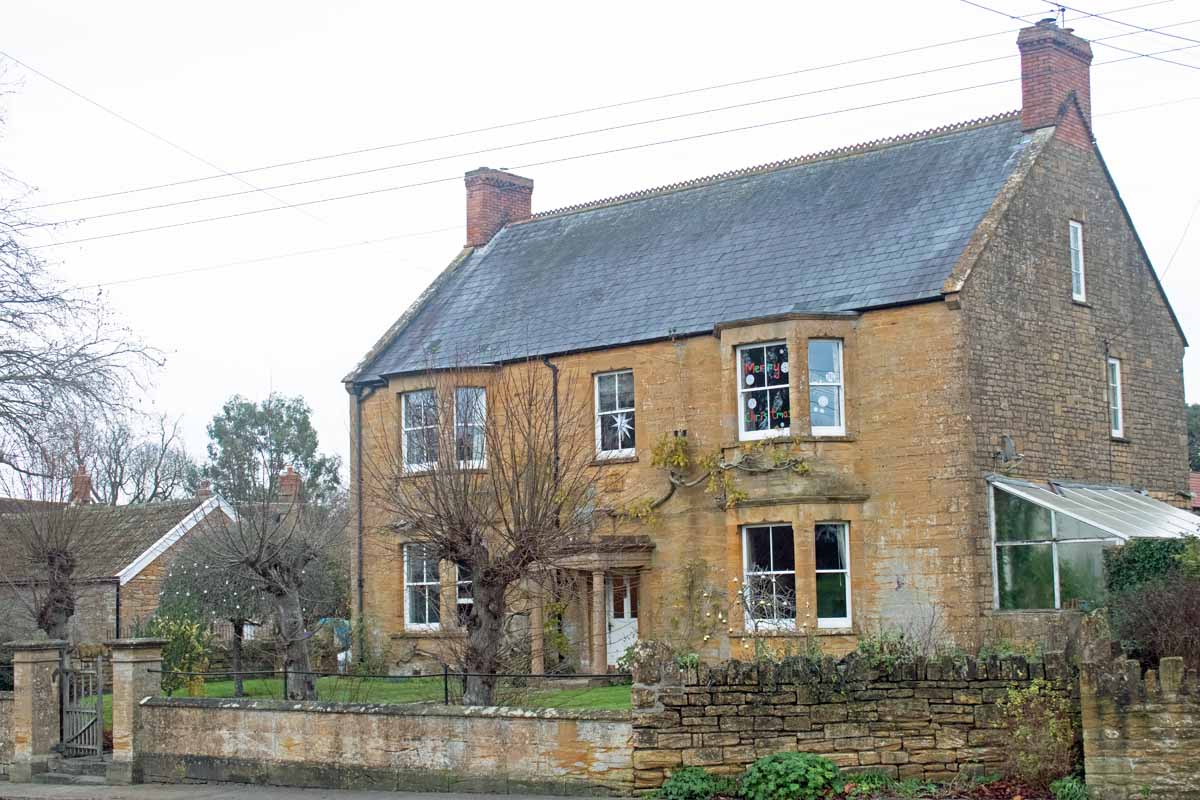
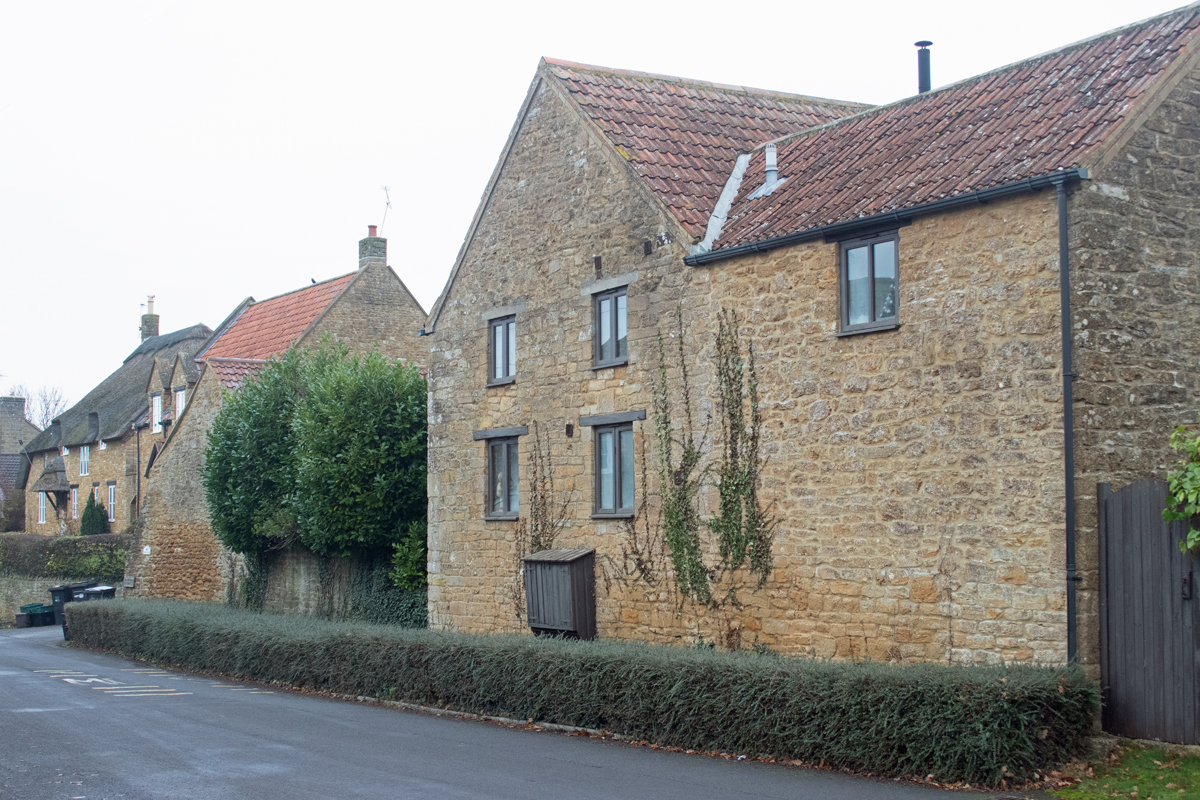
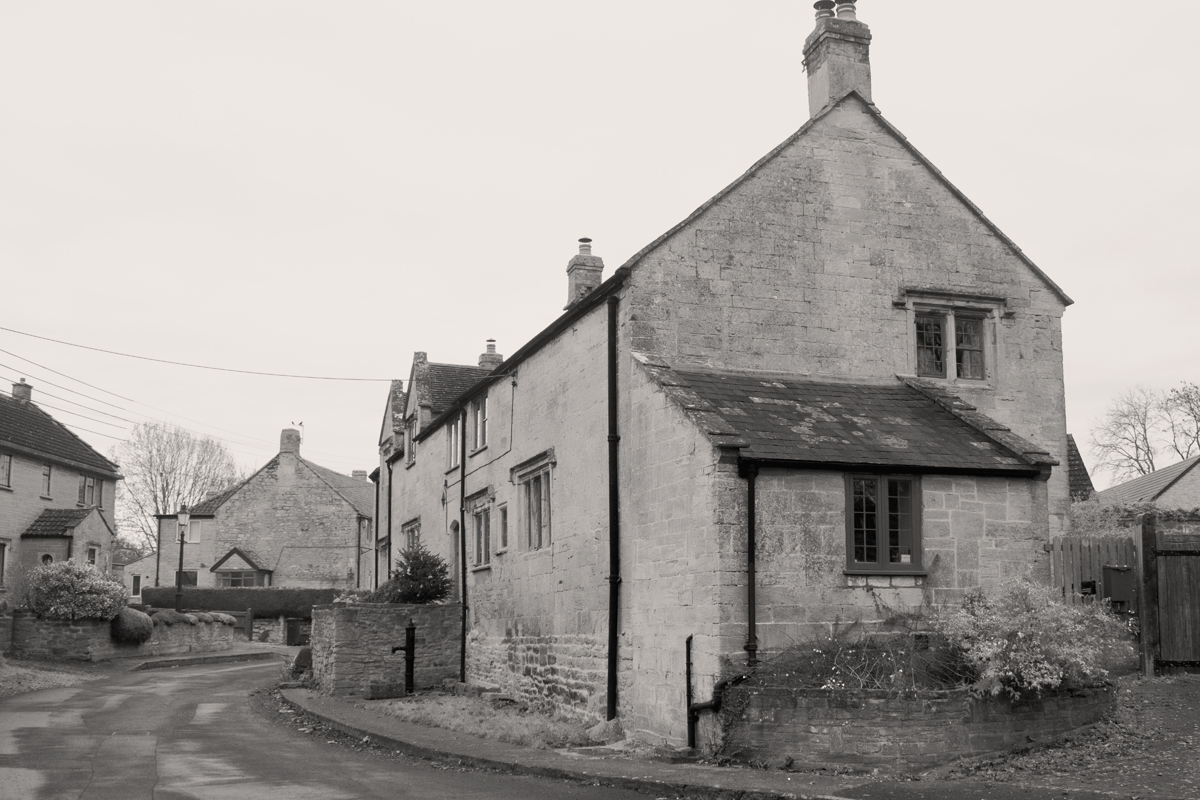
Most of the houses in the village are made from Ham stone – quarried from the local hill – and this gives a quaint, consistent feel to the place. A lot of the original cottages are thatched and, barring the telegraph poles and cars, Tintinhull has the typical chocolate-box feel you would expect of a West Country village.
There is not an immediate heart to the Tintinhull – the village green is surrounded by cottages – but there are plenty of gathering places, both contemporary and historic.
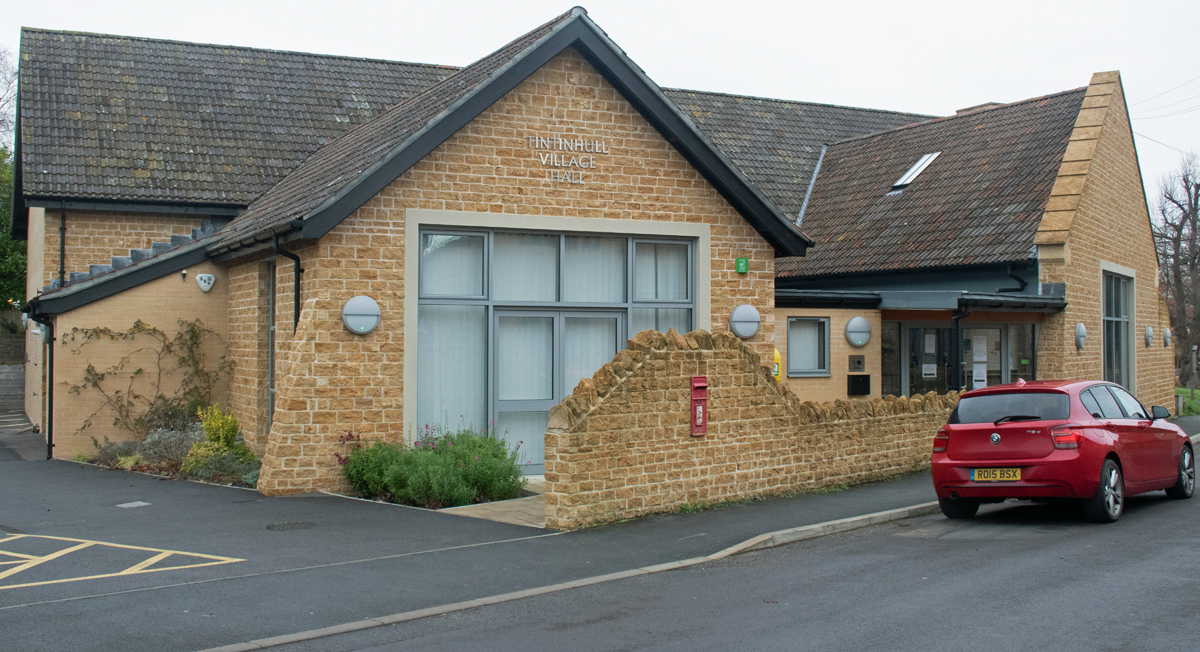
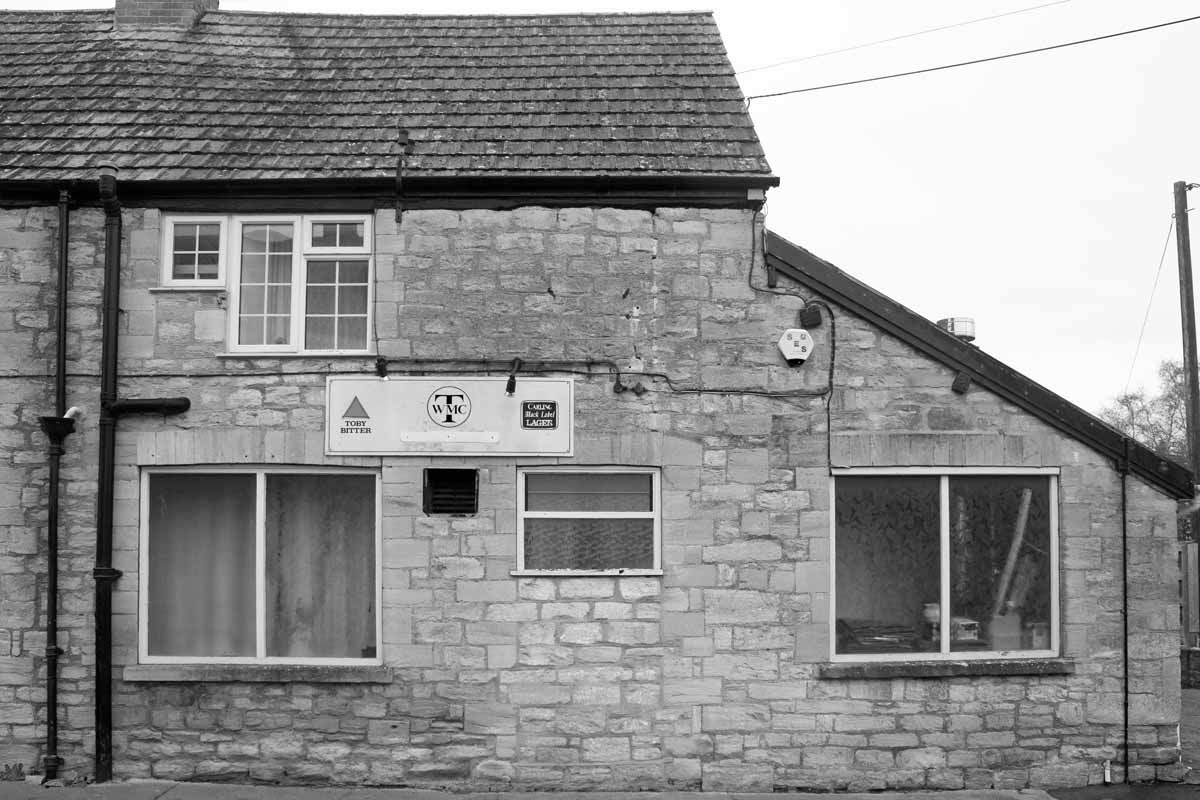
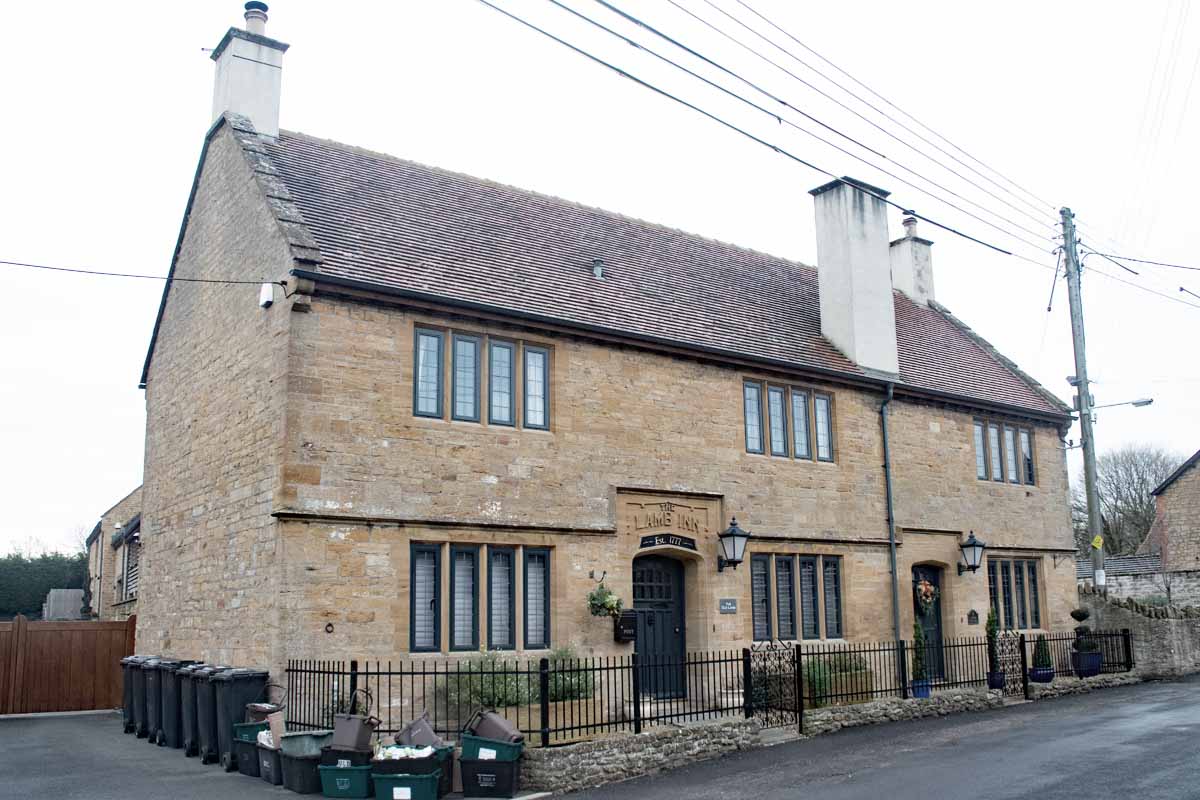
Opposite the new Village Hall, the old Lamb Inn has been tastefully converted to cottages and in the same stretch of road the old Working Men’s Club still bears the Toby Bitter advertising sign.
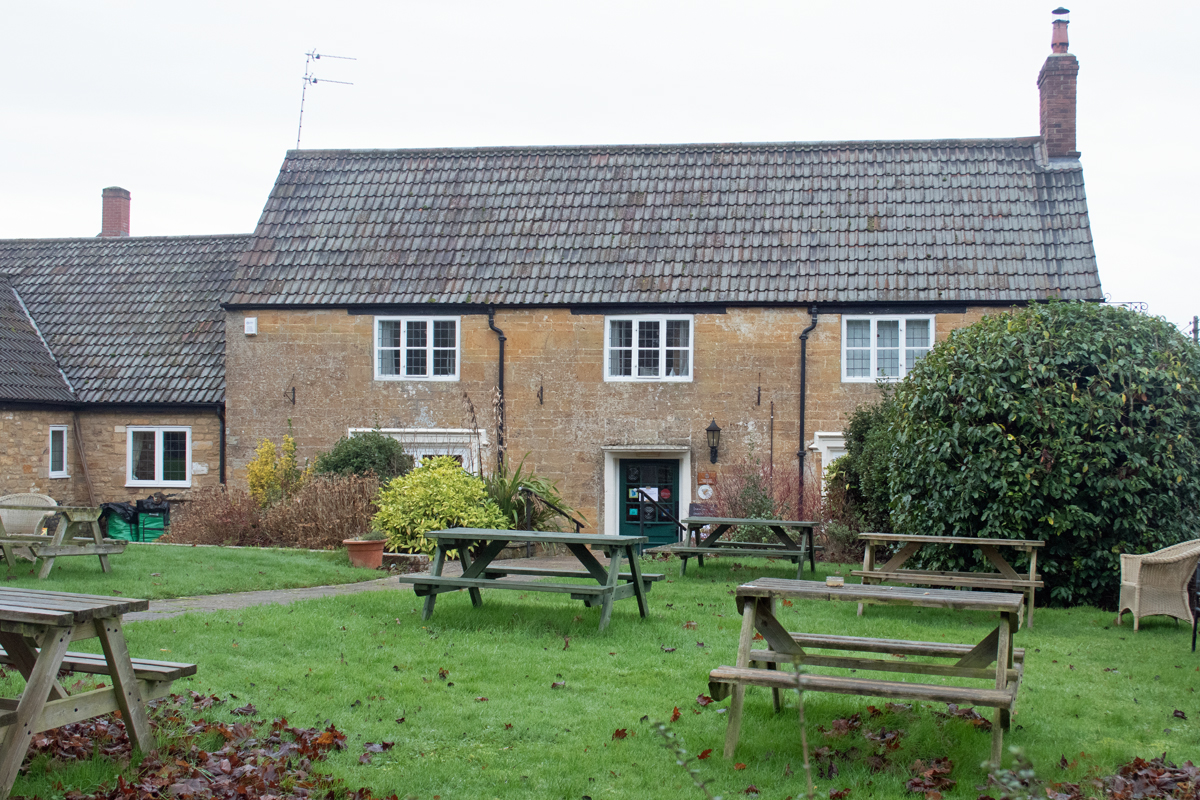
The remaining village pub – the Crown & Victoria – is set on the way to the manor house, and was obviously the stopping off point for farm workers ending their shift and returning home.
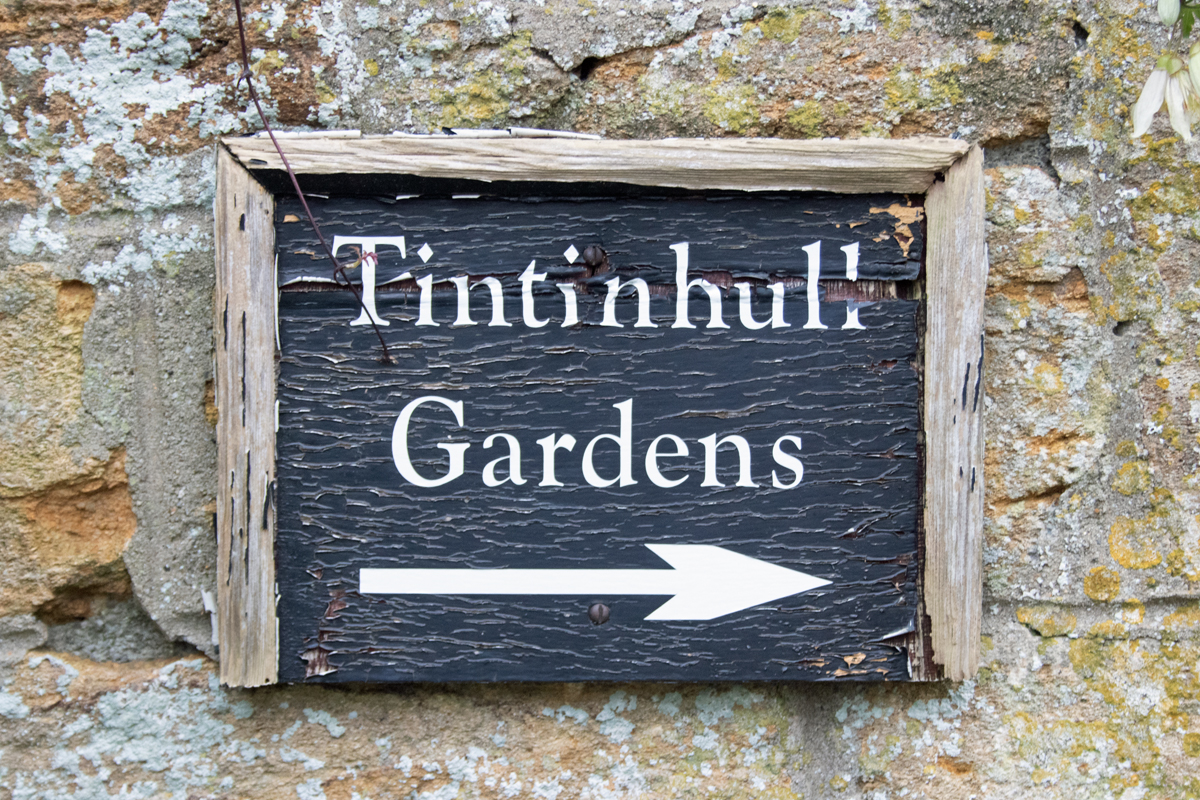
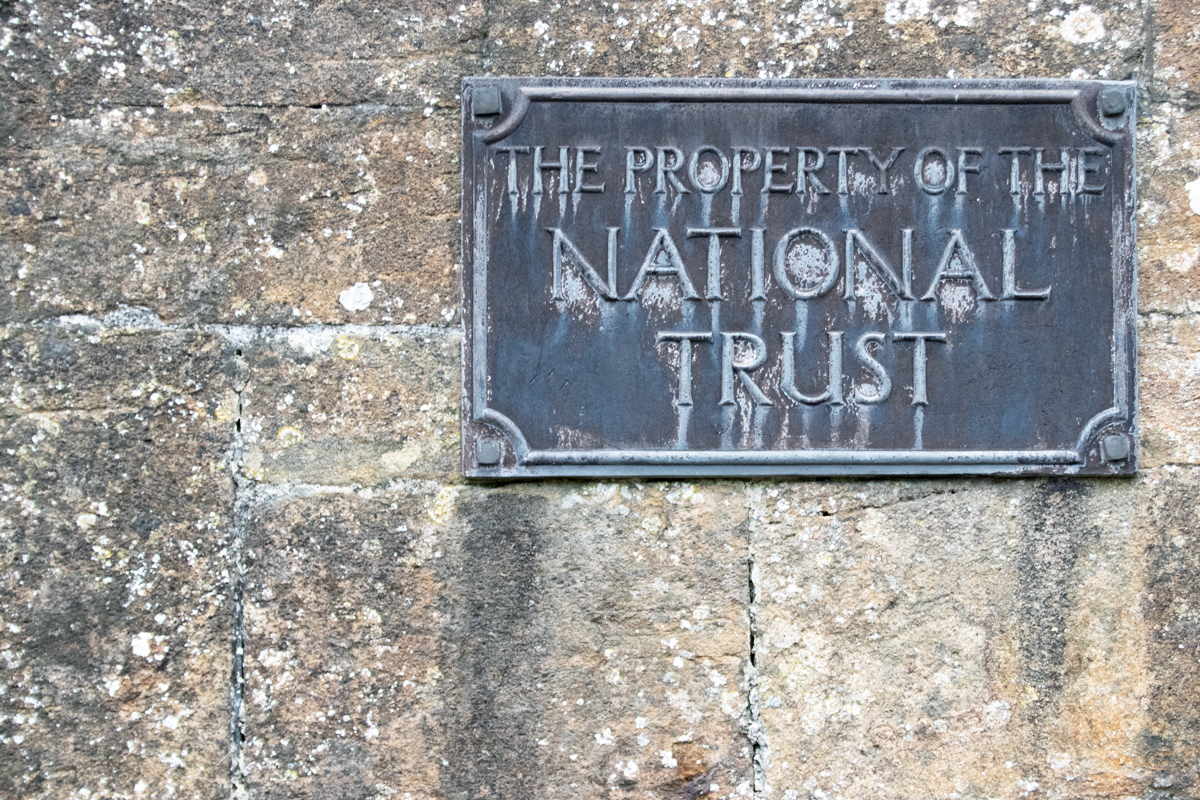
The manor house itself is now owned and run by the National Trust, and it is the connected Tintinhull Gardens that now draw people to this part of Somerset. (Sadly, due to the time of year and the restrictions imposed by the coronavirus pandemic, the gardens were not open at the time of visiting.)
Most of the villages I have visited on this alphabetical journey include the main elements of the manor house, a school, a gathering place and the church, and Tintinhull is no exception.
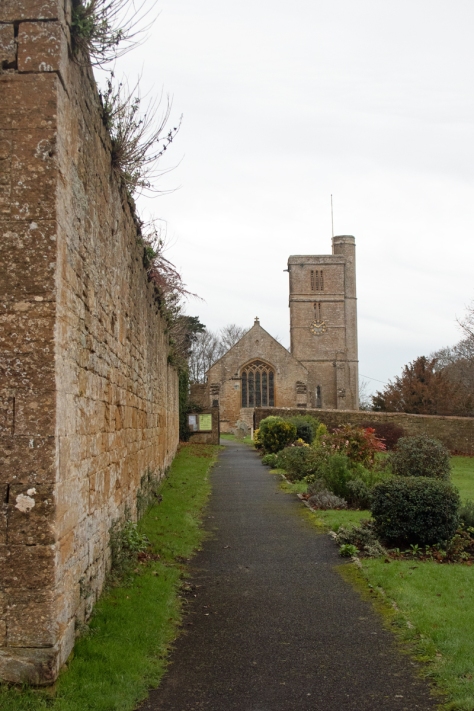
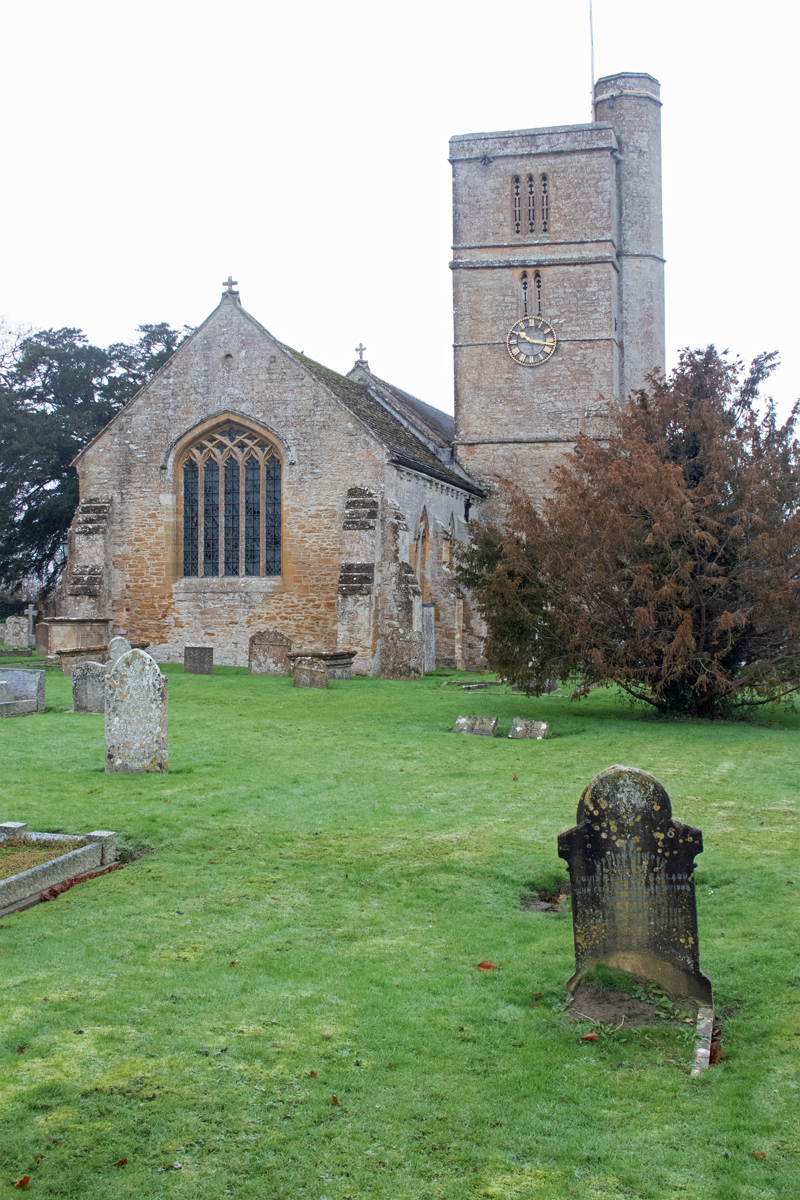
St Margaret’s Church sits away from the manor house – unusual, as they are normally intrinsically linked. As with most village churchyards, it is a peaceful place, somewhere to reflect and gather one’s thoughts.
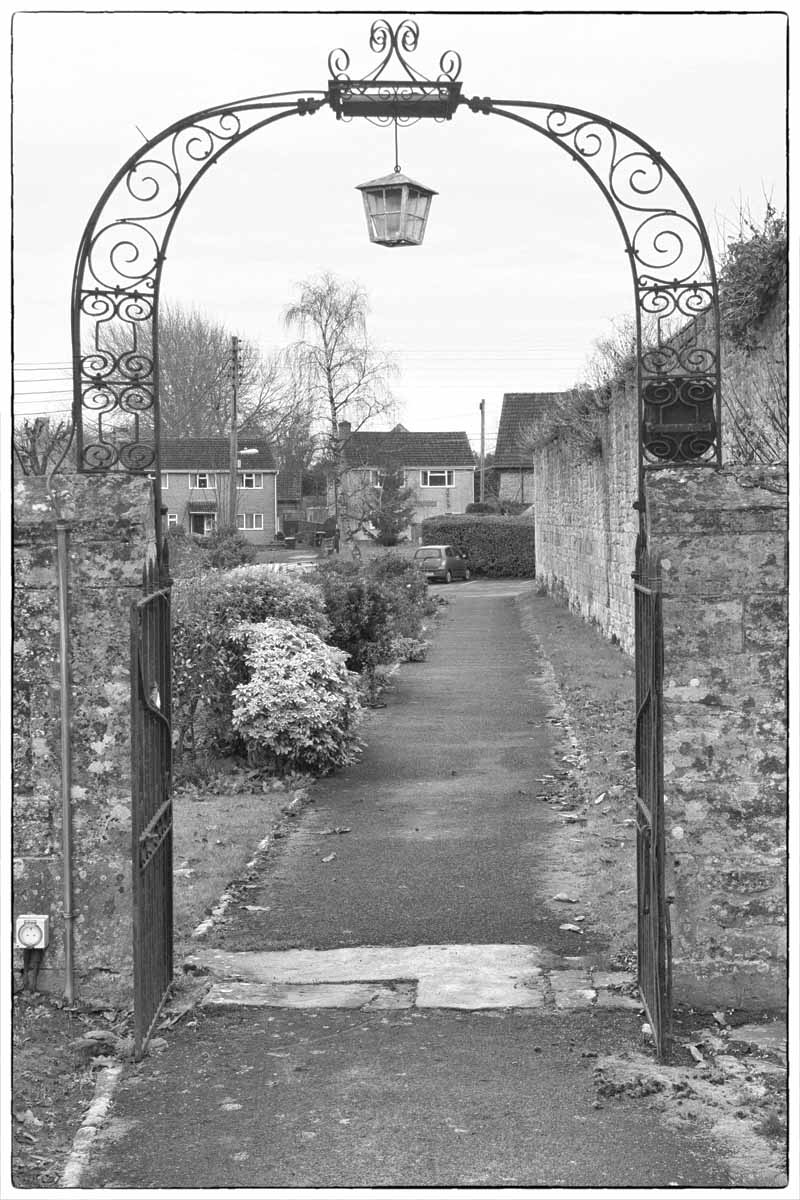
Approached by way of a long path, you feel a sense of great reverence as you walk towards St Margaret’s; this sensation is added to by the imposing wall on the left of the path, hiding a dramatic house behind it.
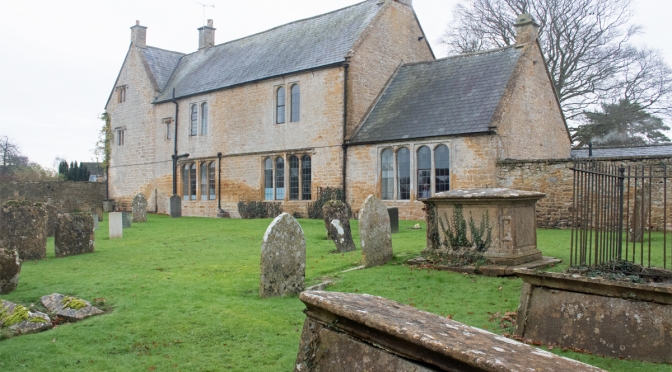
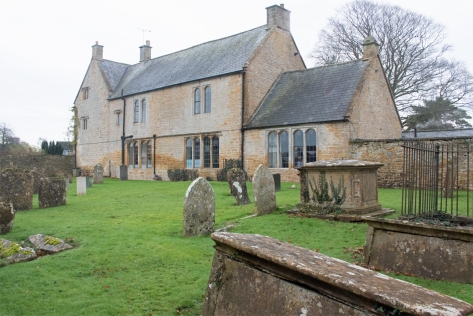
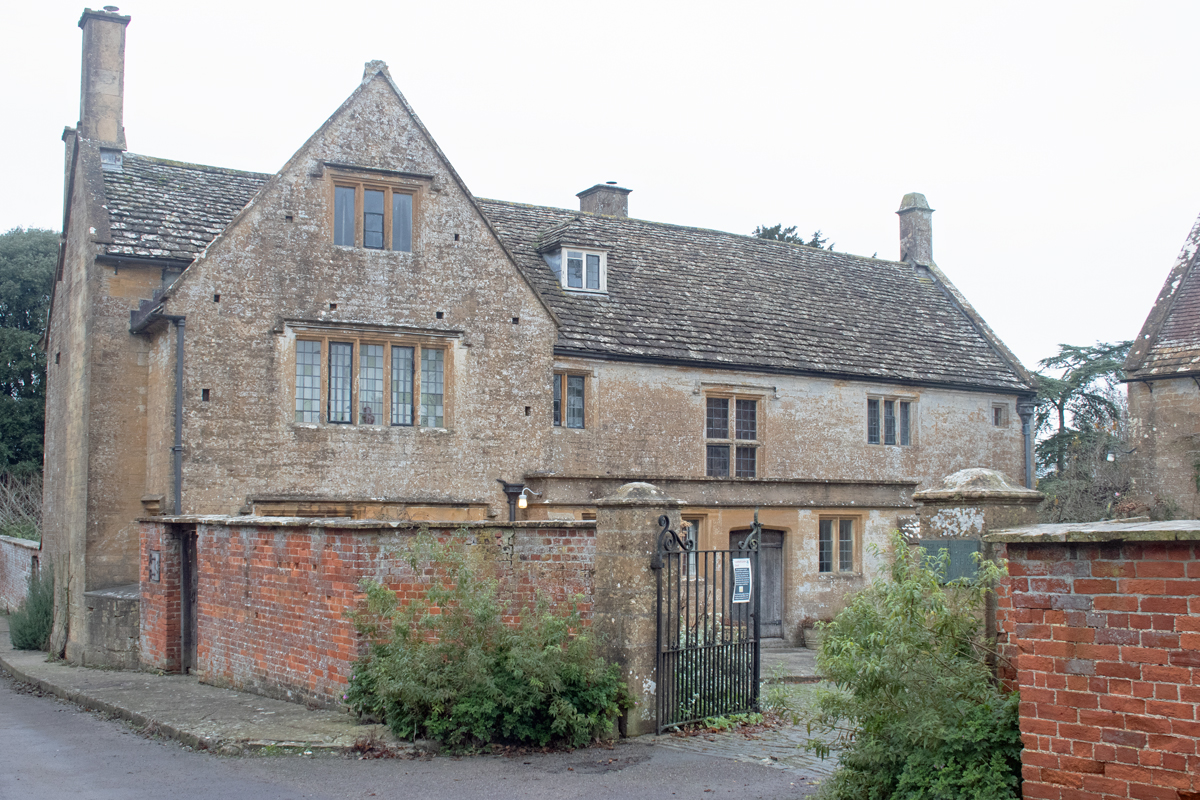
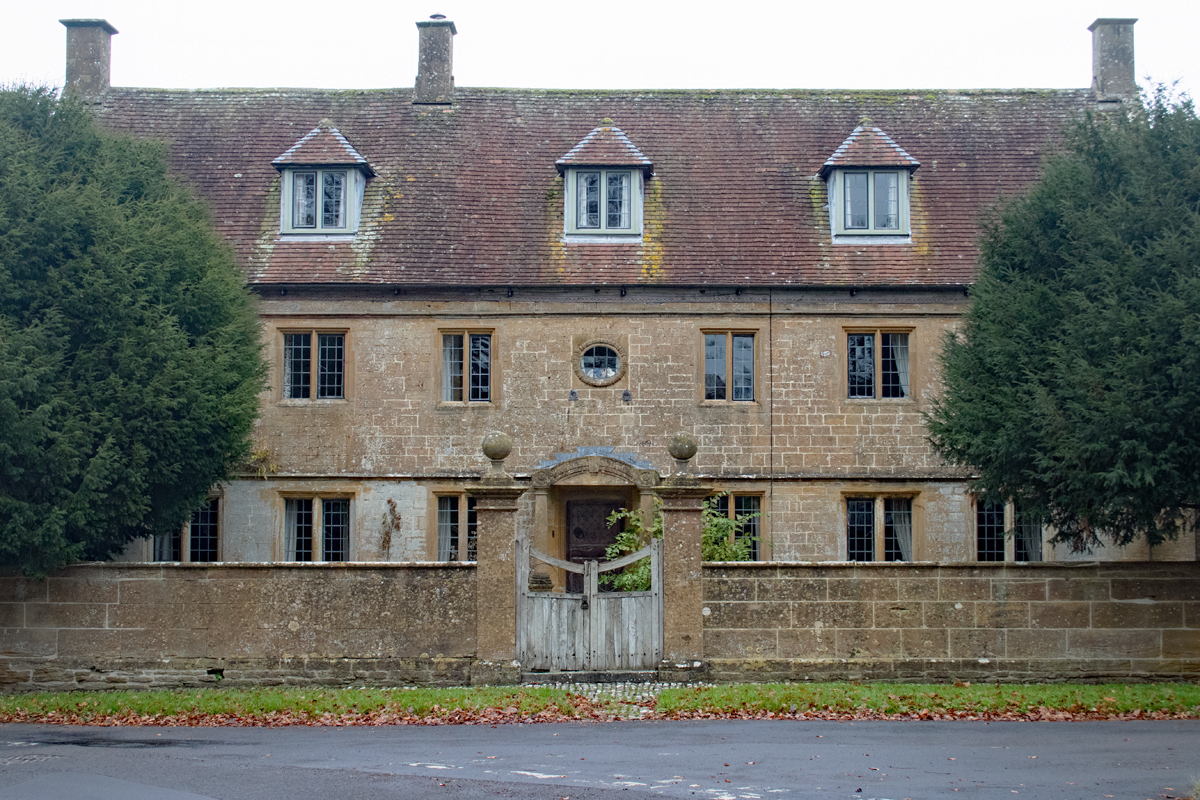
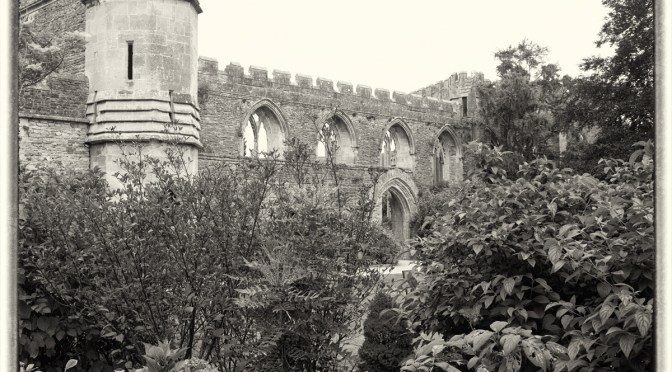
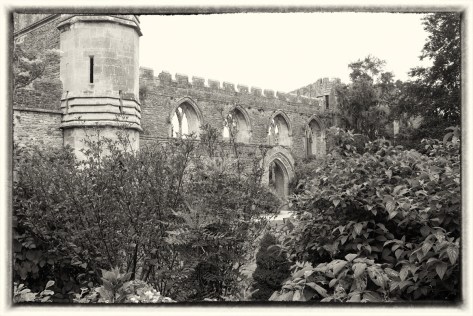
Once in the churchyard itself, the extent of the building behind the wall is revealed; this is Tintinhull Court, in its medieval glory.
Originally the parsonage, it was first built by the abbot of nearby Montacute Priory; remodelled three times since its original construction, it has been designated a Grade I building.
The history of Tintinhull Court begins to make more sense of the village layout; this was the original manor house and its owners built the church next door, with window overlooking the the graveyard and the parishioners walking towards their weekly sermon.
The resident Napper family built Tintinhull House – on the other side of the village – as a dower house in the seventeenth century; close enough that the Court’s widow was in walking distance, but far enough away for her not to disturb the ongoing matters of her heirs.
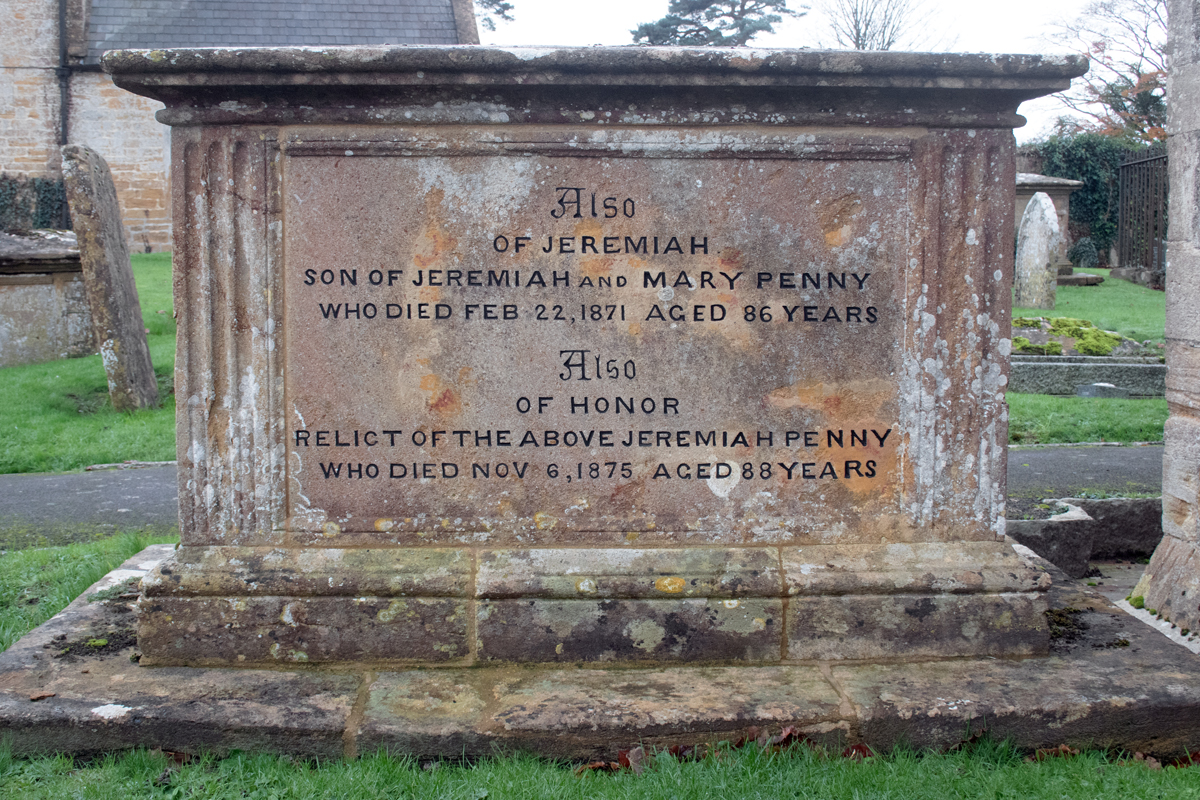
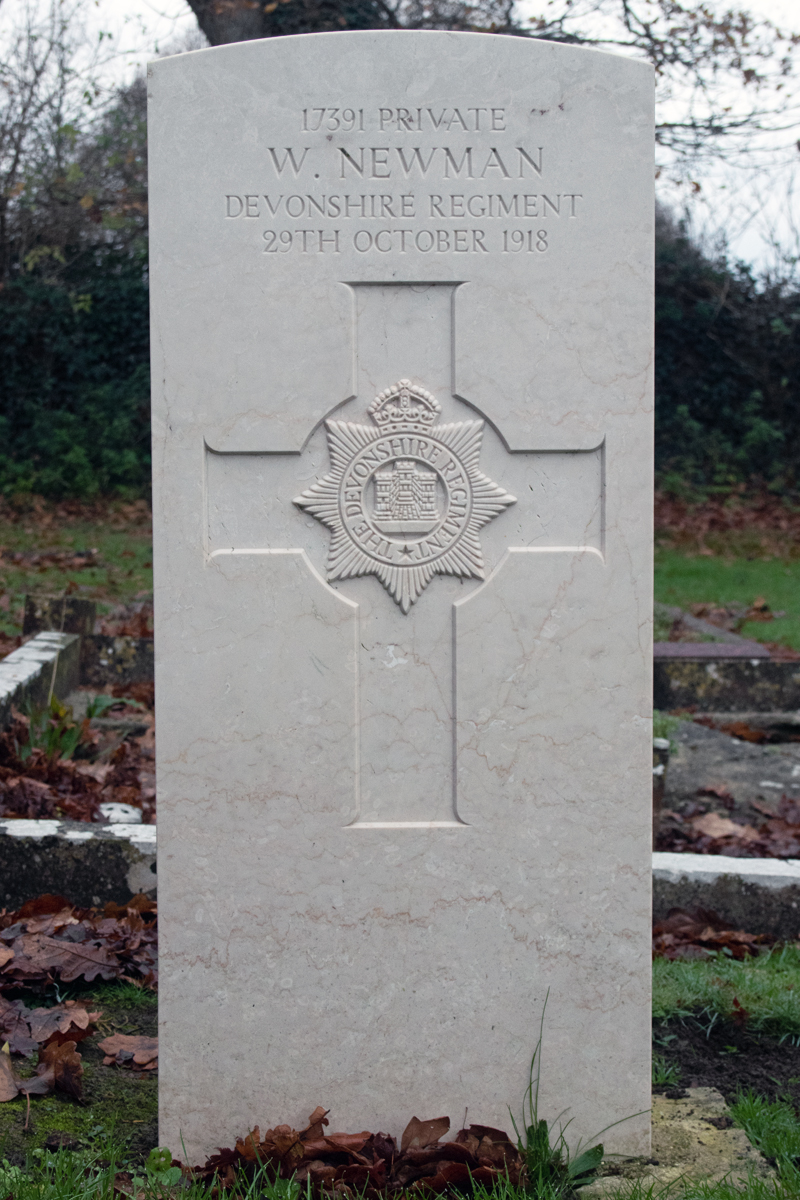
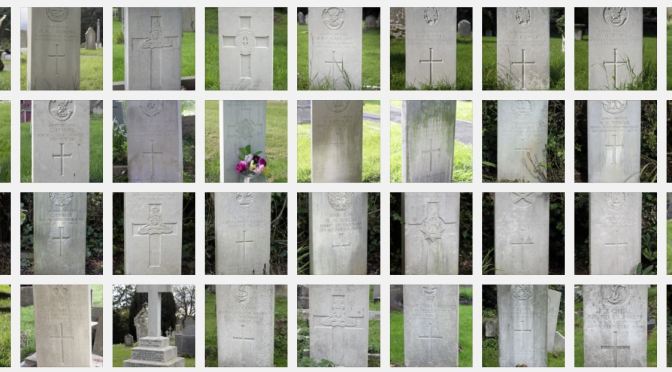
The graveyard also commemorates three residents who fell on home oil during the First World War.
Tintinhull has a long history, and economically it has survived well; primarily an agricultural community, the village has also been a focus for glove-making, dating back as far as the thirteenth century. By the late nineteenth century, much of the village’s employment came from the industry, and it continues today, although on a much reduced level.




















 CKPonderingsToo