

Stand apart.
Shine in a way nobody else can.
It may feel like you’re on your own, but look behind you and you’ll see that you’re leading the pack.

Stand apart.
Shine in a way nobody else can.
It may feel like you’re on your own, but look behind you and you’ll see that you’re leading the pack.
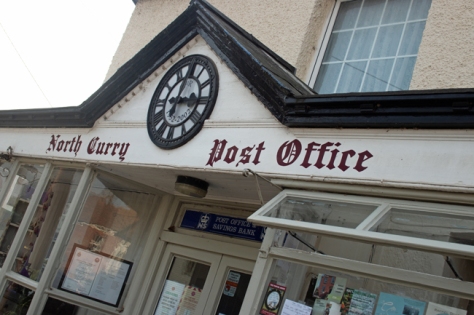
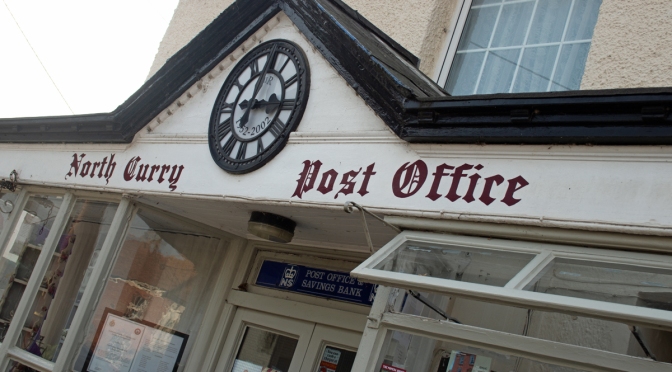
The unusual Somerset names continue as we head to the village of North Curry. Nothing to do with spicy food, the name is thought to derive from the Saxon or Celtic word for ‘stream’. There are a number of similarly named villages along this ridge to the east of Taunton – Curry Rivel, Curry Mallet and East Curry – but it is the North Curry that I found myself visiting.
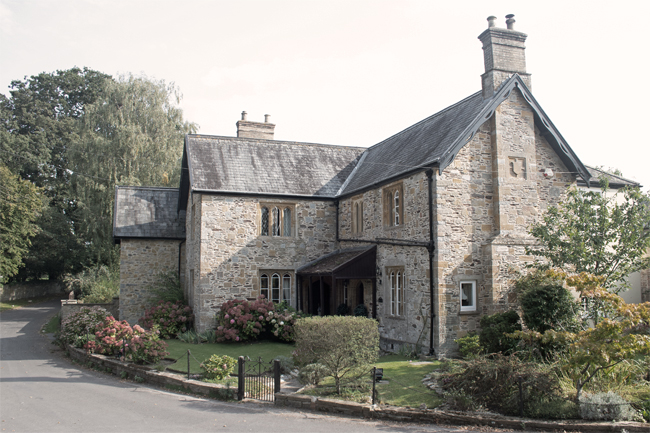
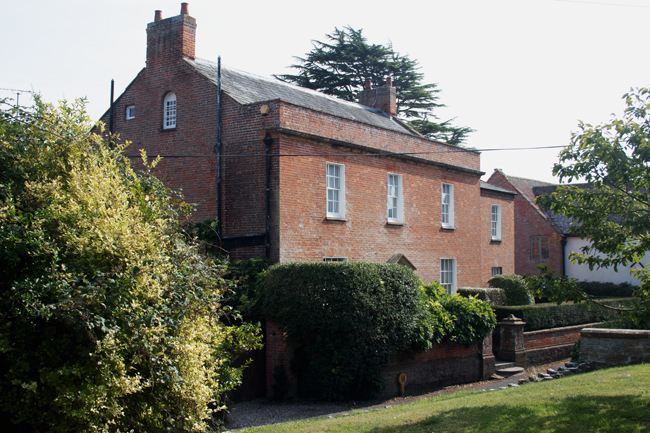
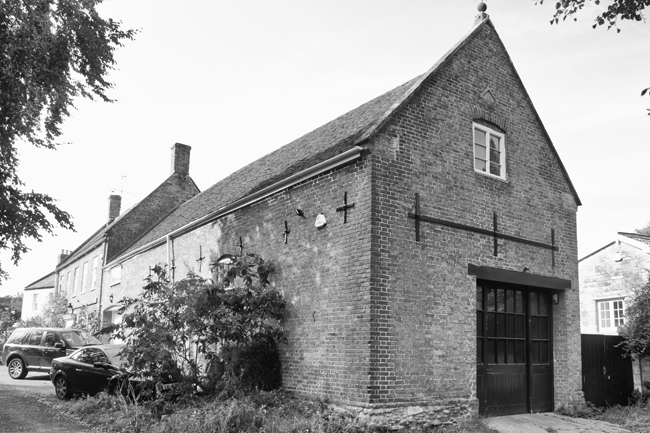


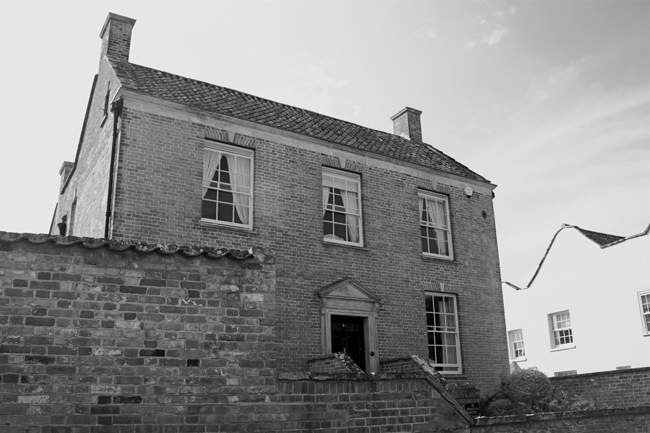

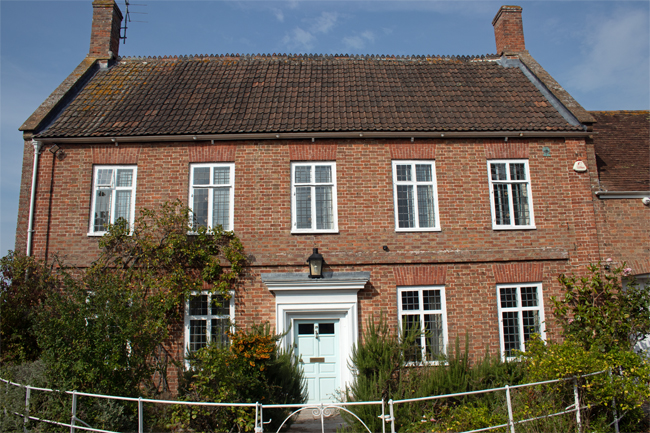
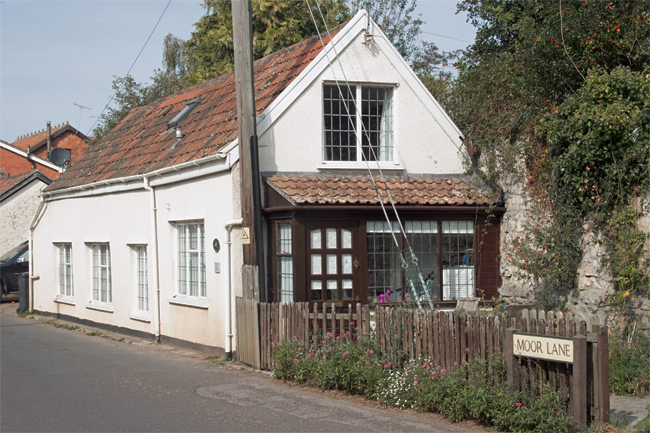
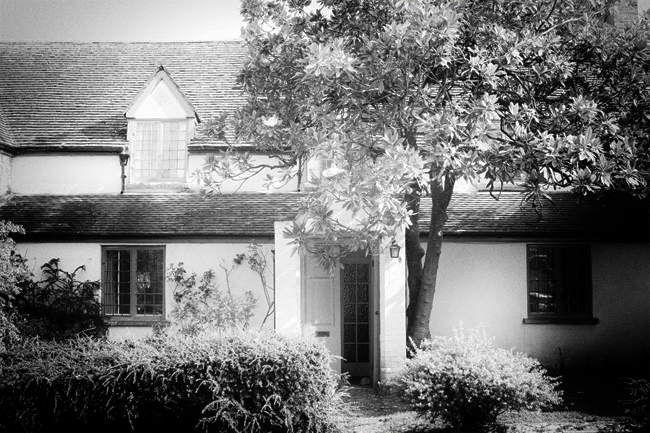
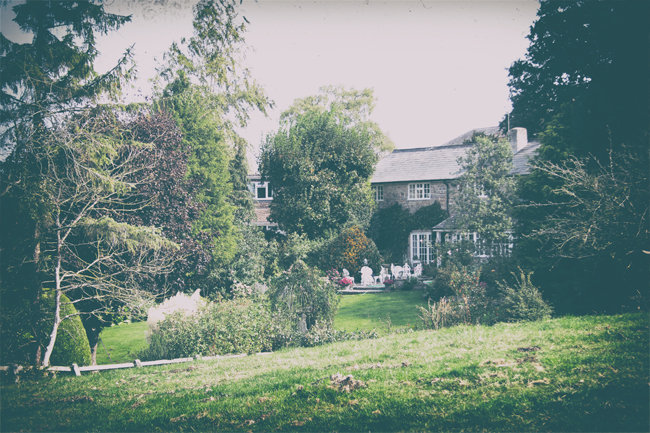
Like Milverton, North Curry is a place that seems to have pretentions above its station. With a population of more than 1600 people, it is almost a town, but most of its wealth derives from its historic location – a dry ridge above water-logged marshes proved an ideal location for settlement from Roman times onwards.
The wealth is reflected in the number of large houses, particularly around the central green – Queen Square – and North Curry appears gentrified by Georgians and Victorians alike.
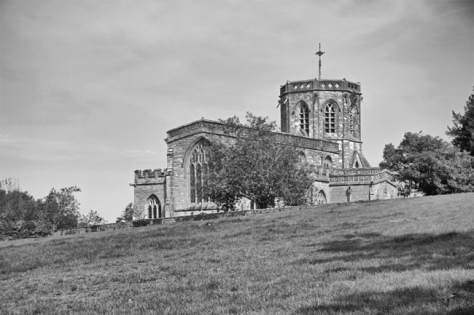
This sense of self importance is continued towards the north of the village, where the church – St Peter and St Paul’s – appears far larger than a place of North Curry’s size should accommodate. This is particularly the case, given that it is built on a ridge overlooking Haymoor and the River Tone – this is a building that was meant to be seen from afar and admired.


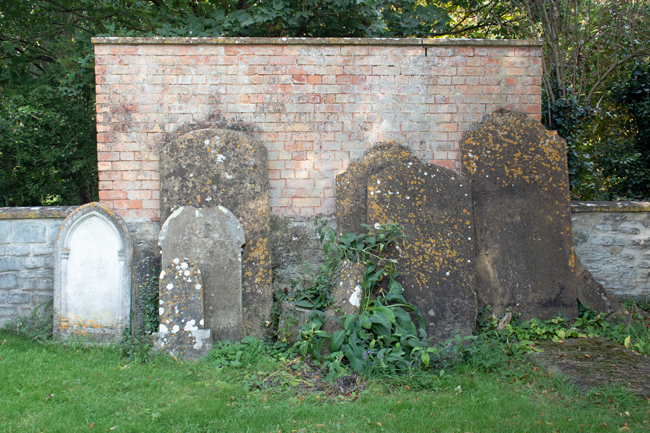


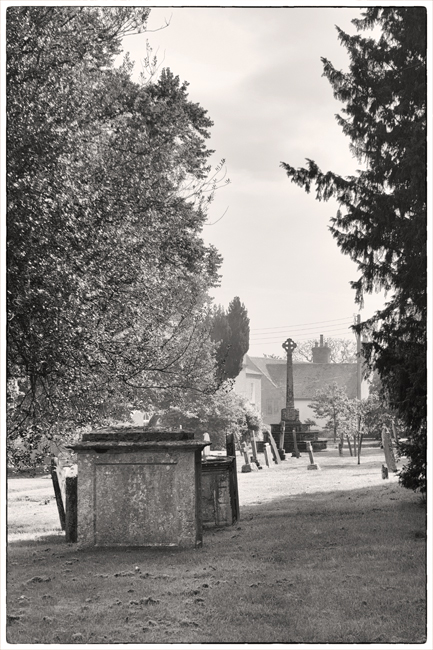
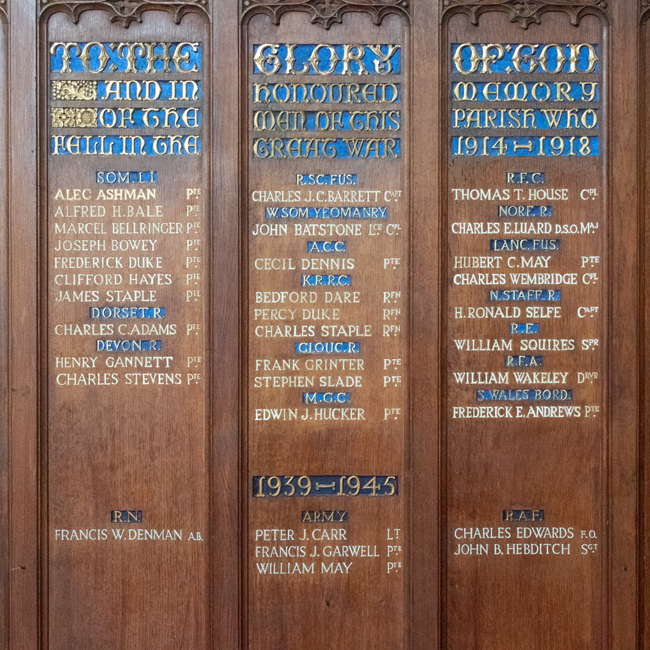
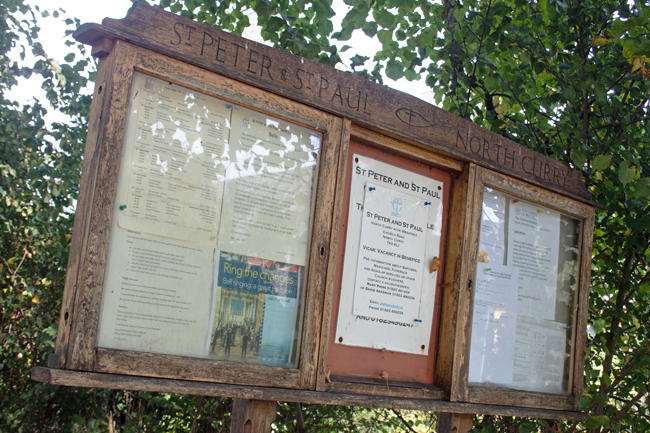
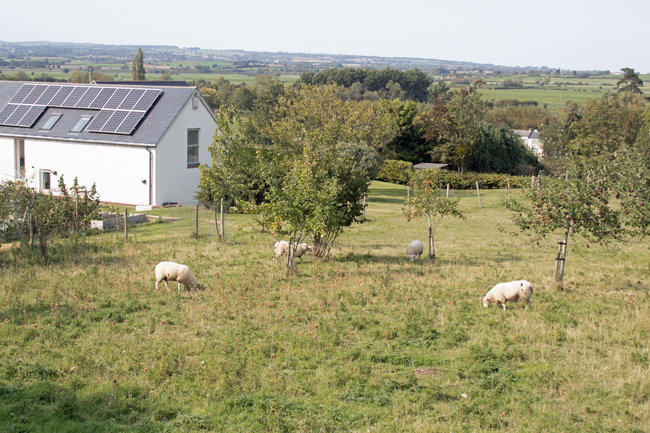
The central square is where the hub of life was focused. Sadly, the village’s post office/store and pub are all that remain of the old hustle and bustle. North Curry’s former wealth still remains on show, however, with a large memorial to Queen Victoria, an ornate War Memorial and a walled village garden being the focal points for today’s visitors.
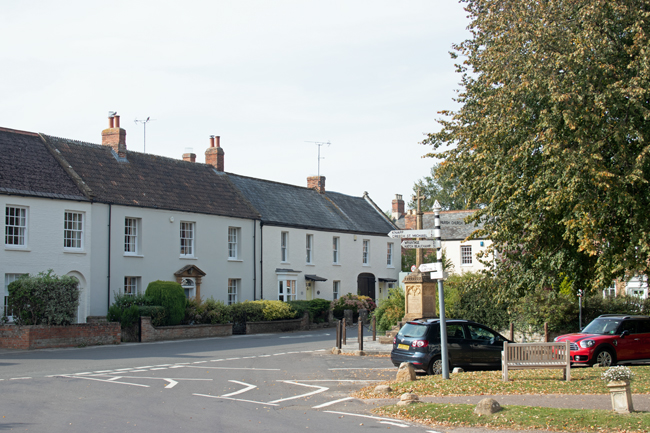
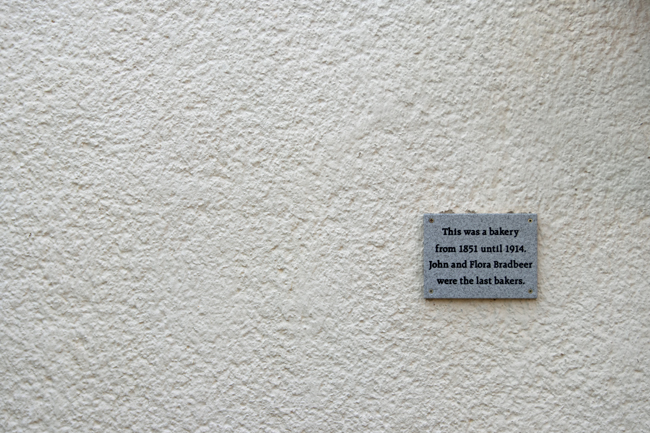


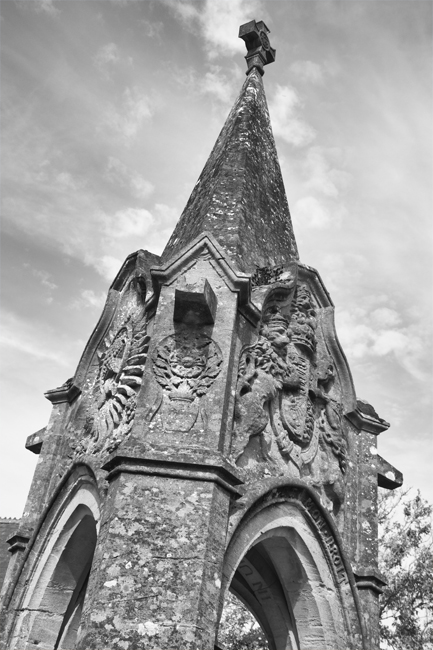


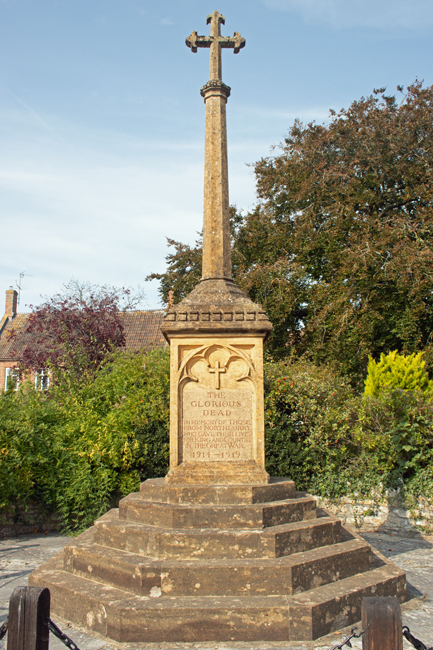

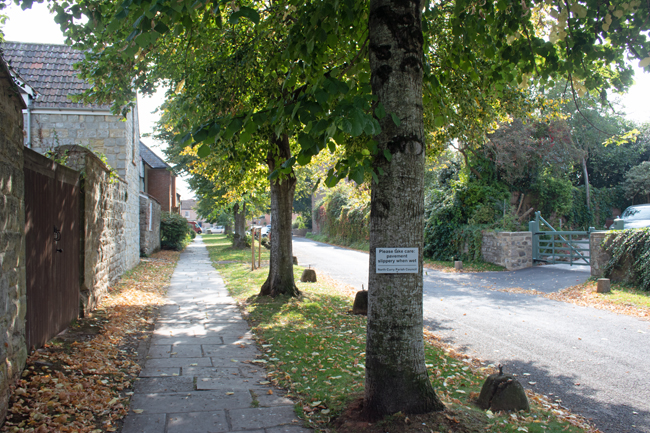
While the wealth brought by through travellers may have long since departed, this is by no means a washed-up place. North Curry may be slightly off the beaten track, but it is still worth a wander around and there is plenty of opportunity to admire views and contemplate the wonder of the architecture.
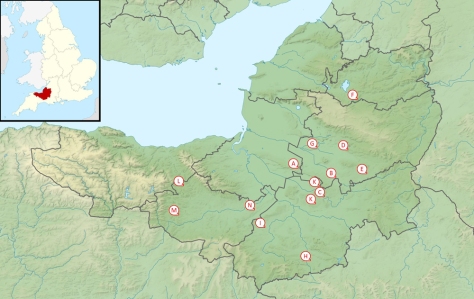

Five miles to the west of Taunton lies the pretty village of Milverton. With a population of nearly 1500 people, it feels like more of a town, and the size and architecture of the houses hint at this being a bustling and rich place.
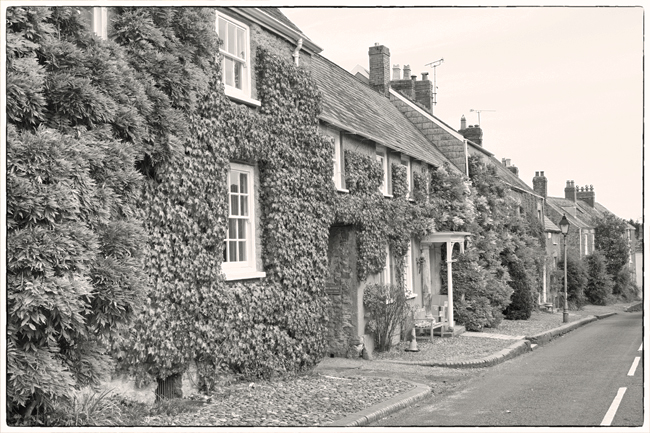
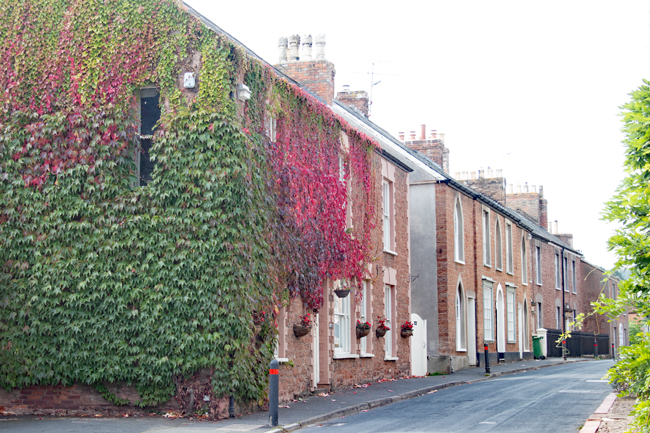
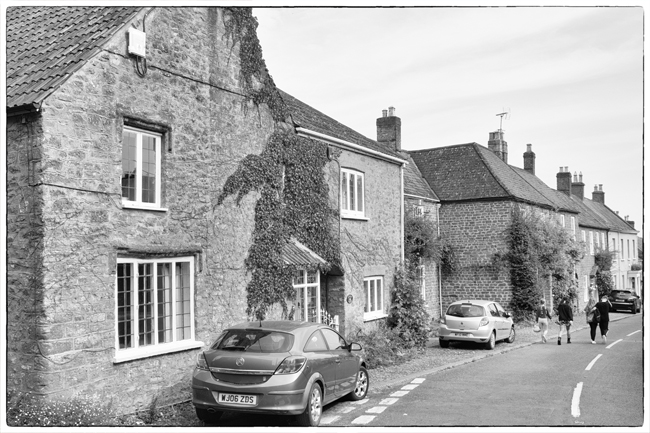
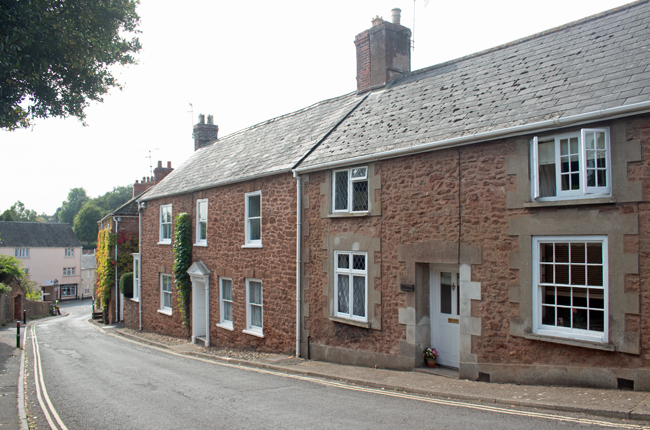
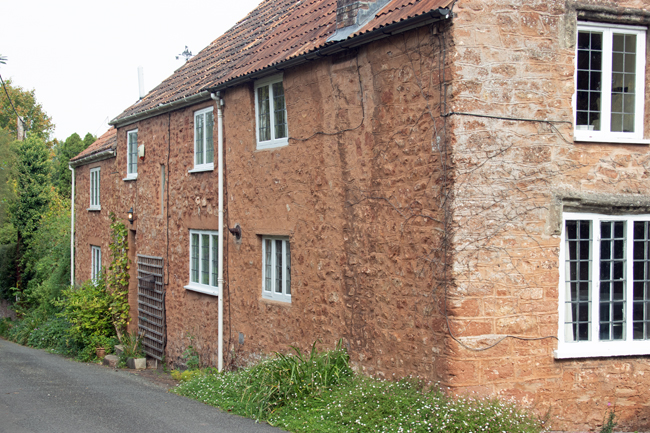

As with much of Somerset, the key trade was cloth, and a silk throwing factory was set up in the village at the beginning of the 19th century, eventually employing more than 300 people.


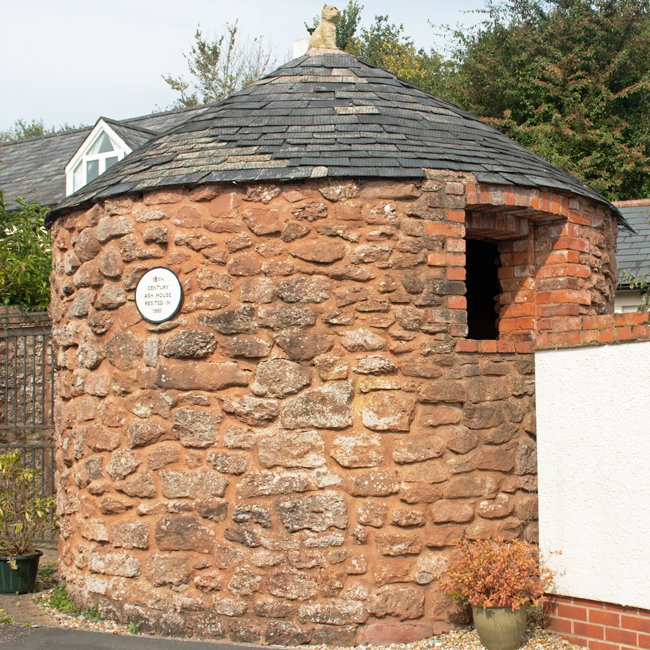

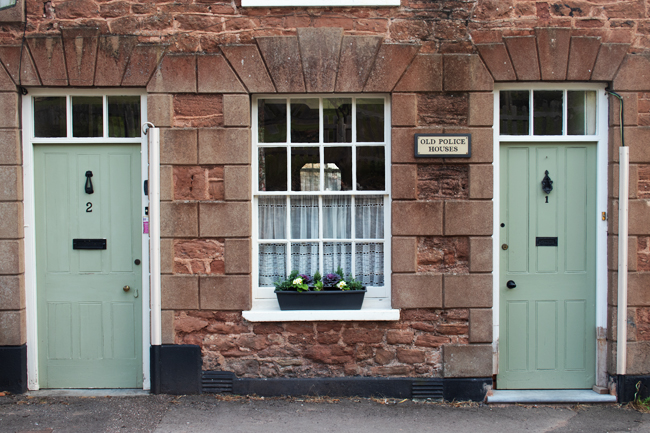

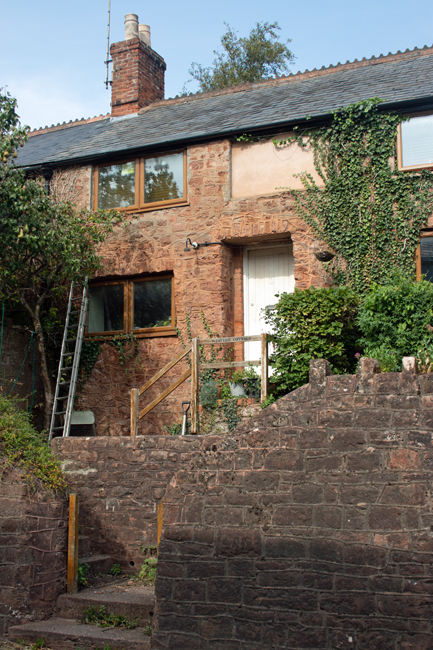
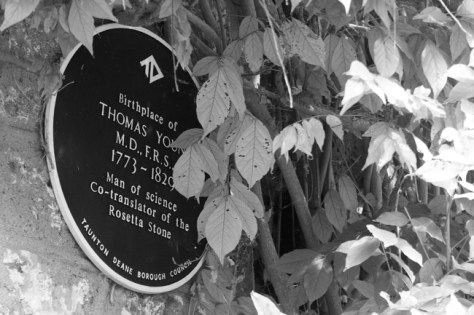
One of Milverton’s notable residents was Thomas Young (1773–1829). He is a man who had fingers in many pies, counting a scientific understanding of vision, light, solid mechanics, energy, physiology amongst his specialisms. He is probable more notable for his interest in Egyptology, and helped translate the Rosetta Stone.
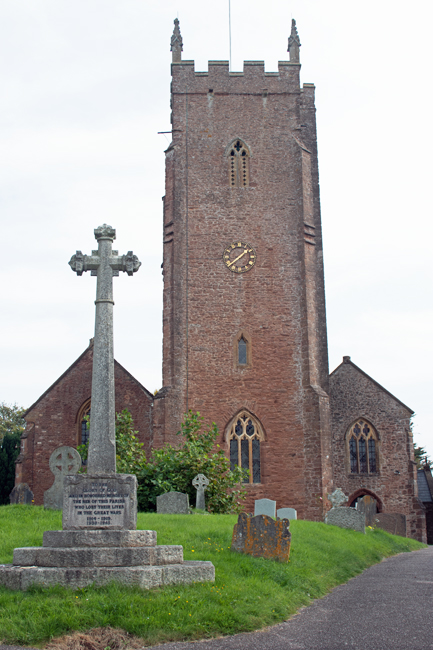

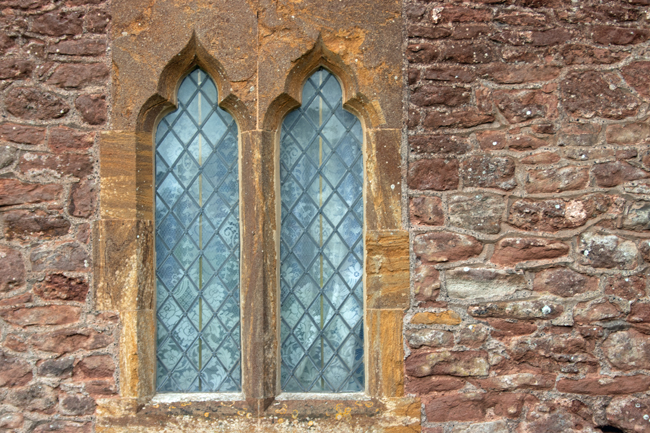
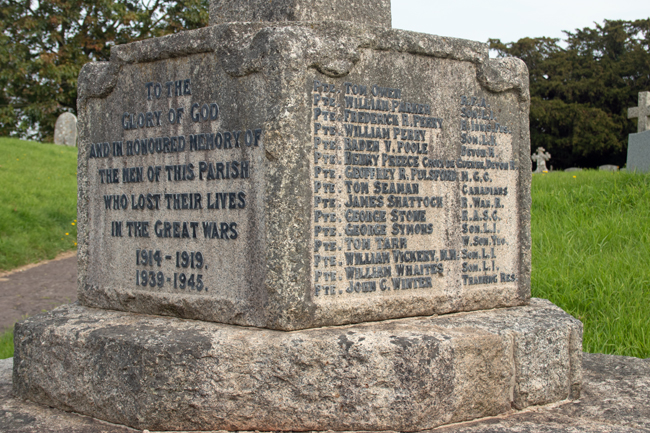
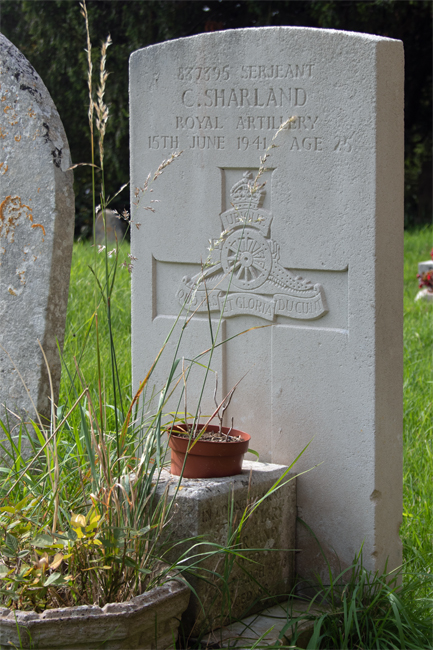
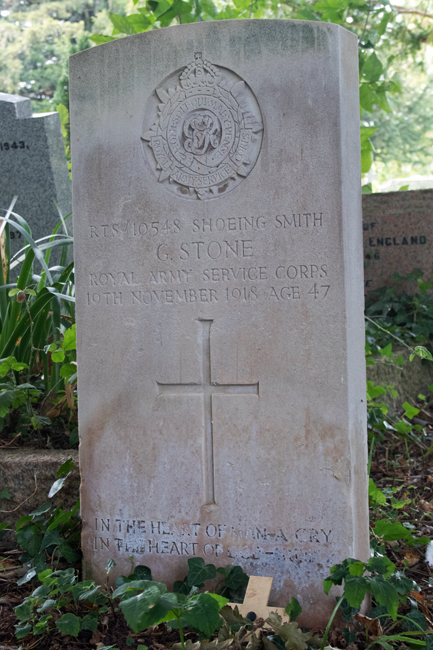
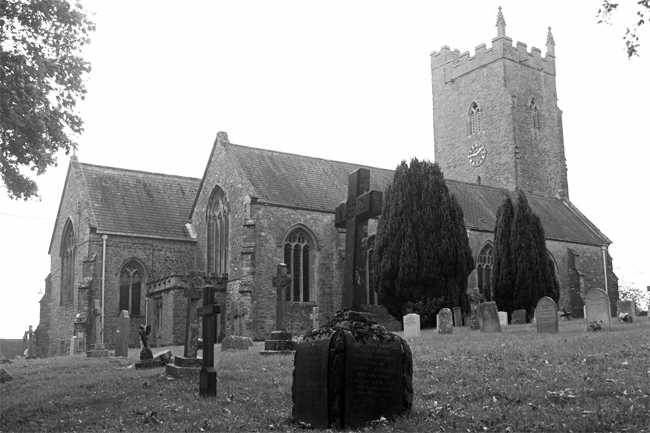
The parish church is the Church of St Michael and All Angels, set in a quite location, and raised above the surrounding houses. It is a peaceful and tranquil location, perfect for reflection and contemplation.
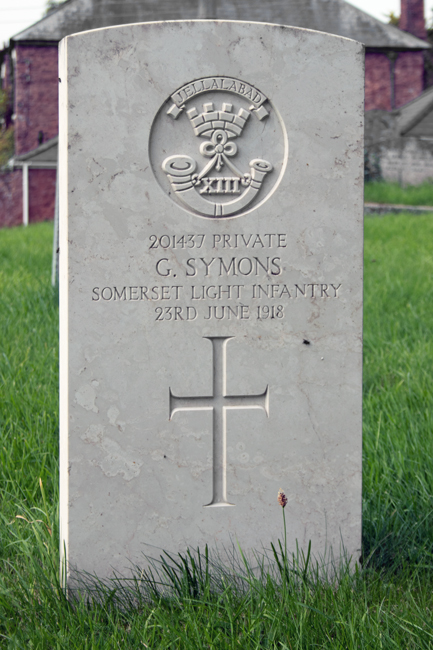
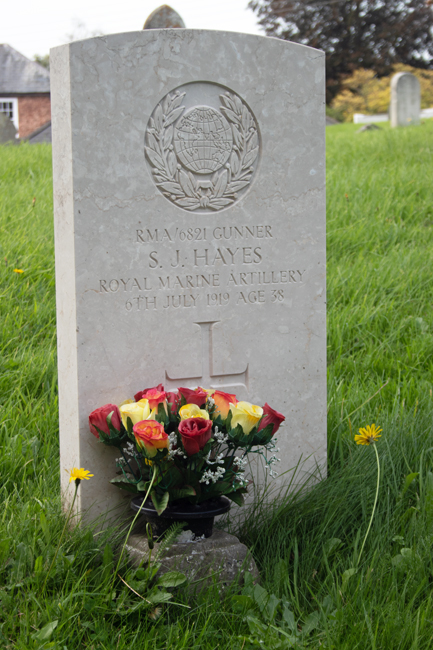
A number of Commonwealth War Graves lie in the graveyard, which I’ll expand on in coming posts.
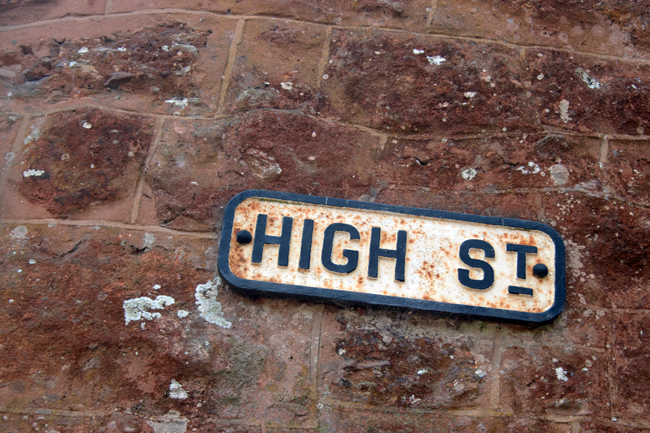
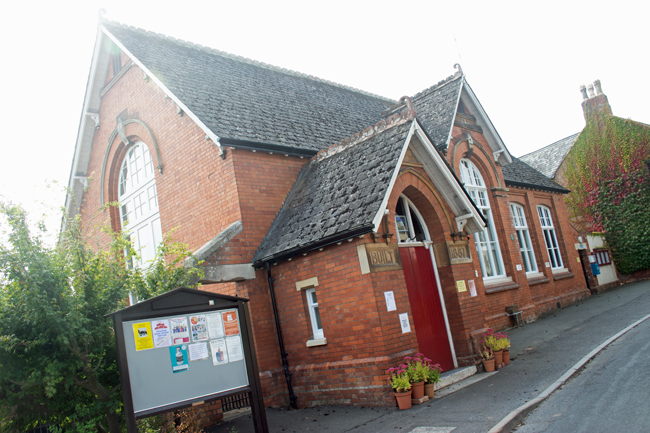

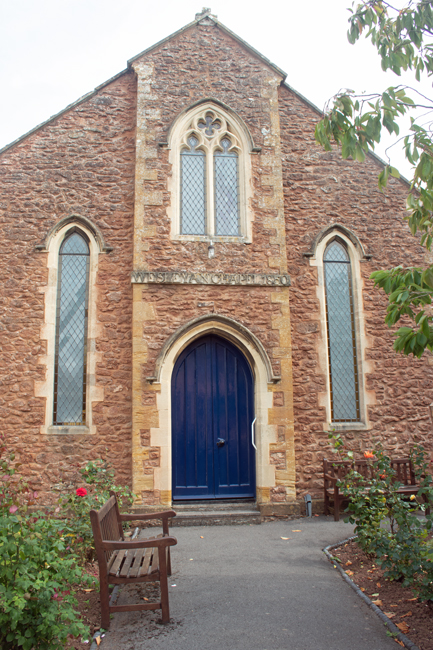
For a town of its size, Milverton has the amenities you would expect; there is another church – a Wesleyan Chapel built in 1850 – a school and a lone remaining public house, The Globe. Shops are minimal, as is transport – the village’s station was another of those that feel during the Beeching cuts of the 1960s.
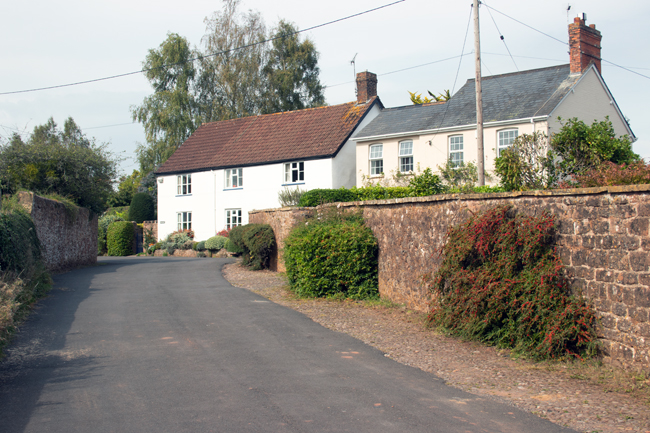
One surprise, however, is the village’s High Street. Doing away with what we nowadays expect, there are no shops or conveniences on it; it is literally a high street, leading up a hill away from the church.
One thing I have found, as I reach the halfway point of my alphabetical journey around Somerset is that, while generally the same, all of the places I have visited have their distinct personalities.
Milverton has just that. It is a large village, the result of its previous industrial heritage, but has slipped back to become a sleepy locale, and is all the better for it.

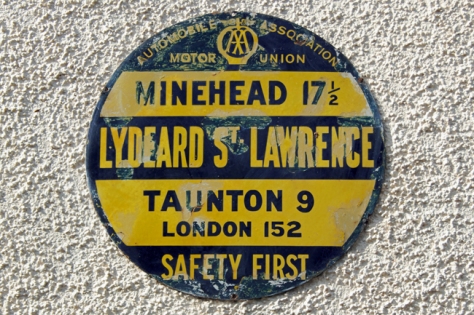
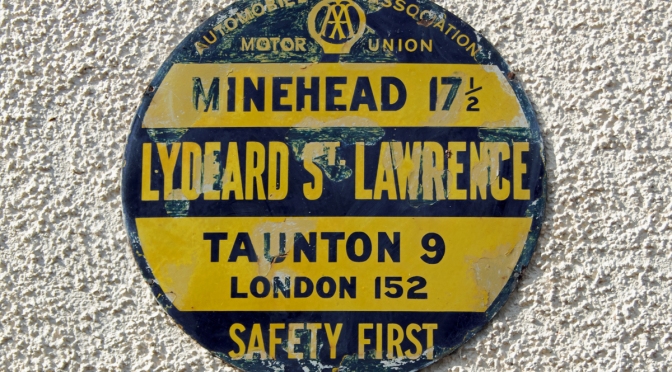
In the depths of western Somerset, along country roads your SatNav smirks at taking you down, lies the pretty village of Lydeard St Lawrence.
The origins of the name is shrouded in a bit of mystery, but Lydeard may translate as “grey ridge”, while St Lawrence is the saint to whom the local church is dedicated. (It is likely that St Lawrence was added to the villae name, to distinguish it from the village of Bishop’s Lydeard, just four miles down the road.)
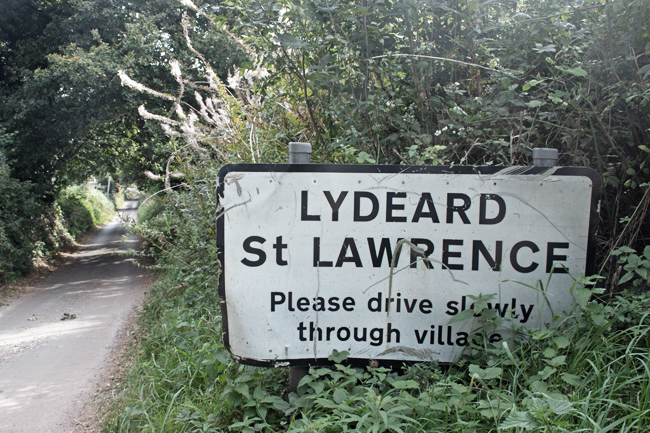
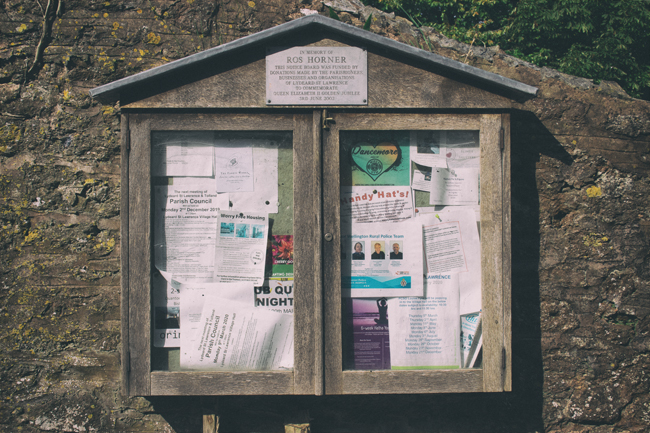
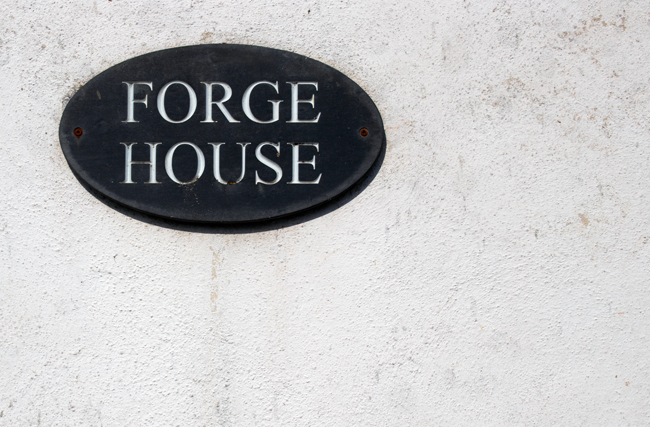
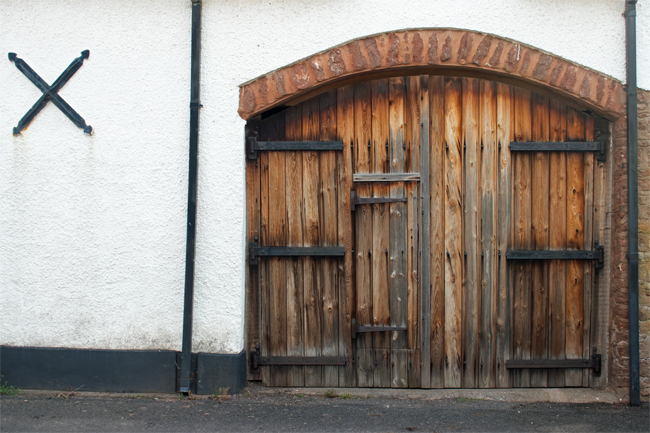
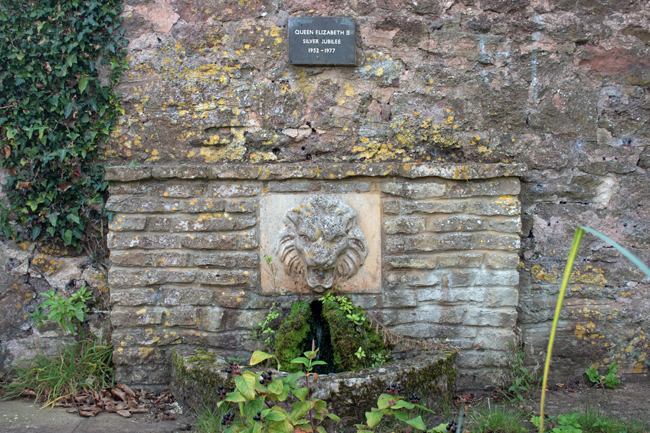
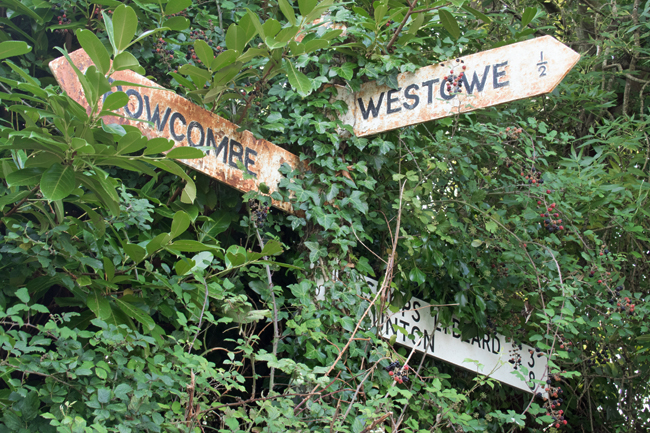
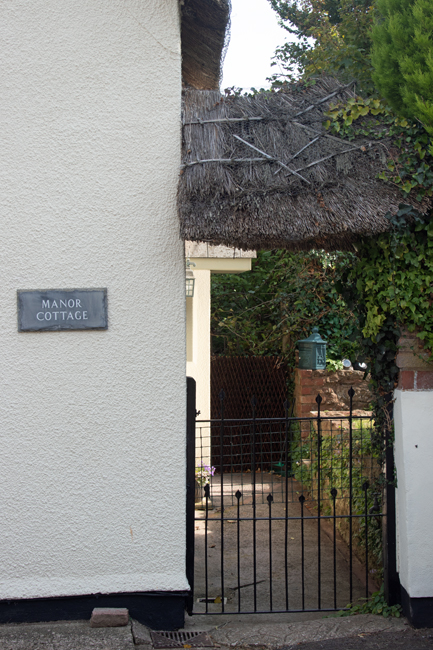
The village has a population of 500 people, and it is very easy to find yourself in open countryside within minutes of walking from the village centre.
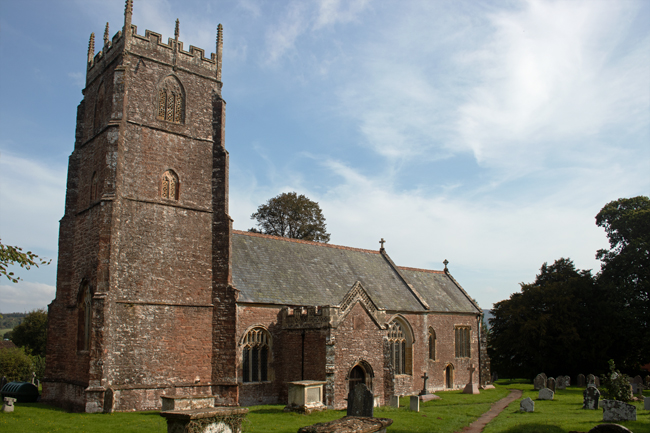
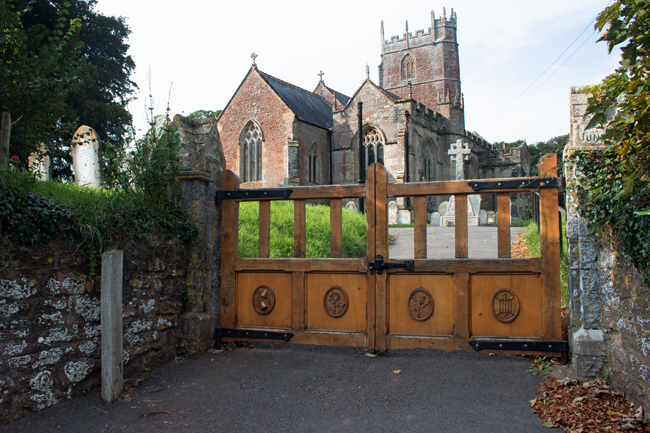
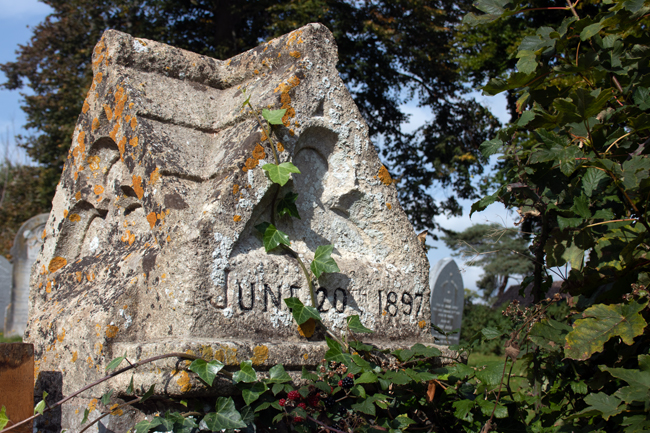
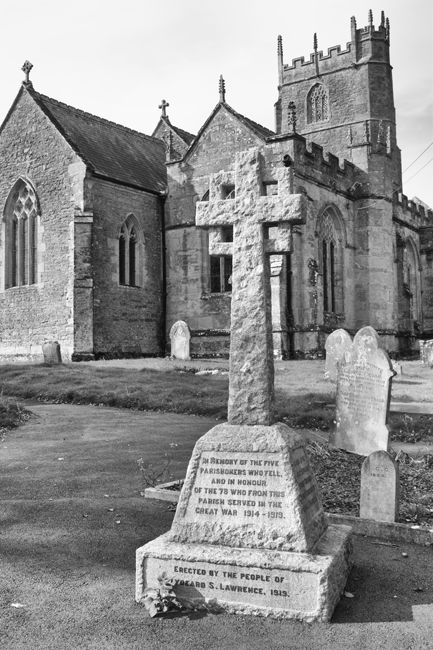
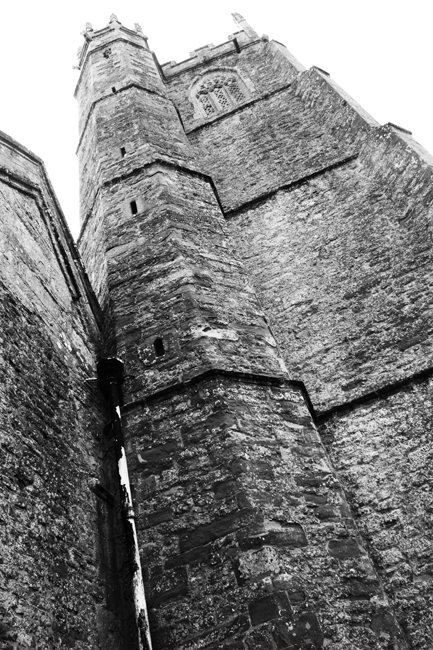

The Church of St Lawrence is at the top end of the village and, as with may similar religious locations, is a calm and peaceful place to stop and rest.
A plaque on the gate into the churchyard pays tribute to Lance Corporal Alan Kennington, who was serving in Northern Ireland in 1973 when he was shot and killed while on foot patrol on the Crumlin Road, Belfast. He was just 20 years old.
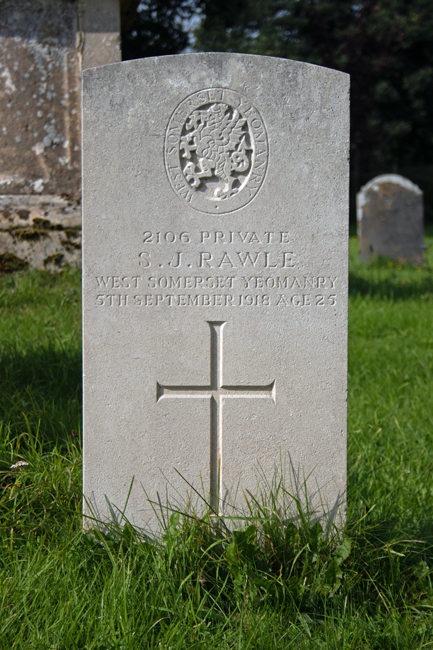

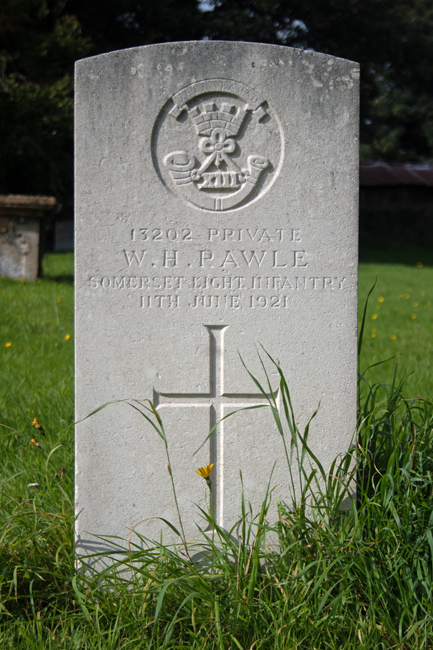
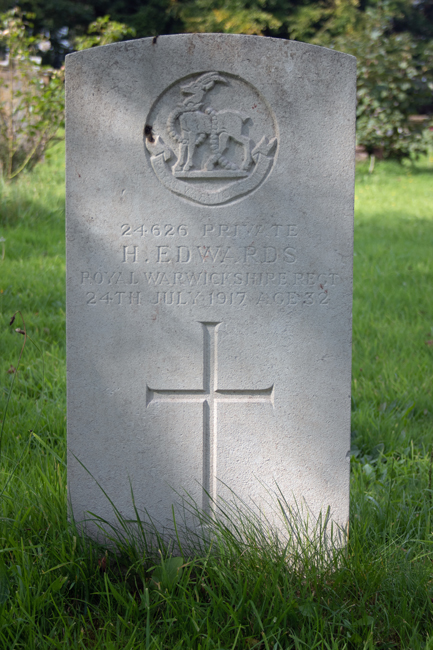
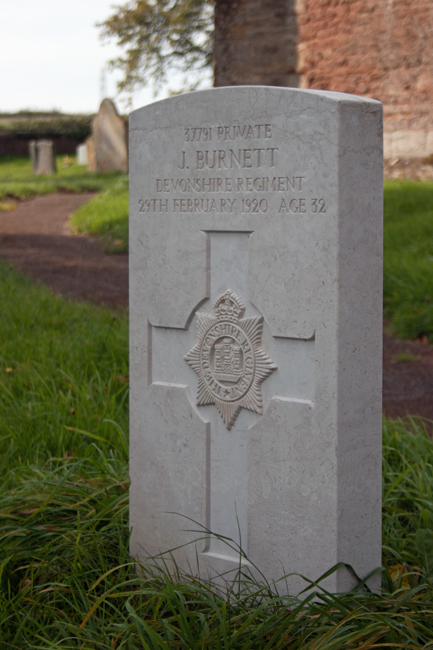

The church also forms the last resting place for a number of other local men who passed away in the Great War – I’ll expand on these in later posts.
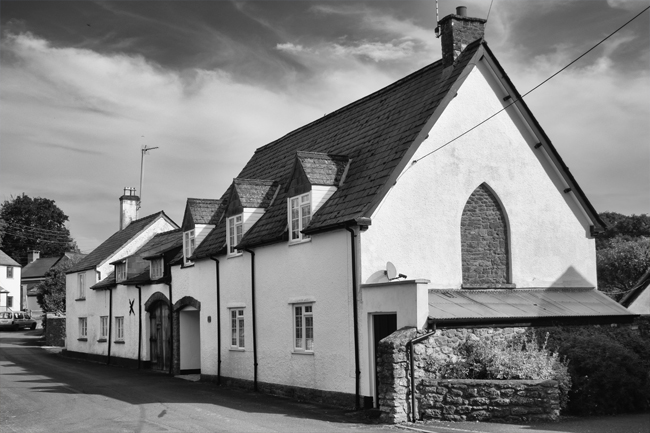
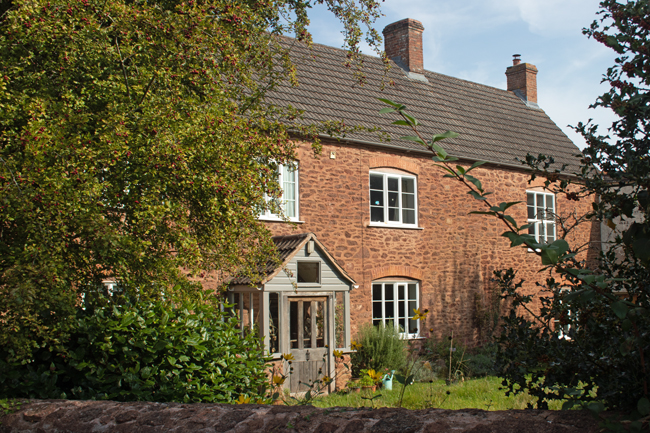
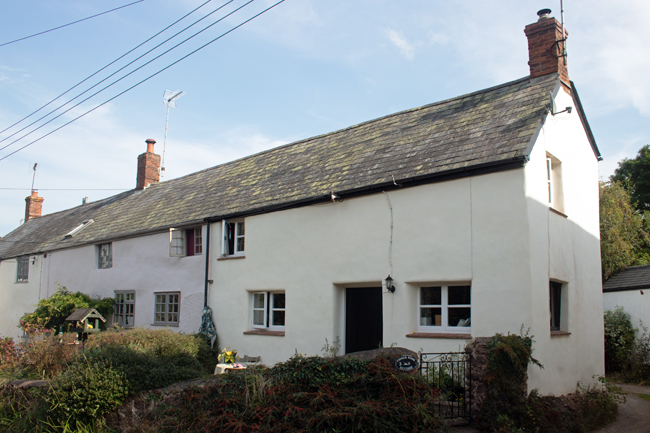
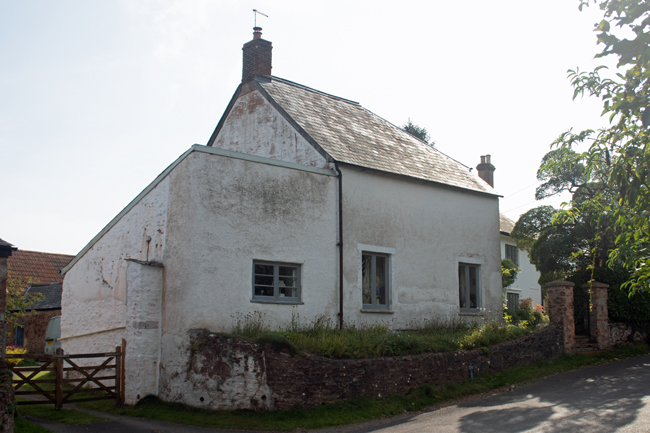
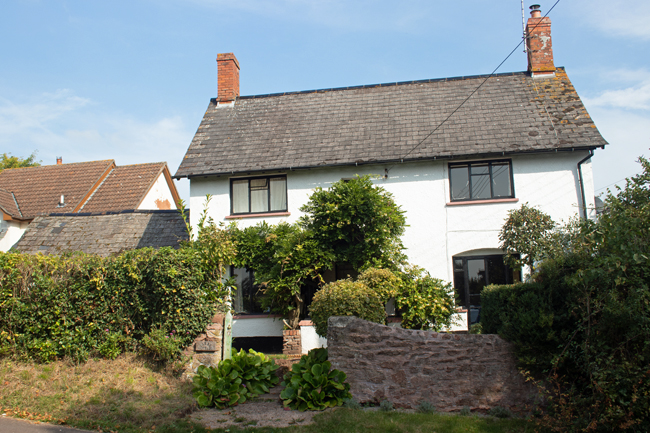
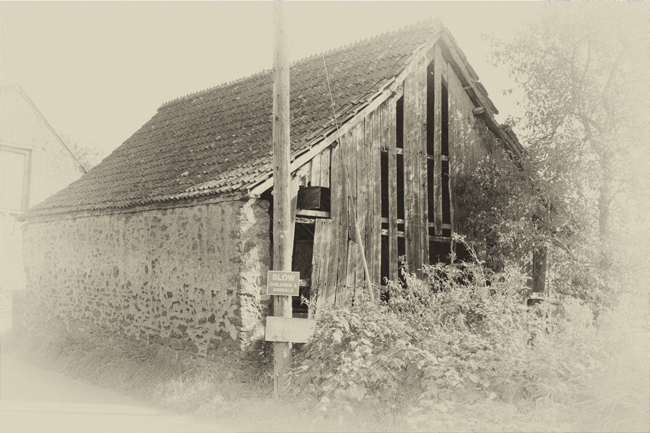
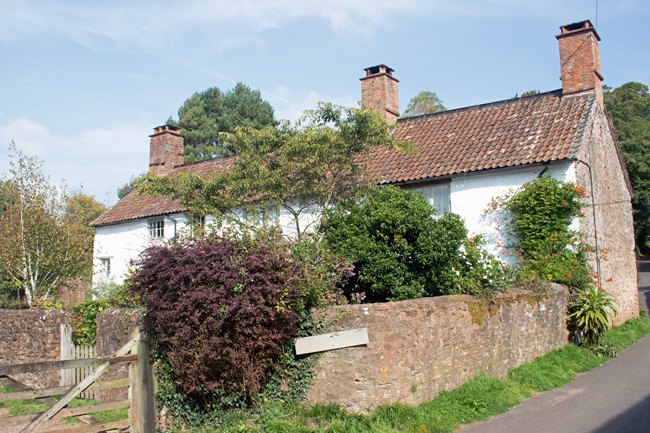
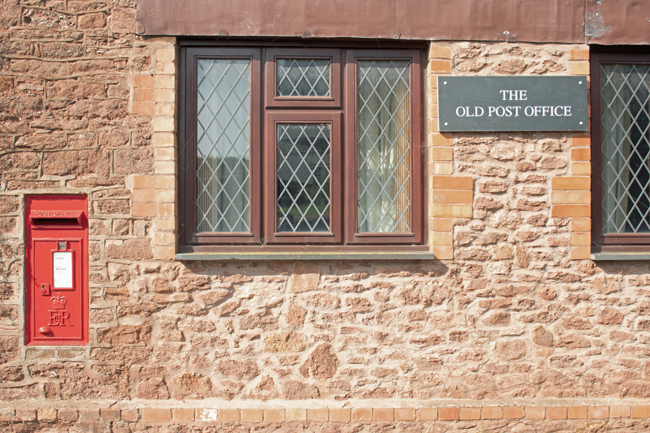
Lydeard St Lawrence, is certainly a peaceful village – on its own in the depths of the Somerset countryside and sheltered by the hills it is named after, it is somewhere to get away from it all. There are no immediate amenities – the post office has been closed long enough for the building to be converted into a house – but a village hall and school are there to support the community in all things secular.
So, time for the results of the fifth Mass Observation Project, and there are some fine examples here!
Following January Blues, Change, Isolation and Colour, I opted for something a bit more random, and boy did we get random back!!
Enjoy!
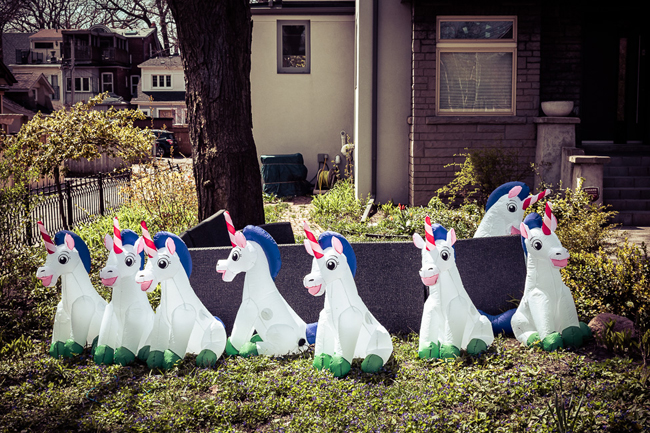
Name: killing time with a camera … (https://steviegill.wordpress.com/)
Location: The Beaches, Toronto
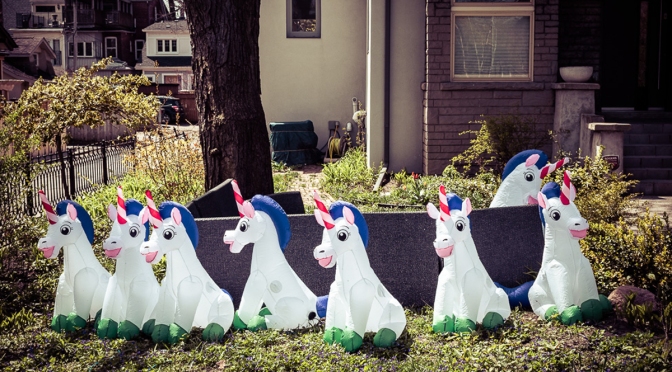
Note: What could be more random than eight inflatable unicorns sat in someone’s front garden? I walk down this road regularly and they certainly weren’t there on previous occasions — that’s the kind of thing I’d notice!

Name: Droning Speck
Location: UK
Note: In the end, are we not all going round in circles? The blue of the sign against the blue of the sky really caught my eye, but something wasn’t quite right. It all seemed a little random…

Name: CKPonderingsToo
Location: Shapwick Heath, Somerset
Note: The bug had caught my eye, glistening brightly against the yellow irises. One of the things I love about mt photography technique (trigger-happy, drive-by snapping) is that I don’t always know what the result is going to be. It was only when I looked at the image on the computer that I appreciated it was two bugs, rather than one! (Yes, they’re cuddling to keep warm… It was a misty morning…)

Name: Doctor Ken, Gin Sop
Location: Somerset
Note: The random thing for this photo is that I have been called upon to do the ironing!
Name: Cap Does Craft
Location: Gallery Floor – South Yorkshire
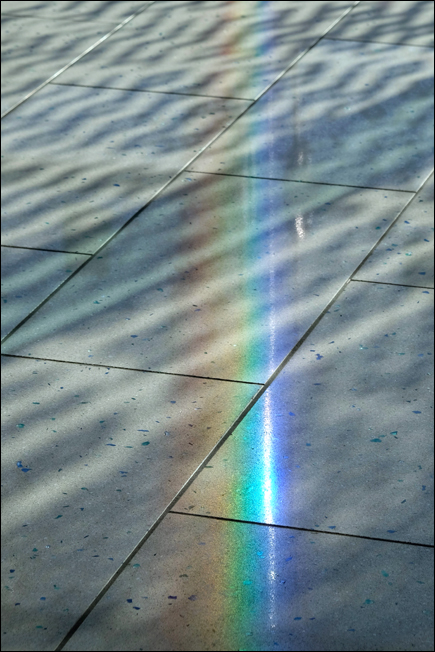
Note: Random was called for and and random this is! The speckled tiles, straight lines, wavy shadows, reflections and rainbow were taken pre-pandemic but work with the theme. The rainbow was created by sunlight refracting through the edge of a glass door (and the handles to the door can just be seen in the reflection next to the rainbow). Whether the different aspects of this image come together to make a pleasing whole is perhaps for you to decide?

Name: Postcard Cafe https://postcardcafe.wordpress.com
Location: South West Sheffield (Taken during lockdown while on daily exercise)
Note: This photograph is of hay bales wrapped in plastic to produce silage, ready to be used as winter feed for livestock. Most often we see these bales on farms dressed in black plastic and I liked that these are pink and green, which in itself seemed unusual. I also liked the random nature the various components in the composition. Brambles with their incredible daily growth are gradually attempting to reclaim the area for themselves and the bales arranged seemingly without too much order. In a different setting this might be considered a work of art!

Name: Cooking-Post Nerd
Location: Somerset
Note: It’ funny what you can find wandering the local streets during your daily exercise. I mean, what could be more random than Bear’s Curious Quest?!
Commemorating the fallen of the First World War who are buried in the United Kingdom.
Looking at - and seeing - the world
Nature + Health
ART - Aesthete and other fallacies
A space to share what we learn and explore in the glorious world of providing your own produce
A journey in photography.
turning pictures into words
Finding myself through living my life for the first time or just my boring, absurd thoughts
Over fotografie en leven.
Impressions of my world....

 CKPonderingsToo