Tag Archives: sign

A-Z of Somerset: Ubley

U is for Ubley

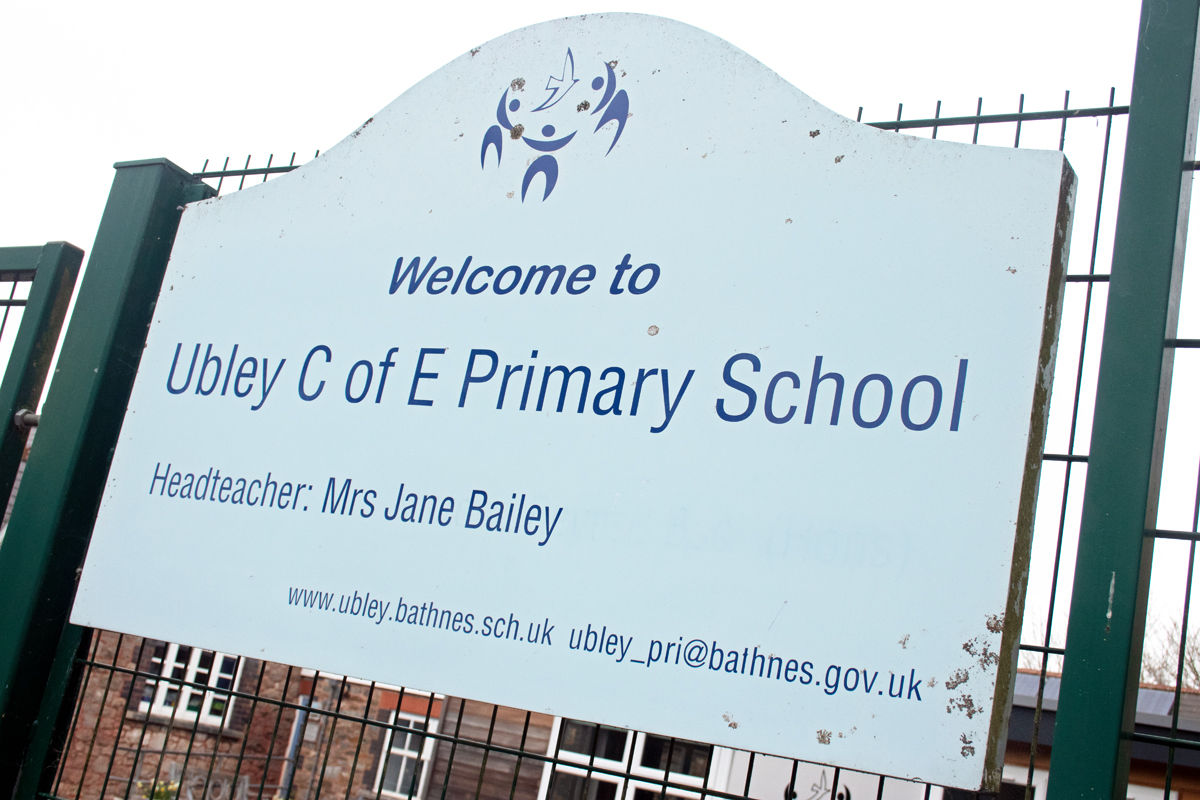
Nestled under the northern slopes of the Mendips, close to the Blagdon Lake in the Chew Valley, lies the quiet and unassuming village of Ubley.

The derivation of the village’s name is lost to time: in the 10th century it was known as Hubbanlege; a century later is was Tumbeli (or “rolling meadow” in old English). The name may come from local king Ubba, although it may also have been given the name in Veb, after the Latin word for lead, from the lead miners who lived in the area.
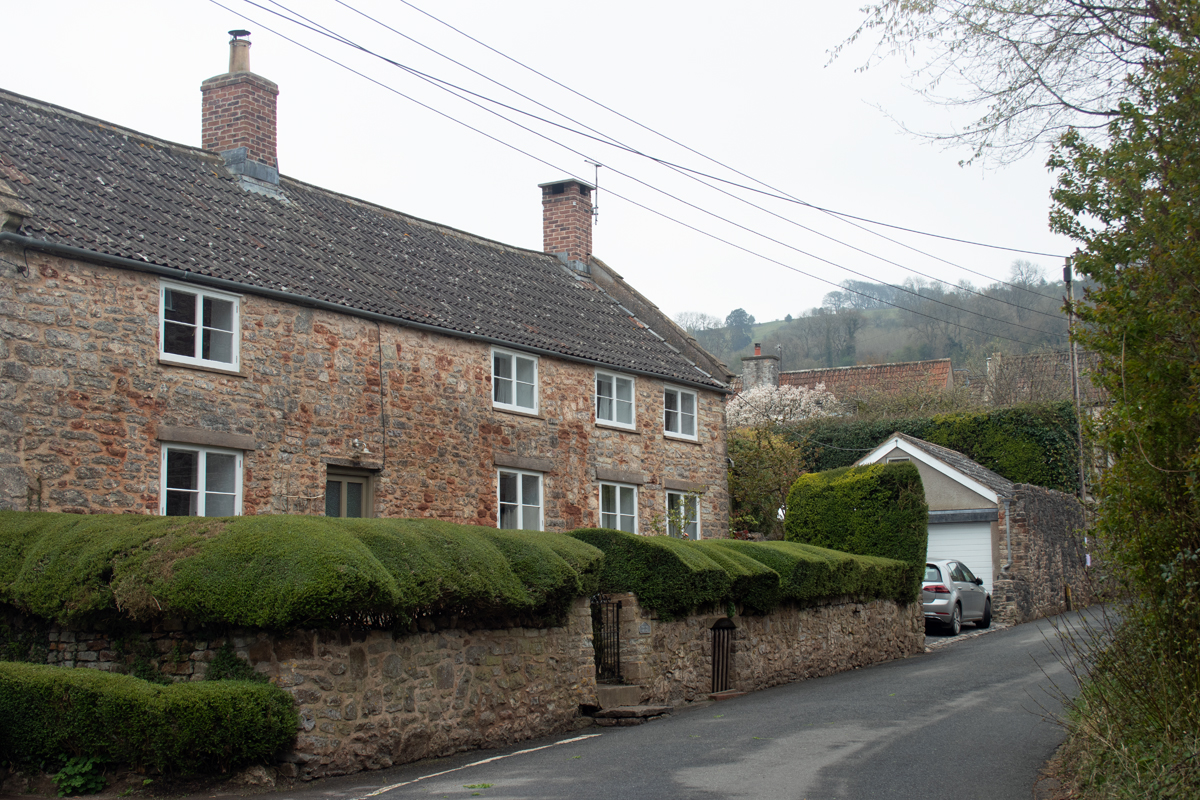
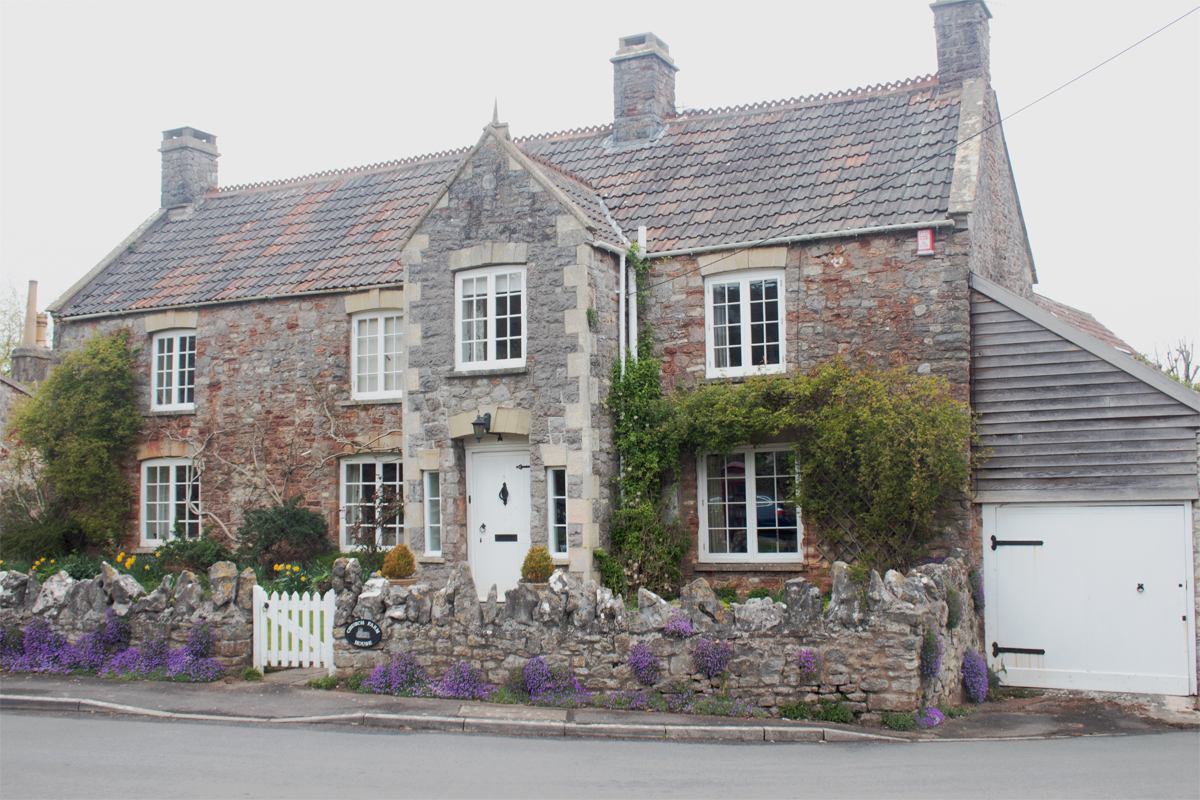
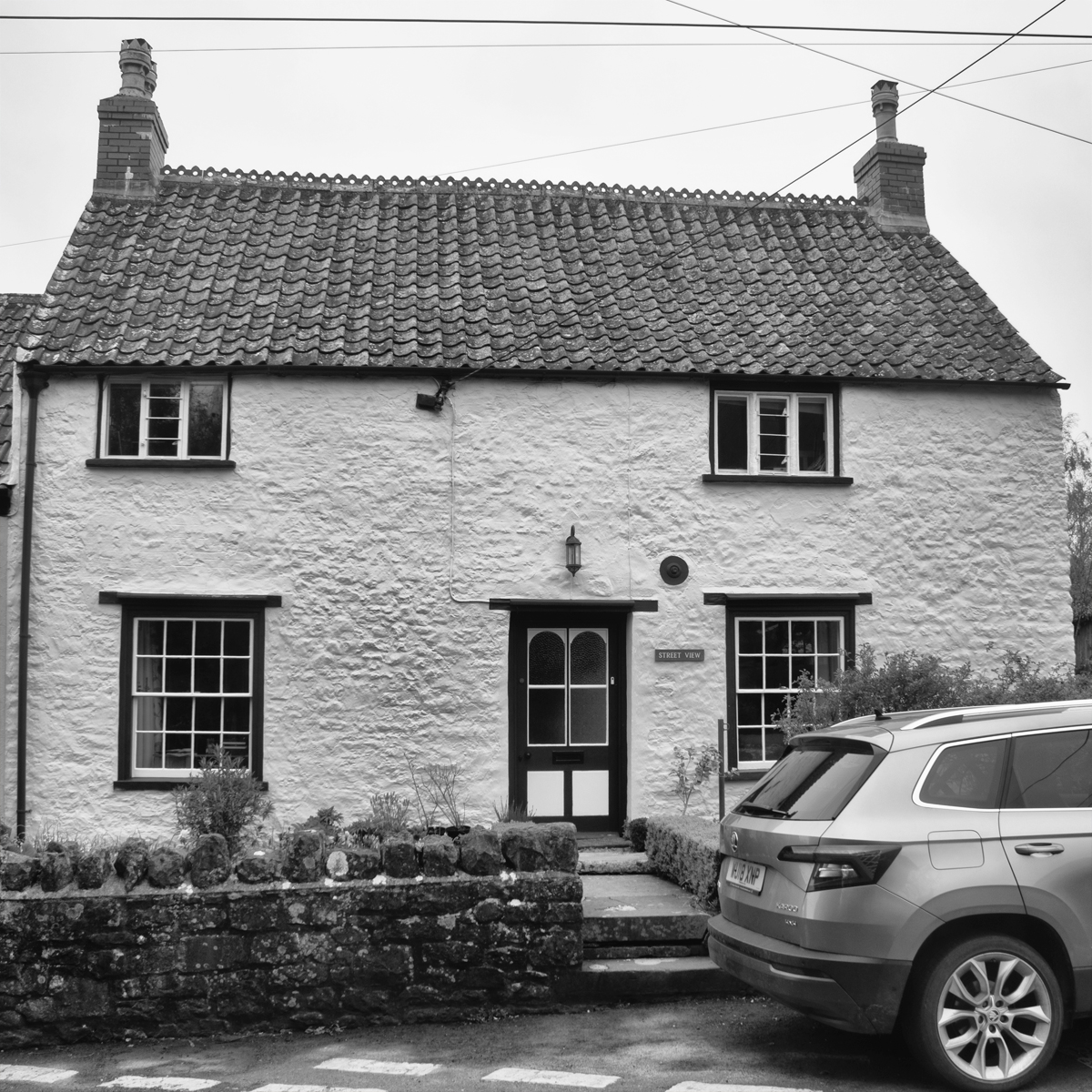
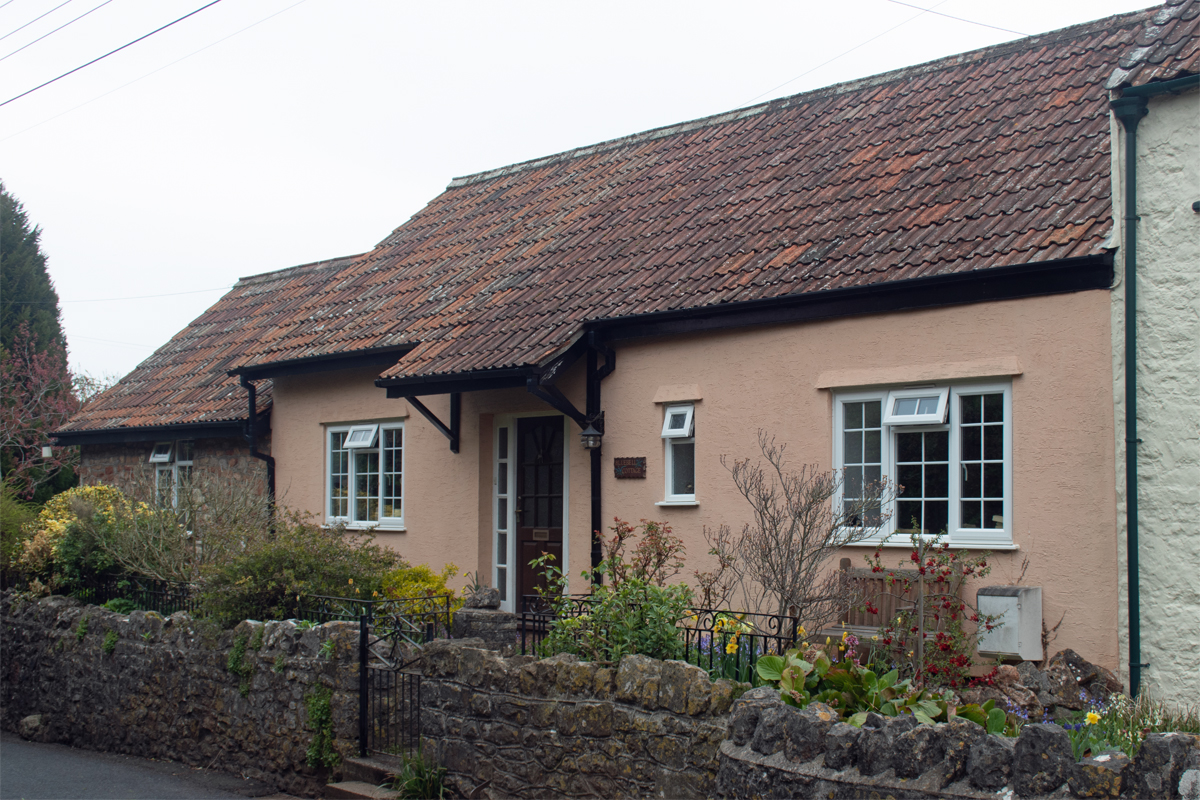
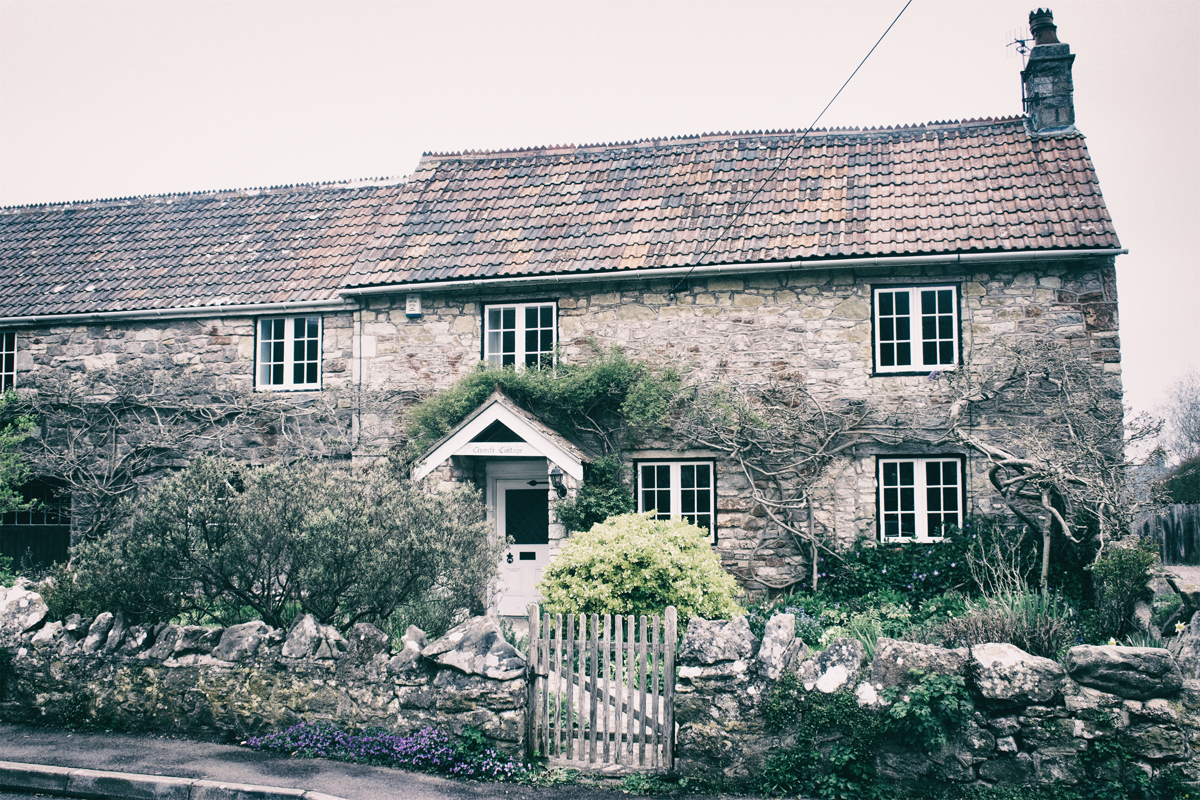
Today, the village has a population of around 330 people, most of whom live in old, stone built houses around the village green.

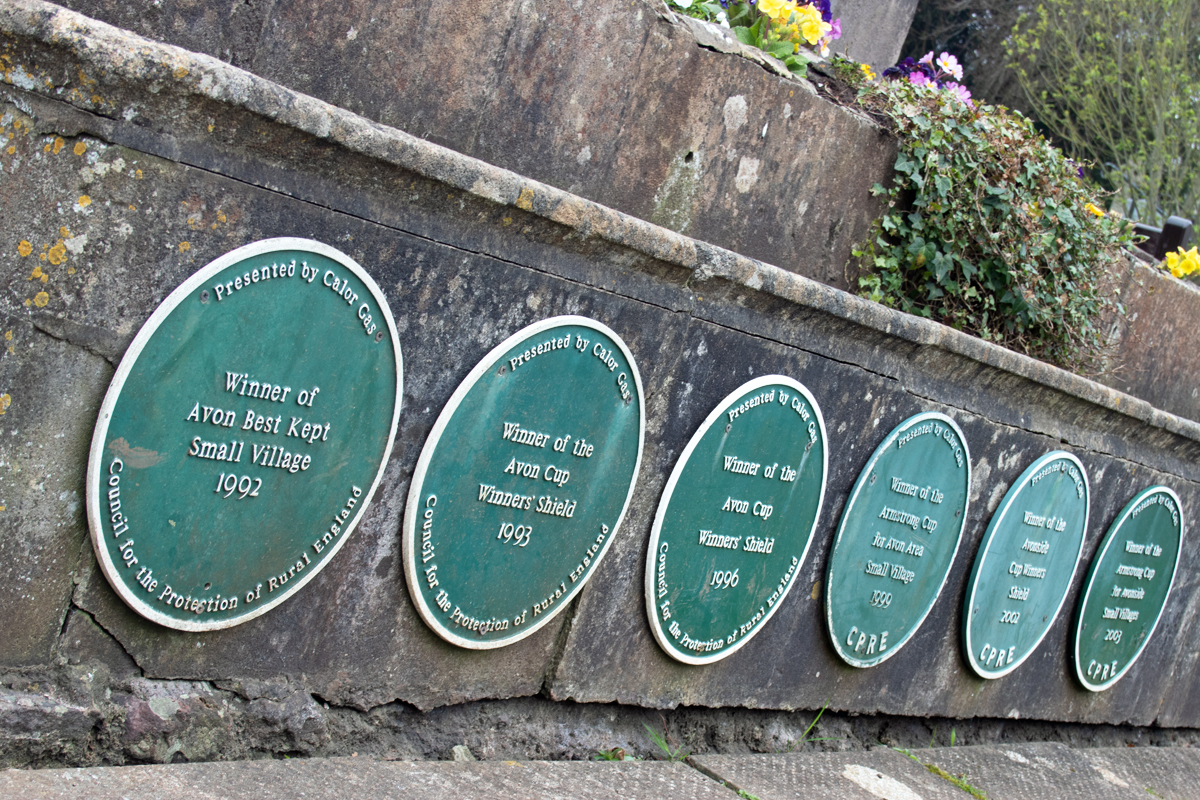
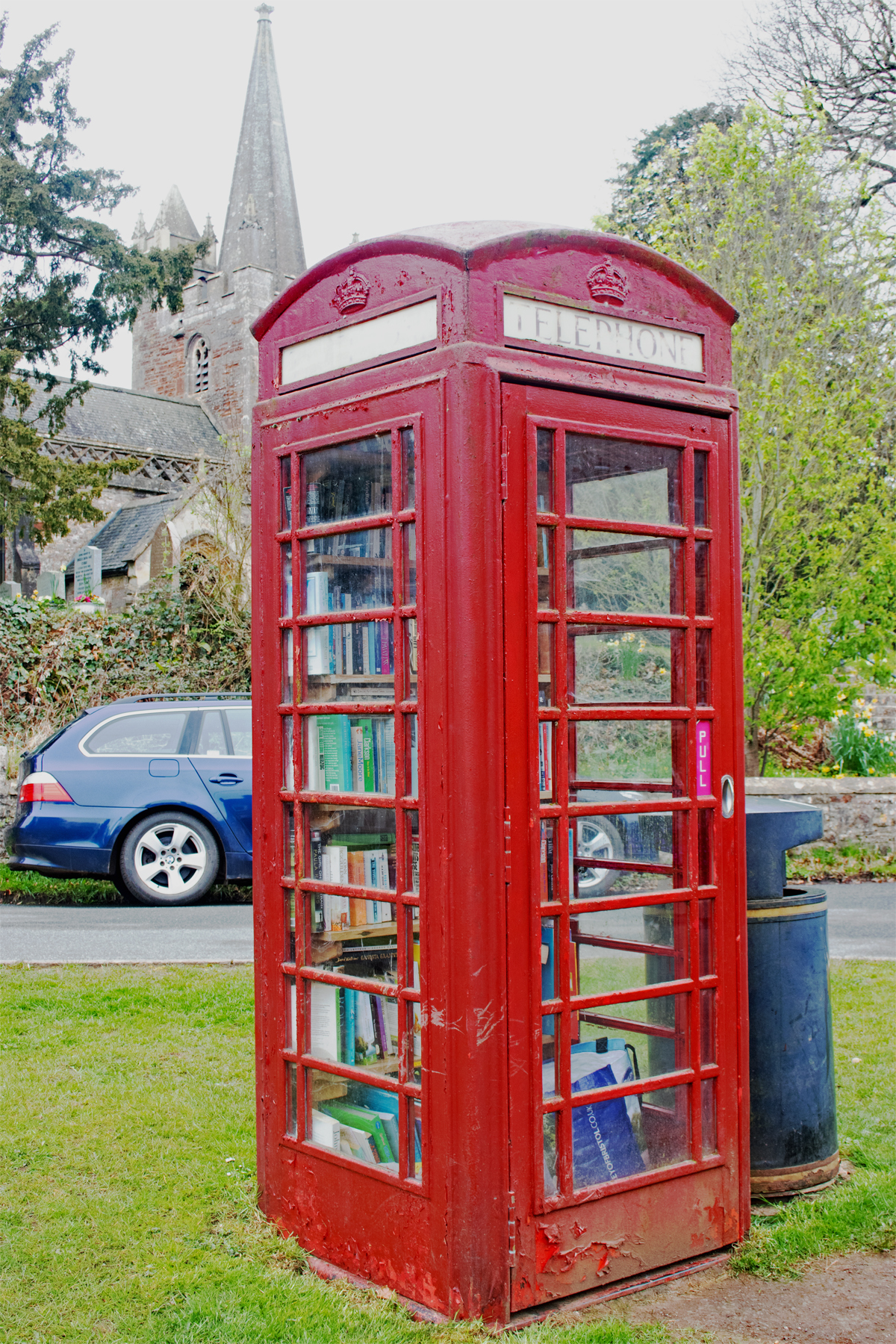
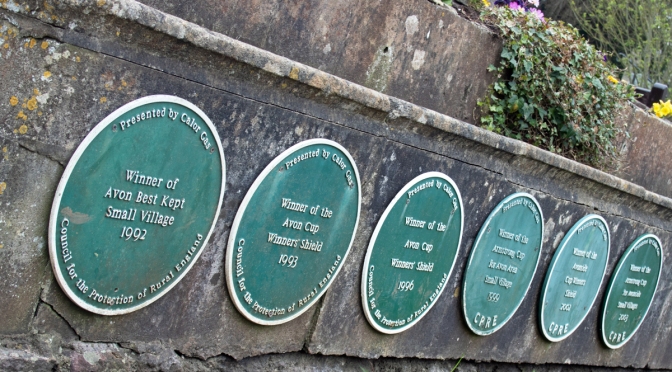
Ubley is a village that takes pride in its appearance, although the Best Kept Village signs date from twenty or thirty years ago. It is a quiet place in a quiet valley, and one with a community feel that is even more apparent because of the events of the last year or so.

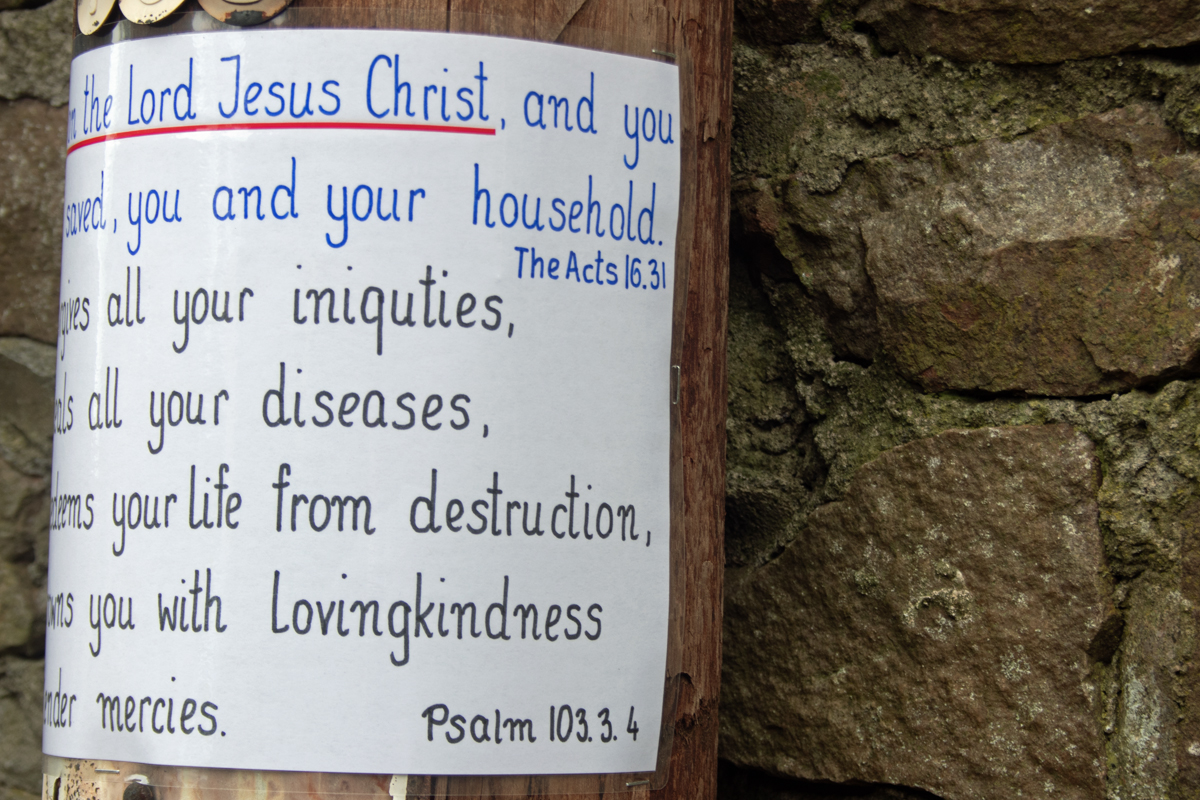
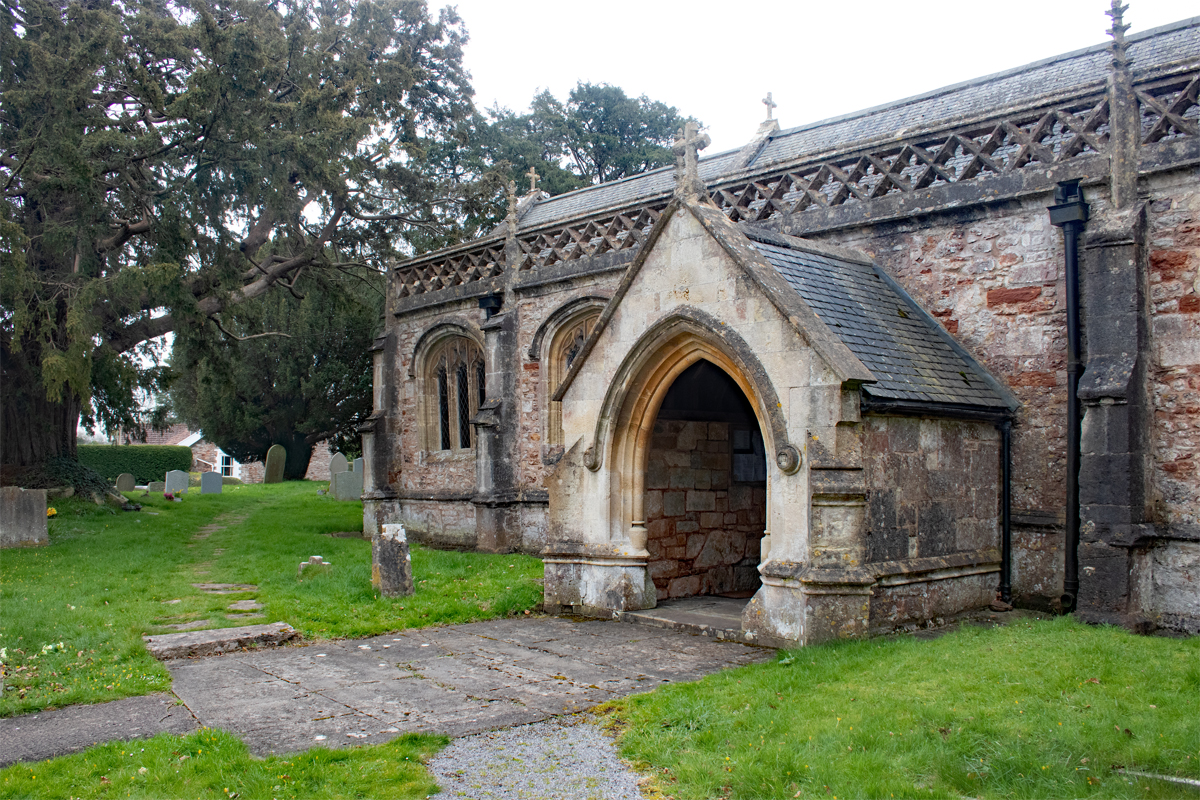
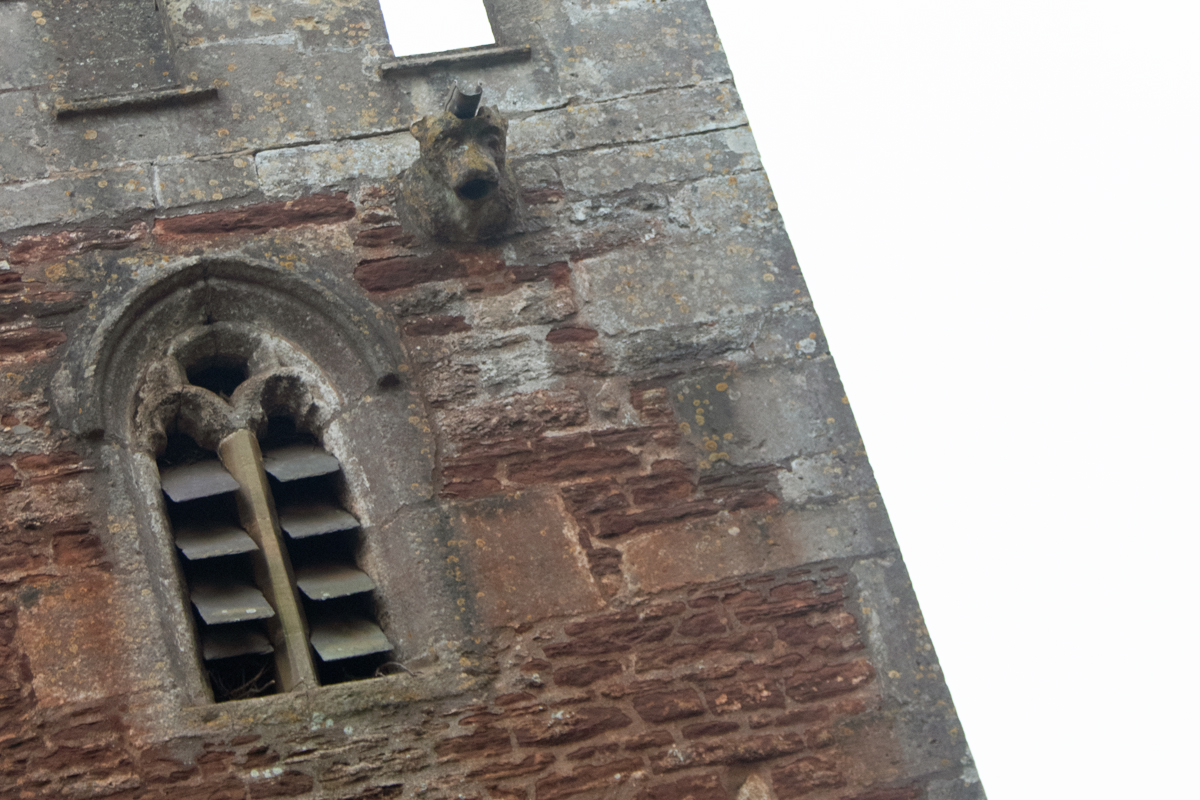
At the heart of the village lies St Bartholomew’s Church. Grade I Listed, it was closed on the day I visited, but was being frequented by a large number of crows, diligently building nests within its open steeple.

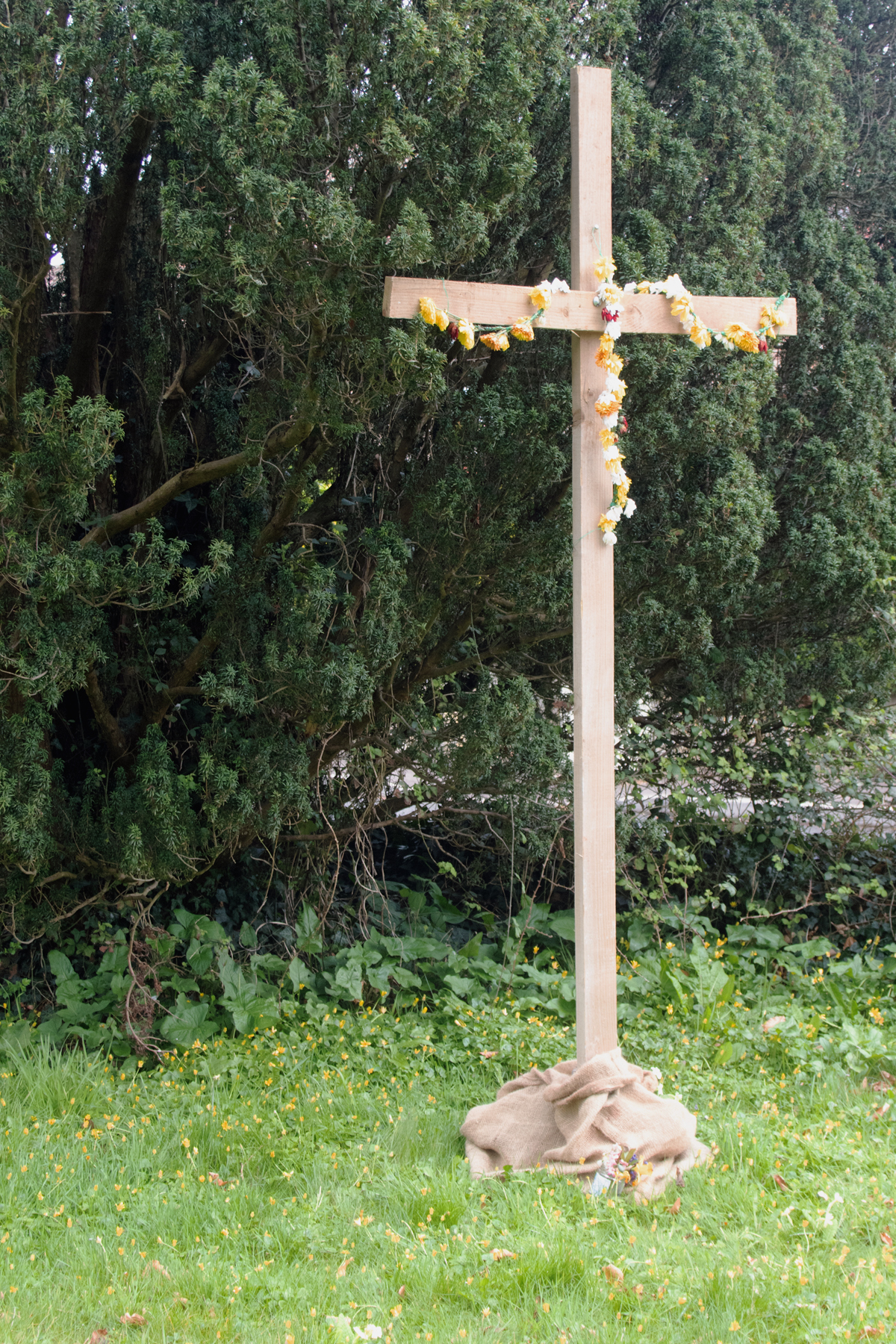
The grounds around the church are a peaceful, safe haven for those who have been buried within them over the years.
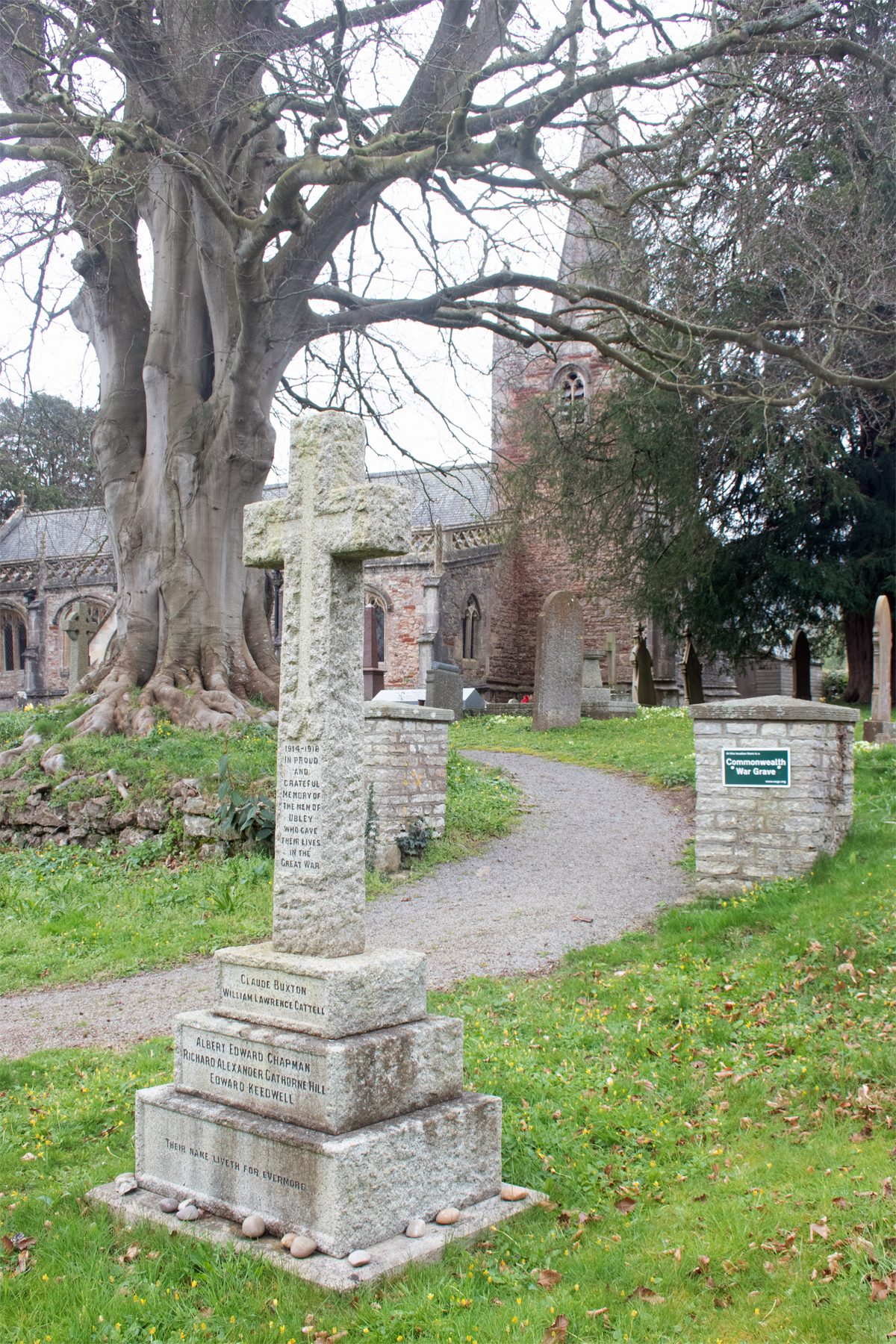
The village War Memorial remembers the five villagers who died in the First World War. There is only grave to a fallen solder in the churchyard and, ironically, that is for Second Lieutenant Alfred Newington, who wasn’t even a local man. (You can read more about his life and story by clicking on his name.)


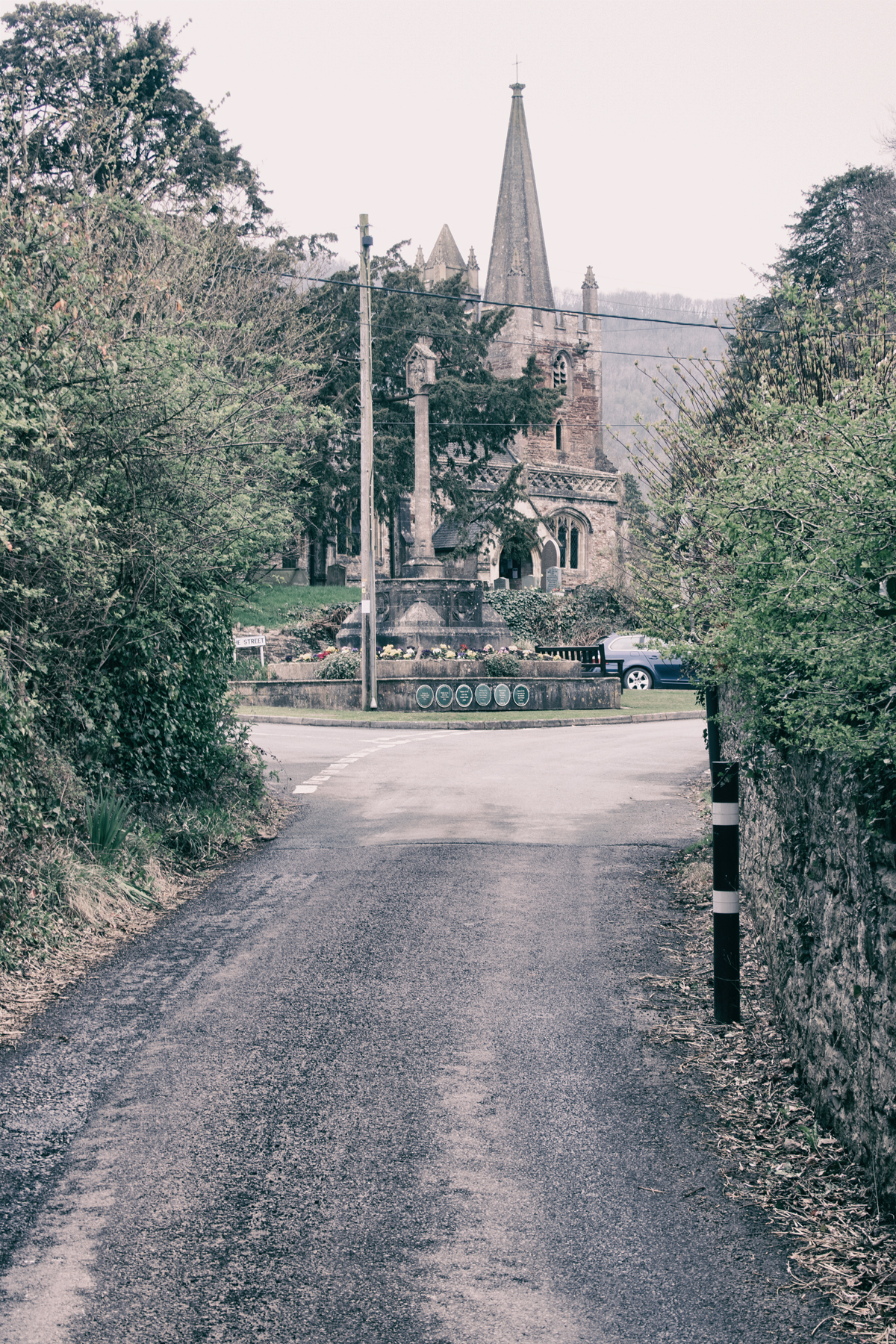
Within easy reach of both the Mendips and Blagdon Lake, Ubley is worth a visit; it provides plenty of opportunity for walking and cycling. It is far enough away from the hubbub of the main Weston to Bath road, but accessible to it, to warrant stopping off.


Honesty

There’s a part of me that wonders whether the world would be a better place is everybody was just honest. Honest with themselves, honest with each other, just honest.

Trying to spare someone’s feelings can quickly spiral into a web of lies and deceit. You start digging a hole, then find yourself twenty feet deep with little more than a trowel.

So, why do it? Why are we so desperate to please other people? What is it about human nature that drives us to avoid honesty at all costs?

Stop and think about it. What harm would telling the truth actually do? Will lying to them do more harm?

Honesty is the best policy, but we’re often too blind to see it.


Confusion

Information was coming at her from all sides.

Conflicting, confusing information that was leaving her in no clearer position to make a decision. Turn left, turn right, do this, do that, fake news, real news, the truth, lies. How was she supposed to know what was right and what was wrong?

Friends were telling her one thing, family another and colleagues a third.

Bury your head, she thought. Keep a low profile and avoid the constant barrage of details, choices, confusions…


Follow The Leader

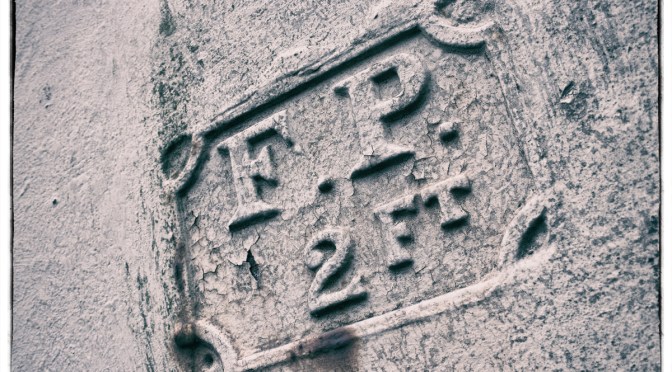
The first sign they came to was halfway up the wall, buried beneath years of paint.

It was Victorian, as old as the house into which it was embedded; a memory of a time when it meant something to take time, effort and pride to make signage. Signage that was there for one reason and one alone. Nobody would normally look for it; most wouldn’t even see it.

But there it sat, bold as cast iron, giving information to the world and no-one.


Further on, another sign pointed the way.

It was a different direction than the one they wanted to go in, but its instructions were clear, very clear.

There seemed no reason for the diversion, though. The road was empty in both directions, no hint of closure. But they were conscientious and set off in the direction the sign was pointing, unsure whether, in fact, that would get them to the destination they were hoping for.


A gate barred their way, a third sign informing them what lay beyond.

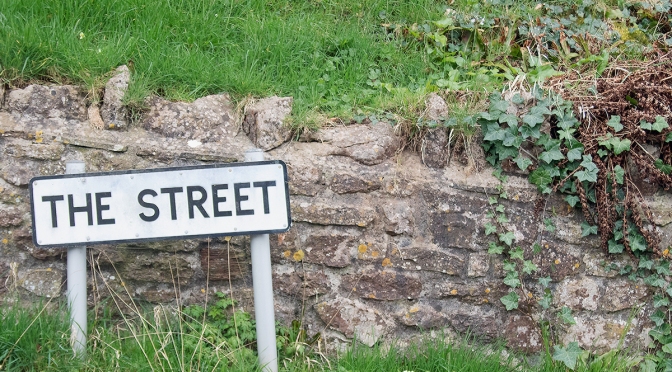
But was it an Abbey or was it a Farm? They had previously seen a sign for Street Road, which was muddling in itself, and this just added to their confusion.

Beyond the gate was a path, but they were on the outskirts of a town, and there was no farm in sight, let alone any building of religious significance.

Still they made their way on, hoping against hope that where they were heading, what they were doing, was right.


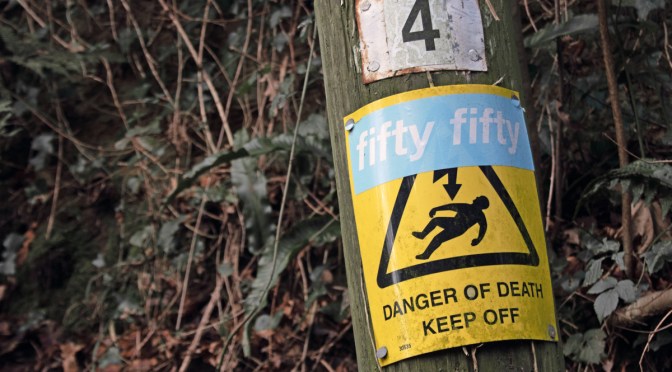
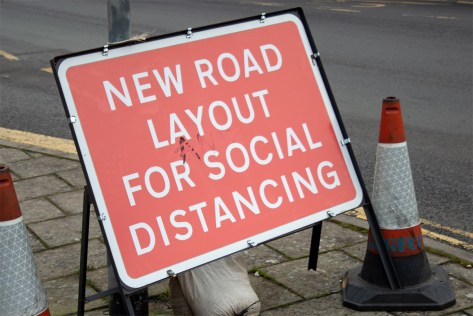
Another sign, and one whose message always seemed to cause chaos.

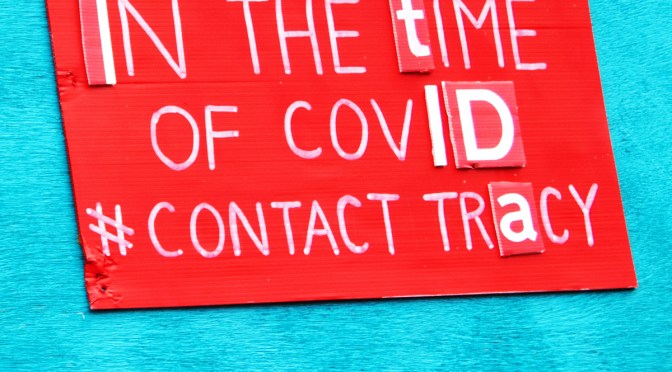
Social distancing was a new concept. Years had gone by and people had slowly but surely gotten used to being more tactile. Then things had changed, and distance became the new close.

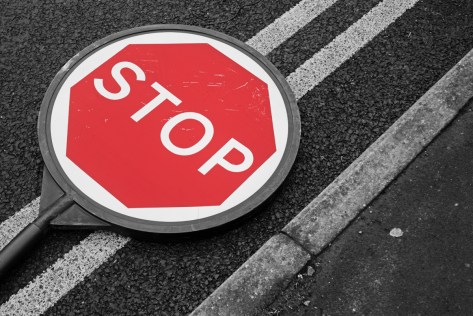
New road layouts were always a hazard, particularly as the signs tended to stay in place long after new became old.

So they carried on, taking extra care and being overly vigilant, hoping that the end was in sight, metaphorically as well as geographically.


Mellifont Abbey

The gate swung open unbidden. The creaking of the hinges shattered the calm of the trees surrounding him, bringing him sharply to his senses.

Beyond the gate he could make out a building. The windows were shuttered, but he had a feeling that the house wasn’t empty, merely sleeping, waiting for the moment when someone would arrive to wake it from its reverie.

The lawns were tended, and he wanted to take a step forward, to get a better look at the garden, but immediately felt as if he would be trespassing, unwanted, into grounds that had been perfectly manicured by a gardener who had every intention of keeping them that way, no matter what happened.

To walk forward or to turn and run? Intruders were definitely not welcome here, and, without any shadow of a doubt, he would be intruding. But he also felt that it was too late. With the opening of that gate, the barrier had been broken and he was left with only one choice.

He felt himself take a step towards the Abbey…