
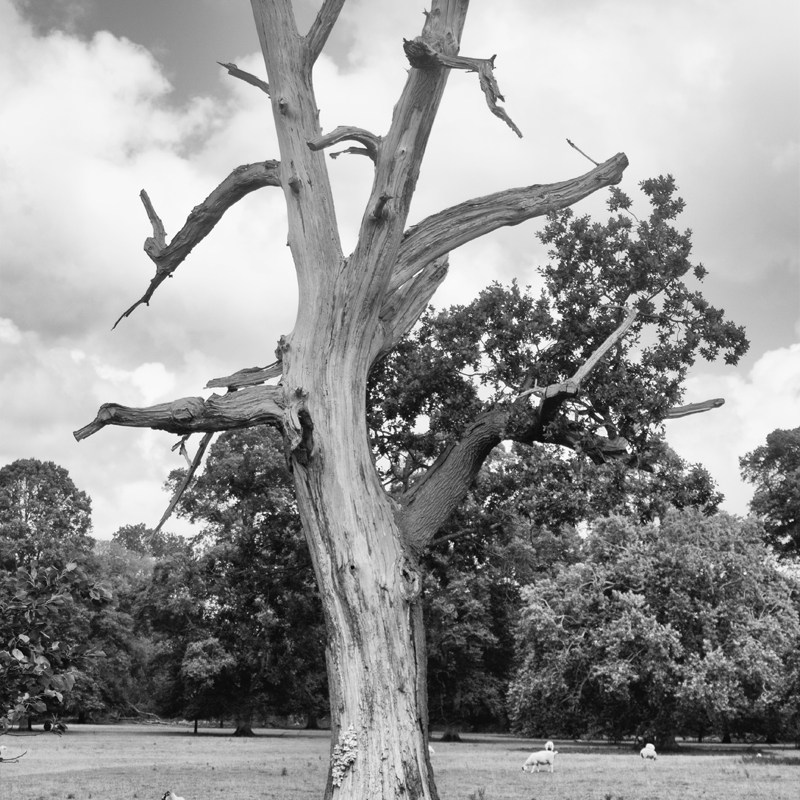
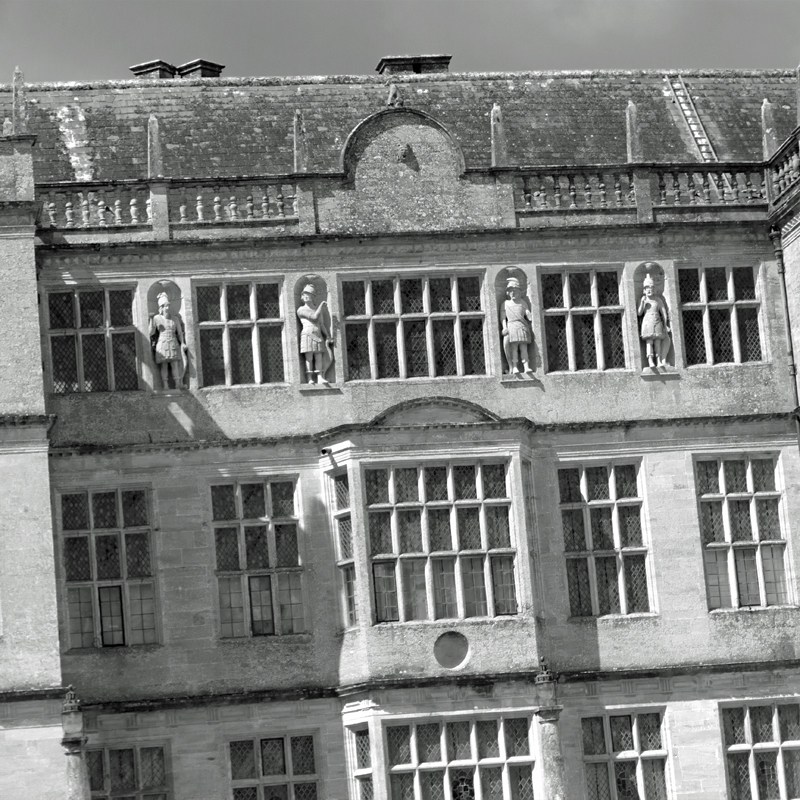
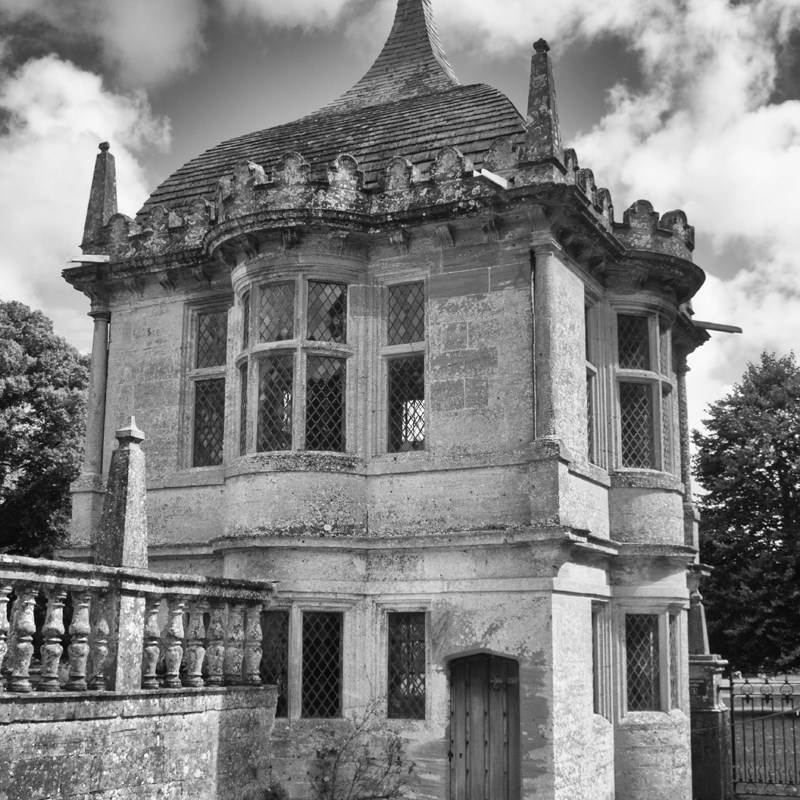
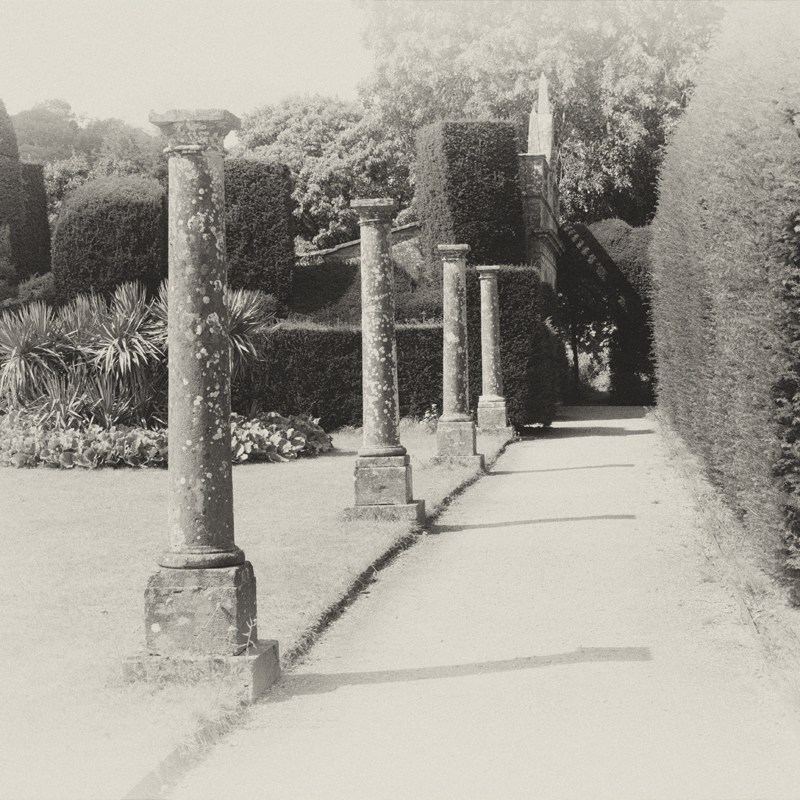
View life with a different perspective.
Don’t be reliant on what you have always done, and don’t be afraid to try something new.
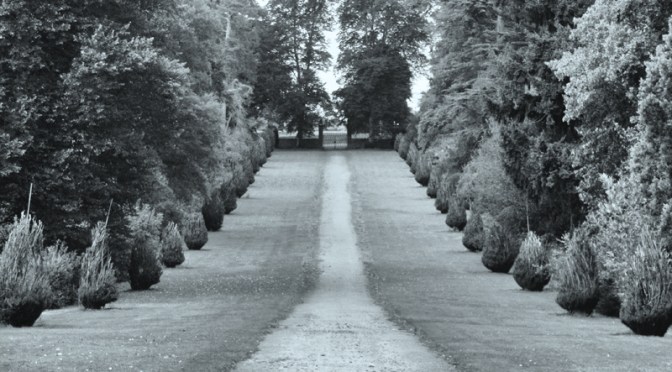
Just because the world is colour, it doesn’t mean you can’t see in black and white.

View life with a different perspective.
Don’t be reliant on what you have always done, and don’t be afraid to try something new.
Just because the world is colour, it doesn’t mean you can’t see in black and white.
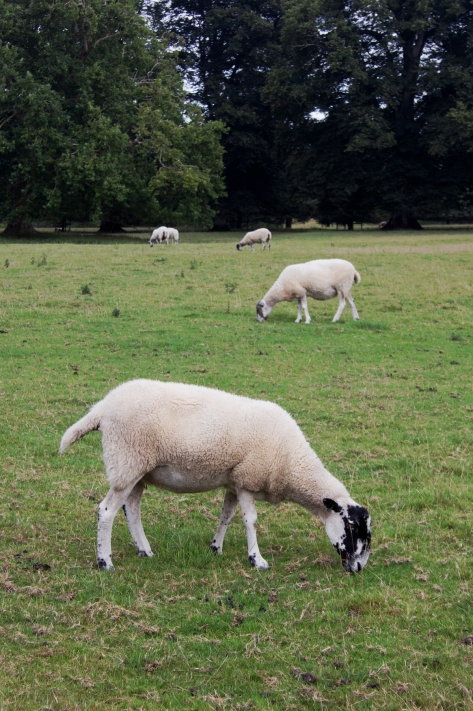
Stand out from the crowd.
Just because everyone else is doing things one way, it doesn’t mean you have to follow suit.
You are an individual.
You are you.
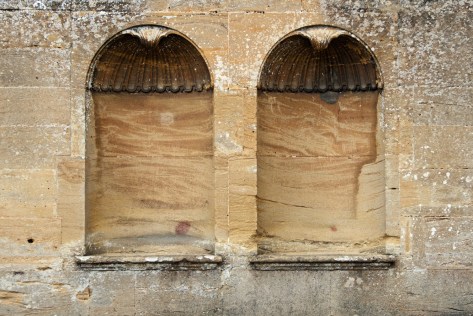
Find someone to share your day with.
Talk to a family member, email a distant friend, text a colleague.
Share what you have done, but ask them how their day has been.

Value the friendships you have formed over the years.
They are the bond that keep you sane, bring you joy and give you a a sense of community.
Don’t take your friends for granted; they will see you through the dark times, and you can help them through theirs.

Don your finery and deliver what you you want others to see.
Clothes can make you shine brightly, or make you invisible, and emotions can do the same.
In times of extreme stress a brave face may be needed, but you don’t have to conceal what is on the inside to everyone around you.
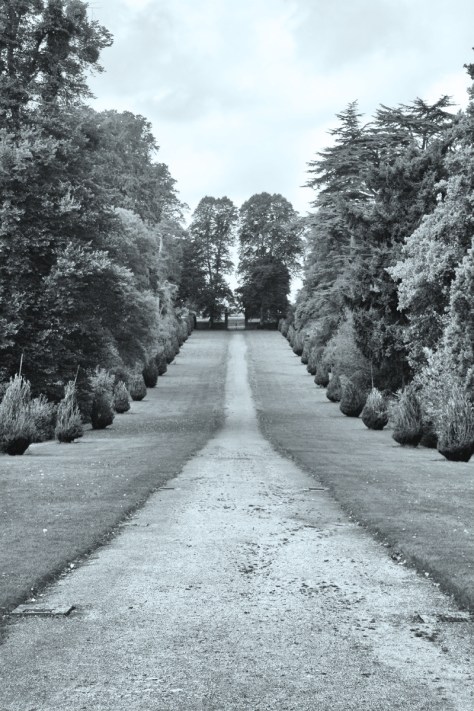
The road ahead may be long, but that doesn’t mean that it needn’t be interesting.
Your options are open, and you can choose your mode of transport.
Be free. Seek adventure. The destination is not the point of the journey.
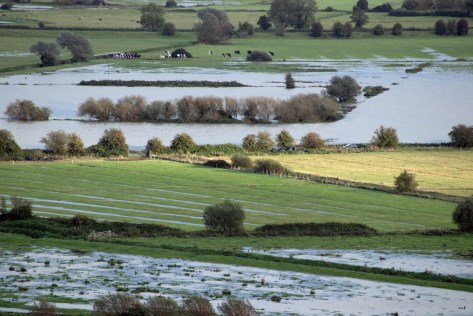
Things may seem at their harshest, but they will not stay that way.
You will persevere and you will succeed.
There is always triumph to be had in the face of adversity.

Do something that scares you.
Push the boundaries of your comfort zone and see what you can achieve.
You might surprise yourself!
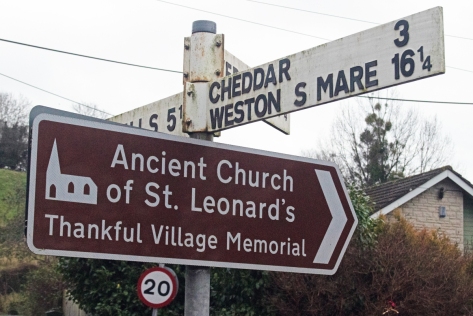
At the foothills of the Mendips, on the main road between Wells and Weston-super-Mare, lies the quiet, unassuming village of Rodney Stoke. Owned by a number of families over the years, Stoches (old English for ‘settlement’) has been known as Stoke Whiting, Stoke Giffard and Stoke Rodney over the years, before the name settled on Rodney Stoke.
With a population of close to 1,500 people, you would expect the village to be a bustling affair, but settled as it is – along three lanes leading downhill from the A371 – it has an altogether quieter feel about it.

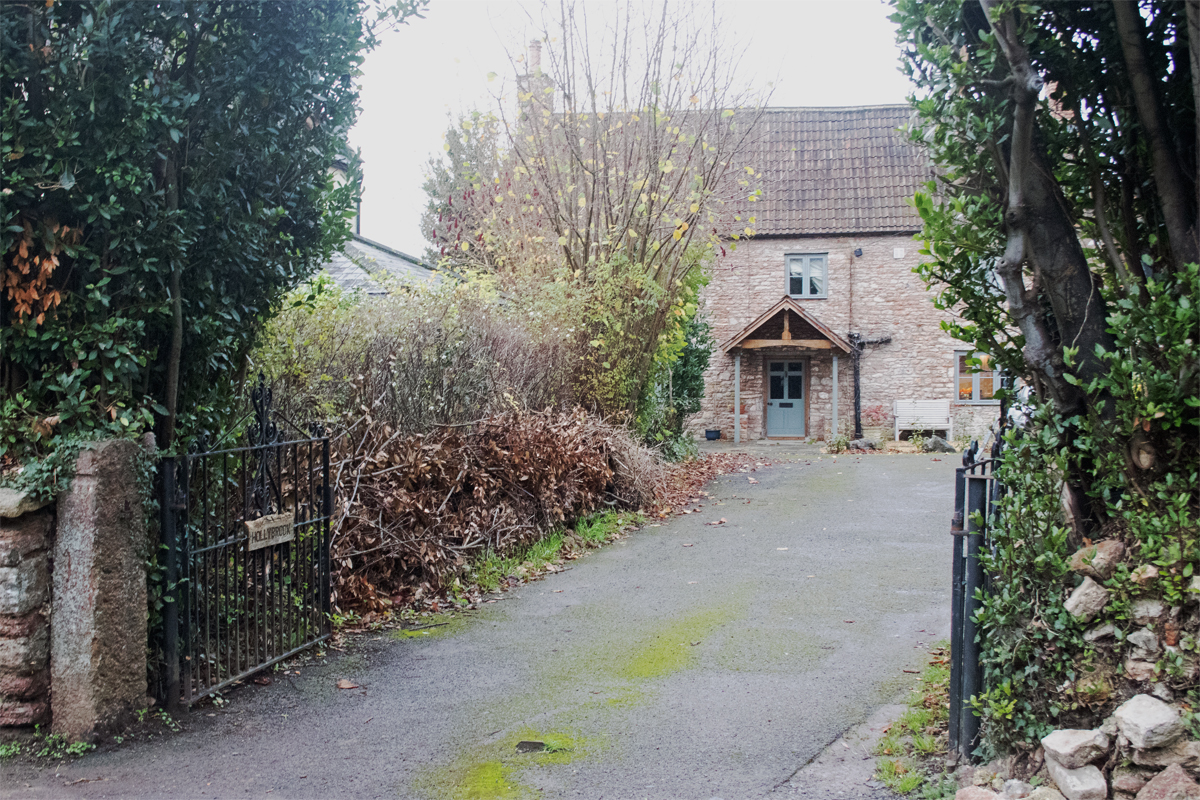
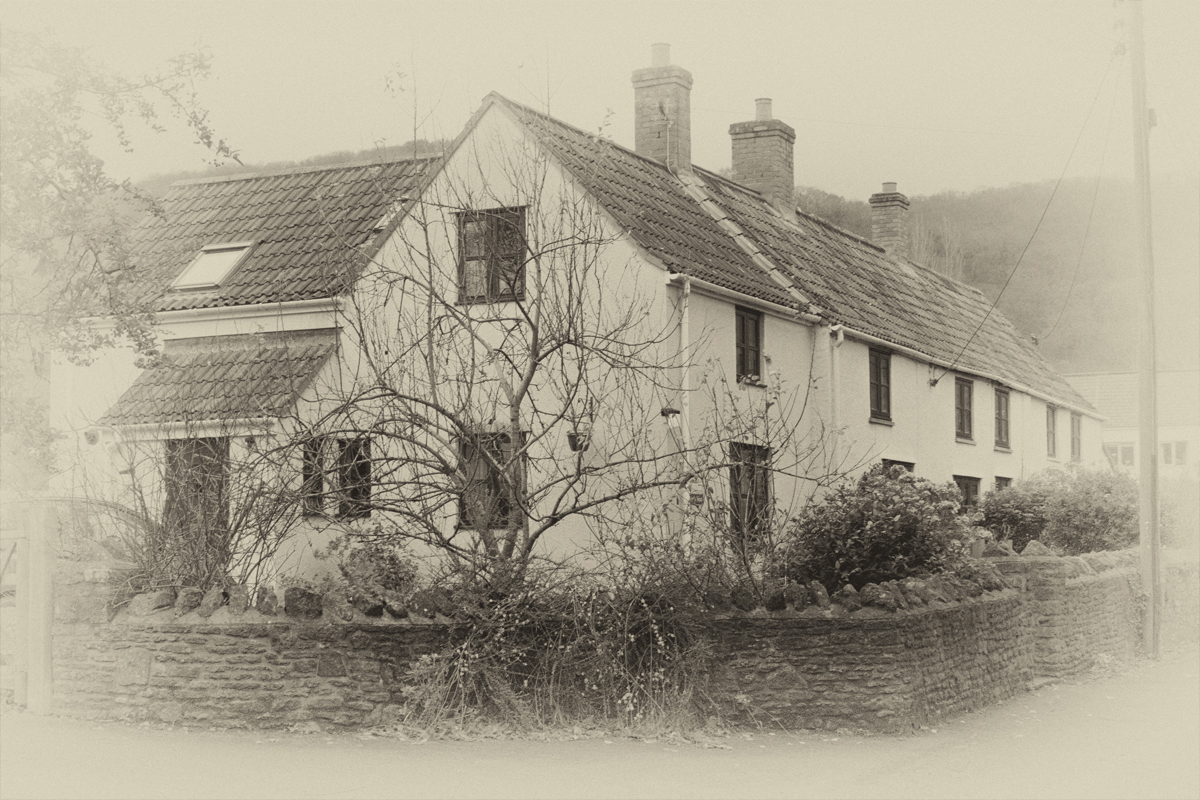
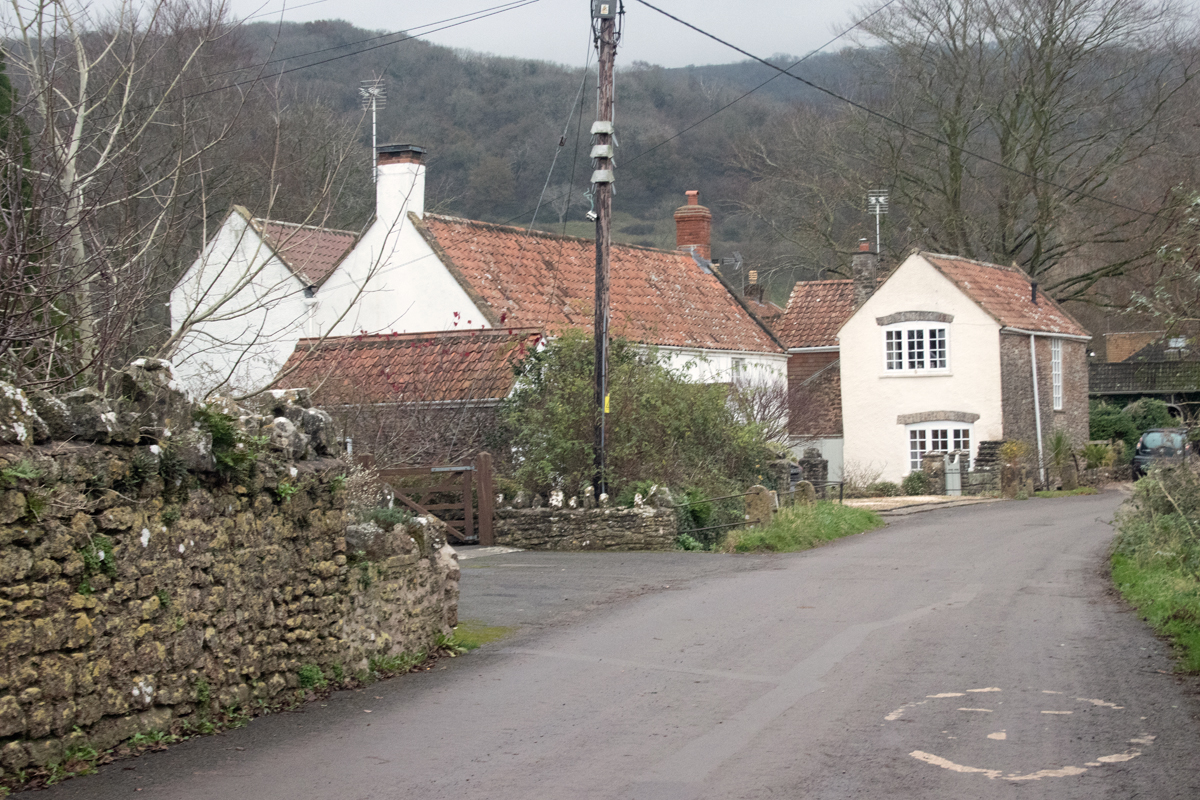
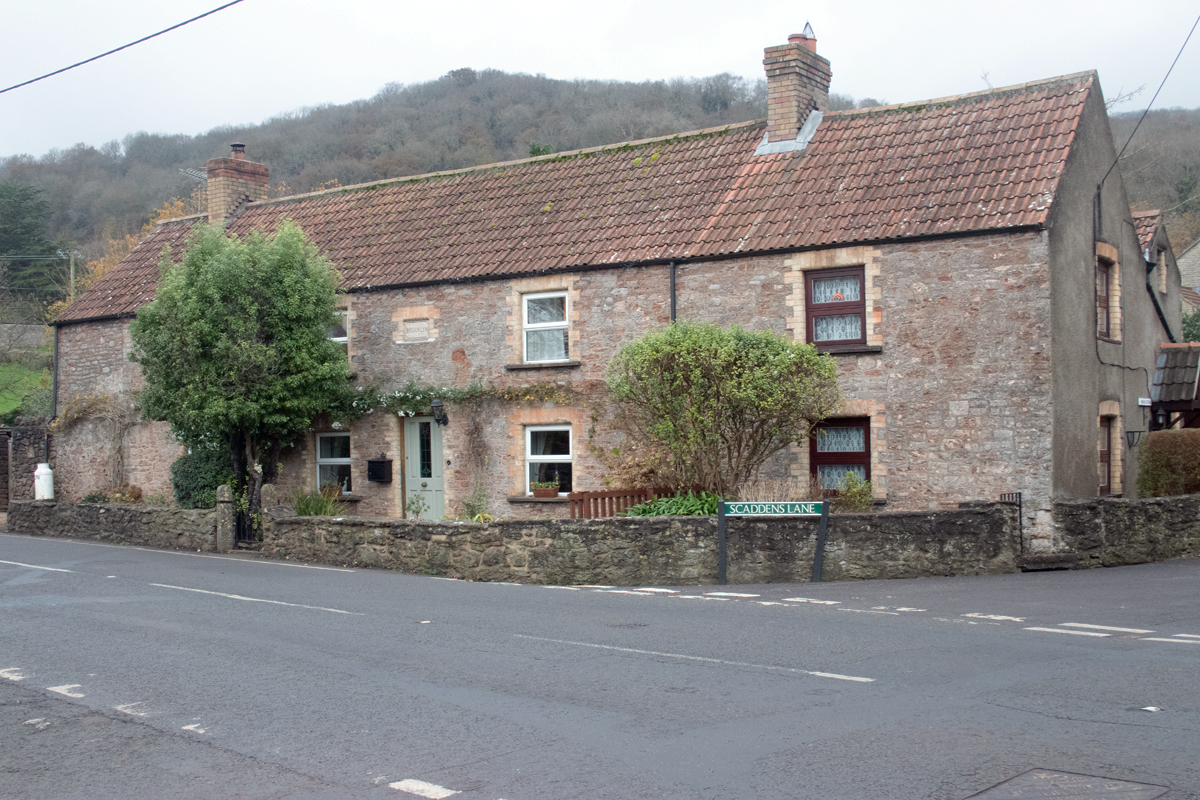

The lanes are lined with cottages built for former farm workers. Some former outbuildings have been converted into newer residences while other parts of the village are much newer properties, albeit still in keeping with the history of the village.

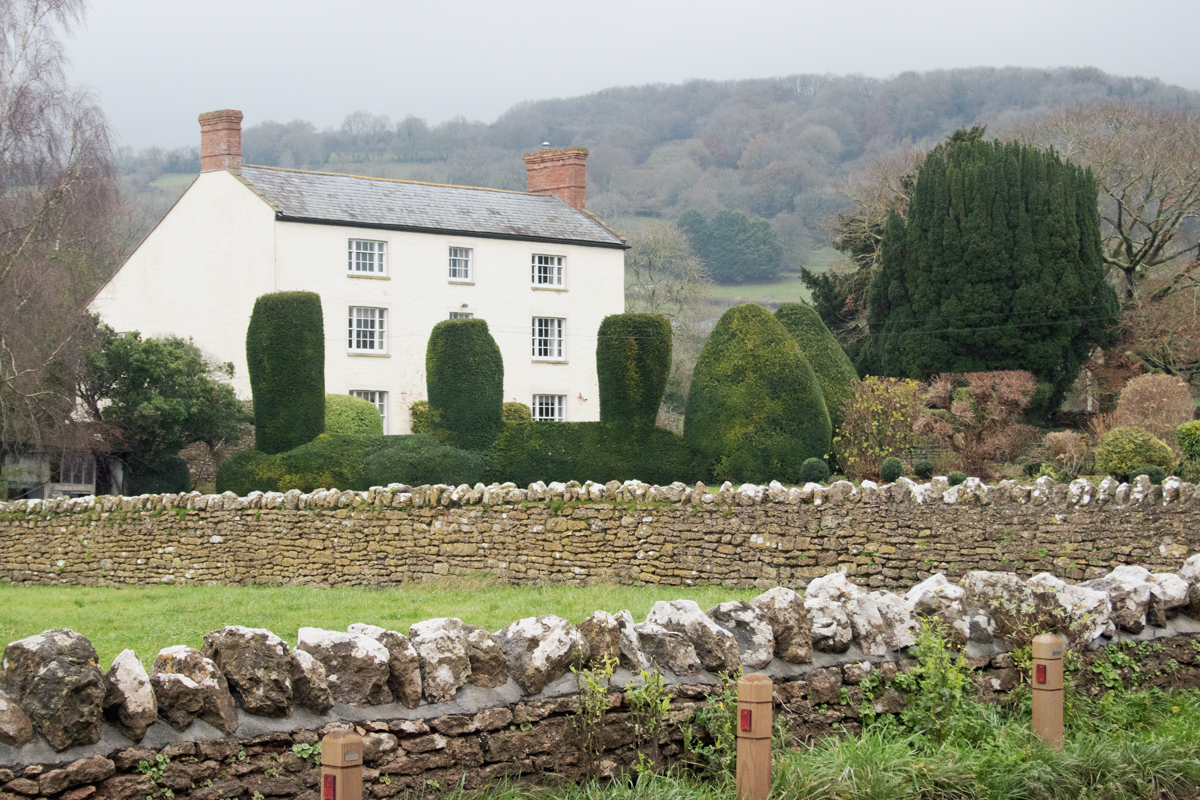

At the bottom of Stoke Street lies a farm, while the former manor house stands proud above the surrounding fields.
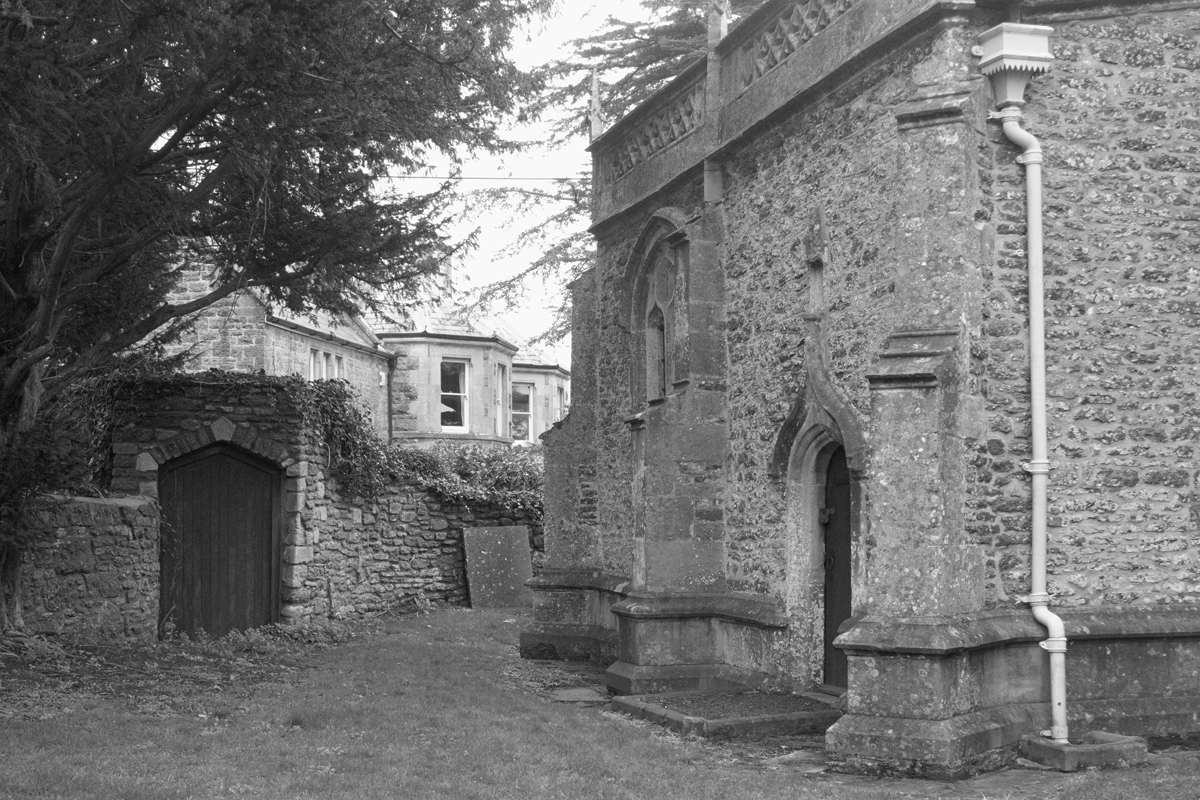
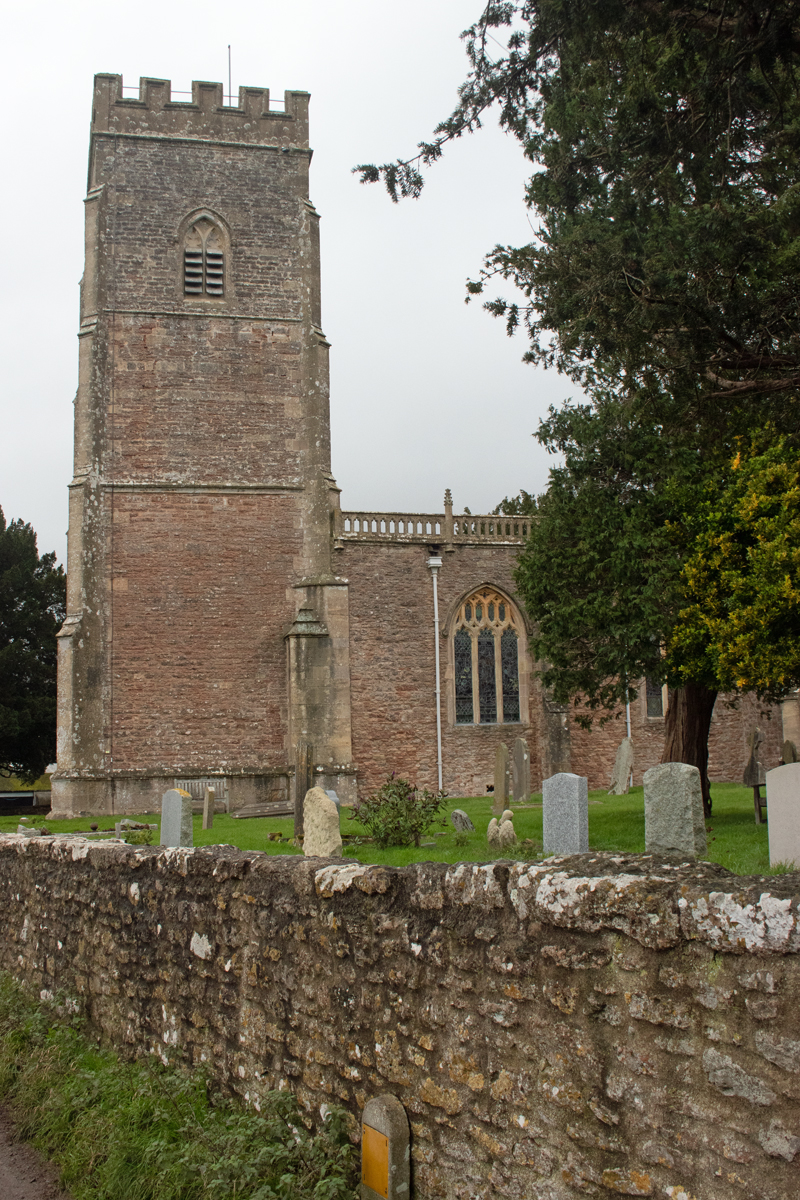
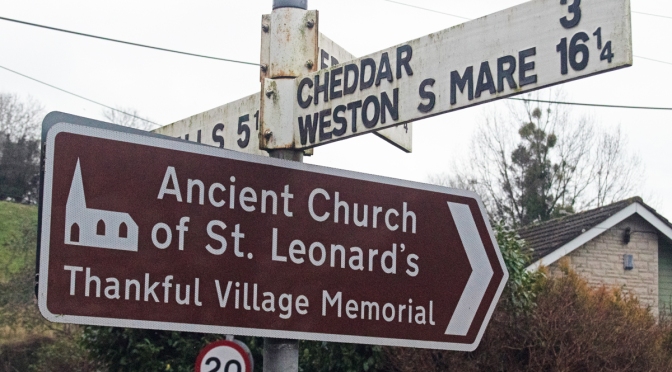
The parish church – St Leonard’s – is, unsurprisingly, place next to the manor house and, while hidden from most of the village, it can be clearly seen on the skyline from the south, standing tall and proud against the dramatic escarpment of the Mendips.

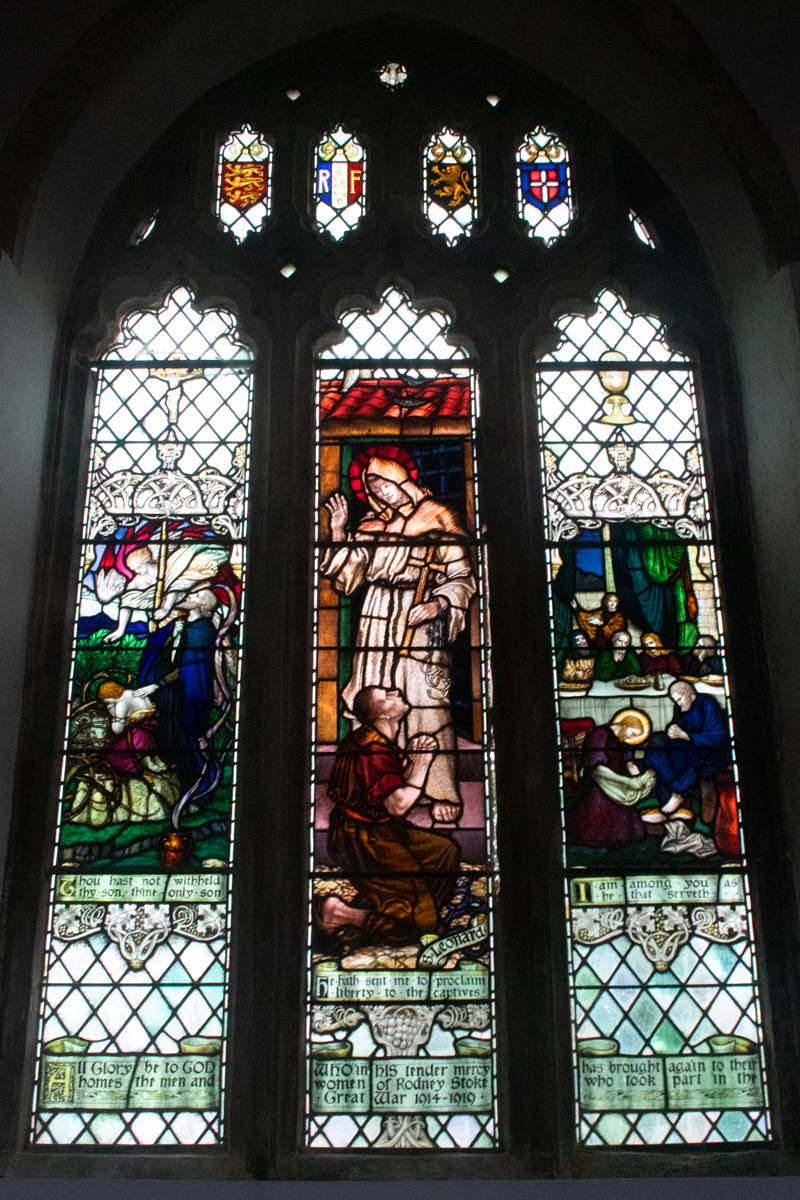
Normally, when I visit the local villages, I spent time in the churchyard looking for Commonwealth War Graves. However, Rodney Stoke stands out as one of the county’s Thankful Villages.
Fifty-three parishes in England and Wales are commemorated as having sent servicemen to war between 1914 and 1918, all of whom returned at the end of the conflict. These Thankful Villages stand out, particularly given that there are tens of thousands of towns and villages across the country.
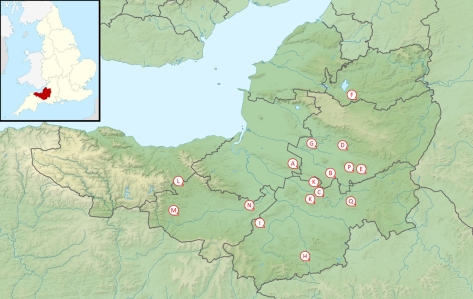
Somerset has the highest number of Thankful Villages by county, with Rodney Stoke counting as one of nine. This is celebrated by a window in the church, giving thanks that “All glory be to God, whom in his tender mercy has brought again to their homes, the men and women of Rodney Stoke who took part in the Great War 1914-1919”.
(As an aside, Rodney Stoke sadly doesn’t fit into the category of being Doubly Thankful, having seen all of their service men and women return from both world wars. Four local residents – David Cooper, John Glover-Price, Denis Thayer and James Williams – perished in the 1939-1945 conflict.)
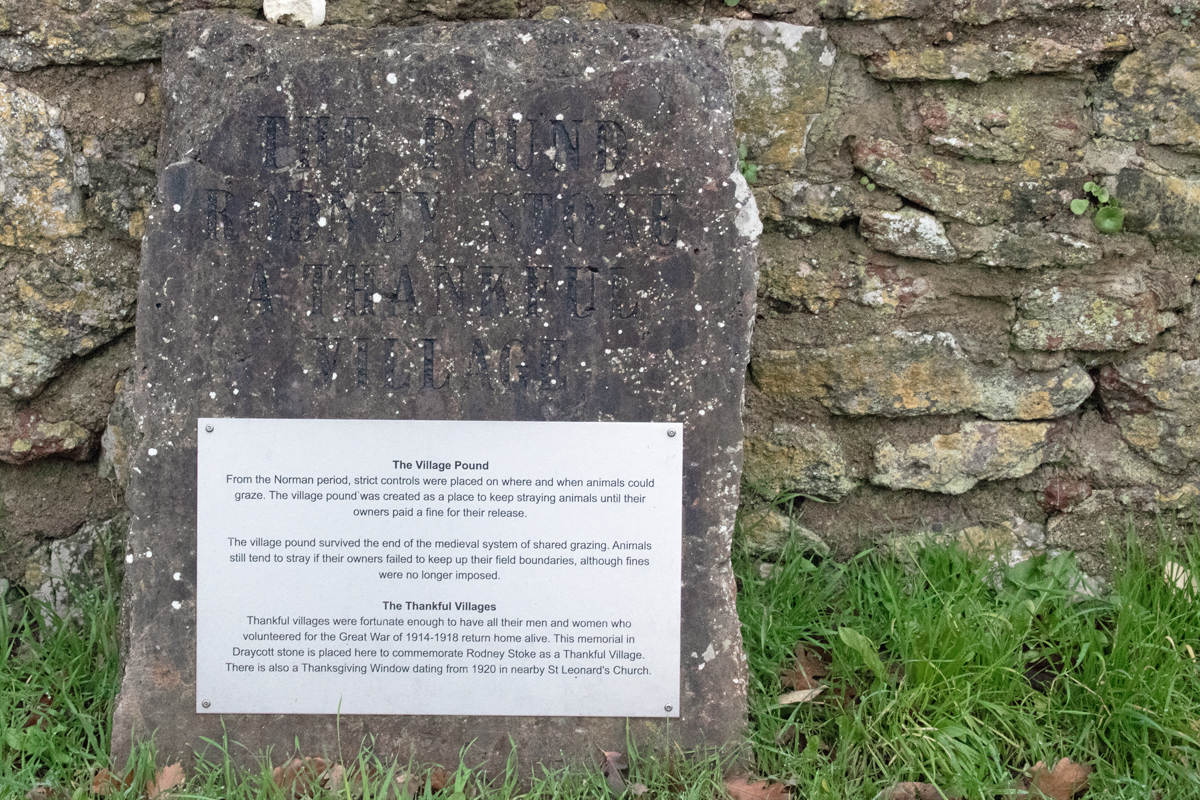
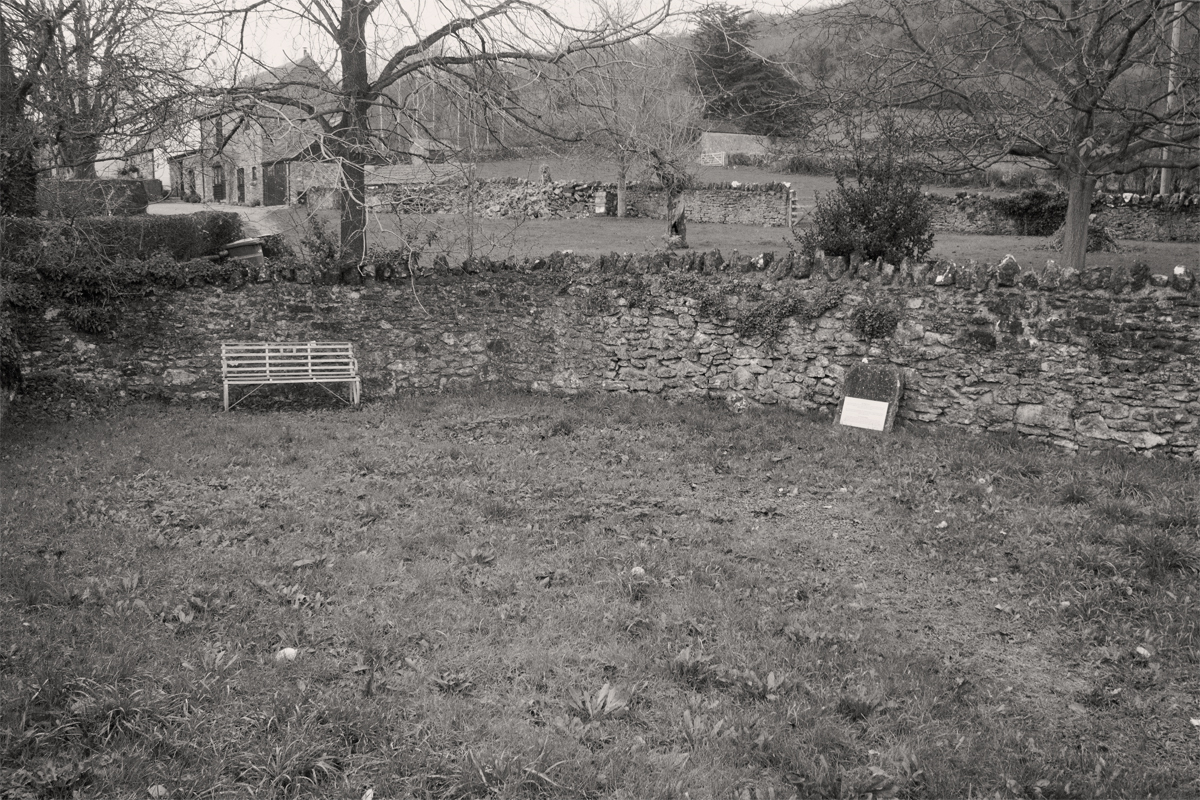
A second memorial to Rodney Stoke being thankful is situated in the Village Pound.
Since Norman times, strict controls were in place about where and when animals could graze on common land. The Pound – a walled area on the main road – was a place for straying animals to be kept until their owners paid the due fine.
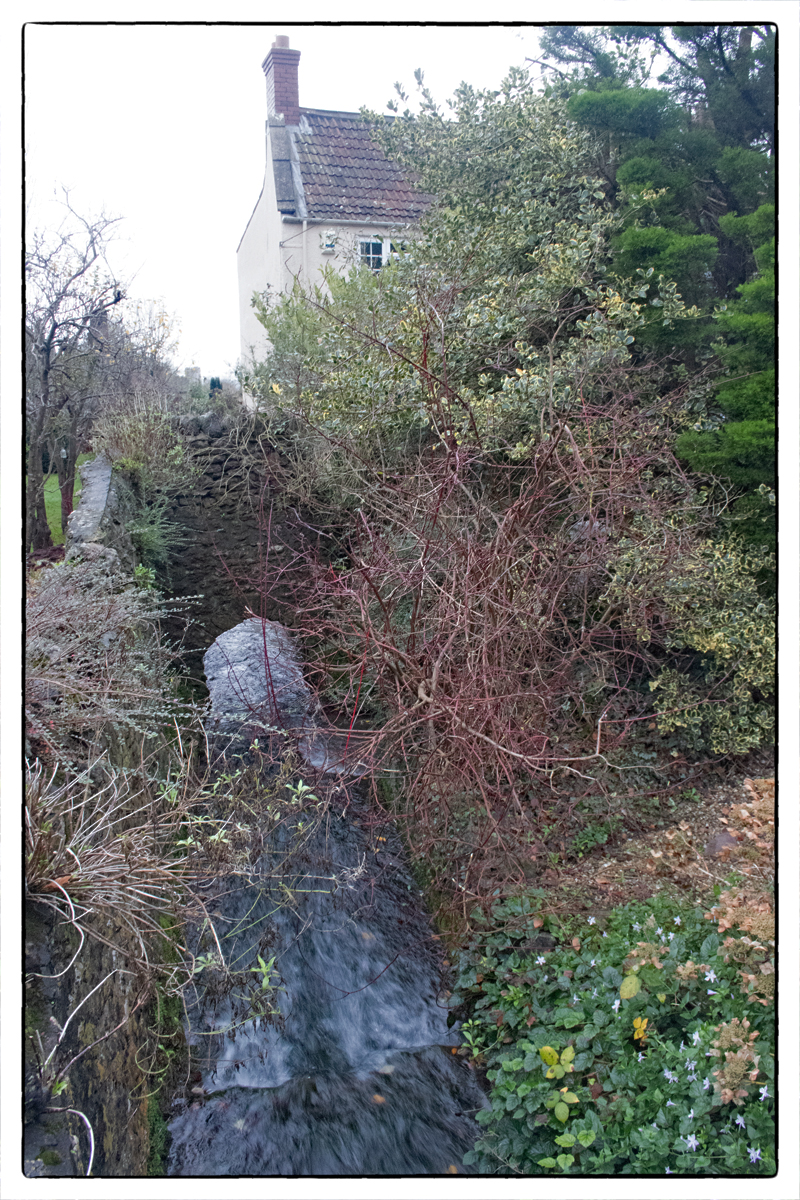


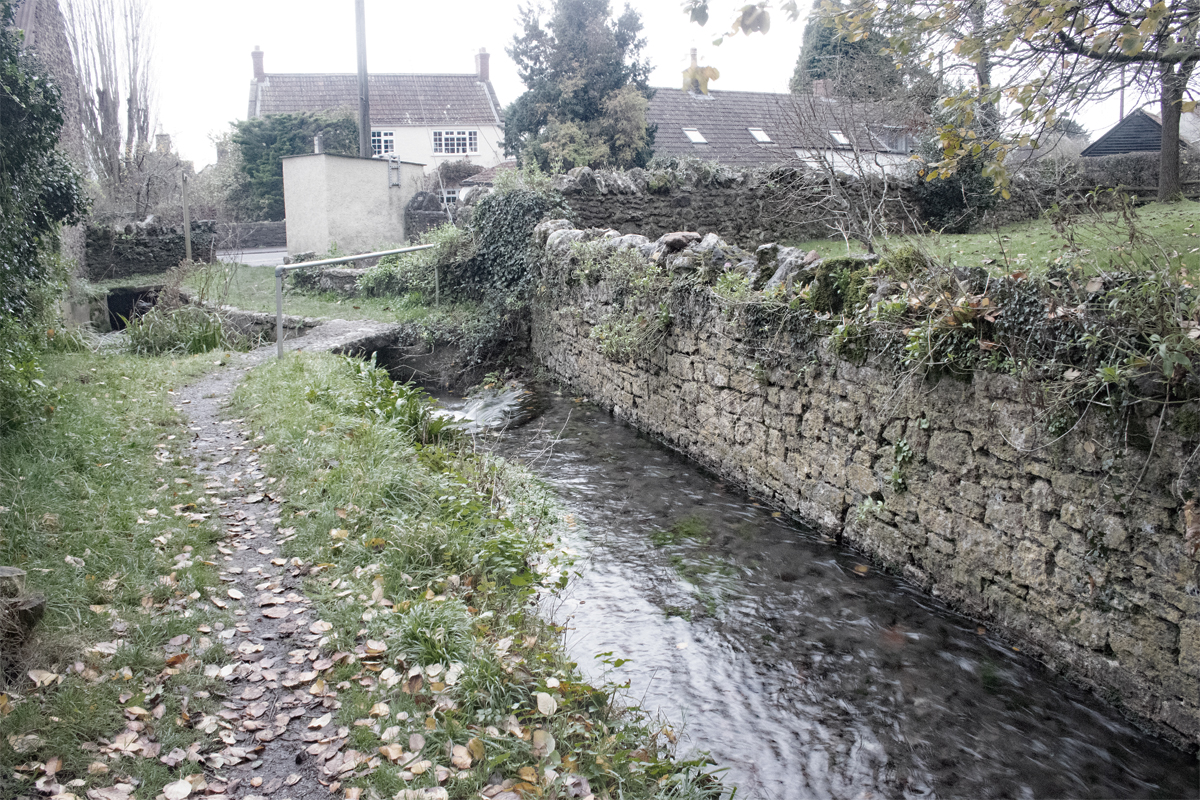
As with other villages I have visited for this alphabetical journey, Rodney Stoke is definitely worth stopping by for. To the north of the village lie the Stoke and Stoke Woods Nature Reserves , and the village pub – the Rodney Stoke Inn – must also be worth a visit!
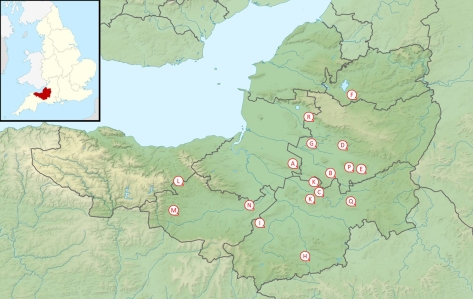
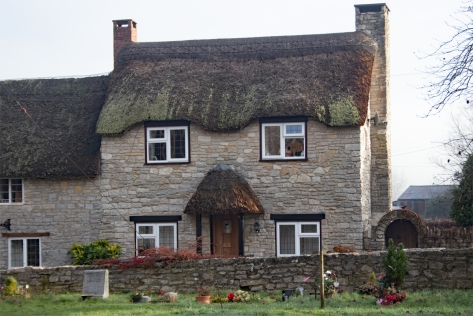
Seven miles to the north of Yeovil, lies the unusually-named village of Queen Camel. While it sits on the main A359 road, this thoroughfare dog-legs through the village, so it avoids the speeding traffic of which Othery is a victim.
The name derives from the old English word cam, meaning ‘bare rim of hills’, a word shared by the river that runs through the village. The manor of Camel was given to the crown in the late 13th century, and the name was changed to Camel Regis (“King’s Camel”). Edward I gave the area to his wife, Eleanor, and so the name Queen Camel was born.
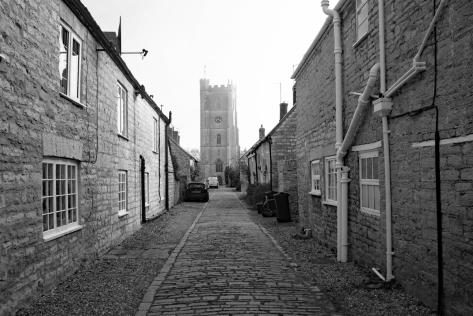
One of the highlights of the village is Church Path, a cobbled road that leads from the centre of Queen Camel to St Barnabas’ Church.
The church itself dates from the 1300s, and, despite the main road, is surrounded by a quiet churchyard and allotments. Additional architectural elements – including an imposing porch on the south side – were added in the 19th century, as part of Queen Victoria’s Golden Jubilee celebrations.

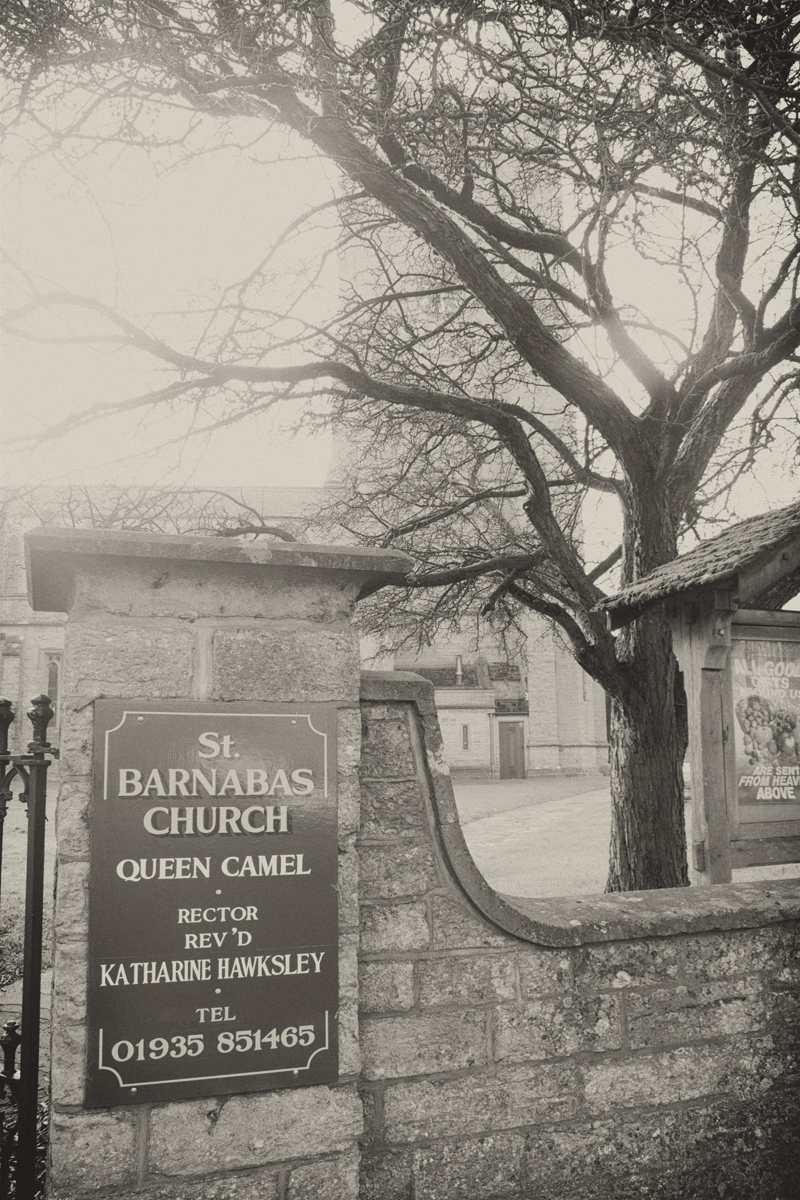
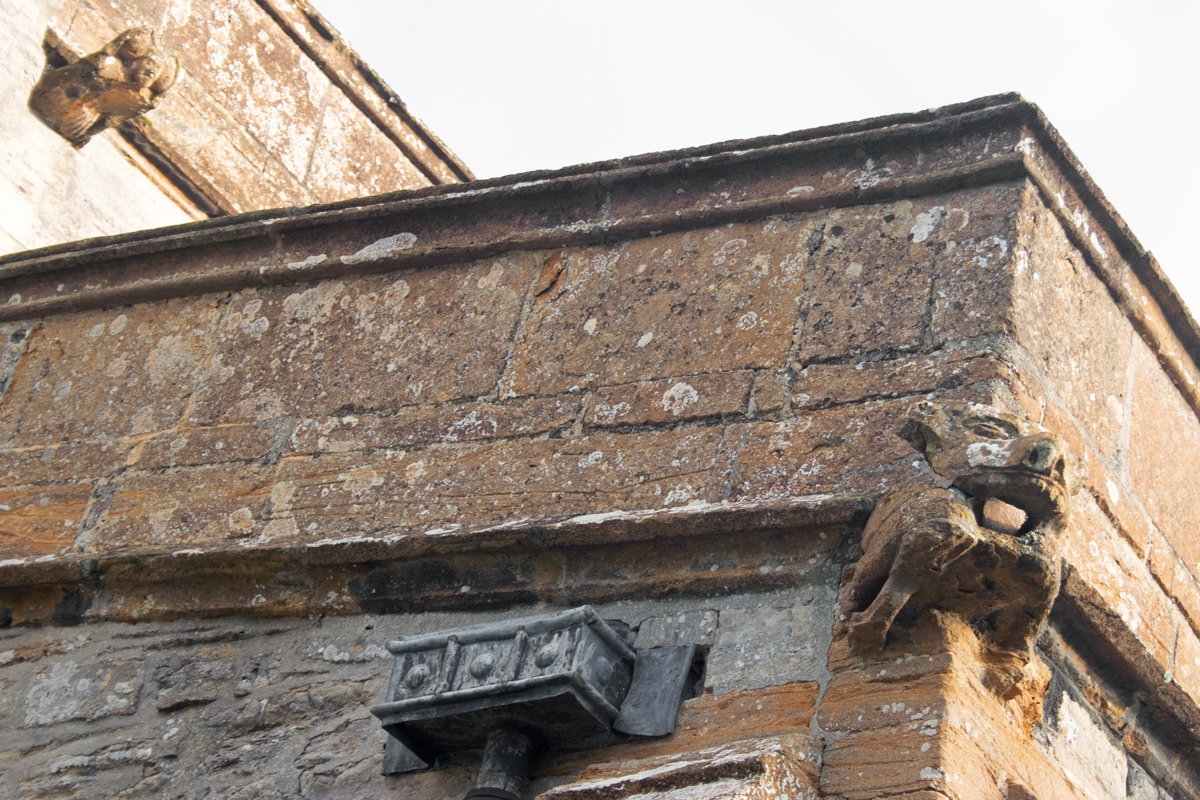
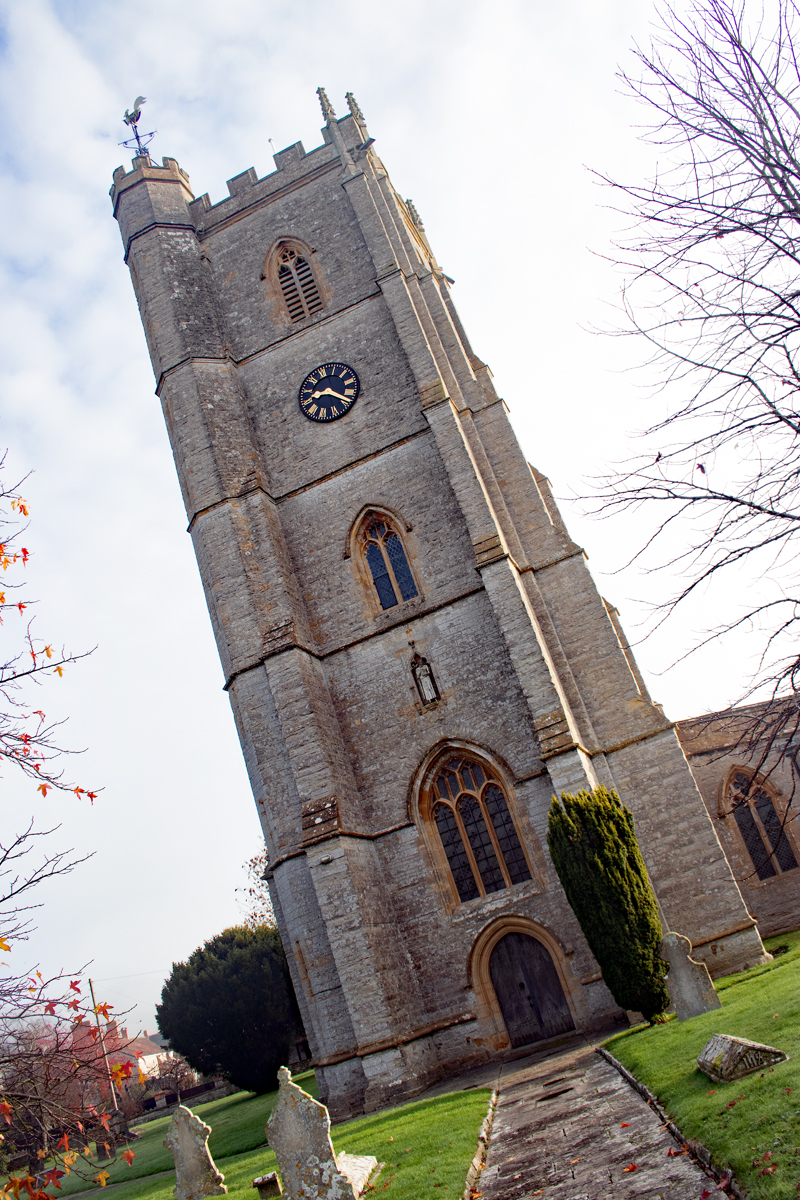

The churchyard includes a gravestone to Seaman Donald Burgess, who died in the Great War, aged just 17 years old.
Details of his life can be found on the CKPonderingsCWG site, which is dedicated to those who lost their lives as a result of that conflict.

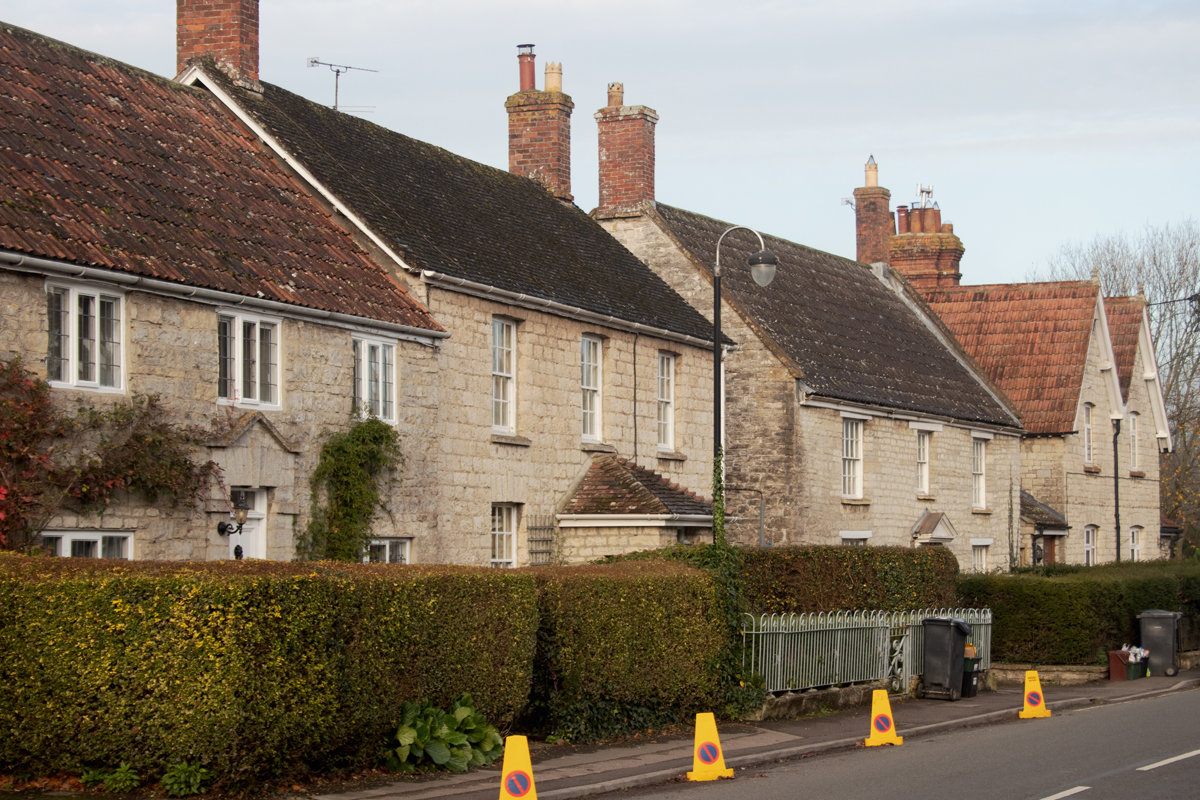


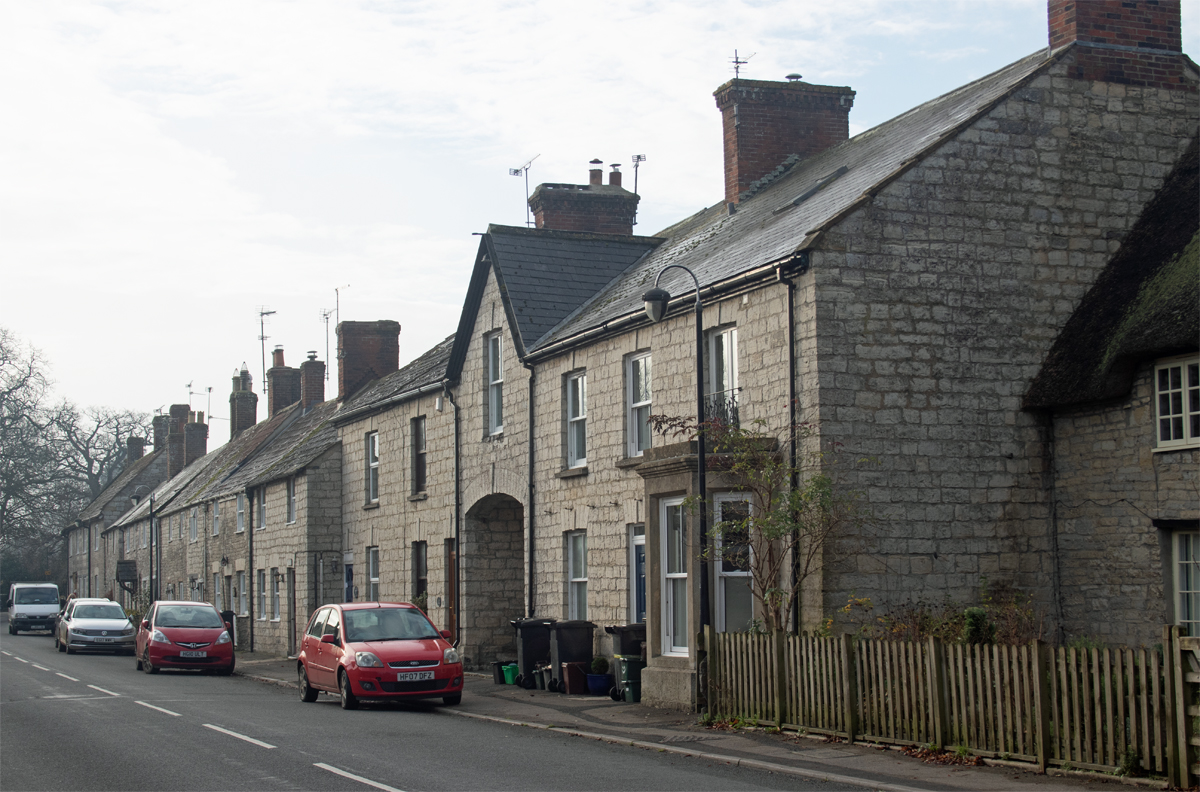
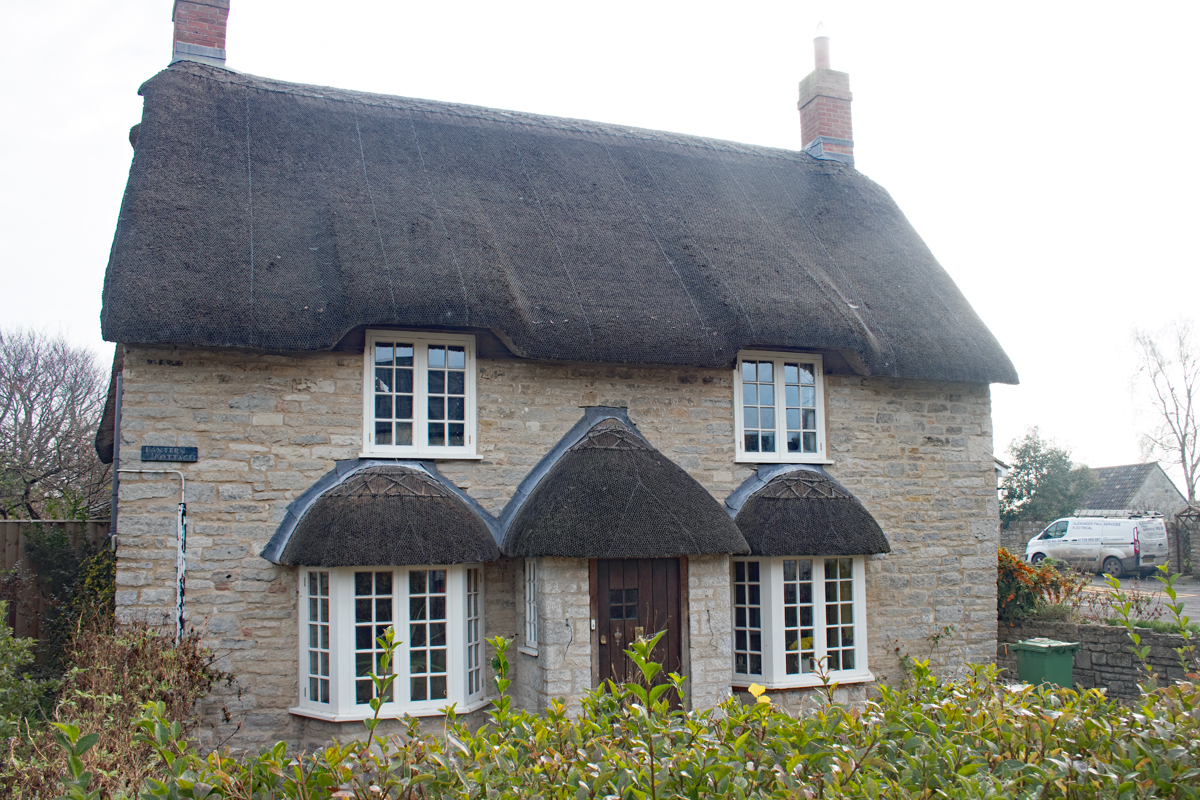

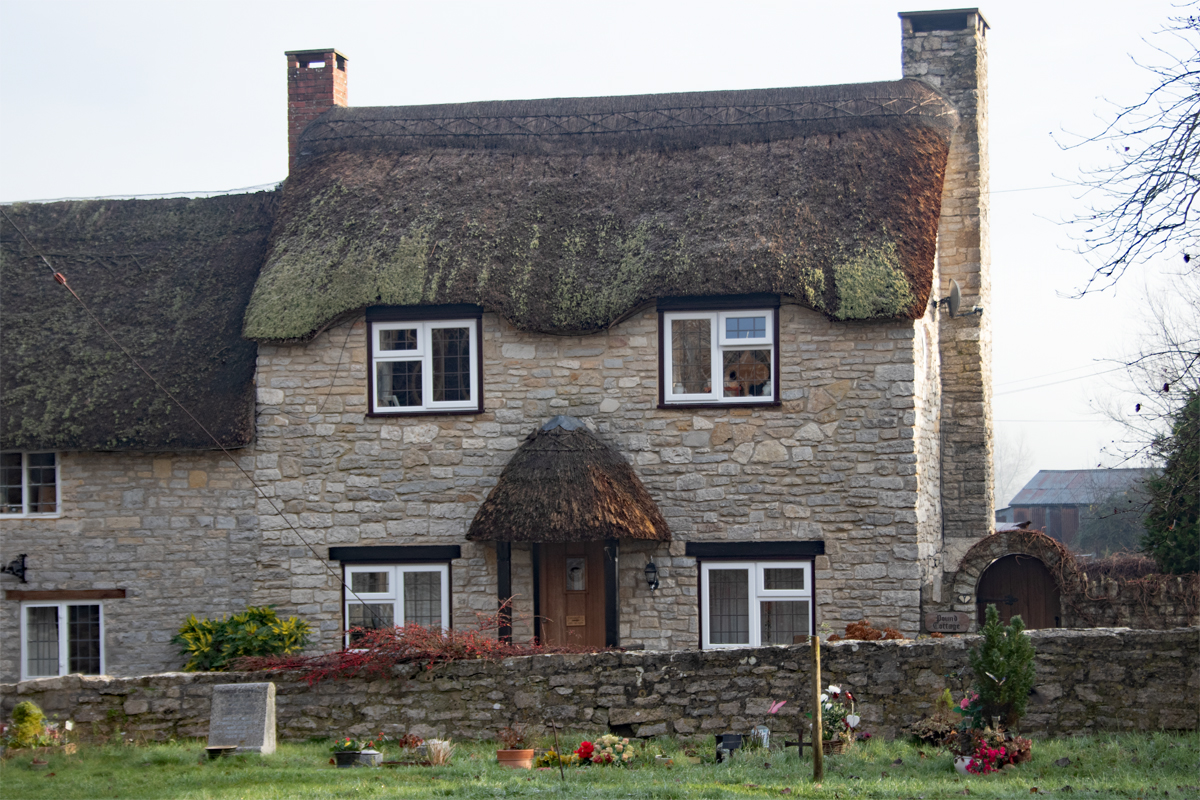
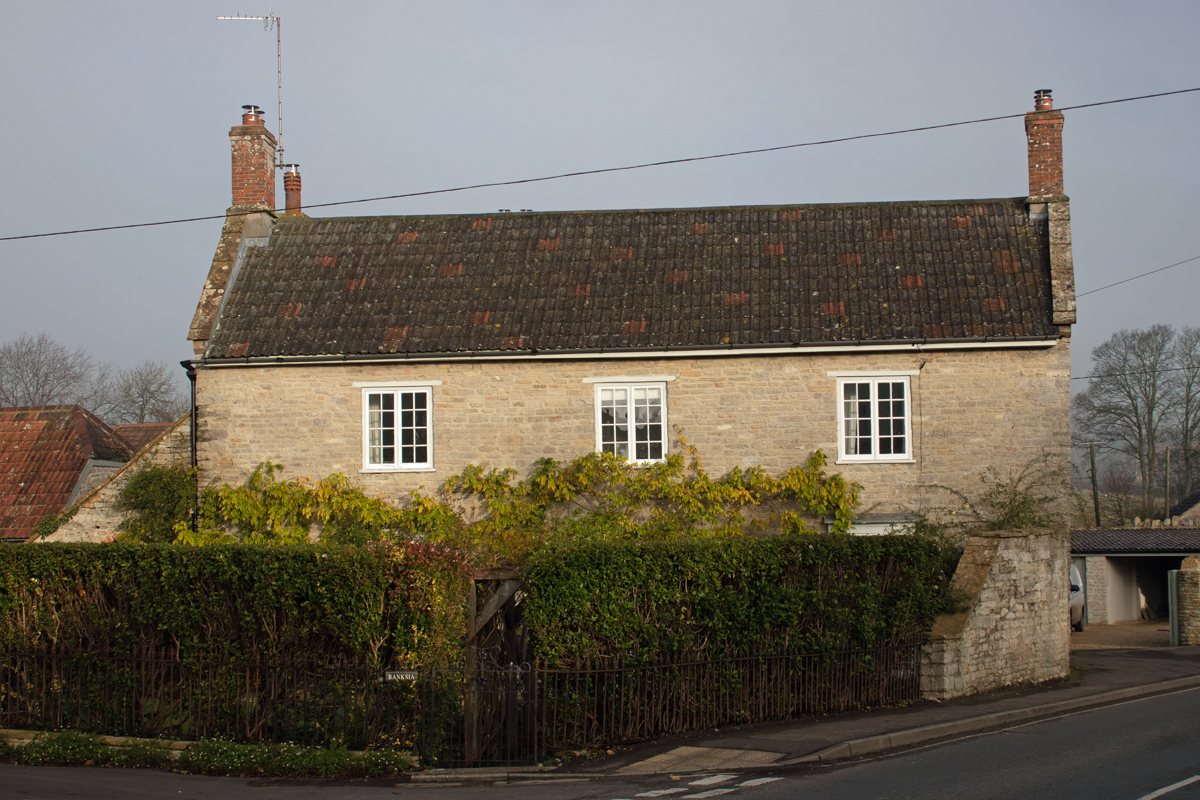


The houses in the village are all local stone, and while some are from the early 2000s, they fit in almost seamlessly with the old structures around them.
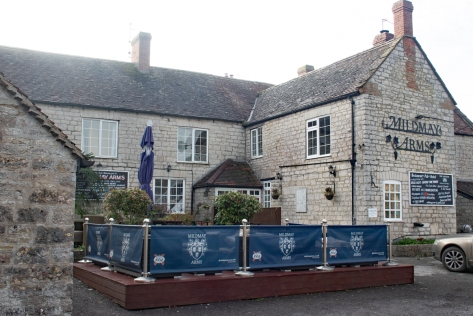
The Mildmay Arms is the village pub; again, it is reminiscent of a coaching inn, and was likely used as such at some point in its history.
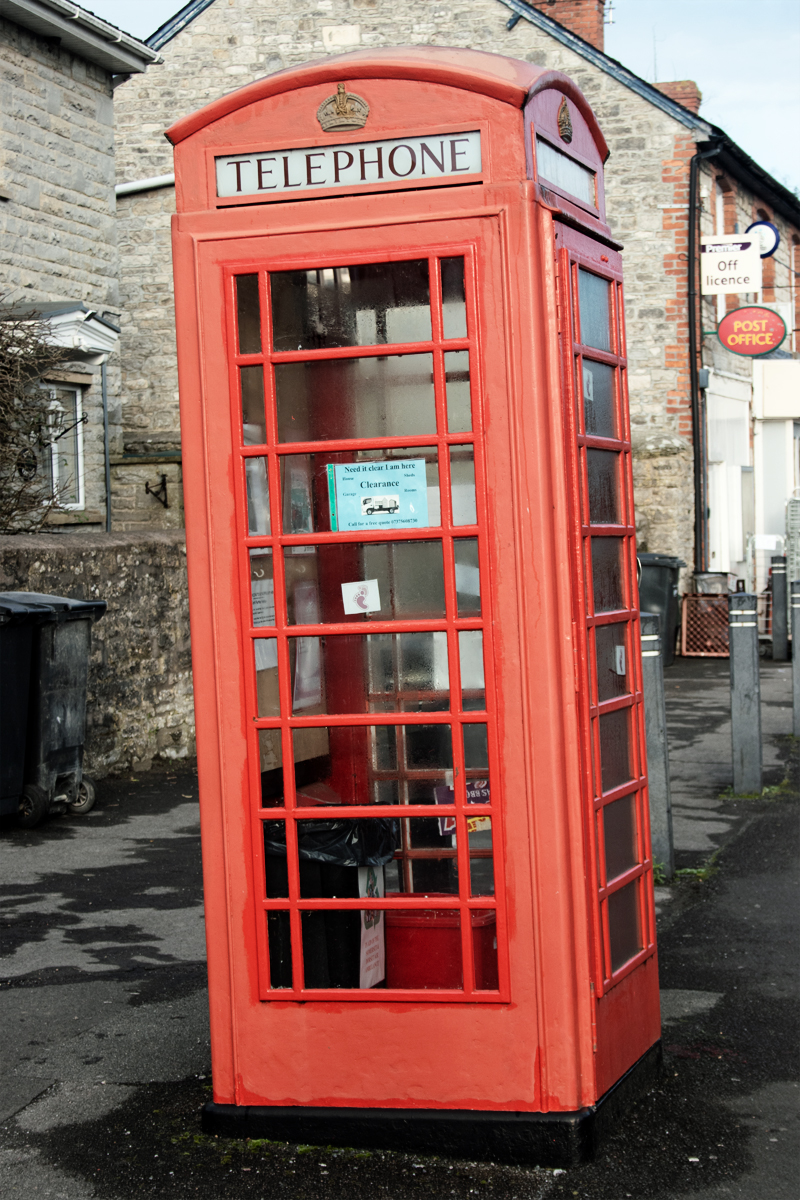
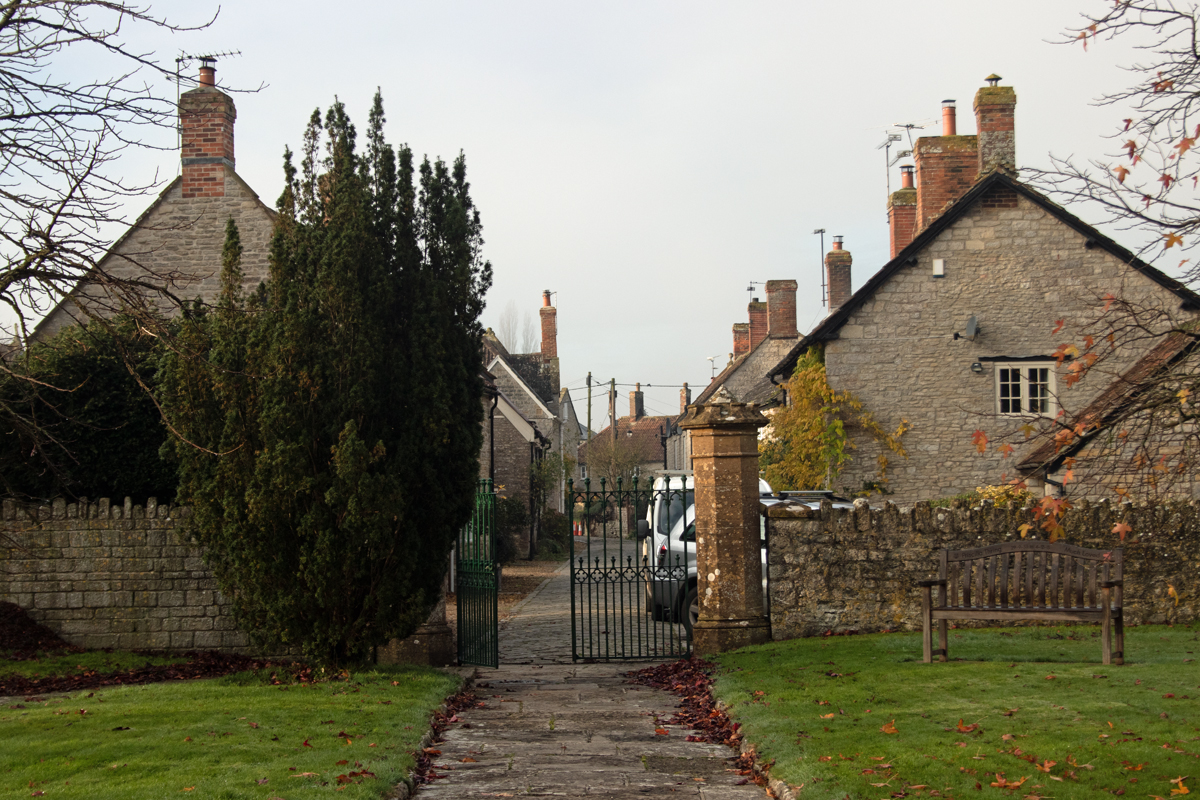
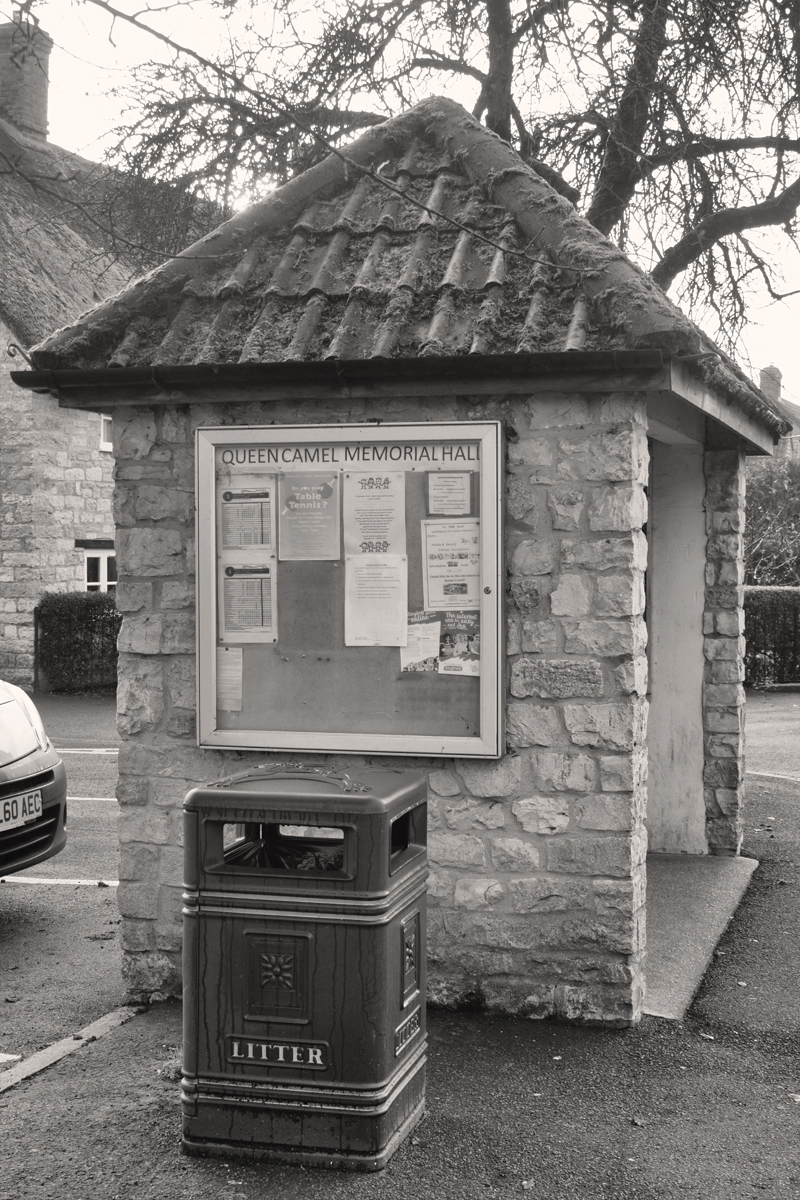
Queen Camel has an undoubted village feel; with a population of less than 1000 people, there is a definite sense of community here.
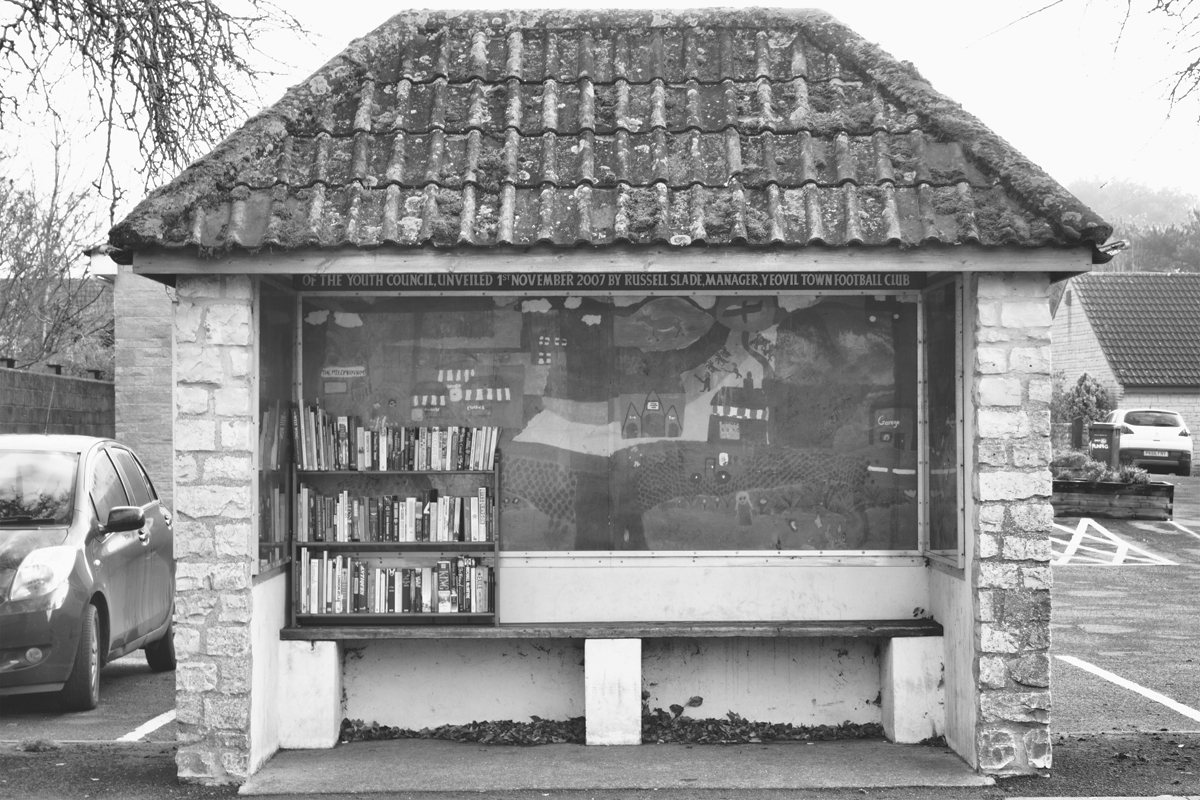
A former bus stop – standing outside the Memorial Hall – now houses a mural dedicated to the village’s history, as well as a book swap station.
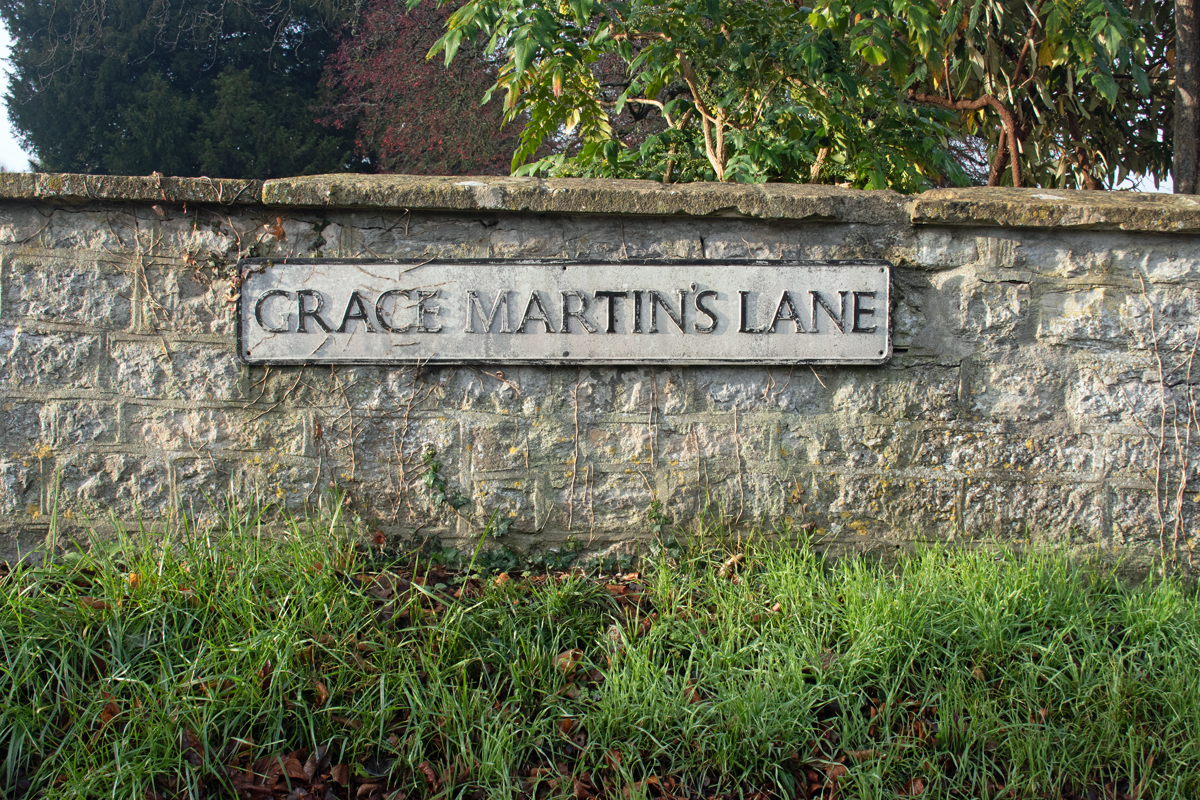

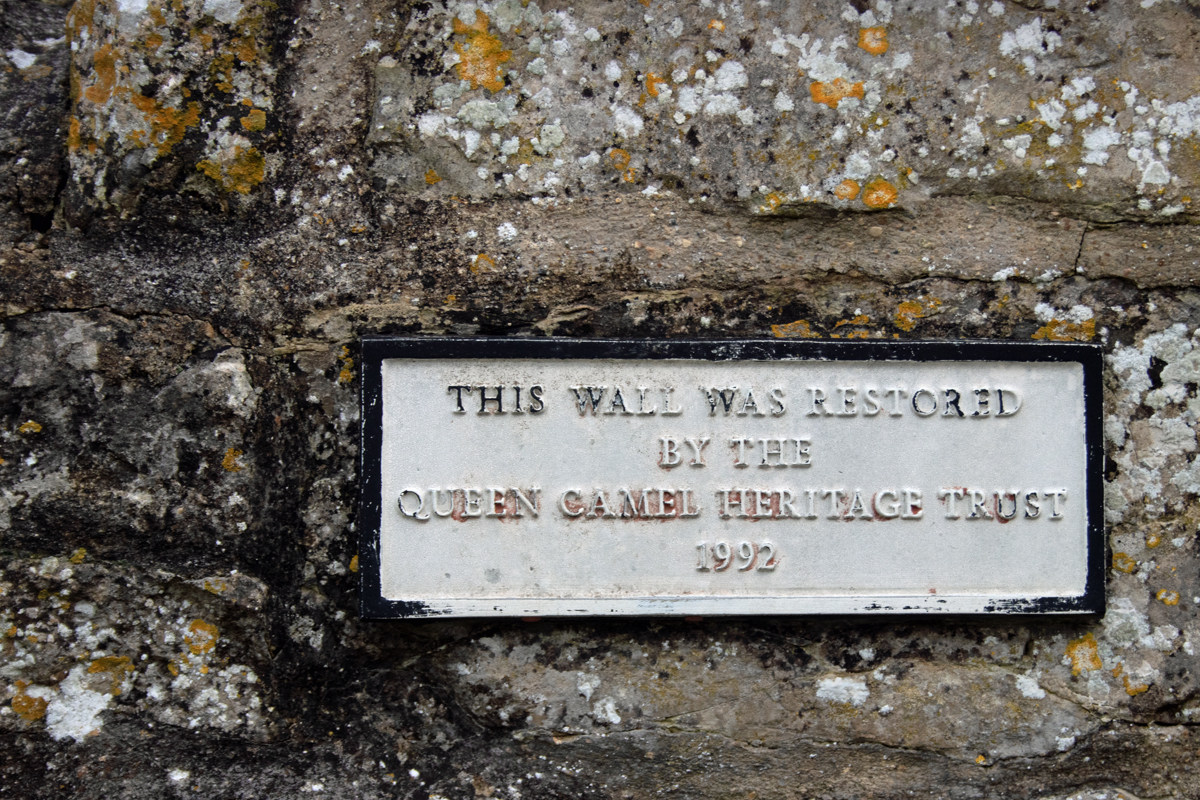
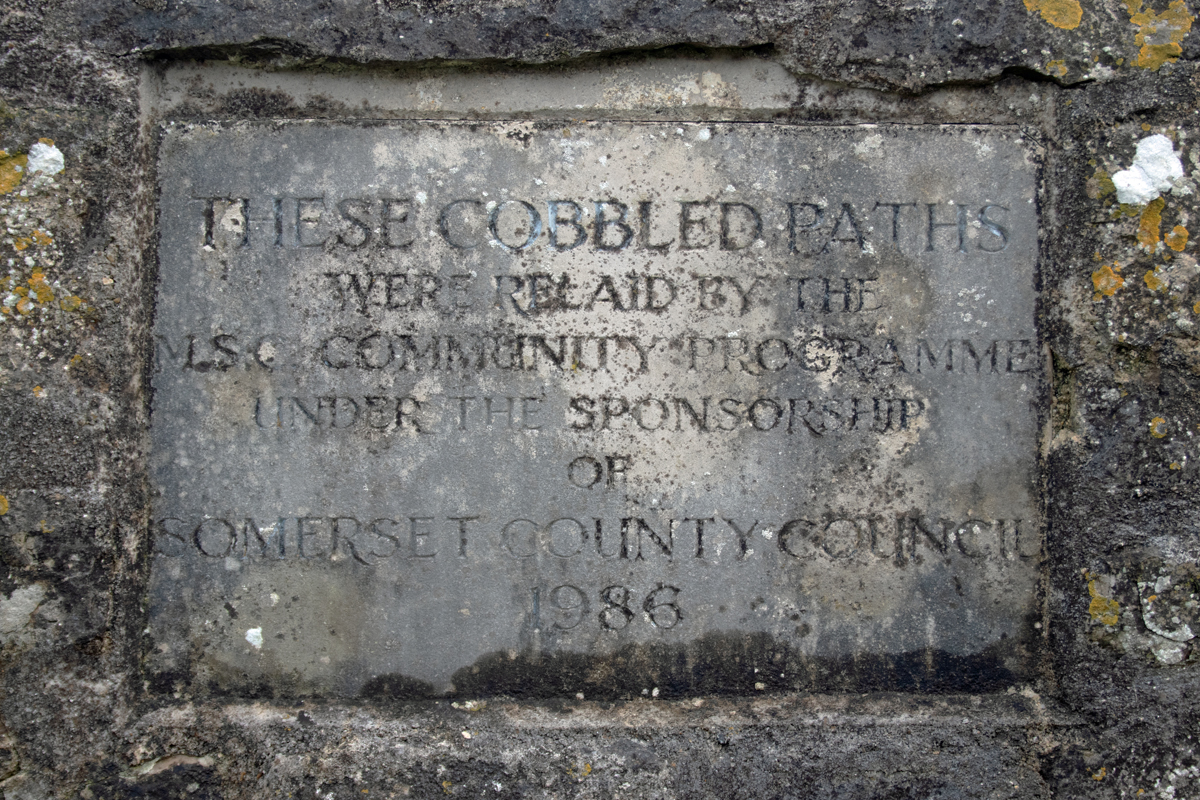

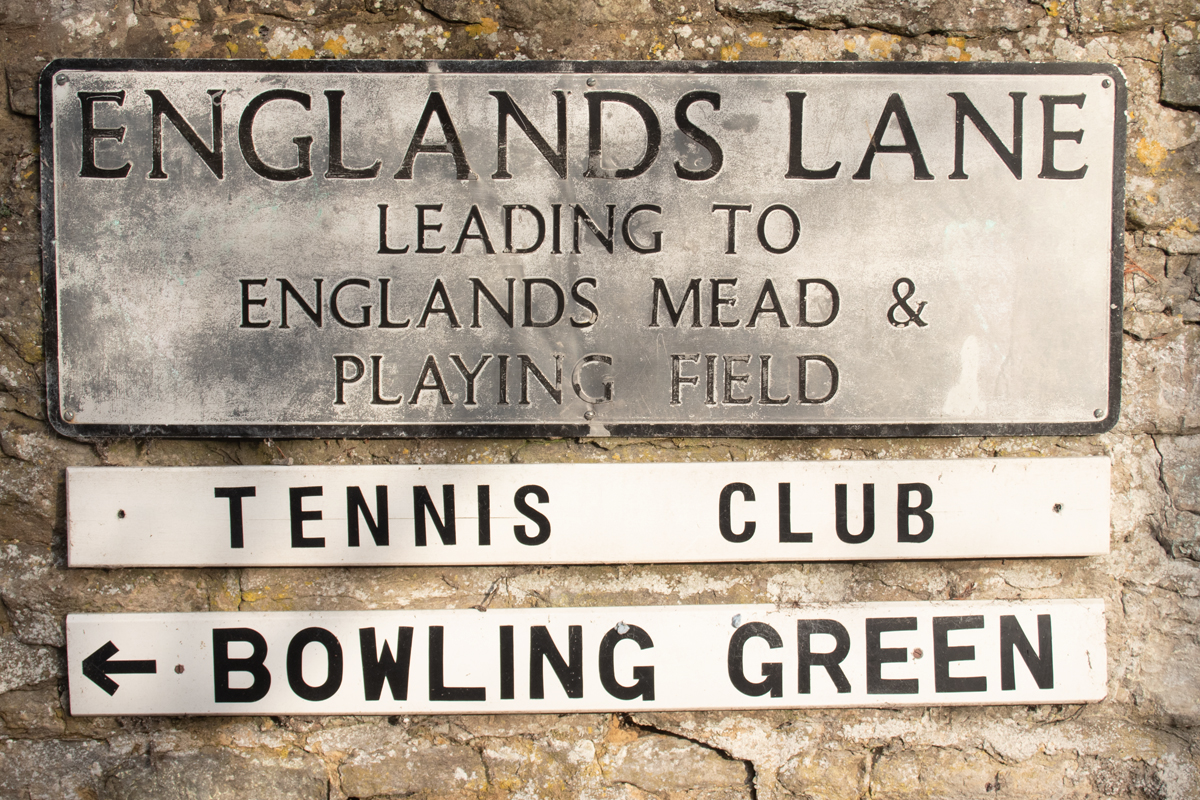
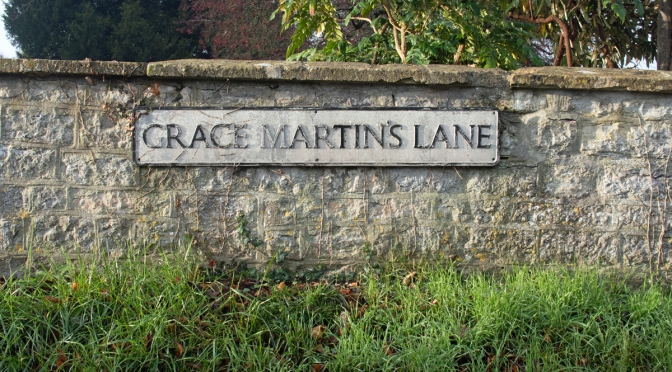
There is a lane in Queen Camel that is dedicated to a Grace Martin; I have not been able to find out much about her. There is someone by that name – the daughter of John and Judith Martin – baptised in St Barnabas’ Church in July 1744. Beyond that she remains a mystery.
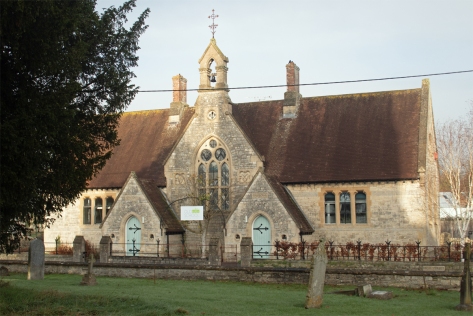
Despite its location, Queen Camel is a peaceful place to visit; a lovely addition to the Somerset A to Z.
Commemorating the fallen of the First World War who are buried in the United Kingdom.
Looking at - and seeing - the world
Nature + Health
ART - Aesthete and other fallacies
A space to share what we learn and explore in the glorious world of providing your own produce
A journey in photography.
turning pictures into words
Finding myself through living my life for the first time or just my boring, absurd thoughts
Over fotografie en leven.
Impressions of my world....



 CKPonderingsToo