Moving on through the highways and byways of Somerset, the next destination is the village of Dinder.
Literally meaning “the house in the valley”, Dinder lies three miles east of Wells and is nestled alongside the River Sheppey.
The village is smaller than Ashcott, Baltonsborough and Charlton Mackrell, and has a population of less than 200 people. There are no shops, pub or school, and the three farms – Higher Farm, Lower Farm and Sharcombe Farm – are interspersed with the houses of those who farmed them.
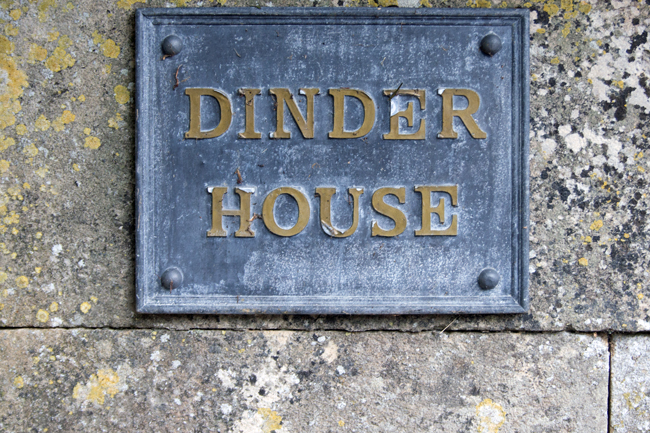
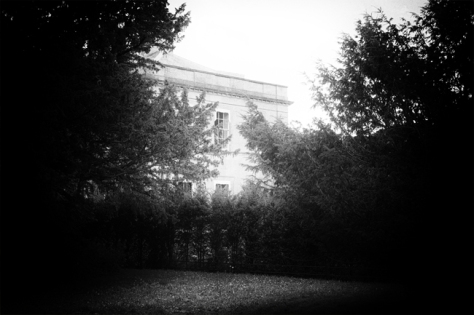
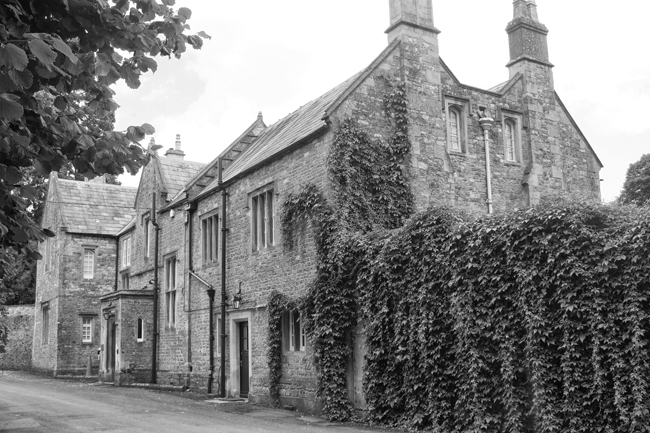
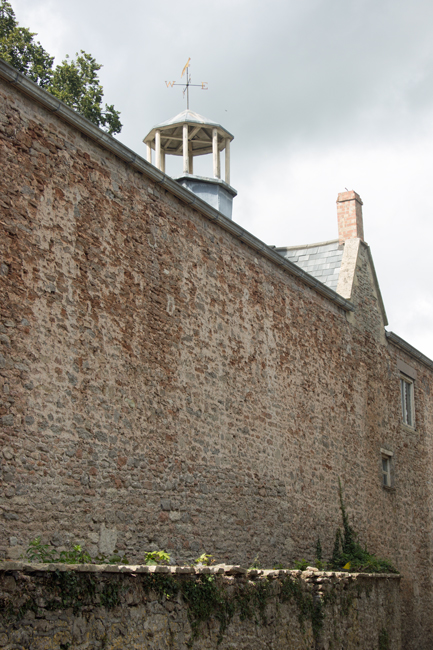
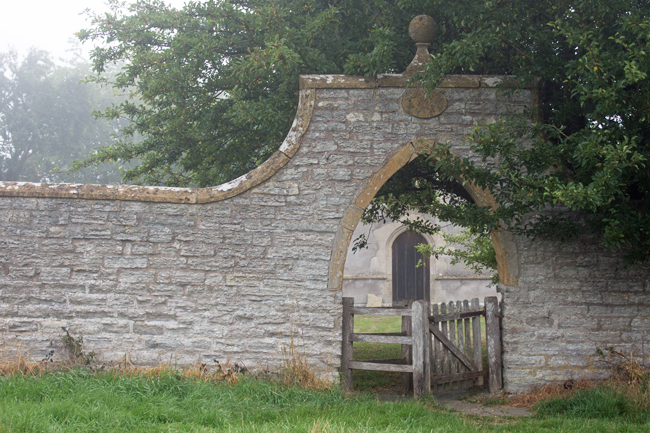
Not all of the houses are farmworkers cottages, of course. The “house in the valley” is Dinder House itself, shielded from prying eyes by a series of high walls and enveloping trees.
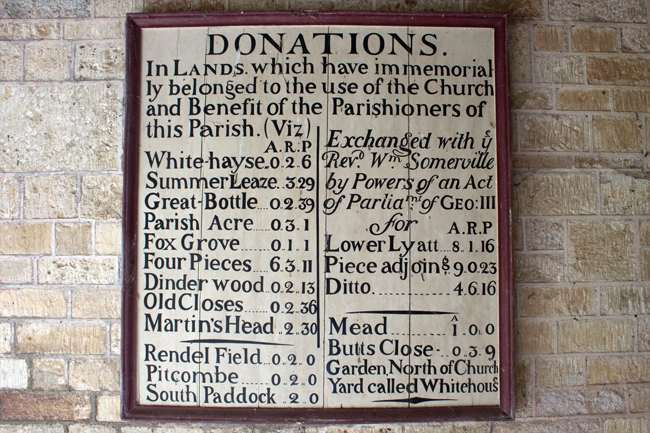
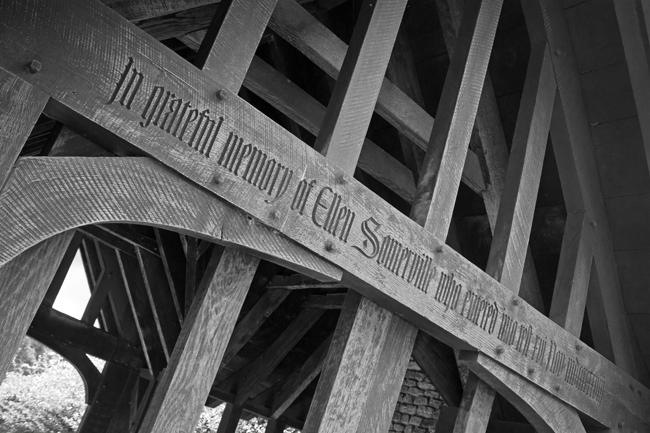
The house – built in 1801 – replaced the previous manor house and was designed and constructed by the Somerville family, who owned the manor and estate. Although the family line ended in 1949, the Somervilles are recognised and commemorated throughout the village, for everything they brought and gave to the village.
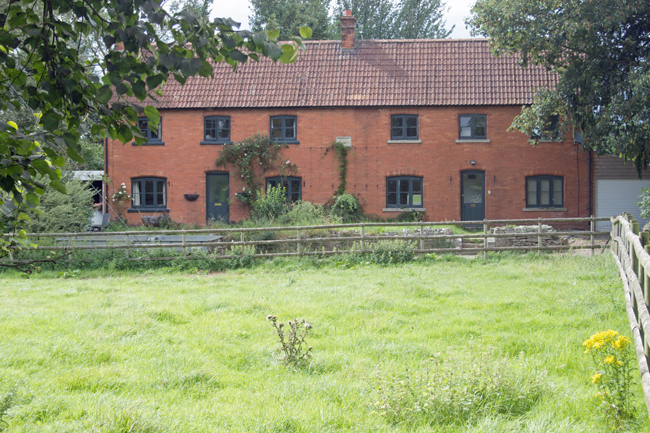
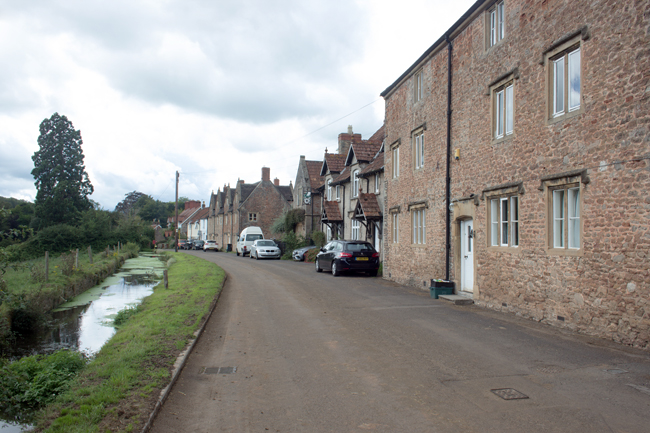
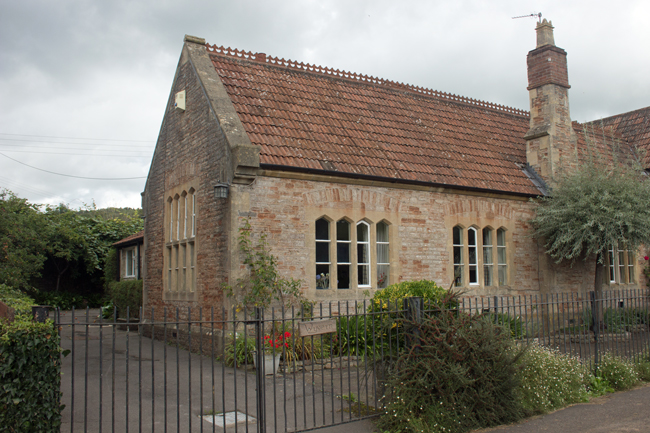
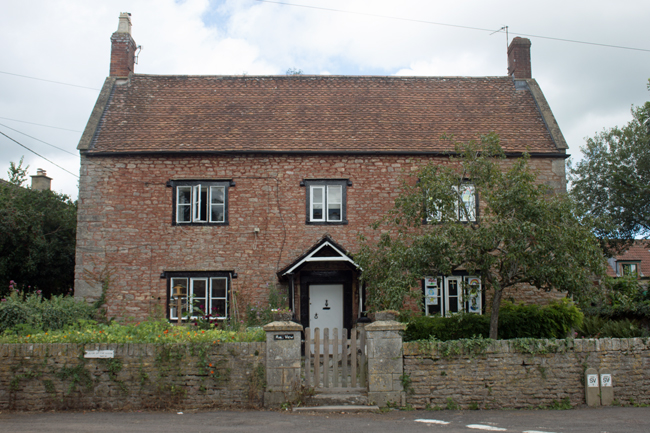
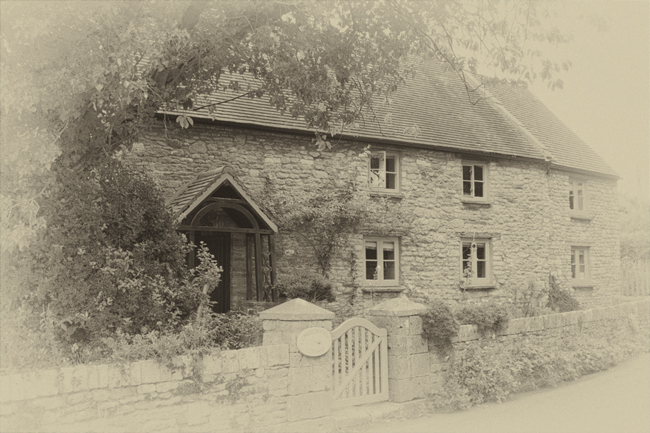
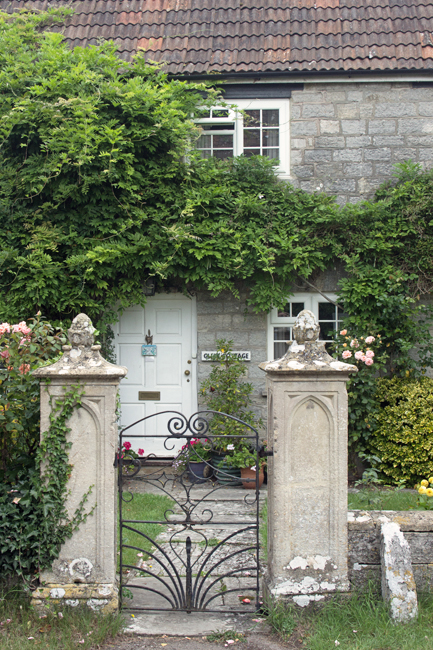
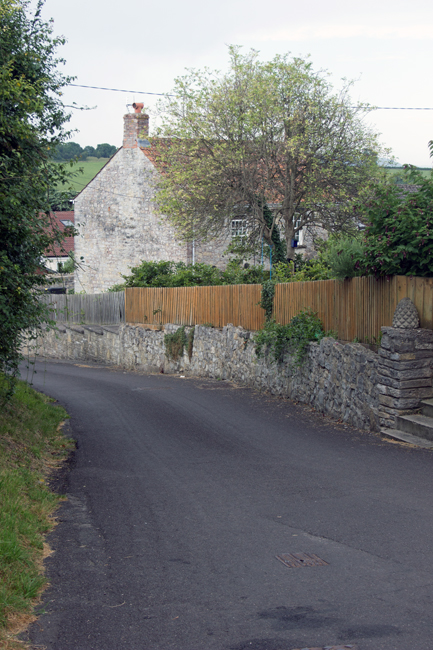
The other houses in the village are a mixture of styles, but all showing an age and giving off an air of respectability.
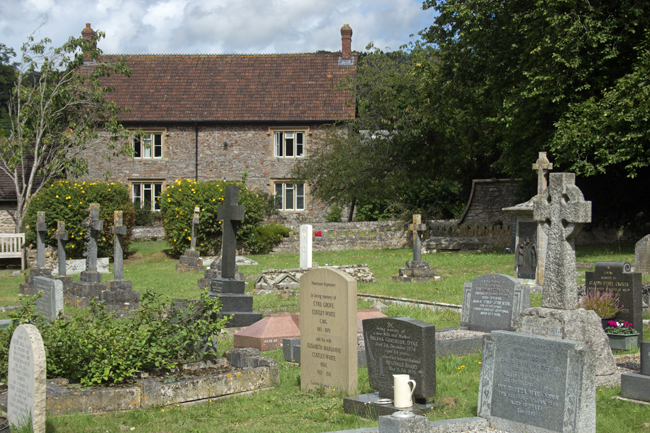
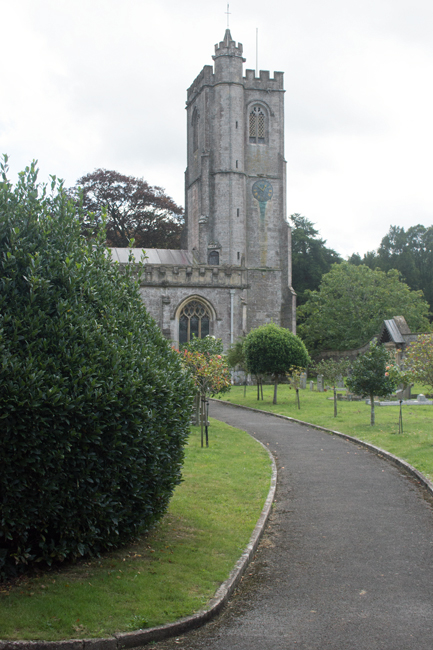
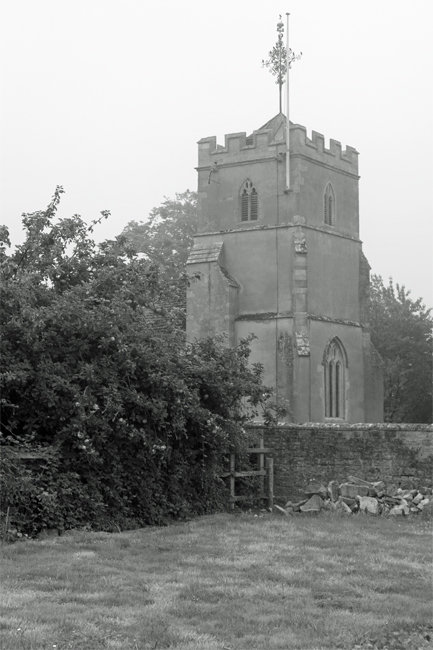
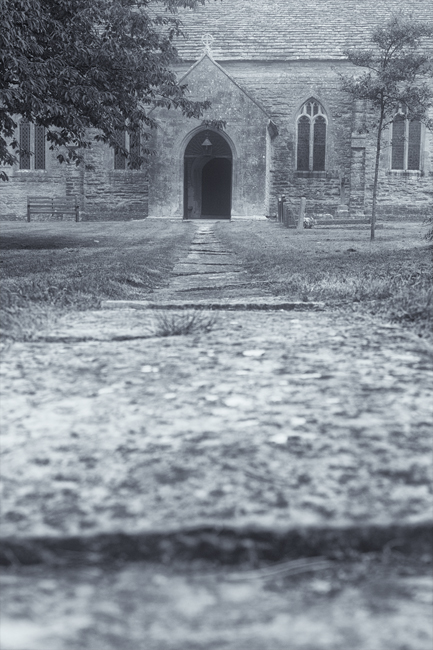
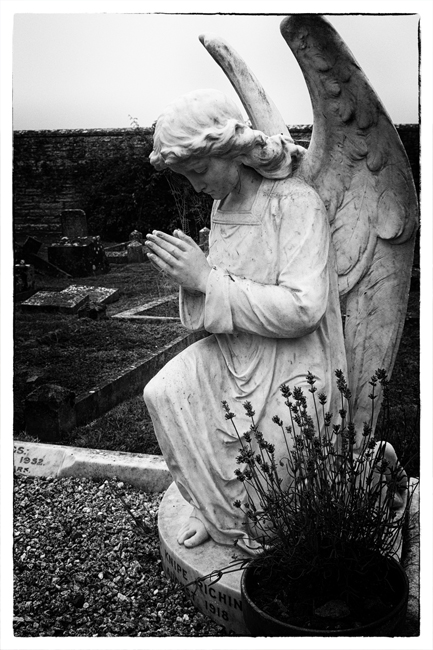
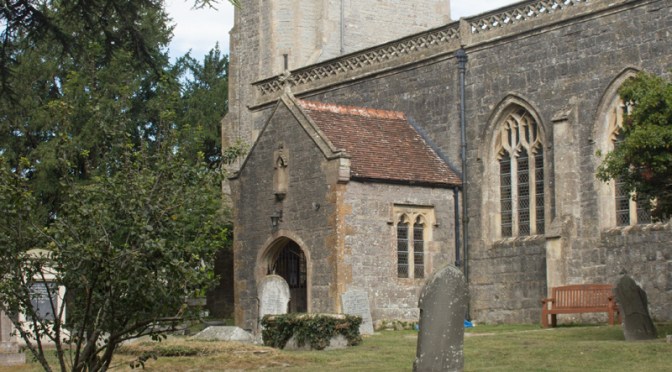
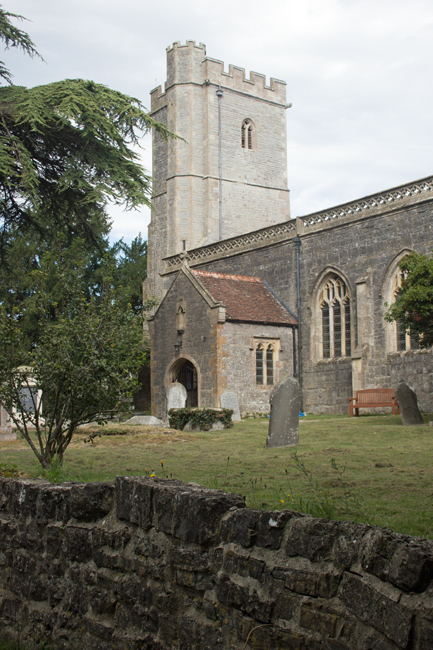
Dinder’s parish church – St Michael and All Angels – is a typically English affair; while it was locked on the day I visited, it seemed warm, welcoming and peaceful in the extreme, with an open churchyard, sitting alongside the manorial house.
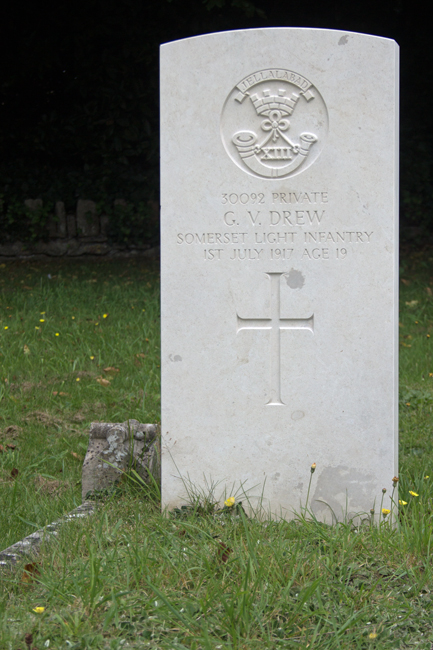
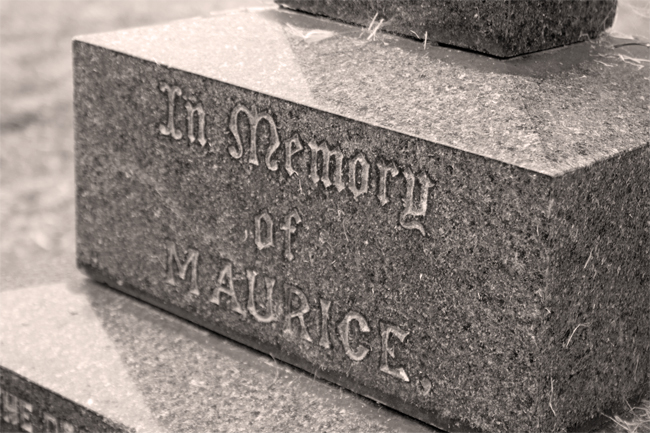
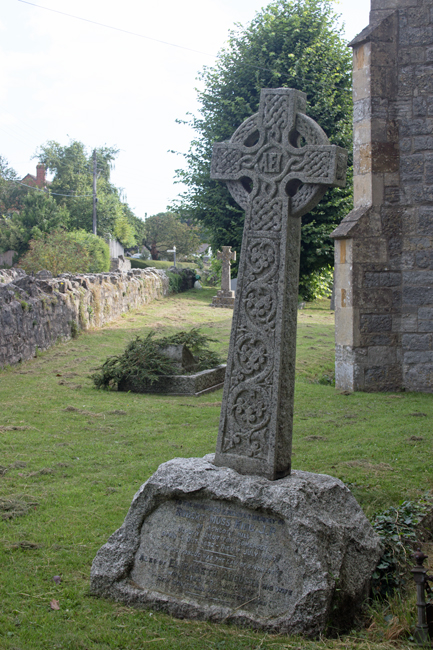
Sadly, Dinder was not without its share of wartime losses; this is underlined in the churchyard, where a grave commemorates Private GV Drew of the Somerset Light Infantry.
Gilbert Victor Drew was born in 1898, the youngest of the eight children of James and Theresa Drew, a groom/coachman and laundress respectively.
He enlisted 11th December 1915 and joined the 1st Batallion Somerset Light Infantry. While I have been unable to fond any specific details, Private Gilbert would have seen action on the Western Front. He was discharged from the army on 3rd February 1917 as, according to the records, he was “no longer physically fit for war service.”
Private Gilbert Victor Drew died on 1st July 1917, and was buried in the graveyard of the Church of St Michael in his home village. He was one of six villagers to fall during the Great War.
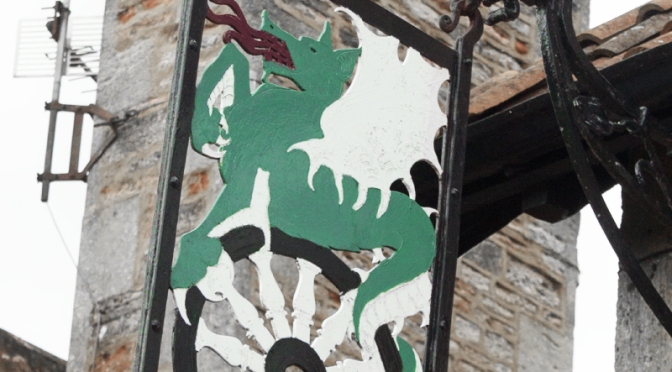
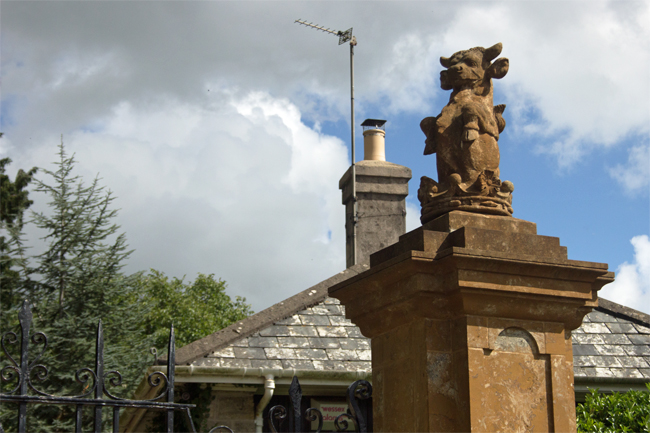
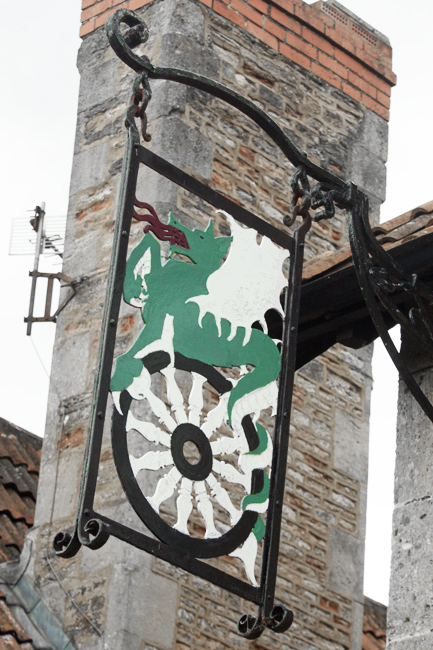
Dinder also has hints of a more mythological past too. One of the houses on River Road has an iron sign hanging outside; this is the Somerville family crest, a green dragon breathing fire.
The dragon is replicated around the village, from finials on houses roofs to a crest within the church and the tale of the Dinder Worm is one that dates back to the early 1200s.
A terrible dragon was terrorising the villagers and their livestock, and Bishop Jocelyn of Wells was called upon to save them. He rode out to encounter the beast with his soldiers, but at the last minute commanded them to remain at a distance while he rode on and single-handedly beheaded the Worm, saving the village from certain disaster.
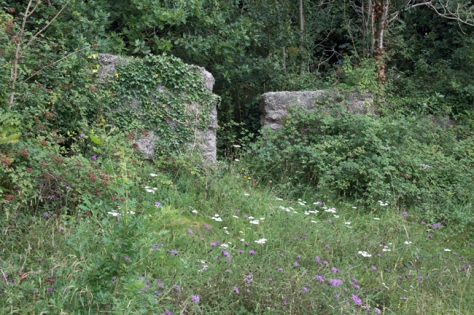
To the north of the village, a series of mysterious concrete blocks lie alongside country lanes. These are tank traps, and formed a part of the defensive protection for the area during the Second World War.
According to records, an anti tank ditch was dug round Wells and Dinder, circling Maesbury Ring. Bent railway lines were stuck into slots in the road to stop armoured vehicles and clusters of concrete blocks were cast to keep the enemy tanks where the defenders could see and hit them.


























 CKPonderingsToo