Tag Archives: Architecture

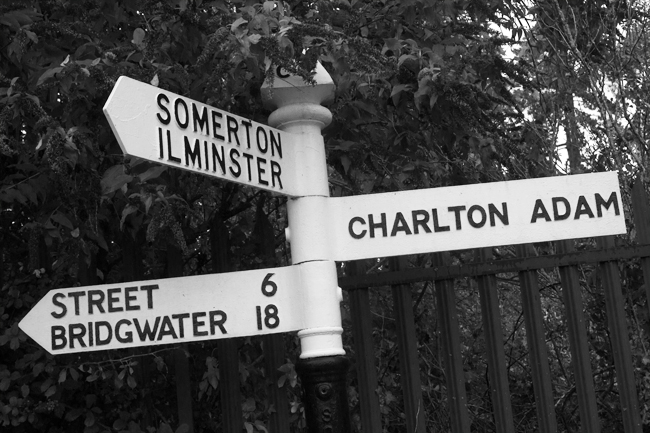
An A-Z Of Somerset: Dinder

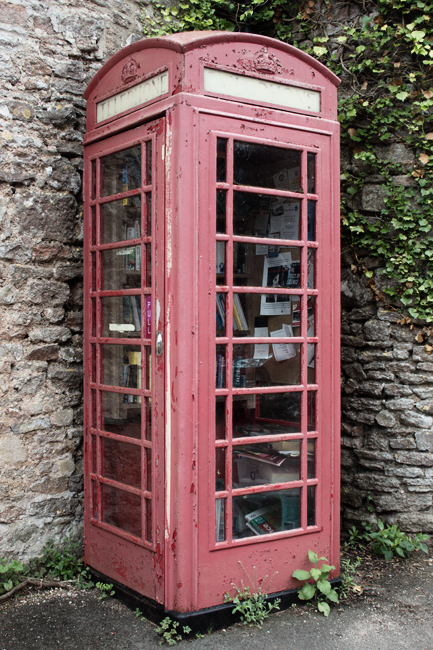
Moving on through the highways and byways of Somerset, the next destination is the village of Dinder.

Literally meaning “the house in the valley”, Dinder lies three miles east of Wells and is nestled alongside the River Sheppey.
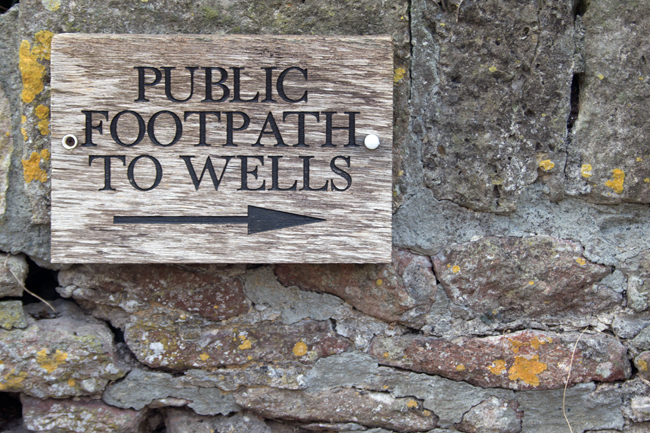
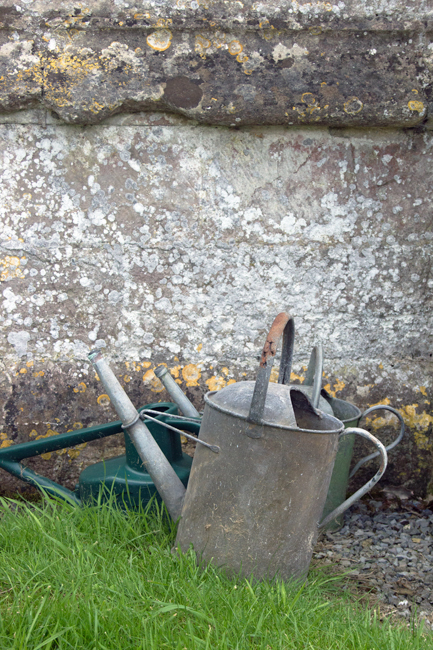
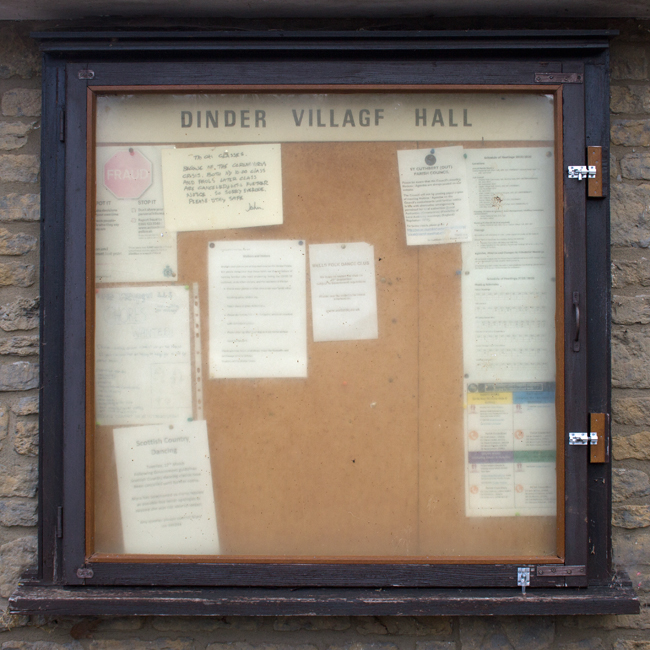
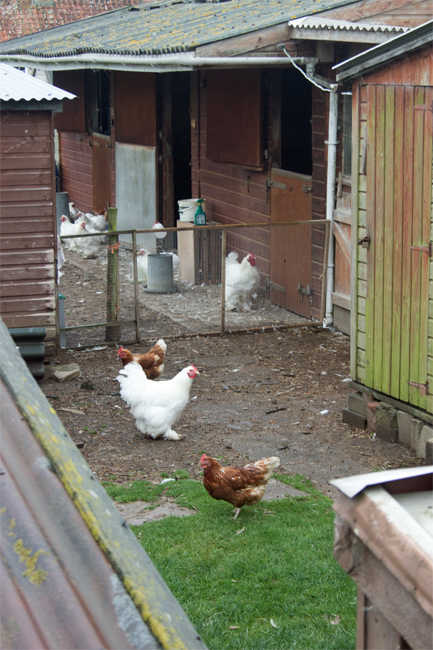
The village is smaller than Ashcott, Baltonsborough and Charlton Mackrell, and has a population of less than 200 people. There are no shops, pub or school, and the three farms – Higher Farm, Lower Farm and Sharcombe Farm – are interspersed with the houses of those who farmed them.
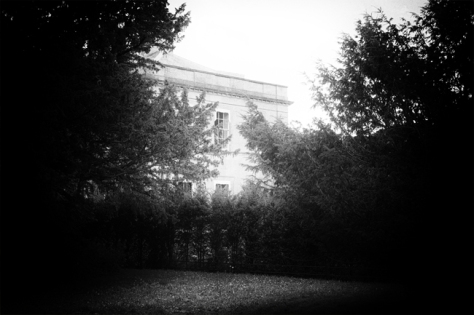
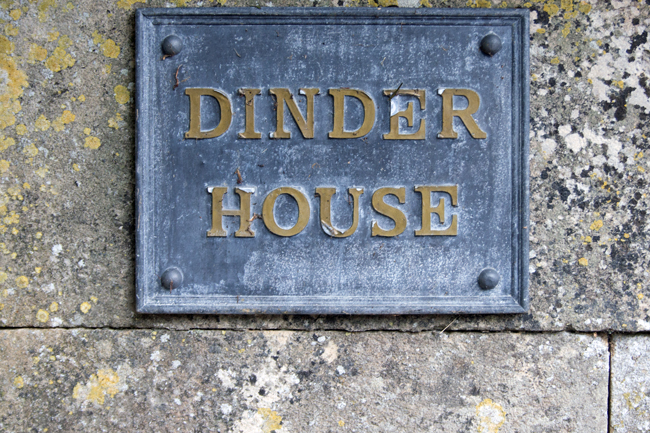
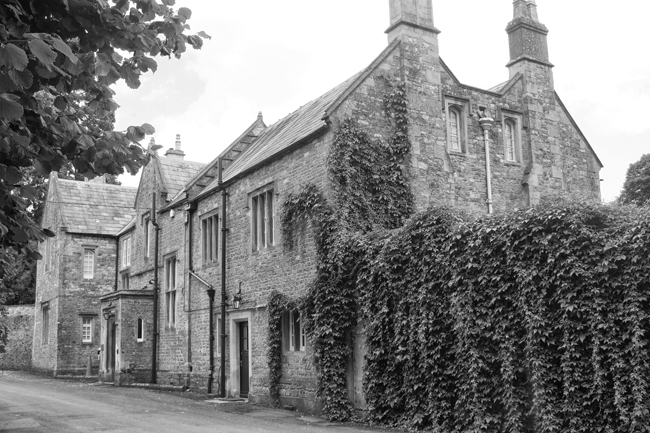
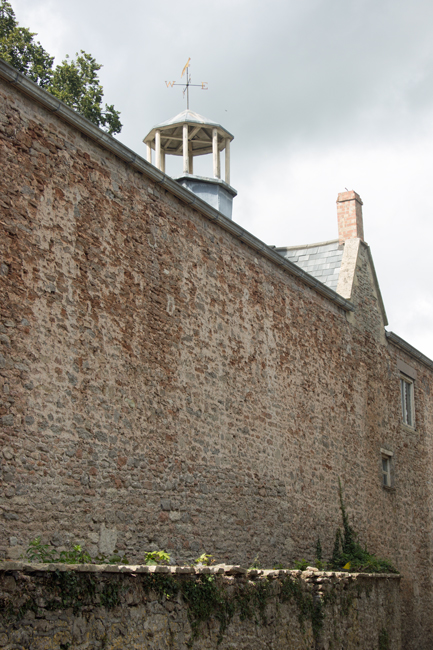
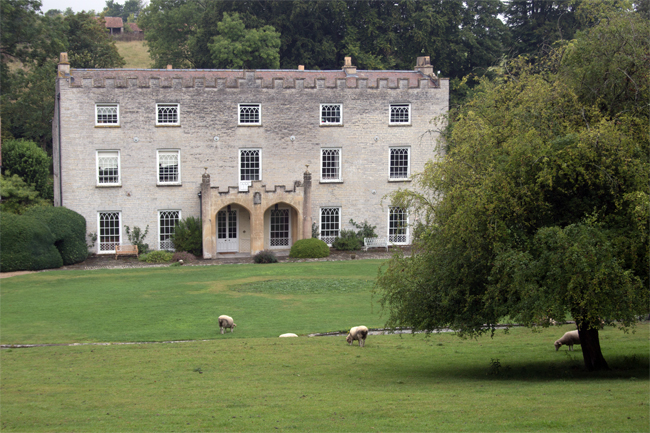
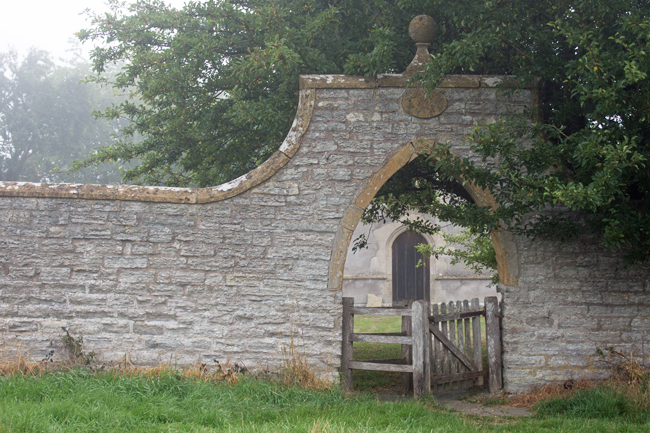
Not all of the houses are farmworkers cottages, of course. The “house in the valley” is Dinder House itself, shielded from prying eyes by a series of high walls and enveloping trees.

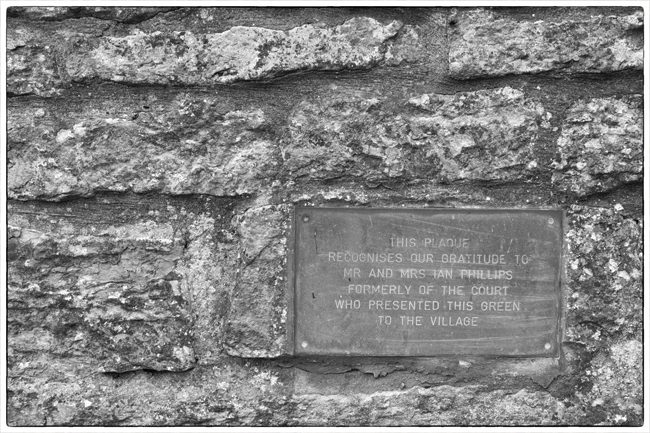
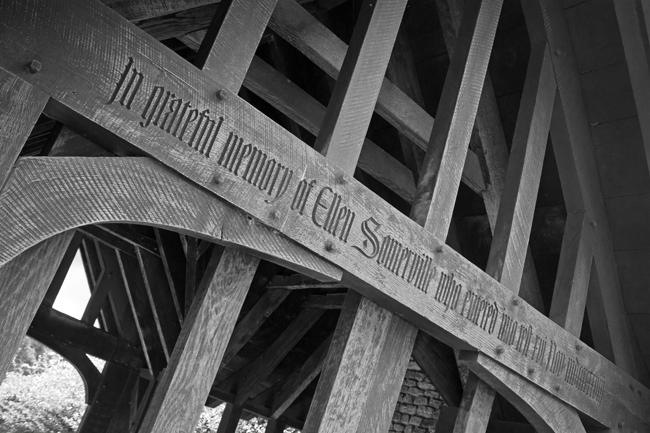
The house – built in 1801 – replaced the previous manor house and was designed and constructed by the Somerville family, who owned the manor and estate. Although the family line ended in 1949, the Somervilles are recognised and commemorated throughout the village, for everything they brought and gave to the village.
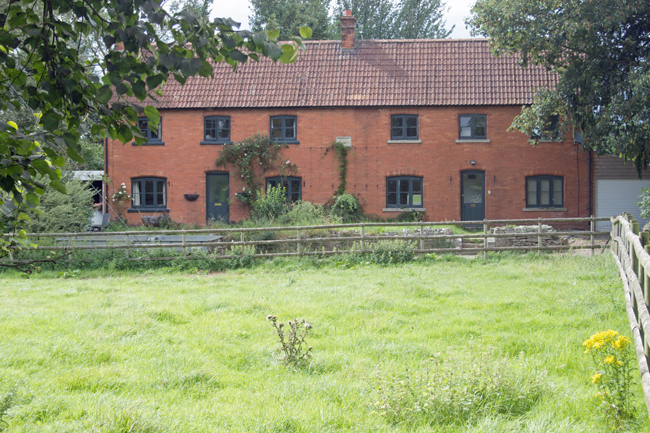
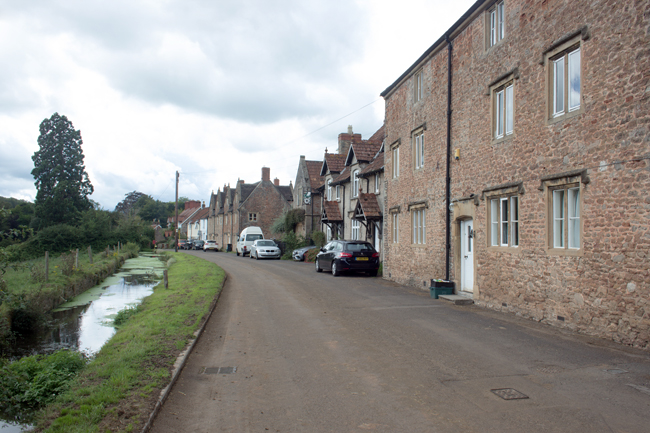
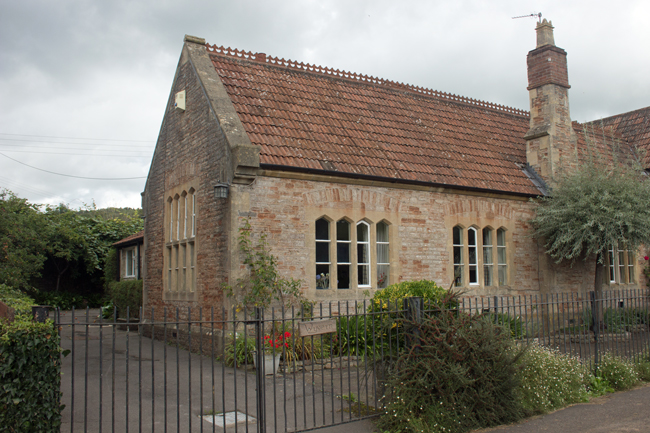
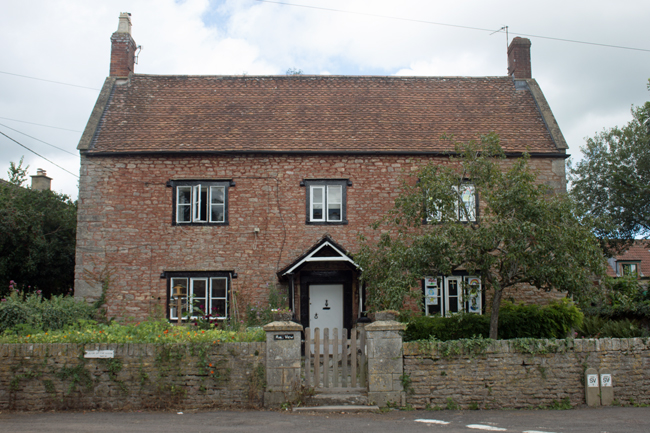
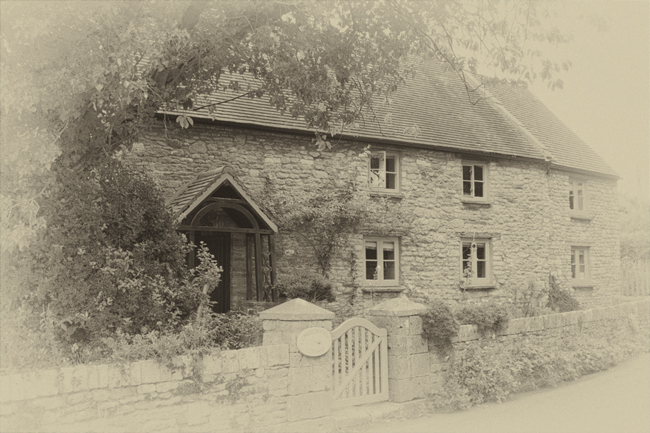
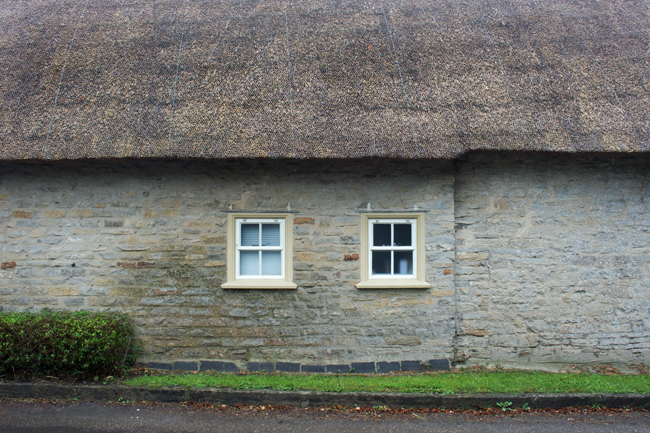
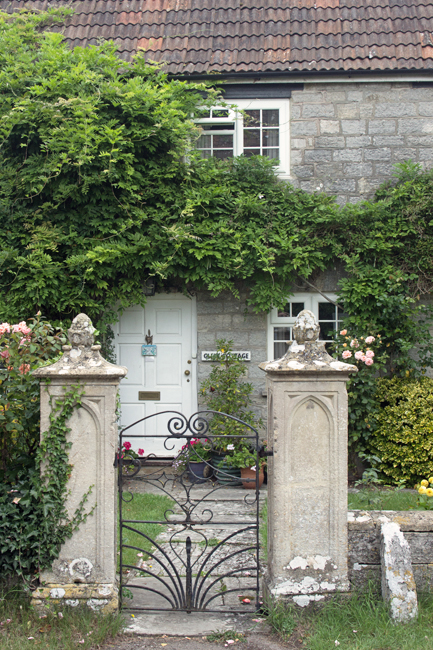
The other houses in the village are a mixture of styles, but all showing an age and giving off an air of respectability.
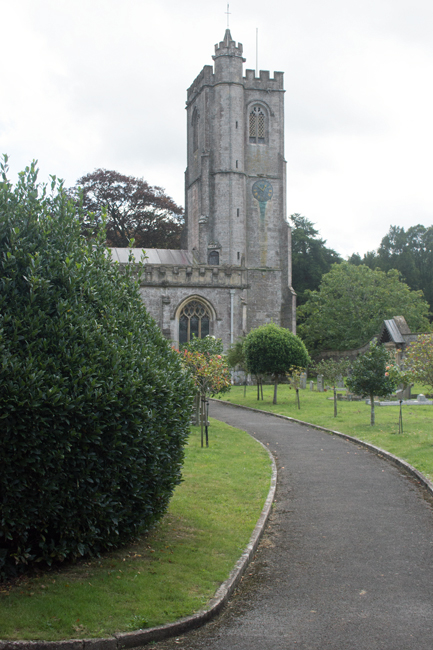
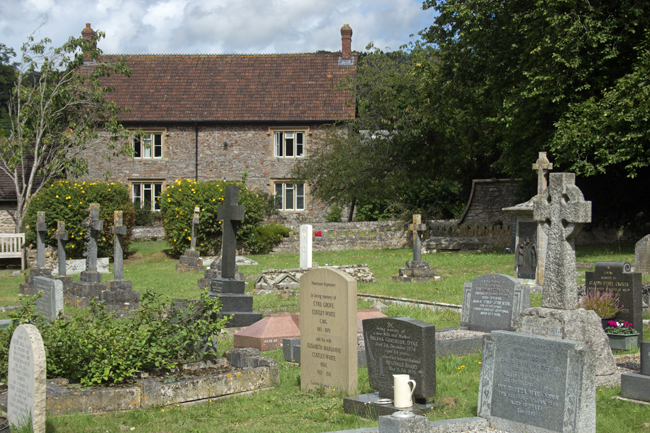
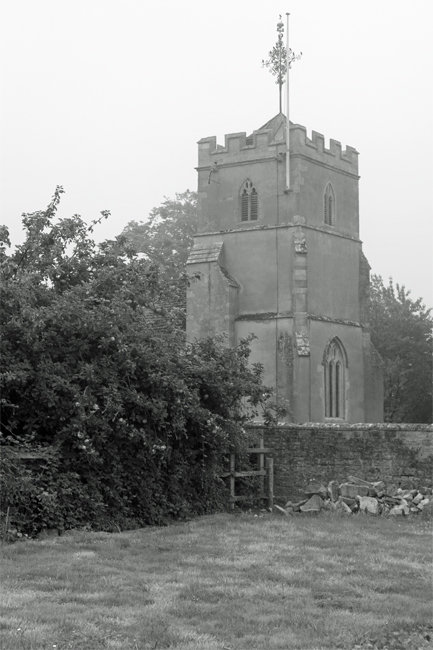
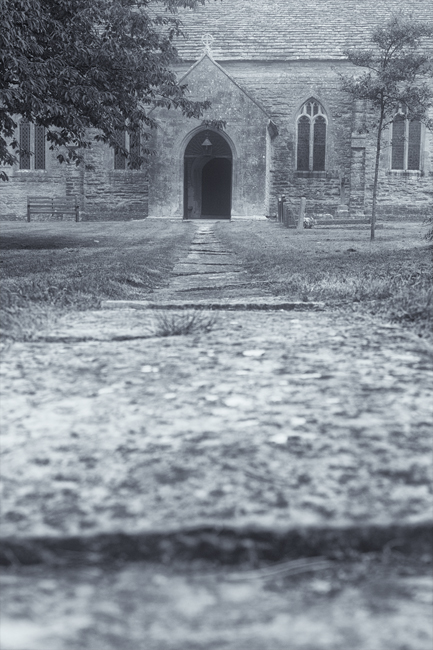
Dinder’s parish church – St Michael and All Angels – is a typically English affair; while it was locked on the day I visited, it seemed warm, welcoming and peaceful in the extreme, with an open churchyard, sitting alongside the manorial house.
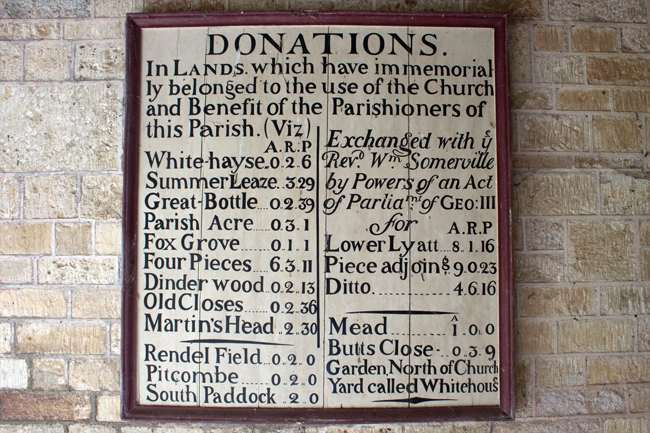
Sadly, Dinder was not without its share of wartime losses; this is underlined in the churchyard, where a grave commemorates Private GV Drew of the Somerset Light Infantry.
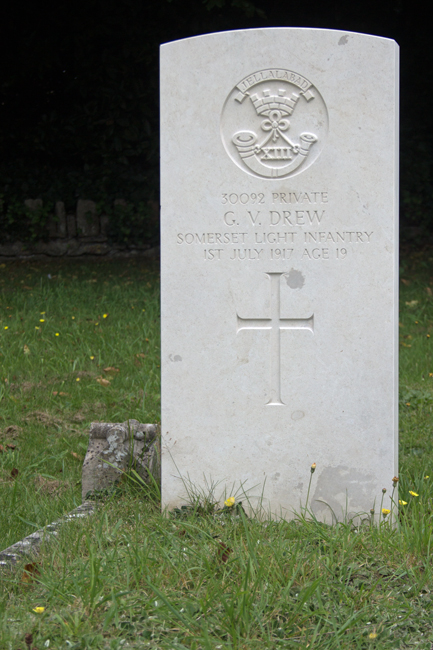
Gilbert Victor Drew was born in 1898, the youngest of the eight children of James and Theresa Drew, a groom/coachman and laundress respectively.

He enlisted 11th December 1915 and joined the 1st Batallion Somerset Light Infantry. While I have been unable to fond any specific details, Private Gilbert would have seen action on the Western Front. He was discharged from the army on 3rd February 1917 as, according to the records, he was “no longer physically fit for war service.”

Private Gilbert Victor Drew died on 1st July 1917, and was buried in the graveyard of the Church of St Michael in his home village. He was one of six villagers to fall during the Great War.


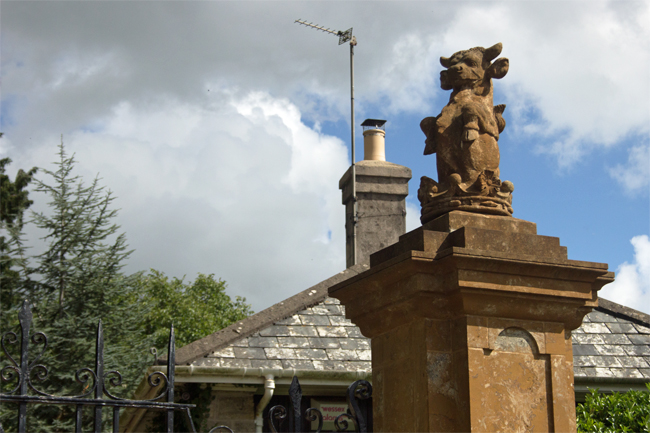
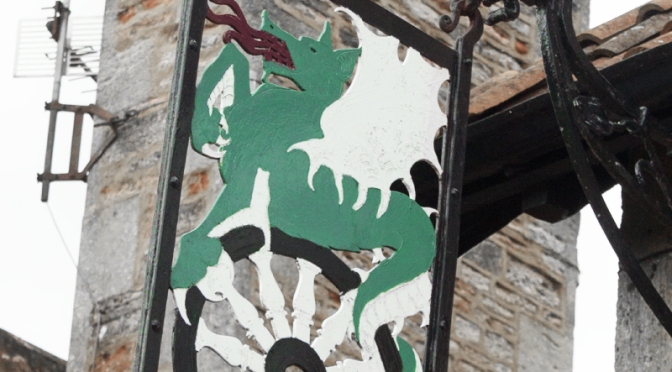
Dinder also has hints of a more mythological past too. One of the houses on River Road has an iron sign hanging outside; this is the Somerville family crest, a green dragon breathing fire.
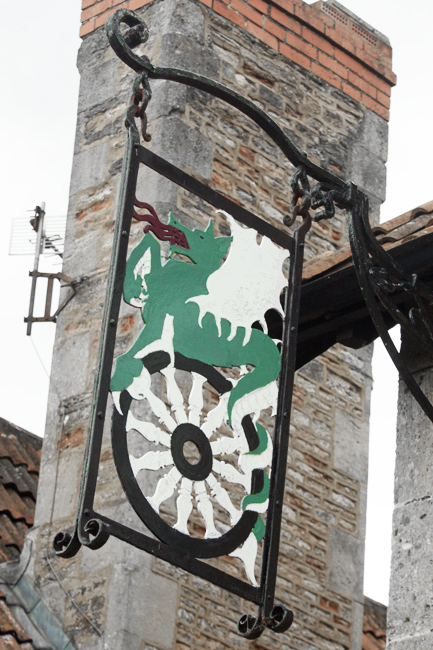
The dragon is replicated around the village, from finials on houses roofs to a crest within the church and the tale of the Dinder Worm is one that dates back to the early 1200s.

A terrible dragon was terrorising the villagers and their livestock, and Bishop Jocelyn of Wells was called upon to save them. He rode out to encounter the beast with his soldiers, but at the last minute commanded them to remain at a distance while he rode on and single-handedly beheaded the Worm, saving the village from certain disaster.
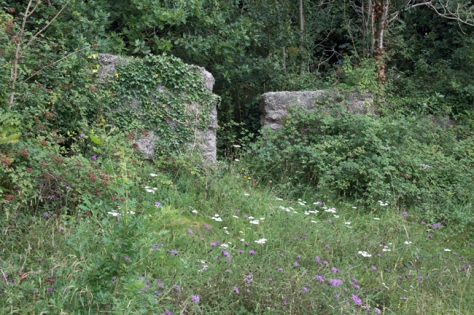

To the north of the village, a series of mysterious concrete blocks lie alongside country lanes. These are tank traps, and formed a part of the defensive protection for the area during the Second World War.

According to records, an anti tank ditch was dug round Wells and Dinder, circling Maesbury Ring. Bent railway lines were stuck into slots in the road to stop armoured vehicles and clusters of concrete blocks were cast to keep the enemy tanks where the defenders could see and hit them.
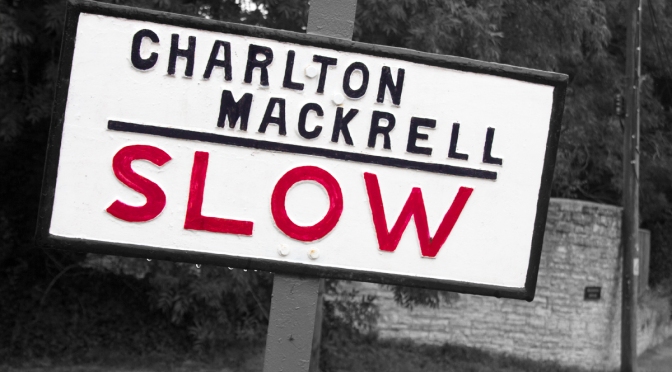

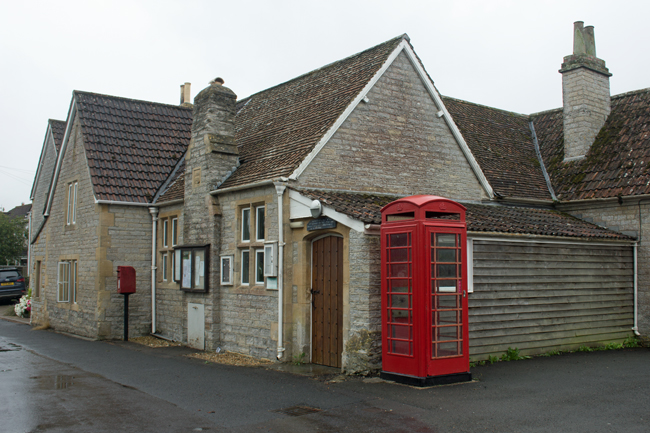
An A-Z of Somerset: Charlton Mackrell

C is fo Charlton Mackrell

One of the things I have found since moving down to Somerset how different the place names are from back in the south east of England. For every Yeovil there is a Kingsbury Epicopi, for every Bridgwater, a Chiltern Cantelo. The etymology of these place names holds a constant fascination for me, and is another reason I have set out to explore the local area more.

So it is that, on reaching the letter C in my quest, that I choose an unusually named village to photograph.

Charlton Mackrell lies midway between Glastonbury and Yeovil, on Bull Brook, a tributary of the River Cary. It shares its name with the neighbouring village – the similarly named Charlton Adam – and, like Baltonsborough, has a population of around 1000 inhabitants.

The names of the villages can be traced back centuries – Charlton comes from the Saxon word for “farmstead of the freemen”. Adam can be pinpointed to the local FitzAdam family who once lived there. Mackrell is less easy to pin down, but it is likely to have similar origins.

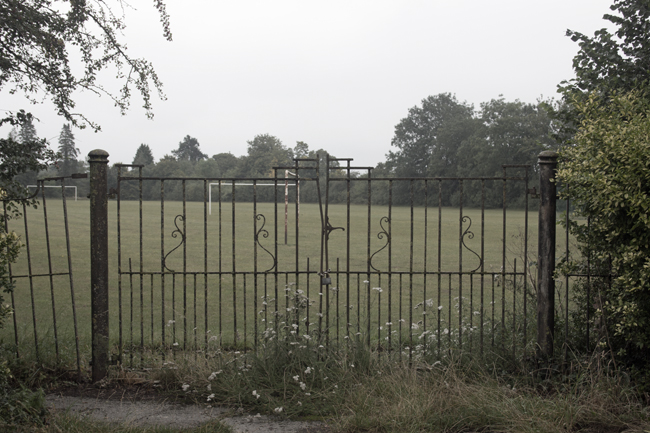
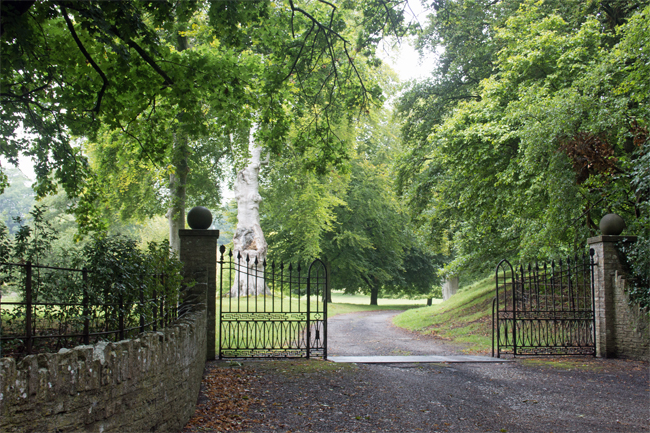
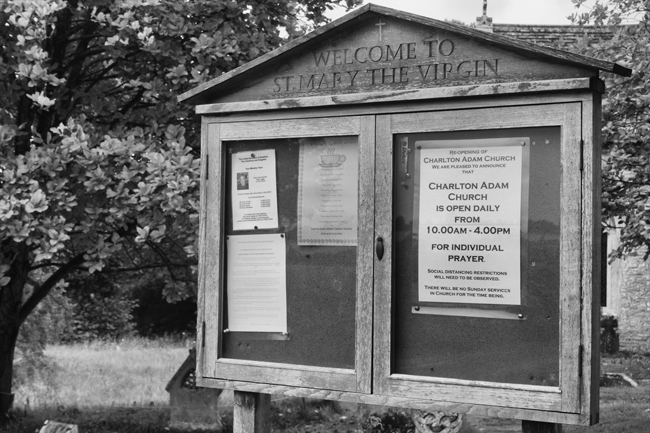
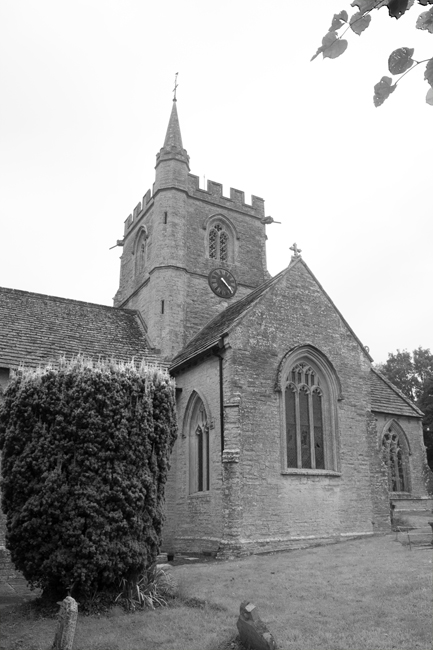
Certainly manorial buildings rule over the village in the way they tend to do; large houses and mysterious gated entrances can be found all over. The local church – Saint Mary The Virgin – sits right next to, and is obviously connected to, one of the larger properties (after all, manorial families often built religious buildings out of their own money to show their devotion to God, which just happened to help them control the local population).

The Charltons also suffered at the hands of Dr Beeching; the railway station closed in 1962, along with the other six stations between Castle Cary and Taunton. Three railway bridges survive, however, the lowest of which is only 2.7m (8’9″) high.

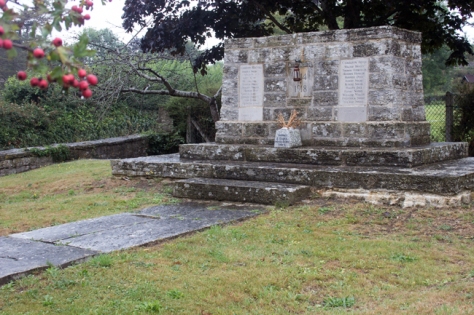
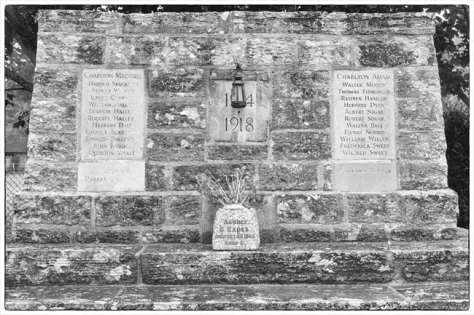
The villages’ war memorial is, unusually, not at the heart of things. It is, instead, nestled in a fork in the road joining the Charltons. Sadly, it only serves to highlight that, even in the depths of the Somerset countryside, tight knit communities were in no way immune to the ravages of war.

There are, thankfully, only eleven names of the lost under each of the villages, but given that the combined population of the two villages at the time was around 600, these twenty-two fallen represented an unthinkable loss for those left behind.

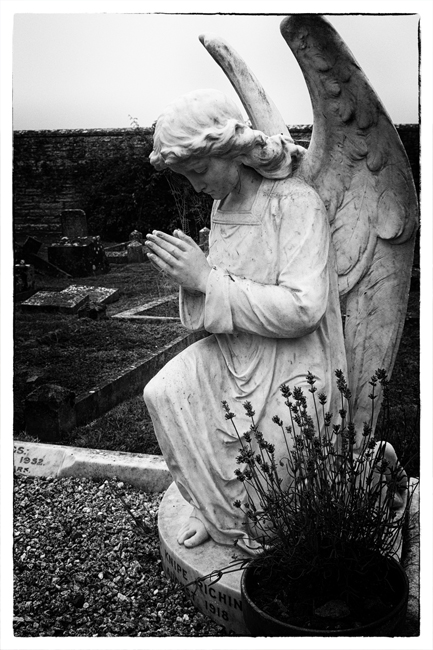
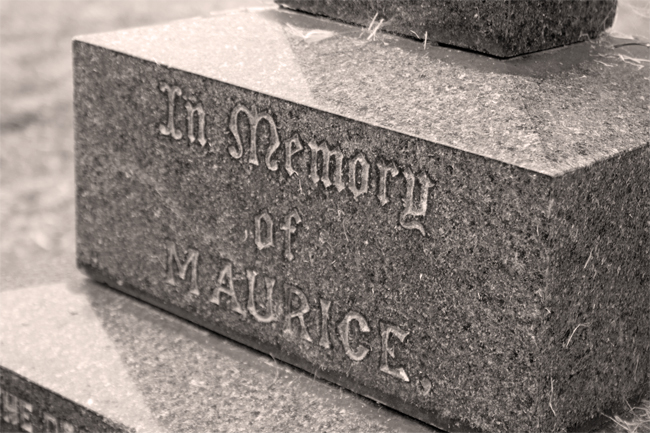
Two of the men on the Mackrell side of the memorial are buried in St Mary’s churchyard. If you have followed my previous CKPonderings blog, you will know that the history and stories behind those who fell during the Great War fascinate me.


Private Quinton Charles Wyatt was born in the Gloucestershire town of Northleach in 1893 to William and Elizabeth. His mother died when he was a toddler and, by the time war was declared, Quinton was working as a farm labourer and waggoner.

He joined the 8th Battalion of the South Staffordshire Regiment on 22nd November 1915. He was posted to France four months later, but medically discharged from the Army on Boxing Day 1917.

Private Wyatt died in Charlton Mackrell on 11th November 1918 – Armistice Day – and buried in St Mary’s churchyard.

https://www.findagrave.com/memorial/203685657


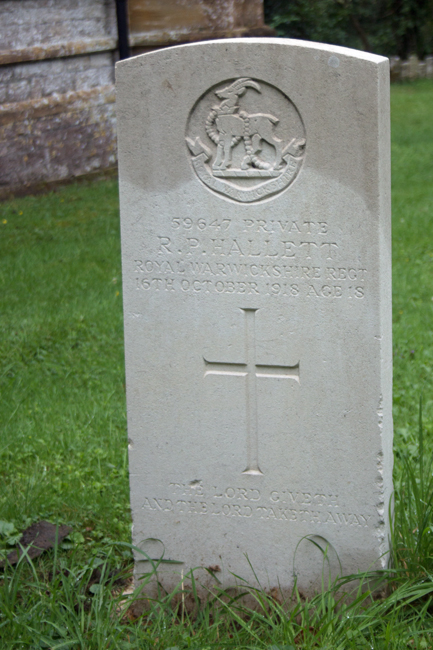
Private Roberts Pretoria Hallett was born in the summer of 1900, to Frank – a shepherd from Charlton Adam – and Emily, who came from Charlton Mackrell. Roberts (the correct spelling) was the youngest of eleven children.

Roberts was just twelve when his father died, and, when war came, he enlisted in Taunton, along with his brothers, Francis and William. The Great War was not kind to Emily Hallett: her son William died while fighting in India in 1916; Francis died in the Third Battle of Ypres in June 1917.
Roberts was assigned to the 5th Battalion Royal Warwickshire Regiment; while I’ve been unable to identify exactly when he saw battle, by the last year of the war he would have been involved in the fighting in northern Italy.

What we can say for certainty was that is was shipped home at some point towards the end of the war, and died – presumably of his injuries – in Newcastle-upon-Tyne on 16th October 1918.

William Hallett was buried in India, Francis in Belgium. Private Roberts Hallett, therefore, is the only one of the three brothers to be buried in the churchyard of St Mary’s in his birthplace of Charlton Mackrell.

https://www.findagrave.com/memorial/203685613


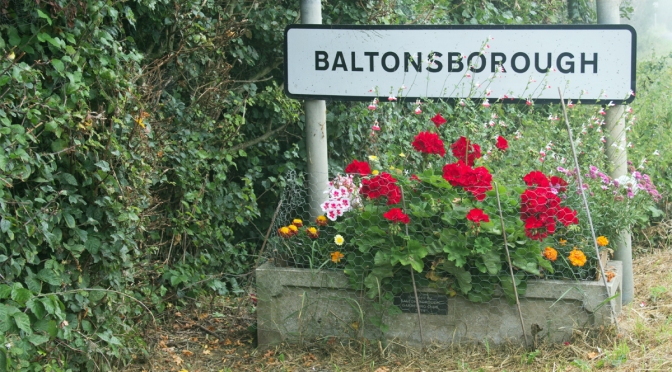
An A-Z of Somerset: Baltonsborough

B is for Baltonsborough

The second of the Somerset villages I’m showcasing, and it’s a short eight mile hop to the east of Ashcott where we find Baltonsborough.

This certainly has more of a village feel than Ashcott, mainly to to its smaller population – less than 900 inhabitants – and the fact that it’s not situated on a main road. The houses are, generally, older, and the centre of the village – the pub – is within spitting distance of the village hall and church.

The church itself is dedicated to St Dunstan. Born in Baltonsborough, Dunstan was Abbot of Glastonbury Abbey, Bishop of Worcester, Bishop of London and Archbishop of Canterbury before dying in 988.

Other notable sons of this quaint village include a Canadian politician, the person responsible for introducing rabbits to Australia and Victoria Cross recipient Edward Noel Mellish. While not born in the UK, actor Nicholas Cage has also made Baltonsborough his Somerset home.

The village centre is also where the War Memorial is located. Alongside the plaques to those who lost their lives in the two world wars is one commemorating the other villagers who fought.


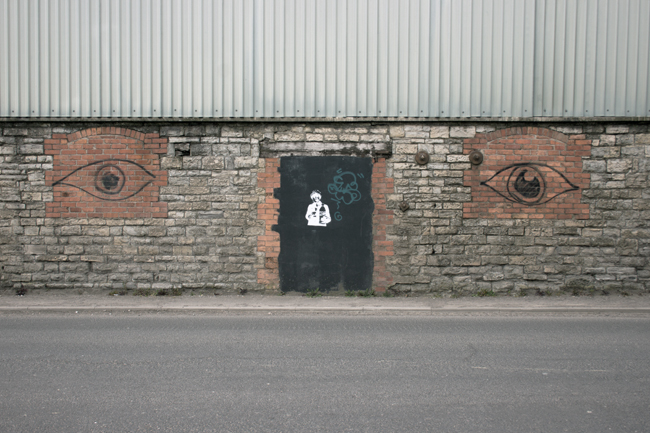
Another Brick In The Wall

There didn’t appear to be any way through, which worried Ellie.

She had been though this way countless times in her head, and each time it had been clear; an overgrown pathway, cutting through the houses between the allotment and the garage block.

But now she was faced with this wall. It was new, there was no question about it; five metres high, she could see no way over it. Pausing, catching her breath, it ran only a little way to either side, but the brambles and undergrowth barred the way.

She crouched, closed her eyes and drew a mental picture of her way out of this… mess.


Stairway To Heaven

We are fortunate to have a lot of historic places in Somerset. From castles to churches, manor houses to pubs, cottages to monuments, there is always something to see, to view, to wander around.

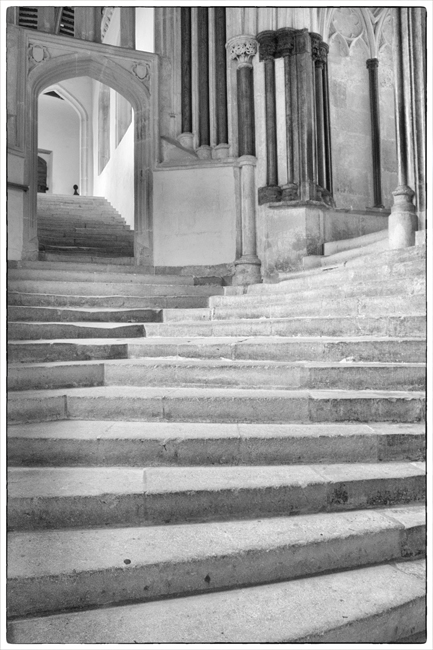
Wells Cathedral has one on the more awe-inspiring religious frontages in the UK, but inside has lots of other things to love.

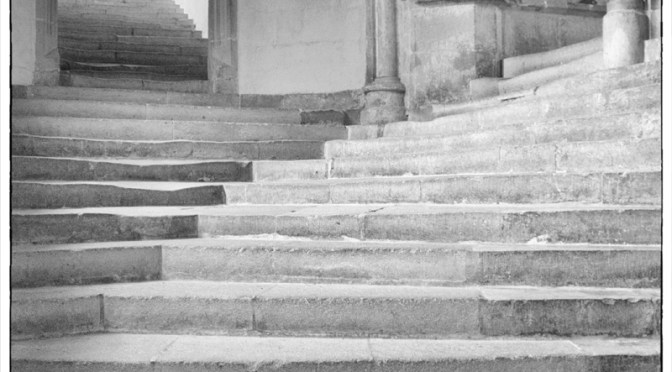
This staircase leads from the nave to the Chapter House and on, across St Andrew Street to the ancient Vicars’ Close. It is a haven of quiet, in an already quiet structure.


He moved silently upwards, and even though his footsteps were quiet, he felt they echoed deafeningly in the stairwell. Behind him the choir’s voices, chanting something by Telemann or von Bingen, calmed him, urging him on, hiding his presence.

The candlelight flickered expectantly across the walls, shadow leaping out at him as the flame rose and fell with his steps. Ahead of him, in the room above him, he heard the first whispers of voices, the first hint that he was going the right way, that his ascension was surely guaranteed…


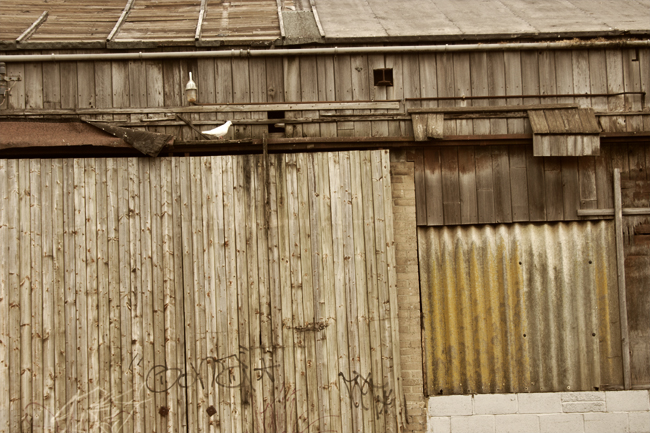
Abandoned

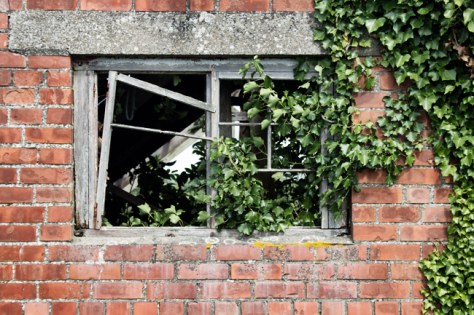
There was a sense of loss, a sense that belonging had been forgotten years back. The shell was there, but the heart had been ripped away and buried deep miles away.

And yet The Watcher kept guard. He knew not who or what he was guarding against, but he was there. The one sense of permanence left, while life crumbled around him.

The worst element was the silence, the complete lack of noise. When the wind blew, and if it was in the right direction, the rotting boards creaked ever so slightly, but even their muffled cries echoed with a sense of obligation rather than any commitment, any passion.

But beyond that there was a deafening silence, that unnerving calm that always came before the storm. But the storm had been anticipated for months, for years, and yet it had still to break. So the silence, the absence, remained.


Another quick reminder about the May’s Mass Observation Project!

Take a photograph based that sums up the theme COLOUR to you, however you want to interpret it.

  • Email the image to adayinphotographs@outlook.com by Thursday 30th April 2020.
  • Images should be a maximum of 650 pixels wide.
  • Include your name, website/blog address and a short note about the image, including where it was taken.
  • Come back and see the results on Sunday 3rd May!

A Lady of a Certain Age

When times are tough, we often hark back to days when things seemed better, when life ran more smoothly.

The issue with this is that we tend to only remember the good things, not the bad – the childhood summers that seemed to go on for months, the Christmases when presents were huge and we were not left wanting.

This rose-tinted view of the past is detrimental and can reinforce our connection to what has gone before, making us even less willing too connect fully with the present and look to the future.


Back in the day you had been part of the smart set
You’d holidayed with kings, dined out with starlets
From London to New York, Cap Ferrat to Capri
In perfume by Chanel and clothes by Givenchy
You sipped camparis with David and Peter
At Noel’s parties by Lake Geneva
Scaling the dizzy heights of high society
Armed only with a cheque-book and a family tree

You chased the sun around the Cote d’Azur
Until the light of youth became obscured
And left you on your own and in the shade
An English lady of a certain age
And if a nice young man would buy you a drink
You’d say with a conspiratorial wink
“You wouldn’t think that I was seventy”
And he’d say, “no, you couldn’t be!”

Divine Comedy: A Lady of a Certain Age

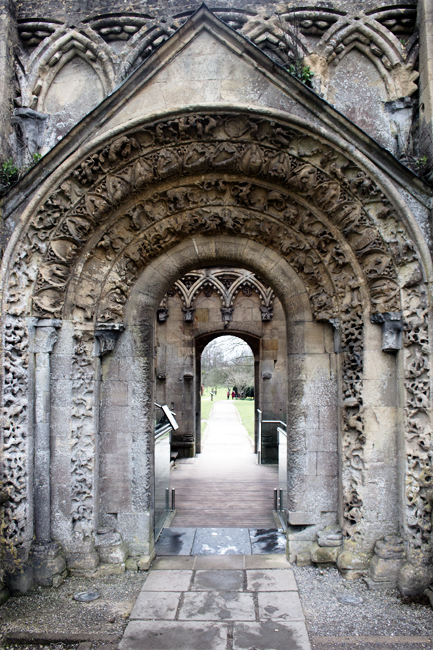
Lady Chapel, Glastonbury

Lady Chapel, Glastonbury Abbey

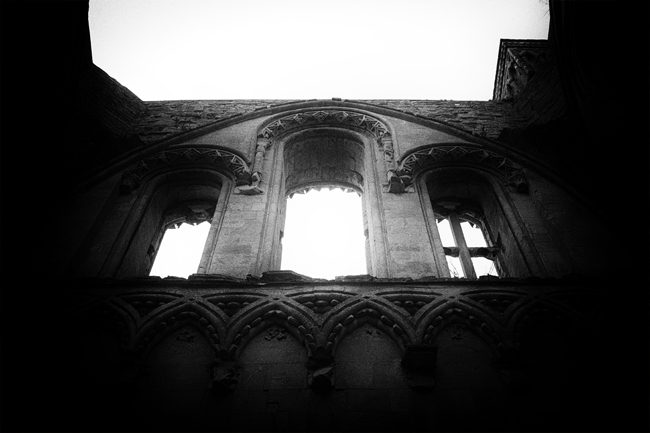
The Lady Chapel lies at the western end of Glastonbury Abbey and is the most complete of the ruins in the grounds.

Built in the late twelfth century, it is a serene place to wander around, and its solid walls and crypt contrast beautifully with the open greenery of the Great Church.


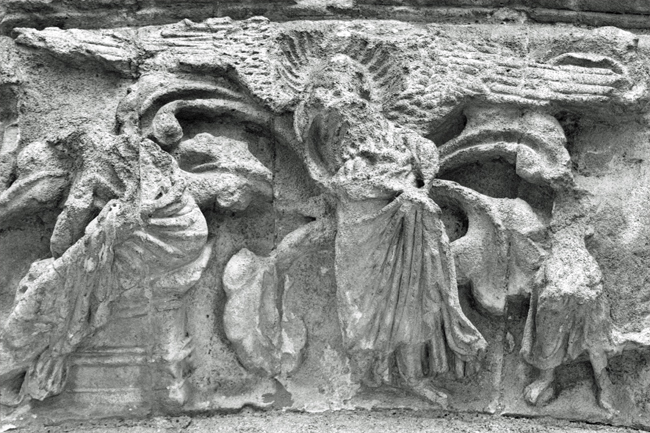
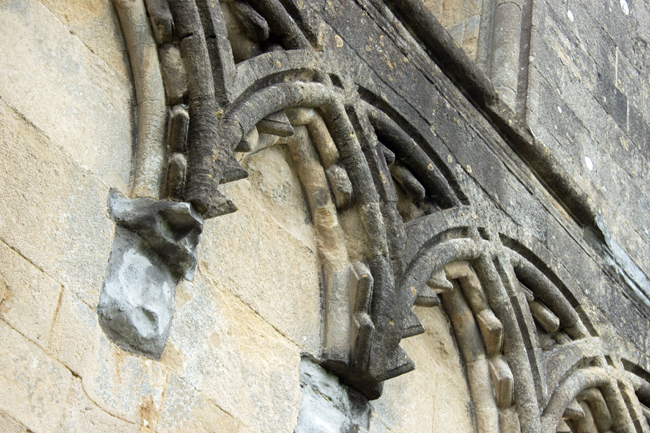
We have a tendency, when walking around, to only focus on the big picture, and rarely stop to take time and really look at our surroundings. Hundreds of craftsmen spent countless hours to create, carve, paint and mould architectural elements we either take for granted or we do not see at all.

When you’re out and about, stop, take time to look around you and SEE what is there. Find the beauty in the intricate, in the insignificant, in the overlooked.


To take part in the current Mass Observation Project post on ISOLATION:

  • Take a photograph based on the theme of ISOLATION, however you want to interpret it.
  • Email the image to adayinphotographs@outlook.com by Wednesday 1st April 2020.
  • Images should be a maximum of 650 pixels wide.
  • Include your name, website/blog address and a short note about the image, including where it was taken.
  • Come back and see the results on Sunday 5th April!