

However dark things seem, brightness will always return.
From the muddiest of soil come the most beautiful flowers.
Your time will come again.

However dark things seem, brightness will always return.
From the muddiest of soil come the most beautiful flowers.
Your time will come again.

The destination is not always the point of the journey.
Walk the path, but take in the things that you see.
Often, the most hidden of elements are what make the story.

Be bold. Be brash. Be brilliant.
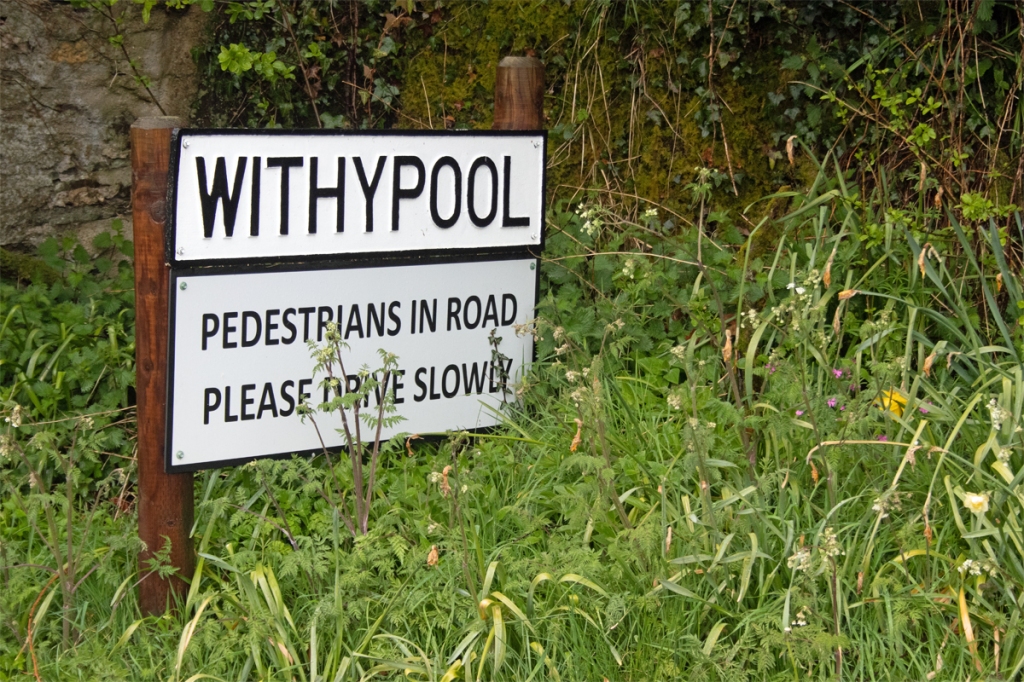
There are no villages beginning with the letter W in Somerset, so we are moving on to W in the alphabetical tour.
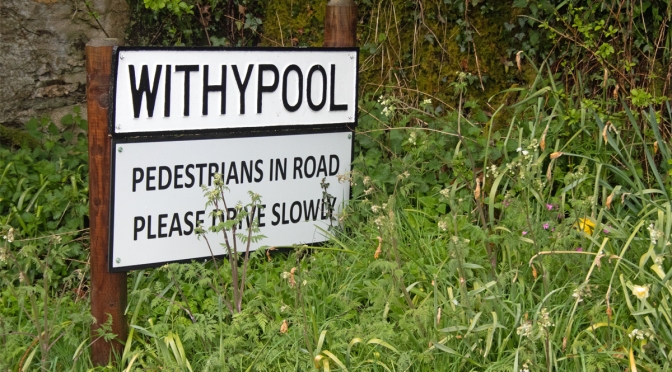
In the far west of the lies the quiet village of Withypool. With a history dating back to the Bronze Age, the name derives quite literally – a withy is a willow branch and the pool related to the River Barle, which flows through the village.


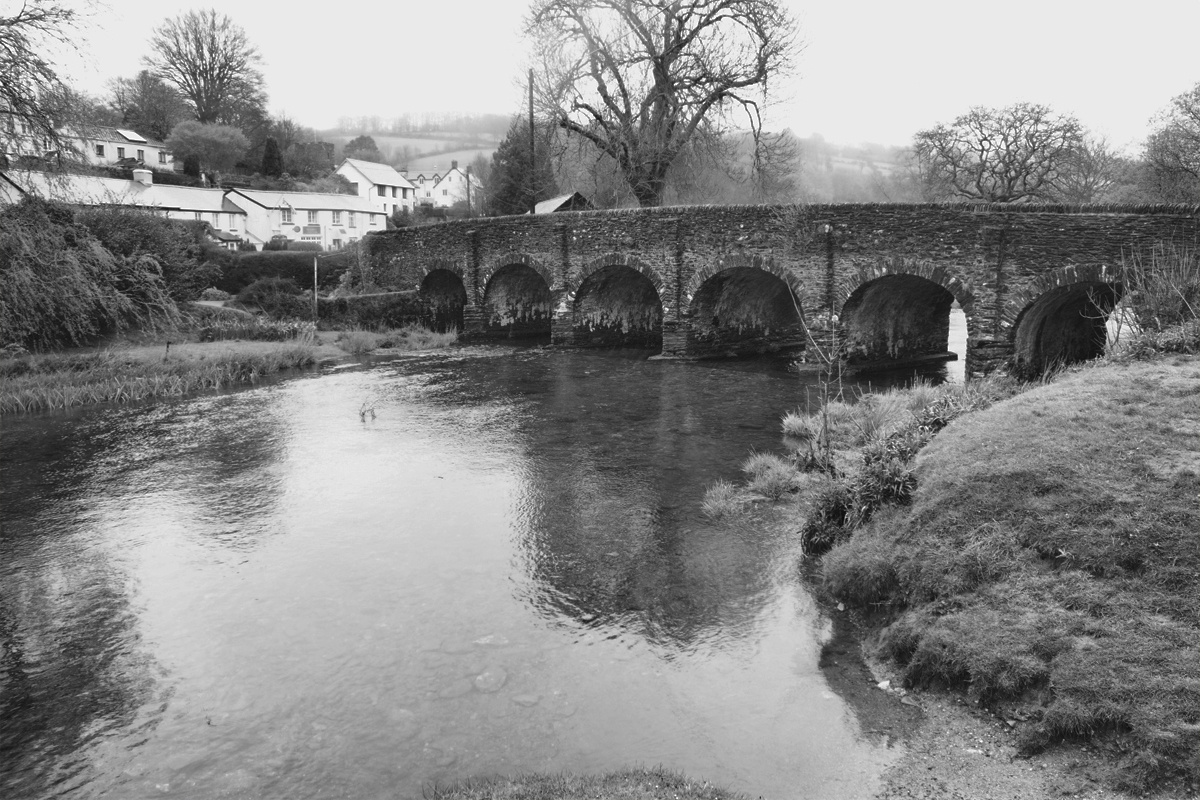
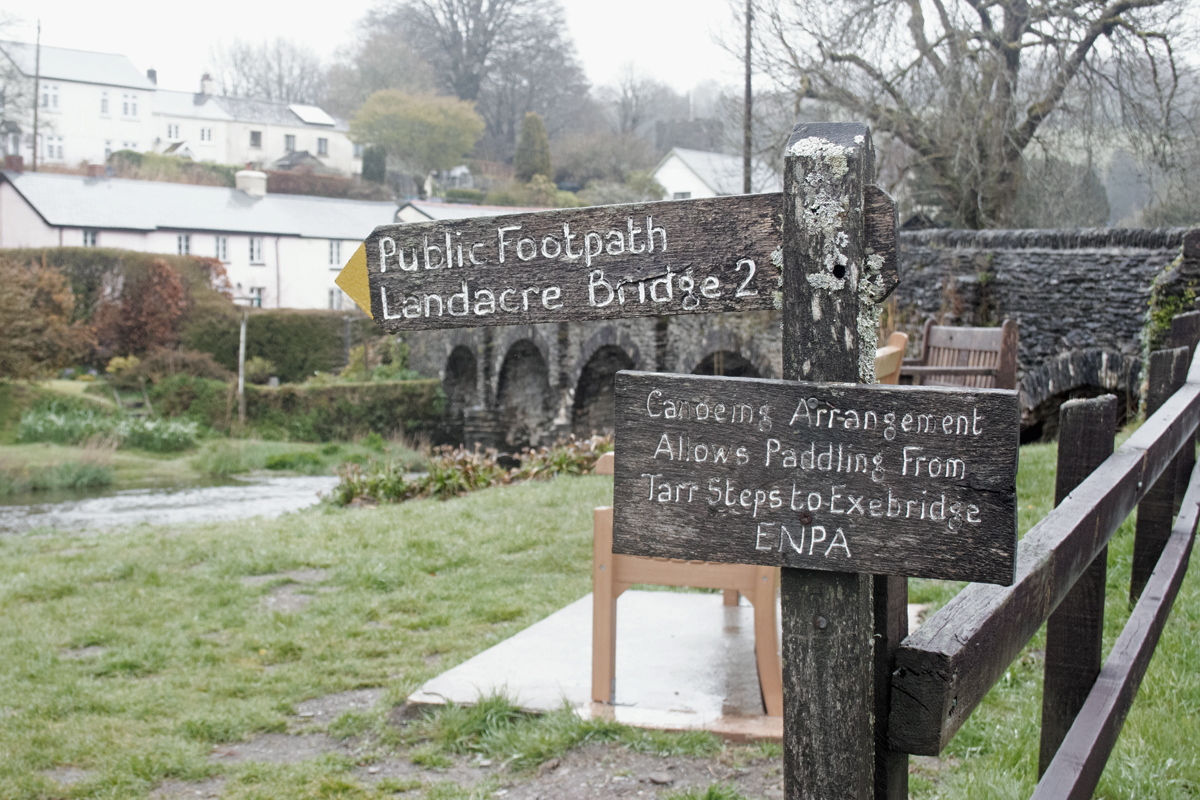

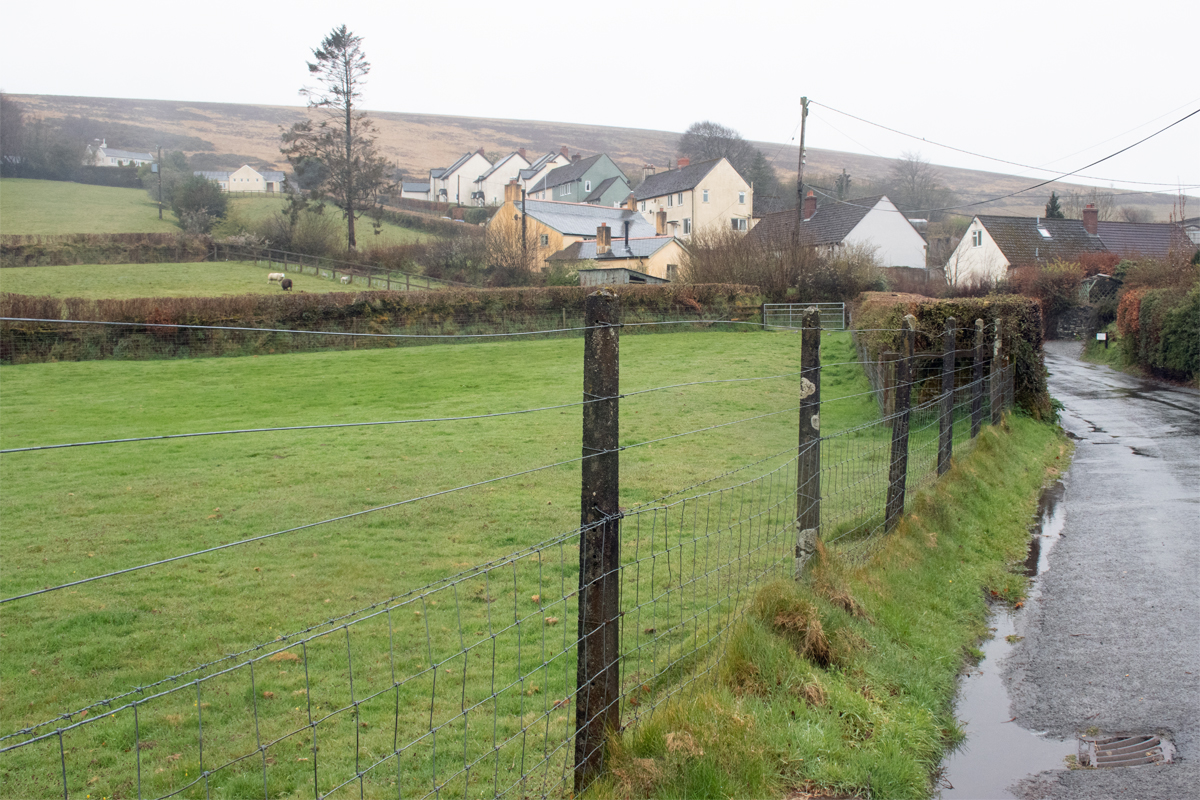
Withypool occupied a truly beautiful part of Exmoor, and, on a less damp and dismal day, it would have been a pleasure to explore its lanes and walks more readily. It is situated in the quiet countryside, around halfway between Minehead to the north east and Barnstaple to the west, and has a population of around 200 people. It does have, however, the required constituents that make up a village; a church and a meeting point.
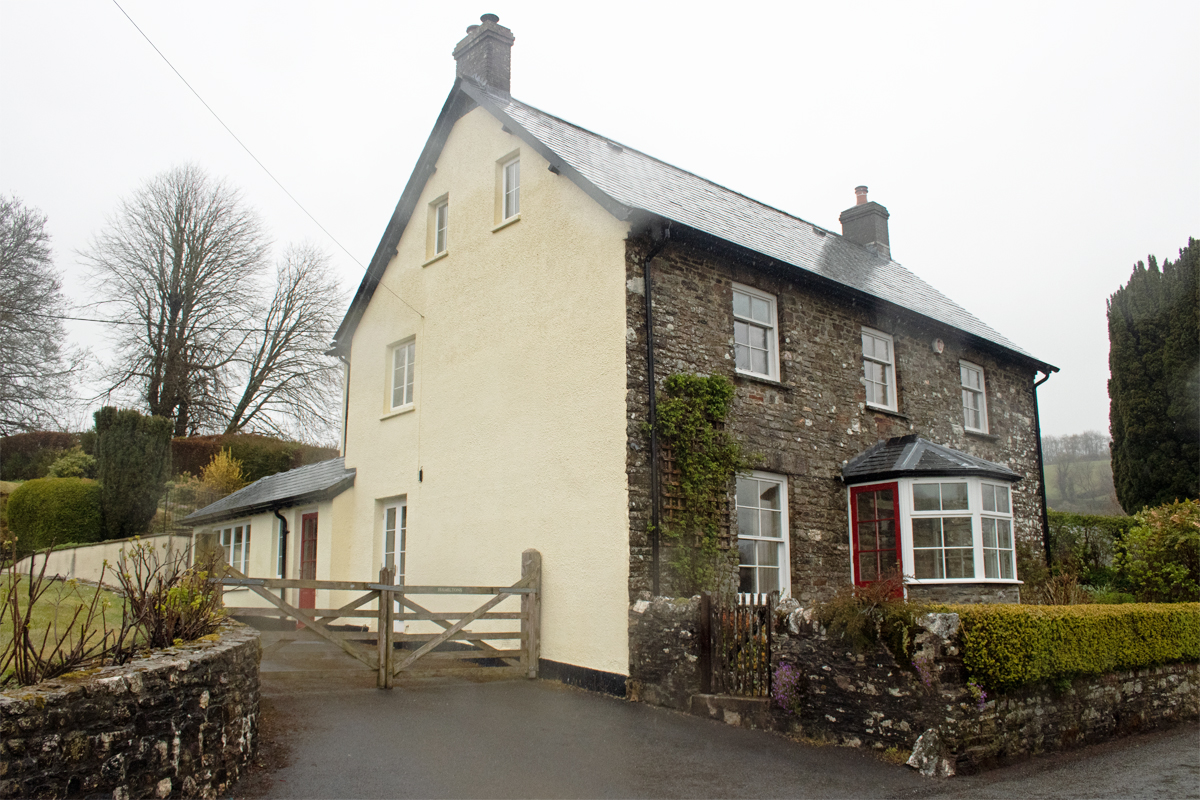


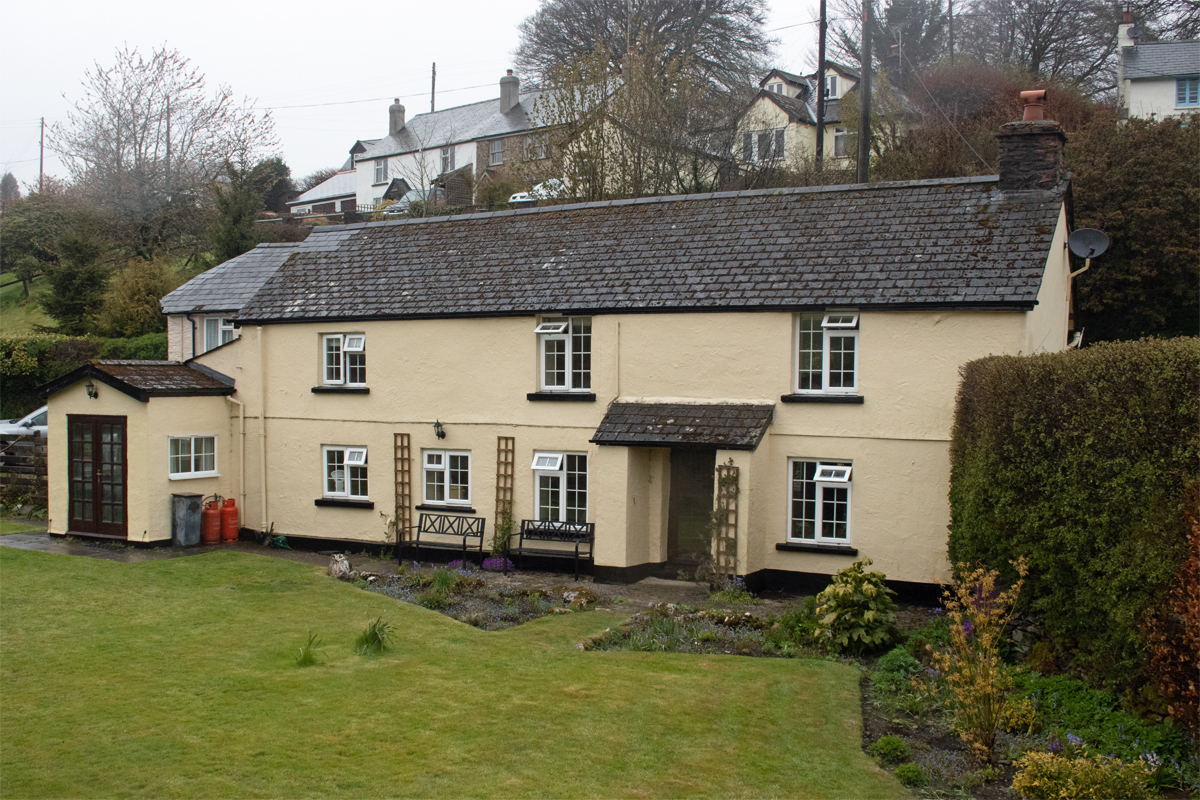
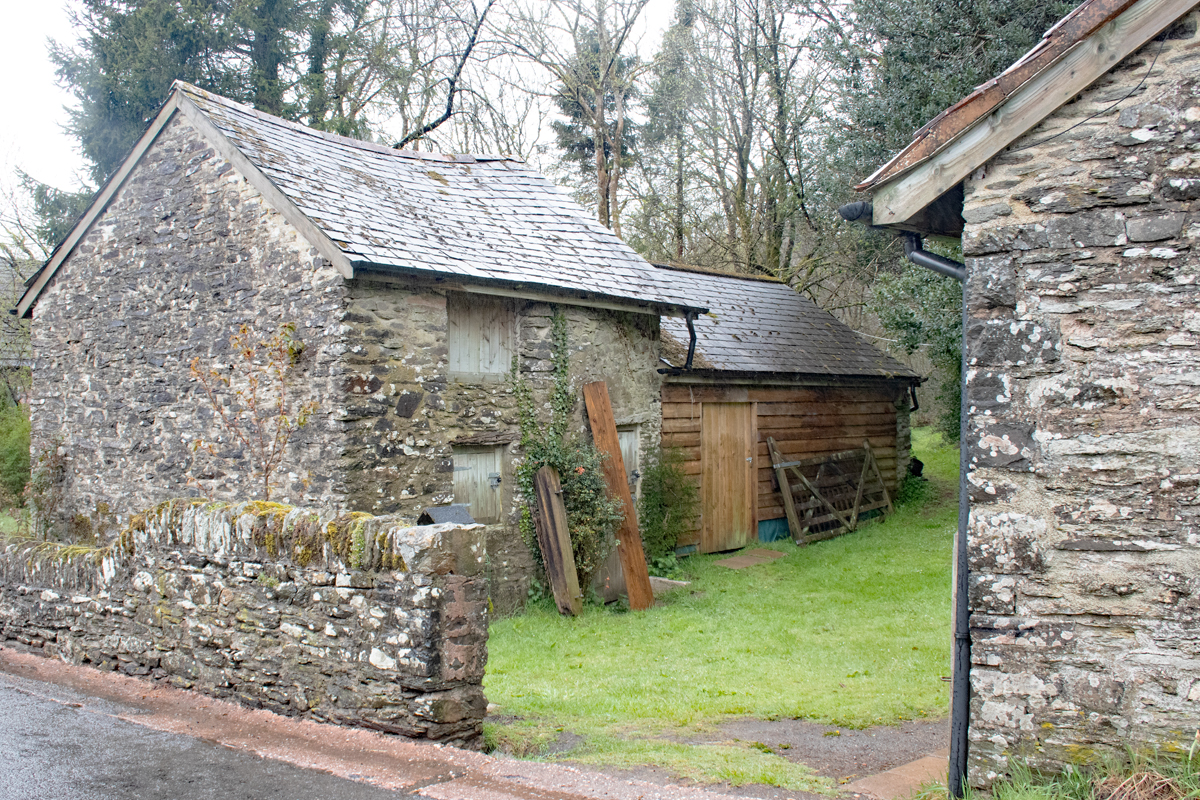
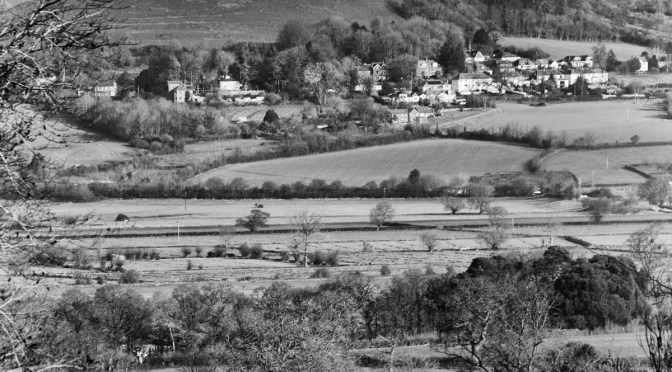
Withypool’s houses are typical, stone-built cottages. They wind down the valley, from one side of the valley, across the river and up the other side. These are workers cottages, and give the village a real sense of community, even in the pouring rain.



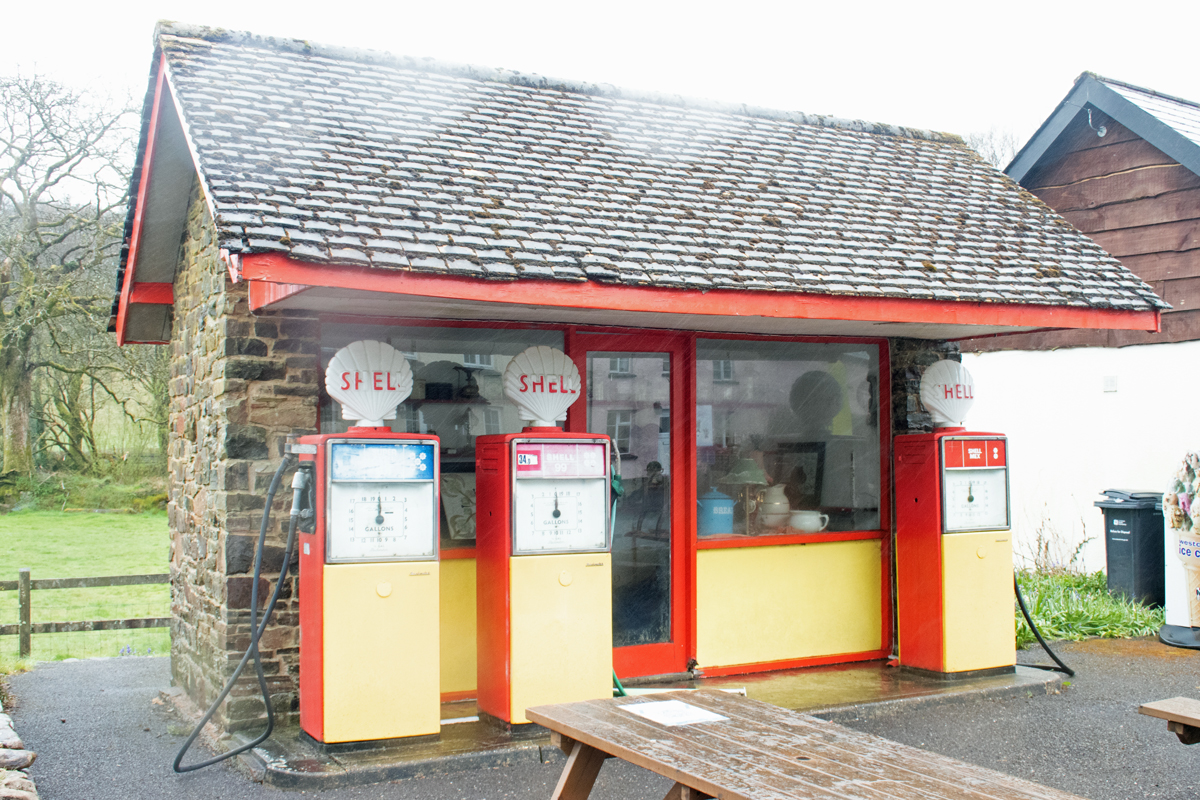
At the heart of Withypool is a well-used post office and store. Outside stands an old-fashioned petrol pump, and on the other side of the road, next to a small café, is what was another petrol station; Exmoor is a place for tourists, and, situated at the heart of the rolling countryside, Withypool would have been the ideal spot to refuel.
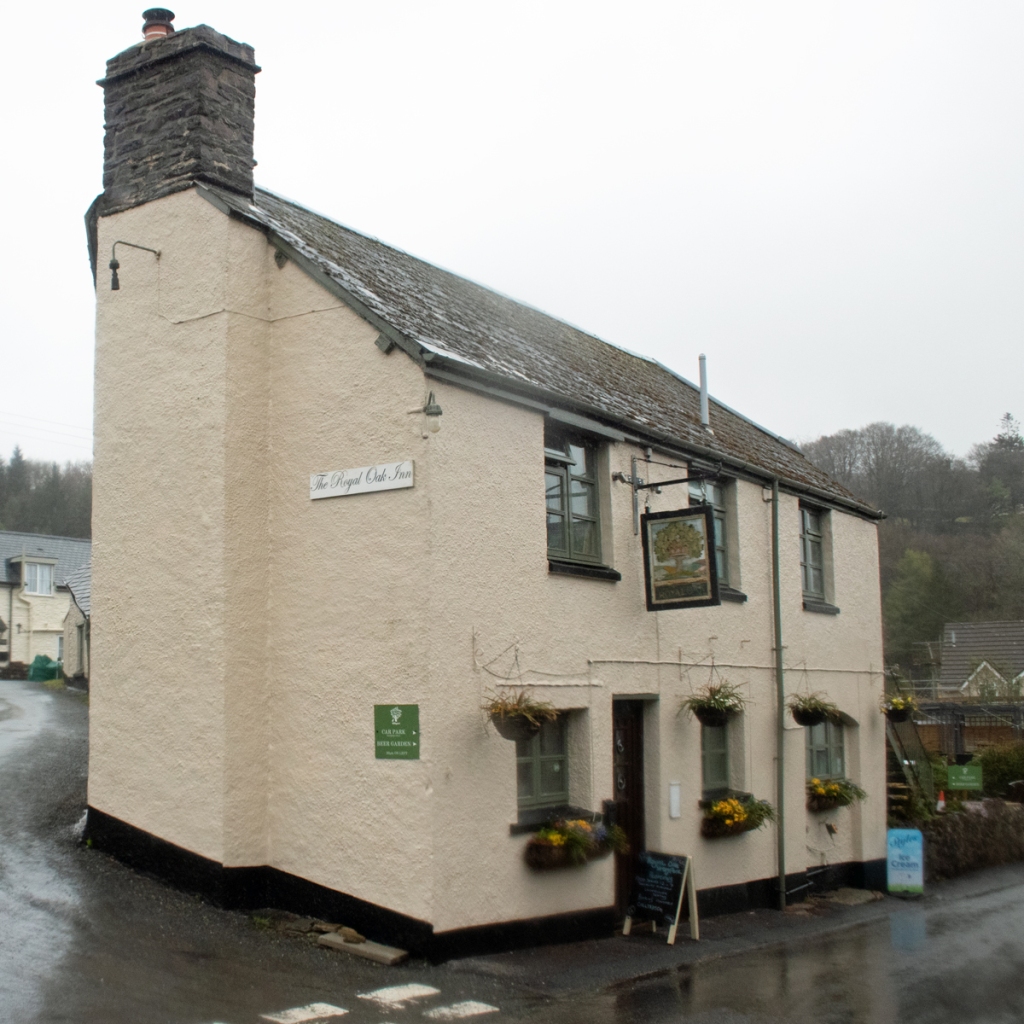
The main focal point for the villagers themselves, however, would have been the local pub. This particular pub, The Royal Oak Inn, had a lot of its own stories to tell, though.
Author R. D. Blackmore wrote part of Lorna Doone in the bar, while artist Sir Alfred Munnings, celebrated for his portraits of horses, had a studio in the loft.
In the 1930s, the inn was owned by Gwladys and Maxwell Knight, a spy-ring leader and radio broadcaster upon whom Ian Fleming based the character of James Bond’s boss, M.
During the Second World War, Woolacombe beach, situated a short drive tot he east, was used to simulate the invasion of Normandy, and General Dwight Eisenhower planned some of the operation from The Royal Oak.
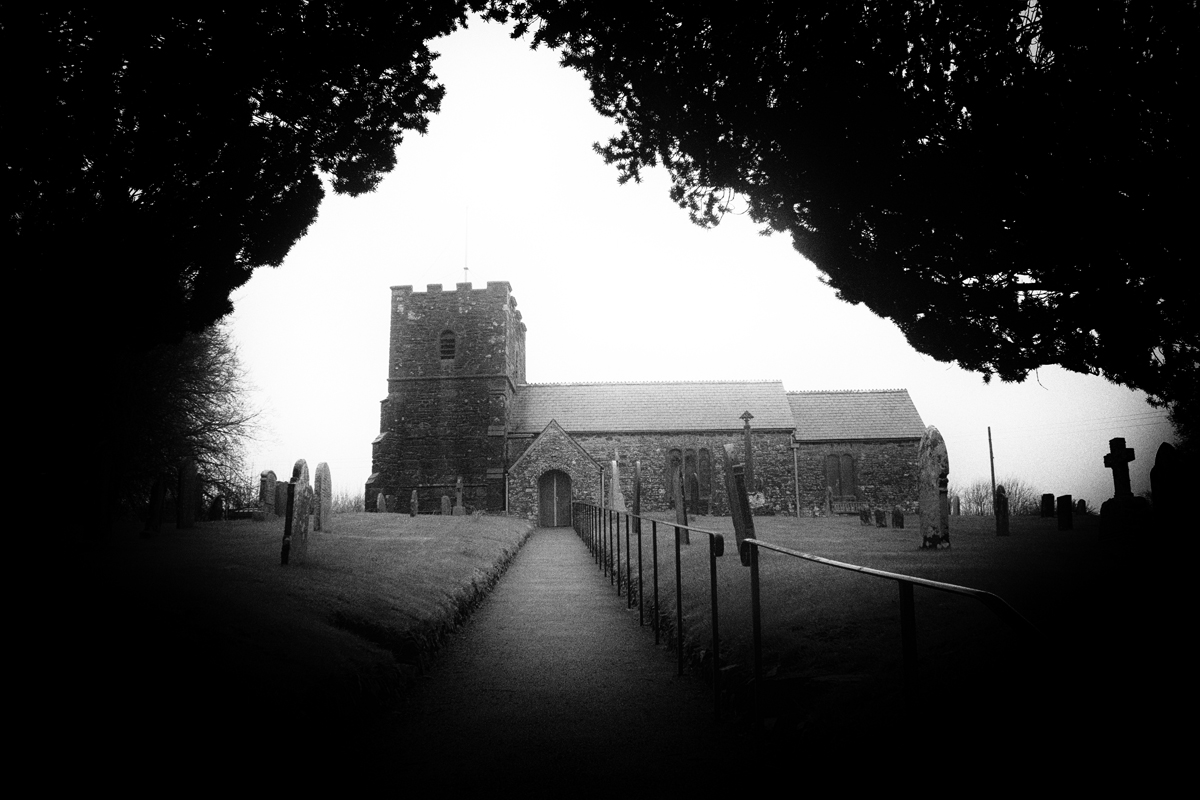
The spiritual centre of the Withypool lies not far from the Royal Oak. The Church of St Andrew is of medieval origin, although the main tower has been restored and rebuilt a couple of times since then, most recently at the start of the twentieth century.
The approach to the church is up a steep path; while a relatively small building, its location has been designed to dominate and spread awe. The hill is stands on ensures it can be seen from most of the village, ready to call everyone to services and make them difficult to avoid.
Having said that, the views themselves are stunning, underlining how beautiful a setting the village is in.
Withypool is definitely a place to stop off and explore, if you are ever in the Exmoor area. The ting to remember is that there is no such thing as bad weather, only bad clothing, so make sure you’re prepared for whatever the Moor decides to throw at you.


View life from as many perspectives as you can.
Take a step back, change the angle, find a new vantage point.
You’ll be surprised at what leaps out at you.

Breathe in fresh air and feel it rejuvenate your soul.
Space is essential to our wellbeing, so take time to embrace the world around you.

Nestled under the northern slopes of the Mendips, close to the Blagdon Lake in the Chew Valley, lies the quiet and unassuming village of Ubley.
The derivation of the village’s name is lost to time: in the 10th century it was known as Hubbanlege; a century later is was Tumbeli (or “rolling meadow” in old English). The name may come from local king Ubba, although it may also have been given the name in Veb, after the Latin word for lead, from the lead miners who lived in the area.
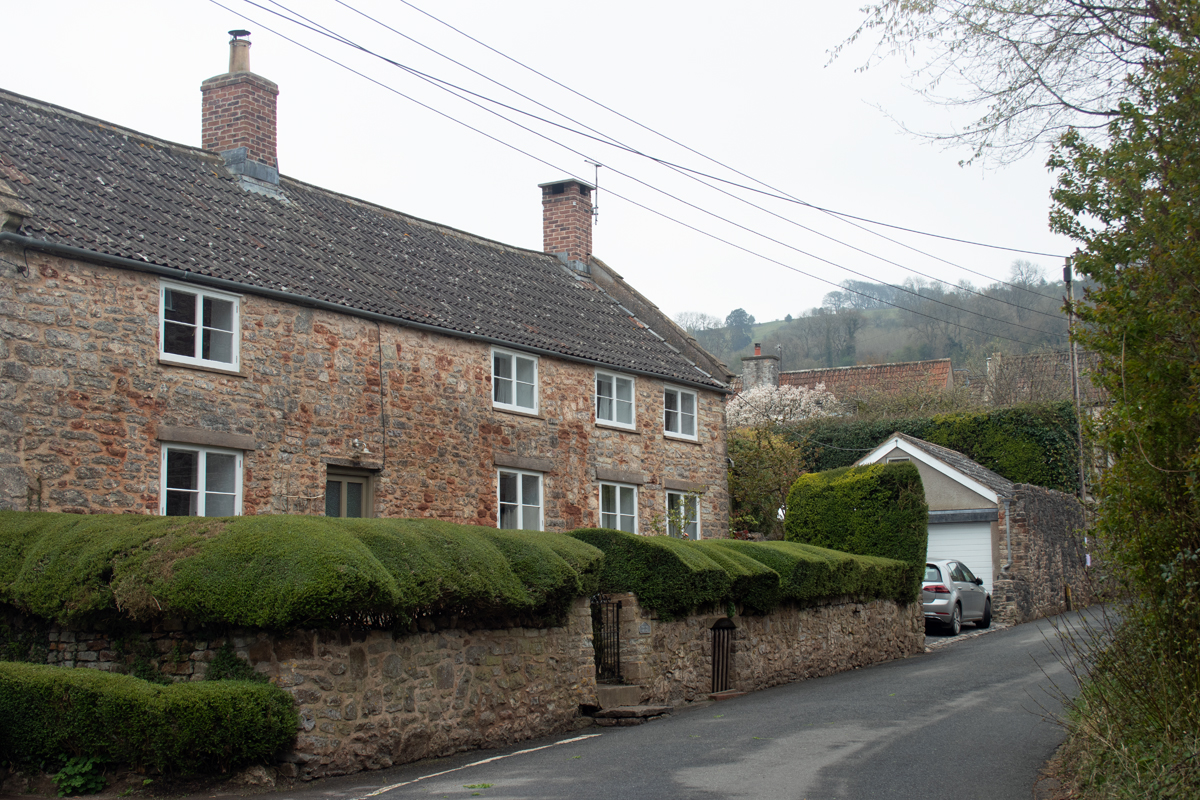
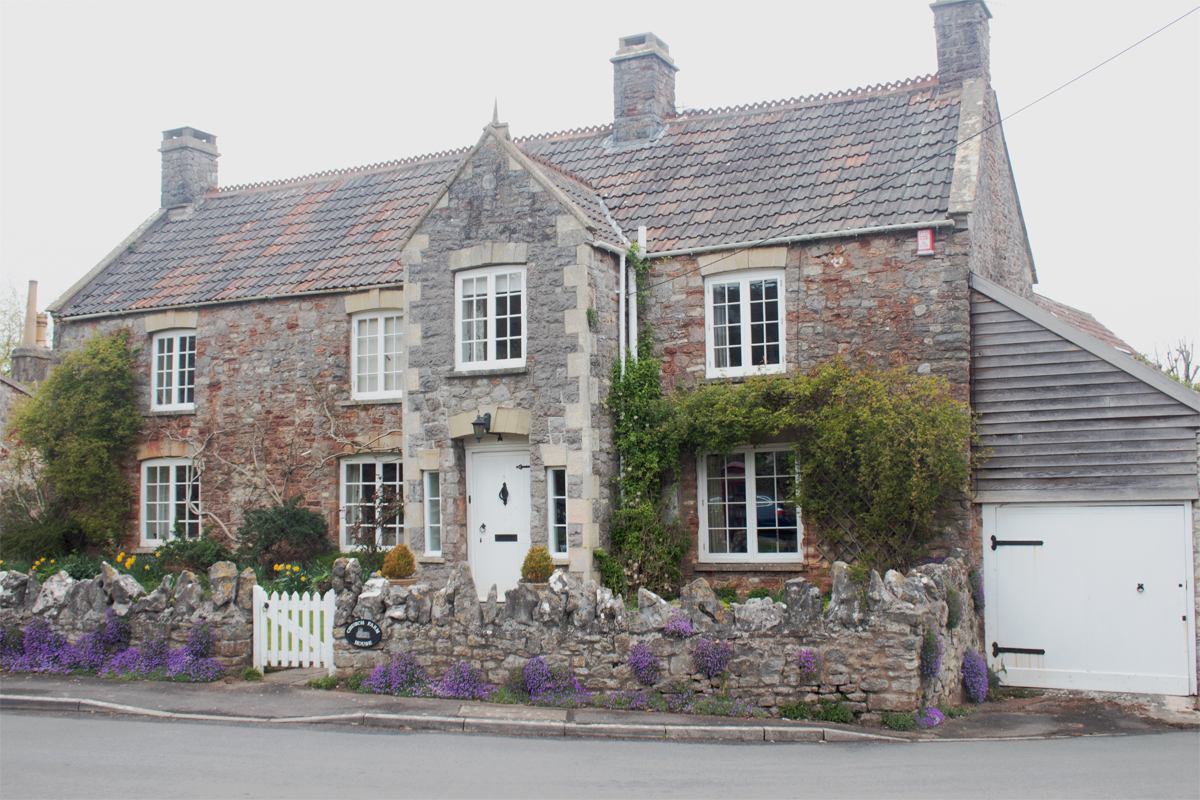
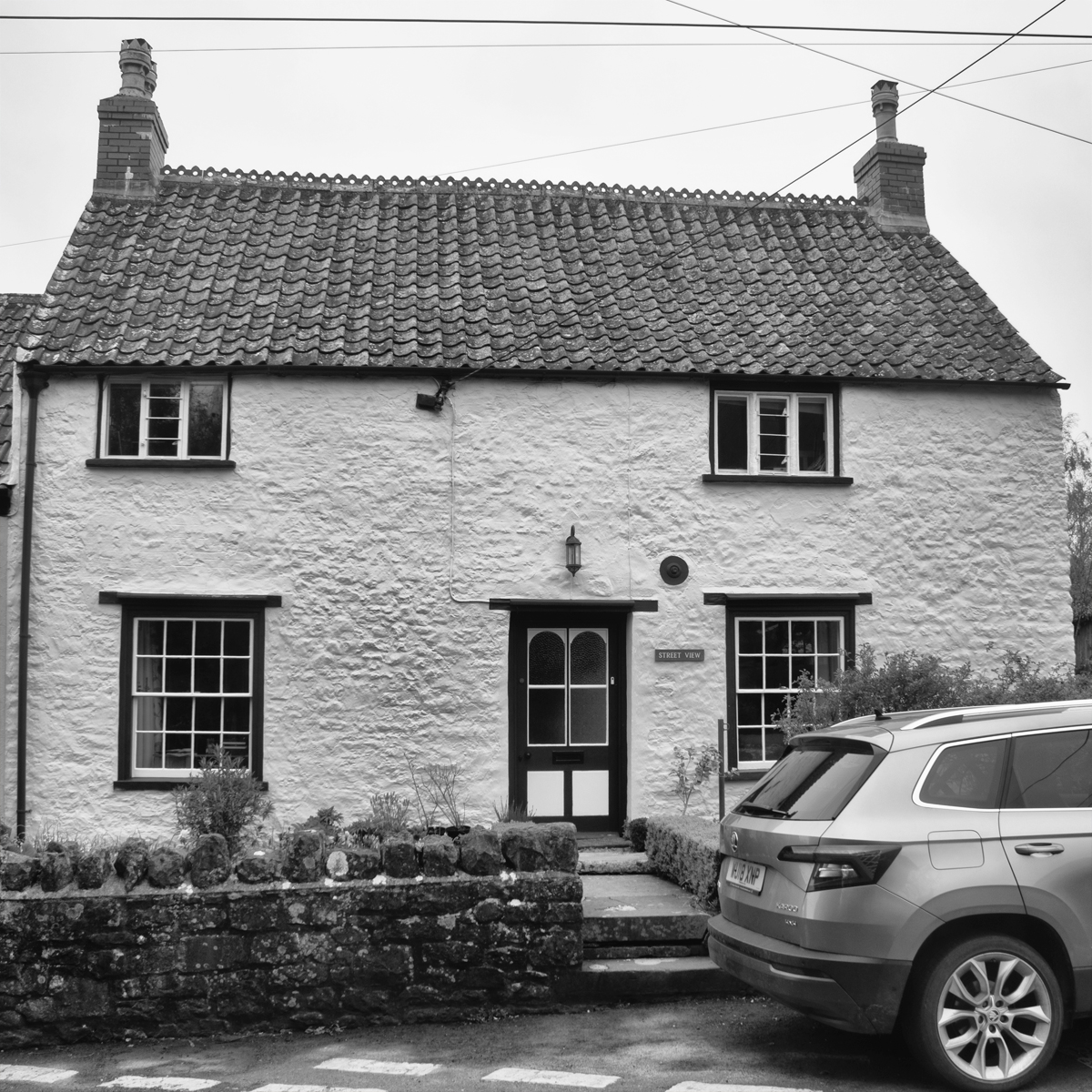
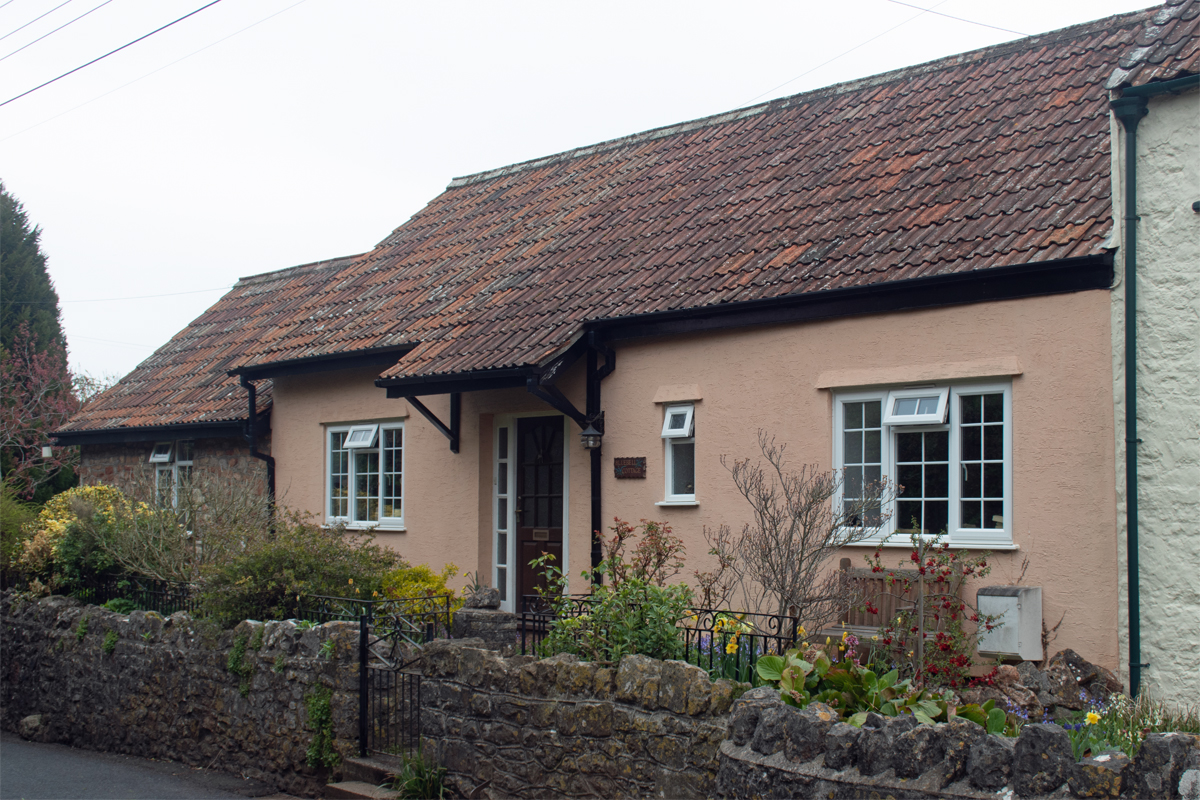
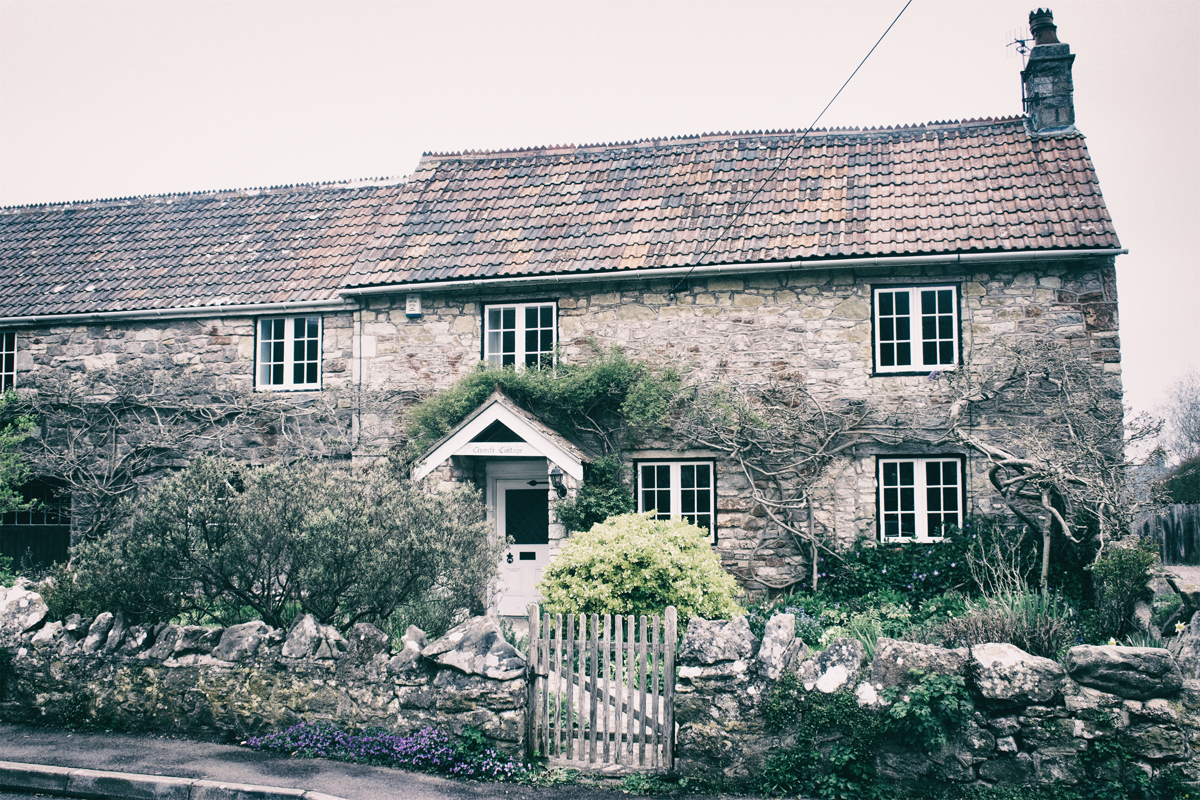
Today, the village has a population of around 330 people, most of whom live in old, stone built houses around the village green.

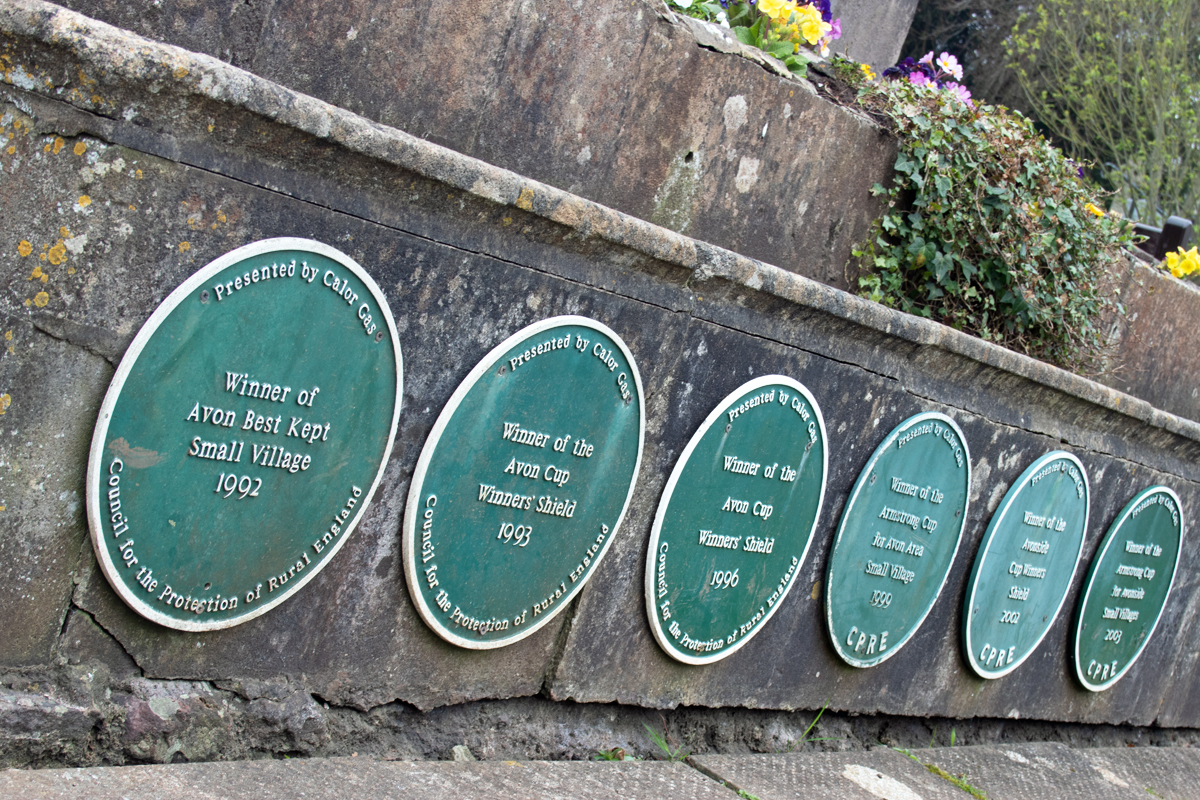
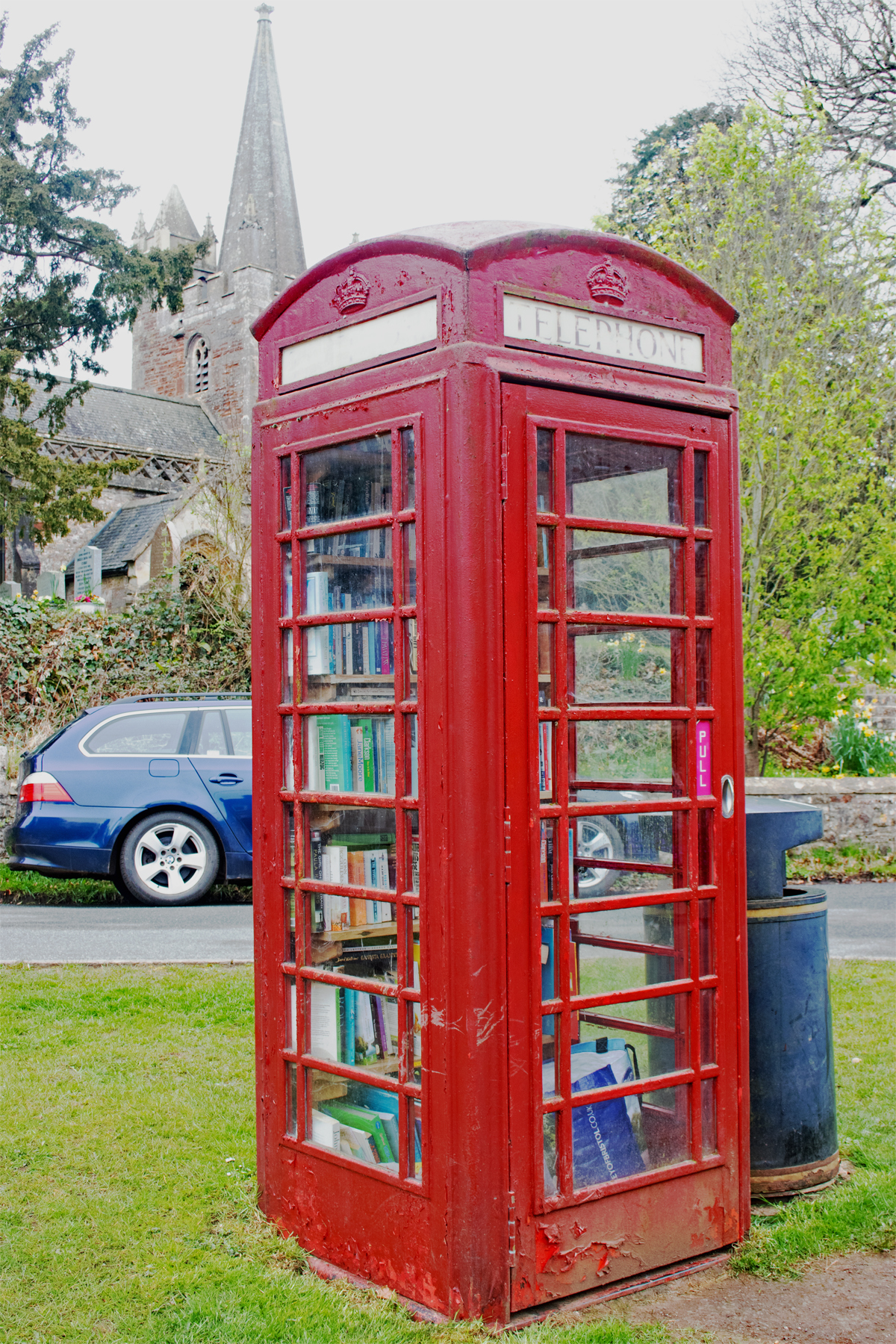
Ubley is a village that takes pride in its appearance, although the Best Kept Village signs date from twenty or thirty years ago. It is a quiet place in a quiet valley, and one with a community feel that is even more apparent because of the events of the last year or so.

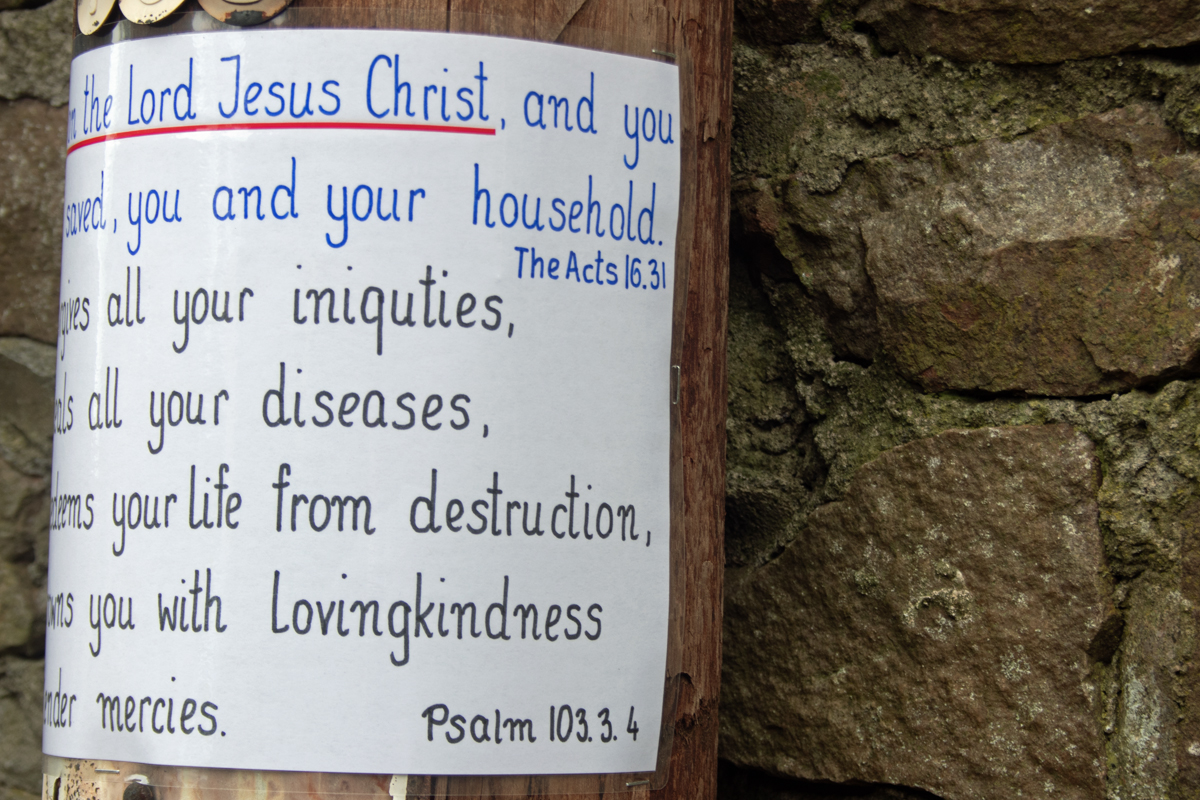

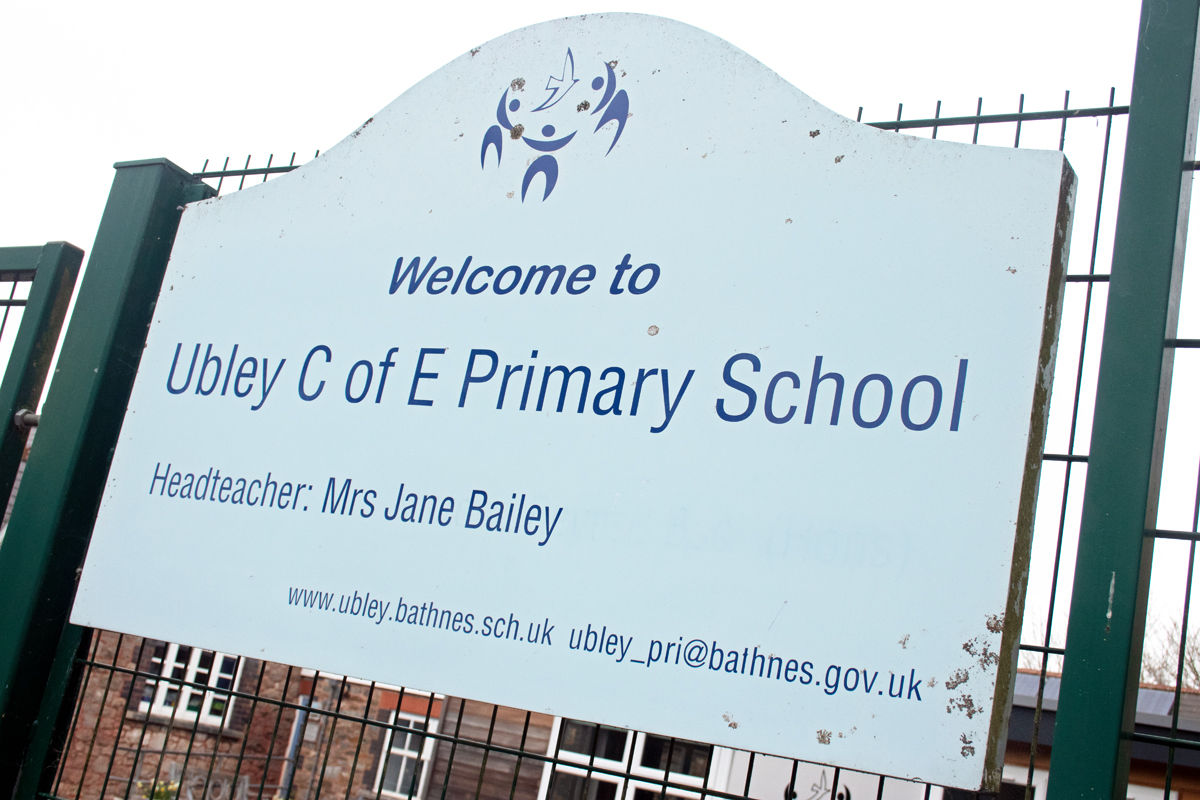


At the heart of the village lies St Bartholomew’s Church. Grade I Listed, it was closed on the day I visited, but was being frequented by a large number of crows, diligently building nests within its open steeple.
The grounds around the church are a peaceful, safe haven for those who have been buried within them over the years.
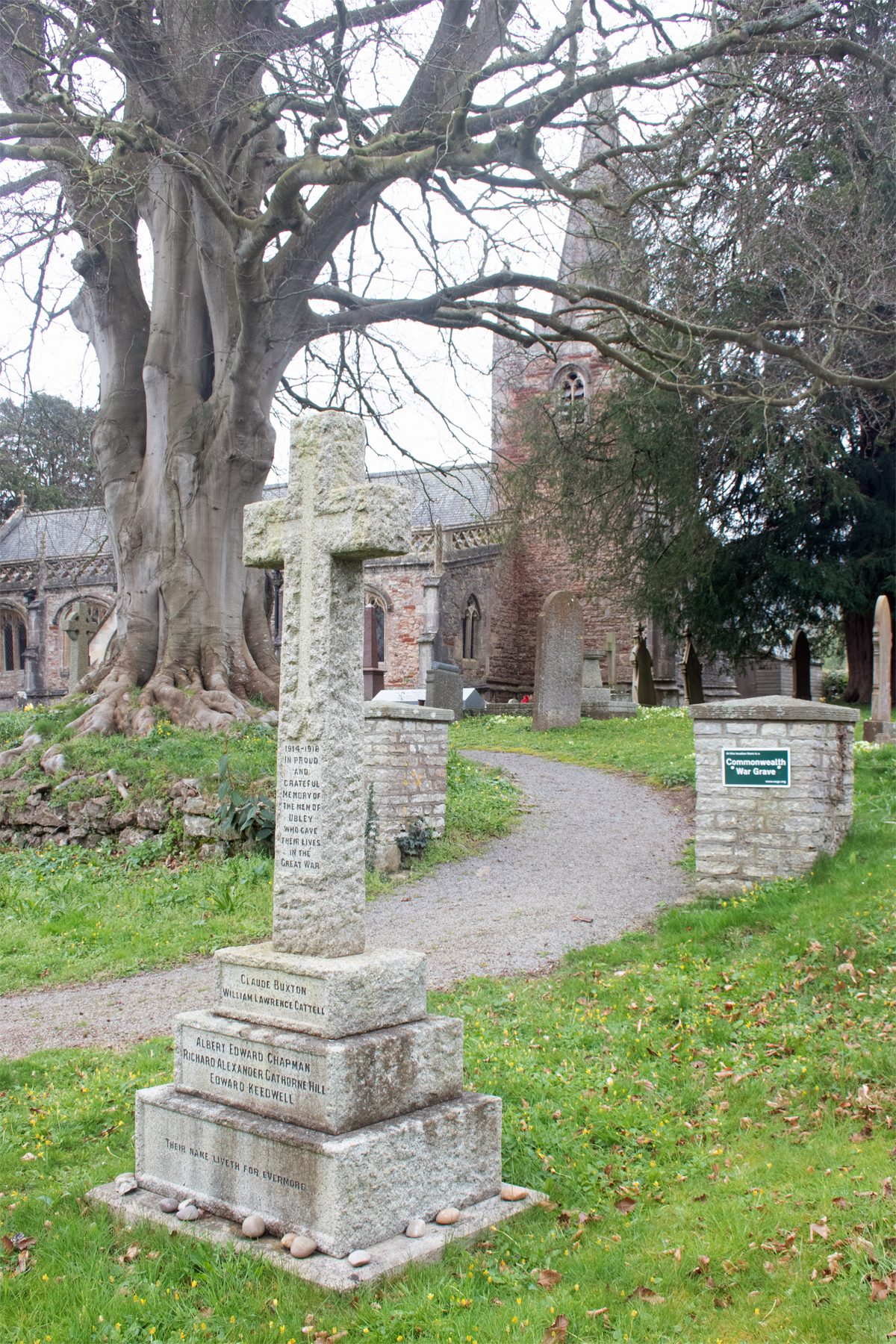
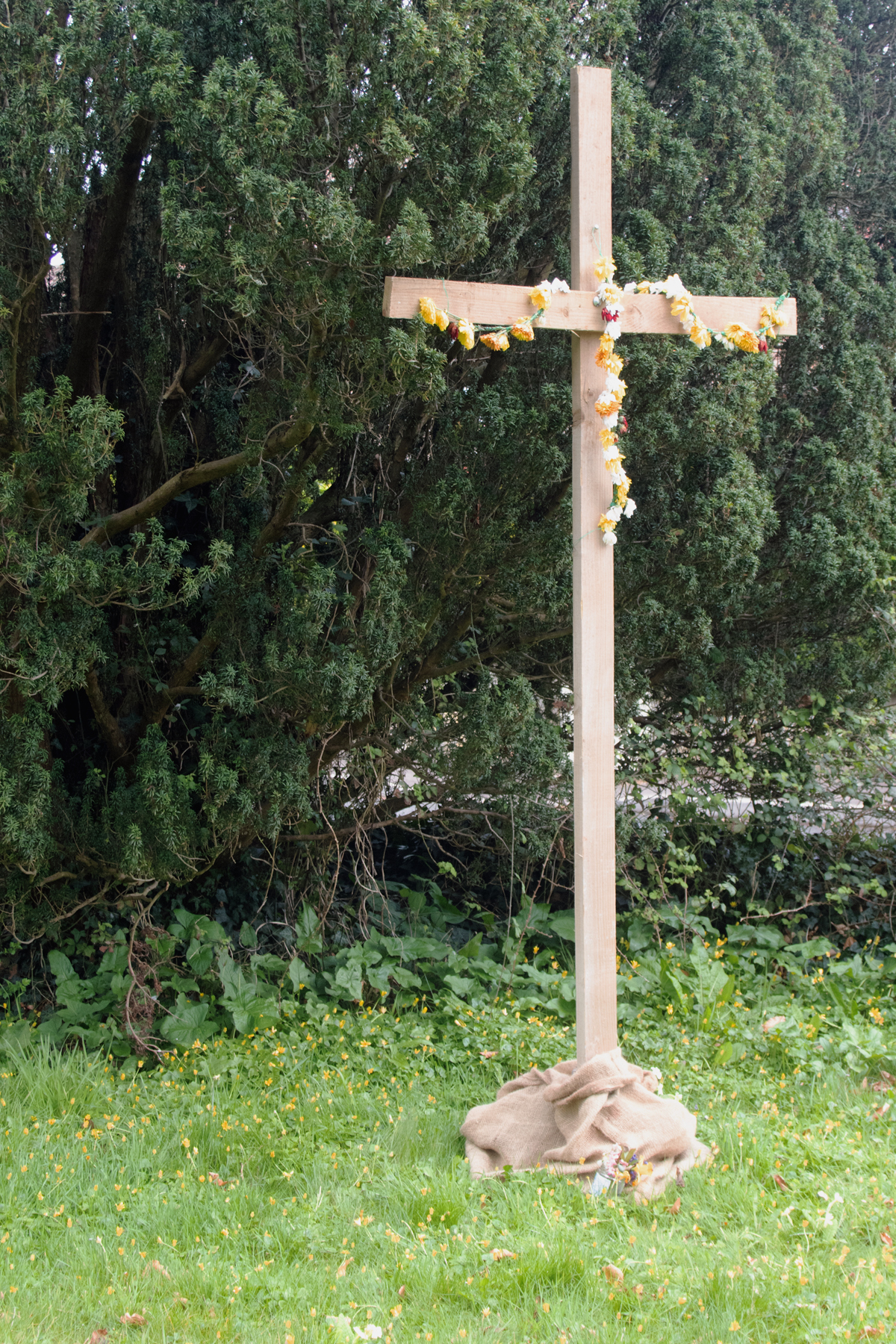
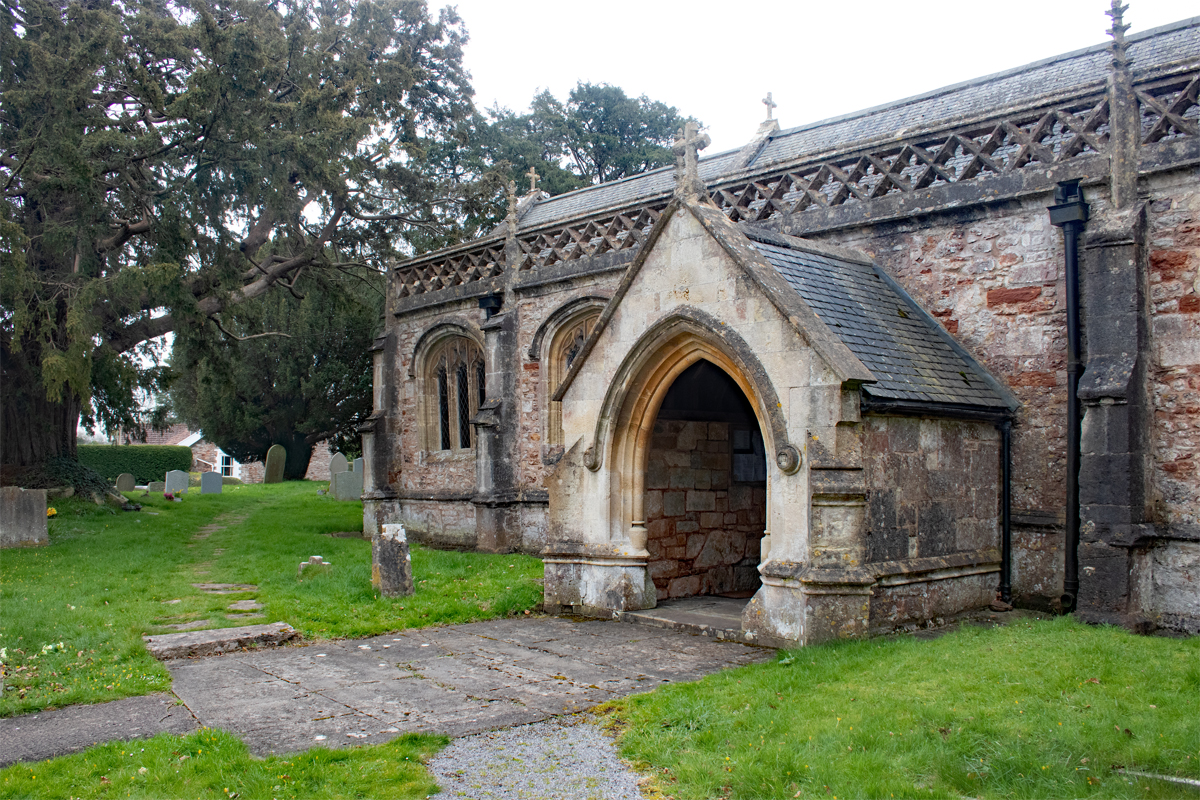

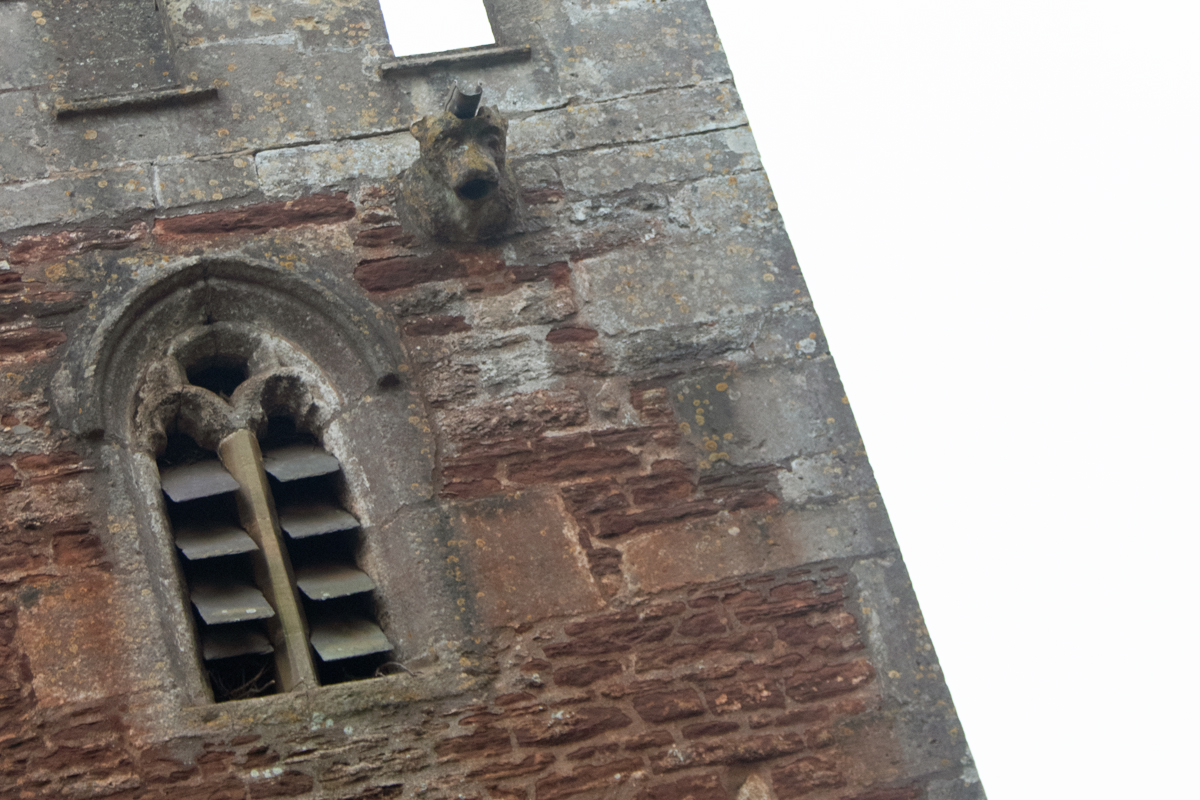


The village War Memorial remembers the five villagers who died in the First World War. There is only grave to a fallen solder in the churchyard and, ironically, that is for Second Lieutenant Alfred Newington, who wasn’t even a local man. (You can read more about his life and story by clicking on his name.)


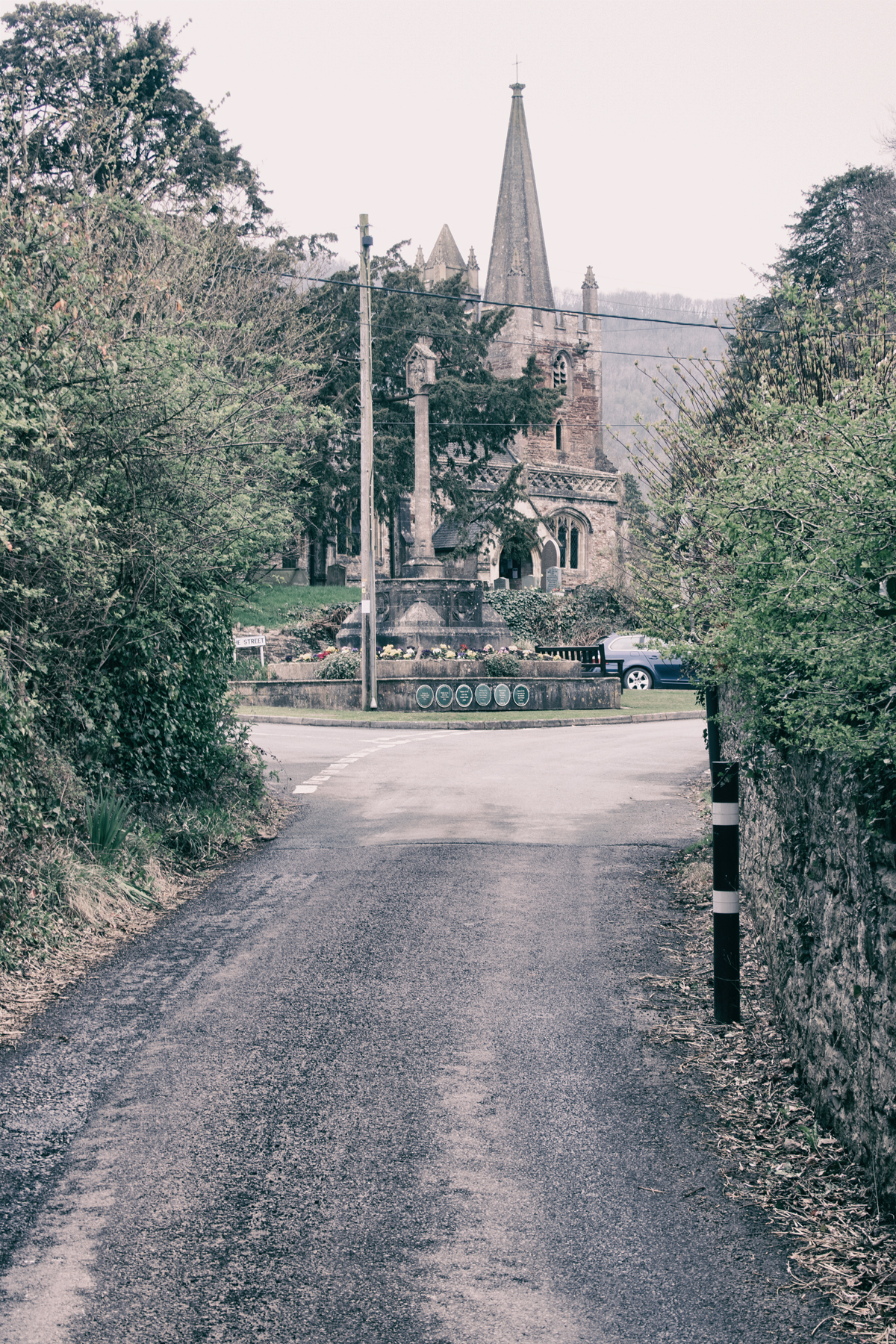
Within easy reach of both the Mendips and Blagdon Lake, Ubley is worth a visit; it provides plenty of opportunity for walking and cycling. It is far enough away from the hubbub of the main Weston to Bath road, but accessible to it, to warrant stopping off.


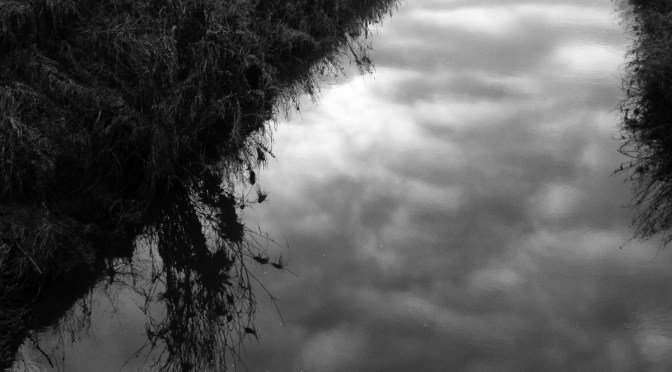
We are reflections of our past.
But reflections can only be seen when the water is calm.
Don’t fight where you come from; choppy waves only make the journey more challenging.

The road ahead may seem straight, but it may also be a mire.
Don’t take the path for granted.
The direct route may not always be the quickest.

We are often haunted by things we did in the past, the ghosts of choices we made.
You cannot go back and change things, you can only look forward and work with what you have got.
Take a deep breath in, and face the barriers you have imposed upon yourself.
Commemorating the fallen of the First World War who are buried in the United Kingdom.
Looking at - and seeing - the world
Nature + Health
ART - Aesthete and other fallacies
A space to share what we learn and explore in the glorious world of providing your own produce
A journey in photography.
turning pictures into words
Finding myself through living my life for the first time or just my boring, absurd thoughts
Over fotografie en leven.
Impressions of my world....




 CKPonderingsToo