Tag Archives: work

A-Z of Somerset: Milverton

M is for Milverton

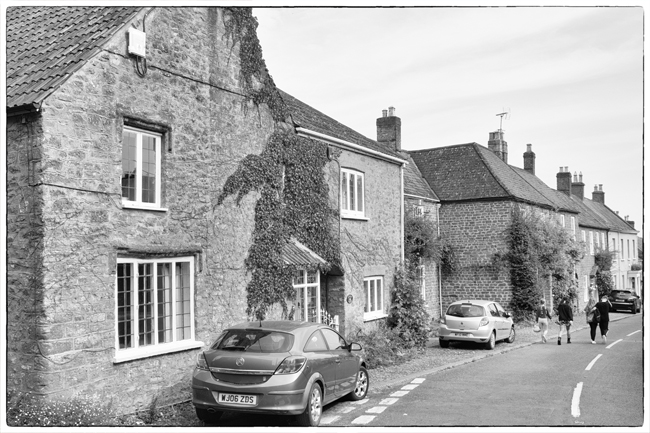
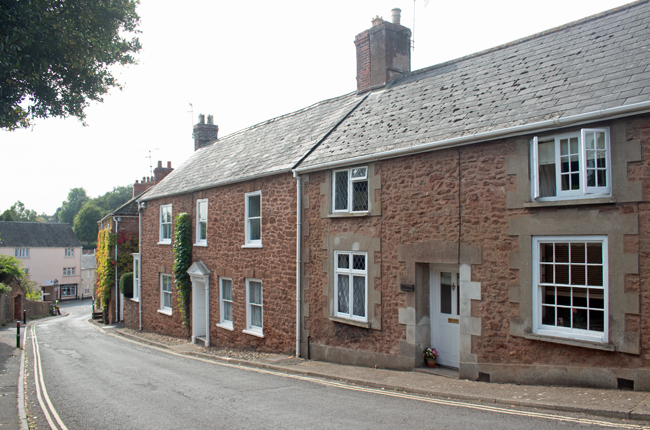
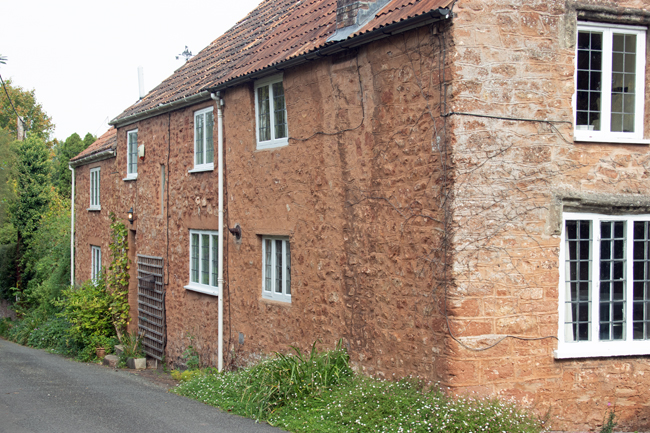
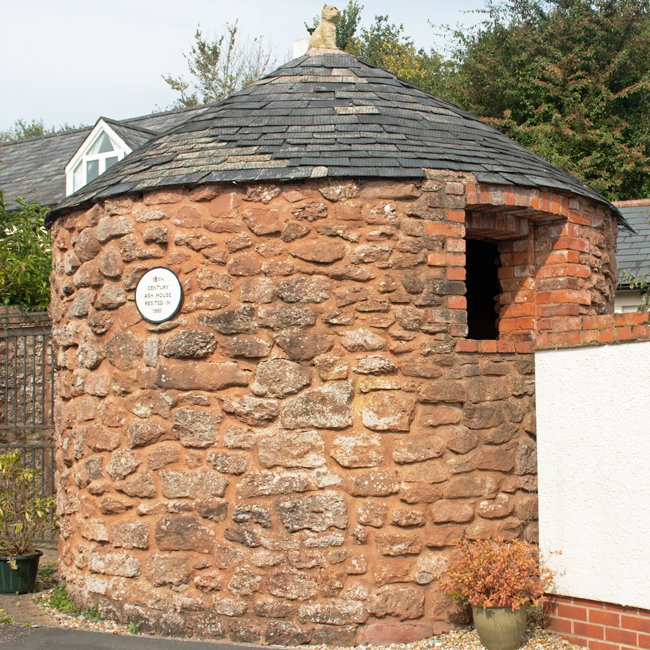
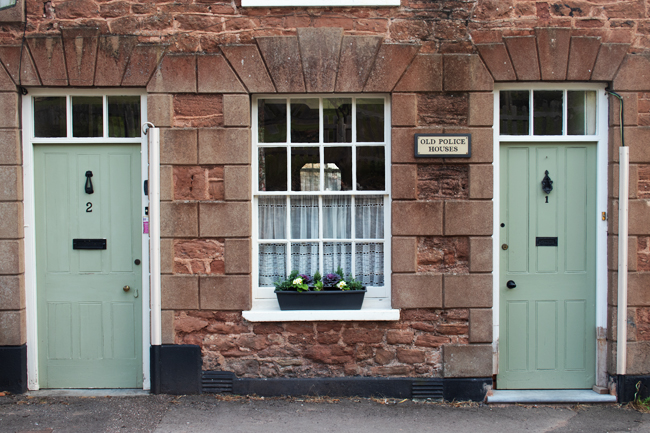
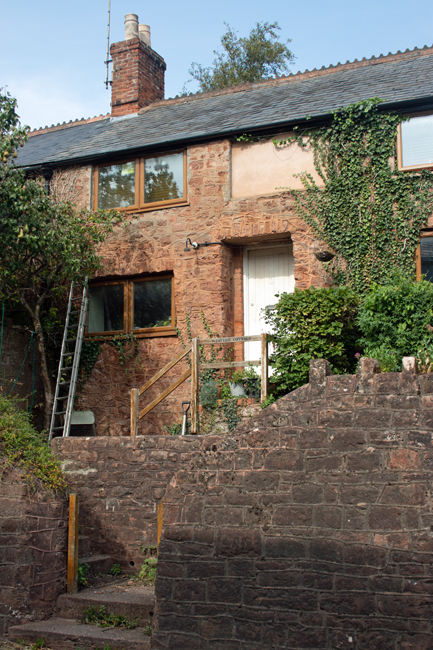
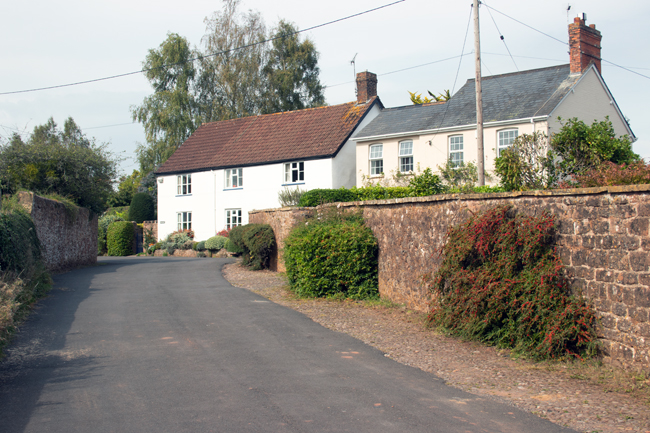
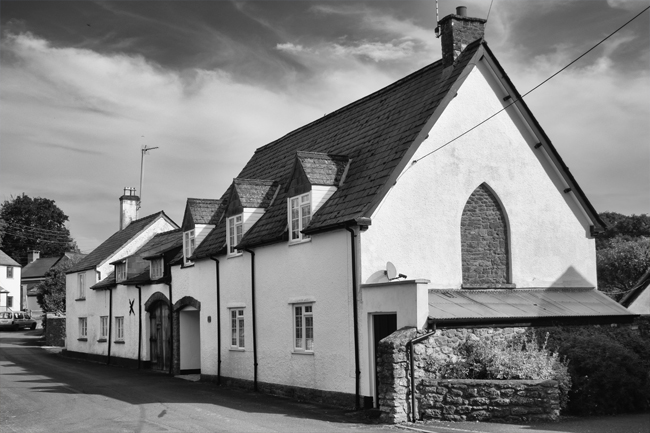
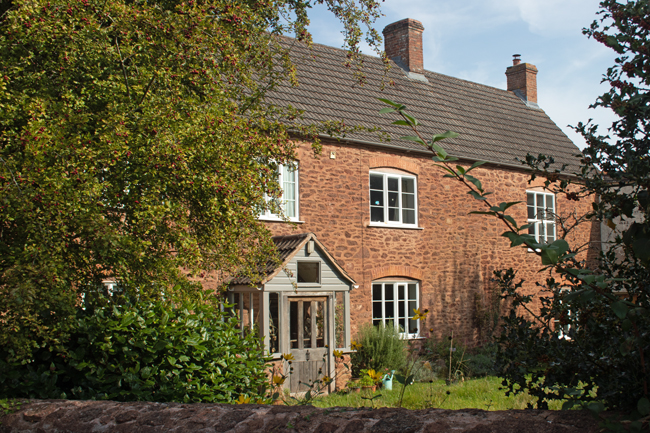
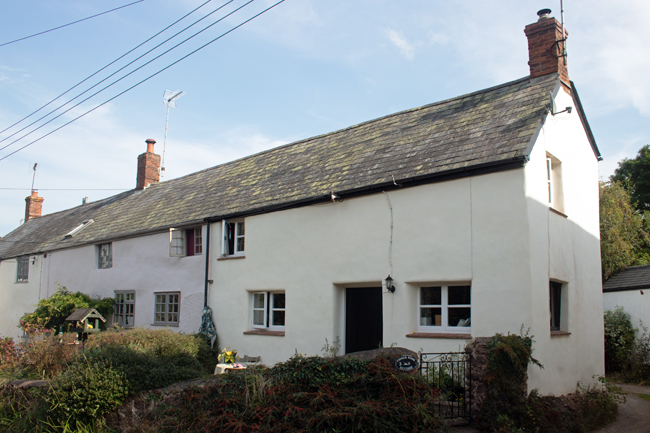
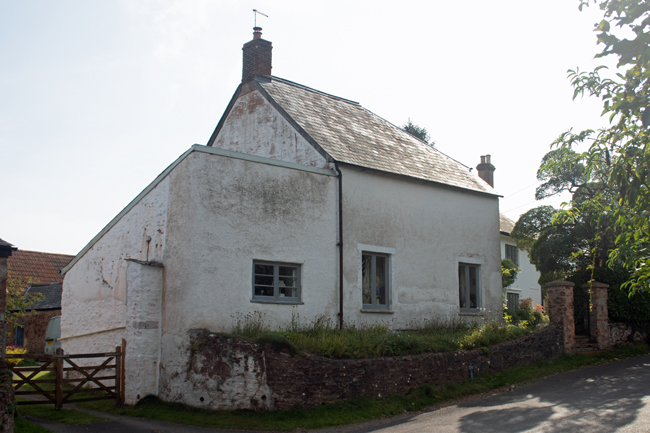
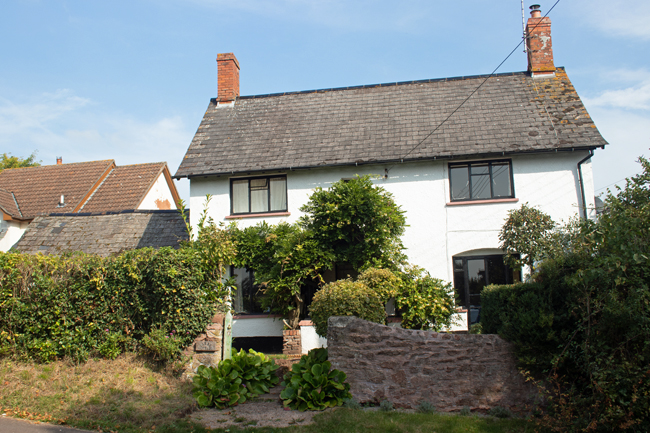
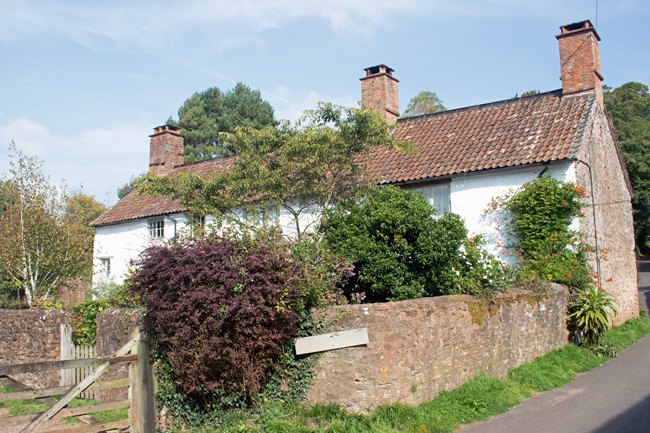
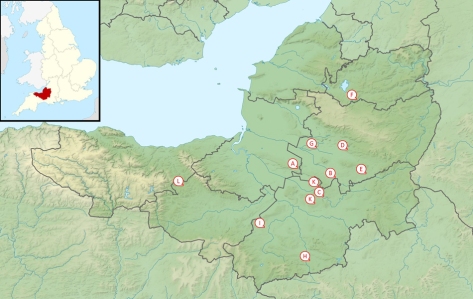
Five miles to the west of Taunton lies the pretty village of Milverton. With a population of nearly 1500 people, it feels like more of a town, and the size and architecture of the houses hint at this being a bustling and rich place.
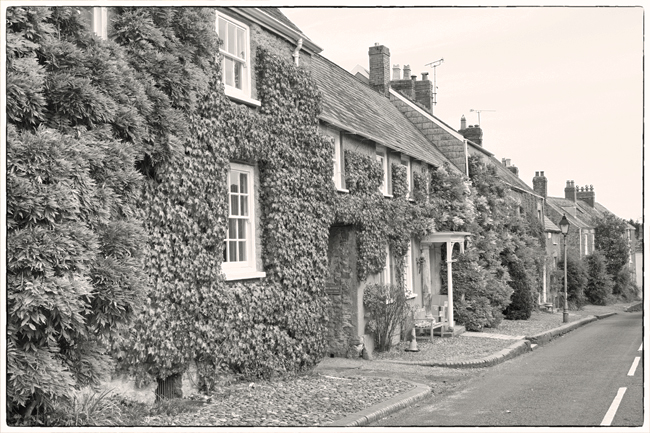
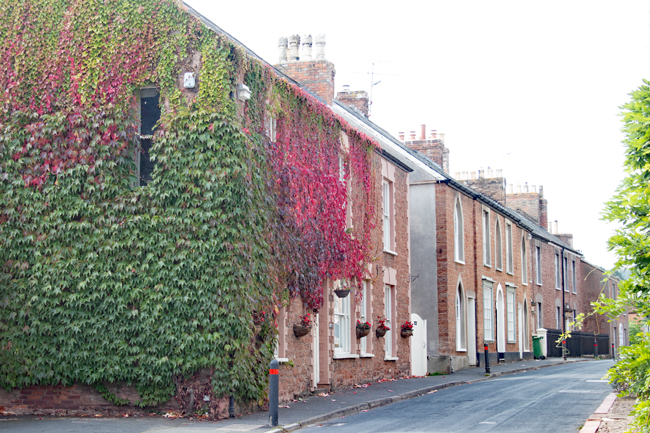
As with much of Somerset, the key trade was cloth, and a silk throwing factory was set up in the village at the beginning of the 19th century, eventually employing more than 300 people.


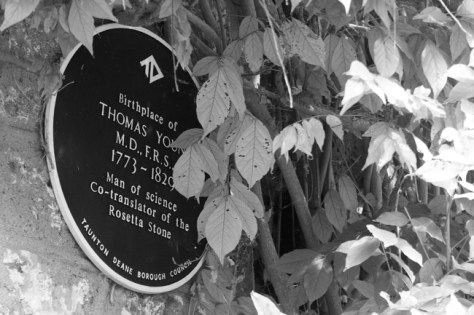
One of Milverton’s notable residents was Thomas Young (1773–1829). He is a man who had fingers in many pies, counting a scientific understanding of vision, light, solid mechanics, energy, physiology amongst his specialisms. He is probable more notable for his interest in Egyptology, and helped translate the Rosetta Stone.
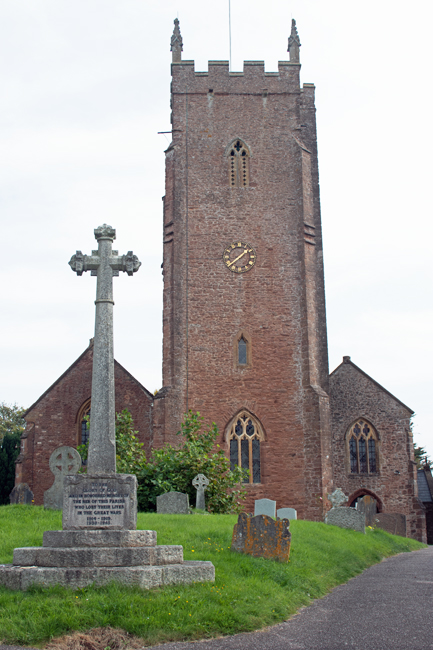

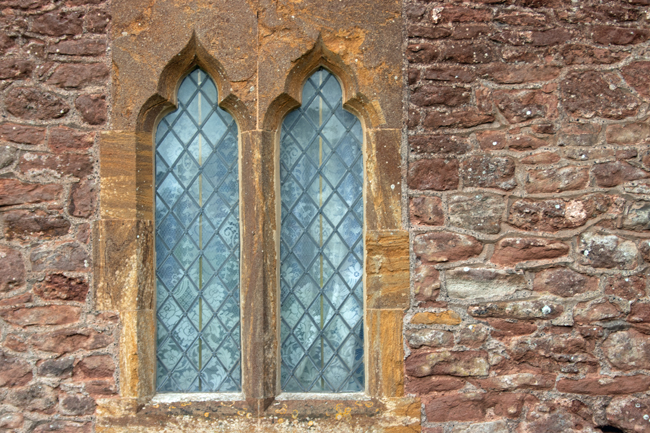
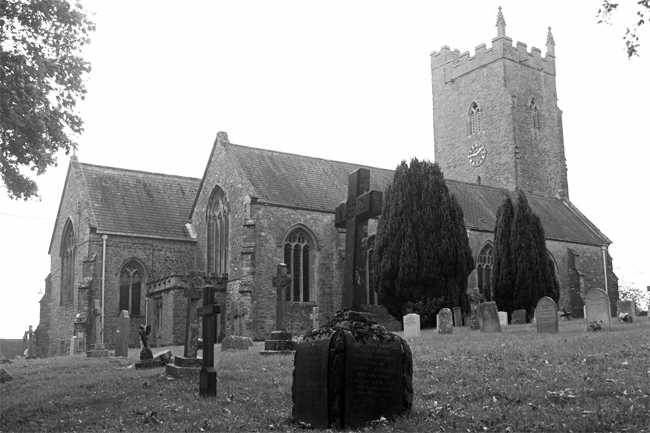
The parish church is the Church of St Michael and All Angels, set in a quite location, and raised above the surrounding houses. It is a peaceful and tranquil location, perfect for reflection and contemplation.

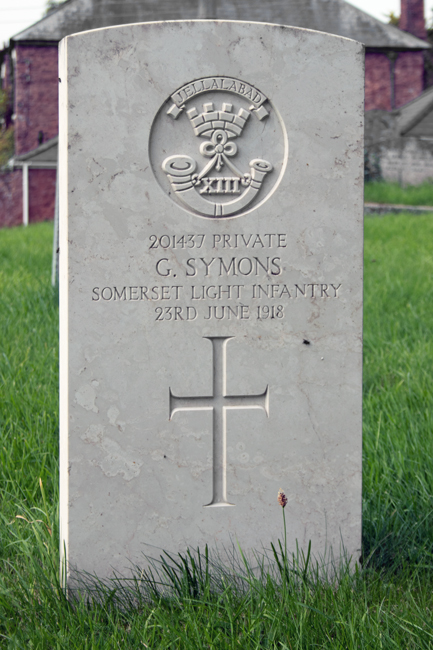
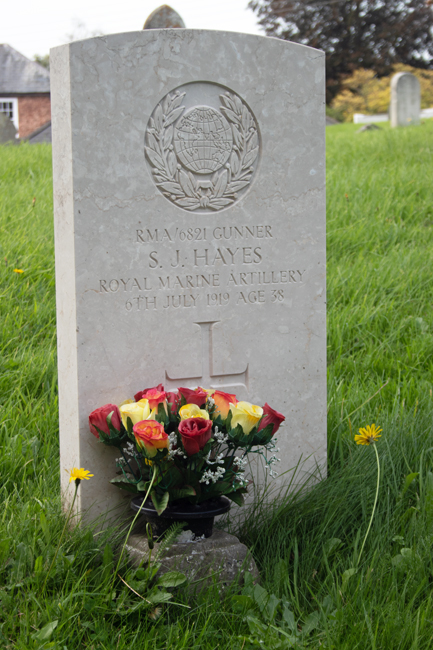
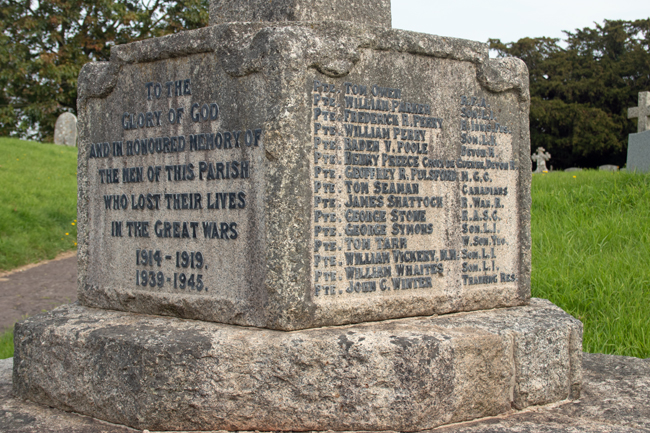
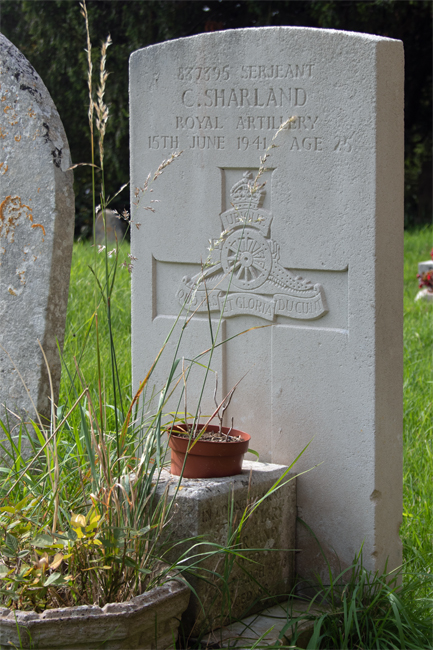
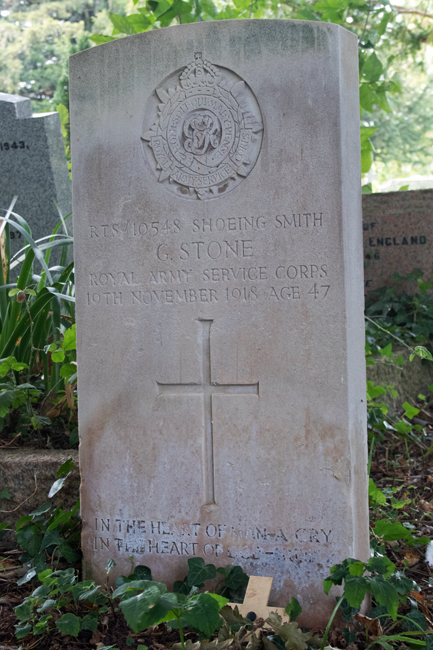
A number of Commonwealth War Graves lie in the graveyard, which I’ll expand on in coming posts.

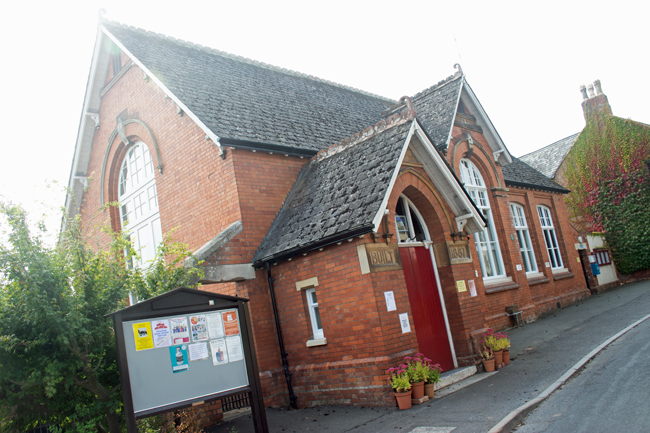
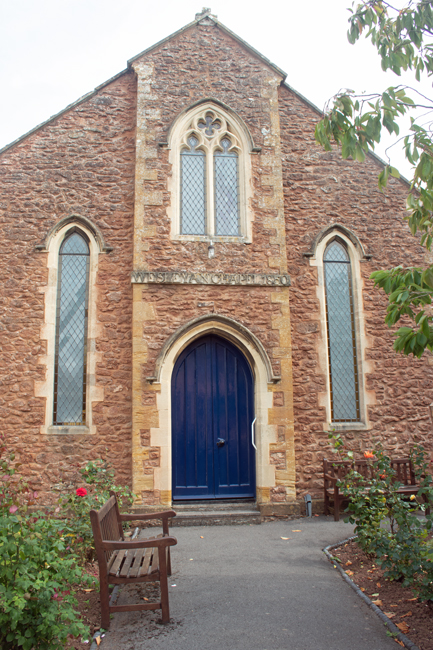
For a town of its size, Milverton has the amenities you would expect; there is another church – a Wesleyan Chapel built in 1850 – a school and a lone remaining public house, The Globe. Shops are minimal, as is transport – the village’s station was another of those that feel during the Beeching cuts of the 1960s.

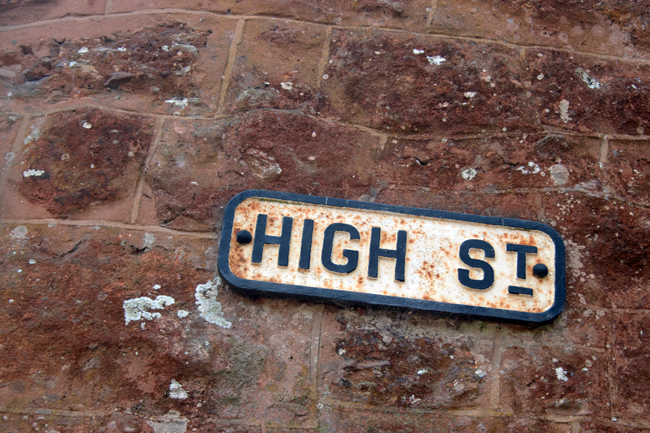
One surprise, however, is the village’s High Street. Doing away with what we nowadays expect, there are no shops or conveniences on it; it is literally a high street, leading up a hill away from the church.


One thing I have found, as I reach the halfway point of my alphabetical journey around Somerset is that, while generally the same, all of the places I have visited have their distinct personalities.

Milverton has just that. It is a large village, the result of its previous industrial heritage, but has slipped back to become a sleepy locale, and is all the better for it.

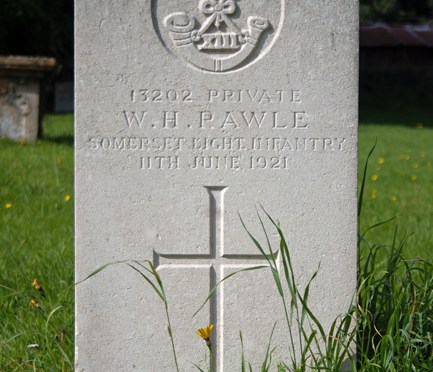
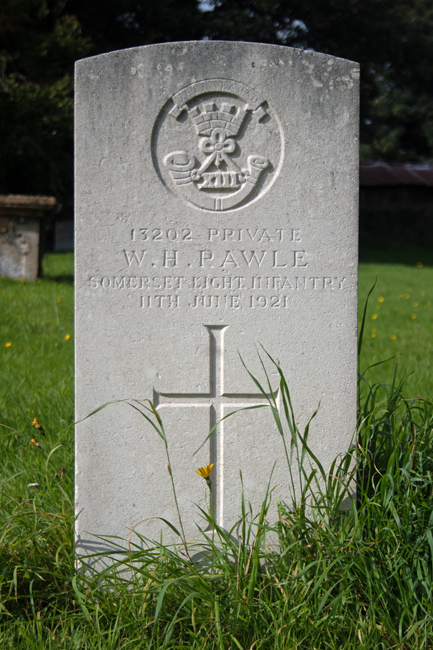
CWG: Private William Rawle

Private William Henry Rawle

William Henry Rawle was born in 1894, the eldest child of George Rawle, a sailor, and Louisa, his wife.

At the time of the 1911 census, William was working as a carter on a farm not far from Porlock in Somerset.

He enlisted in August 1914, joining the Somerset Light Infantry and serving as part of the Expeditionary Force. After a couple of postings, Private Rawle was transferred to the Pioneer Depot in March 1916.

Six months later William was medically discharged as unfit for continued service. His notes highlight his distinguishing marks as 3 marks on his left arm, birth mark under his right nipple and gunshot wound to the left eye (which I am guessing is what led to his discharge).

William died on 11th June 1921, aged 27 years old. I have been unable to find anything specific relating to his death and it is likely, therefore, that no misadventure was involved.

Private William Henry Rawle lies at peace in the churchyard of Lydeard St Lawrence, alongside his brothers Stephen and Ernest.


It should be noted that, by June 1921, Louisa Rawle had lost three of their four sons to the Great War. Her husband, George, had also passed away in 1915.

Louisa’s other son – Edward – also served, enlisting in the Somerset Light Infantry and fighting in the Balkans. Private Edward Rawle survived the war, returning home in March 1919.


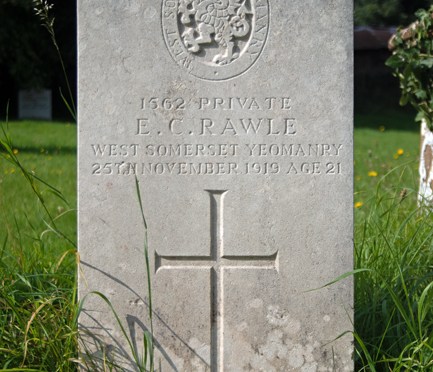
CWG: Private Ernest Rawle

Private Ernest Charles Rawle

Ernest Charles Rawle was born in 1894, the fourth son of George Rawle, a sailor, and Louisa, his wife.

It has not been easy to find information on his war service. What I have been able to ascertain is that Ernest was still at school at the time of the 1911 census, and enlisted in the West Somerset Yeomanry.

He was discharged with a disability on 23rd May 1919, passing just six month later. He was just 21 years old.

Private Ernest Rawle lies at peace in the churchyard of Lydeard St Lawrence, alongside his two brothers, Stephen and William.


CWG: Private Stephen Rawle

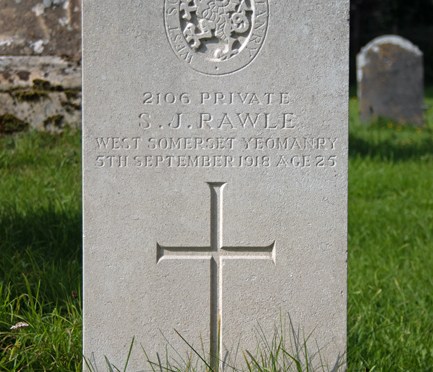
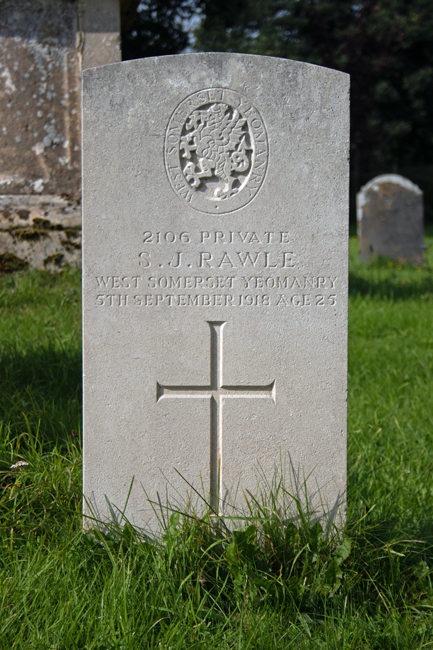
Private Stephen John Rawle

Stephen John Rawle was born in 1894, the second of four sons of George Rawle, a sailor, and Louisa, his wife.

By the time war broke out, Stephen was working as a groom in Wheddon Cross, just south of Minehead.

As the Great War loomed, he enlisted and Private Rawle serving on the home front. His record show that he stood at 5ft 9.5ins (1.76m) and was of good enough health to be enrolled for the Territorial Force. He was assigned to the West Somerset Yeomanry.

He was medically discharged from service on 29th March 1915, having served for one year and 31 days. The records show no signs of injury or wounds, and newspapers of the period do not link him with any misadventure. I can only assume, therefore, that he died of natural causes, possibly linked to the Spanish Flu Pandemic.

Private Stephen John Rawle lies at rest in the churchyard of Lydeard St Lawrence, alongside two of his brothers, Ernest and William.


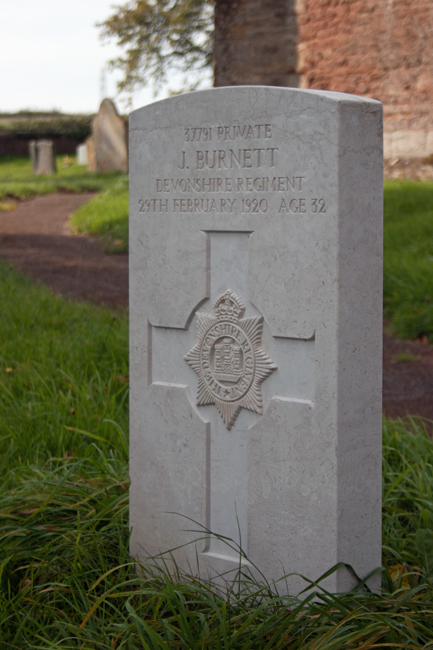
CWG: Private James Burnett

Private James Burnett

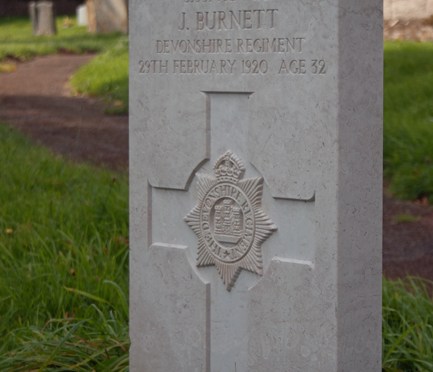
James Burnett was born in 1888, the second son of James and Sarah Ann Burnett. James Sr was a farm labourer, and his son quickly followed his line of work.

James enlisted in February 1916. He was noted as being 5ft 2ins (1.58m) tall, and weighed in at 7.5st (47.6kg).

His medical record notes that his sight was such that he should wear glasses constantly, and, in fact, he was signed off medically as Category B1 (“Free from serious organic diseases, able to stand service on Lines of Communication in France, or in garrisons in the tropics. Able to march 5 miles, see to shoot with glasses, and hear well.”)

After training, Private Burnett was mobilised in September 1916, but transferred to the Agricultural Company (of the Labour Corps) in the summer of 1917.

Sadly, however, I have been unable to locate any details of James’ passing. He died on 29th February 1920 and lies at rest in the churchyard of St Lawrence in his home village.


CWG: Sergeant Richard Prout

Sergeant Richard Edwin Prout

Richard Edwin Prout was born in 1896, the second son of Frederick and Anna (Hannah) Prout. When his father died in 1908, his mother remarried and by the 1911 census, Richard and his family had moved to Lydeard St Lawrence, where he was a baker’s boy.

He enlisted in June 1914, joining the Somerset Light Infantry and served throughout the war, receiving the Mons Star, Victory Medal and General Service Medals.

After the war, he continued in the army, and was assigned to Taunton Barracks.

His passing was unusual enough for it to be reported on in the local newspaper.

Sergt. Prout, it was stated at the Barracks yesterday, had been on leave for some days prior to his departure for Ireland, and had been spending his furlough at Crowcombe, where his parents live. On the evening of his death he left home, after taking a hearty meal, to catch the 7.25 train to Taunton. He had to walk a mile to Crowcombe station, most of the way uphill. Early the following morning his dead body was discovered lying face downwards by the roadside, about 50 yards from the station. The body was removed to his home, and Dr. Frossard, of Bishop’s Lydeard, was called in to make a post-mortem examination. The doctor has reported that death was due to asphyxia brought on by over exertion on a full stomach, and syncope, following pressure on the neck by the tightness of the collar of his outside jacket, the doctor adding that he had great difficulty in unfastening the collar.

Western Daily Press – Friday 20th February 1920

A genuine case of someone going before their time. Having visited Lydeard St Lawrence, I recognise the hill he would have had to have climbed to reach the station, and it’s steep enough in a car, let alone walking up it.
Sergeant Richard Edwin Prout, the newspaper reported, was generally esteemed by his fellow company, and at his funeral he received full military honours.

Richard Prout lies peacefully in the churchyard of Lydeard St Lawrence.


A-Z of Somerset: Lydeard St Lawrence

L is for Lydeard St Lawrence

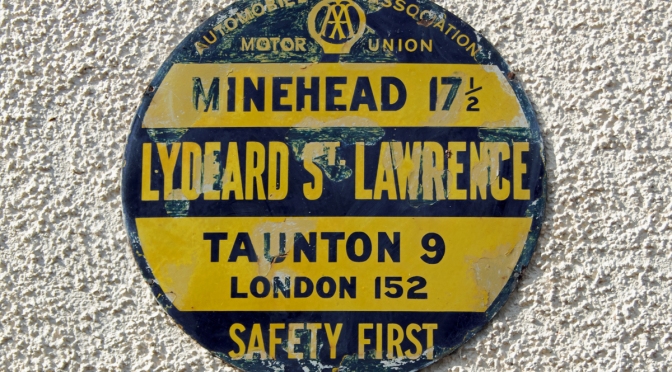
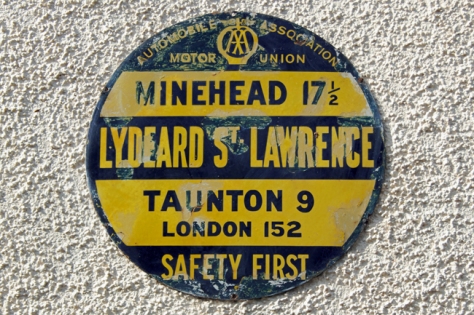
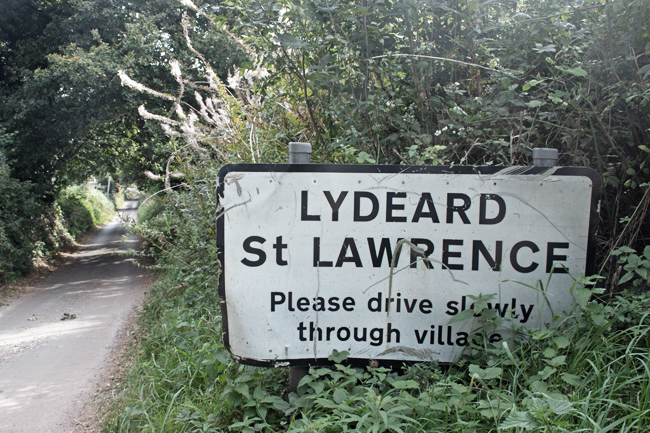
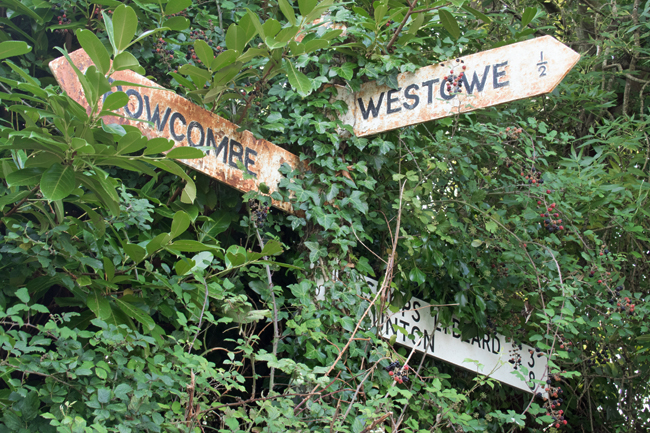
In the depths of western Somerset, along country roads your SatNav smirks at taking you down, lies the pretty village of Lydeard St Lawrence.

The origins of the name is shrouded in a bit of mystery, but Lydeard may translate as “grey ridge”, while St Lawrence is the saint to whom the local church is dedicated. (It is likely that St Lawrence was added to the villae name, to distinguish it from the village of Bishop’s Lydeard, just four miles down the road.)

The village has a population of 500 people, and it is very easy to find yourself in open countryside within minutes of walking from the village centre.


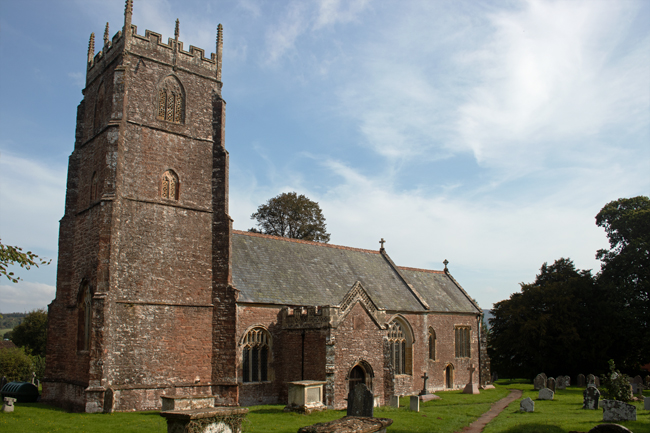
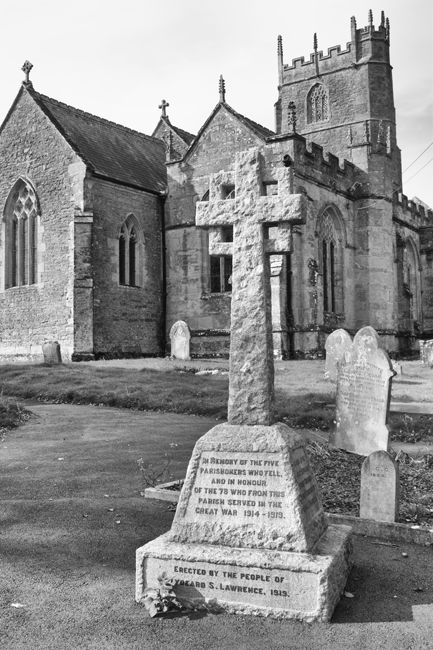
The Church of St Lawrence is at the top end of the village and, as with may similar religious locations, is a calm and peaceful place to stop and rest.

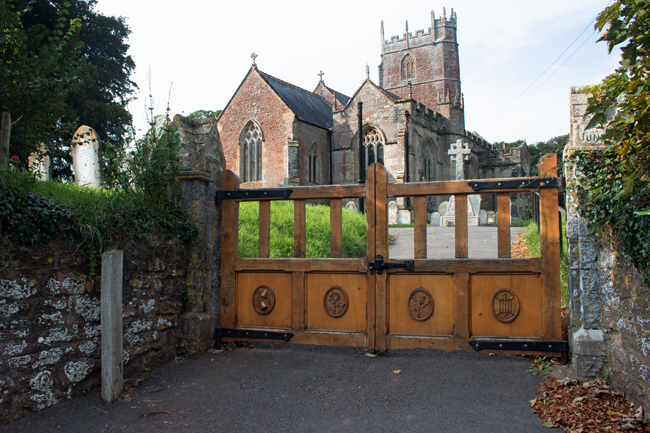
A plaque on the gate into the churchyard pays tribute to Lance Corporal Alan Kennington, who was serving in Northern Ireland in 1973 when he was shot and killed while on foot patrol on the Crumlin Road, Belfast. He was just 20 years old.

The church also forms the last resting place for a number of other local men who passed away in the Great War – I’ll expand on these in later posts.


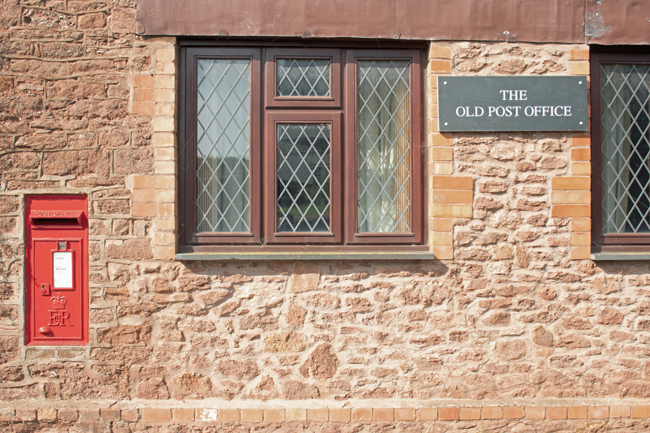
Lydeard St Lawrence, is certainly a peaceful village – on its own in the depths of the Somerset countryside and sheltered by the hills it is named after, it is somewhere to get away from it all. There are no immediate amenities – the post office has been closed long enough for the building to be converted into a house – but a village hall and school are there to support the community in all things secular.


Mass Observation: Random

So, time for the results of the fifth Mass Observation Project, and there are some fine examples here!

Following January Blues, Change, Isolation and Colour, I opted for something a bit more random, and boy did we get random back!!

Enjoy!


Random by Killing Time with a Camera

Name: killing time with a camera … (https://steviegill.wordpress.com/)

Location: The Beaches, Toronto

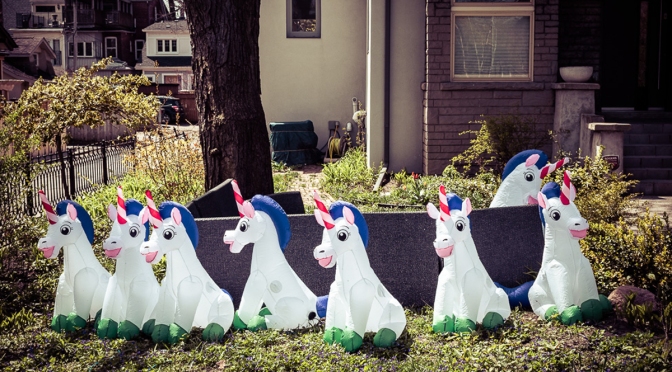
Note: What could be more random than eight inflatable unicorns sat in someone’s front garden? I walk down this road regularly and they certainly weren’t there on previous occasions — that’s the kind of thing I’d notice!


Random by Droning Speck

Name: Droning Speck

Location: UK

Note: In the end, are we not all going round in circles? The blue of the sign against the blue of the sky really caught my eye, but something wasn’t quite right. It all seemed a little random…


Random by CKPonderingsToo

Name: CKPonderingsToo

Location: Shapwick Heath, Somerset

Note: The bug had caught my eye, glistening brightly against the yellow irises. One of the things I love about mt photography technique (trigger-happy, drive-by snapping) is that I don’t always know what the result is going to be. It was only when I looked at the image on the computer that I appreciated it was two bugs, rather than one! (Yes, they’re cuddling to keep warm… It was a misty morning…)


Random by Doctor Ken, Gin Sop

Name: Doctor Ken, Gin Sop

Location: Somerset

Note: The random thing for this photo is that I have been called upon to do the ironing!


Random by Cap Does Craft

Name: Cap Does Craft

Location: Gallery Floor – South Yorkshire

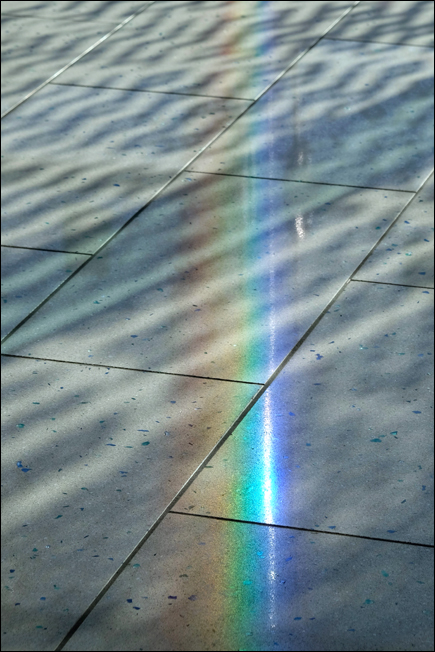
Note: Random was called for and and random this is!  The speckled tiles, straight lines, wavy shadows, reflections and rainbow were taken pre-pandemic but work with the theme.  The rainbow was created by sunlight refracting through the edge of a glass door (and the handles to the door can just be seen in the reflection next to the rainbow). Whether the different aspects of this image come together to make a pleasing whole is perhaps for you to decide?


Random by Postcard Cafe

Name: Postcard Cafe https://postcardcafe.wordpress.com

Location: South West Sheffield (Taken during lockdown while on daily exercise)

Note: This photograph is of hay bales wrapped in plastic to produce silage, ready to be used as winter feed for livestock.  Most often we see these bales on farms dressed in black plastic and I liked that these are pink and green, which in itself seemed unusual.  I also liked the random nature the various components in the composition.  Brambles with their incredible daily growth are gradually attempting to reclaim the area for themselves and the bales arranged seemingly without too much order.  In a different setting this might be considered a work of art!


Random by Cooking-Post Nerd

Name: Cooking-Post Nerd

Location: Somerset

Note: It’ funny what you can find wandering the local streets during your daily exercise. I mean, what could be more random than Bear’s Curious Quest?!