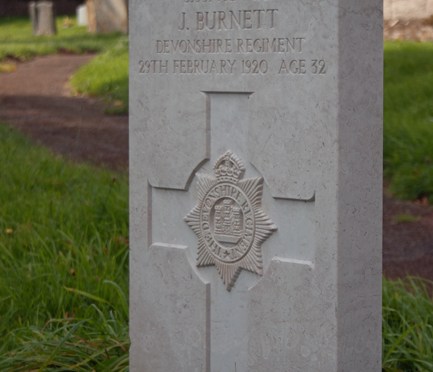
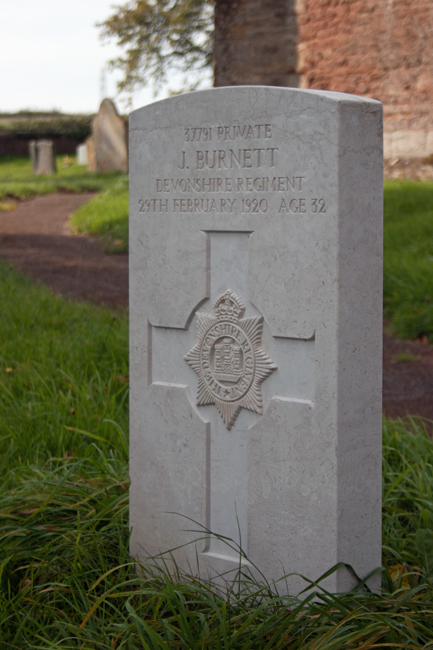
James Burnett was born in 1888, the second son of James and Sarah Ann Burnett. James Sr was a farm labourer, and his son quickly followed his line of work.
James enlisted in February 1916. He was noted as being 5ft 2ins (1.58m) tall, and weighed in at 7.5st (47.6kg).
His medical record notes that his sight was such that he should wear glasses constantly, and, in fact, he was signed off medically as Category B1 (“Free from serious organic diseases, able to stand service on Lines of Communication in France, or in garrisons in the tropics. Able to march 5 miles, see to shoot with glasses, and hear well.”)
After training, Private Burnett was mobilised in September 1916, but transferred to the Agricultural Company (of the Labour Corps) in the summer of 1917.
Sadly, however, I have been unable to locate any details of James’ passing. He died on 29th February 1920 and lies at rest in the churchyard of St Lawrence in his home village.
Richard Edwin Prout was born in 1896, the second son of Frederick and Anna (Hannah) Prout. When his father died in 1908, his mother remarried and by the 1911 census, Richard and his family had moved to Lydeard St Lawrence, where he was a baker’s boy.
He enlisted in June 1914, joining the Somerset Light Infantry and served throughout the war, receiving the Mons Star, Victory Medal and General Service Medals.
After the war, he continued in the army, and was assigned to Taunton Barracks.
His passing was unusual enough for it to be reported on in the local newspaper.
Sergt. Prout, it was stated at the Barracks yesterday, had been on leave for some days prior to his departure for Ireland, and had been spending his furlough at Crowcombe, where his parents live. On the evening of his death he left home, after taking a hearty meal, to catch the 7.25 train to Taunton. He had to walk a mile to Crowcombe station, most of the way uphill. Early the following morning his dead body was discovered lying face downwards by the roadside, about 50 yards from the station. The body was removed to his home, and Dr. Frossard, of Bishop’s Lydeard, was called in to make a post-mortem examination. The doctor has reported that death was due to asphyxia brought on by over exertion on a full stomach, and syncope, following pressure on the neck by the tightness of the collar of his outside jacket, the doctor adding that he had great difficulty in unfastening the collar.
Western Daily Press – Friday 20th February 1920
A genuine case of someone going before their time. Having visited Lydeard St Lawrence, I recognise the hill he would have had to have climbed to reach the station, and it’s steep enough in a car, let alone walking up it.
Sergeant Richard Edwin Prout, the newspaper reported, was generally esteemed by his fellow company, and at his funeral he received full military honours.
Richard Prout lies peacefully in the churchyard of Lydeard St Lawrence.
Henry Charles Edwards was born in 1883, the eldest of four children for Joseph and Elizabeth.
Joseph was an agricultural labourer, and Henry (or Harry) followed his father in the farming life, continuing in the role after Joseph died, and up until at least the 1911 census.
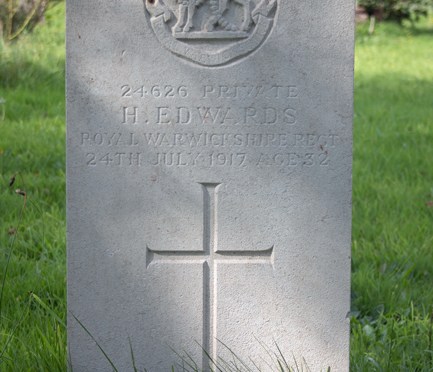
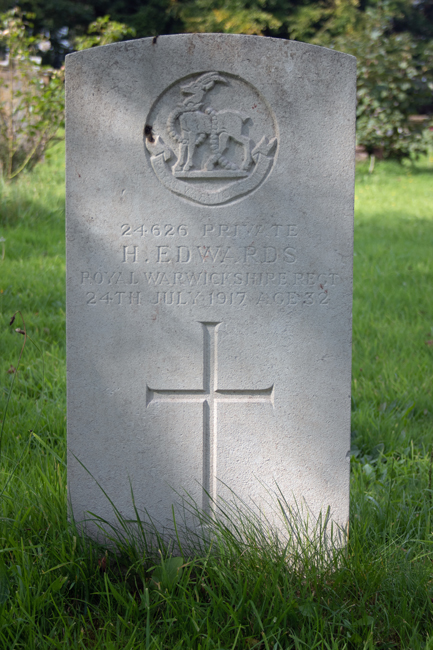
I was unable to find much regarding Harry’s military service. He signed up the Royal Warwickshire Regiment, and subsequently transferred to the Somerset Light Infantry.
He died from tetanus, although whether he became infected while serving or at home, I am unsure.
Private Henry Edwards lies at rest in the churchyard of Lydeard St Lawrence.
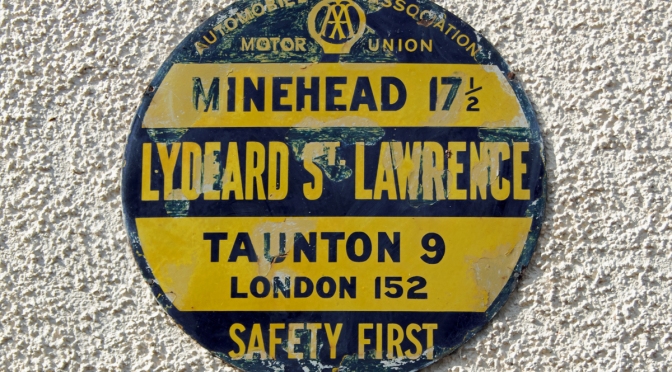
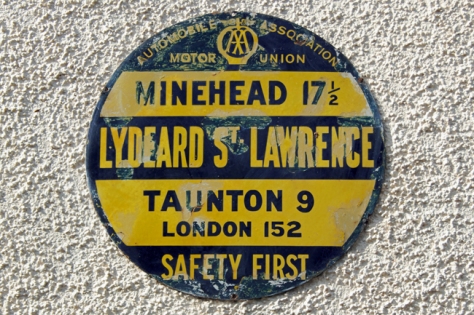
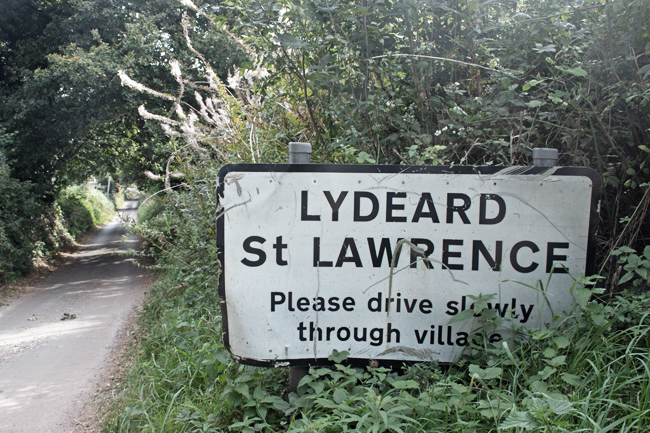
In the depths of western Somerset, along country roads your SatNav smirks at taking you down, lies the pretty village of Lydeard St Lawrence.
The origins of the name is shrouded in a bit of mystery, but Lydeard may translate as “grey ridge”, while St Lawrence is the saint to whom the local church is dedicated. (It is likely that St Lawrence was added to the villae name, to distinguish it from the village of Bishop’s Lydeard, just four miles down the road.)
The village has a population of 500 people, and it is very easy to find yourself in open countryside within minutes of walking from the village centre.
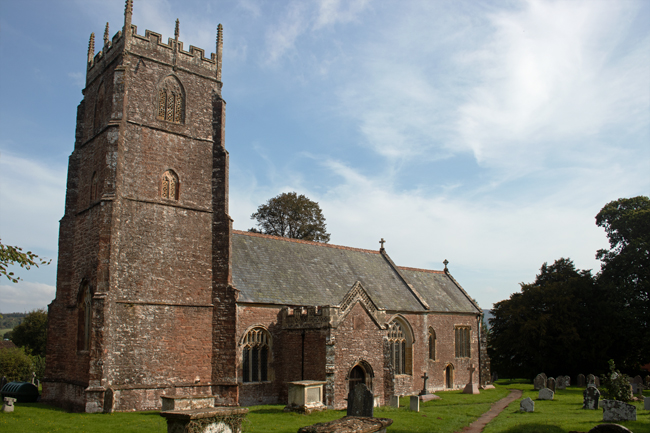
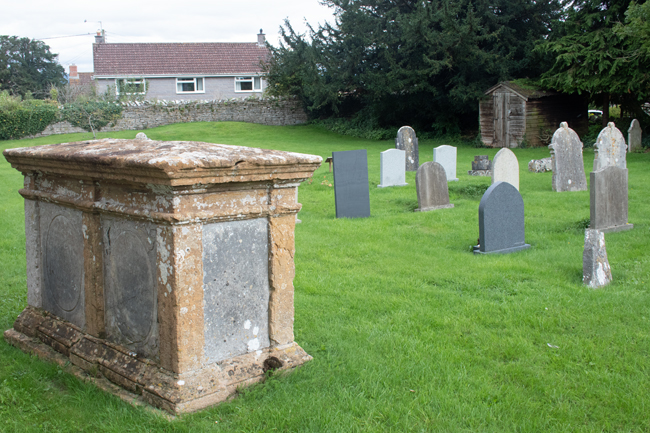
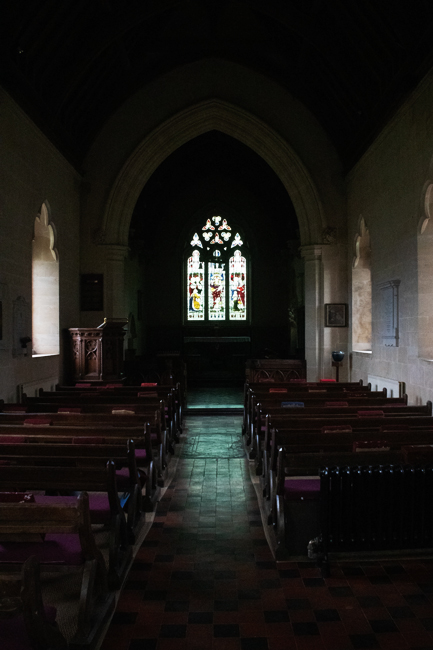
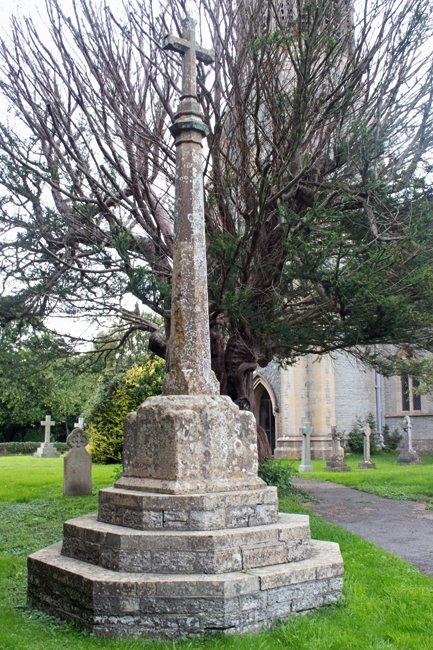
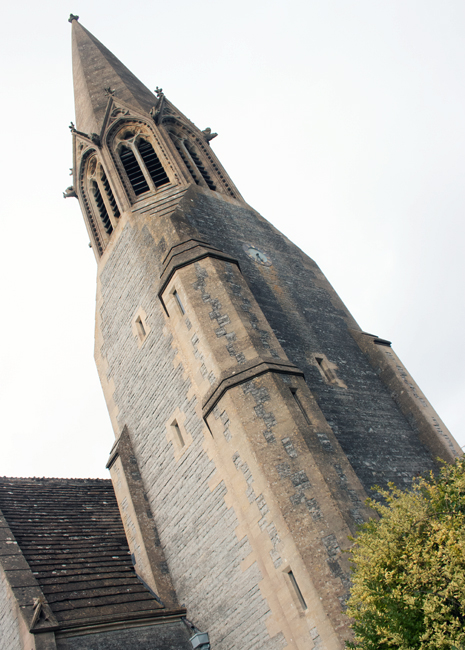
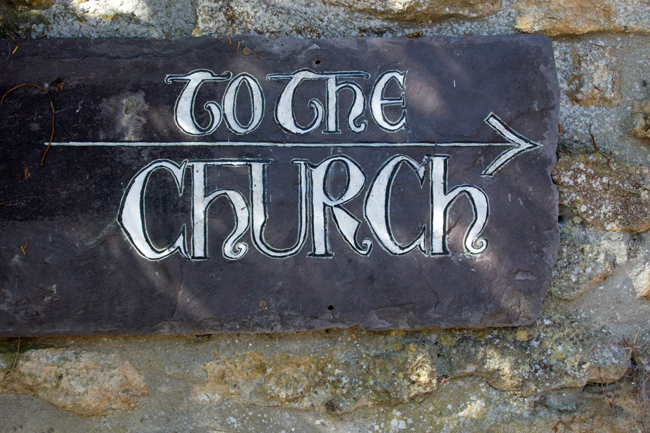
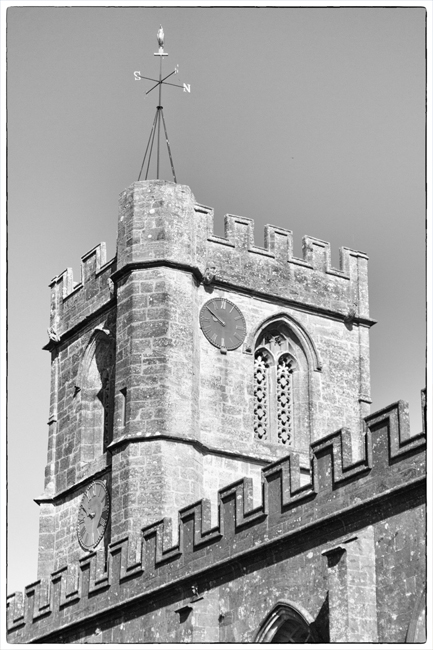
The Church of St Lawrence is at the top end of the village and, as with may similar religious locations, is a calm and peaceful place to stop and rest.
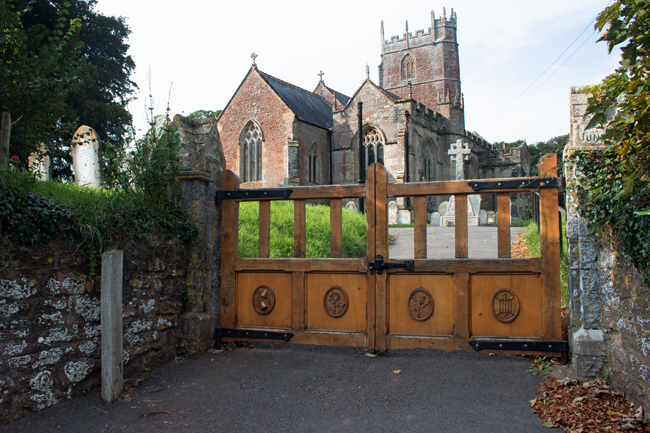
A plaque on the gate into the churchyard pays tribute to Lance Corporal Alan Kennington, who was serving in Northern Ireland in 1973 when he was shot and killed while on foot patrol on the Crumlin Road, Belfast. He was just 20 years old.
The church also forms the last resting place for a number of other local men who passed away in the Great War – I’ll expand on these in later posts.
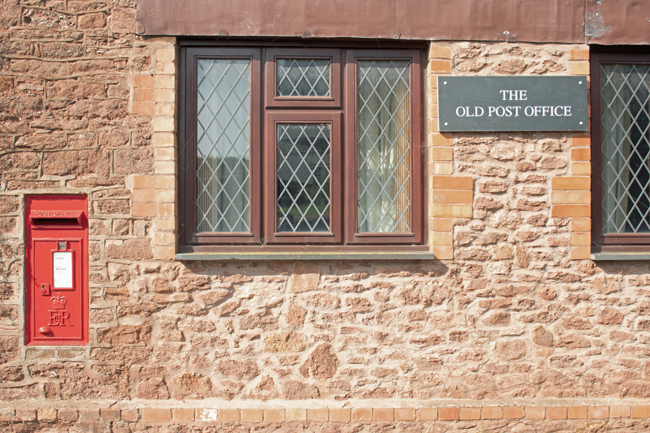
Lydeard St Lawrence, is certainly a peaceful village – on its own in the depths of the Somerset countryside and sheltered by the hills it is named after, it is somewhere to get away from it all. There are no immediate amenities – the post office has been closed long enough for the building to be converted into a house – but a village hall and school are there to support the community in all things secular.
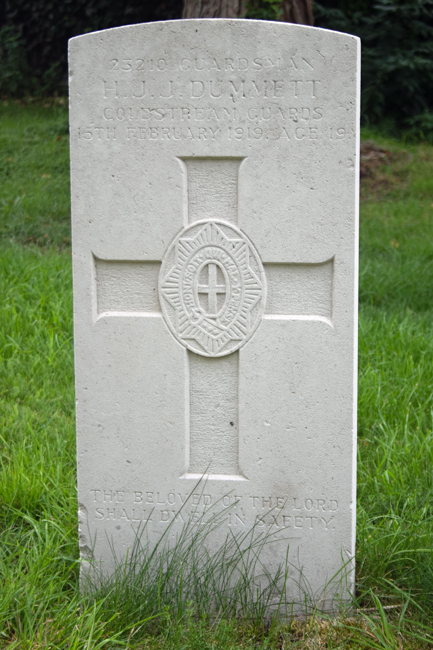
Harold Joseph James Dummett was born in early 1900, one of ten children – and the eldest son – of Harry and Elizabeth of Kingsdon, Somerset.
I have been unable to find any detailed information about Harold through online research. He joined the Coldstream Guards and his battalion – the 5th – remained stationed in Windsor throughout the war; it is likely, therefore, that Guardsman Dummett never saw front line service.
I have been unable to find a war pension or medical records and there are no newspaper reports of a violent or unusual death. It is an assumption on my part, therefore, but it may had been that Harold died during the Spanish Flu pandemic or some other illness.
He lies at peace, though, in the quiet Kingsdon churchyard.
While Harold does not appear in the newspaper records, his parents do. In April 1937, the Taunton Courier reports that
Mr and Mrs Harry Dummett celebrated their golden wedding… There was a happy family gathering of all their children and two grandsons.
Taunton Courier and Weston Advertiser – 24th April 1937
I couldn’t let the lack f a J village pass, so I have included a second K in the list.
Just to the south of Kingweston, in between Somerton and Yeovil, sits the quiet village of Kingsdon.
With a population of just over 300 people, it is a tight-knit community, somewhere where, you readily find yourself walking along quiet roads, getting welcoming nods and hellos from local resident and dog-walkers.
The village gets is name from nearby Kingsdon Hill, which in turn reflects its regal connection to Somerton, a royal estate since the Norman Conquest.
All Saints Church, to the north of the village, is a peaceful location and dates back to the 1400s. The churchyard includes two Commonwealth War Graves, which I’ll explore in later blogs.
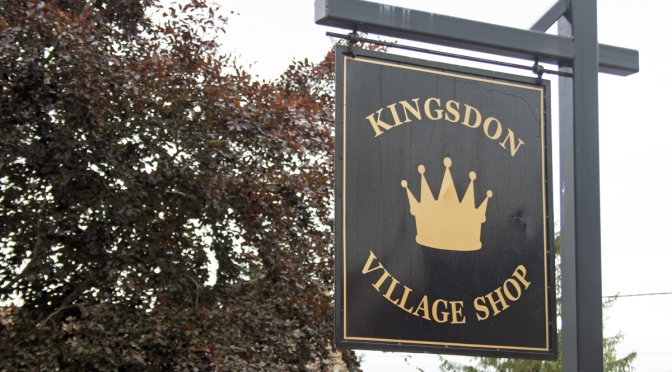
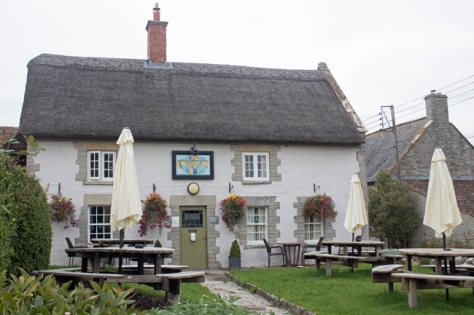
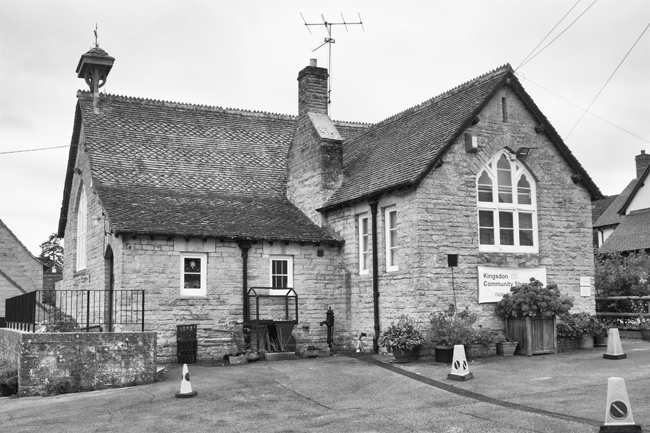
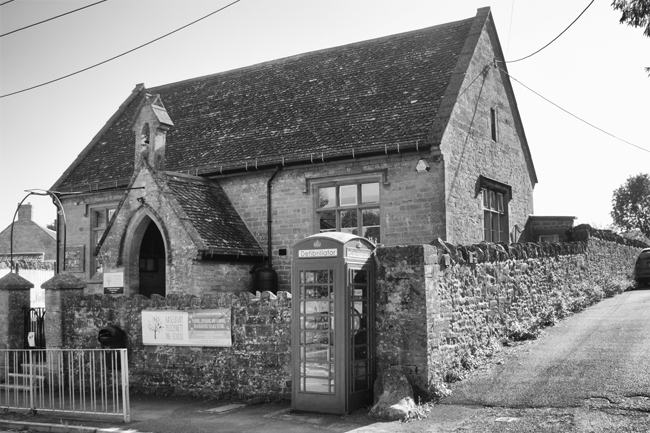
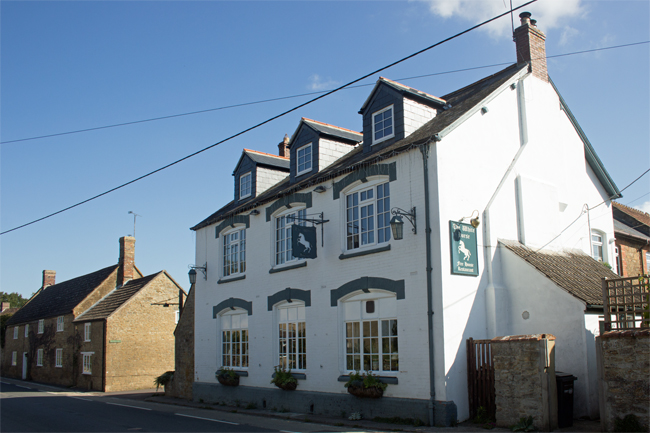
The community feel runs throughout Kingsdon, with a local pub, a phonebox book swap facility and a village school-cum-shop.
The views south are stunning too, heightening the real sense of countryside living. And, with plenty of footpaths locally, Kingsdon works well as a start point, finish, or stopping off point for an afternoon stroll.
Okay, so a slight hiccup in the A-Z proceedings in that there is no village (or town, or city) in Somerset that begins with the letter J. So, I will skip over that, and look at K instead.
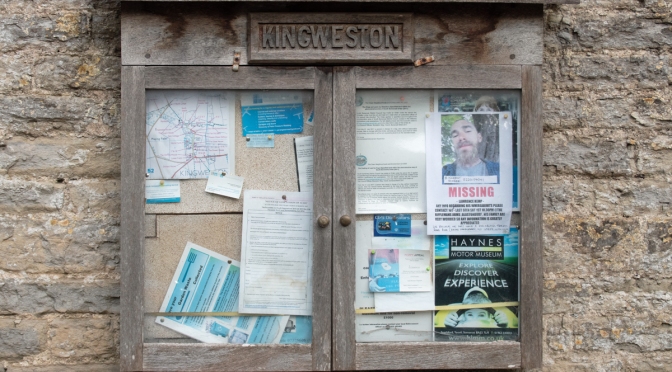
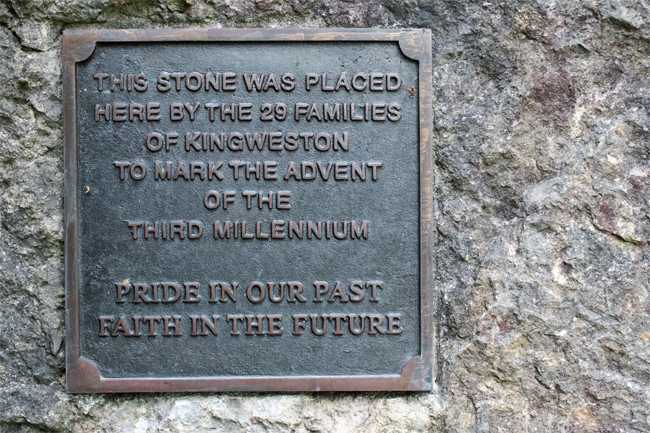
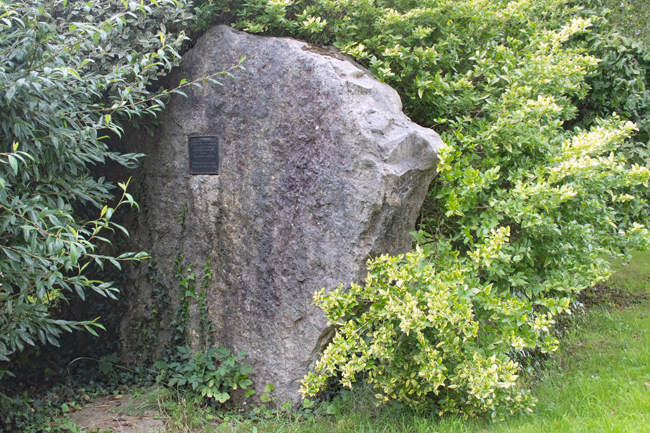
And Kingweston is the stereotype for the evolution of a village.
It’s the end of the 11th Century. You’ve supported the winning side and so, as a reward, you are given the manor of Chinwardestune. It’s good farming land, and you have a nice house there. Over time – and changes of ownership – the manor has grown strong: you have a large house, alongside which you have built a church, there are farm buildings and cottages for your workers.
And that’s it. This village, with a population of less than 150, is little more than a farm, the attached manor house and its religious building and workers cottages.
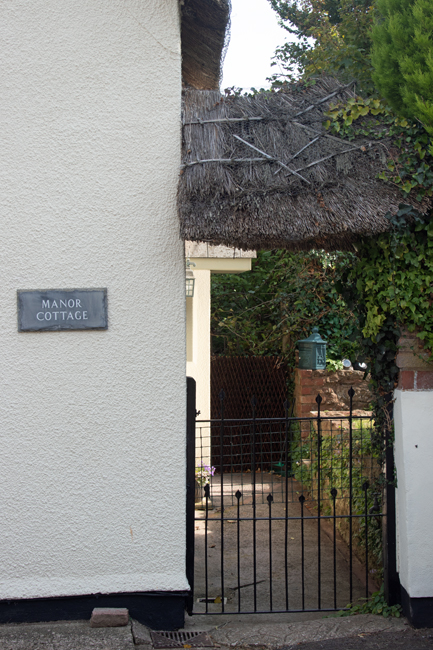
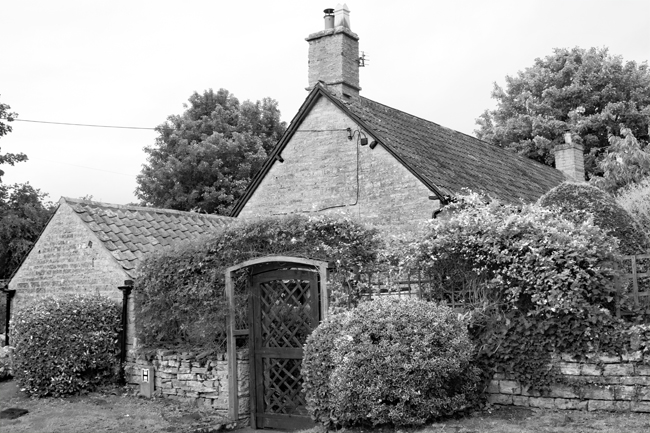
The cottages are very picturesque; higgledy-piggledy on the lane up to the manor house and farm.
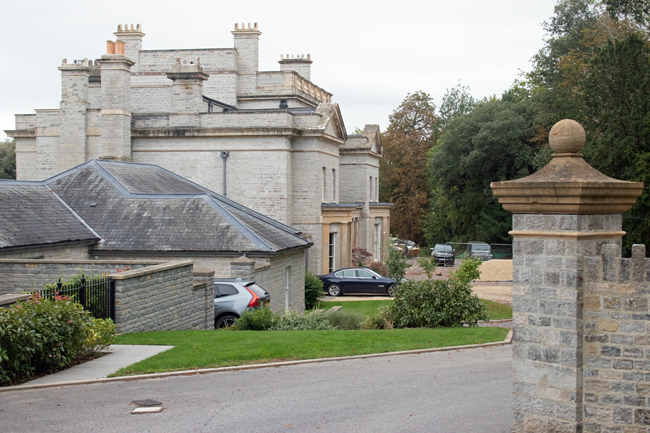
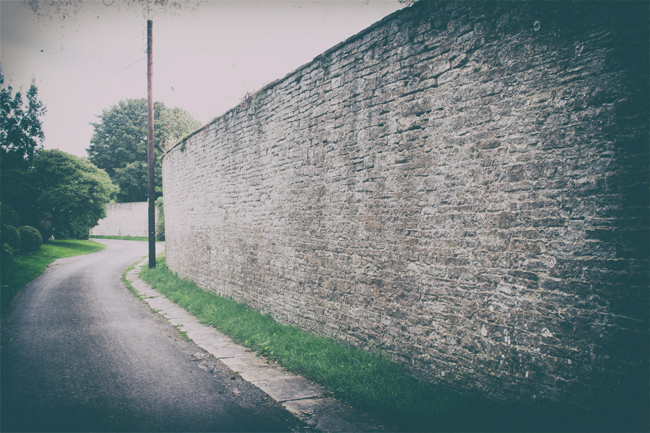
Walk up the main road and you encounter the Manor House. The barrier between those that had and those that had not. A high wall rings its lands, through the trees you get a glimpse of the grandeur within, but a glimpse is all you’re going to get.
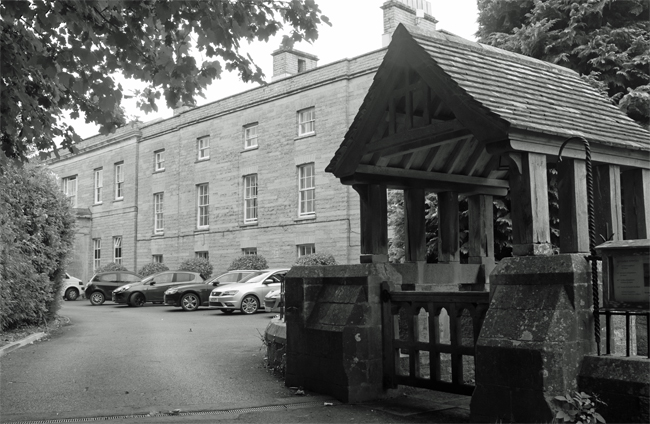
The current Kingweston House was built in the 1800s by the long-term residents, the Dickinson family. In 1946 it was bought by Millfield School and has been used by them ever since.
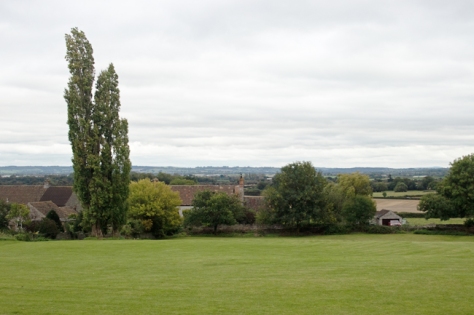
The Church of All Saints is of a similar age to the manor house. Set at the upper end of the village, it is an ideal space for contemplation, as it overlooks the countryside towards Glastonbury Tor.
The Commonwealth War Graves Commission suggests that Major Francis Arthur Dickinson is buried in the churchyard and, while I was unable to find his headstone, he is commemorated on the Roll of Honour in the church itself.
The plaque mentions other members of the Dickinson family who died during the Great War:
Lieutenant Colonel Hugh Carey Dickinson, of the Somerset Light Infantry and King’s African Rifles, died in Dar-es-Salaam in 1918.
Lieutenant George Barnsfather Dickinson of the East Lancashire Regiment fell at Ypres in May 1915.
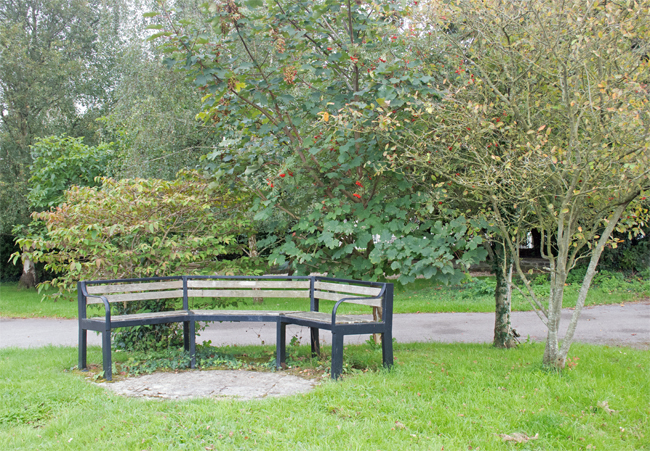
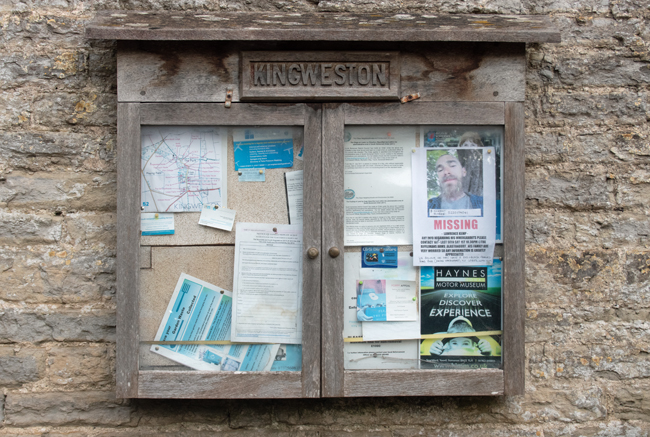
The village has, understandably, a community feel to it. Even though the farm workers have move on and been replaced by wealthier country folk, Kingweston has a heart and a draw to it.
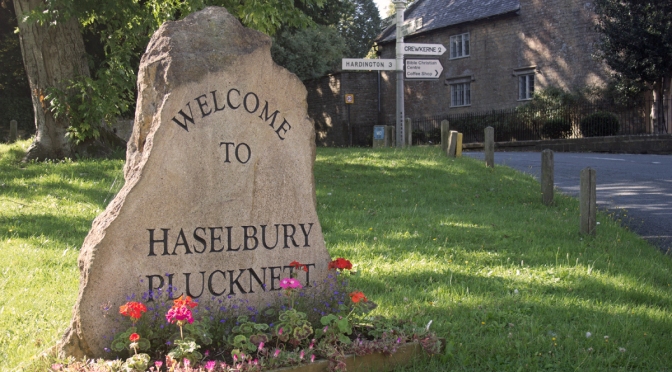
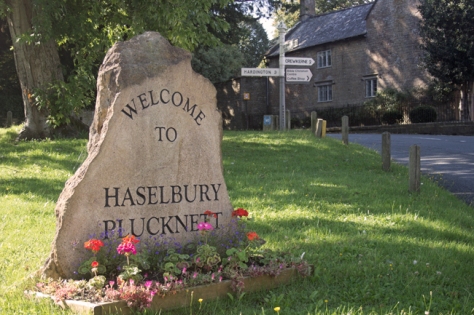
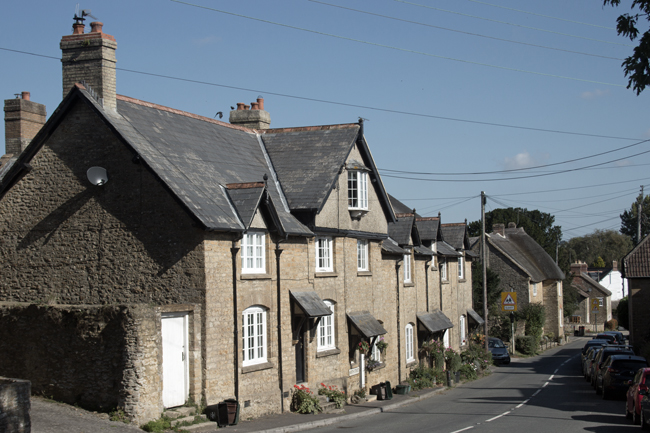
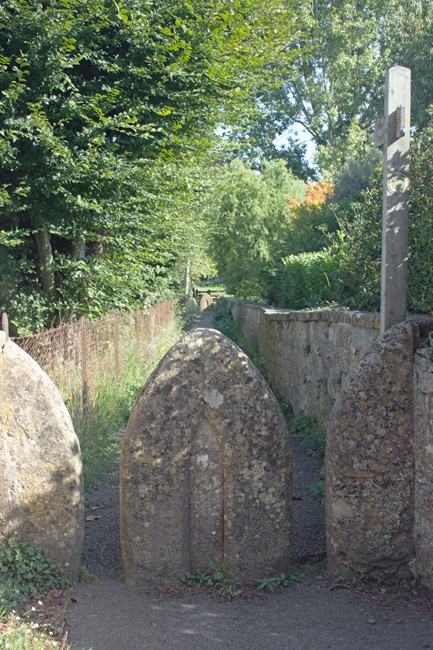
In the south of the county of Somerset, almost at the border with Dorset, lies the enchantingly named Haselbury Plucknett. Lying three miles (5km) to the east of Crewkerne, the name literally means “(Alan de) Plugenet’s hazel grove”. A somewhat busy road runs through the village, but this does not detract from its charm.
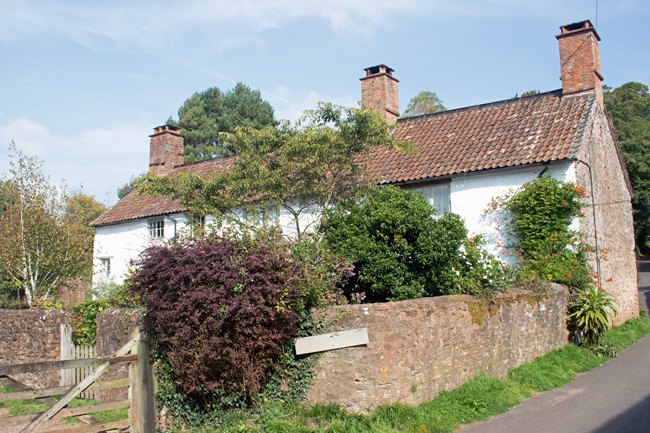
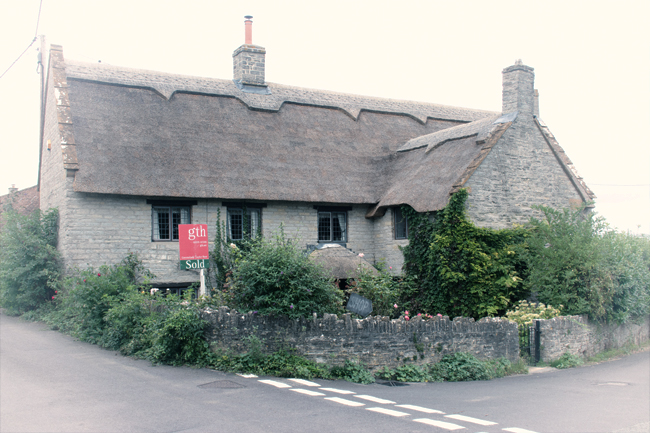
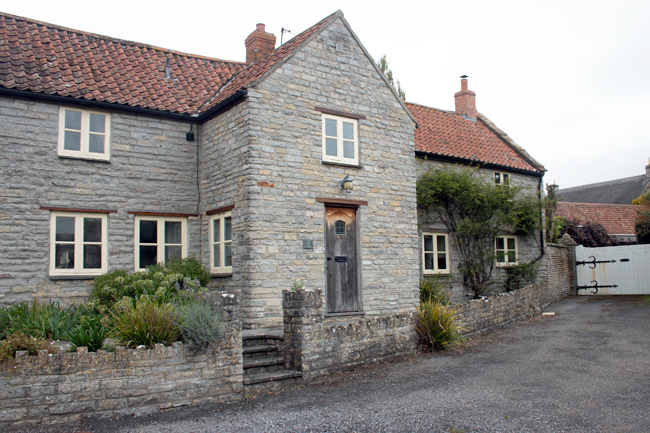
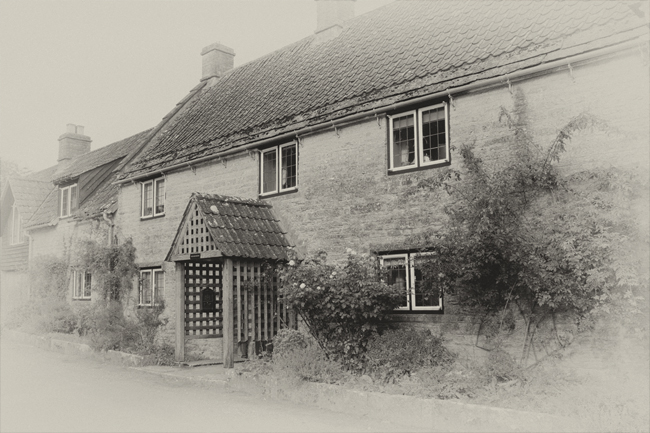
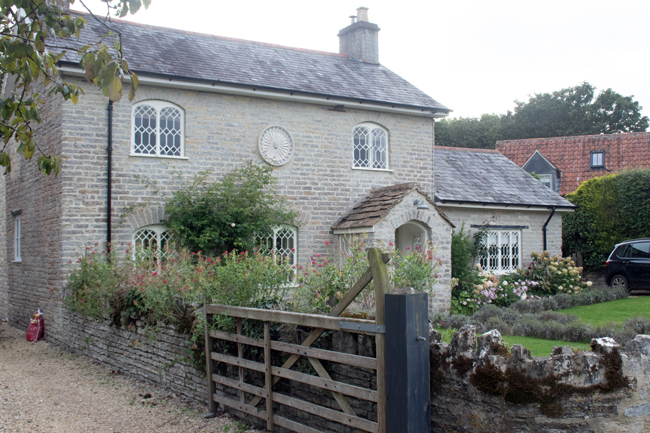
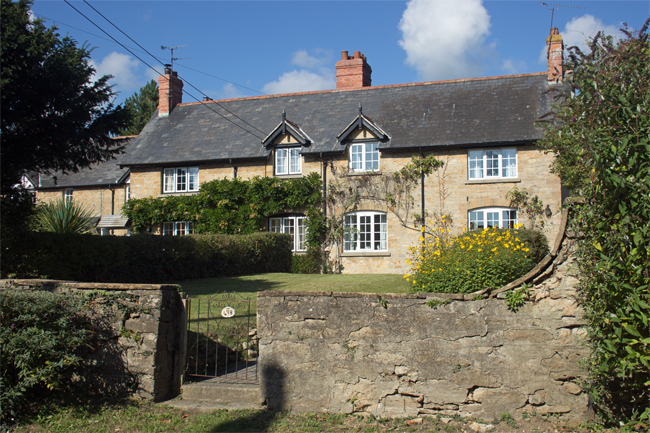
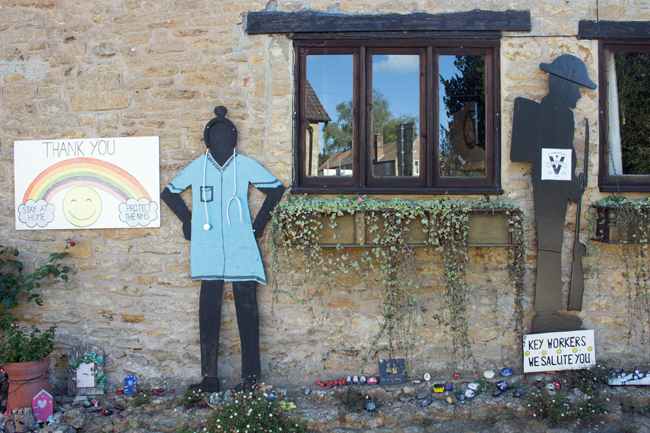
The cottages in the centre of the village are built of local stone and face the village green. They’re well-attended and give the village a real sense of community, something that was in evidence as I roamed around.
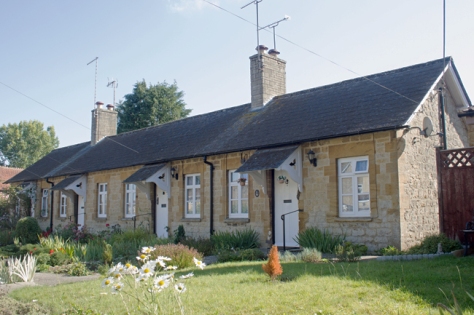
Just down from the village green are the Jared Gear Almshouses, set aside to provide safe and secure housing accommodation for people with limited financial resources who have connections with Haselbury Plucknett.
Wulfric of Haselbury was a noted resident of the village. In 1125 he moved there from Compton Martin, just south of Bristol, in pursuit of a wholly religious life. He withdrew from secular matters almost completely, living in a cell adjacent to the village church, St Michael and All Angels. Wulfric’s piety attracted notable well-wishers; King Henry I and King Stephen both sought his advice and he became well renowned not just around Somerset, but also at court. When he died in 1154, he was buried in the church.
The village church lies just off from the centre and, like the village itself, is a tranquil place. There are no Commonwealth War Graves in the churchyard, but the War Memorial commemorates the twelve Haselbury souls who gave their lives on the field of battle during the Great War.
One of those remembered was Harry Shyer. He was just 20 years and 3 days old when the ship he was serving on – the HMS Good Hope – was torpedoed off the coast of Chile during the Battle of Coronel. All hands from the ship were lost, a total of 926 men.
The war memorial includes two sets of brothers: John and William Eastment and George and Harold Tout. Given the population of Haselbury Plucknett was less than 500 at 1911 census, the war must have taken an incredible toll on the village and the twenty-two losses would have been felt.
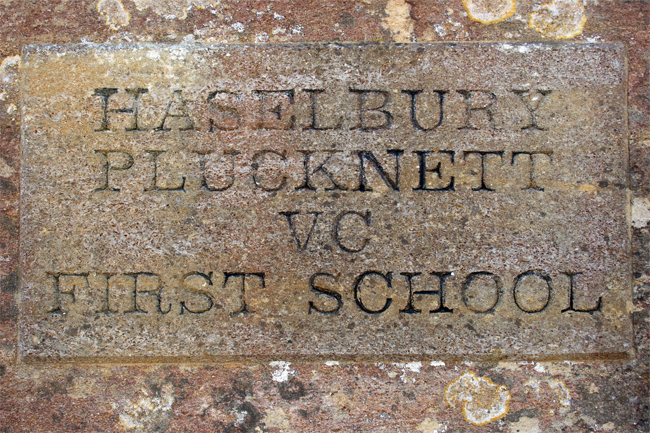
Two other key parts of the village lie within 300ft (90m) of each other; the local school and the village pub. (I make no assumptions as to their location, other than Haselbury Plucknett being a small village!)
Samuel Reginald Watts was born in 1897, the seventh of eight children of Samuel and Augusta Watts.
He followed his father and brothers into the main industry in the area – coal mining – and was certainly working down the pits by the time of the 1911 census.
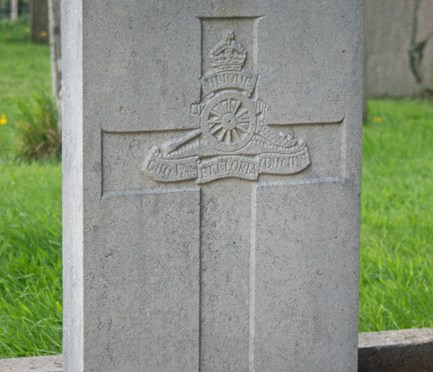
Samuel enlisted on 21st April 1918, and joined the Royal Garrison Artillery, which focused on heavy, large-calibre guns and howitzers that were positioned some way behind the front line. He was 5’5″ (1.65m) tall and weighed 144lbs (65kg). According to his war records, he had brown hair, hazel eyes and a fresh complexion.
His service started the very next day, when he was transferred to the Citadel in Plymouth for training.
After feeling unwell, complaining of headaches and a sensitivity to light, Gunner Watts was admitted to the Netley Hospital in Southampton on 18th June 1918. He was diagnosed with cerebrospinal fever, more commonly known as meningitis, and was treated over the next week.
Sadly the treatment did not work, and Gunner Samuel Watts passed away on the evening of 26th June 1918. He had been in the army for a little over two months and had not seen active service.
Samuel Watts lies at peace in the graveyard of St John’s Church, Farrington Gurney.
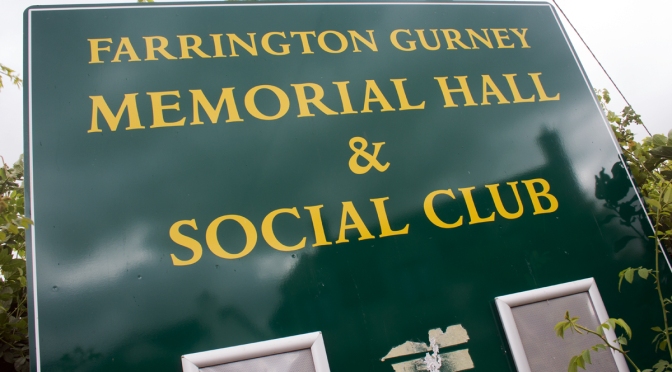
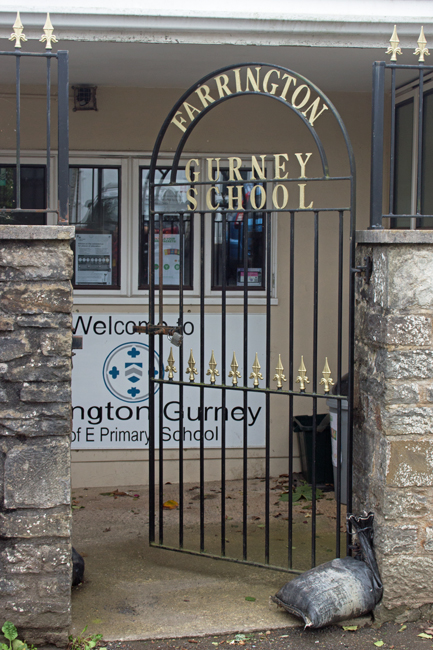
Wedged between the Somerset link roads of the A37/A39 and A362 lies the unassuming village of Farrington Gurney.
As you might guess from my previous posts, it was the village name that drew me in. The Doomsday Book mentions the village of Ferentone, while Gurney is thought to come from the de Gournay family, who owned the lands in the 12th and 13th centuries.
The village owed a lot to the coal industry. There were three pits in Farrington itself, with a further two in neighbouring Midsomer Norton.
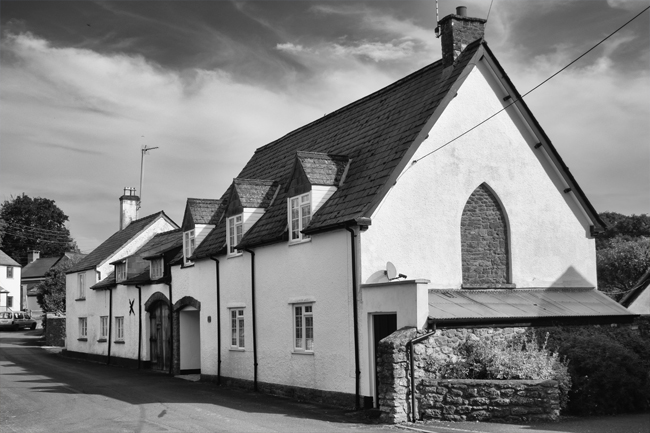
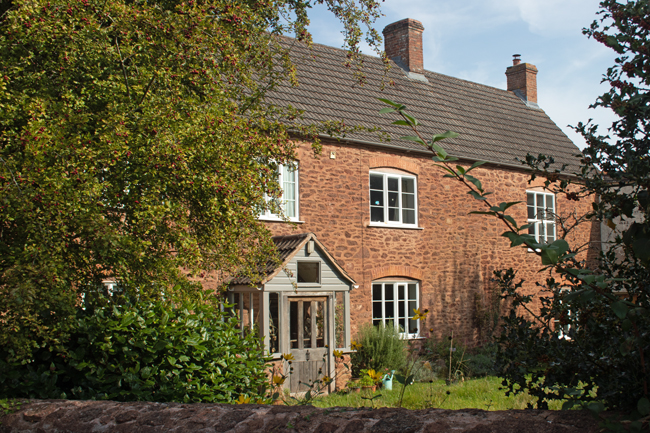
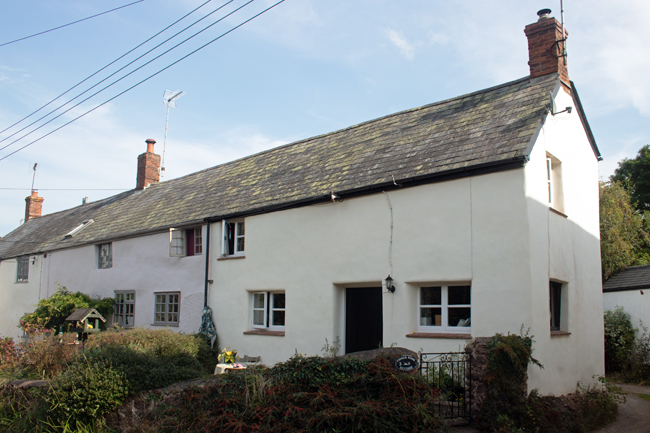
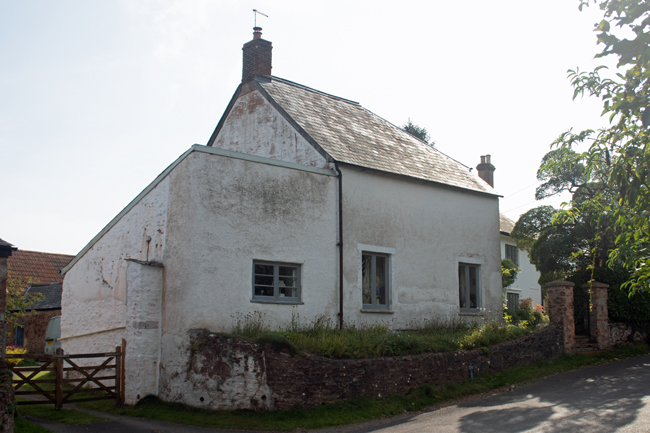
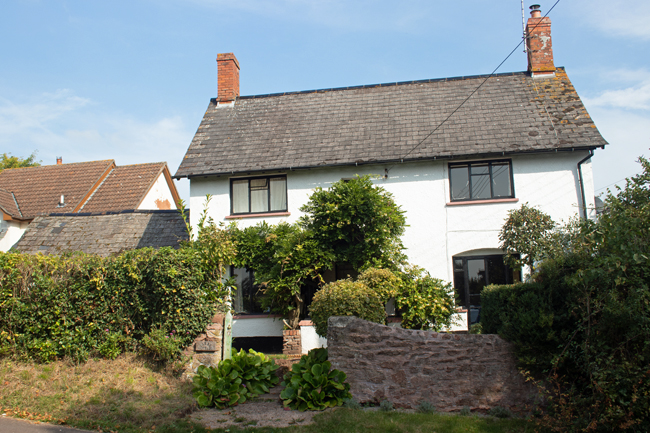
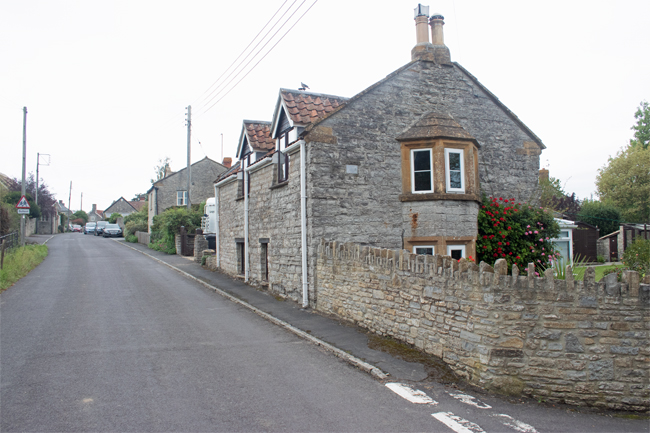
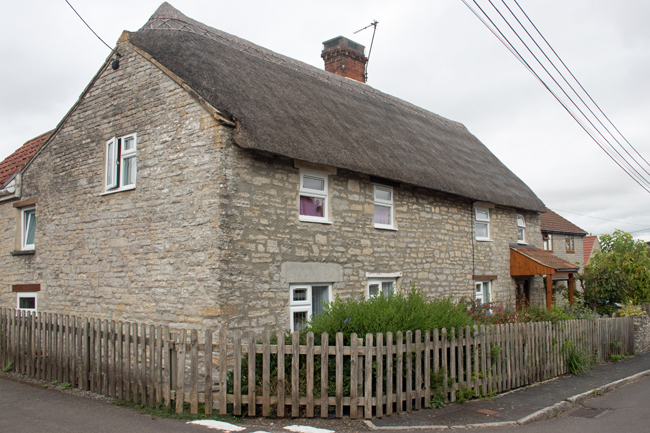
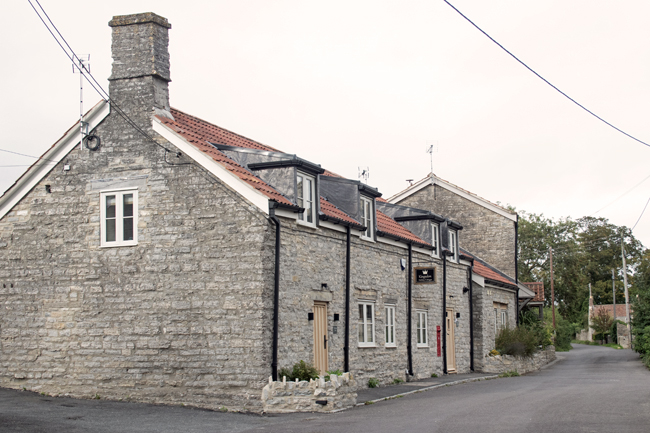
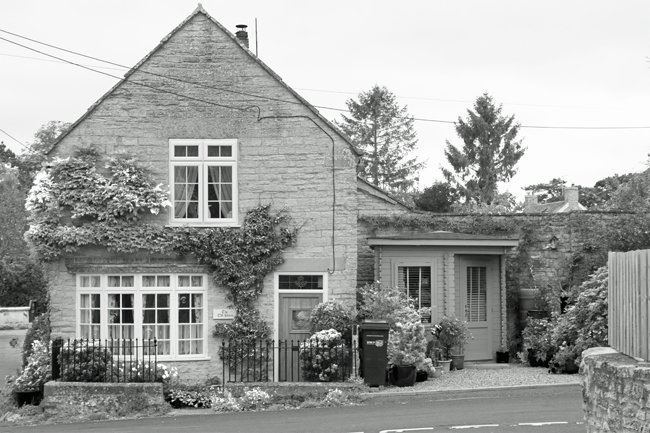
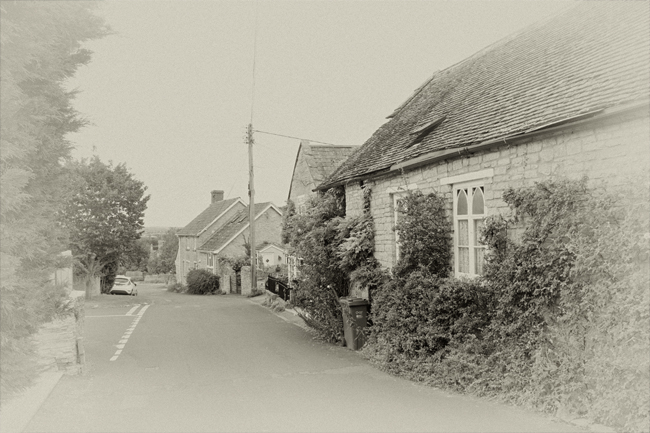
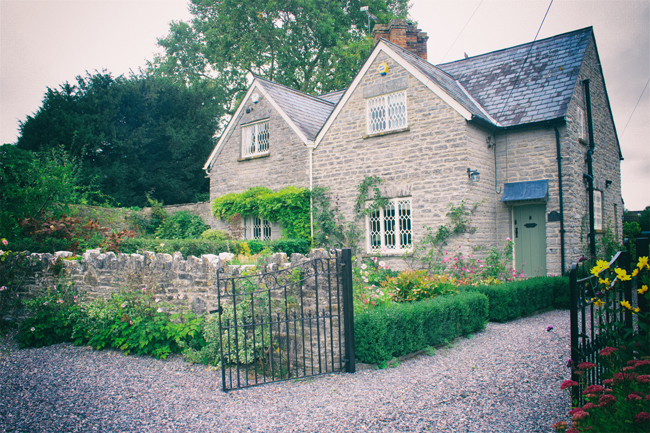
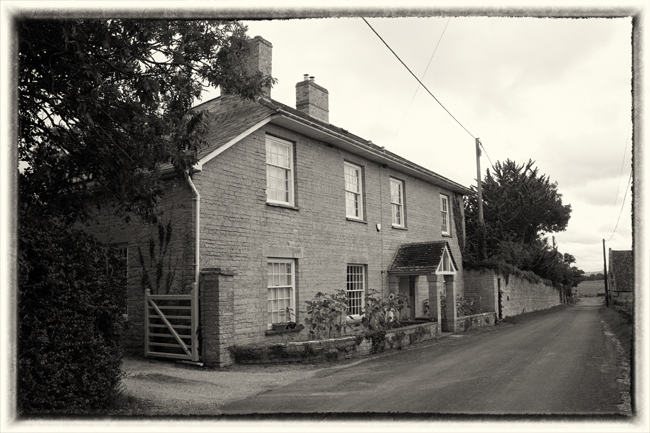
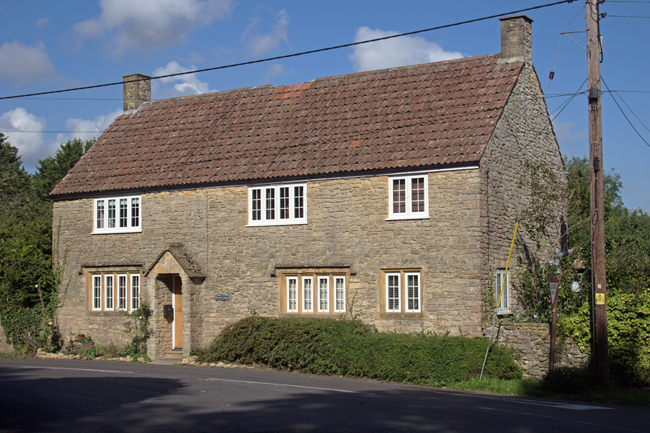
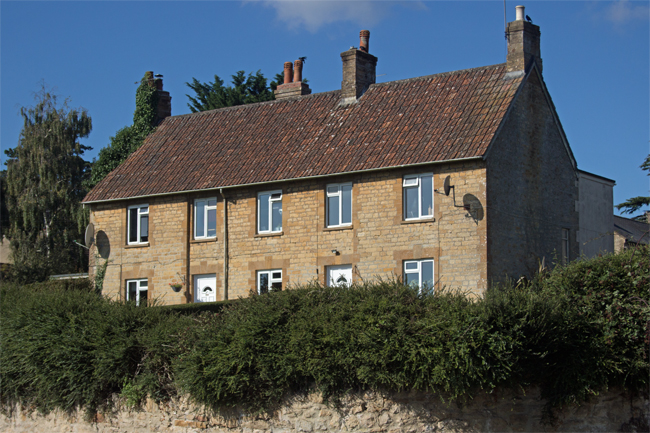
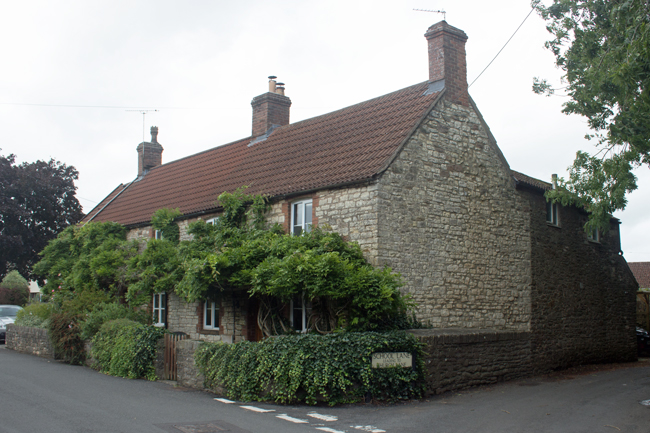
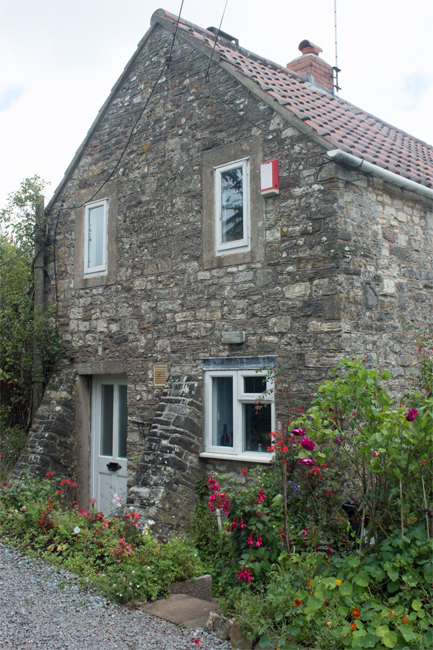
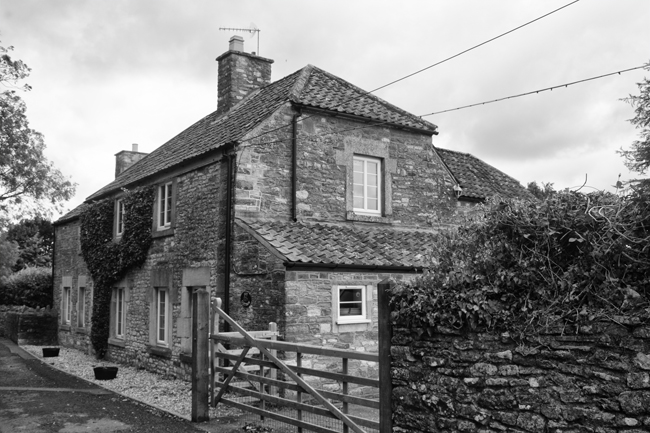
The majority of the houses are old, dressed stone, although as time has passed, newer properties have filled in the gaps between them; on the outskirts – just off the A37 – new buildings have started to sprout up.
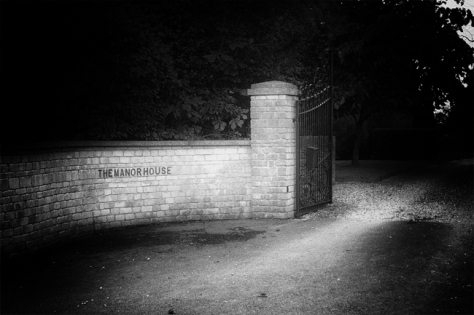
As you might expect, a manor house is at the heart of the village – hidden behind high stone walls, is a large property dating back to 1637, which you can only see from tantalising glimpses in the tree line.
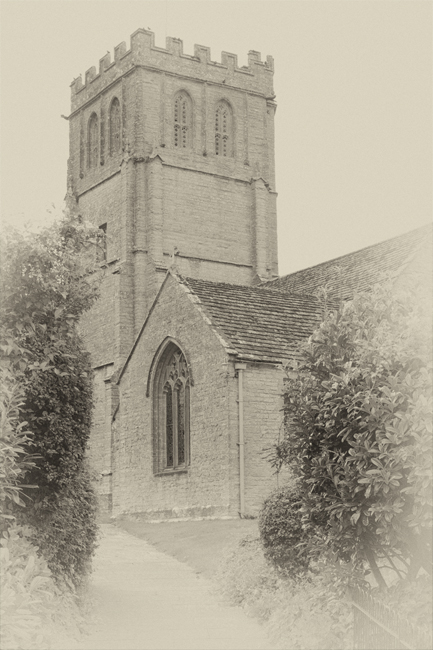
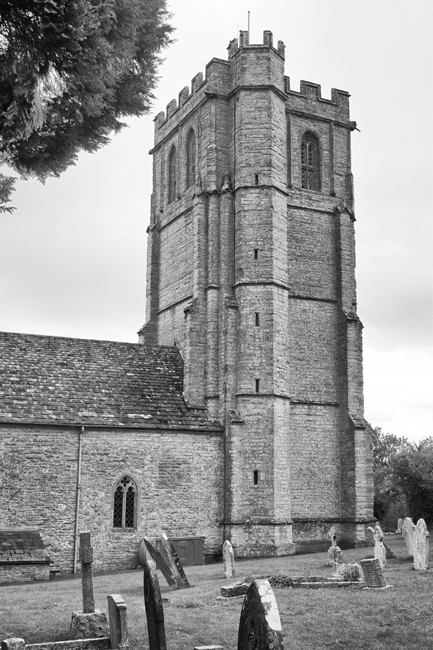
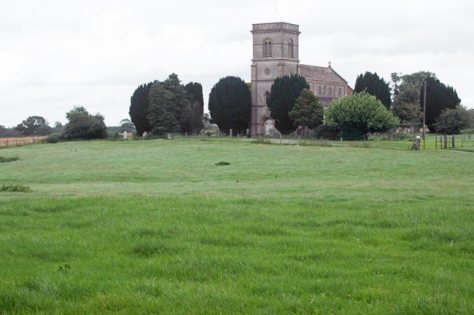
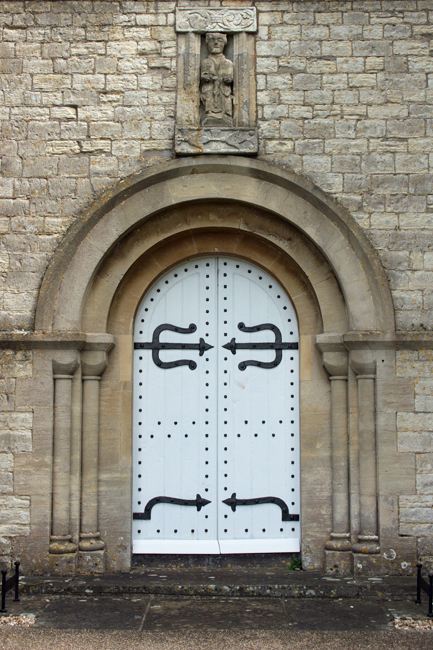
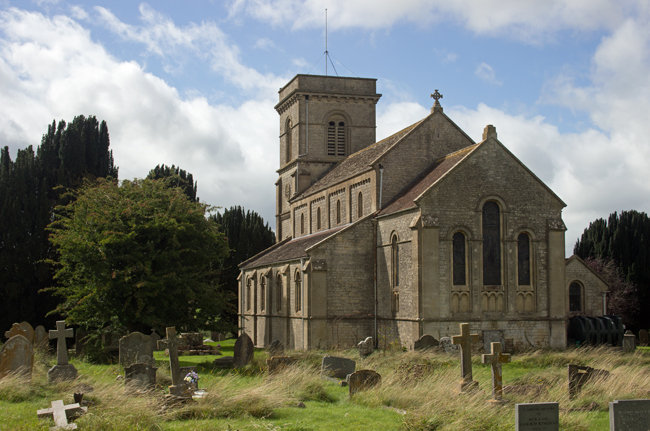
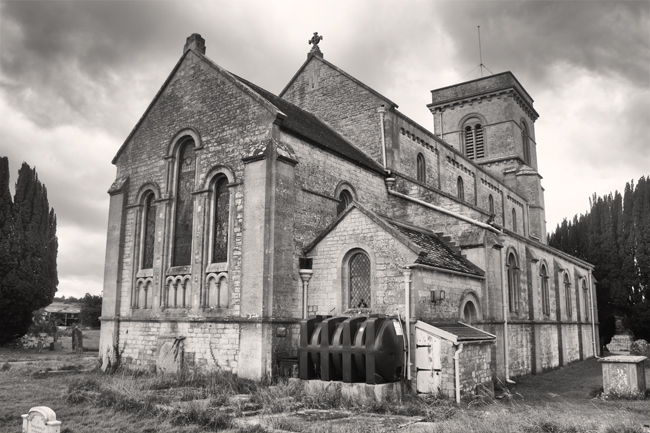
The village church – dedicated to St Jon the Baptist – is set in open fields around a mile from the village itself. It’s a small parish – there are less than 1000 residents – and the church is easily visible from form the village (and, more importantly, the manor house, the owners of which presumably paid its construction).
It’s a beautiful little church, though, and its peaceful location adds to the calm surroundings.
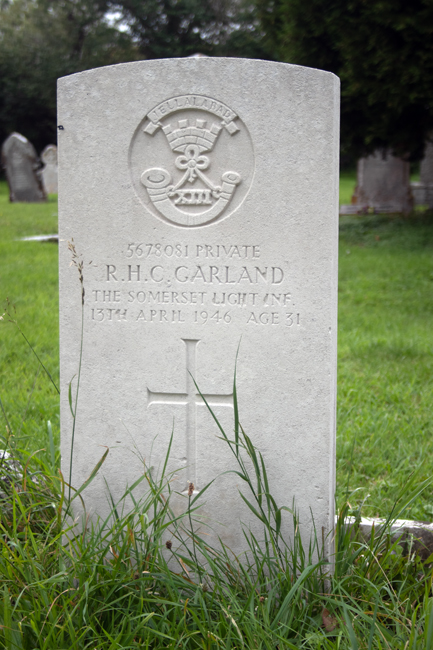
One war grave sits quietly in the churchyard, that of Gunner Watts – my next post will talk more about his life.
Farrington Gurney is a lovely little village; there’s a bit of a juxtaposition between the old and the new, and the proximity to two main roads can jar a little, but it fits in to the A-Z nicely.
































 CKPonderingsToo