Category Archives: Religion

A-Z of Somerset: Walton-in-Gordano

W is for Walton-in-Gordano

There is no village beginning with the letter V in Somerset, so here is another one that starts with a W.


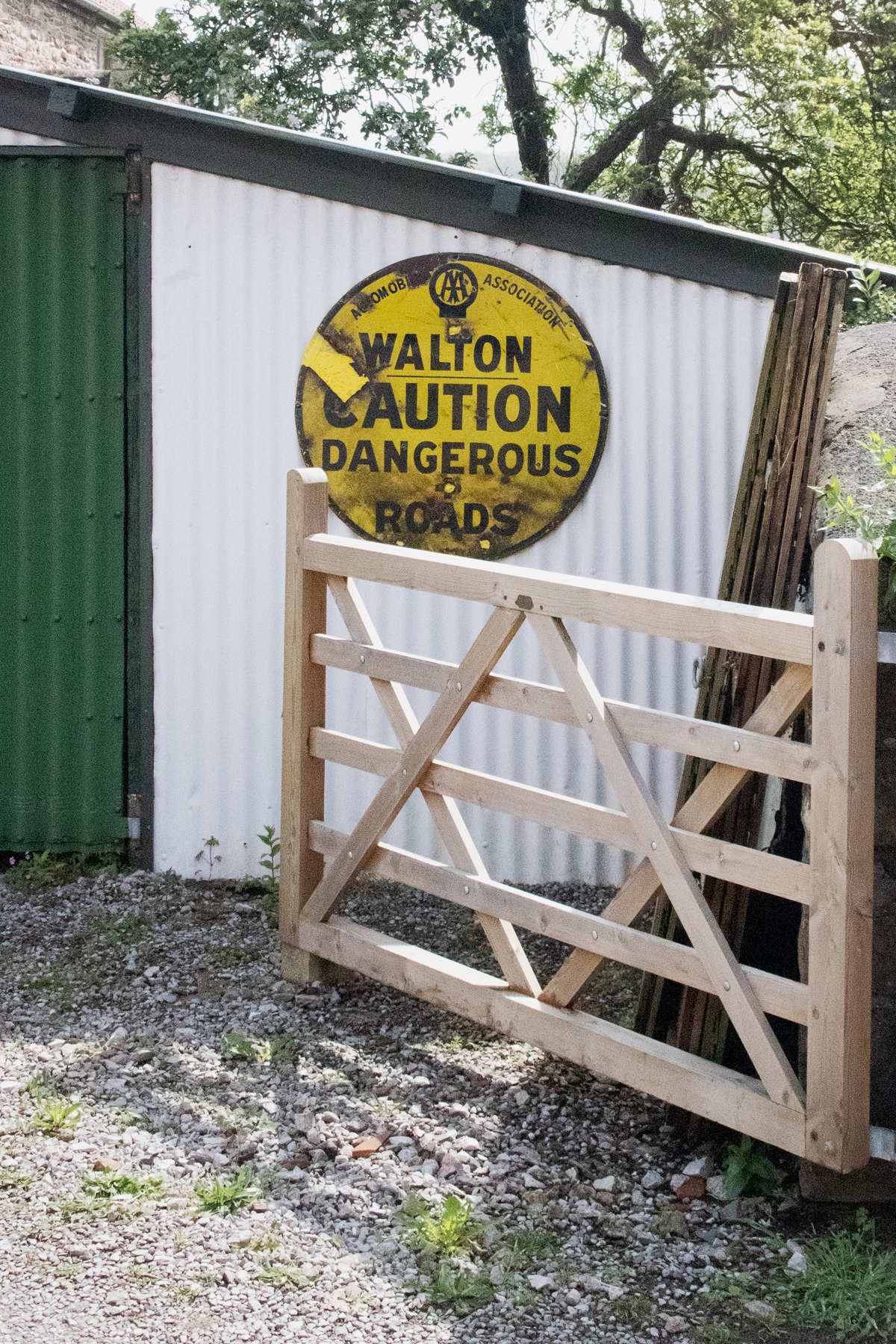
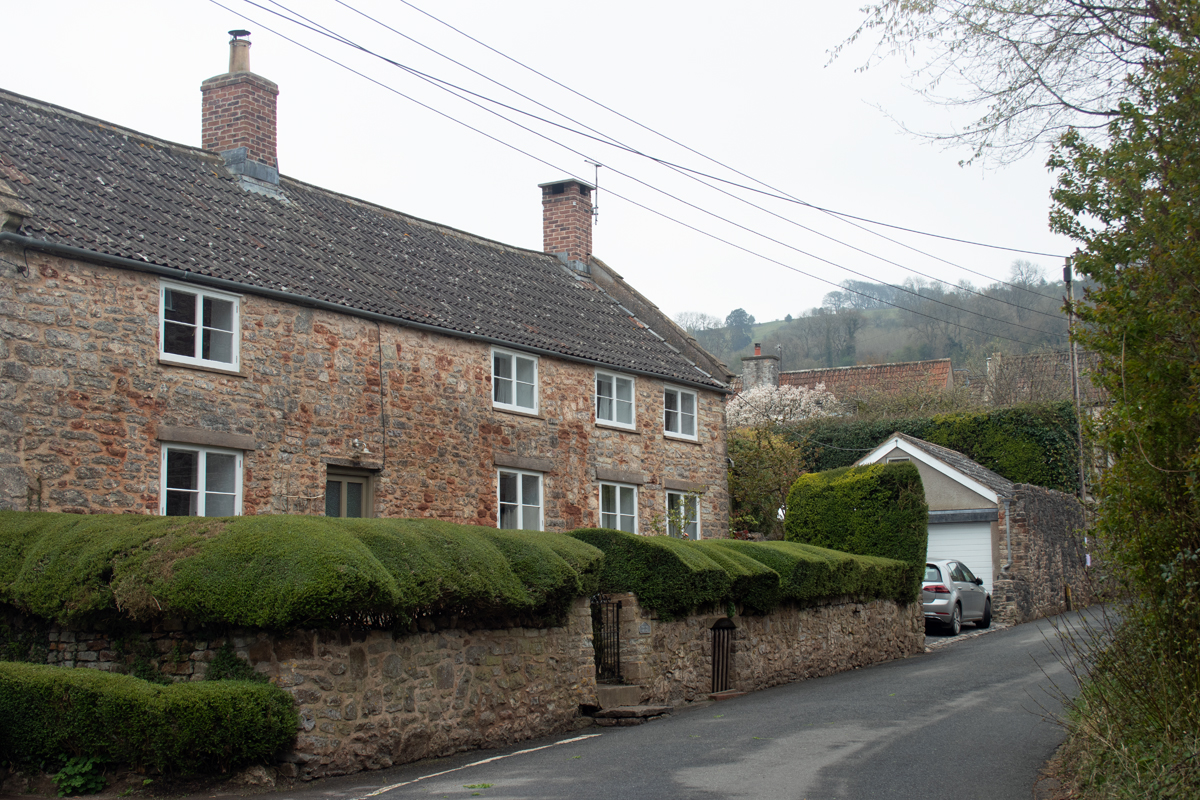
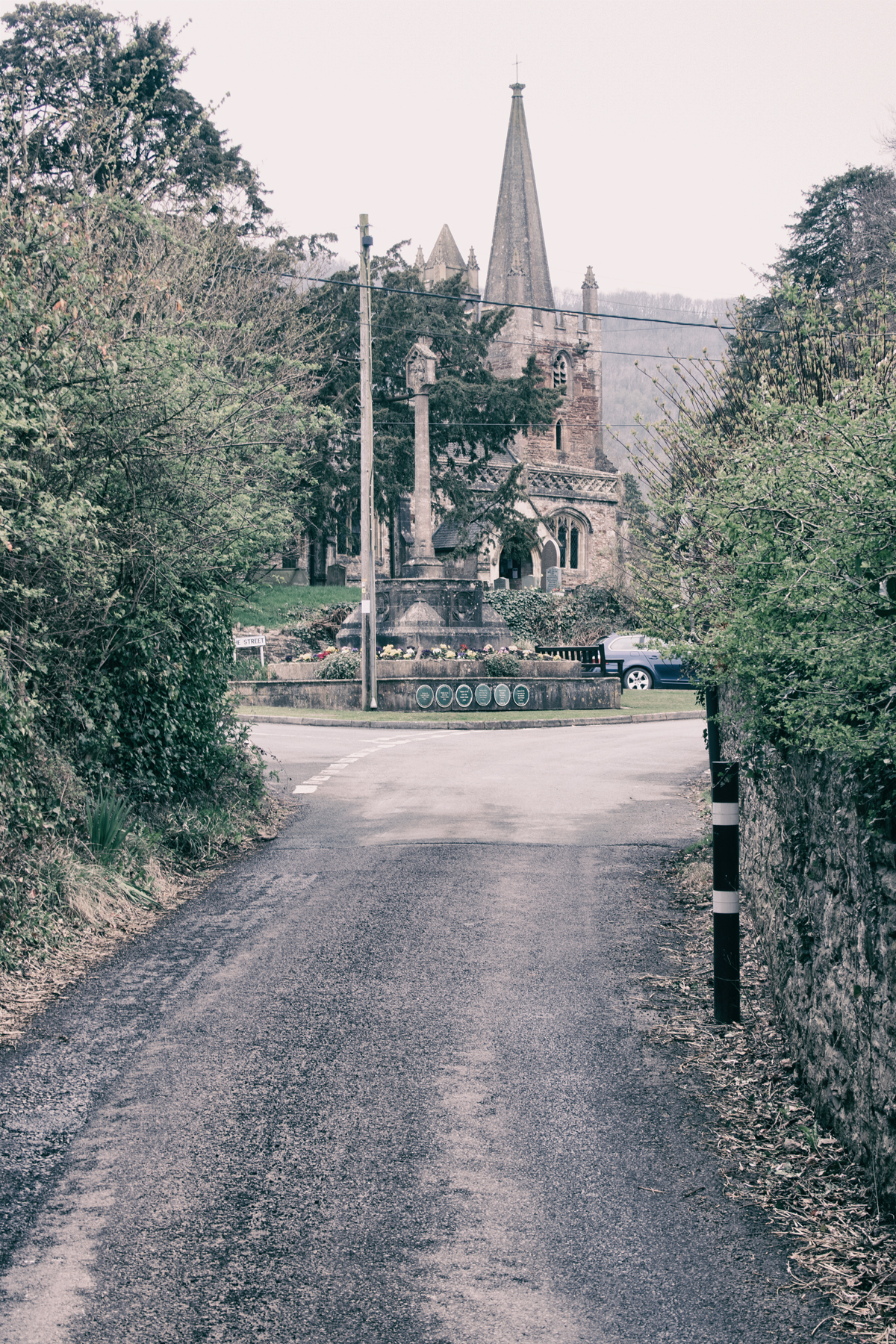
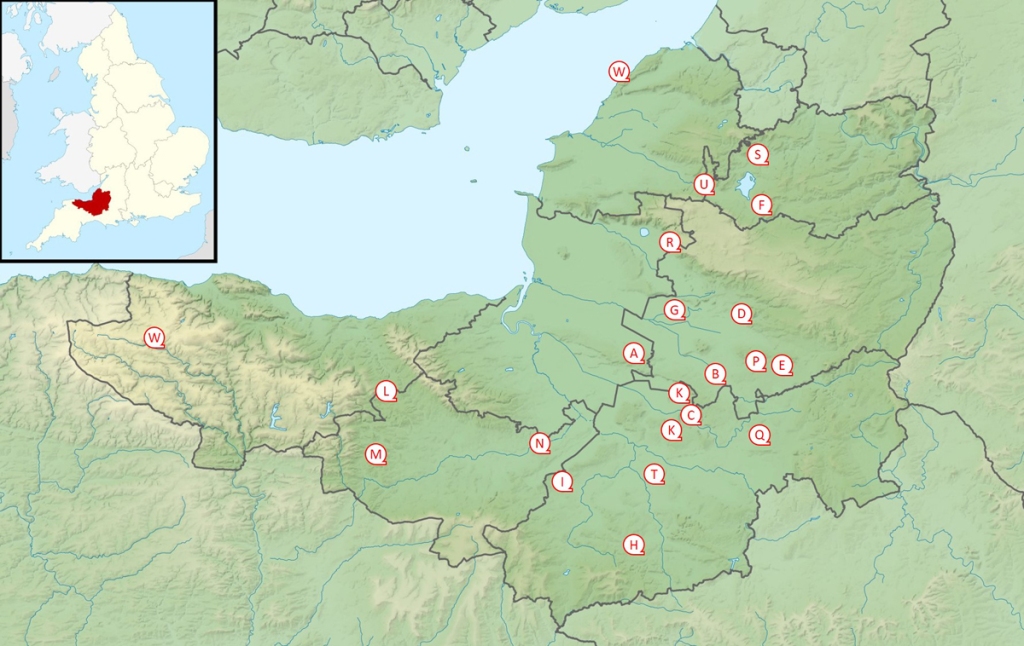
In the north west of the county, between Clevedon and Portishead, lies the charmingly named Walton-in-Gordano. Named after the river valley in which it sits – to nearby villages of the same name – Walton-in-Gordano is a small, picturesque place.
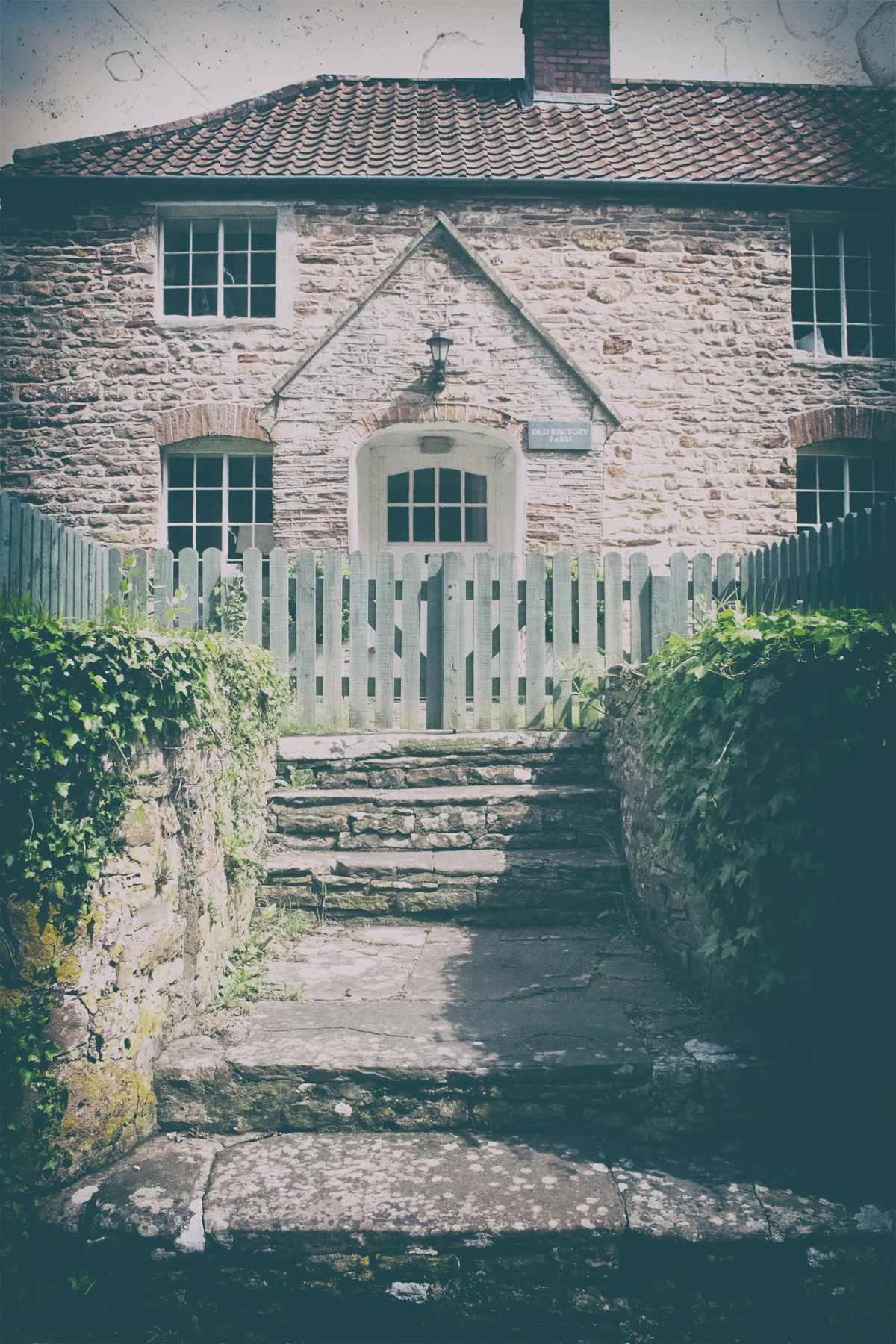
The village has a small population – less than 300 people – but there is a real sense of community about it. While I was there, a couple of the locals were keen to know what I was photographing and why, suggesting other spots I could photograph in the area.

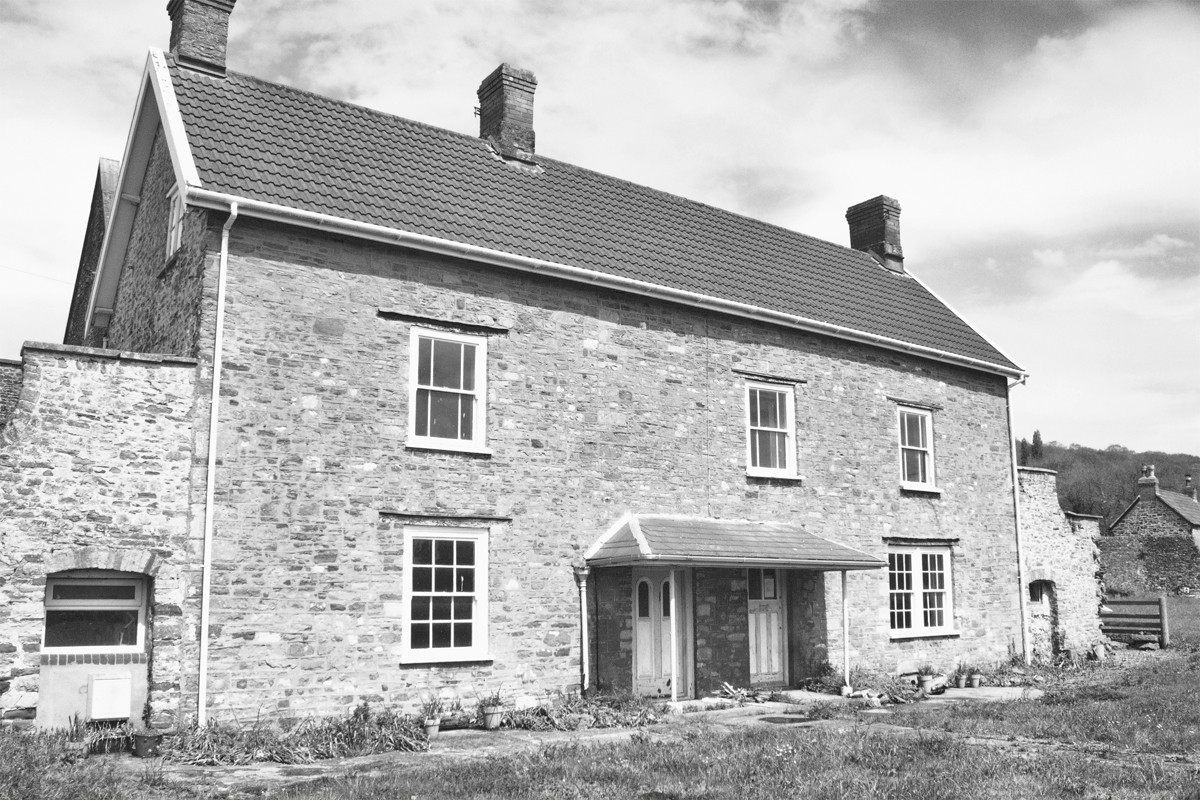
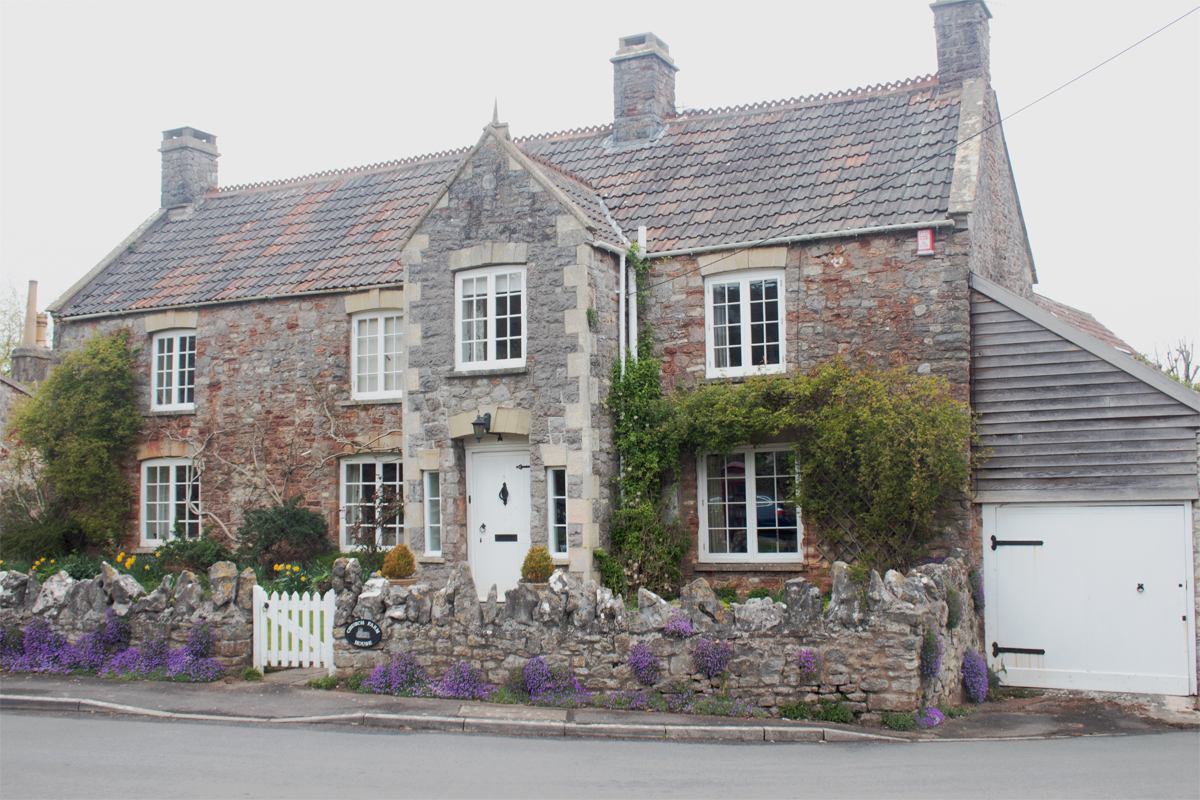
There is a sense of history about the place too; the old village shop may be gone, but the house that replaced it sits proud in his heritage.
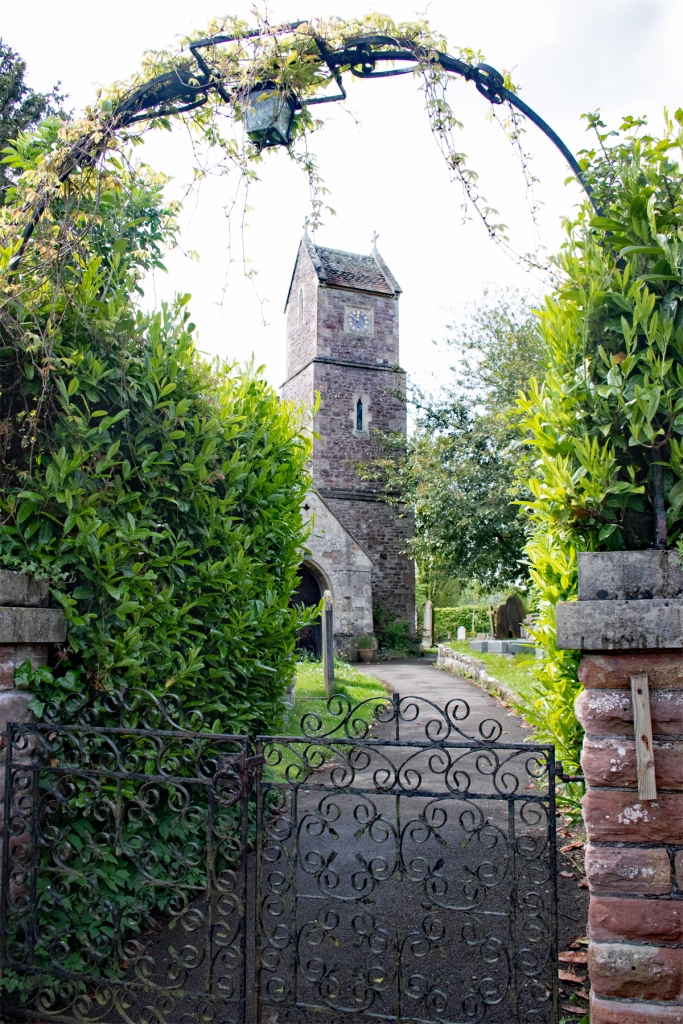

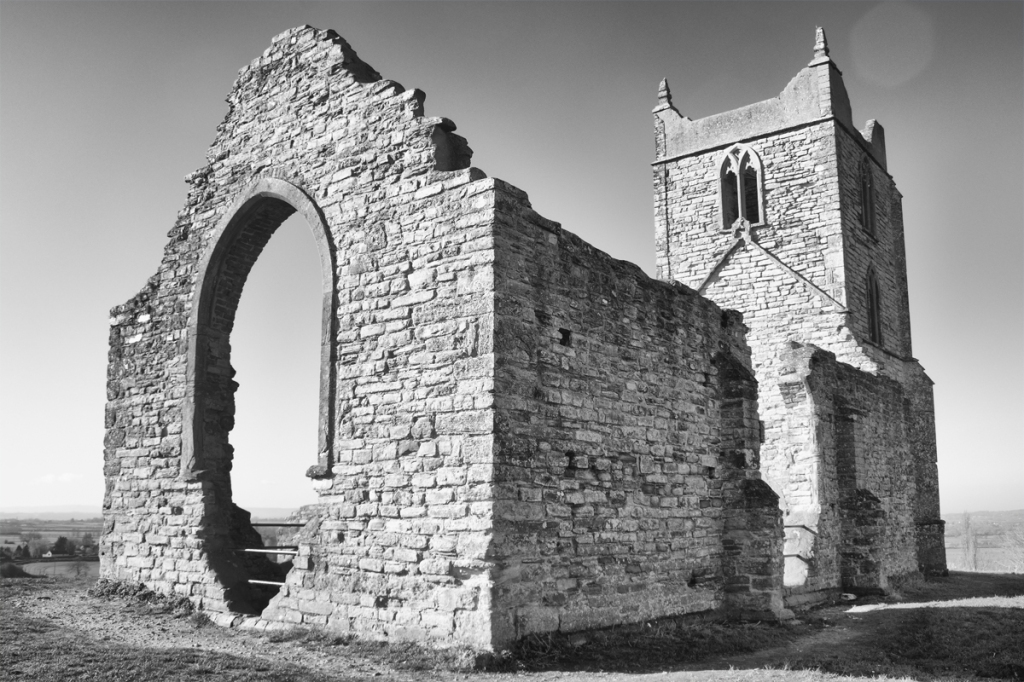
The heart of the village is the local church, St Peter & St Paul. Originally a grain store, it changed use when the parish church, in nearby Walton Clevedon, was razed to the ground by fire. It was rebuilt, but by that point, the new building in Walton-in-Gordano had established itself as the main place of worship.


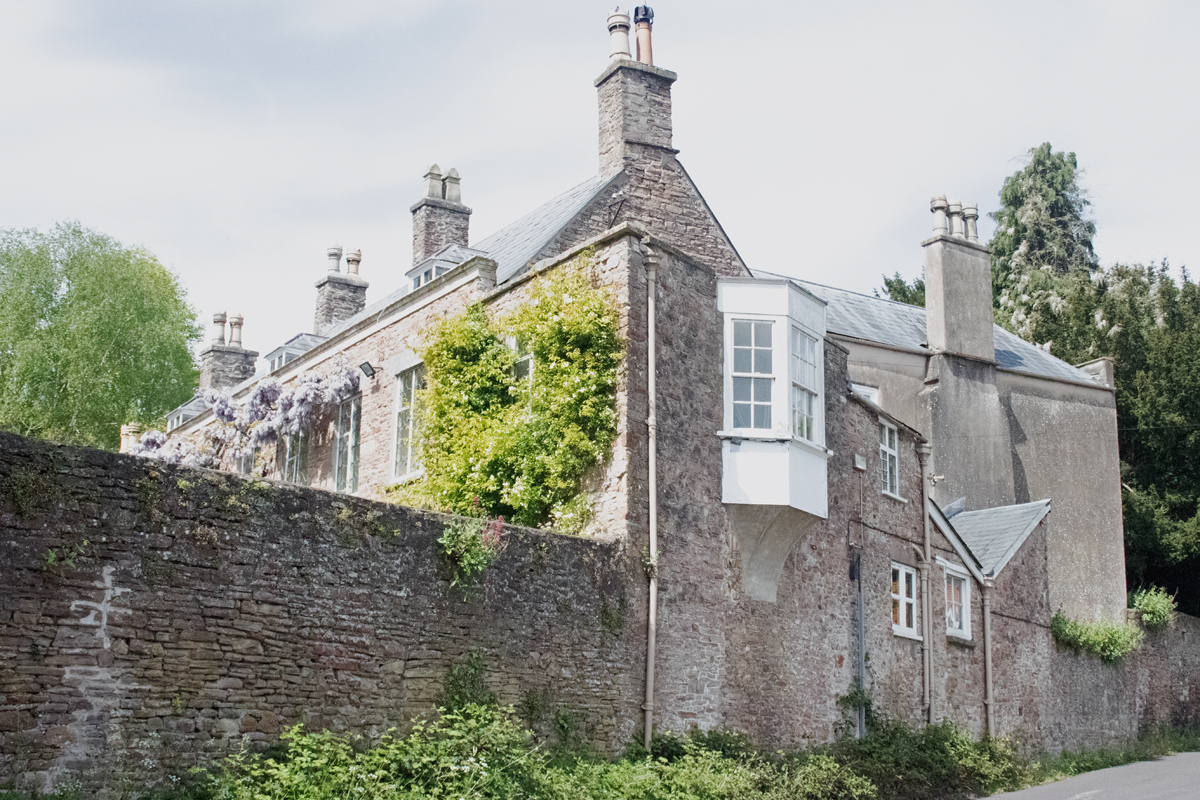
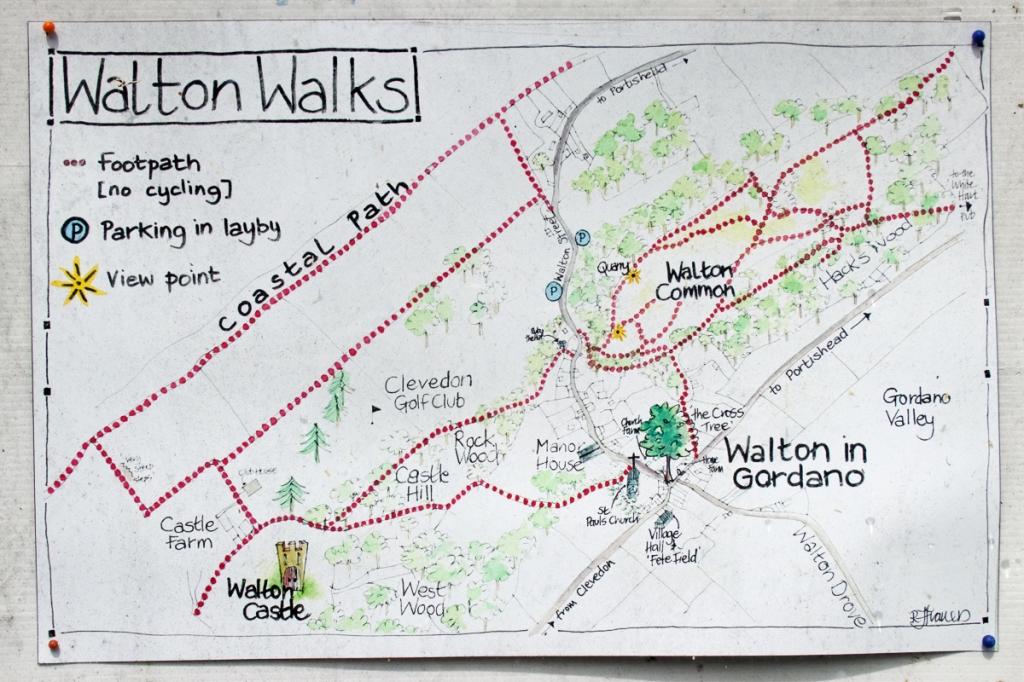
A short walk from the village centre is Walton Castle. Originally built as a hunting lodge in the fifteenth century, it appears from the main road like a folly on the hill, and it now available to hire out for functions.
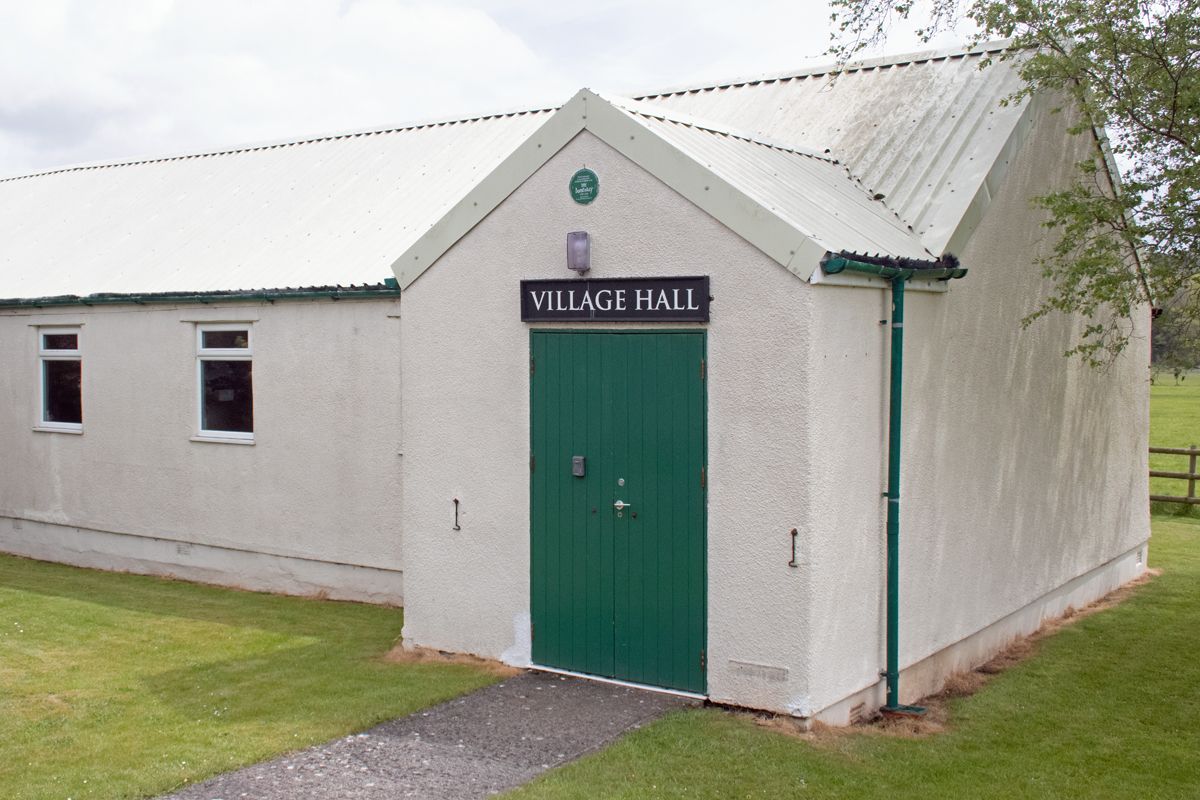
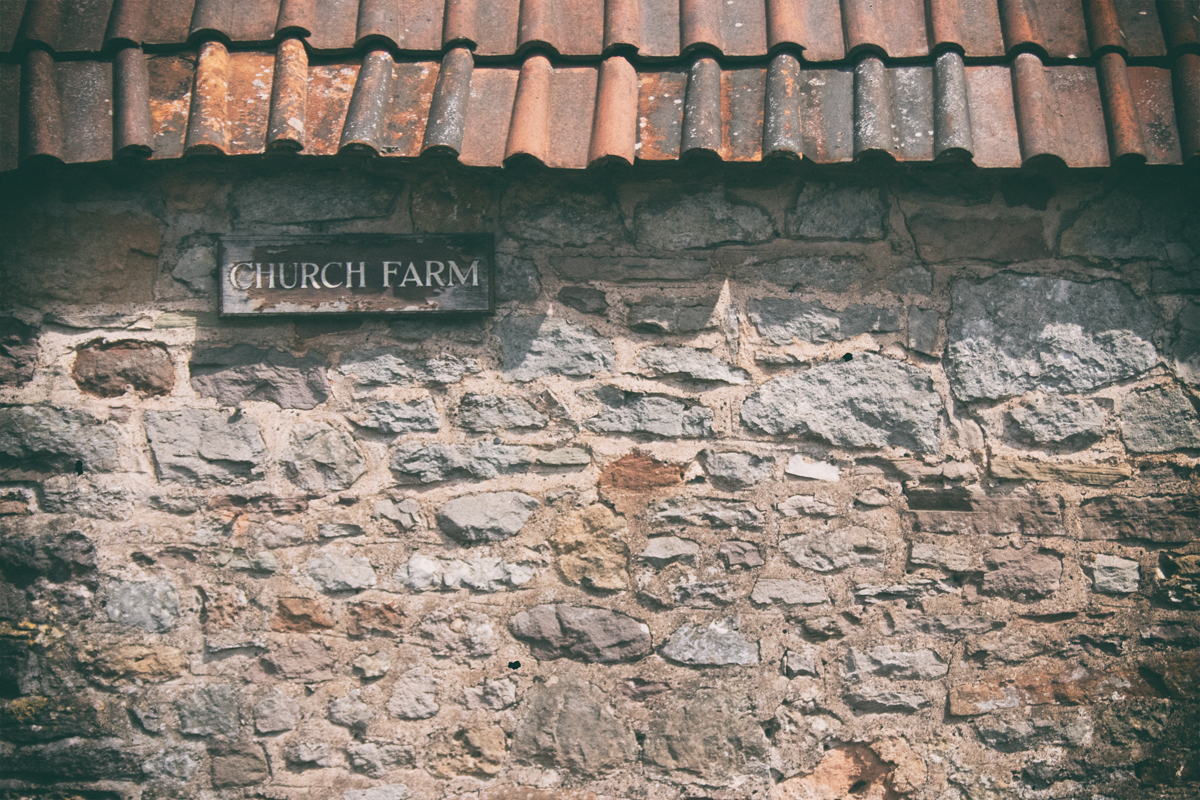
Quiet and unassuming, Walton-in-Gordano has the charm of a small village, and the feel of a community. It also has links to the music industry, as it was the birth place of Geoff Barrow, co-founder of the influential trip-hop band Portishead (who took their name from the nearby Somerset city).

Walton-in-Gordano is certainly a pleasant place to visit, and acts as a good starting point for coastal walks south to Clevedon or north to Portishead.


A-Z of Somerset: Ubley

U is for Ubley

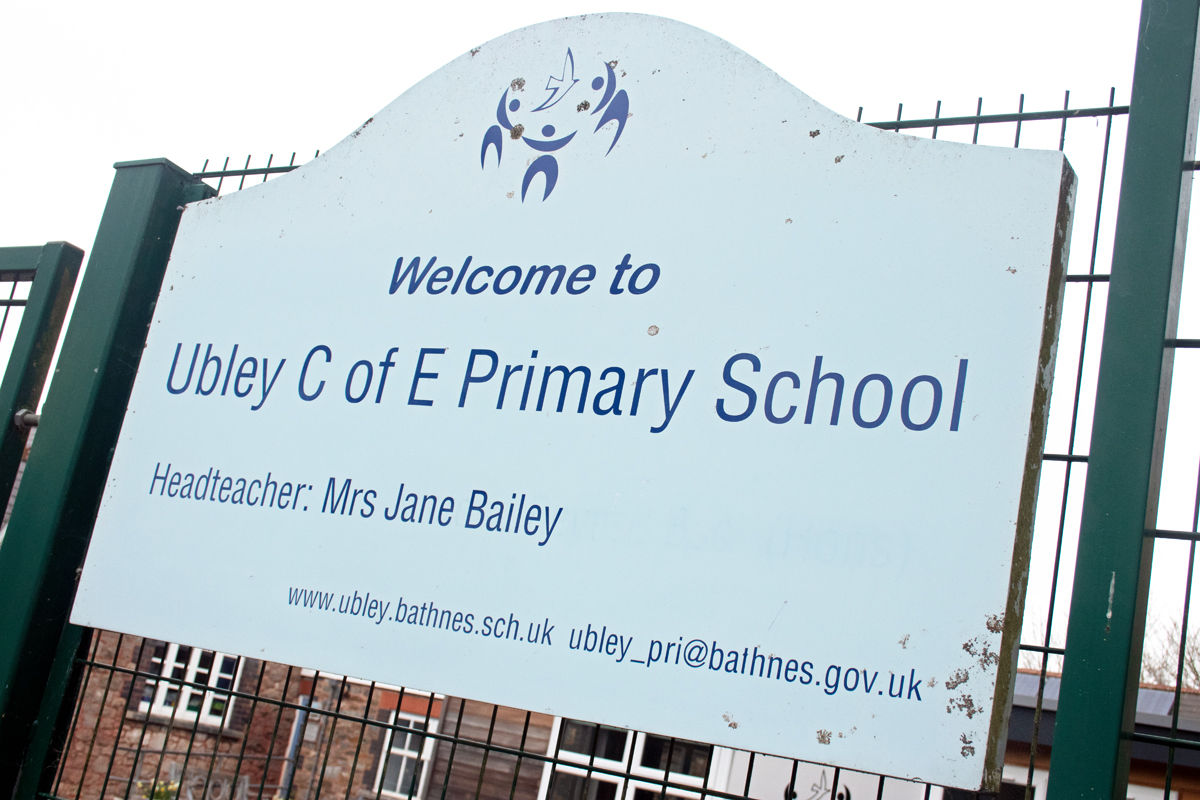
Nestled under the northern slopes of the Mendips, close to the Blagdon Lake in the Chew Valley, lies the quiet and unassuming village of Ubley.

The derivation of the village’s name is lost to time: in the 10th century it was known as Hubbanlege; a century later is was Tumbeli (or “rolling meadow” in old English). The name may come from local king Ubba, although it may also have been given the name in Veb, after the Latin word for lead, from the lead miners who lived in the area.


Today, the village has a population of around 330 people, most of whom live in old, stone built houses around the village green.


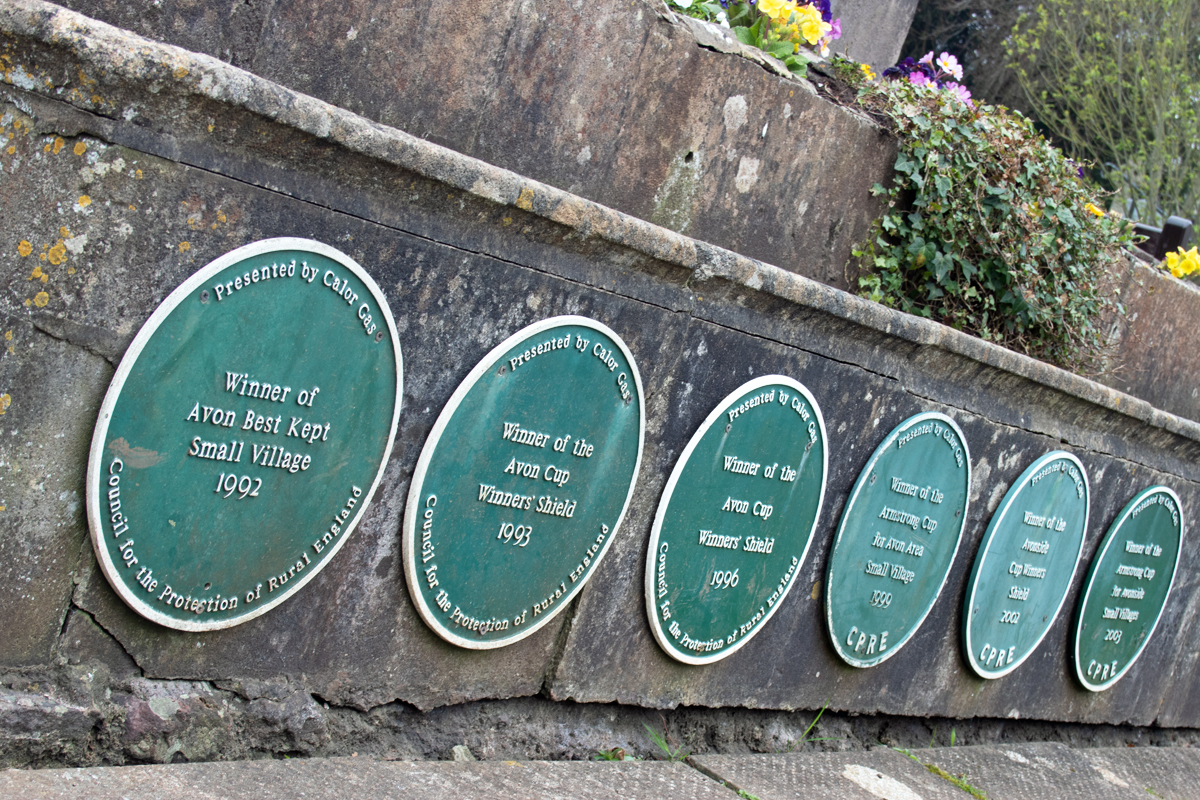
Ubley is a village that takes pride in its appearance, although the Best Kept Village signs date from twenty or thirty years ago. It is a quiet place in a quiet valley, and one with a community feel that is even more apparent because of the events of the last year or so.


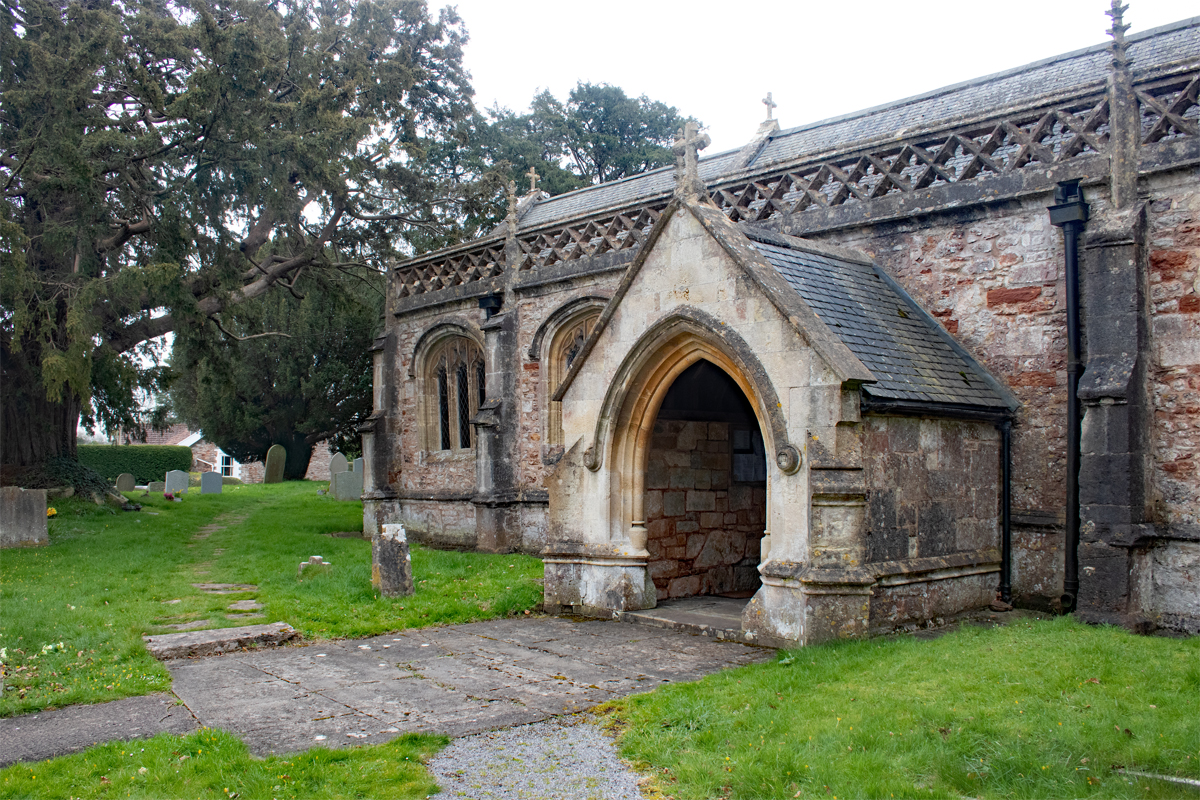
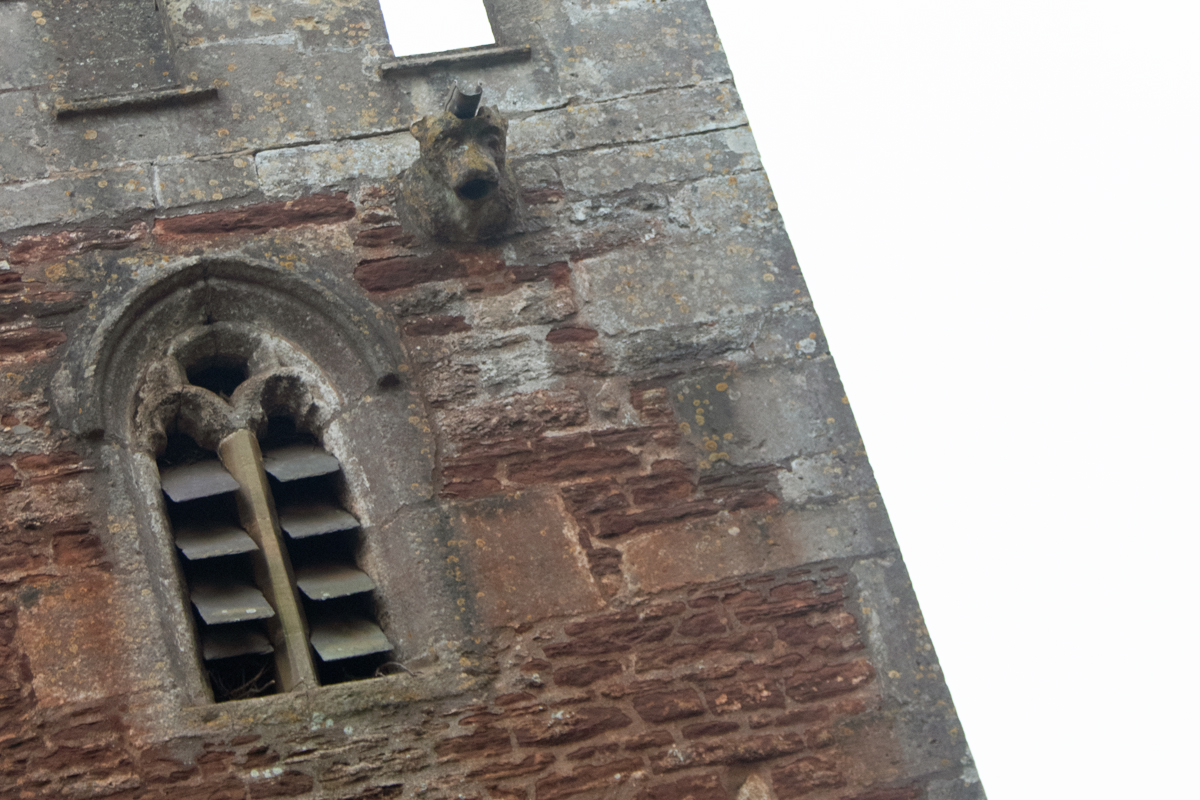
At the heart of the village lies St Bartholomew’s Church. Grade I Listed, it was closed on the day I visited, but was being frequented by a large number of crows, diligently building nests within its open steeple.

The grounds around the church are a peaceful, safe haven for those who have been buried within them over the years.

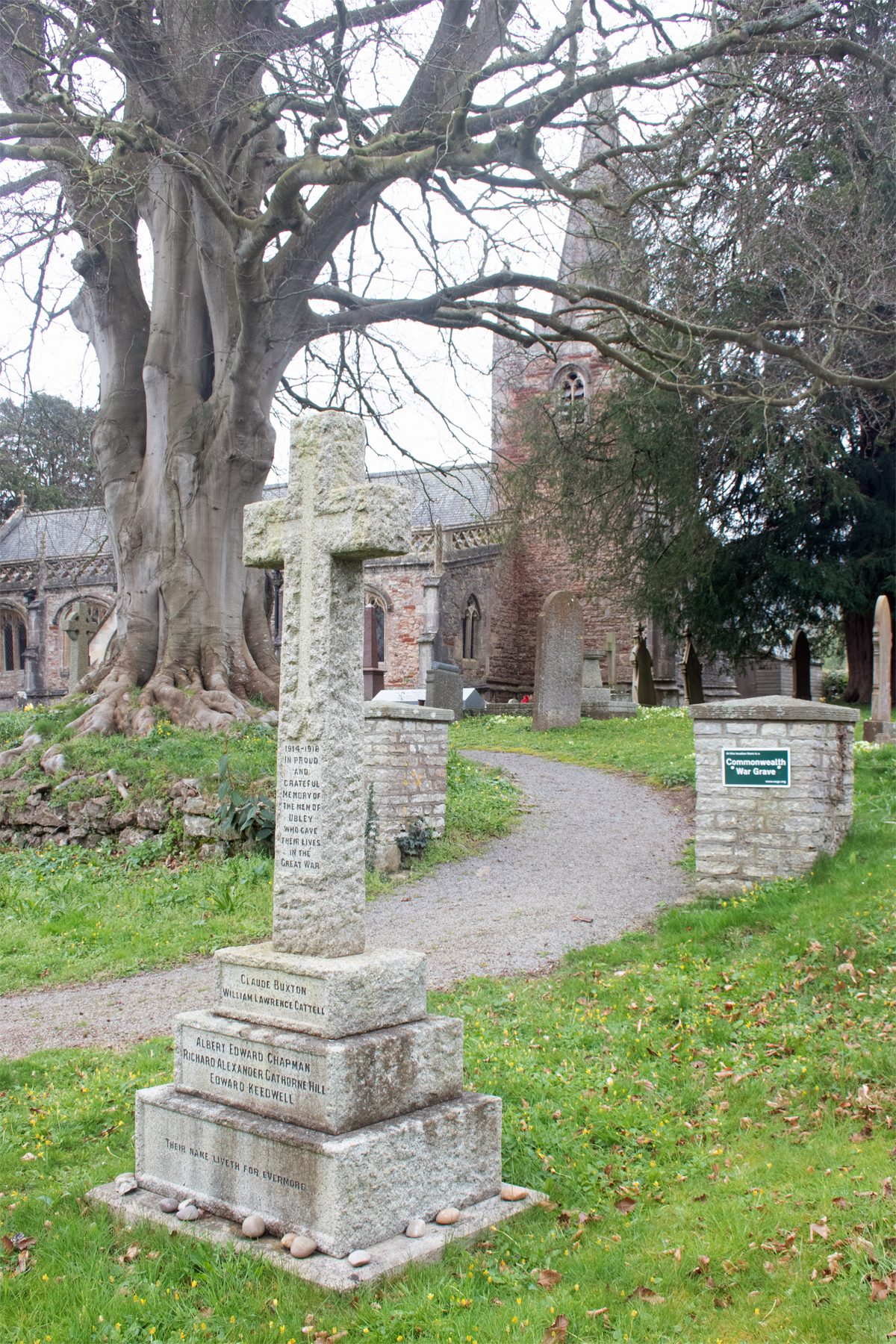
The village War Memorial remembers the five villagers who died in the First World War. There is only grave to a fallen solder in the churchyard and, ironically, that is for Second Lieutenant Alfred Newington, who wasn’t even a local man. (You can read more about his life and story by clicking on his name.)


Within easy reach of both the Mendips and Blagdon Lake, Ubley is worth a visit; it provides plenty of opportunity for walking and cycling. It is far enough away from the hubbub of the main Weston to Bath road, but accessible to it, to warrant stopping off.