Tag Archives: Somerset

A-Z of Somerset: Haselbury Plucknett

H is for Haselbury Plucknett

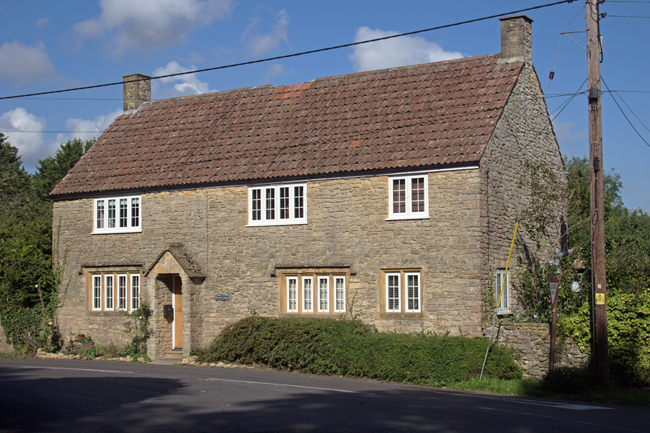
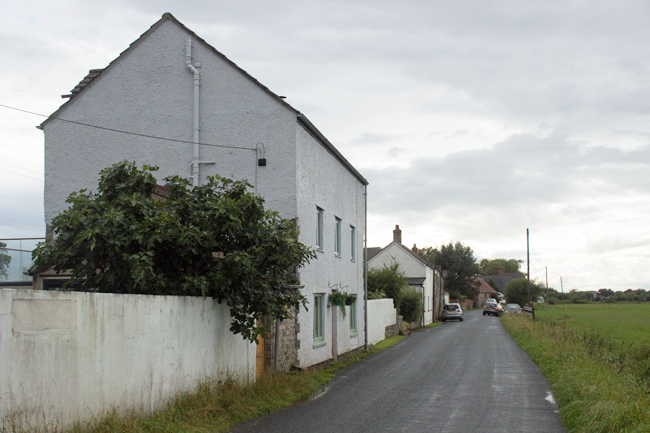
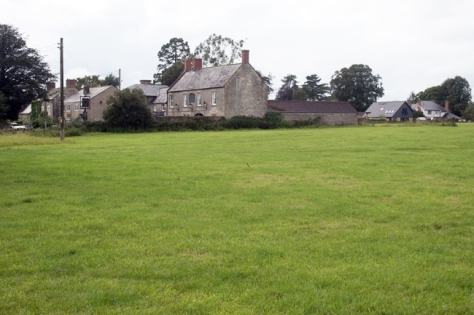
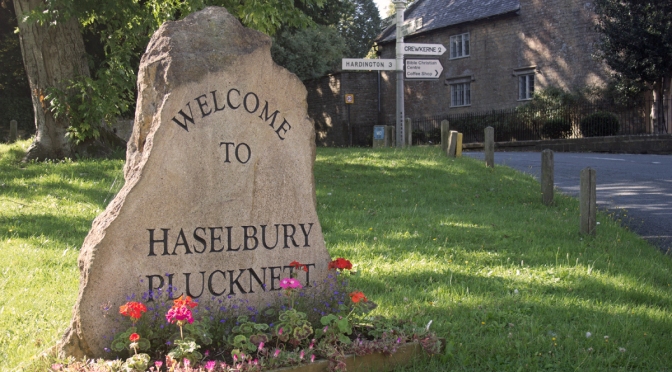
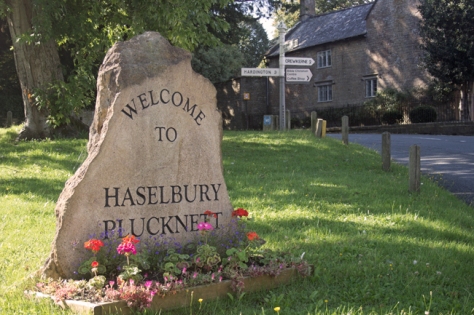
In the south of the county of Somerset, almost at the border with Dorset, lies the enchantingly named Haselbury Plucknett. Lying three miles (5km) to the east of Crewkerne, the name literally means “(Alan de) Plugenet’s hazel grove”. A somewhat busy road runs through the village, but this does not detract from its charm.

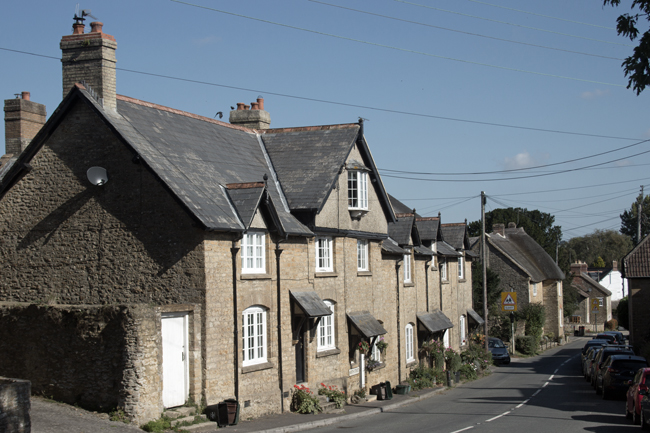
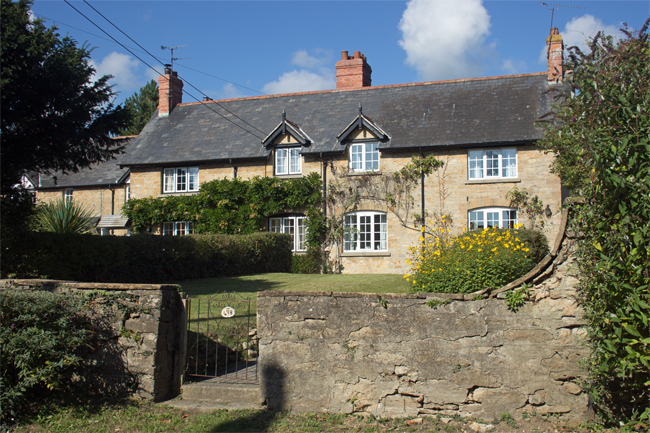
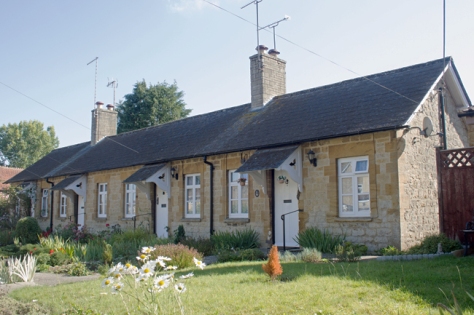
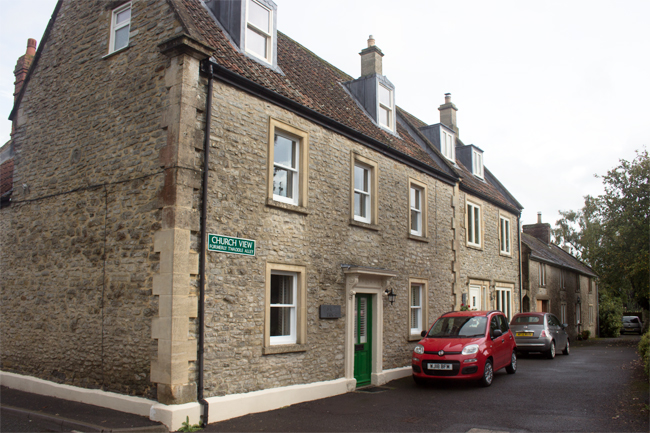
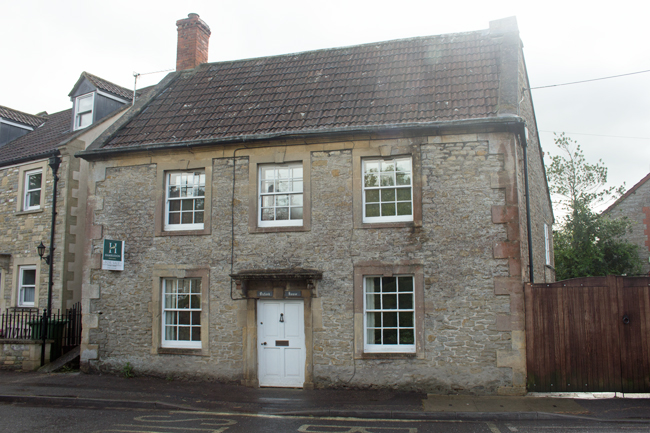
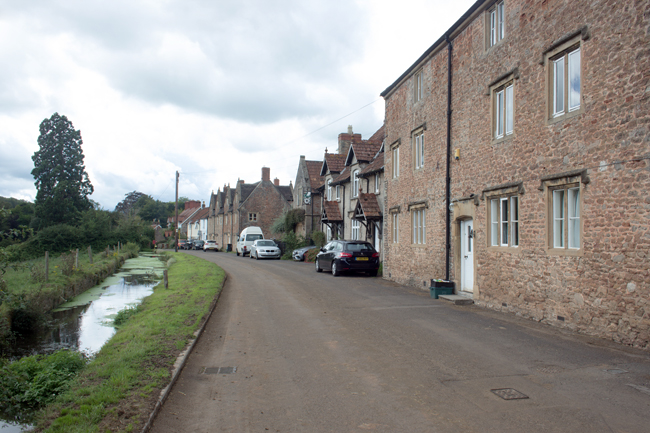
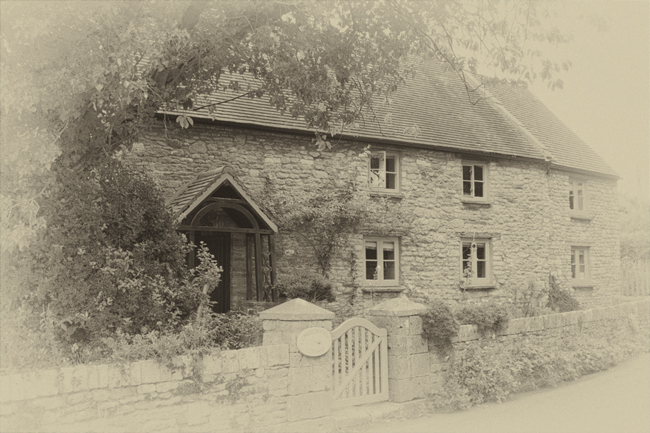
The cottages in the centre of the village are built of local stone and face the village green. They’re well-attended and give the village a real sense of community, something that was in evidence as I roamed around.
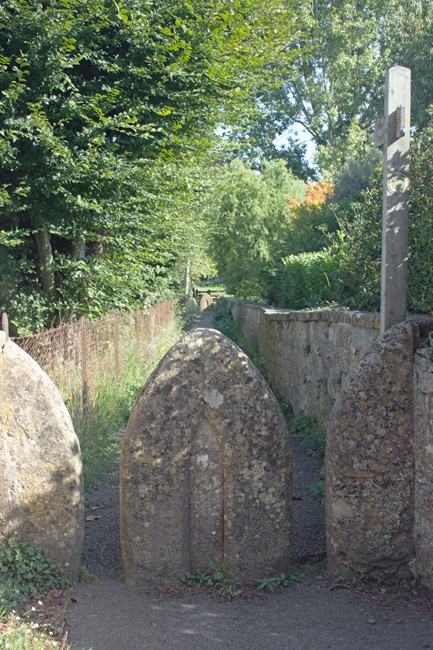
Just down from the village green are the Jared Gear Almshouses, set aside to provide safe and secure housing accommodation for people with limited financial resources who have connections with Haselbury Plucknett.

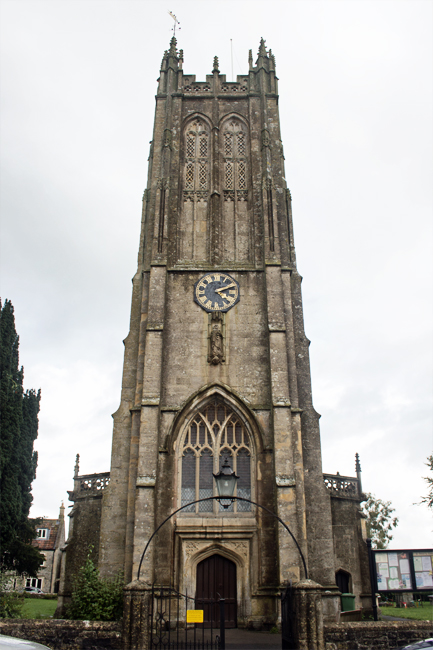
Wulfric of Haselbury was a noted resident of the village. In 1125 he moved there from Compton Martin, just south of Bristol, in pursuit of a wholly religious life. He withdrew from secular matters almost completely, living in a cell adjacent to the village church, St Michael and All Angels. Wulfric’s piety attracted notable well-wishers; King Henry I and King Stephen both sought his advice and he became well renowned not just around Somerset, but also at court. When he died in 1154, he was buried in the church.

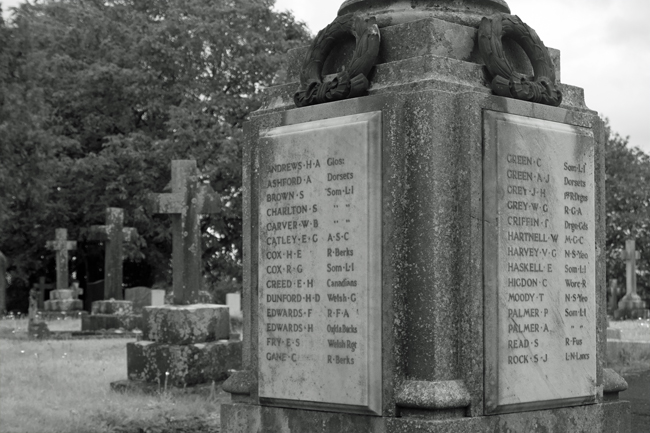
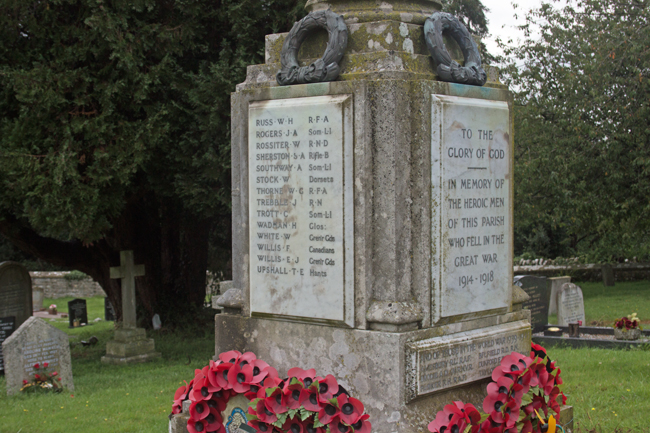
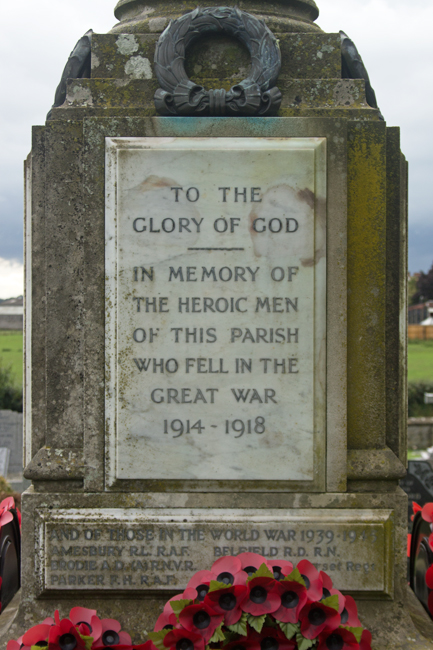
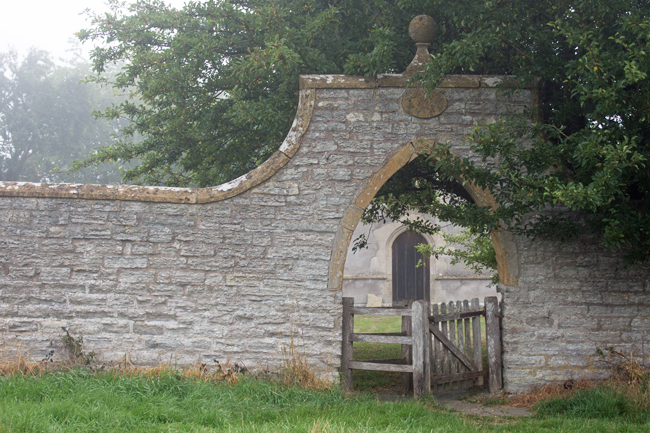
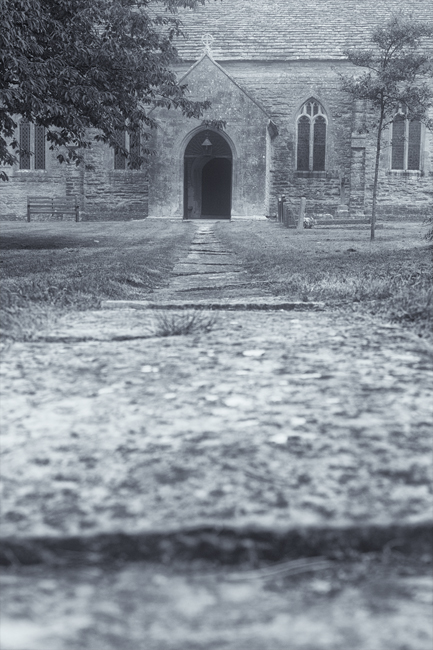
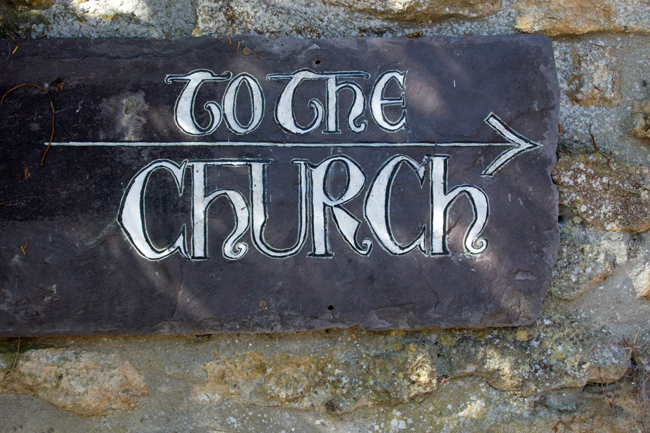
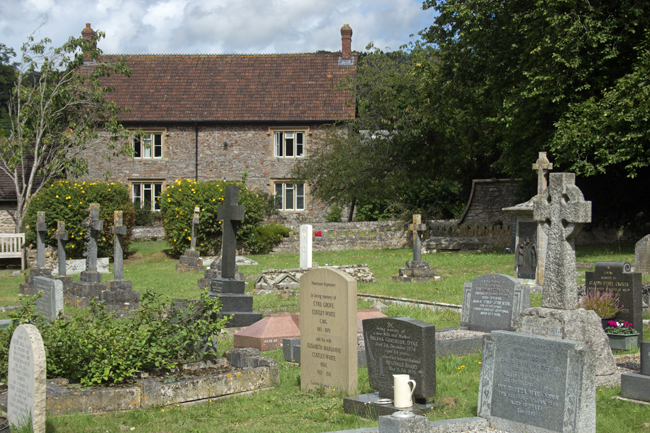
The village church lies just off from the centre and, like the village itself, is a tranquil place. There are no Commonwealth War Graves in the churchyard, but the War Memorial commemorates the twelve Haselbury souls who gave their lives on the field of battle during the Great War.

One of those remembered was Harry Shyer. He was just 20 years and 3 days old when the ship he was serving on – the HMS Good Hope – was torpedoed off the coast of Chile during the Battle of Coronel. All hands from the ship were lost, a total of 926 men.

The war memorial includes two sets of brothers: John and William Eastment and George and Harold Tout. Given the population of Haselbury Plucknett was less than 500 at 1911 census, the war must have taken an incredible toll on the village and the twenty-two losses would have been felt.
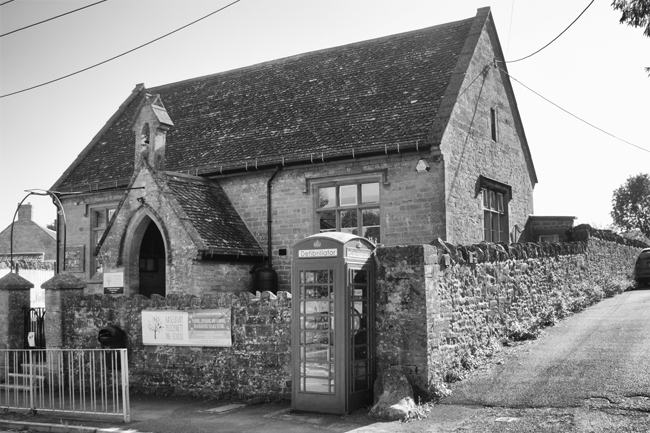
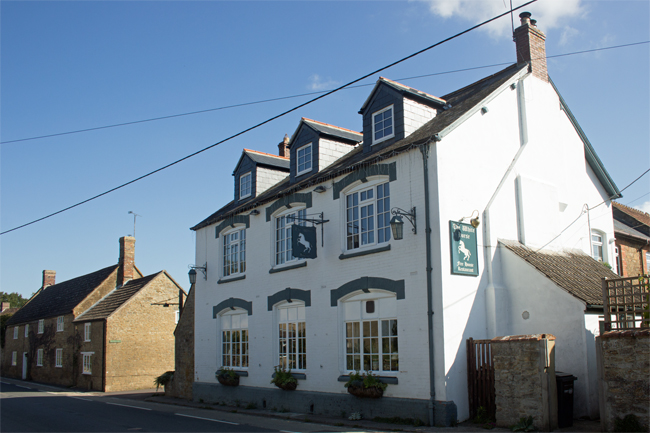
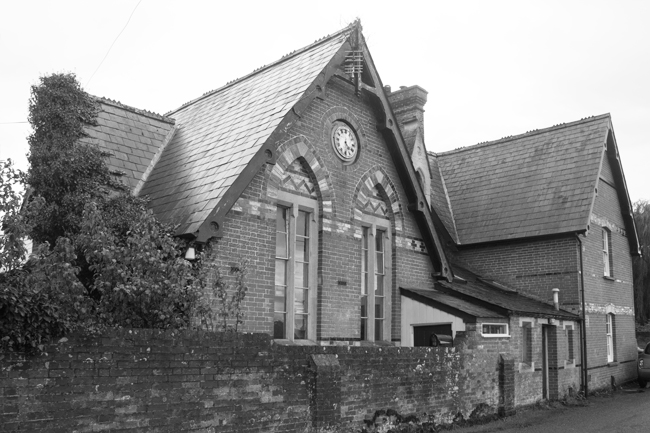
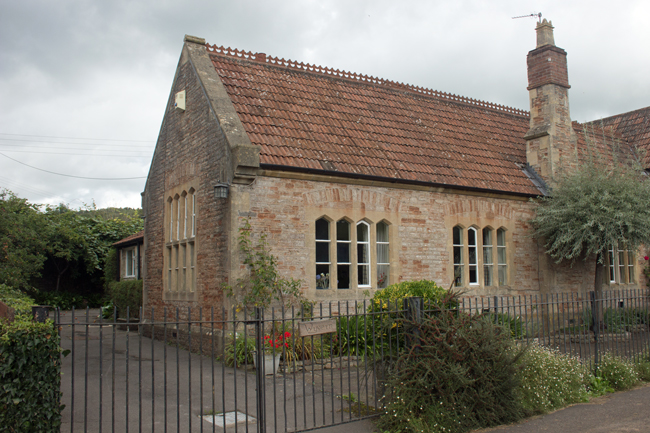
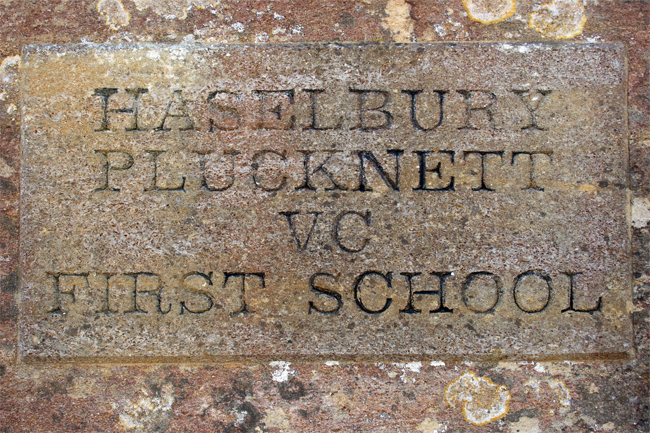
Two other key parts of the village lie within 300ft (90m) of each other; the local school and the village pub. (I make no assumptions as to their location, other than Haselbury Plucknett being a small village!)
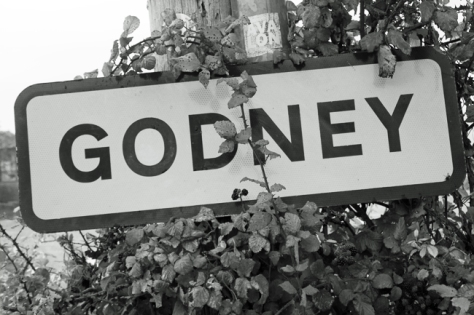
A-Z of Somerset: Godney

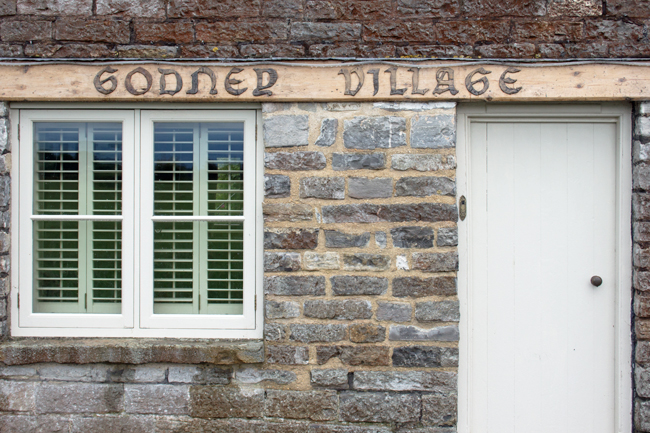
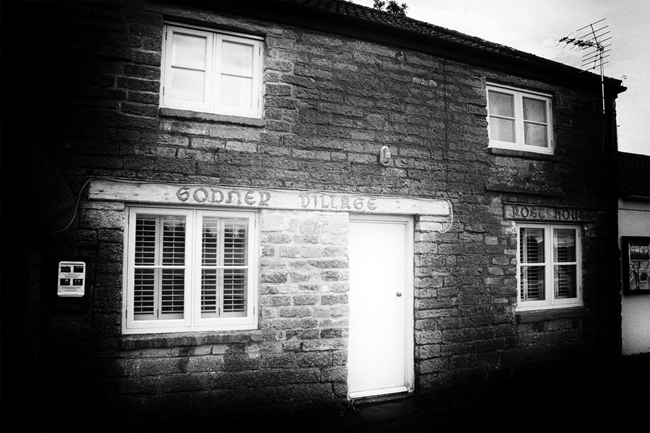
G is for Godney

The next in the A-Z is one that potentially challenges what I am looking to achieve in a list of Somerset villages as it examines what actually constitutes a village.

In England, at least, you have hamlets, villages, towns and cities.

  • Hamlets have no central place of worship and no meeting point (for example a village hall).
  • Villages have one central place of worship and a meeting point.
  • Towns have more than one of each and will often have a charter to hold a weekly market; they will also have their own form of council.
  • Cities are larger conurbations with multiple places of worship and meeting points.

So, why bring this up now?

Well, the issue with the next place I have visited is that technically it is not a village.

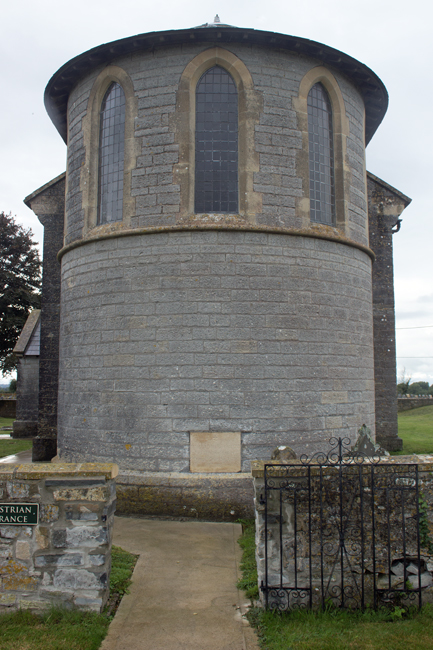
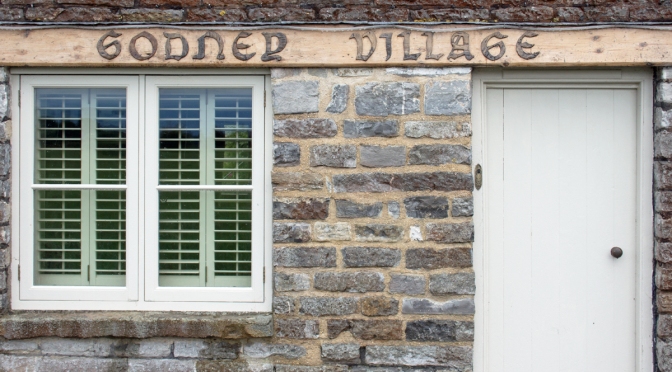
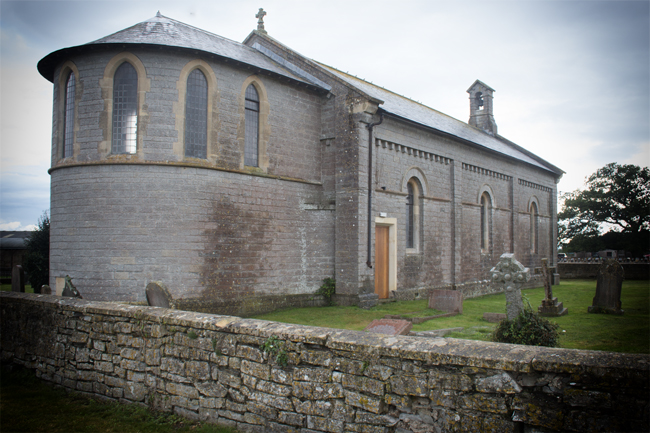
Godney has a handful of houses, a farm and a small church (Holy Trinity), but no meeting point.

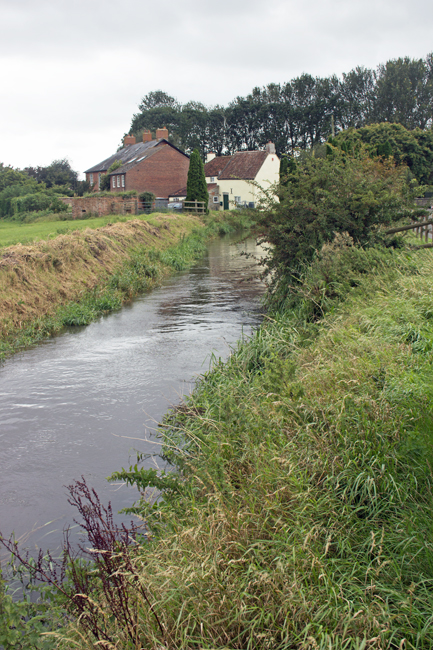
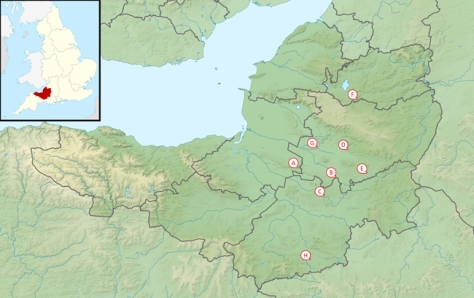
It lies just to the north of Glastonbury, on a small rise overlooking the River Sheppey.

Why am I including Godney in the A-Z, then? Well, on the other side of the river are two other hamlets – Upper Godney and Lower Godney – and between the three of them, they meet all of the requirements of a village.

So, then, I am looking at The Godneys, not just Godney itself. (Okay, it’s a bit of a stretch, but they’re nice places!)
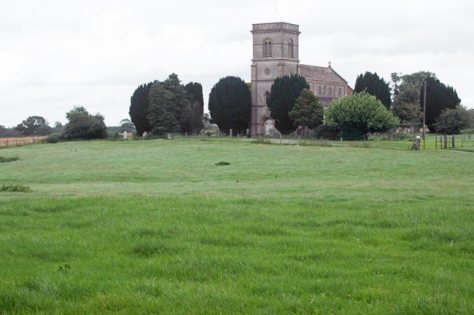

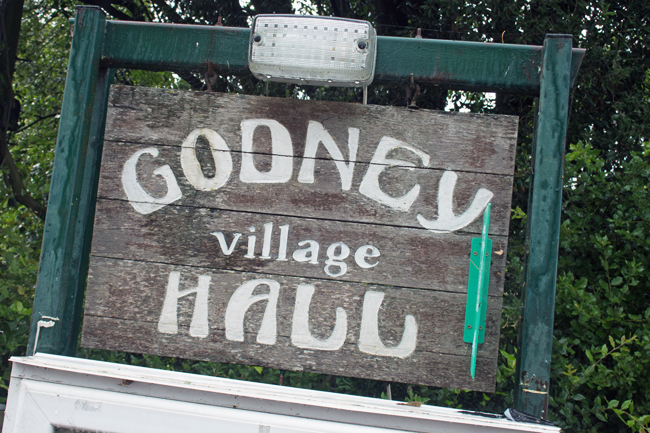
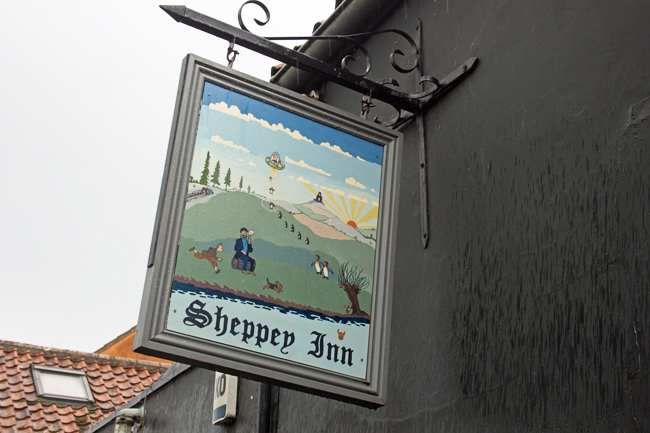
While Godney has the place of worship, Lower Godney has the meeting place. This is where the Village Hall is located, as well as the local pub, The Sheppey Inn (named after the river that runs behind it).


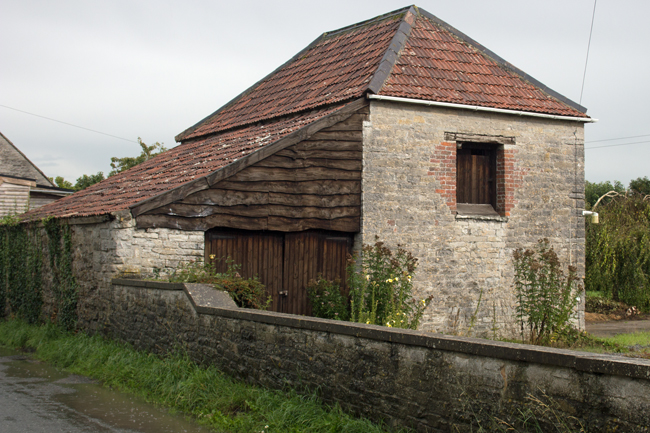
Upper Godney is today just a small stretch of houses, but it was once where the local school was located as well as the village post office. Both have now closed and are houses.


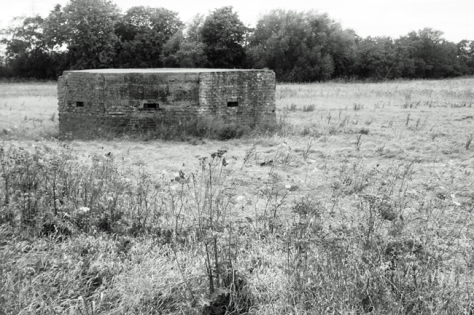
There are no war graves in Godney. However, like Dinder, it formed part of the war lines, and the landscape includes a number of pill boxes at either end.

The Godneys are surrounded by flat, drained marshland and the natural ditches formed the basis of tank defences during the Second World War. These were supplemented with a purpose-built anti-tank ditch around the village, while bridges in the area were prepared for demolition at short notice.


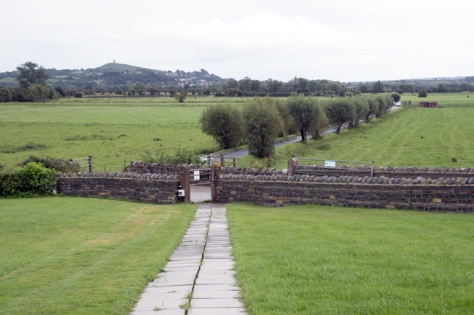
The Godneys are a great place for walking and cycling, particularly as the ground is so level. The views south to Glastonbury Tor and north to the Mendips are well worth it.


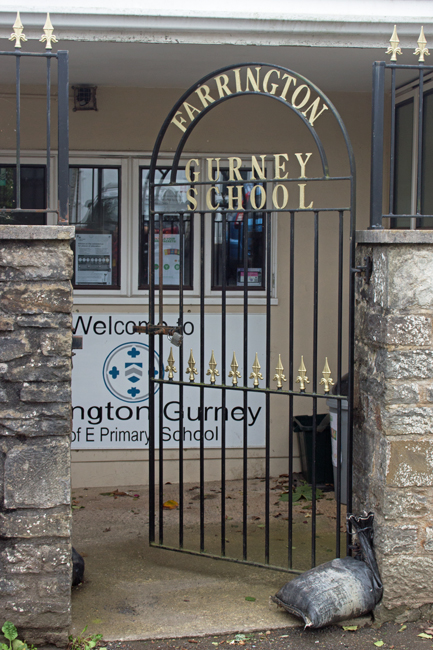
An A-Z of Somerset: Farrington Gurney

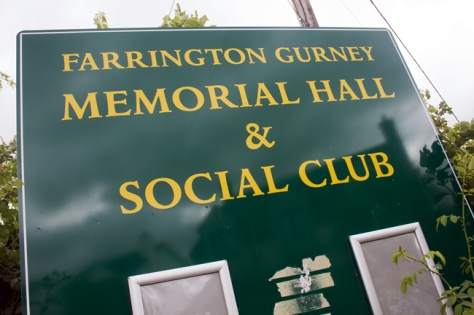
F is for Farrington Gurney

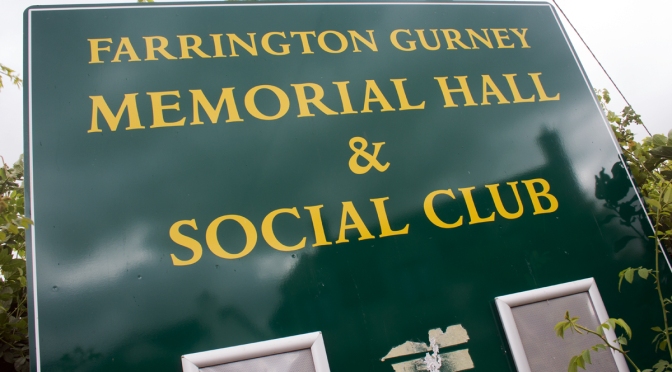
Wedged between the Somerset link roads of the A37/A39 and A362 lies the unassuming village of Farrington Gurney.

As you might guess from my previous posts, it was the village name that drew me in. The Doomsday Book mentions the village of Ferentone, while Gurney is thought to come from the de Gournay family, who owned the lands in the 12th and 13th centuries.

The village owed a lot to the coal industry. There were three pits in Farrington itself, with a further two in neighbouring Midsomer Norton.

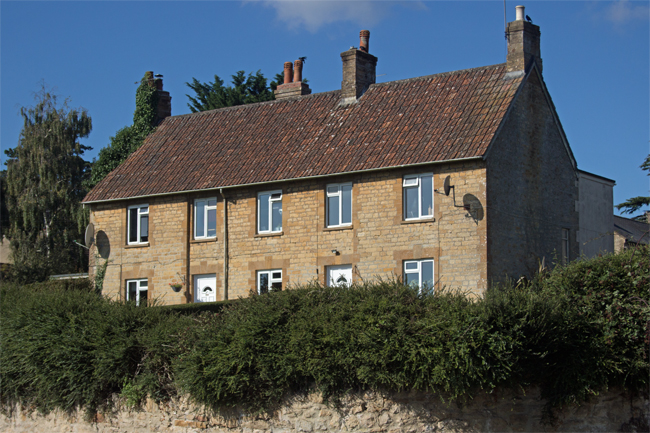
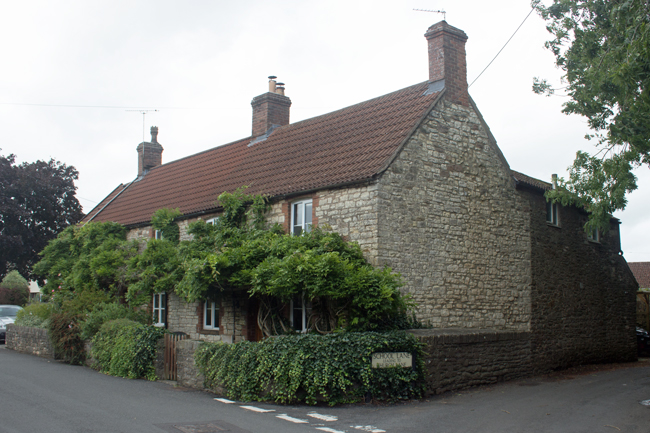
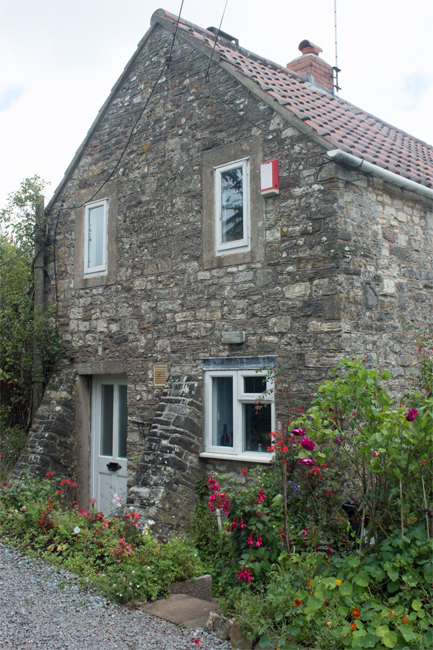
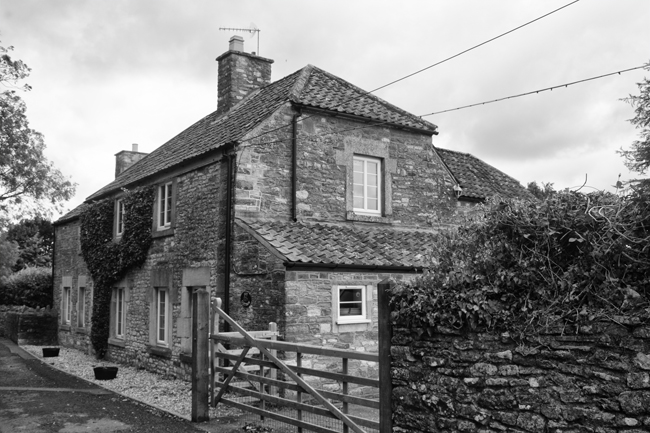
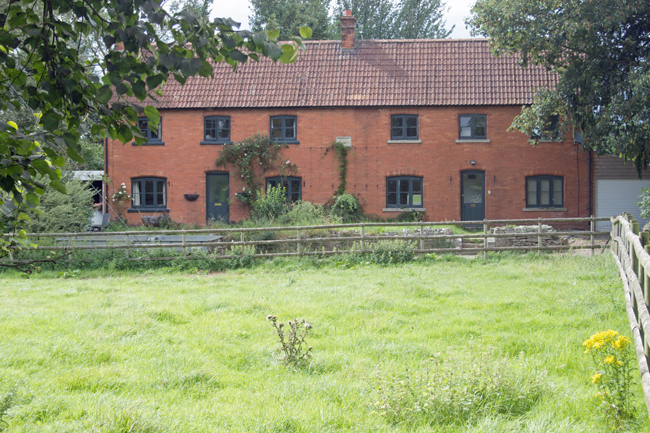
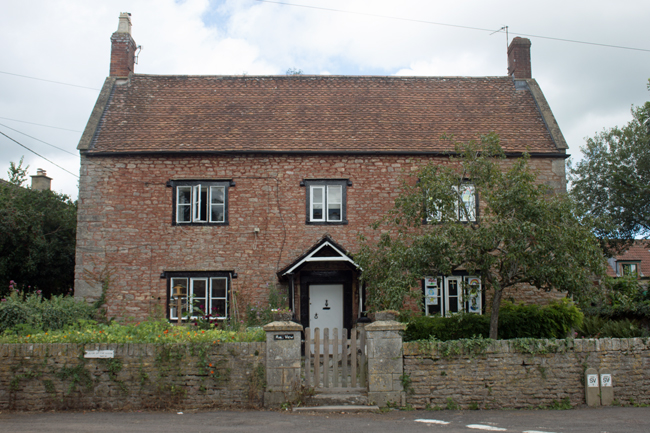
The majority of the houses are old, dressed stone, although as time has passed, newer properties have filled in the gaps between them; on the outskirts – just off the A37 – new buildings have started to sprout up.

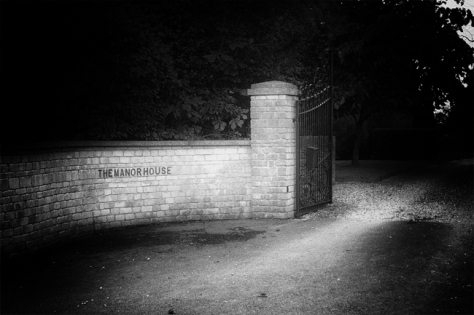
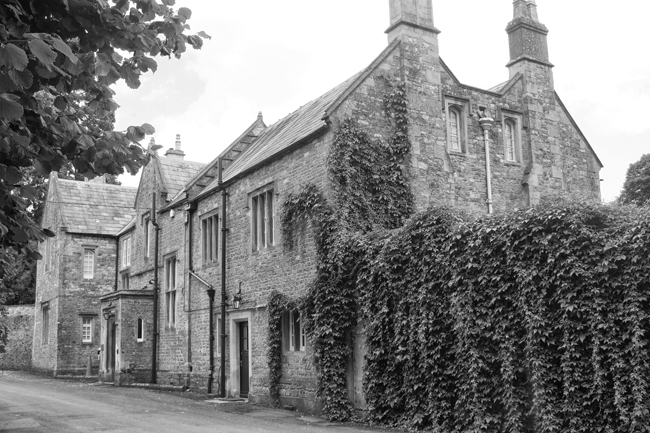
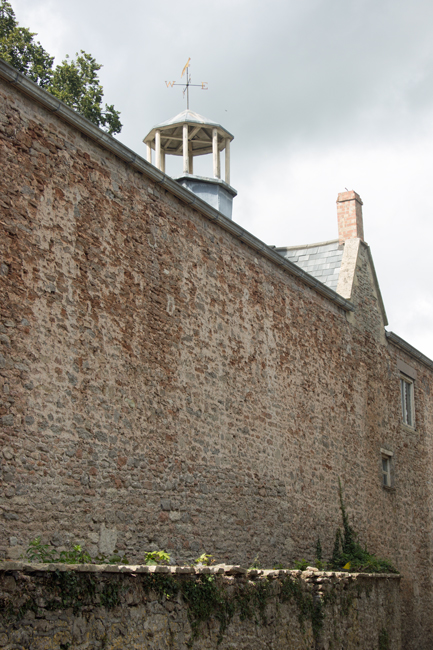
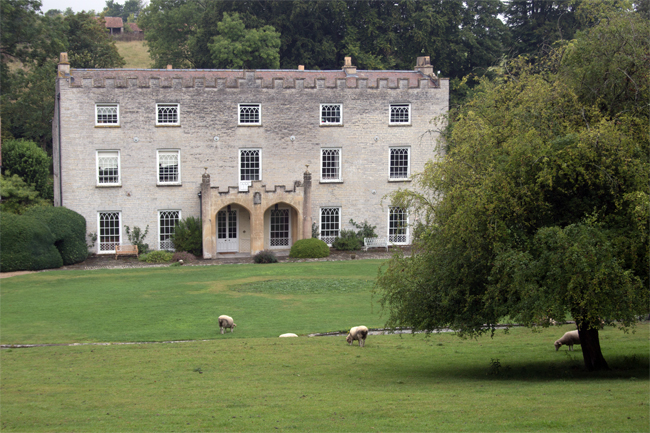
As you might expect, a manor house is at the heart of the village – hidden behind high stone walls, is a large property dating back to 1637, which you can only see from tantalising glimpses in the tree line.

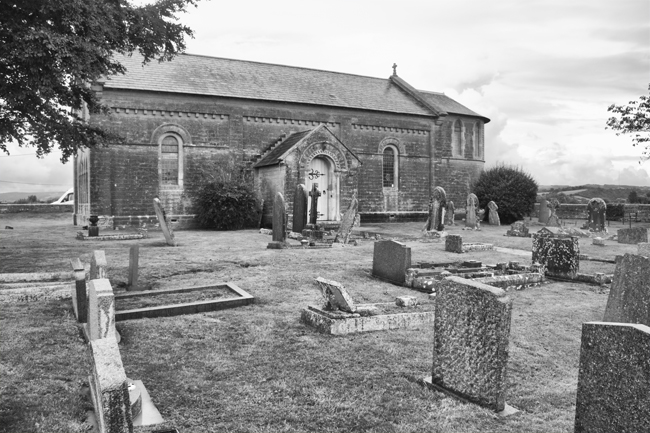
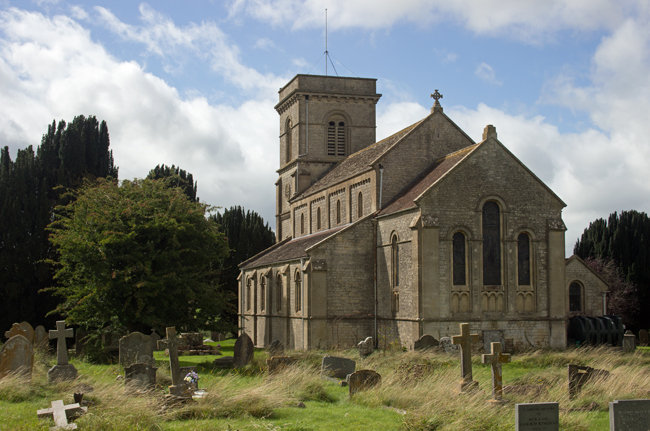
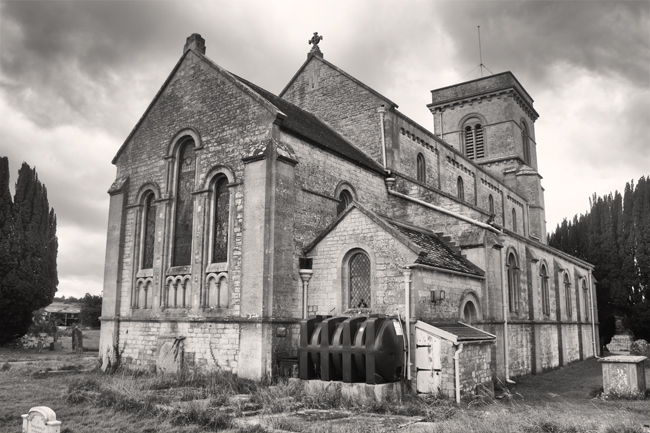
The village church – dedicated to St Jon the Baptist – is set in open fields around a mile from the village itself. It’s a small parish – there are less than 1000 residents – and the church is easily visible from form the village (and, more importantly, the manor house, the owners of which presumably paid its construction).

It’s a beautiful little church, though, and its peaceful location adds to the calm surroundings.

One war grave sits quietly in the churchyard, that of Gunner Watts – my next post will talk more about his life.

Farrington Gurney is a lovely little village; there’s a bit of a juxtaposition between the old and the new, and the proximity to two main roads can jar a little, but it fits in to the A-Z nicely.


An A-Z of Somerset: Evercreech

E is for Evercreech

A hop and a skip away from Dinder is a bit of a jolt; the population of Evercreech is ten times the size, and you do notice it.

Just to the south of Shepton Mallet, this has the potential to be a bustling place, although the day I visited was a typically English summer, with heavy showers, so it was quieter than it could have been.

The centre of the village holds onto its Norman roots – Evrecriz was mentioned in the Doomsday book – and the buildings are old stone cottages, with the occasional larger manor thrown in.

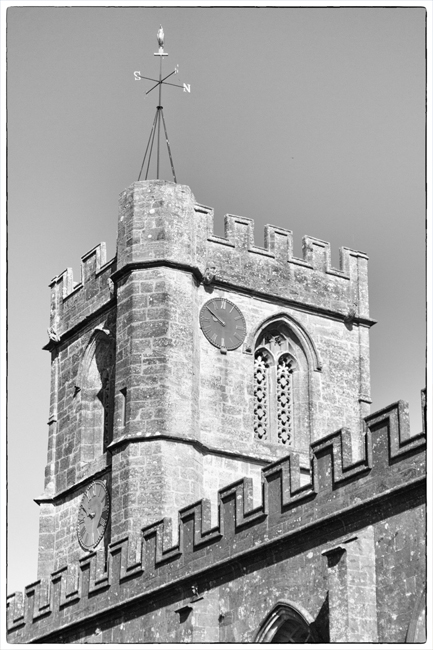
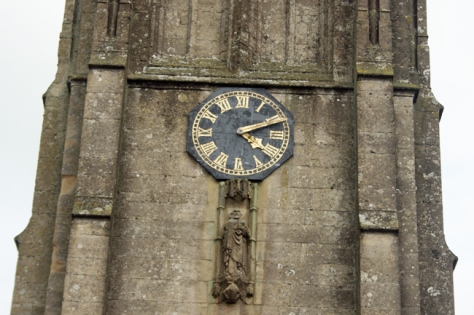
The church, however, is one of the things that drew me to choosing this as my ‘E’ village. The renowned twentieth century architectural historian Nikolaus Pevsner said than it has one of the finest Somerset-style towers in the county, but it is the mysterious clock that interested me.

The face of the clock has no 10 on it (or no X, in Roman numerals). Instead, the numbers go 9 – 11 – 12 – 12 (IX – XI – XII – XII).

Local rumour suggests that the person who paid for the clock to be made was instructed by his wife that he had to be home from the pub by 10 o’clock. Therefore, he ensured that the 10 o’clock numeral (X) was missing from the clock face.
While the village is a large one – with a population of nearly 2,500 – it is very easy to get into the open countryside.

Walk past the Bell Inn, one of Evercreech’s three pubs, and you find yourself crossing open fields to reach the village’s cemetery.

A small graveyard, but still in regular use, this holds a history of its own.

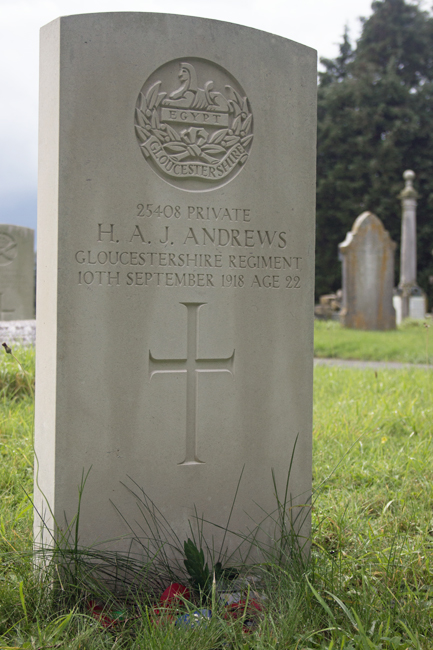
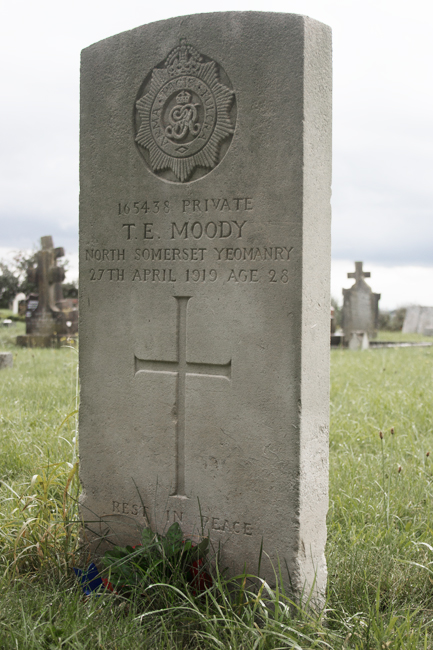
There is a war memorial to those who fell in both World Wars, while there are four war graves to those whose remains were able to be buried on English soil. Four stories, which I’ll explore in later posts.


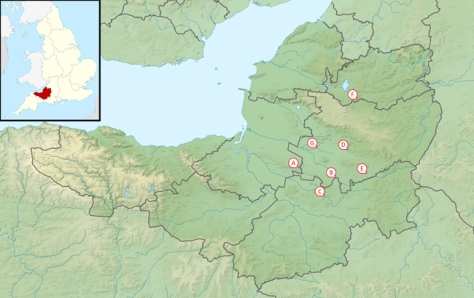
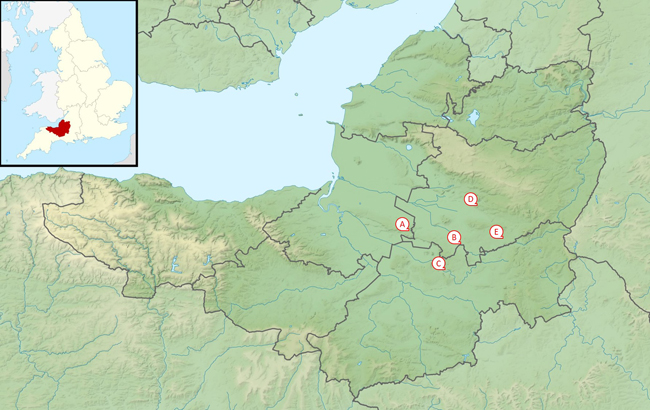
An A-Z of Somerset Villages include:

  • Ashcott
  • Baltonsborough
  • Charlton Mackrell
  • Dinder
  • Evercreech

An A-Z Of Somerset: Dinder

Moving on through the highways and byways of Somerset, the next destination is the village of Dinder.

Literally meaning “the house in the valley”, Dinder lies three miles east of Wells and is nestled alongside the River Sheppey.

The village is smaller than Ashcott, Baltonsborough and Charlton Mackrell, and has a population of less than 200 people. There are no shops, pub or school, and the three farms – Higher Farm, Lower Farm and Sharcombe Farm – are interspersed with the houses of those who farmed them.

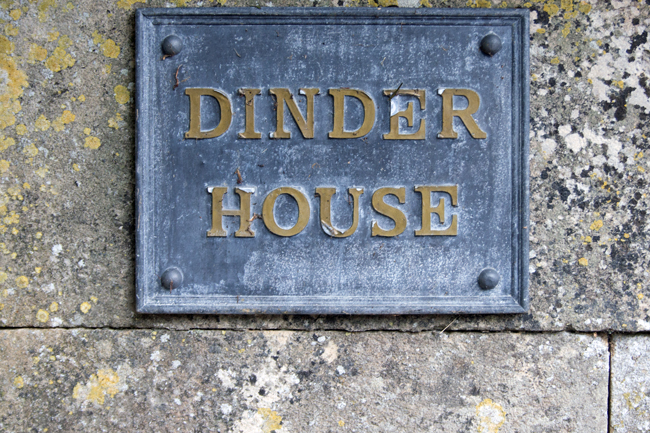
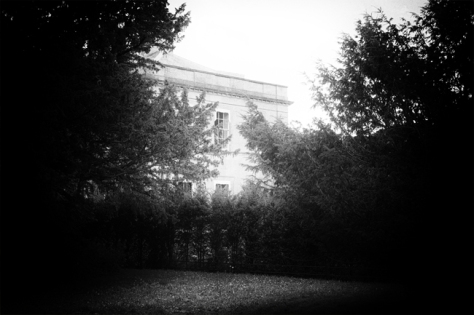
Not all of the houses are farmworkers cottages, of course. The “house in the valley” is Dinder House itself, shielded from prying eyes by a series of high walls and enveloping trees.

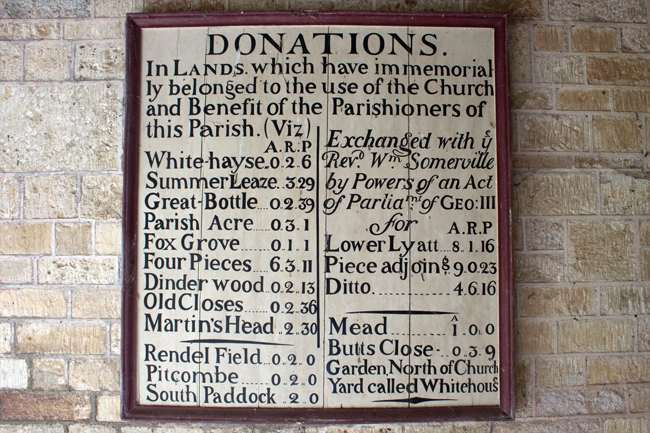
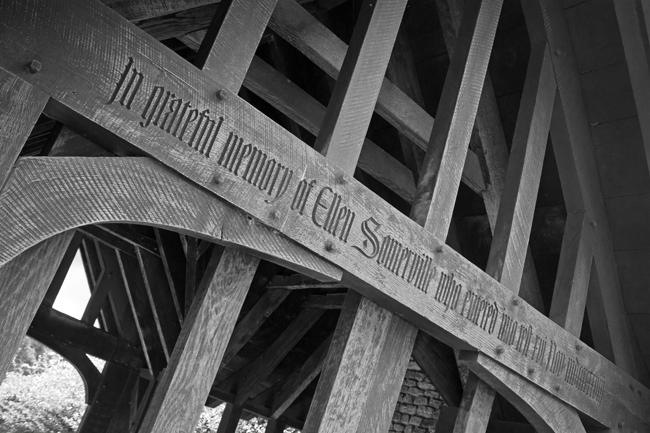
The house – built in 1801 – replaced the previous manor house and was designed and constructed by the Somerville family, who owned the manor and estate. Although the family line ended in 1949, the Somervilles are recognised and commemorated throughout the village, for everything they brought and gave to the village.

The other houses in the village are a mixture of styles, but all showing an age and giving off an air of respectability.

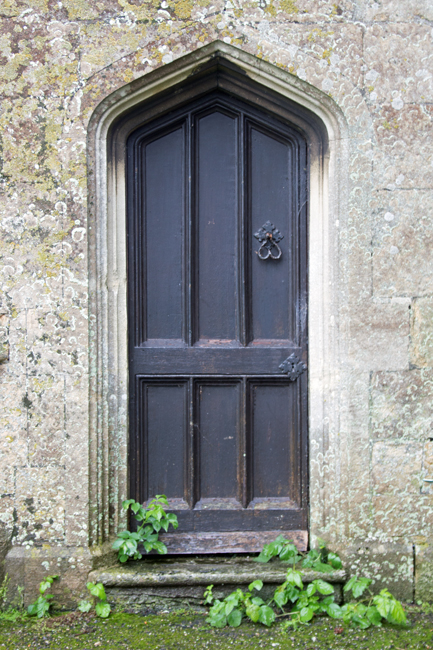
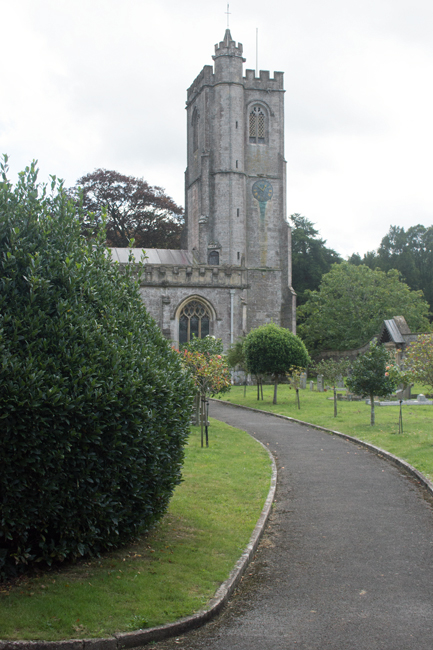
Dinder’s parish church – St Michael and All Angels – is a typically English affair; while it was locked on the day I visited, it seemed warm, welcoming and peaceful in the extreme, with an open churchyard, sitting alongside the manorial house.


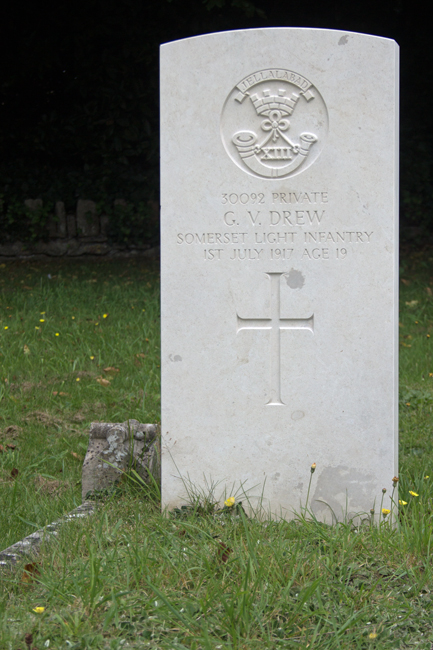
Sadly, Dinder was not without its share of wartime losses; this is underlined in the churchyard, where a grave commemorates Private GV Drew of the Somerset Light Infantry.

Gilbert Victor Drew was born in 1898, the youngest of the eight children of James and Theresa Drew, a groom/coachman and laundress respectively.

He enlisted 11th December 1915 and joined the 1st Batallion Somerset Light Infantry. While I have been unable to fond any specific details, Private Gilbert would have seen action on the Western Front. He was discharged from the army on 3rd February 1917 as, according to the records, he was “no longer physically fit for war service.”

Private Gilbert Victor Drew died on 1st July 1917, and was buried in the graveyard of the Church of St Michael in his home village. He was one of six villagers to fall during the Great War.


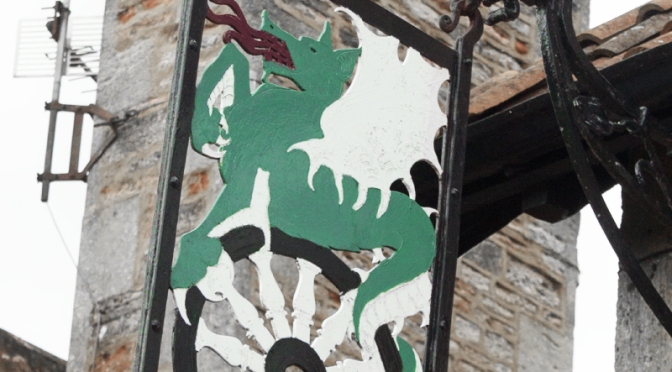
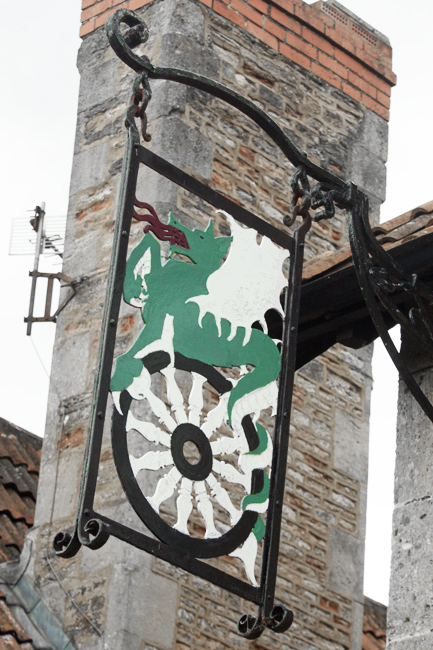
Dinder also has hints of a more mythological past too. One of the houses on River Road has an iron sign hanging outside; this is the Somerville family crest, a green dragon breathing fire.

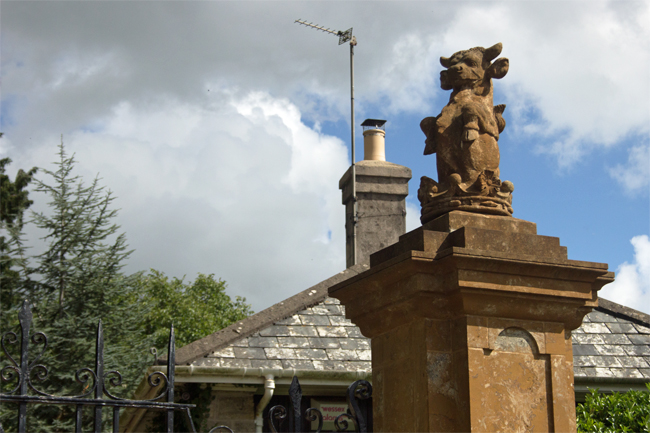
The dragon is replicated around the village, from finials on houses roofs to a crest within the church and the tale of the Dinder Worm is one that dates back to the early 1200s.

A terrible dragon was terrorising the villagers and their livestock, and Bishop Jocelyn of Wells was called upon to save them. He rode out to encounter the beast with his soldiers, but at the last minute commanded them to remain at a distance while he rode on and single-handedly beheaded the Worm, saving the village from certain disaster.


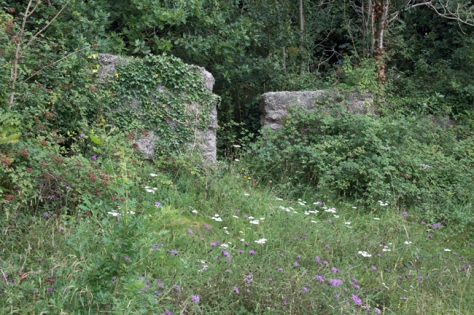
To the north of the village, a series of mysterious concrete blocks lie alongside country lanes. These are tank traps, and formed a part of the defensive protection for the area during the Second World War.

According to records, an anti tank ditch was dug round Wells and Dinder, circling Maesbury Ring. Bent railway lines were stuck into slots in the road to stop armoured vehicles and clusters of concrete blocks were cast to keep the enemy tanks where the defenders could see and hit them.


An A-Z of Somerset: Charlton Mackrell

C is fo Charlton Mackrell

One of the things I have found since moving down to Somerset how different the place names are from back in the south east of England. For every Yeovil there is a Kingsbury Epicopi, for every Bridgwater, a Chiltern Cantelo. The etymology of these place names holds a constant fascination for me, and is another reason I have set out to explore the local area more.

So it is that, on reaching the letter C in my quest, that I choose an unusually named village to photograph.

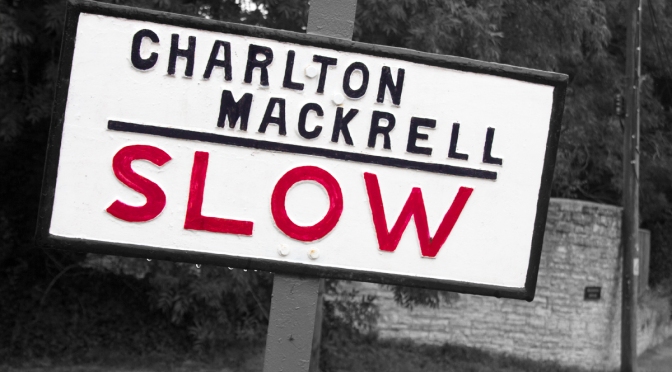
Charlton Mackrell lies midway between Glastonbury and Yeovil, on Bull Brook, a tributary of the River Cary. It shares its name with the neighbouring village – the similarly named Charlton Adam – and, like Baltonsborough, has a population of around 1000 inhabitants.

The names of the villages can be traced back centuries – Charlton comes from the Saxon word for “farmstead of the freemen”. Adam can be pinpointed to the local FitzAdam family who once lived there. Mackrell is less easy to pin down, but it is likely to have similar origins.

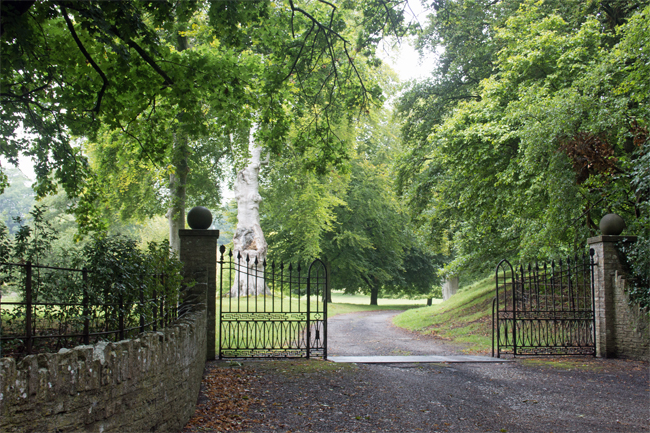
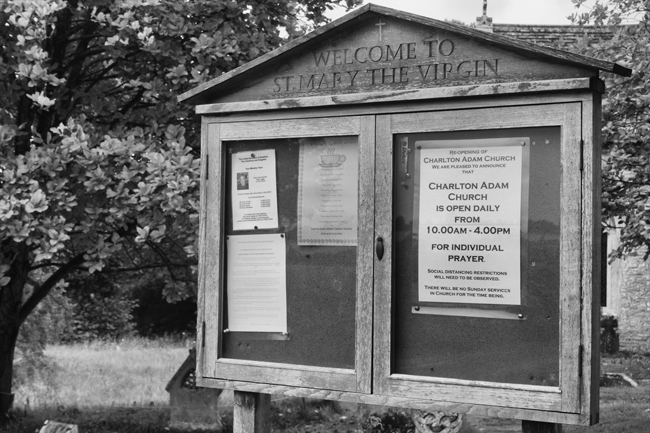
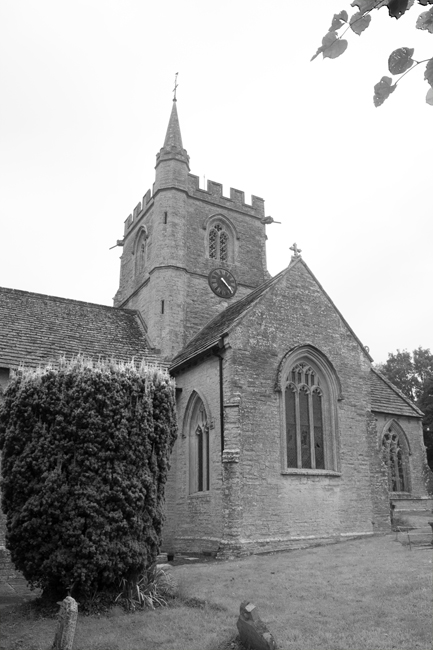
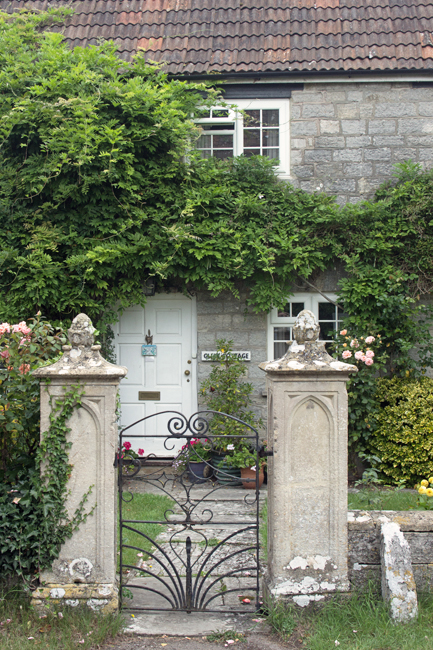
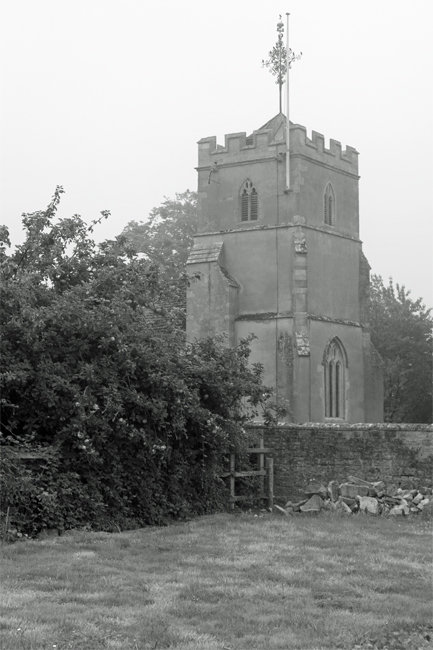
Certainly manorial buildings rule over the village in the way they tend to do; large houses and mysterious gated entrances can be found all over. The local church – Saint Mary The Virgin – sits right next to, and is obviously connected to, one of the larger properties (after all, manorial families often built religious buildings out of their own money to show their devotion to God, which just happened to help them control the local population).

The Charltons also suffered at the hands of Dr Beeching; the railway station closed in 1962, along with the other six stations between Castle Cary and Taunton. Three railway bridges survive, however, the lowest of which is only 2.7m (8’9″) high.
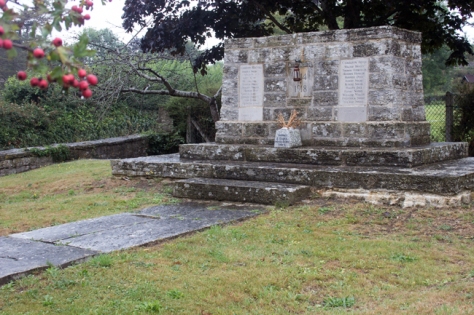
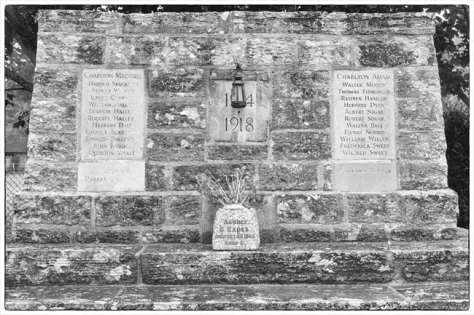
The villages’ war memorial is, unusually, not at the heart of things. It is, instead, nestled in a fork in the road joining the Charltons. Sadly, it only serves to highlight that, even in the depths of the Somerset countryside, tight knit communities were in no way immune to the ravages of war.

There are, thankfully, only eleven names of the lost under each of the villages, but given that the combined population of the two villages at the time was around 600, these twenty-two fallen represented an unthinkable loss for those left behind.

Two of the men on the Mackrell side of the memorial are buried in St Mary’s churchyard. If you have followed my previous CKPonderings blog, you will know that the history and stories behind those who fell during the Great War fascinate me.


Private Quinton Charles Wyatt was born in the Gloucestershire town of Northleach in 1893 to William and Elizabeth. His mother died when he was a toddler and, by the time war was declared, Quinton was working as a farm labourer and waggoner.

He joined the 8th Battalion of the South Staffordshire Regiment on 22nd November 1915. He was posted to France four months later, but medically discharged from the Army on Boxing Day 1917.

Private Wyatt died in Charlton Mackrell on 11th November 1918 – Armistice Day – and buried in St Mary’s churchyard.

https://www.findagrave.com/memorial/203685657


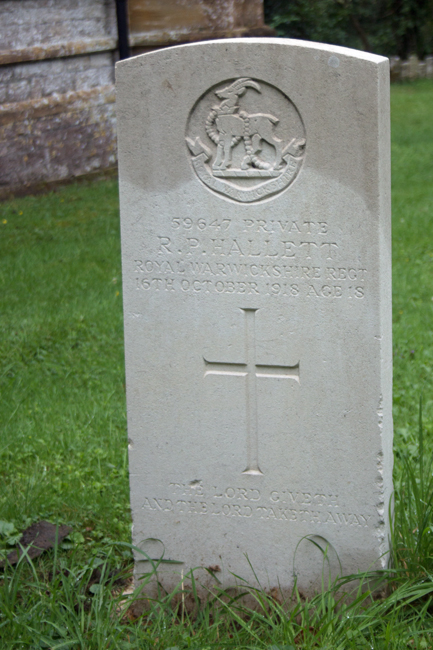
Private Roberts Pretoria Hallett was born in the summer of 1900, to Frank – a shepherd from Charlton Adam – and Emily, who came from Charlton Mackrell. Roberts (the correct spelling) was the youngest of eleven children.

Roberts was just twelve when his father died, and, when war came, he enlisted in Taunton, along with his brothers, Francis and William. The Great War was not kind to Emily Hallett: her son William died while fighting in India in 1916; Francis died in the Third Battle of Ypres in June 1917.

Roberts was assigned to the 5th Battalion Royal Warwickshire Regiment; while I’ve been unable to identify exactly when he saw battle, by the last year of the war he would have been involved in the fighting in northern Italy.

What we can say for certainty was that is was shipped home at some point towards the end of the war, and died – presumably of his injuries – in Newcastle-upon-Tyne on 16th October 1918.

William Hallett was buried in India, Francis in Belgium. Private Roberts Hallett, therefore, is the only one of the three brothers to be buried in the churchyard of St Mary’s in his birthplace of Charlton Mackrell.

https://www.findagrave.com/memorial/203685613


An A-Z of Somerset: Baltonsborough

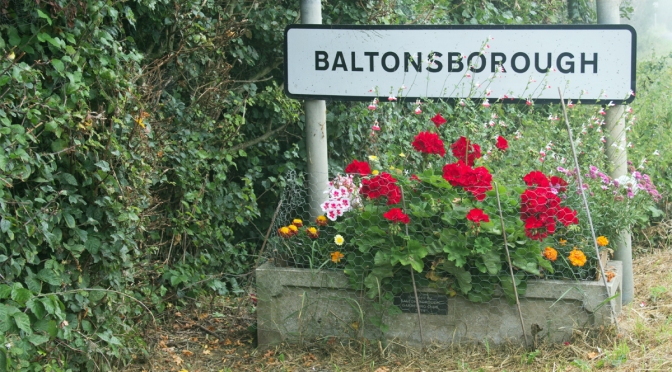
B is for Baltonsborough

The second of the Somerset villages I’m showcasing, and it’s a short eight mile hop to the east of Ashcott where we find Baltonsborough.

This certainly has more of a village feel than Ashcott, mainly to to its smaller population – less than 900 inhabitants – and the fact that it’s not situated on a main road. The houses are, generally, older, and the centre of the village – the pub – is within spitting distance of the village hall and church.

The church itself is dedicated to St Dunstan. Born in Baltonsborough, Dunstan was Abbot of Glastonbury Abbey, Bishop of Worcester, Bishop of London and Archbishop of Canterbury before dying in 988.

Other notable sons of this quaint village include a Canadian politician, the person responsible for introducing rabbits to Australia and Victoria Cross recipient Edward Noel Mellish. While not born in the UK, actor Nicholas Cage has also made Baltonsborough his Somerset home.

The village centre is also where the War Memorial is located. Alongside the plaques to those who lost their lives in the two world wars is one commemorating the other villagers who fought.


Mass Observation – Colour

Something a bit brighter for these crazy times.

Colour seemed to unleash a lot in those who have submitted this time around, so enjoy!


Colour by Cooking-Post Nerd

Name: Cooking-Post Nerd

Location: United Kingdom

Note: I managed to escape from my kitchen and made it out into the garden. Nature has moved on while humanity has paused, and the April sunshine has brought the plants and flowers out. I love lilac, and this starburst of a shot, with a really narrow depth of field, is my submission this month!


Colour by Killing Time With A Camera

Name: Killing Time With A Camera … (https://steviegill.wordpress.com/)

Location: Queen Street East, Toronto

Note: A few weeks ago, someone started placing colourful plastic flowers on benches, lampposts, etc in our neighbourhood. I have no idea what the significance of this is, whether it’s related to spring, Easter, or perhaps as a symbol of hope during these trying times. Anyway, this fabulous plastic rose is attached to a community noticeboard that I pass on my way to the Valu-Mart (got to love North America!), and seeing it adds a little splash of colour and also a sense of mystery to my day!


Colour by Postcard Cafe

Name: Postcard Cafe https://postcardcafe.wordpress.com

Location: Hunters Bar, Sheffield  

Note: This long exposure shot was taken while shooting a night time ‘9 in 45’ (click the link if you wish to know more about 9 in 45).  The location of this shot was determined not by me but by the rules of 9 in 45! A long exposure introduced the colour trails of passing cars and a quick edit in Photoshop isolated them and the grass verge from the rest of the shot. Both the presence and absence of colour in the one image.  I like the minimal aspect of the composition and the colours between the gate posts on the left hand side, which look like someone has stretched some plastic sheeting across! 


Colour by Cap Does Craft

Name: Cap Does Craft

Location: Attercliffe, South Yorkshire  

Note: This shot is of the Gripple factory in Attercliffe.  They are a wonderful, forward thinking, innovative company and the design of their building reflects how they do things differently.  This is a small section of one of their buildings.  Without the colour and reflective elements to the windows this could just be a grey industrial building which might not be given a second glance.  The colour is what lifts this image to something far more interesting.  


Colour by CKPonderingsToo

Name: CKPonderingsToo

Location: Taunton, Somerset

Note: Again, while curating this post, I became very conscious that I had not really connected to what I was going to include. On my one-a-day I have still been taking photos, but nothing really leapt out at me. So, I have dug a bit deeper with this one, looking pre-lockdown, and my first visit to the (now) local town of Taunton. One one street corner, a hoarding hiding a patch of disused land, is this piece of street art. It leapt out at me as a potential photograph, and, with a slight tweak here and there, it soon matched this month’s theme.


Colour by Doctor Ken, Gin Sop

Name: Doctor Ken, Gin Sop

Location: Somerset

Note: A sign of our times that caught my eye. Still, it’s a splash of colour in a seemingly endless grey…


Stairway To Heaven

We are fortunate to have a lot of historic places in Somerset. From castles to churches, manor houses to pubs, cottages to monuments, there is always something to see, to view, to wander around.

Wells Cathedral has one on the more awe-inspiring religious frontages in the UK, but inside has lots of other things to love.

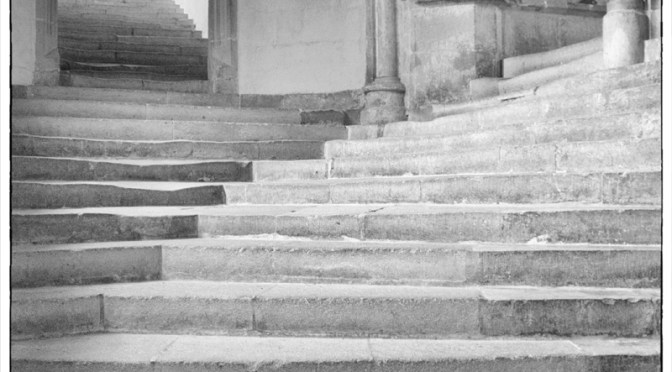
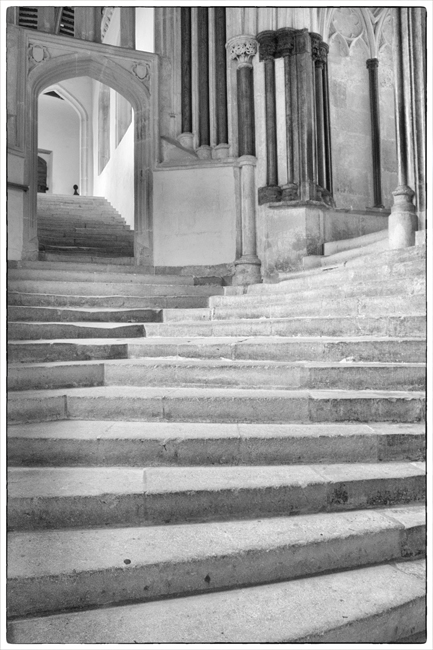
This staircase leads from the nave to the Chapter House and on, across St Andrew Street to the ancient Vicars’ Close. It is a haven of quiet, in an already quiet structure.


He moved silently upwards, and even though his footsteps were quiet, he felt they echoed deafeningly in the stairwell. Behind him the choir’s voices, chanting something by Telemann or von Bingen, calmed him, urging him on, hiding his presence.

The candlelight flickered expectantly across the walls, shadow leaping out at him as the flame rose and fell with his steps. Ahead of him, in the room above him, he heard the first whispers of voices, the first hint that he was going the right way, that his ascension was surely guaranteed…


The Great Outdoors

Lyte’s Cary

What will be the first thing you do when the isolation is lifted? Where will you go? Who will you see? What will you do?

For me, not being able to get into the great outdoors is the big frustration at the moment. Yes, my posts have included daily walks around Glastonbury, but I want to get properly out and about. Having moved to Somerset seven weeks ago, I am itching to see more of the local area, the countryside, the seaside resorts.

My National Trust and Glastonbury Abbey passes are sitting in my wallet, going unused because all are shut. The countryside is very apparent from here. Looking out of my office window, I can look across Butleigh Moor to the Hood Monument, knowing I cannot, in all good conscience, get out and visit, climb the hill and see the Tor from another angle.

Frustration and cabin fever are kicking in…