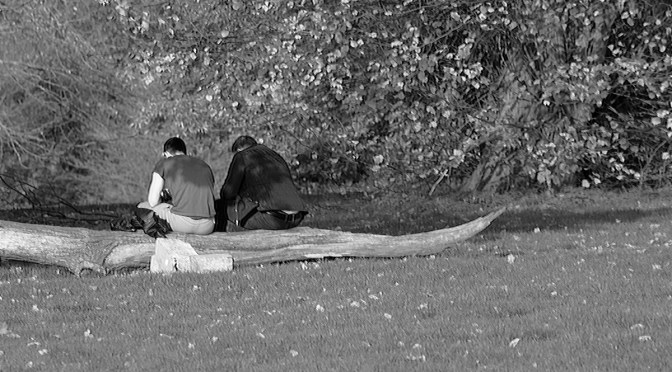
Sometimes a plan can only come together when others help you out.
Collusion is not an admittance of failure.
It shows strength in your ability to gain the expertise of others, to help make your plans work.

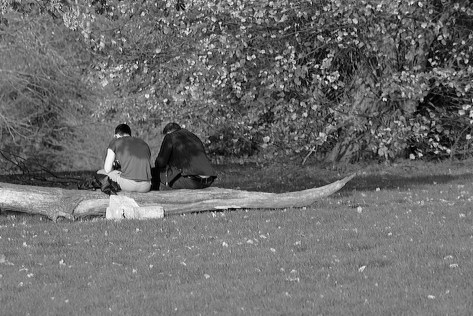
Sometimes a plan can only come together when others help you out.
Collusion is not an admittance of failure.
It shows strength in your ability to gain the expertise of others, to help make your plans work.

Sometimes the things you want the most are those that take the longest to attain.
Be persistent.
Keep focused on the goal.
Good things come to those who wait, and often in the most unexpected of ways.
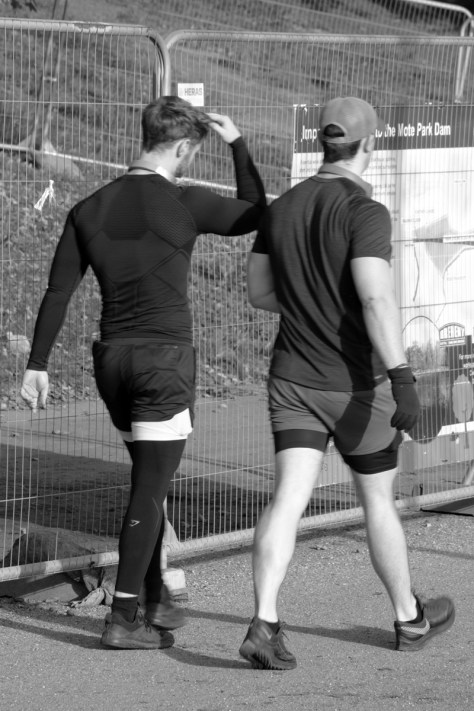
Never venture into the unknown without any support.
A wingman, a back-up, a fall-back, however you choose to brand them, pick someone you can rely on to walk the path with you.
They will have your back, and you can have theirs too.

These are challenging times, but you are strong.
You have the emotional will to get through this.
Be brave, take one step at a time, and you will find the hurdles are not as big at they once seemed.
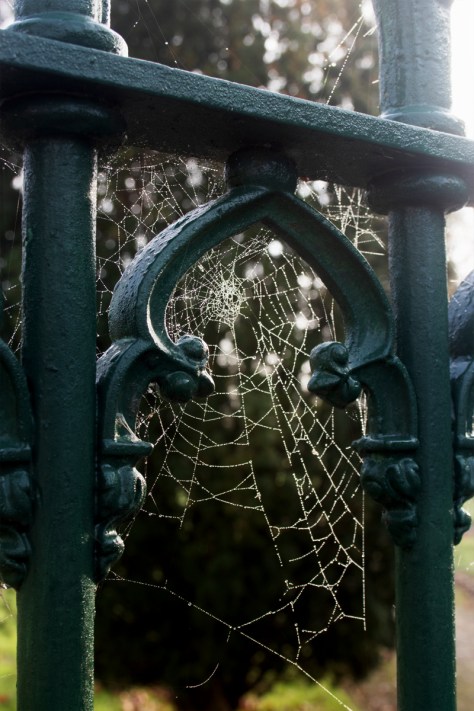
Oh, what a tangled web we weave…
Time allows us to lay down roots, to make connections, to insert ourselves into others’ lives.
But what is our true purpose in this? To divide and conquer? Or to become whole?

Continue up the A361 for 16 miles from Othery and you reach the surprising village of Pilton. I have driven through the village countless times over the years, and there is so much more to it than what is visible from the main road.
Situated on the top of a hill to the east on Glastonbury, the village once overlooked an inland sea that stretched to the present day Bristol Channel. This lead to the village’s original name, Pooltown, because ships were able to navigate this far inland.
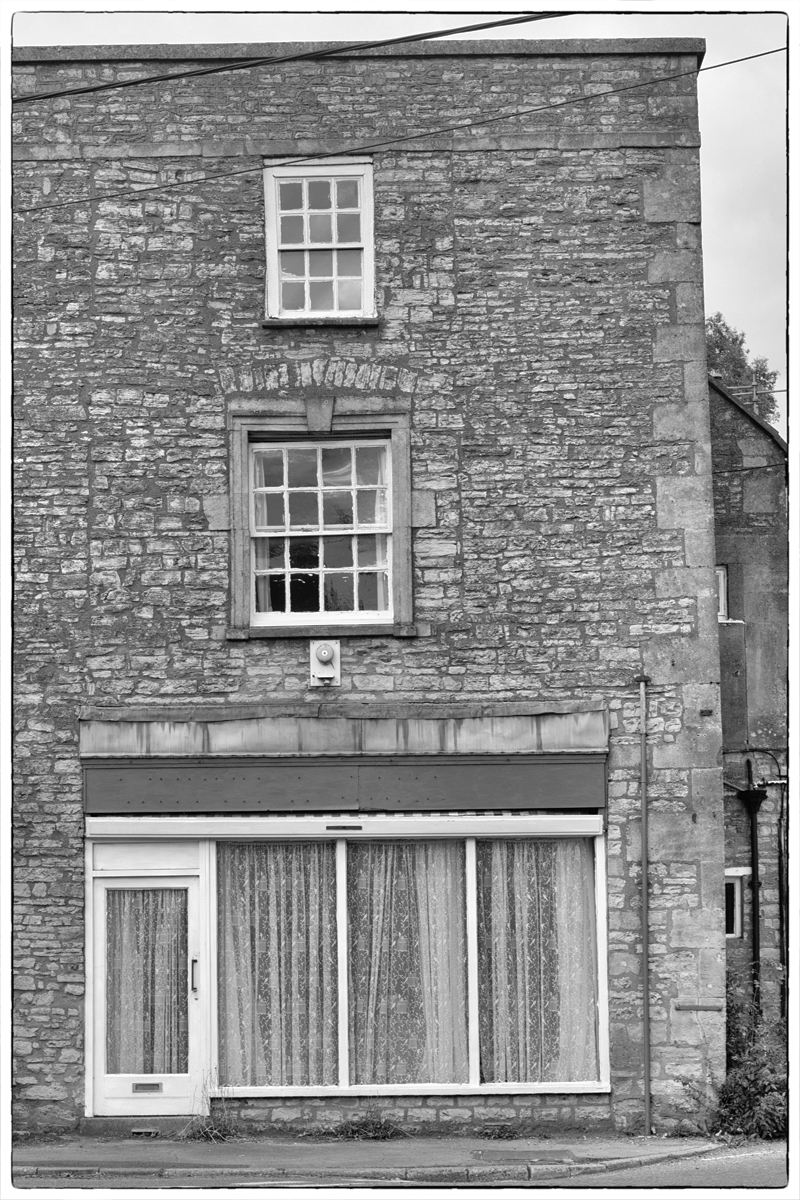
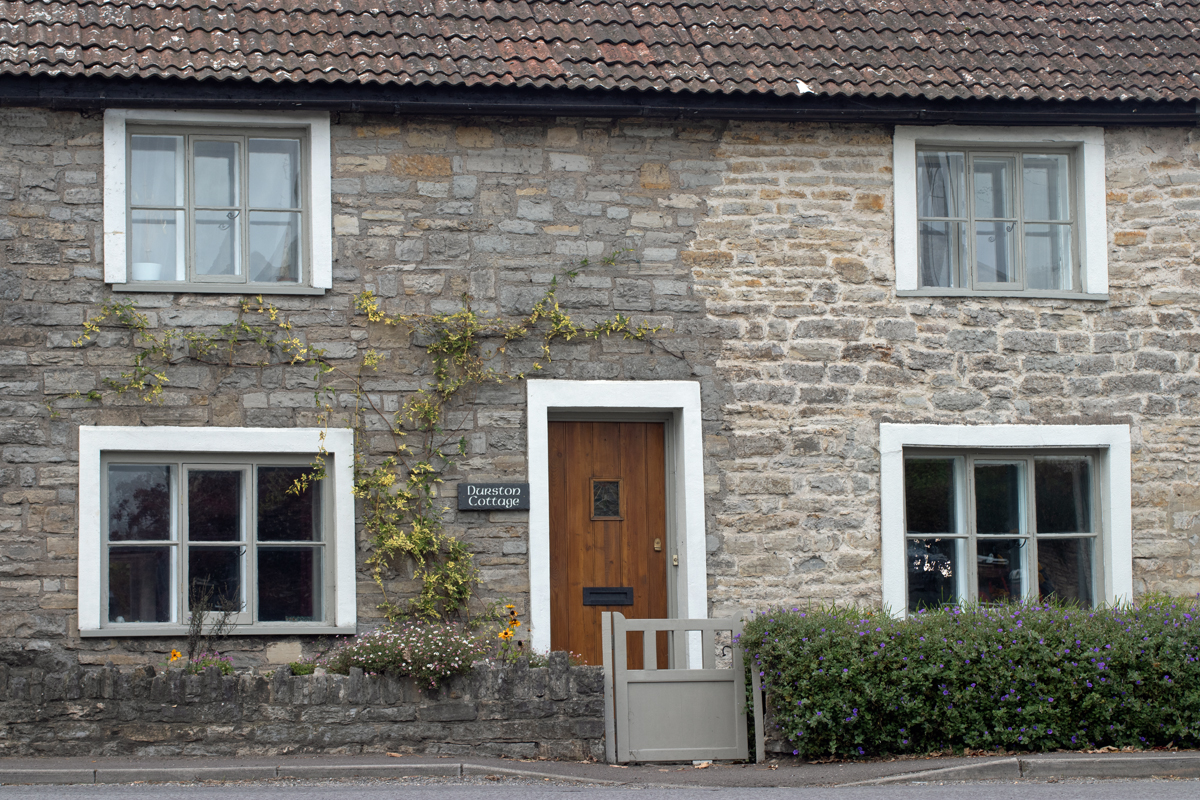
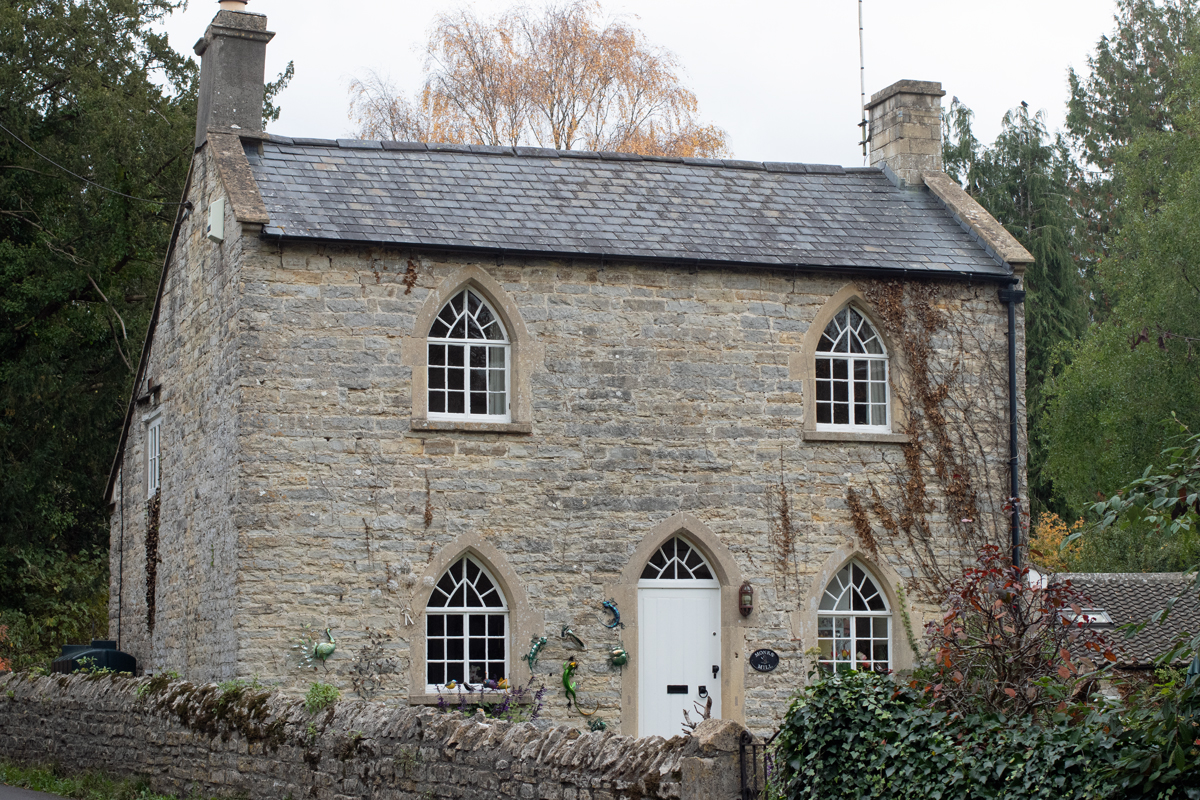

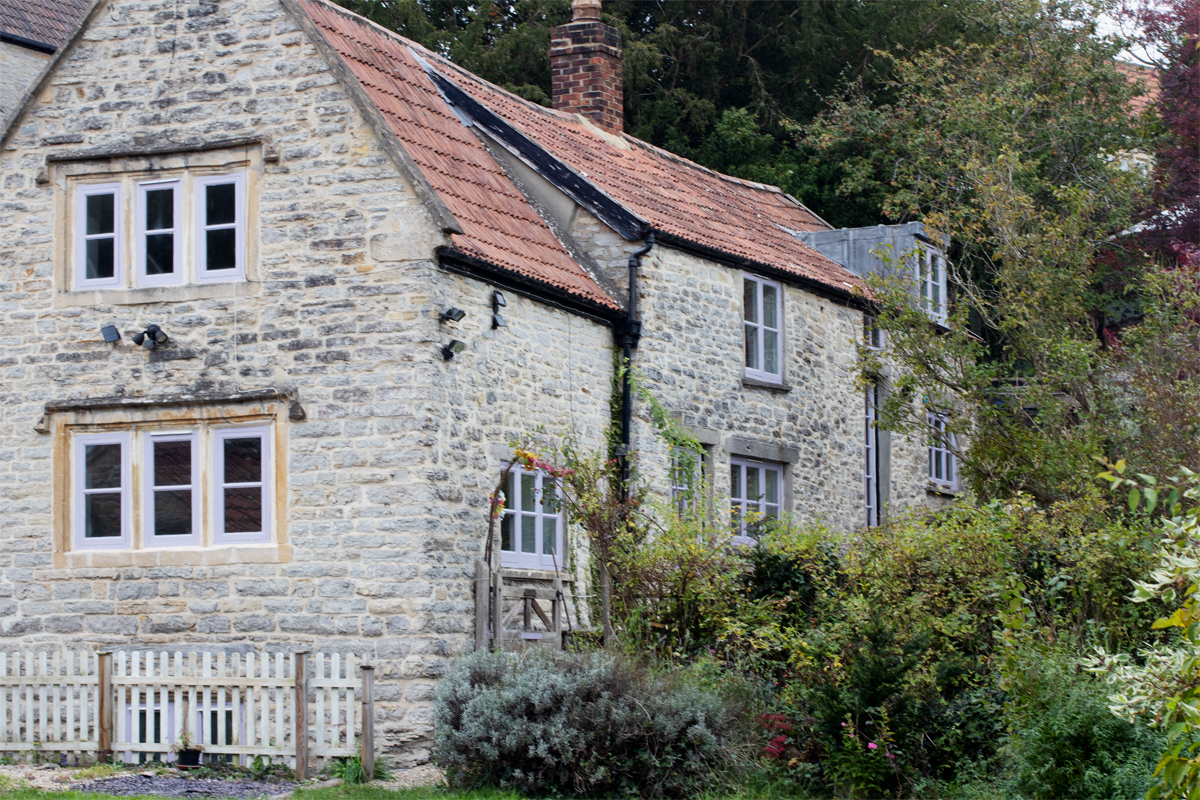
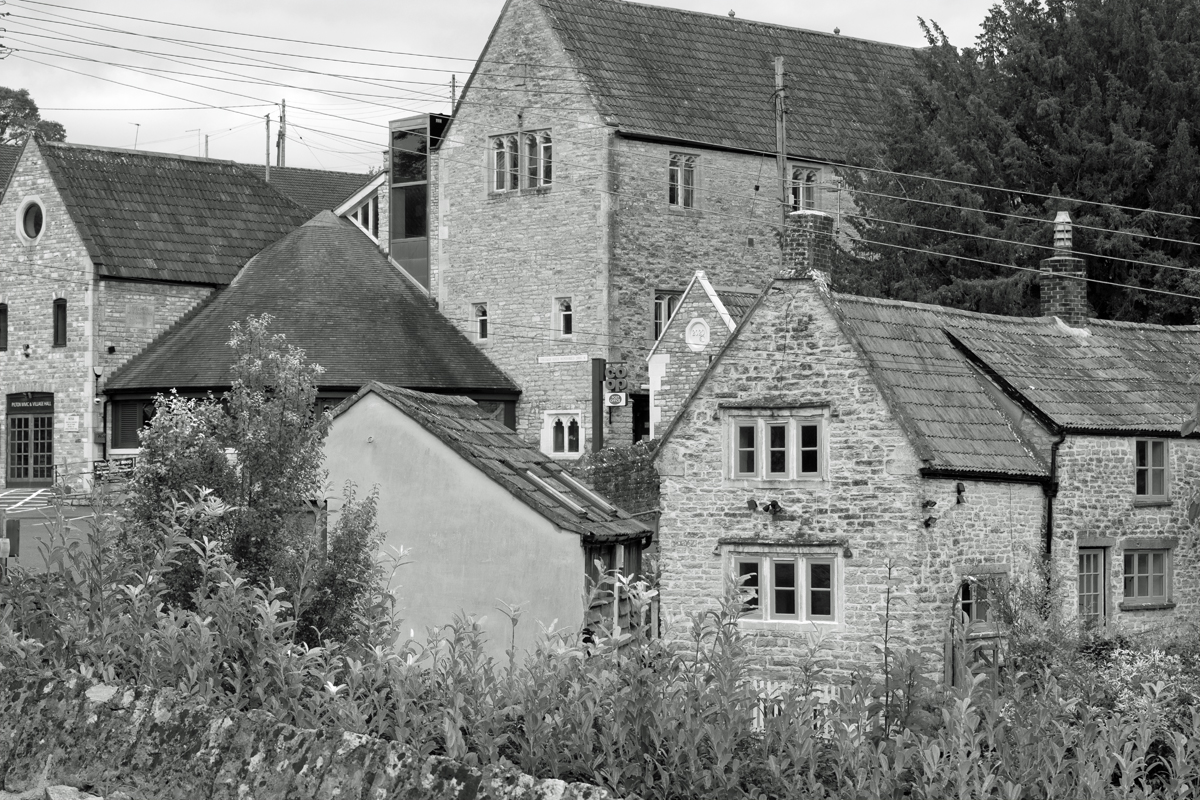


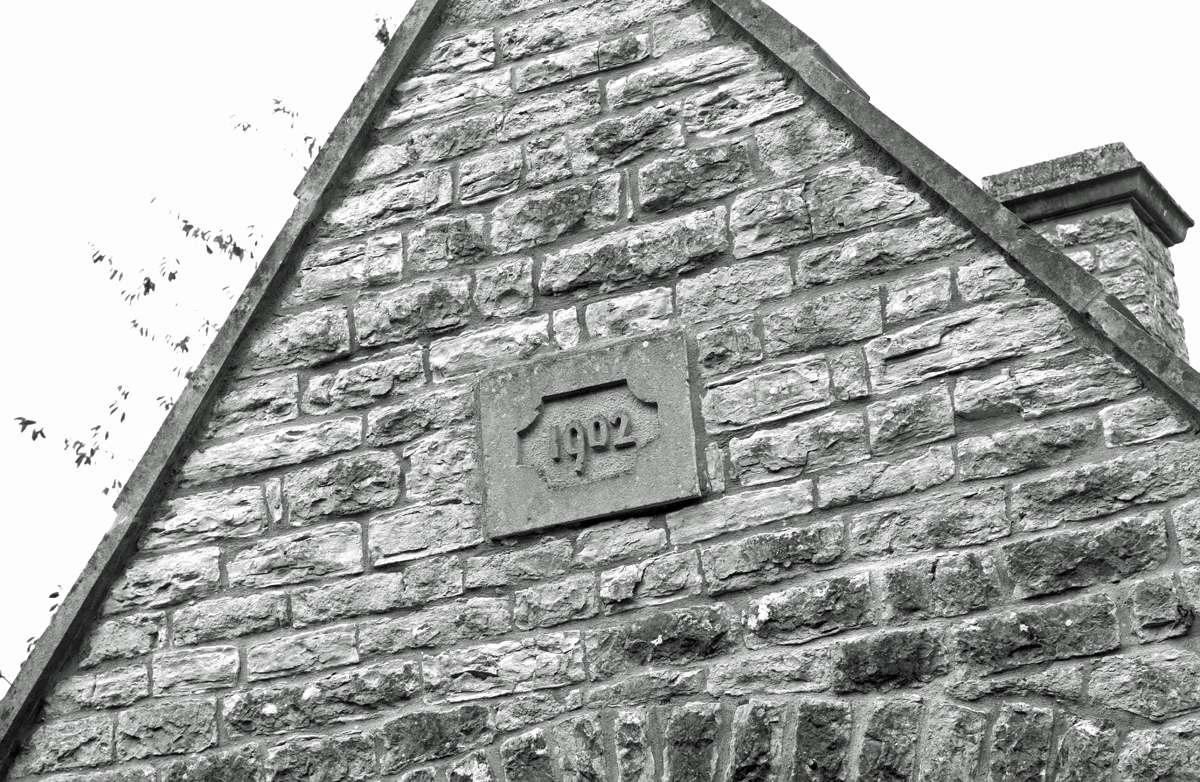
The houses in the village are old, from local stone, and really fit in with the country feel. Despite the main road, laden with juggernauts, being close by, the majority of the village is in a sheltered valley, and within a matter of metres away from the A361, it can barely be heard.
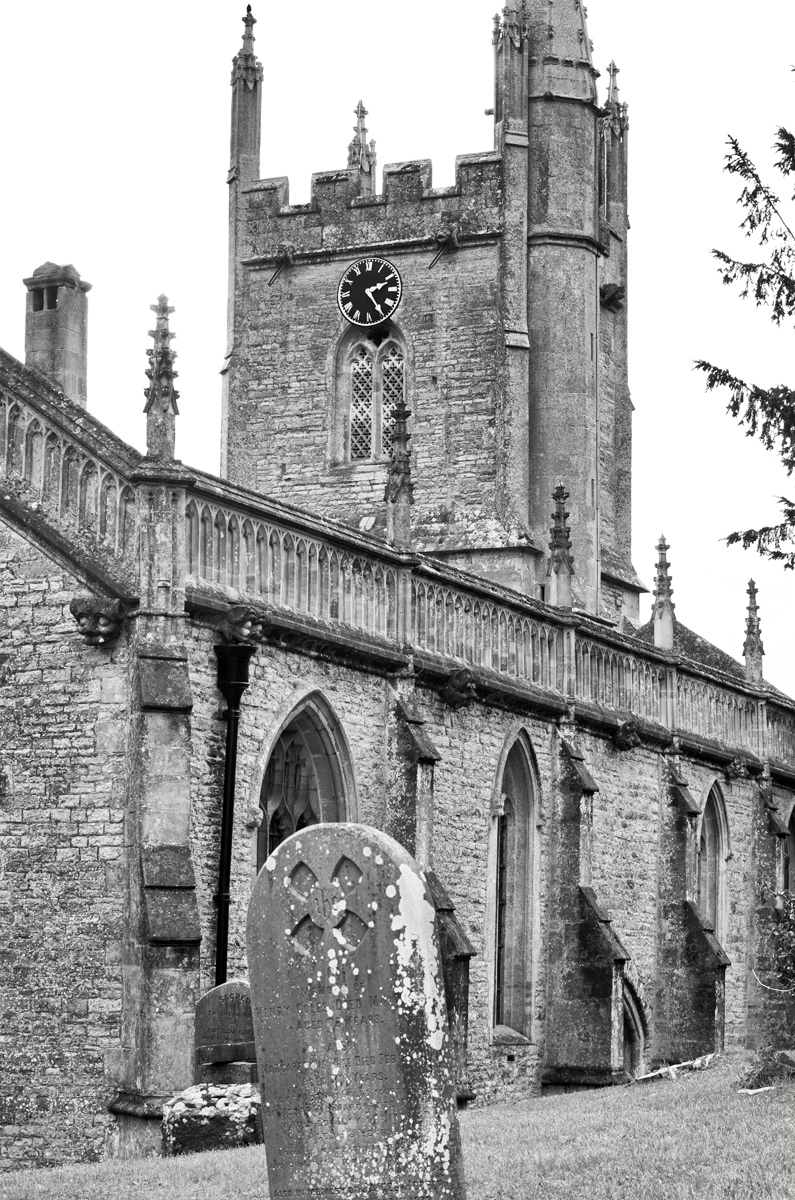
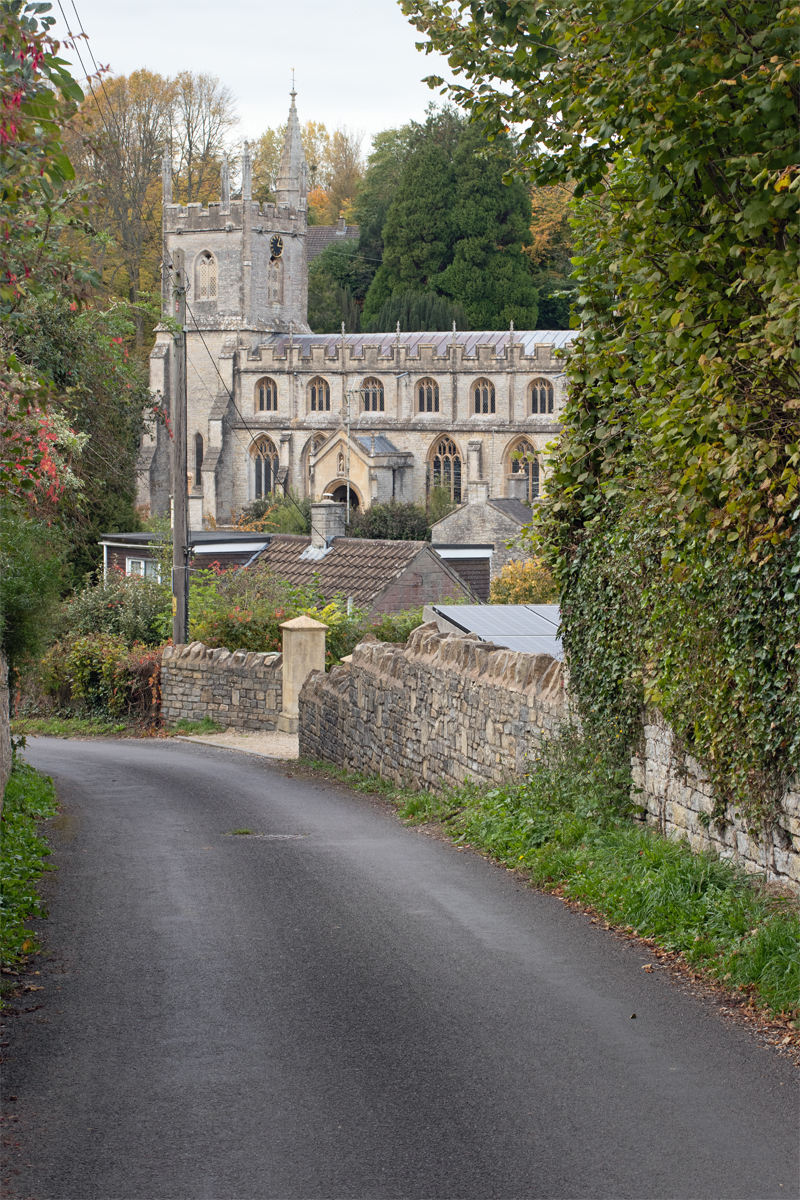

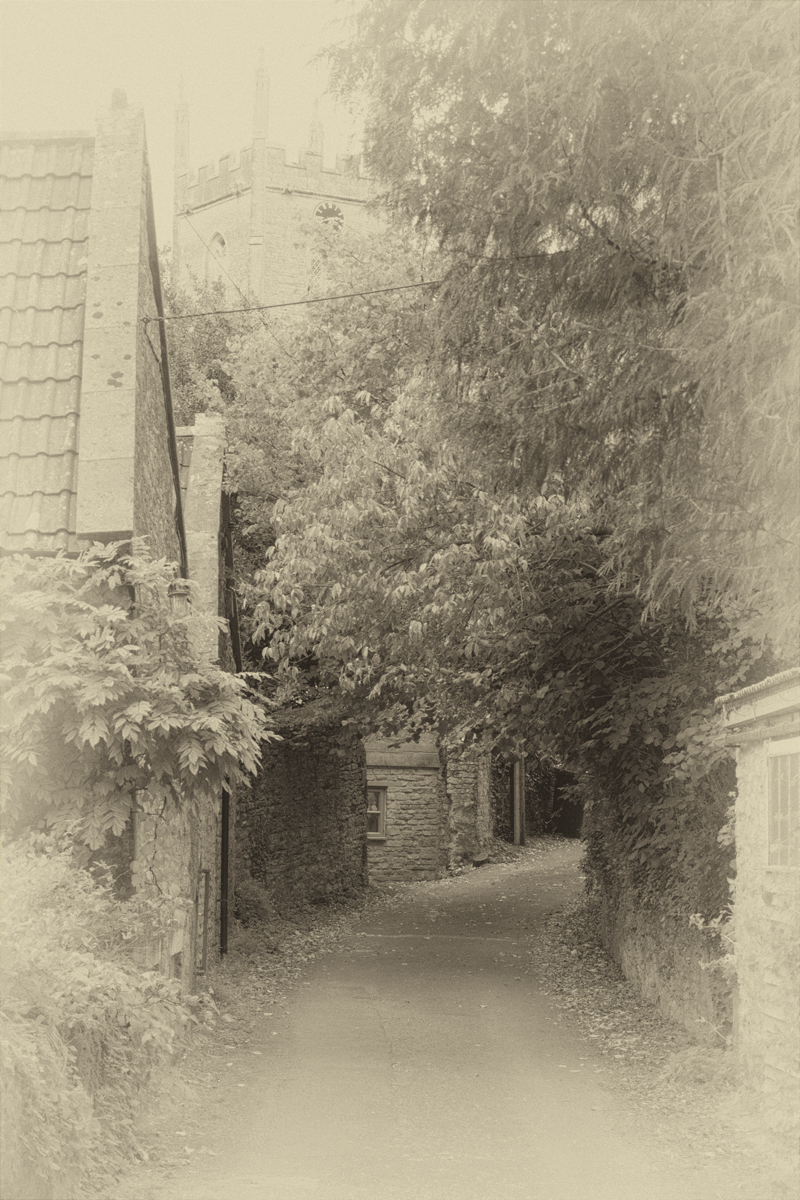
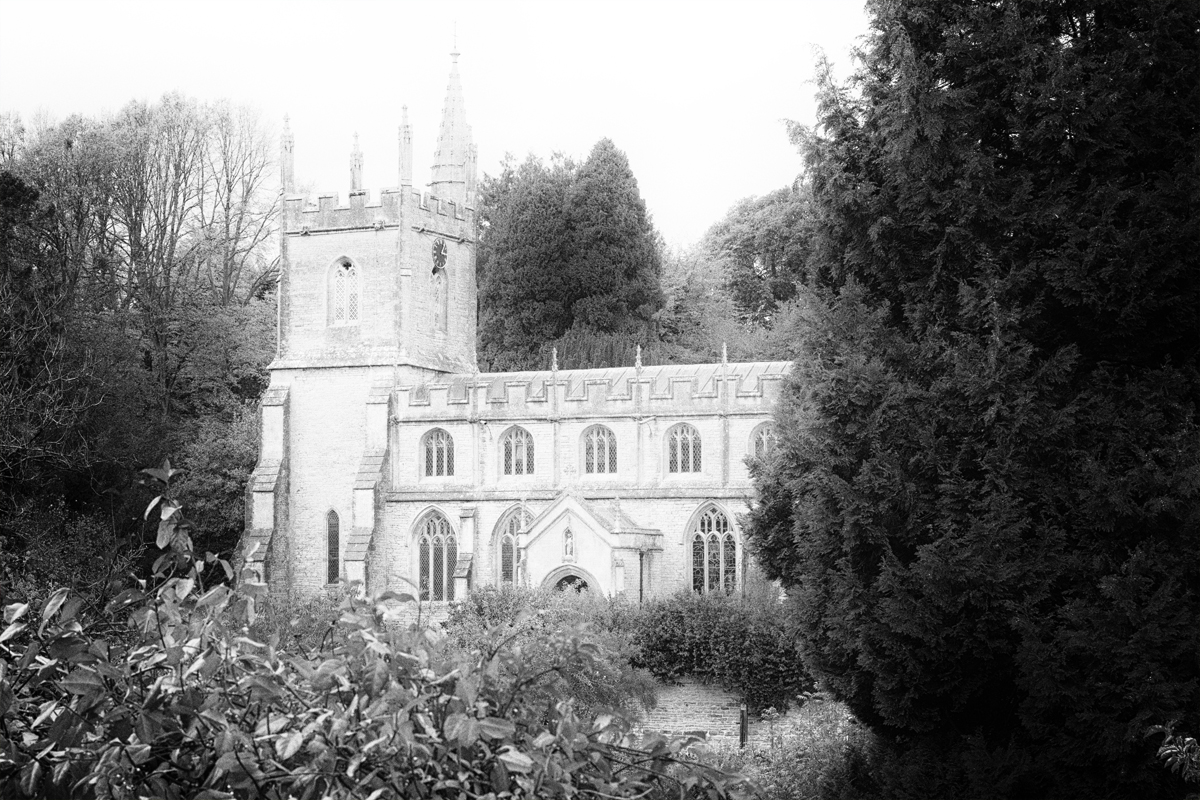
The local church is St John the Baptist, which is on the north side of the valley, has a commanding view across all Pilton. Once again, the Church’s dominance is in plain sight, and it can be seen on the skyline from most of the houses.

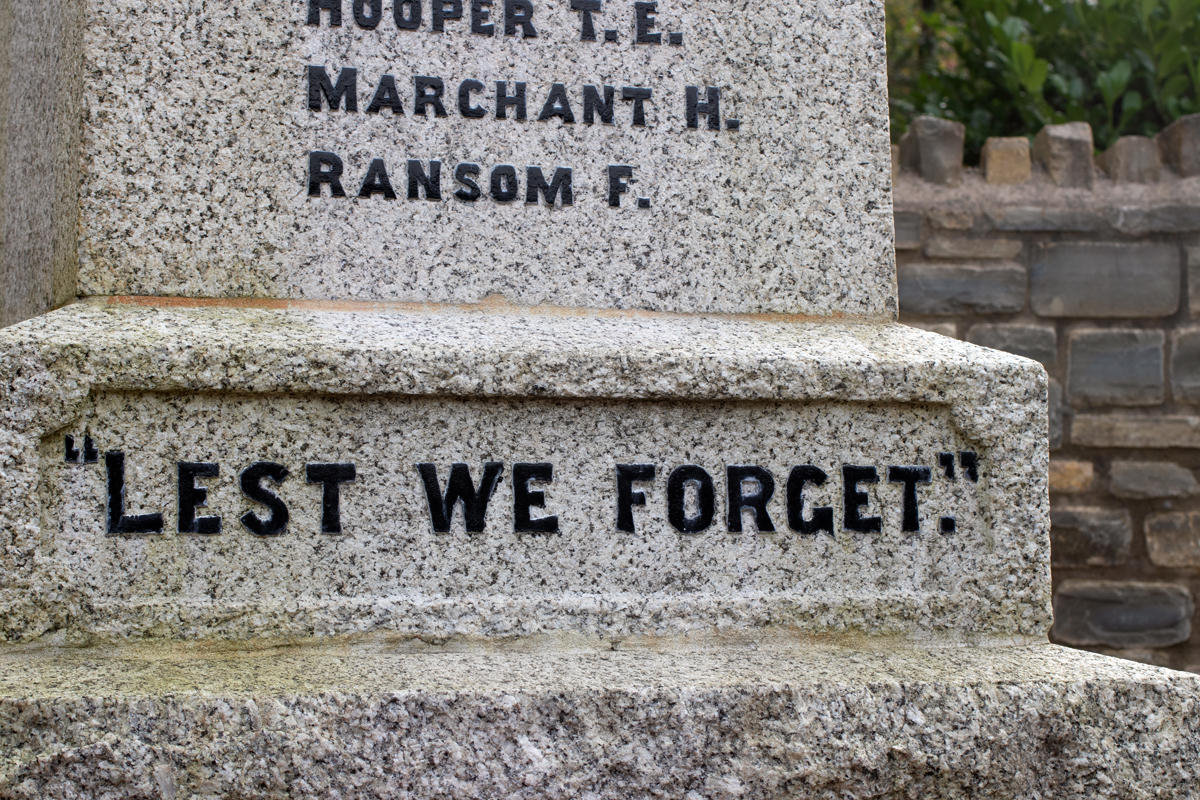
In the churchyard is a memorial, a grave to Sapper Percy Wright Rodgers, who fell in the First World War. More information on this young man’s life can be found on the CKPonderingsCWG blog, along with more stories of the fallen of the Great War.
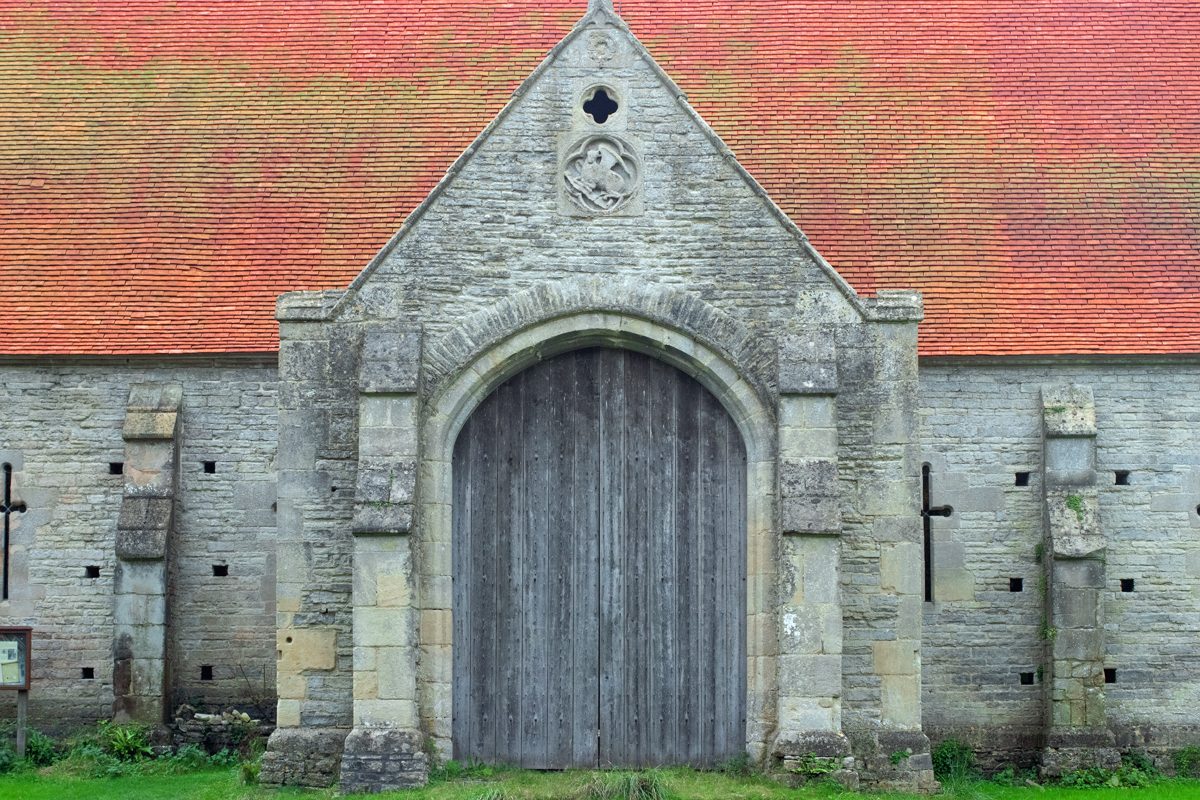
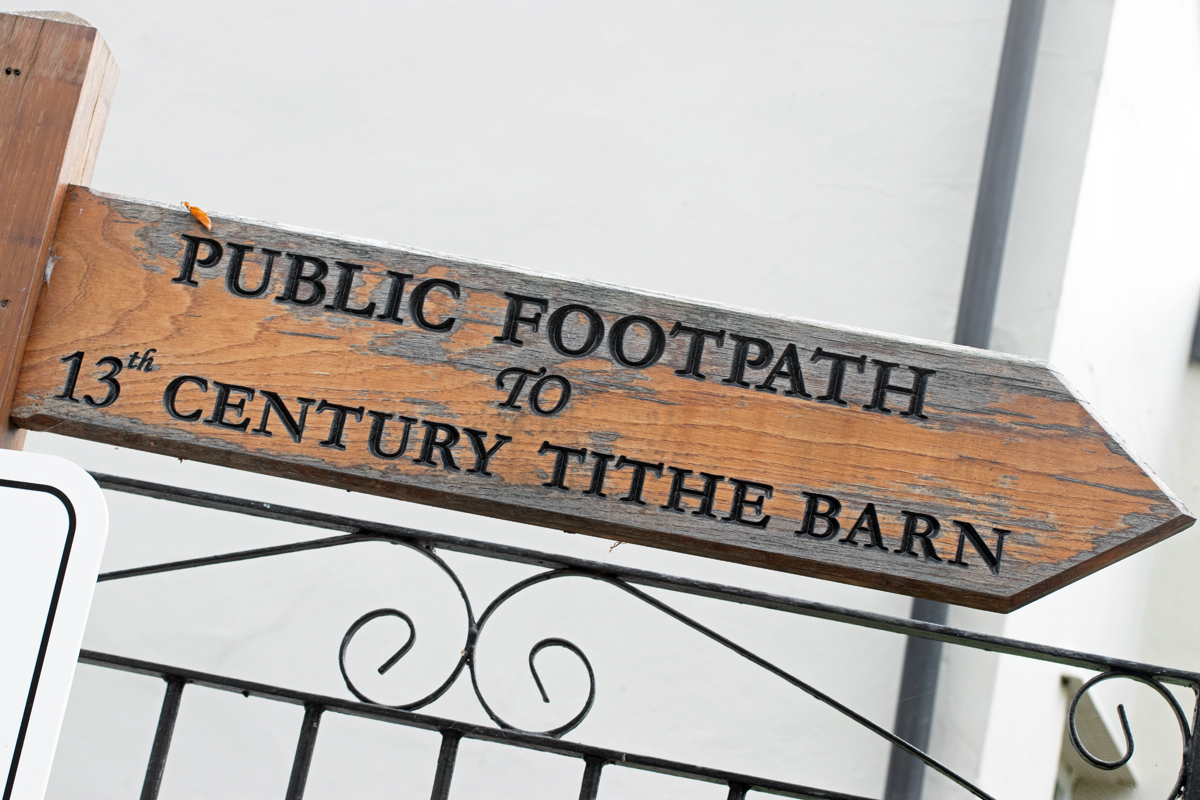


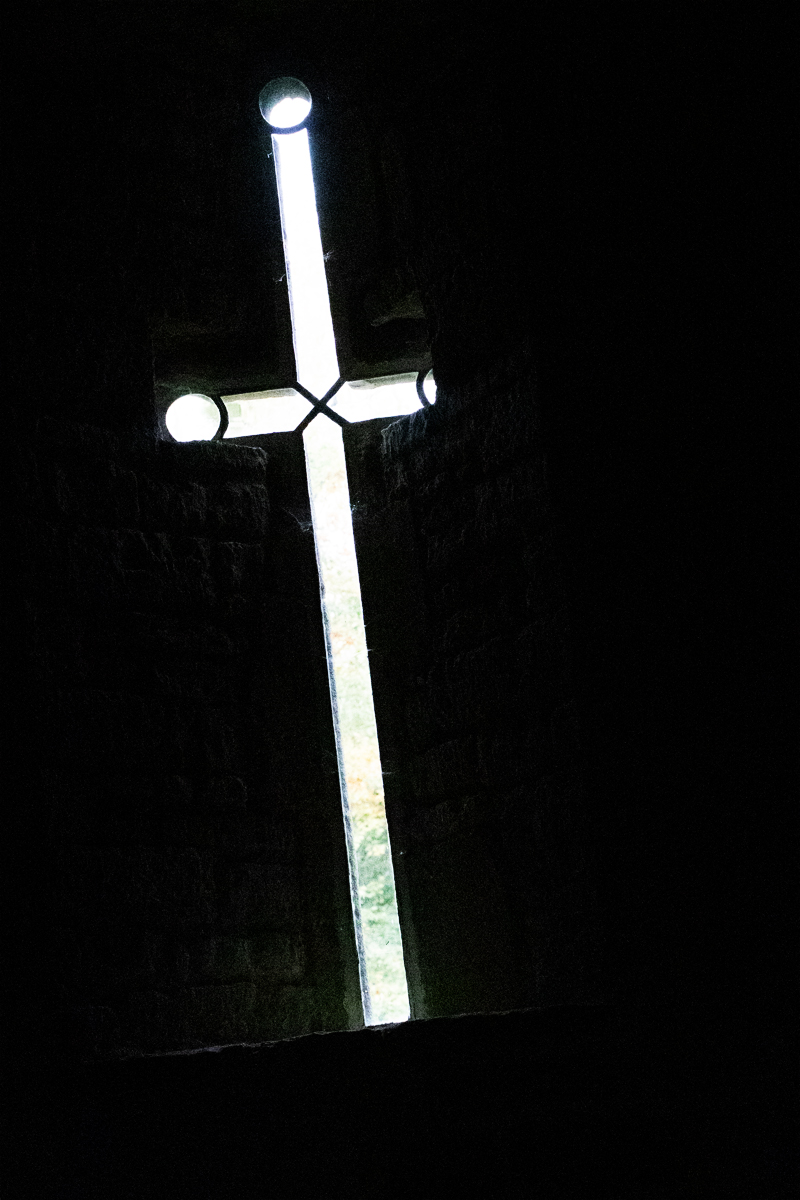
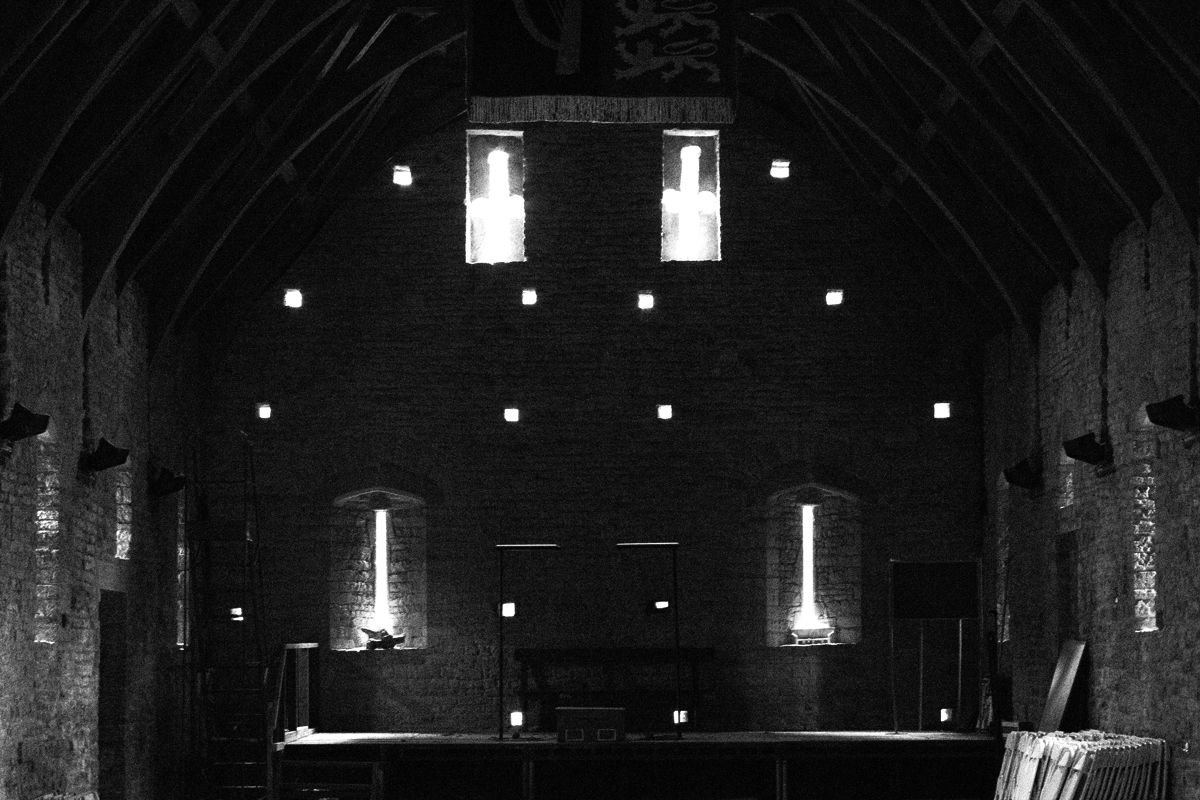


To the south of the village, a tithe barn stands alone and proud. Once belonging to Glastonbury Abbey, the barn once stored local farmers’ produce, of which they gave the Abbey – the landowner – one tenth.
The barn is now a Grade 1 listed building.

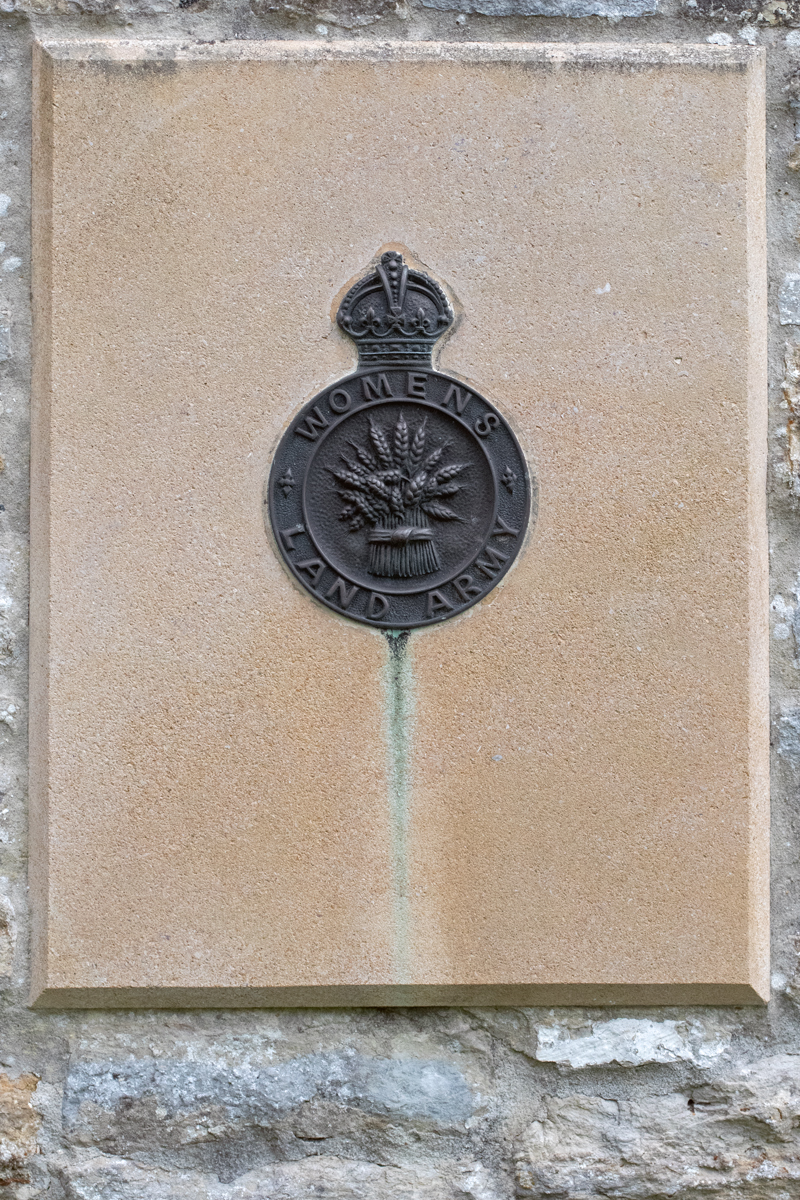
In the barn’s grounds is a monument to the Land Armies of both world wars; a bench in a quiet corner of an already quiet corner of the village is perfect for contemplation.


When I first made my intention of moving to Somerset known to friend, family and colleagues, the general first reaction was usually related to the annual music festival. My stock response to this was ‘no’, and, if the mood was right, this was usually followed up by the fact that the Glastonbury Festival does not actually take place in the town of the same name.
Worthy Farm, the location of the festival, is situated just to the south of Pilton, six miles from Glastonbury. It was only called Glastonbury Festival because that was the nearest town people had heard of.
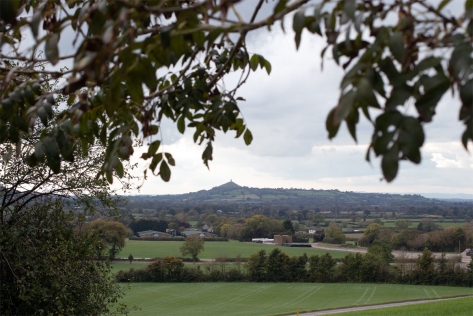
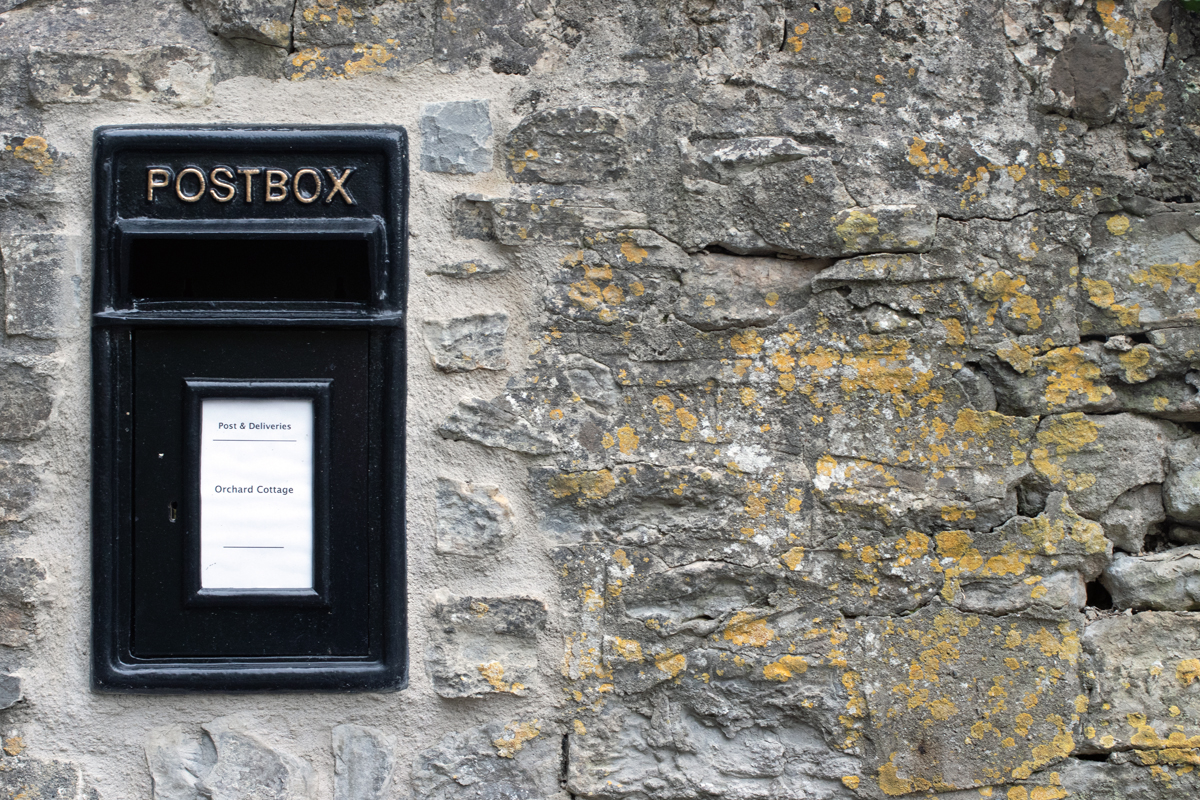
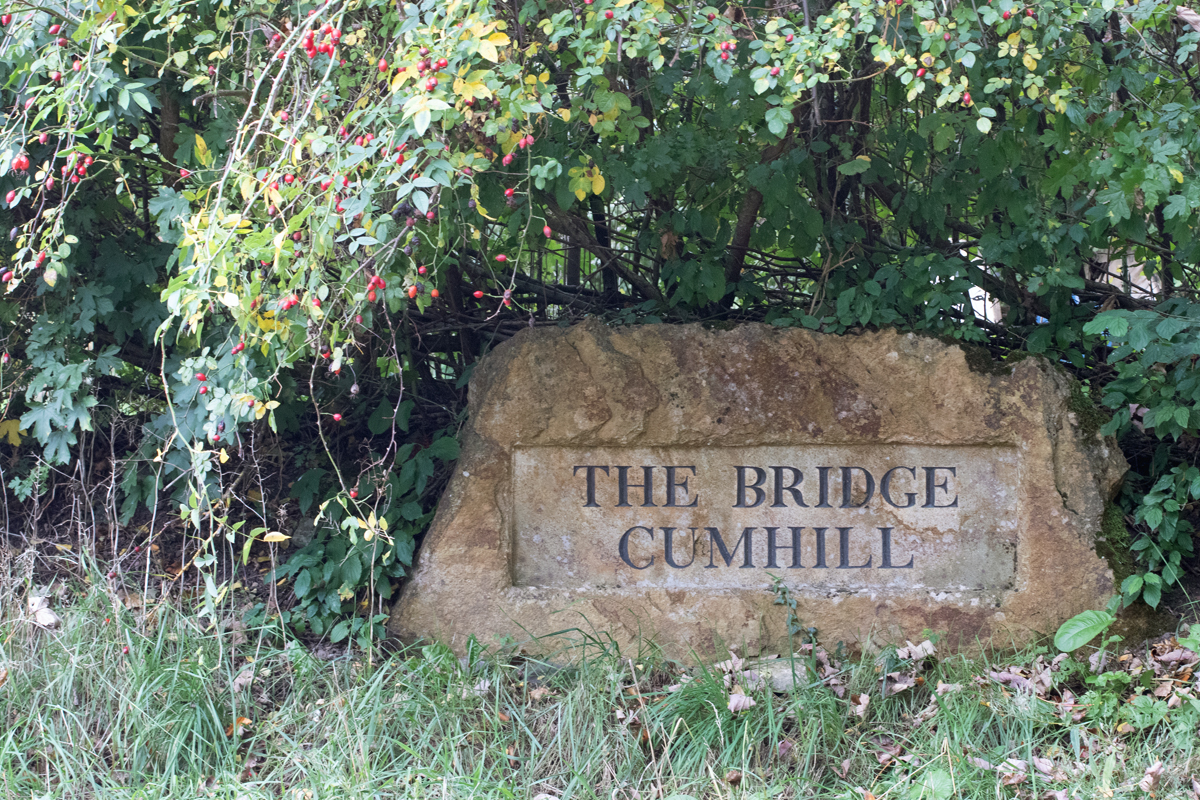
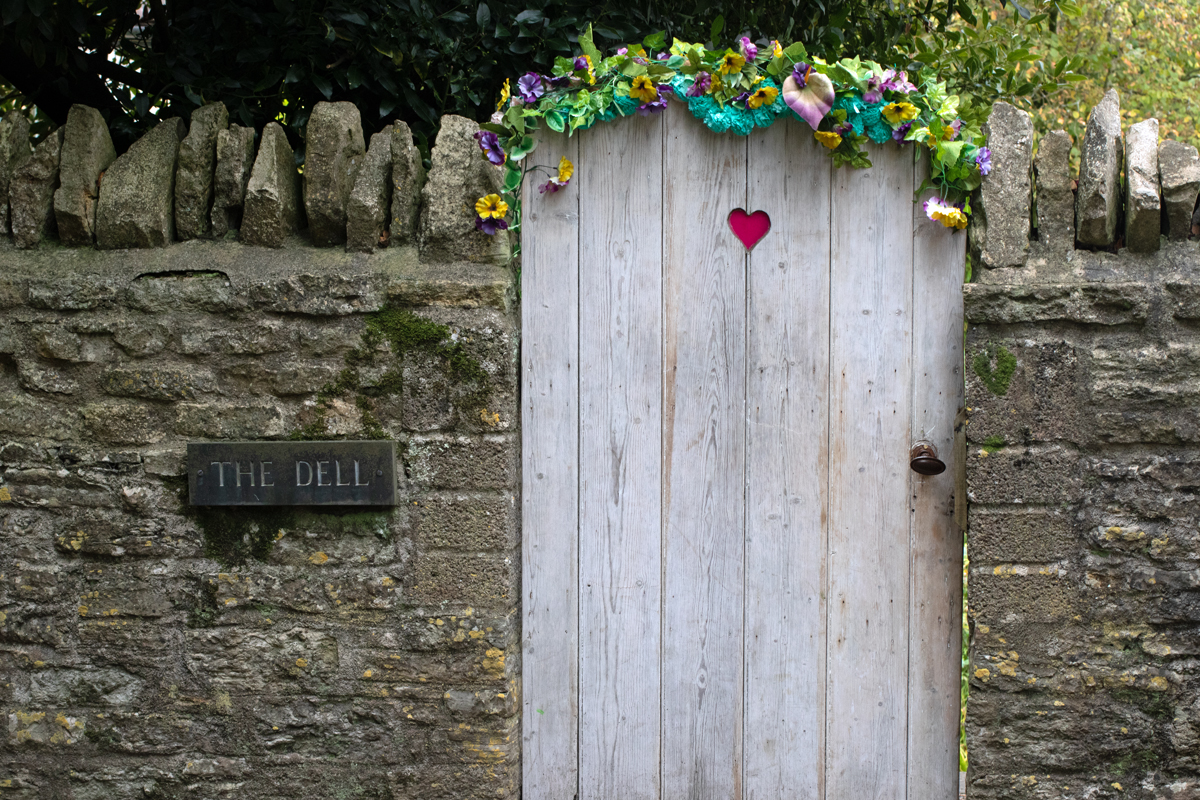
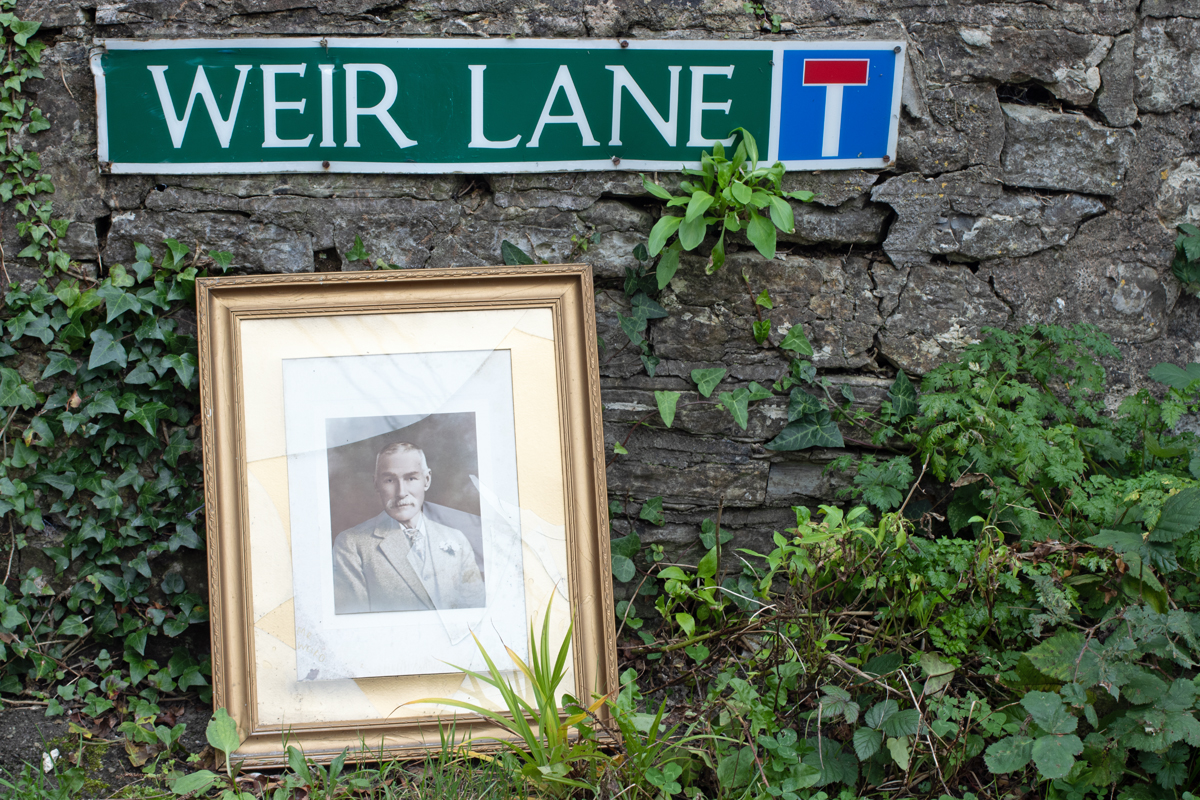

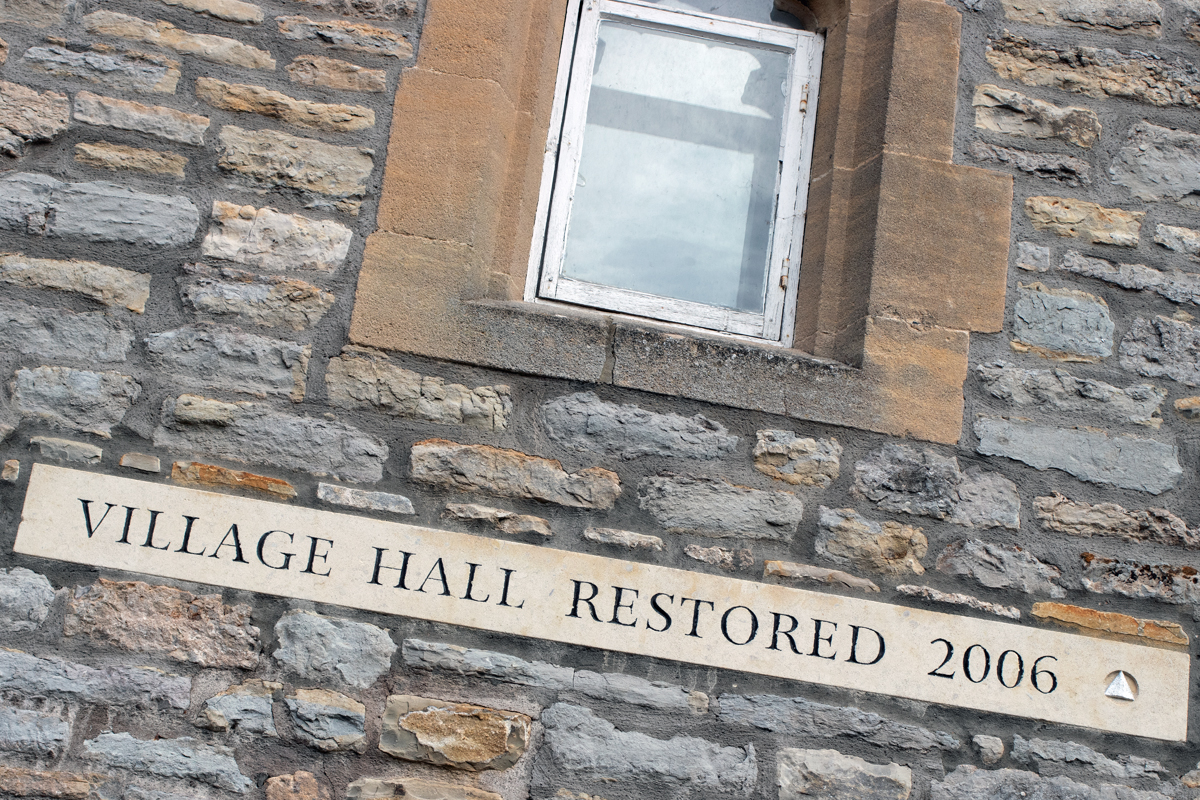
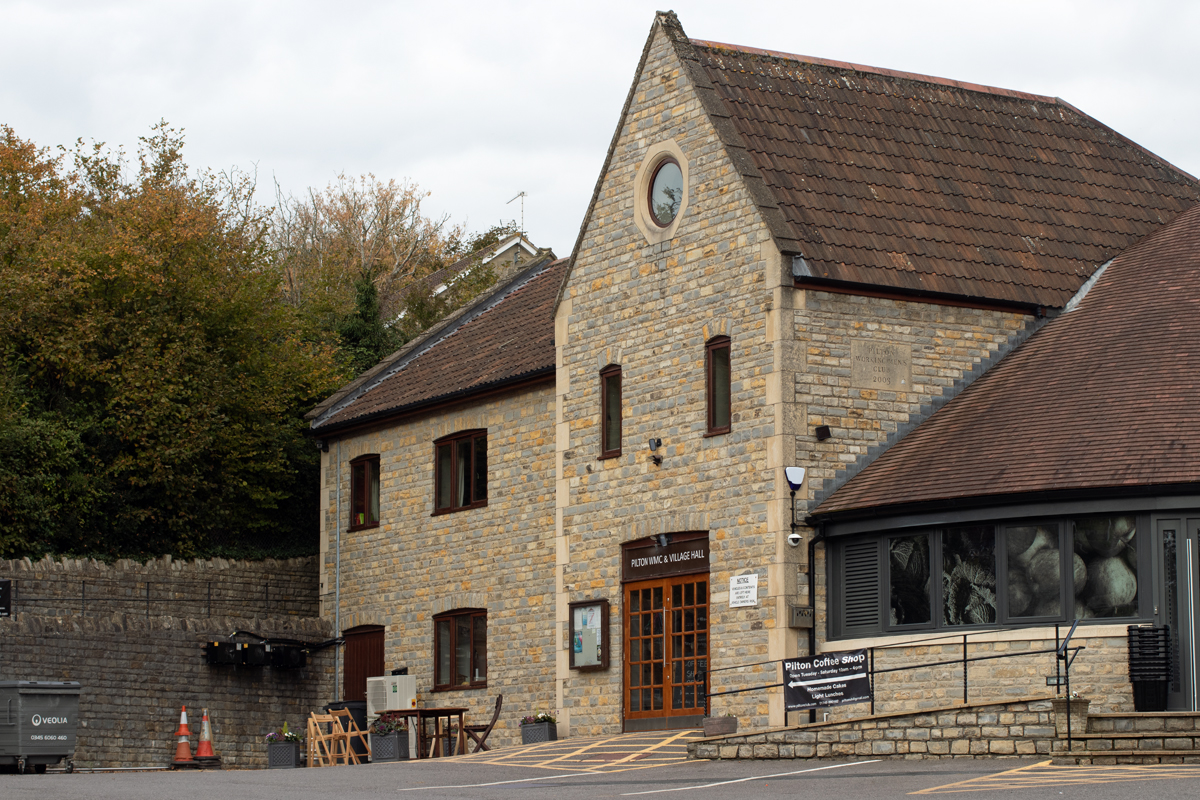

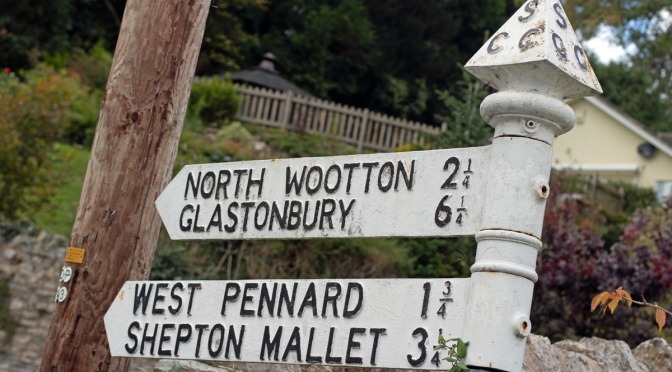
If you get the chance to make a quick pitstop from your journey to the south west, Pilton is definitely worth a visit. A genuine gem of a village, hidden in plain sight, it is also a good start and end point for a wander across the Levels or over the hilltops to Shepton Mallet.
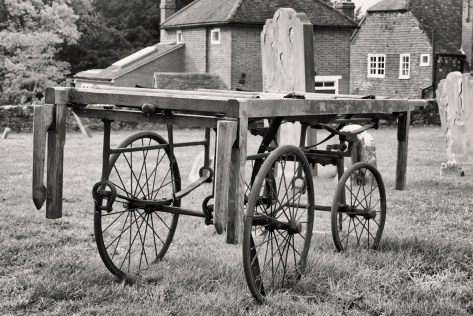
Respect the old traditions.
They got us to where we are and can teach us where to go from here.
You are who you are because of those that went before, and will be the reason those that follow will be how they will be.

Build a bank of memories to look back on.
Reflections of times past can help pull you through the dark times.
Keep those memories to warm you when times are tough.

William Crossan was born in 1892 in Ballinamore, Ireland. He was the fourth of five children to Patrick and Catherine Crossan.
William disappears from the 1911 Census or Ireland, but has joined the Irish Guards by the time war broke out.
Guardsman Crossan’s battalion was involved in the Battle of Mons, but it was during the fighting at Ypres that he was injured.
Shipped back to the UK for treatment, William passed away on 2nd November 1914. I am assuming that this was at one of the Red Cross Hospitals in the Sherborne area, as this is where he was buried.
Guardsman William Crossan lies at rest in Sherborne Cemetery.
For the stories of more of the fallen from the Great War, take a look at my Commonwealth War Graves page.

Edward (Teddy) Lewsley was born in 1894, the ninth of twelve children to James and Charlotte Lewsley from London.
James had worked with horses, and become a cab driver at the turn of the century; Edward started as a general labourer on finishing school.
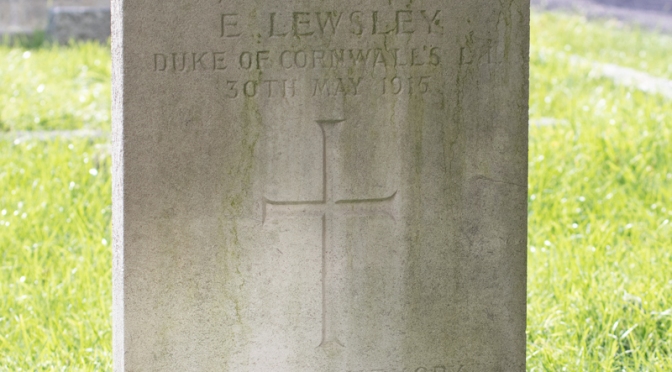
Edward’s military history is a little vague. From his gravestone, we know that he joined the Duke of Cornwall’s Light Infantry and was in the 1st Battalion. The battalion fought at the Battles of Mons, Marne and Messines.
In the spring of 1915, Edward’s battalion fought in the Second Battle of Ypres and, given the timing, it seems likely that he was involved.
Whether he was on the Western Front or stationed in the UK, Private Lewsley was admitted to the Red Cross Hospital in Sherborne, where he passed away on 30th May 1915.
One of Edward’s brothers also enlisted in the Light Infantry.
Daniel Lewsley first joined the East Surrey Regiment in 1909 and continued through to 1928. This included a stint as part of the British Expeditionary Force in France.
For the stories of more of the fallen from the Great War, take a look at my Commonwealth War Graves page.
Commemorating the fallen of the First World War who are buried in the United Kingdom.
Looking at - and seeing - the world
Nature + Health
ART - Aesthete and other fallacies
A space to share what we learn and explore in the glorious world of providing your own produce
A journey in photography.
turning pictures into words
Finding myself through living my life for the first time or just my boring, absurd thoughts
Over fotografie en leven.
Impressions of my world....



 CKPonderingsToo