Tag Archives: Farrington Gurney

An A-Z of Somerset Villages

With everything else that has been going on in the world, it’s taken a while to get there, but here is the complete list of alphabetical Somerset villages posts. What started out in August 2020 as something of a lockdown photographic project, helping me explore parts of my new home county that I might normally bypass, became much more than just something to challenge my satnav.

Twenty six villages, each with their own individual personalities and traits. Each came into being in different ways, for different reasons, but each brings something different to the county, adding different stories to the county’s history.

(The previously mentioned disclaimers apply to the alphabetical journey. There are no villages in Somerset beginning with a J or a V, so K and W are doubled up. Zeals is technically not in Somerset, but is within a few hundred yards of the border, so I have taken the liberty of including it in the list, as there are no other places in the county starting with that letter.)

Click on an image to visit the village post.


Ashcott

Baltonsborough

Charlton Mackrell

Dinder

Evercreech

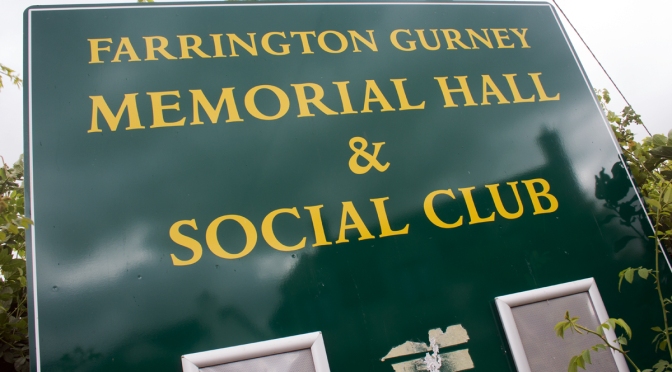
Farrington Gurney

Godney

Haselbury Plucknett

Isle Abbotts

Kingweston

Kingsdon

Lydeard St Lawrence

Milverton

North Curry

Othery

Pilton

Queen Camel

Rodney Stoke

Stanton Drew

Tintinhull

Ubley

Withypool

Walton-in-Gordano

Exton

Yatton

Zeals

A-Z of Somerset: Part 2

My recap of the villages of Somerset continues… Click on the links to read the full posts…


F is for Farrington Gurney.

Not an Edwardian detective, but a 12th century village in the north of the county.


G is for Godney.

When one village just won’t do, why not have three?


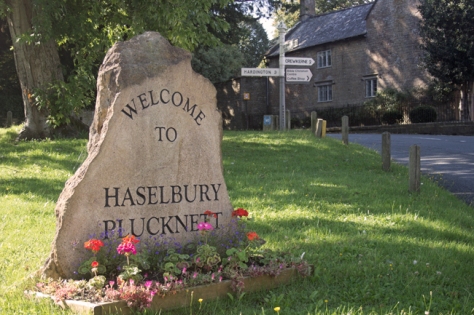
H is for Haselbury Plucknett.

Detective Gurney has to have a nemesis, so strike forth, sir!


I is for Isle Abbots.
A river names Isle, and countryside perfection.


K is for Kingweston.

There are no Js in Somerset, so, instead, the first of two villages beginning with a K.


Next week, it’s K (Mk II) to O…

An A-Z of Somerset: Farrington Gurney

F is for Farrington Gurney

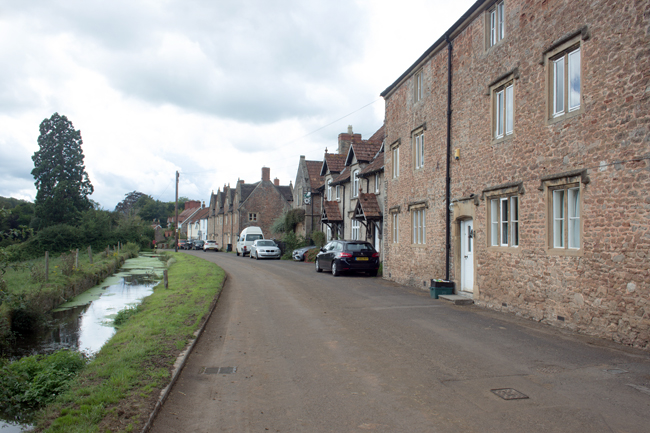
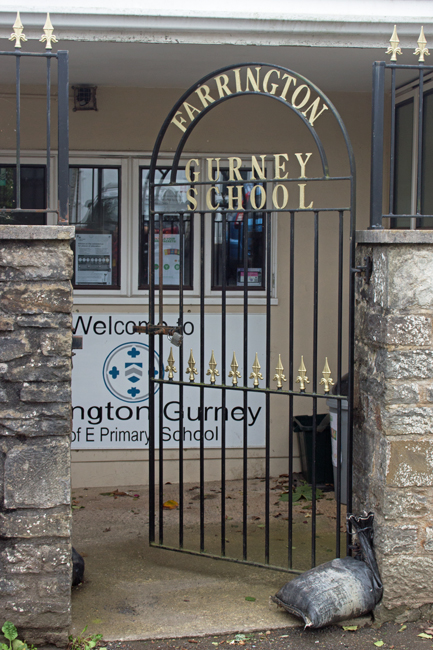
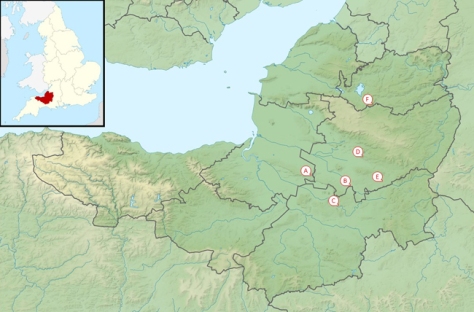
Wedged between the Somerset link roads of the A37/A39 and A362 lies the unassuming village of Farrington Gurney.

As you might guess from my previous posts, it was the village name that drew me in. The Doomsday Book mentions the village of Ferentone, while Gurney is thought to come from the de Gournay family, who owned the lands in the 12th and 13th centuries.

The village owed a lot to the coal industry. There were three pits in Farrington itself, with a further two in neighbouring Midsomer Norton.

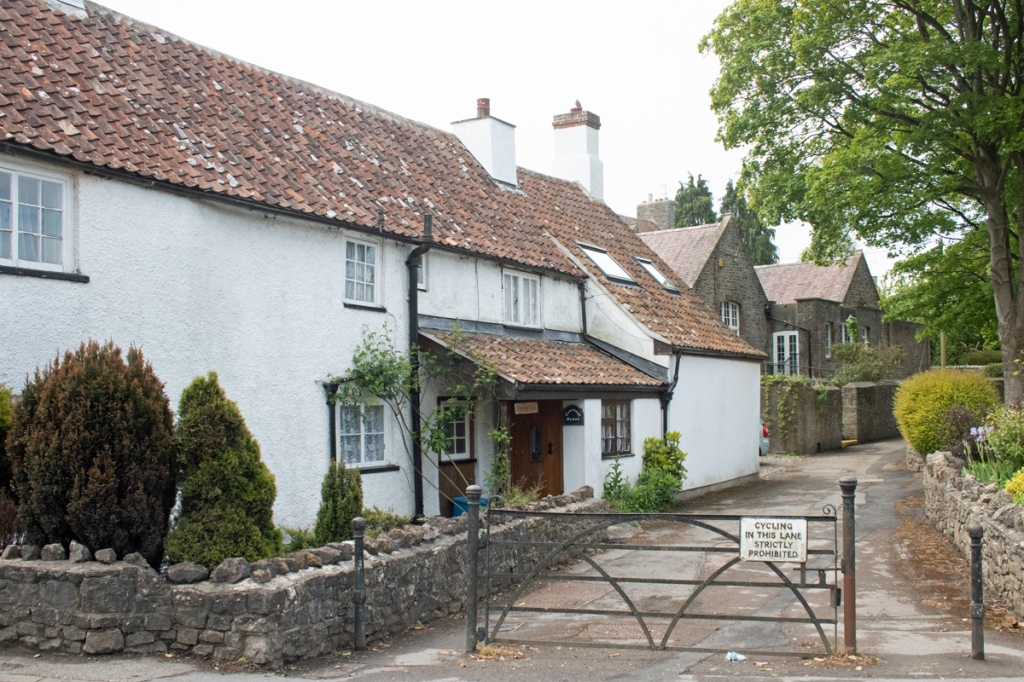
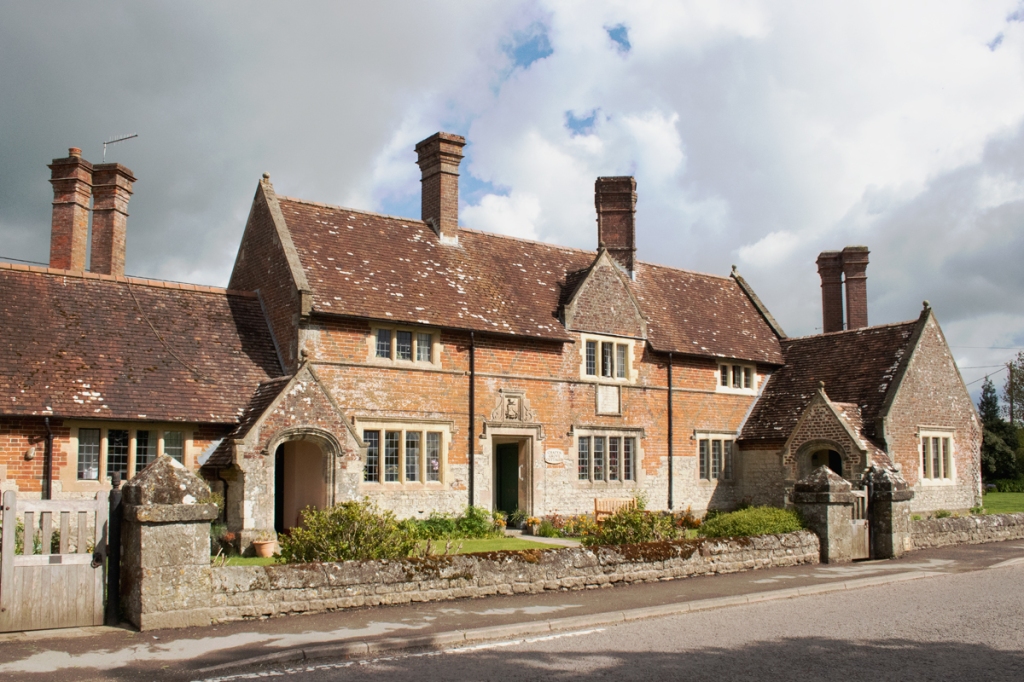
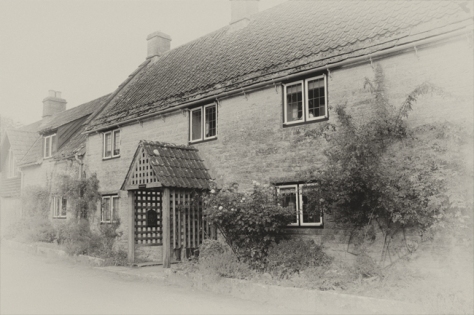
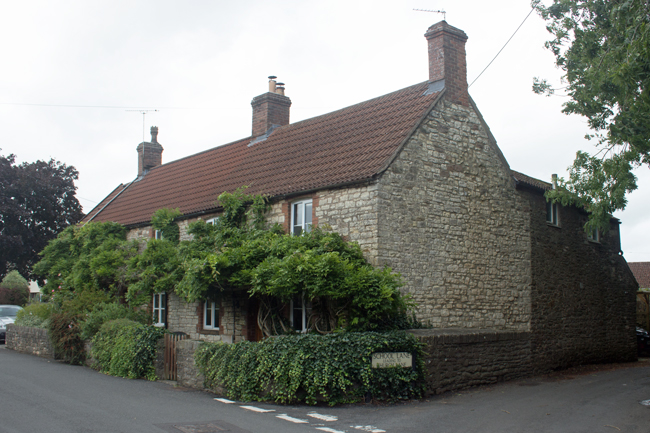
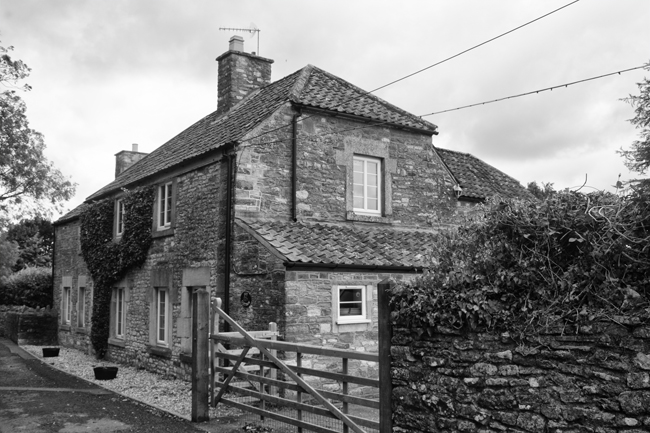
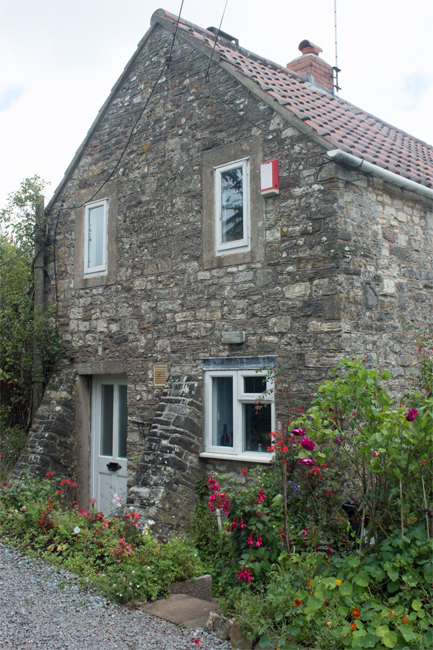
The majority of the houses are old, dressed stone, although as time has passed, newer properties have filled in the gaps between them; on the outskirts – just off the A37 – new buildings have started to sprout up.

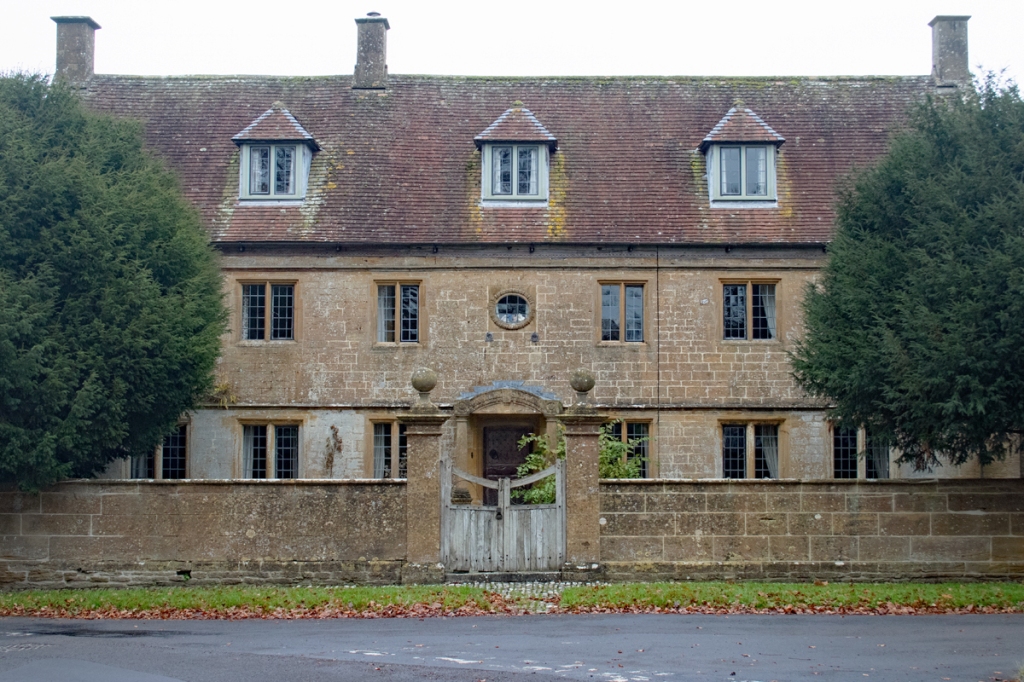
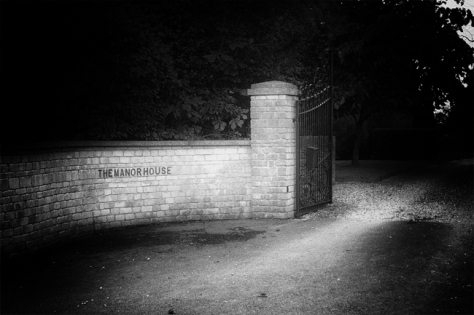
As you might expect, a manor house is at the heart of the village – hidden behind high stone walls, is a large property dating back to 1637, which you can only see from tantalising glimpses in the tree line.

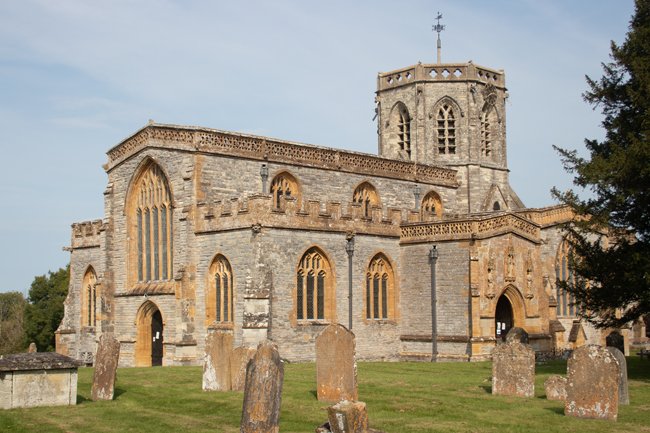
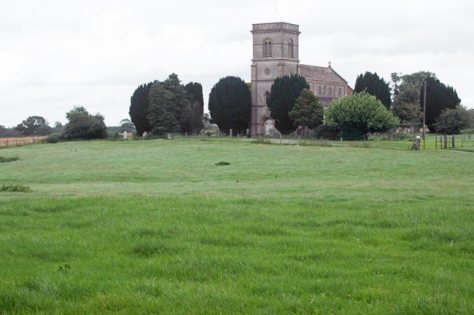
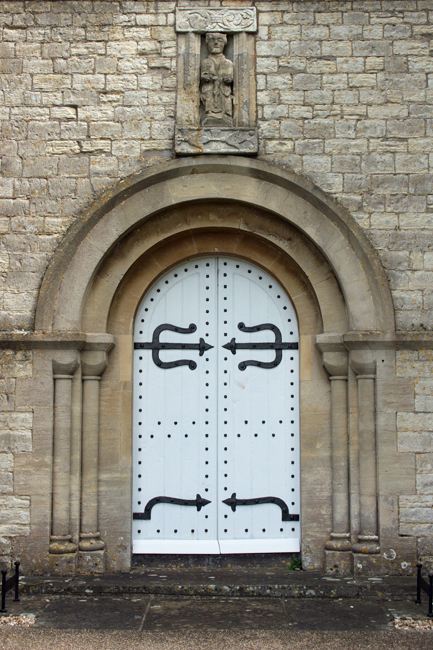
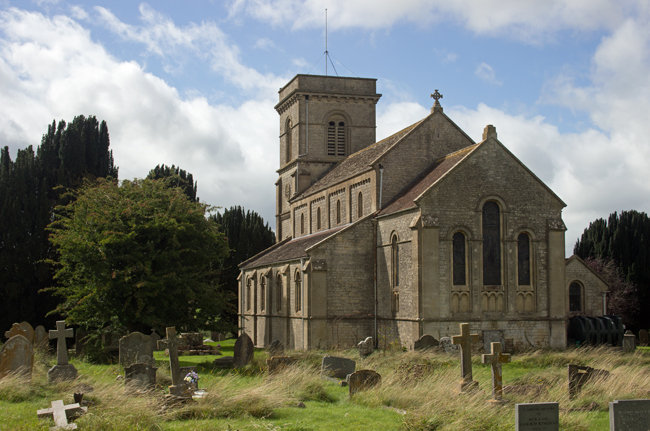
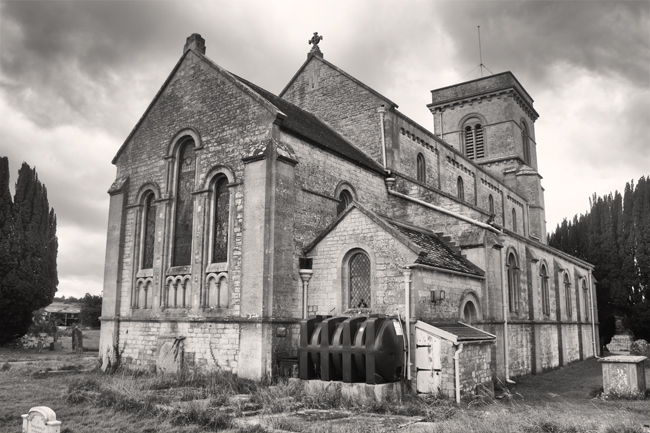
The village church – dedicated to St Jon the Baptist – is set in open fields around a mile from the village itself. It’s a small parish – there are less than 1000 residents – and the church is easily visible from form the village (and, more importantly, the manor house, the owners of which presumably paid its construction).

It’s a beautiful little church, though, and its peaceful location adds to the calm surroundings.

One war grave sits quietly in the churchyard, that of Gunner Watts – my next post will talk more about his life.

Farrington Gurney is a lovely little village; there’s a bit of a juxtaposition between the old and the new, and the proximity to two main roads can jar a little, but it fits in to the A-Z nicely.