With everything else that has been going on in the world, it’s taken a while to get there, but here is the complete list of alphabetical Somerset villages posts. What started out in August 2020 as something of a lockdown photographic project, helping me explore parts of my new home county that I might normally bypass, became much more than just something to challenge my satnav.
Twenty six villages, each with their own individual personalities and traits. Each came into being in different ways, for different reasons, but each brings something different to the county, adding different stories to the county’s history.
(The previously mentioned disclaimers apply to the alphabetical journey. There are no villages in Somerset beginning with a J or a V, so K and W are doubled up. Zeals is technically not in Somerset, but is within a few hundred yards of the border, so I have taken the liberty of including it in the list, as there are no other places in the county starting with that letter.)
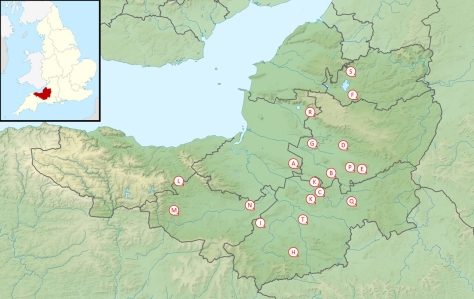
Over half way through the alphabet, and it’s the last of four recaps of the alphabetical journey around Somerset so far. Lockdown 2021 means that I have been unable to complete the A-Z, but this brings us up to date with the stop offs so far.
Click on the links to see the full post for each village.
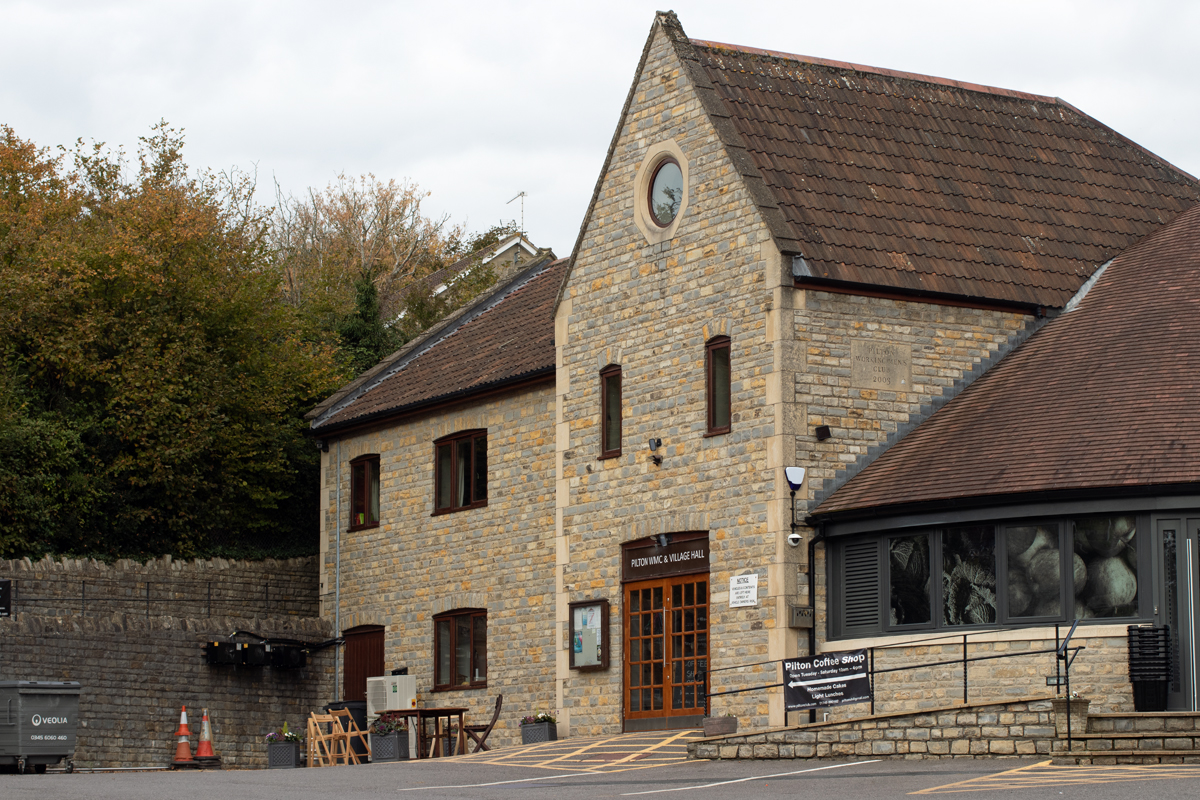
Continue up the A361 for 16 miles from Othery and you reach the surprising village of Pilton. I have driven through the village countless times over the years, and there is so much more to it than what is visible from the main road.
Situated on the top of a hill to the east on Glastonbury, the village once overlooked an inland sea that stretched to the present day Bristol Channel. This lead to the village’s original name, Pooltown, because ships were able to navigate this far inland.
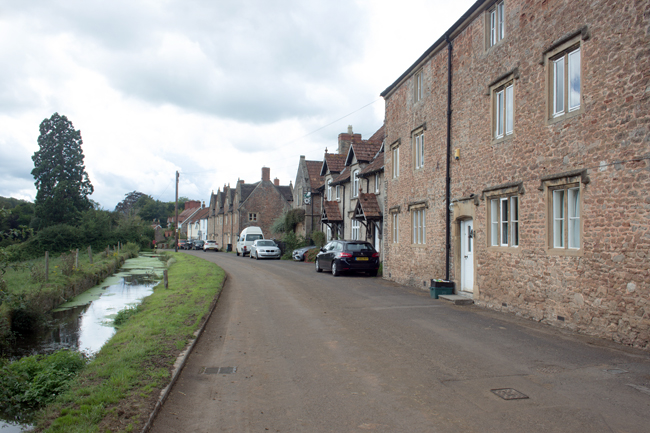
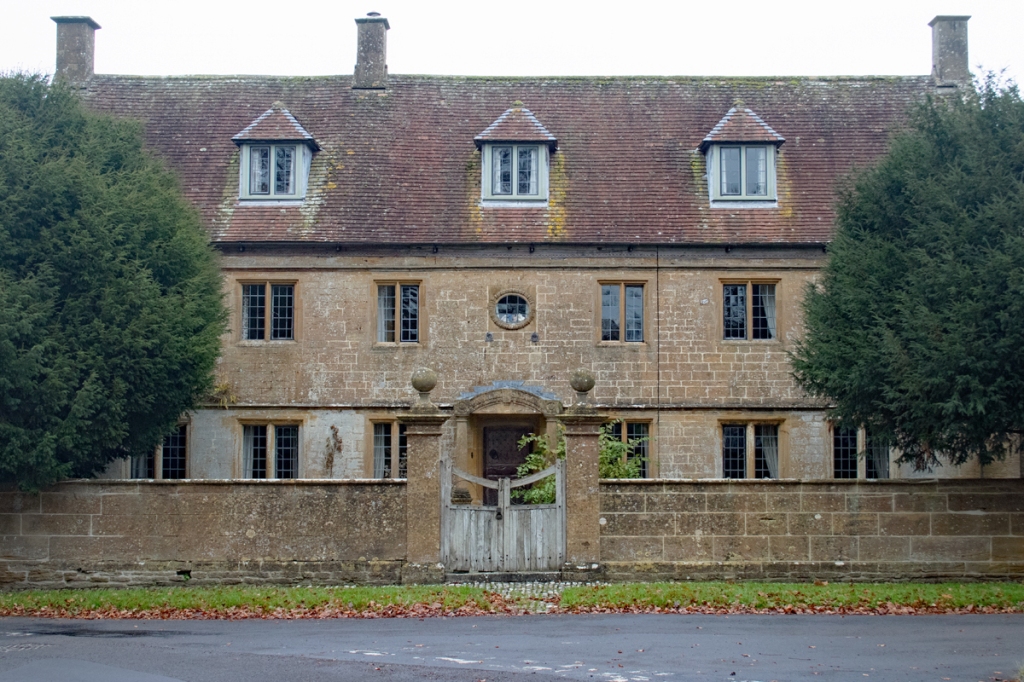
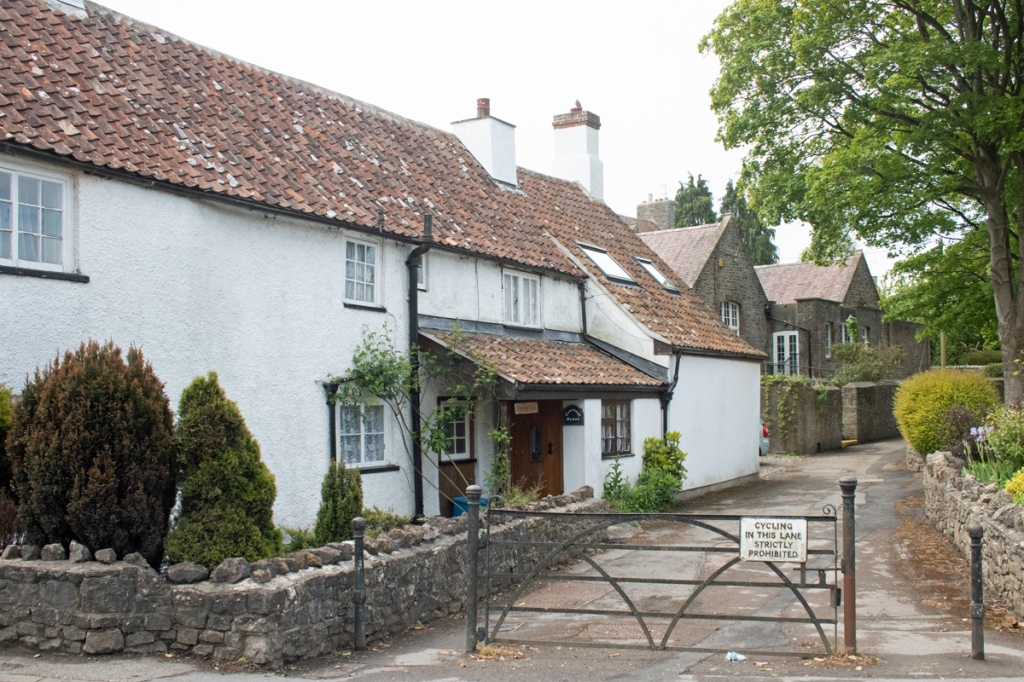
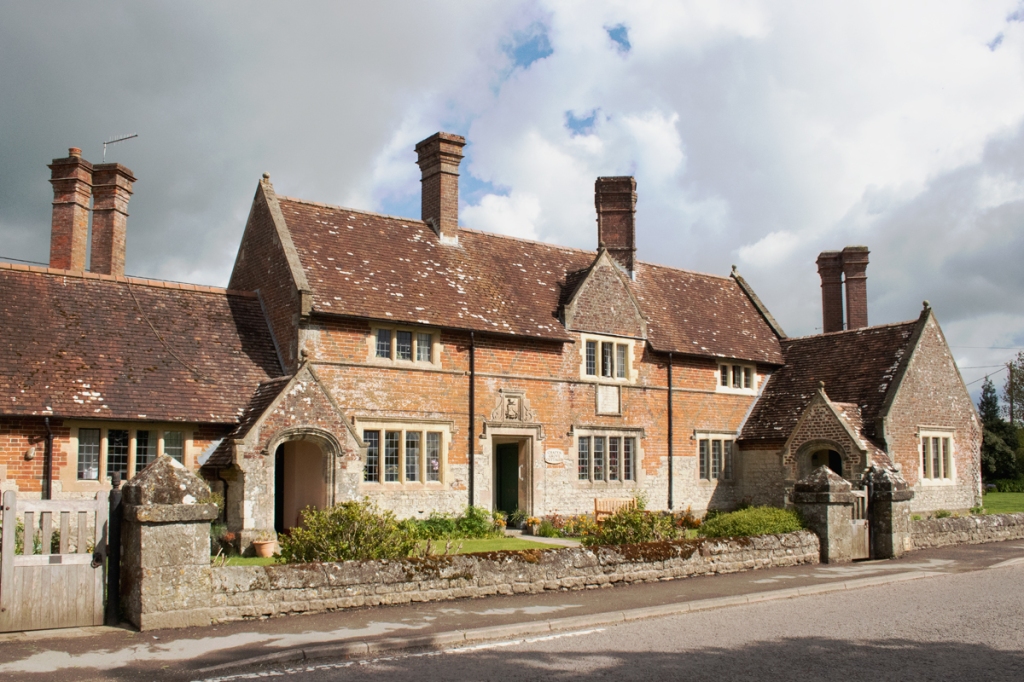
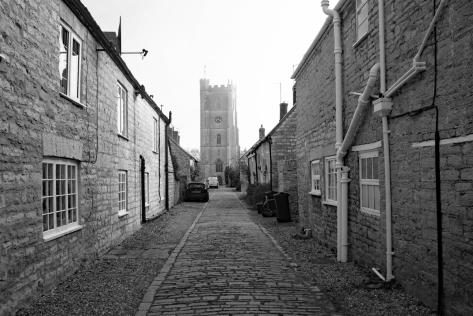
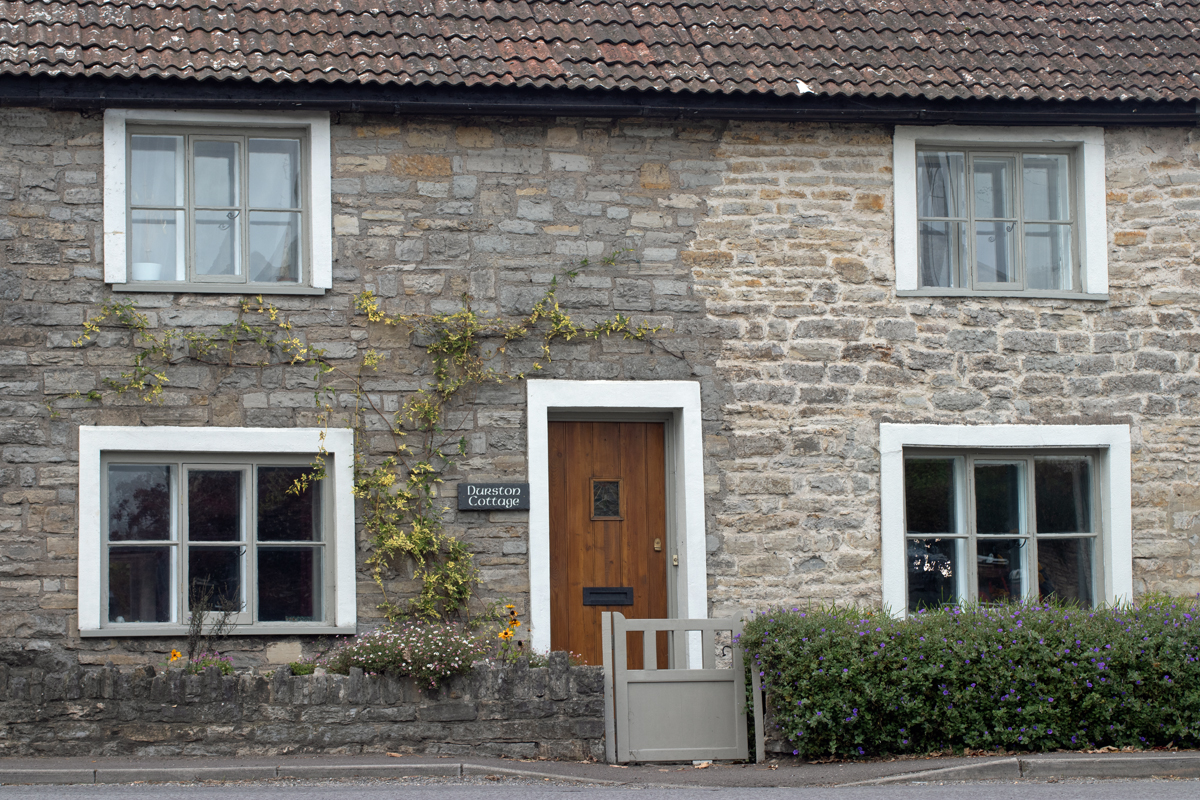
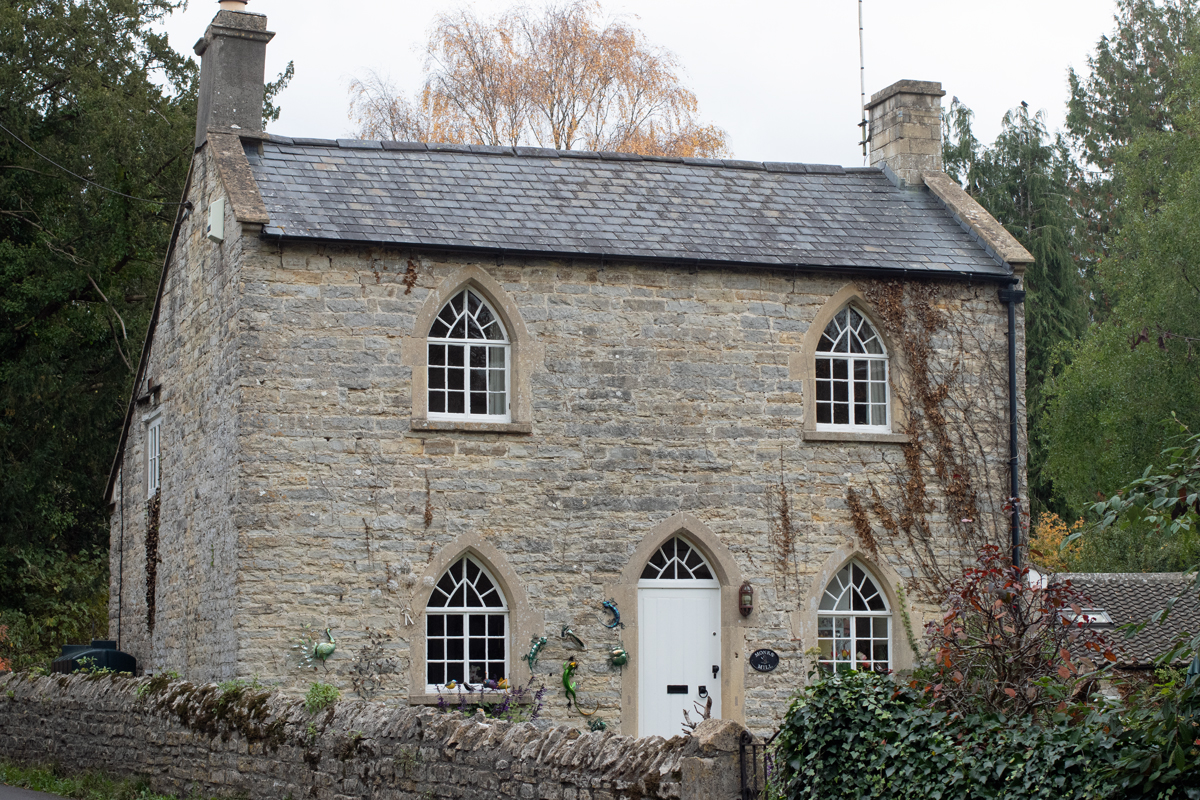
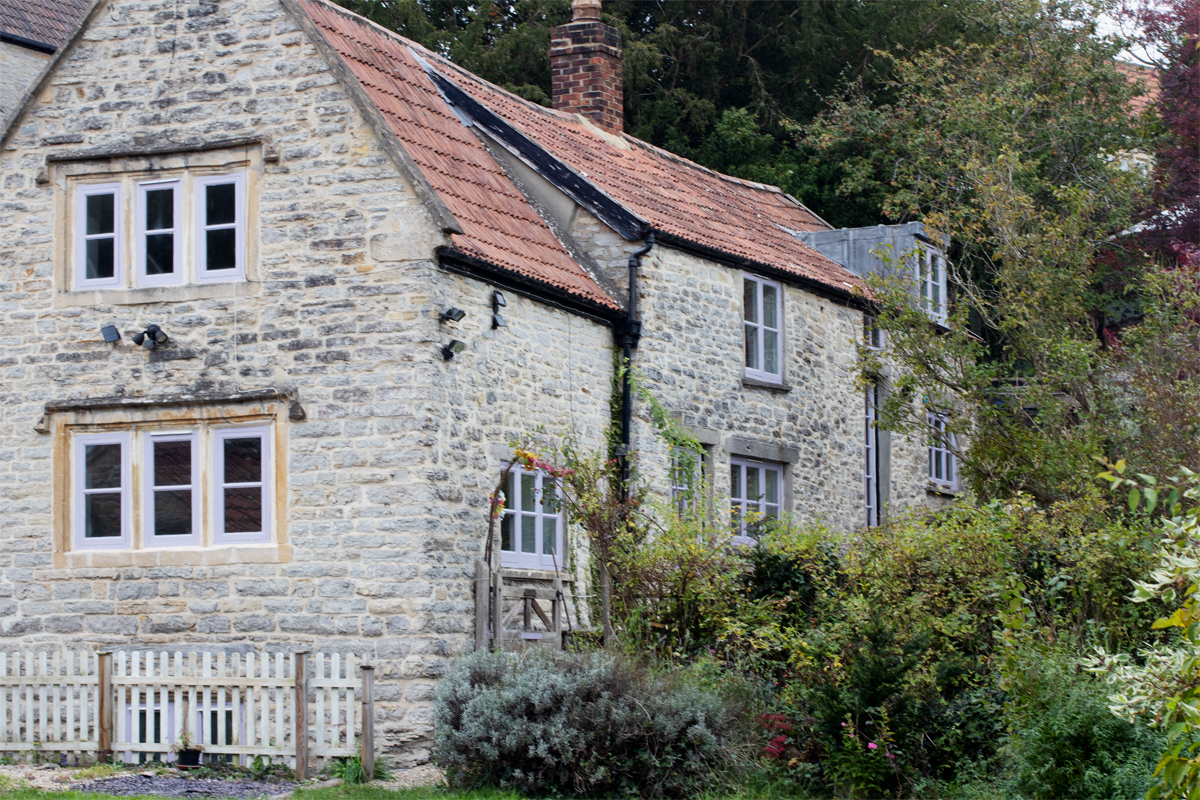
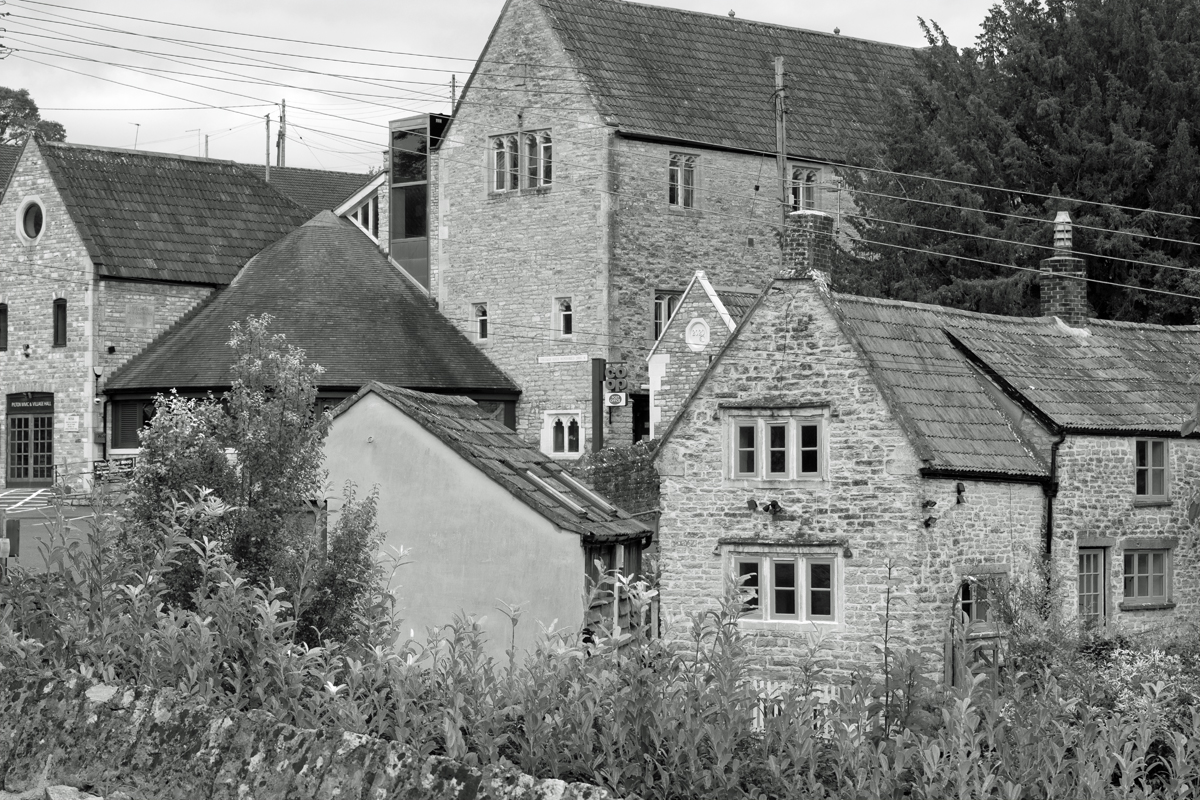
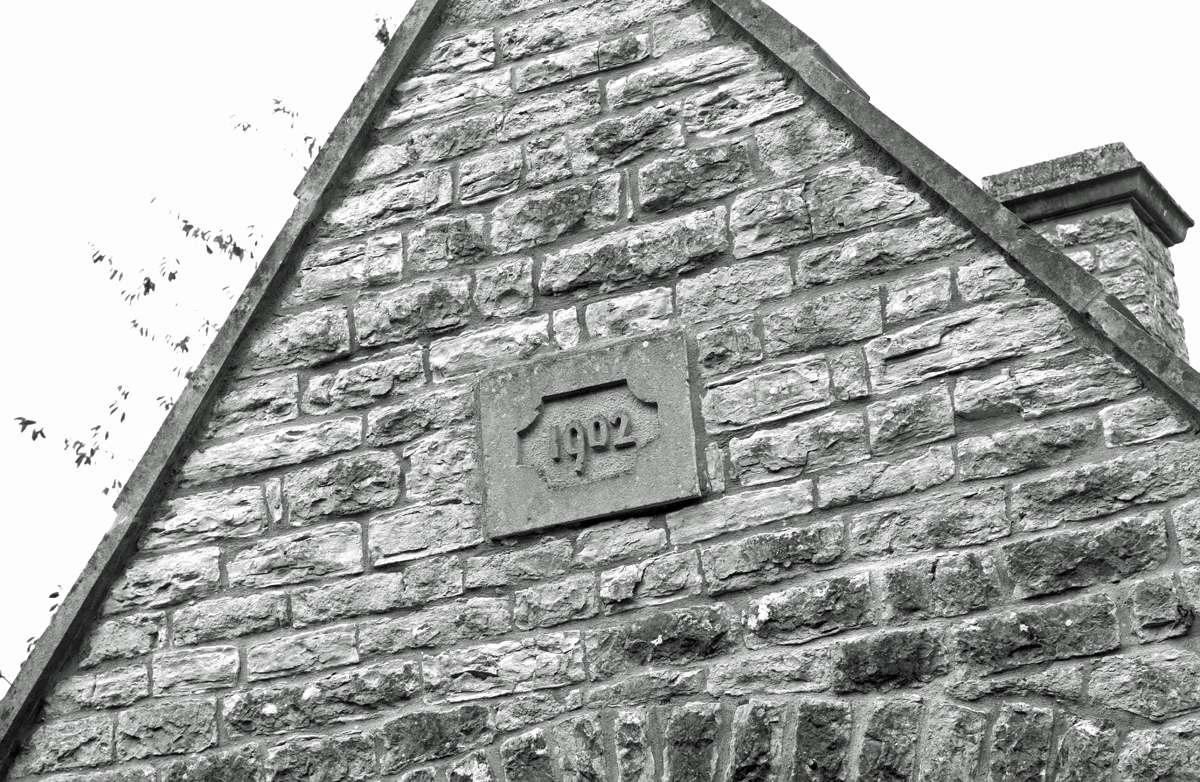
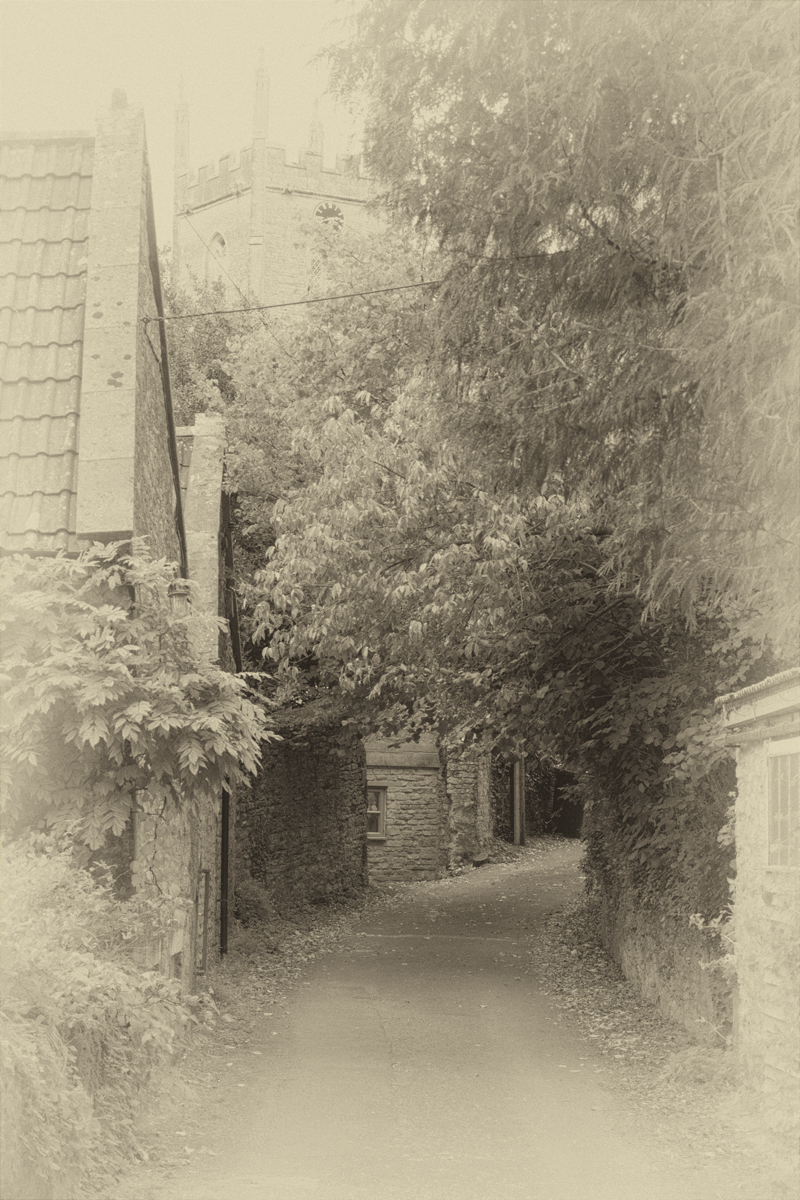
The houses in the village are old, from local stone, and really fit in with the country feel. Despite the main road, laden with juggernauts, being close by, the majority of the village is in a sheltered valley, and within a matter of metres away from the A361, it can barely be heard.
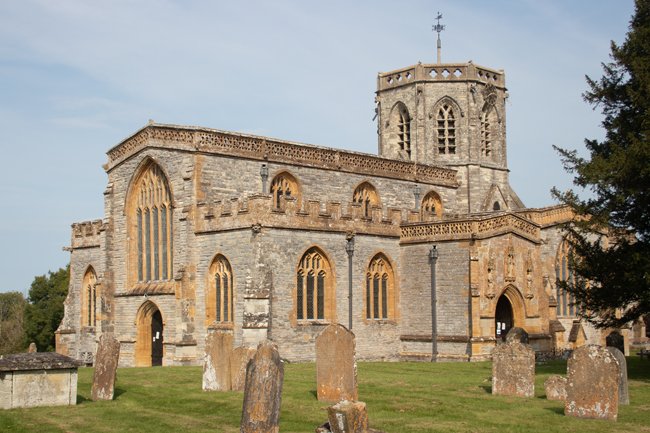
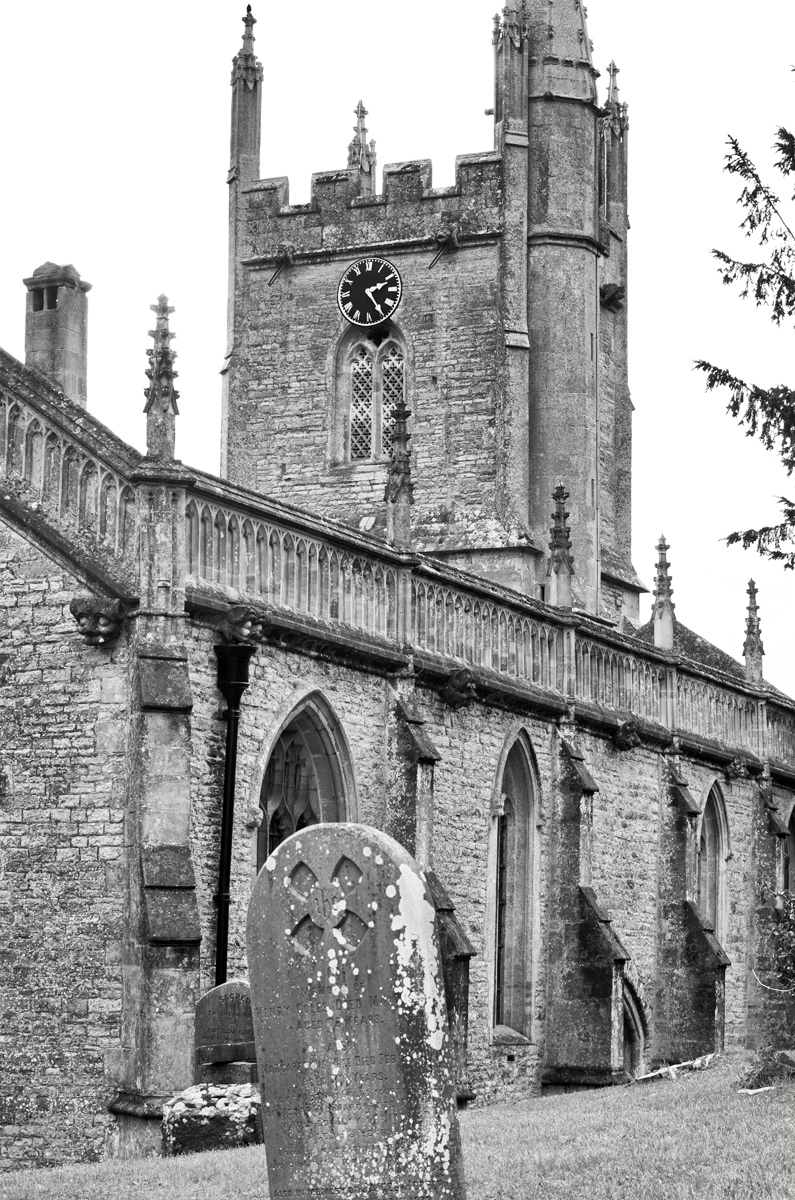
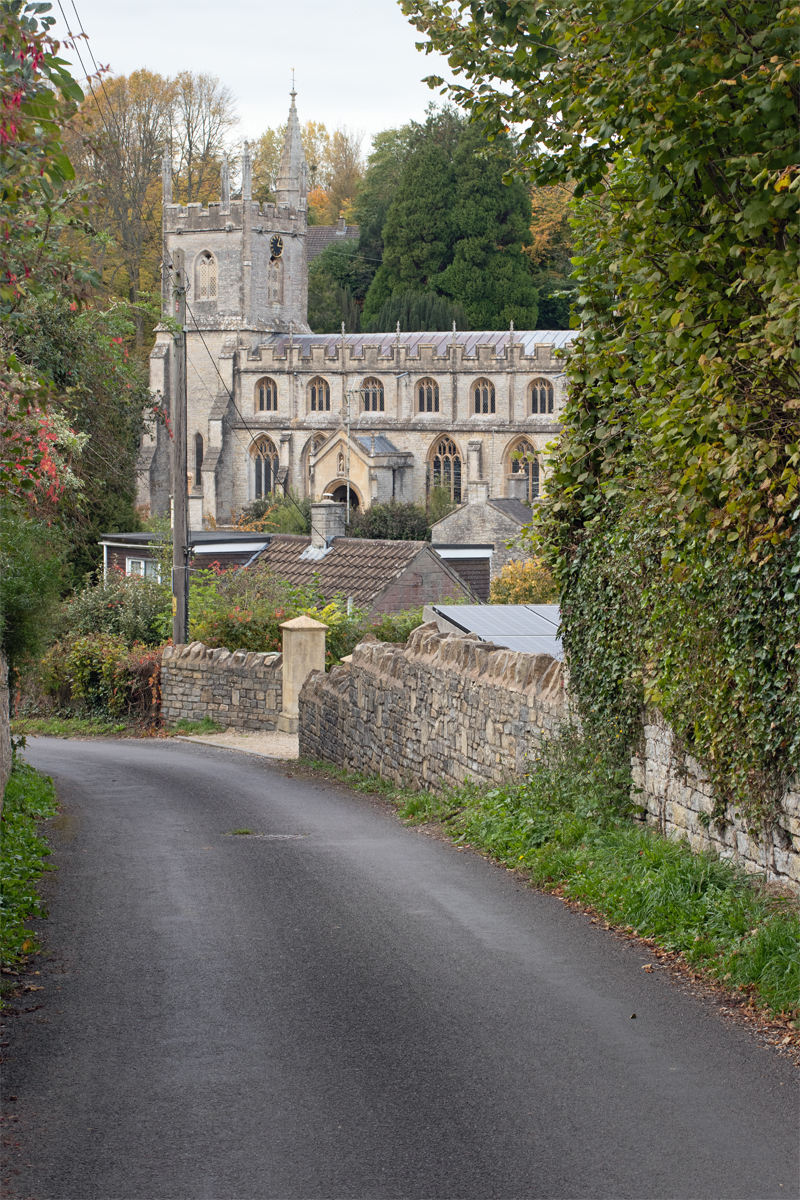
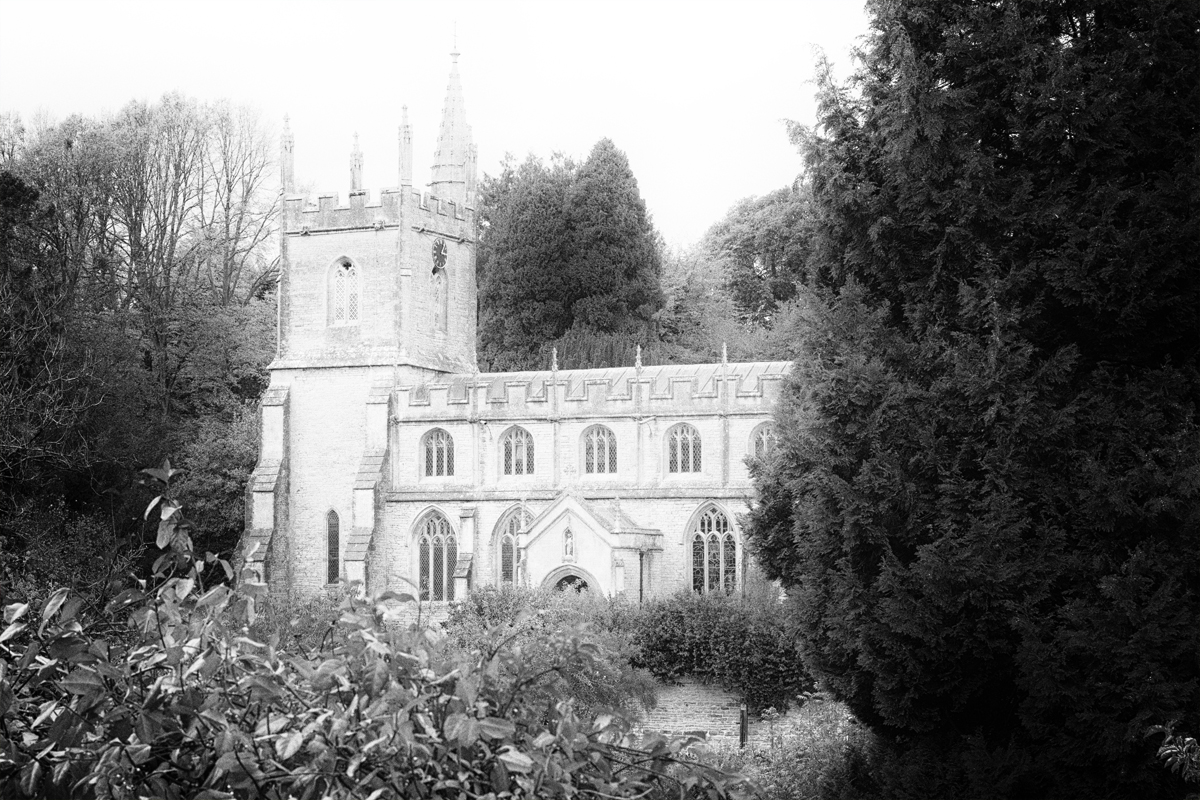
The local church is St John the Baptist, which is on the north side of the valley, has a commanding view across all Pilton. Once again, the Church’s dominance is in plain sight, and it can be seen on the skyline from most of the houses.
Sapper Percy Rodgers
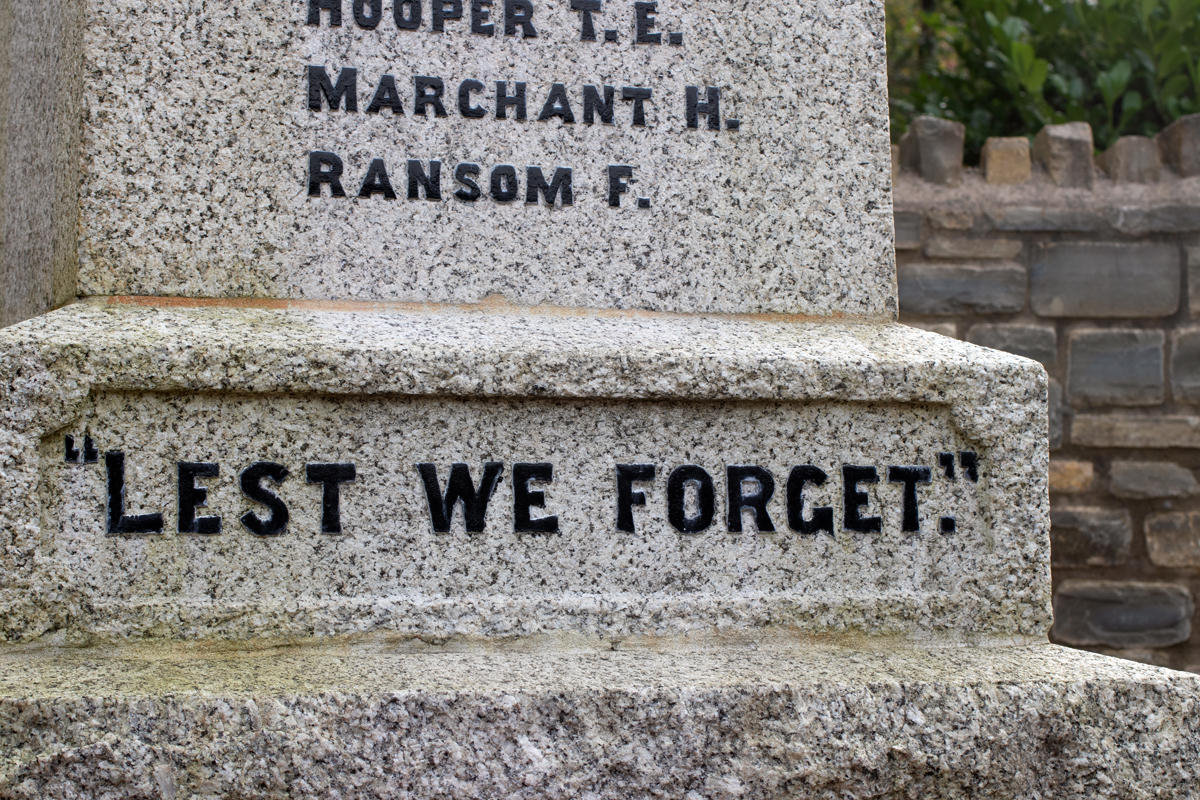
In the churchyard is a memorial, a grave to Sapper Percy Wright Rodgers, who fell in the First World War. More information on this young man’s life can be found on the CKPonderingsCWG blog, along with more stories of the fallen of the Great War.
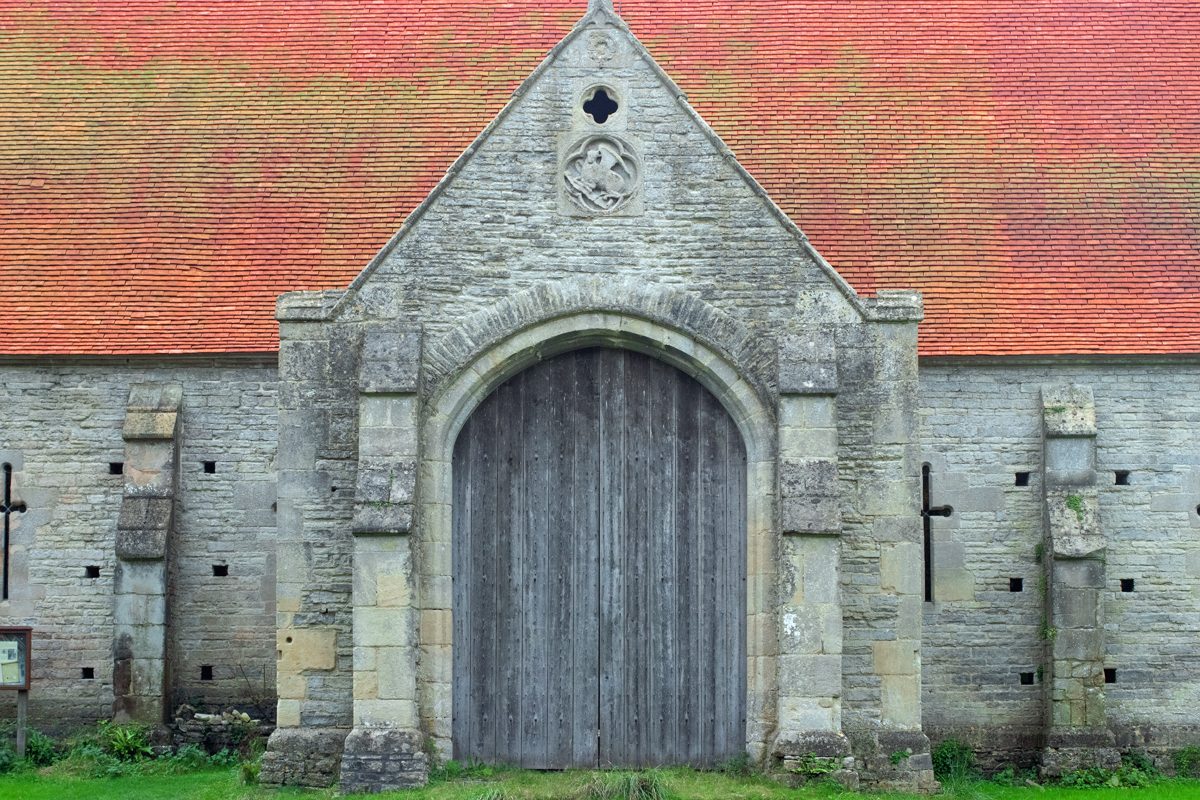
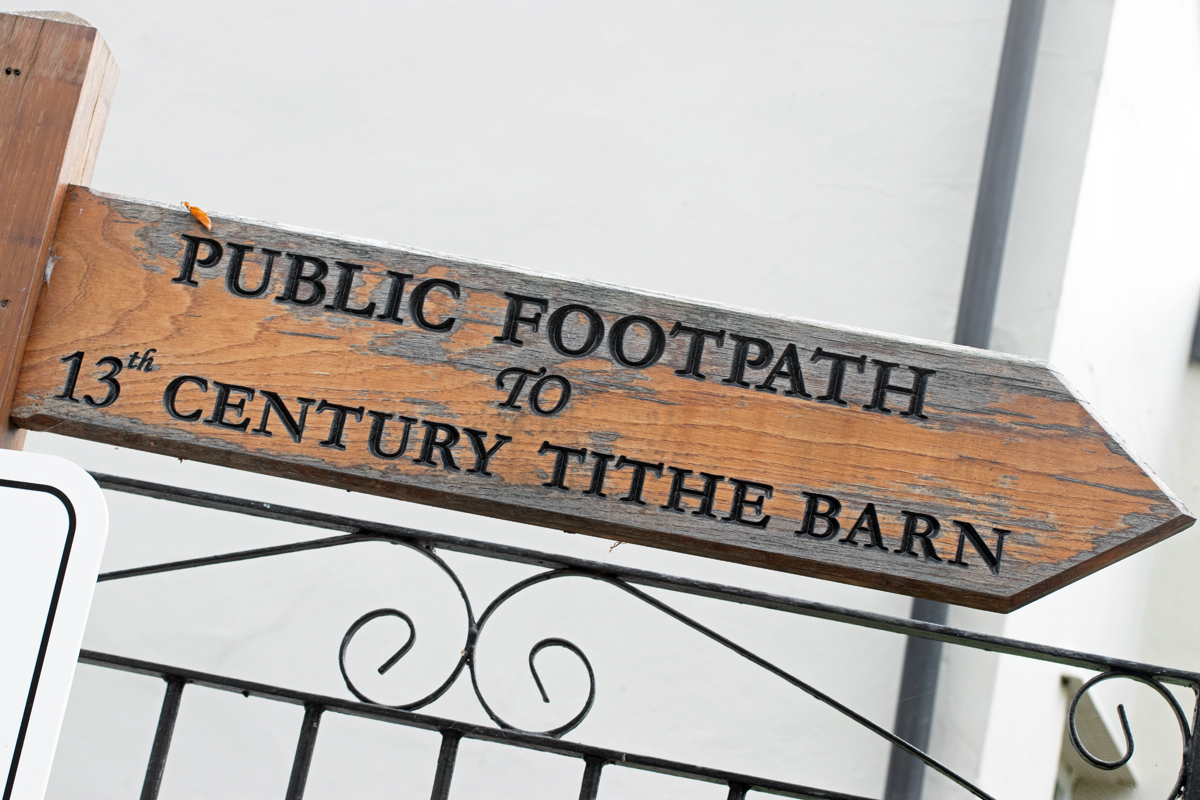
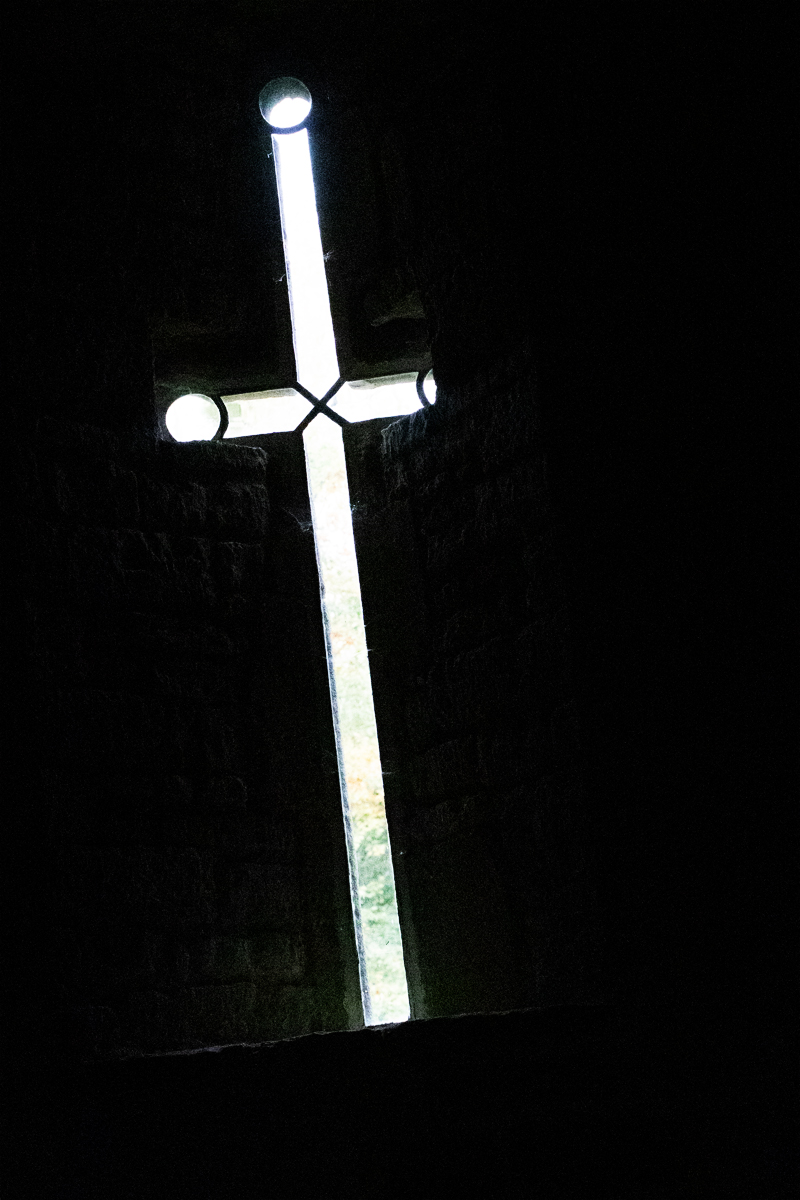
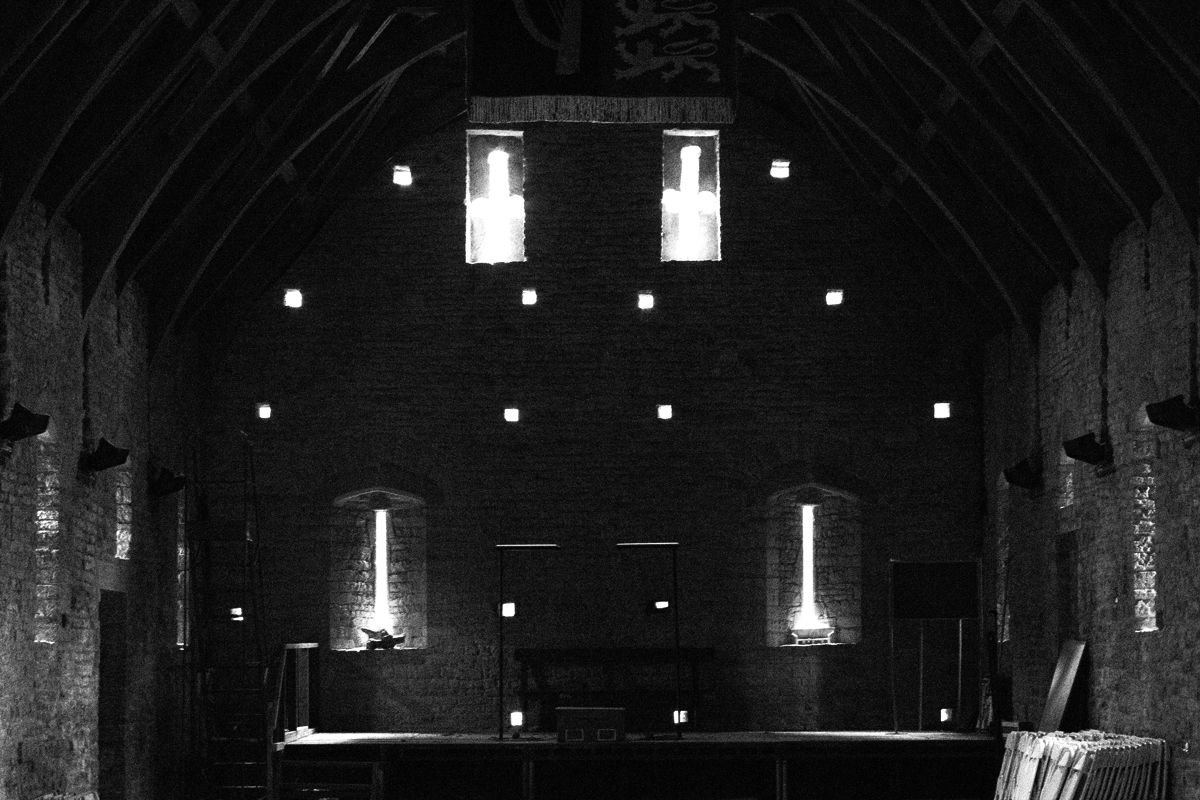
To the south of the village, a tithe barn stands alone and proud. Once belonging to Glastonbury Abbey, the barn once stored local farmers’ produce, of which they gave the Abbey – the landowner – one tenth.
The barn is now a Grade 1 listed building.
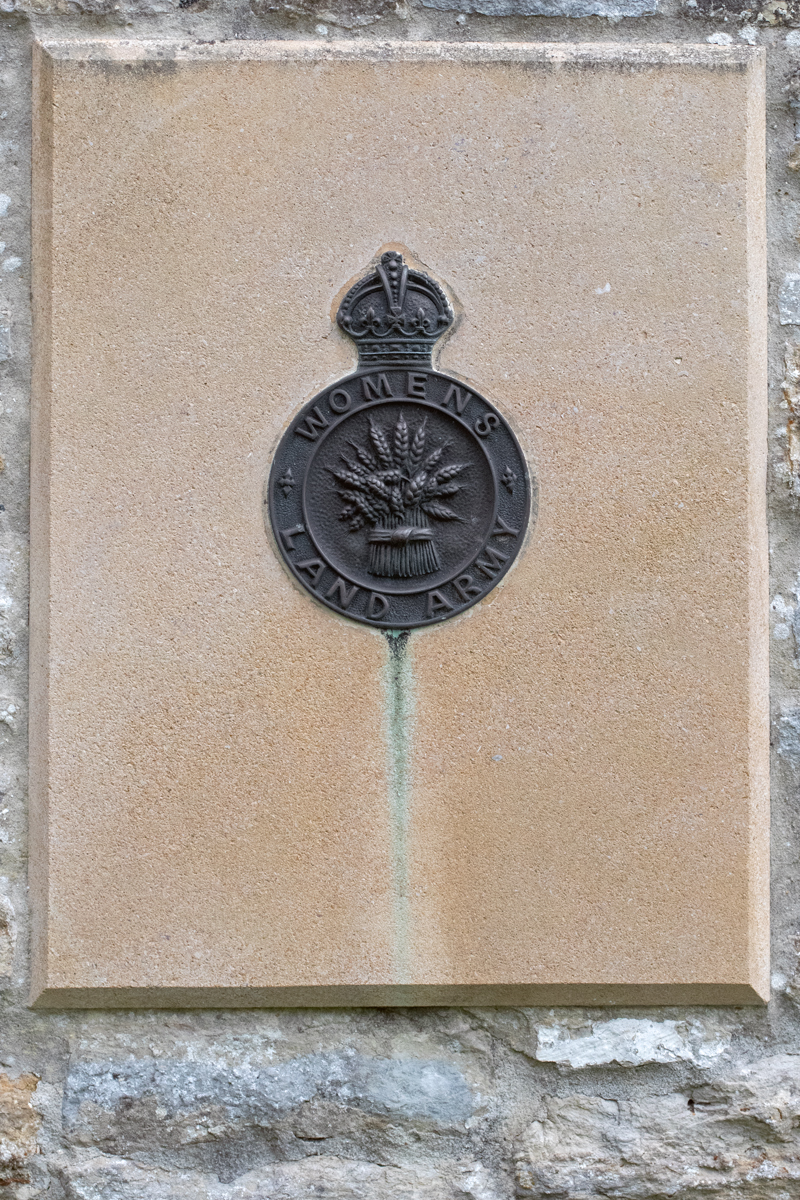
In the barn’s grounds is a monument to the Land Armies of both world wars; a bench in a quiet corner of an already quiet corner of the village is perfect for contemplation.
When I first made my intention of moving to Somerset known to friend, family and colleagues, the general first reaction was usually related to the annual music festival. My stock response to this was ‘no’, and, if the mood was right, this was usually followed up by the fact that the Glastonbury Festival does not actually take place in the town of the same name.
Worthy Farm, the location of the festival, is situated just to the south of Pilton, six miles from Glastonbury. It was only called Glastonbury Festival because that was the nearest town people had heard of.
If you get the chance to make a quick pitstop from your journey to the south west, Pilton is definitely worth a visit. A genuine gem of a village, hidden in plain sight, it is also a good start and end point for a wander across the Levels or over the hilltops to Shepton Mallet.




























 CKPonderingsToo