With everything else that has been going on in the world, it’s taken a while to get there, but here is the complete list of alphabetical Somerset villages posts. What started out in August 2020 as something of a lockdown photographic project, helping me explore parts of my new home county that I might normally bypass, became much more than just something to challenge my satnav.
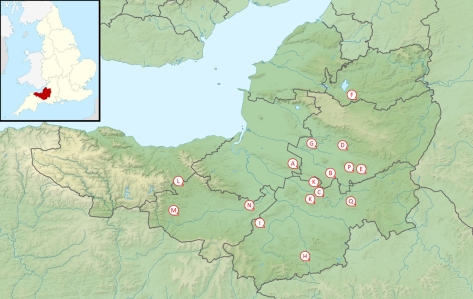
Twenty six villages, each with their own individual personalities and traits. Each came into being in different ways, for different reasons, but each brings something different to the county, adding different stories to the county’s history.
(The previously mentioned disclaimers apply to the alphabetical journey. There are no villages in Somerset beginning with a J or a V, so K and W are doubled up. Zeals is technically not in Somerset, but is within a few hundred yards of the border, so I have taken the liberty of including it in the list, as there are no other places in the county starting with that letter.)
Over half way through the alphabet, and it’s the last of four recaps of the alphabetical journey around Somerset so far. Lockdown 2021 means that I have been unable to complete the A-Z, but this brings us up to date with the stop offs so far.
Click on the links to see the full post for each village.
Seven miles to the north of Yeovil, lies the unusually-named village of Queen Camel. While it sits on the main A359 road, this thoroughfare dog-legs through the village, so it avoids the speeding traffic of which Othery is a victim.
The name derives from the old English word cam, meaning ‘bare rim of hills’, a word shared by the river that runs through the village. The manor of Camel was given to the crown in the late 13th century, and the name was changed to Camel Regis (“King’s Camel”). Edward I gave the area to his wife, Eleanor, and so the name Queen Camel was born.
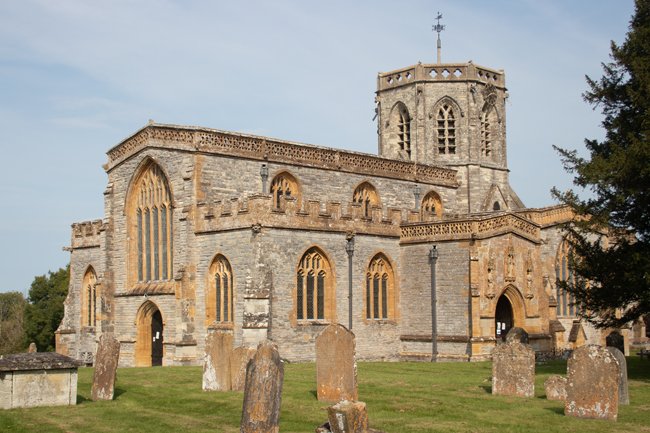
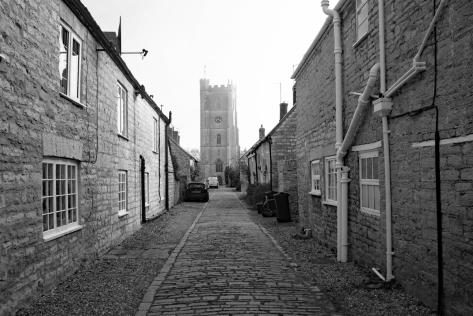
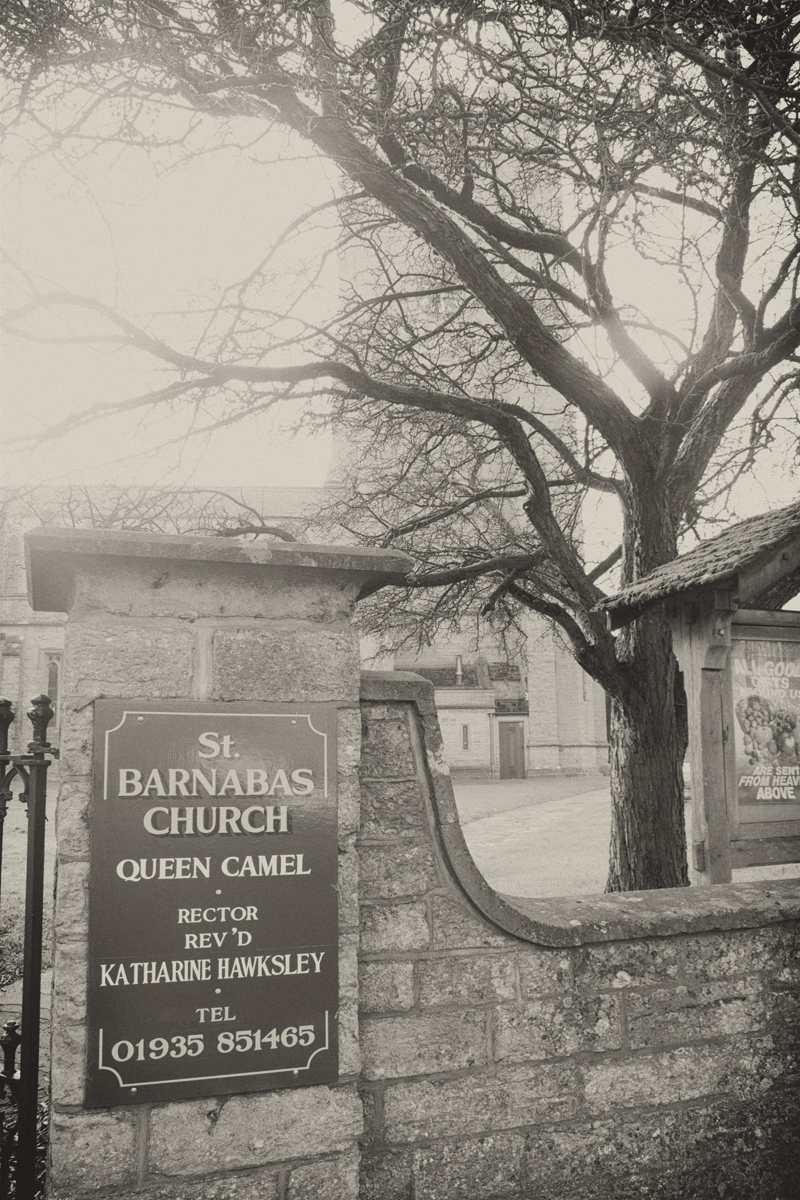
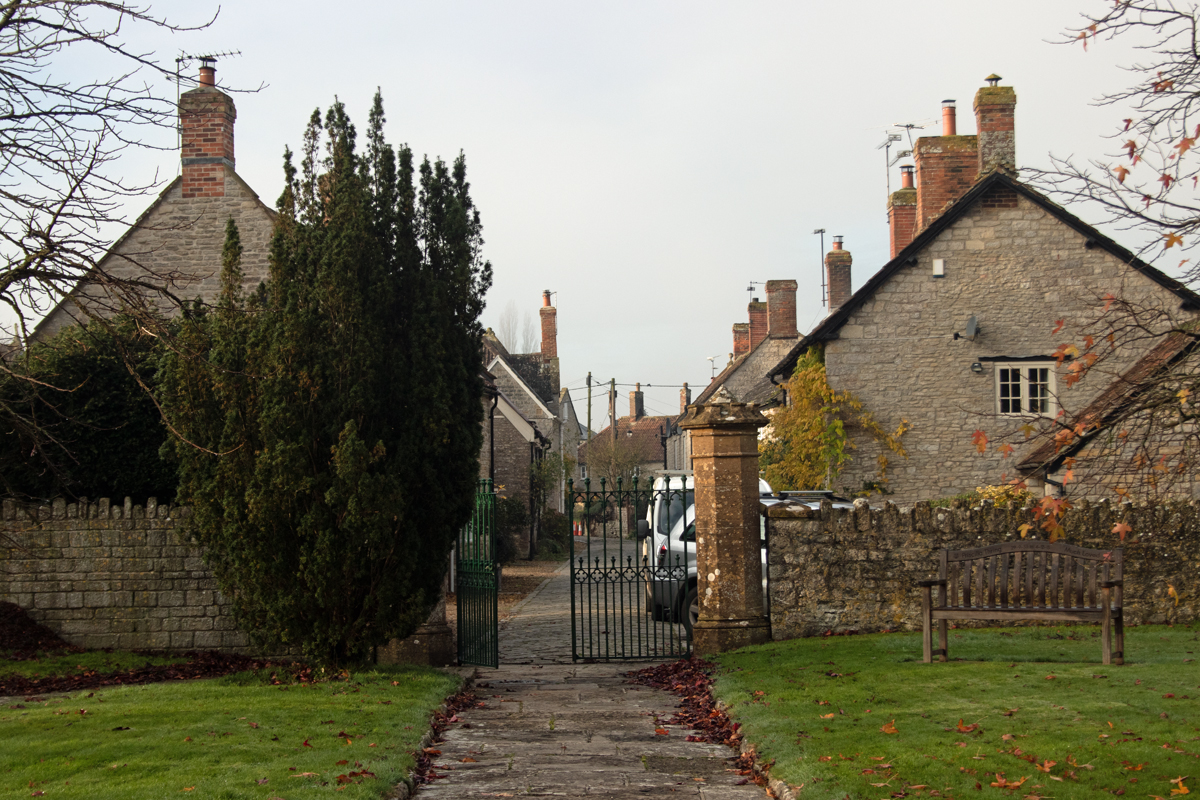
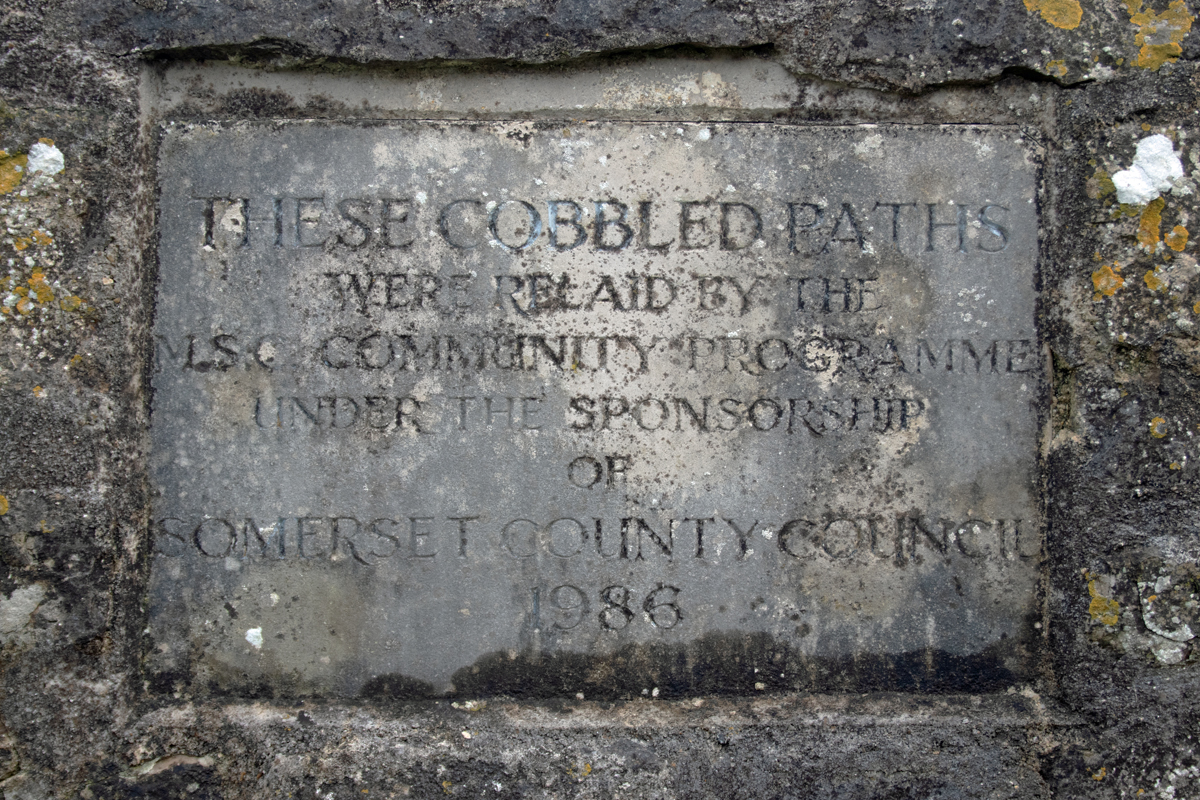
One of the highlights of the village is Church Path, a cobbled road that leads from the centre of Queen Camel to St Barnabas’ Church.
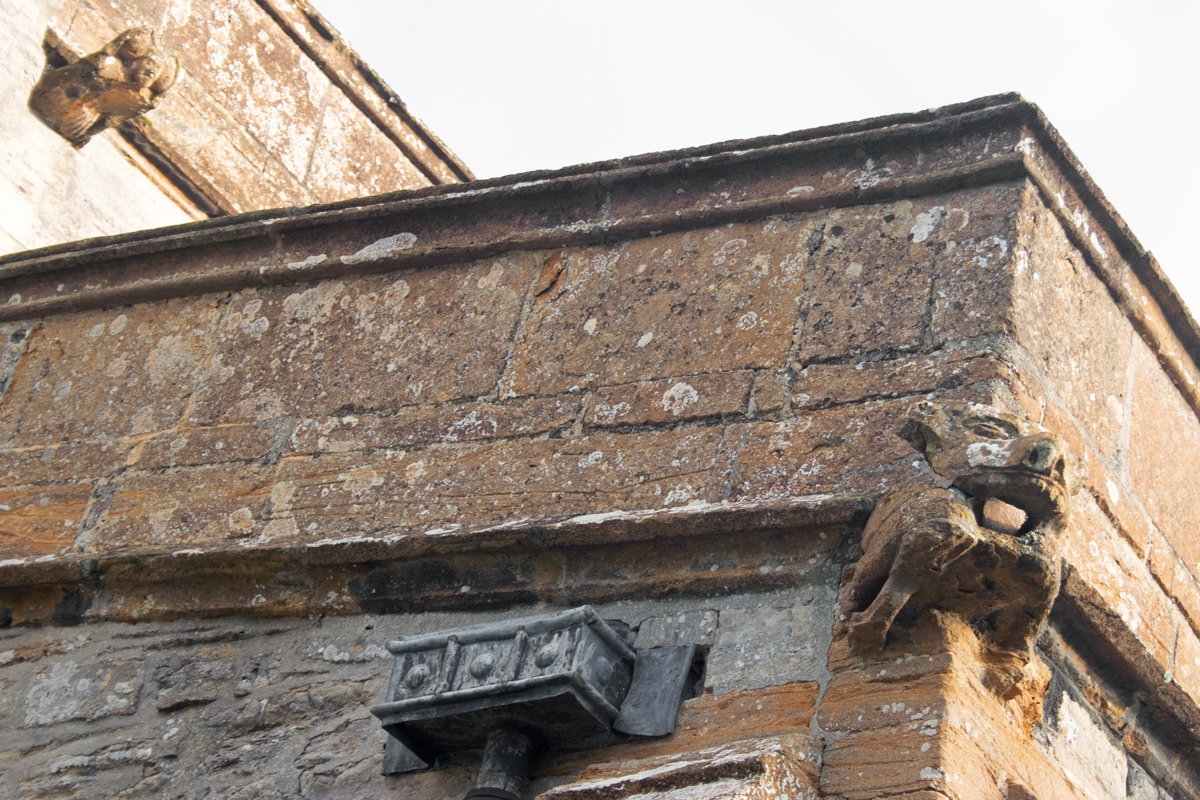
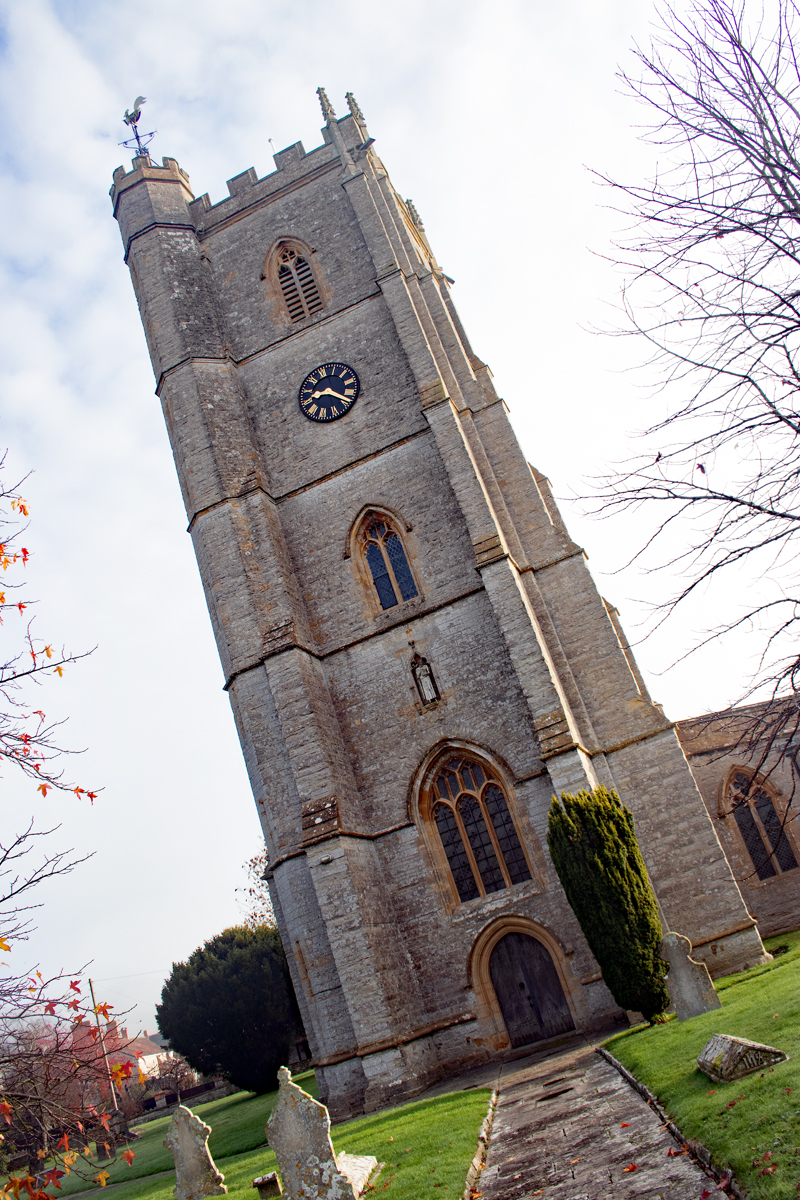
The church itself dates from the 1300s, and, despite the main road, is surrounded by a quiet churchyard and allotments. Additional architectural elements – including an imposing porch on the south side – were added in the 19th century, as part of Queen Victoria’s Golden Jubilee celebrations.
The churchyard includes a gravestone to Seaman Donald Burgess, who died in the Great War, aged just 17 years old.
Details of his life can be found on the CKPonderingsCWG site, which is dedicated to those who lost their lives as a result of that conflict.
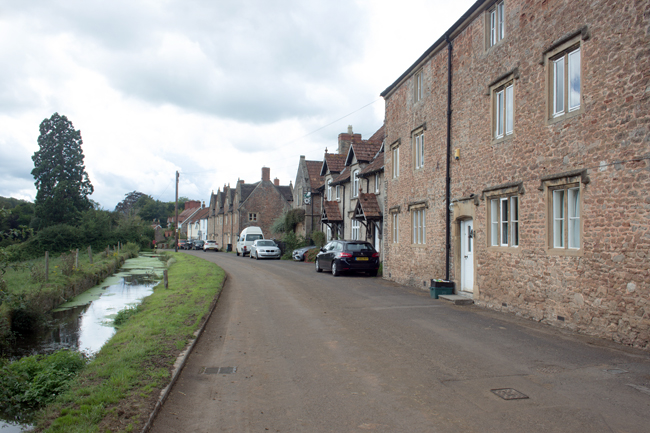
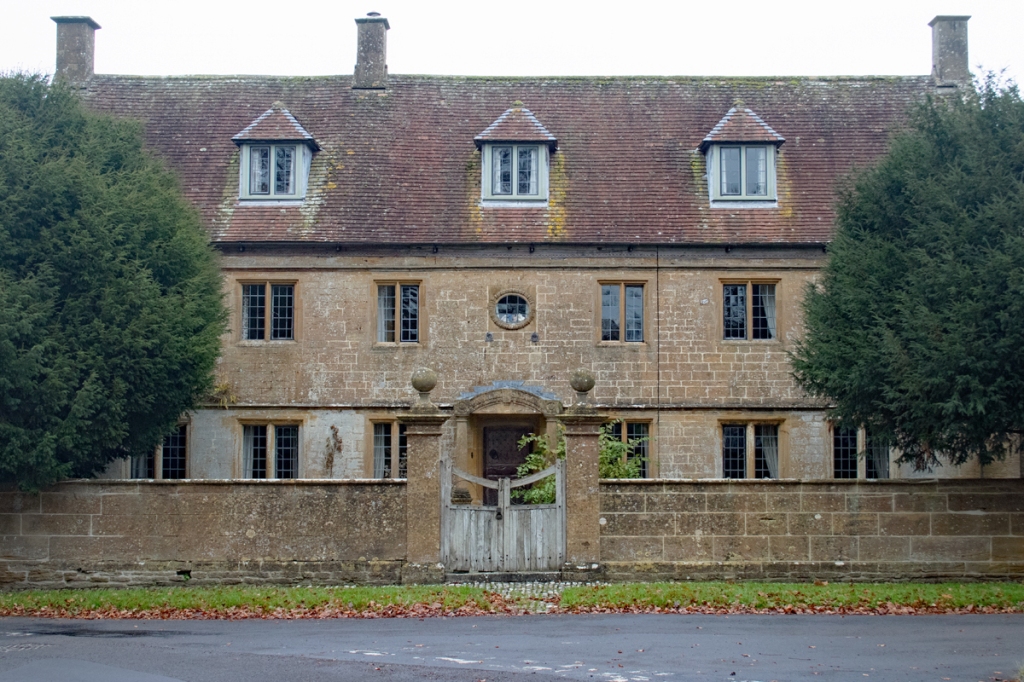
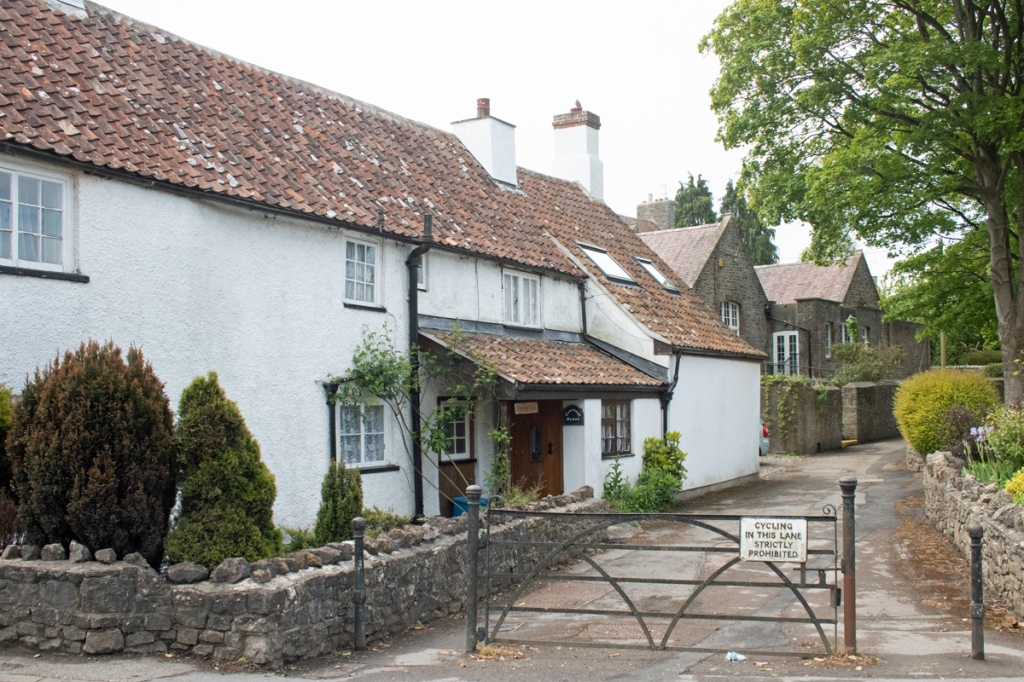
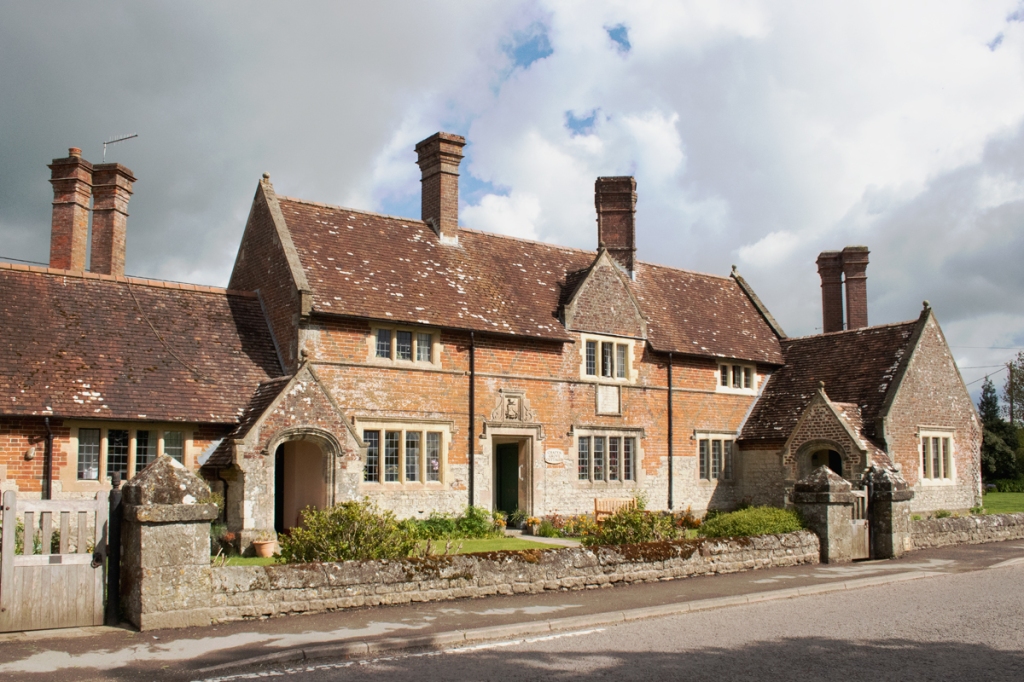
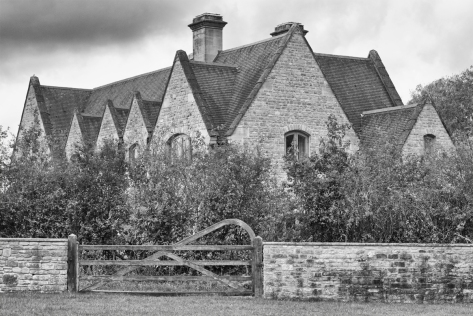
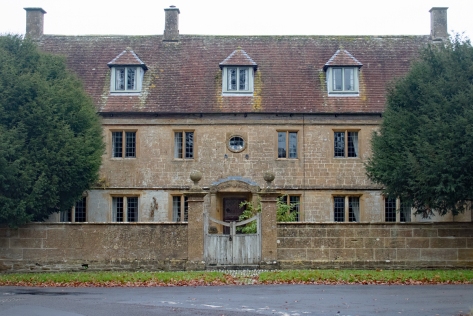
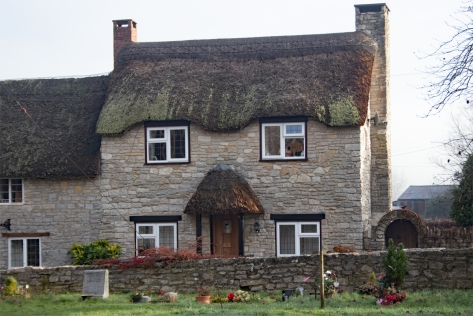
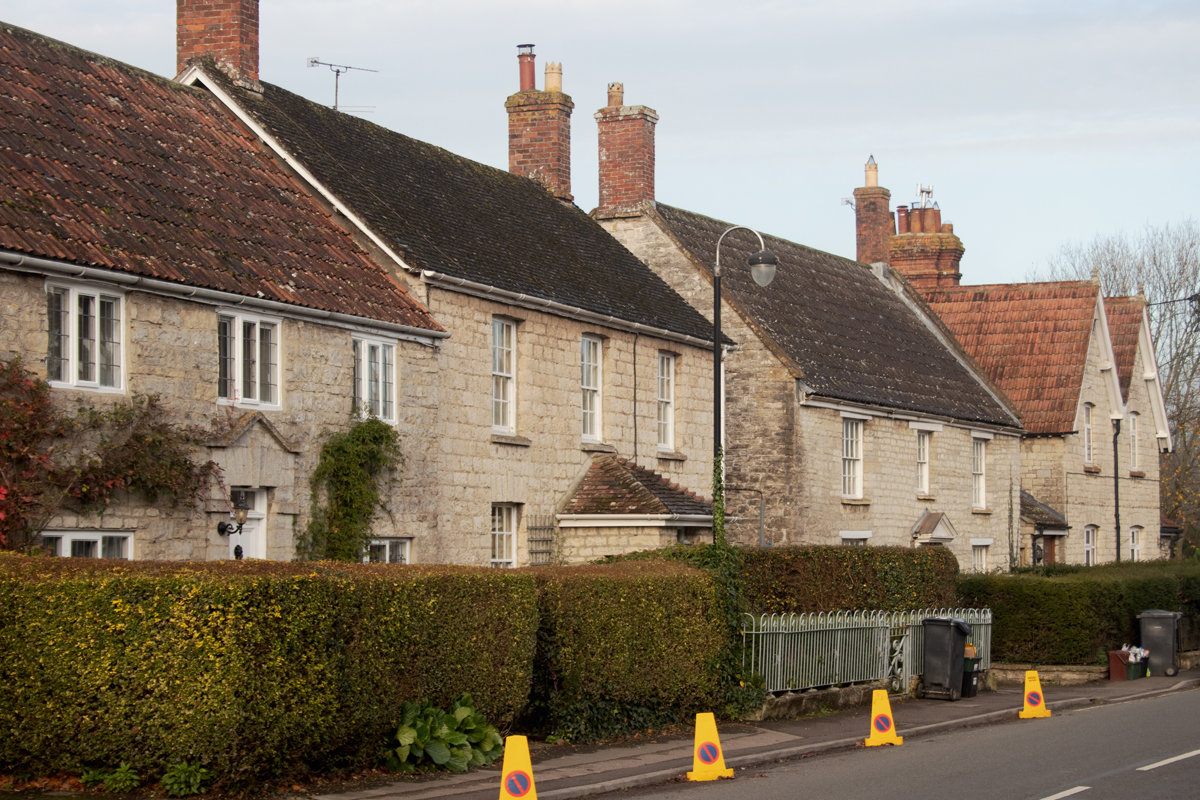
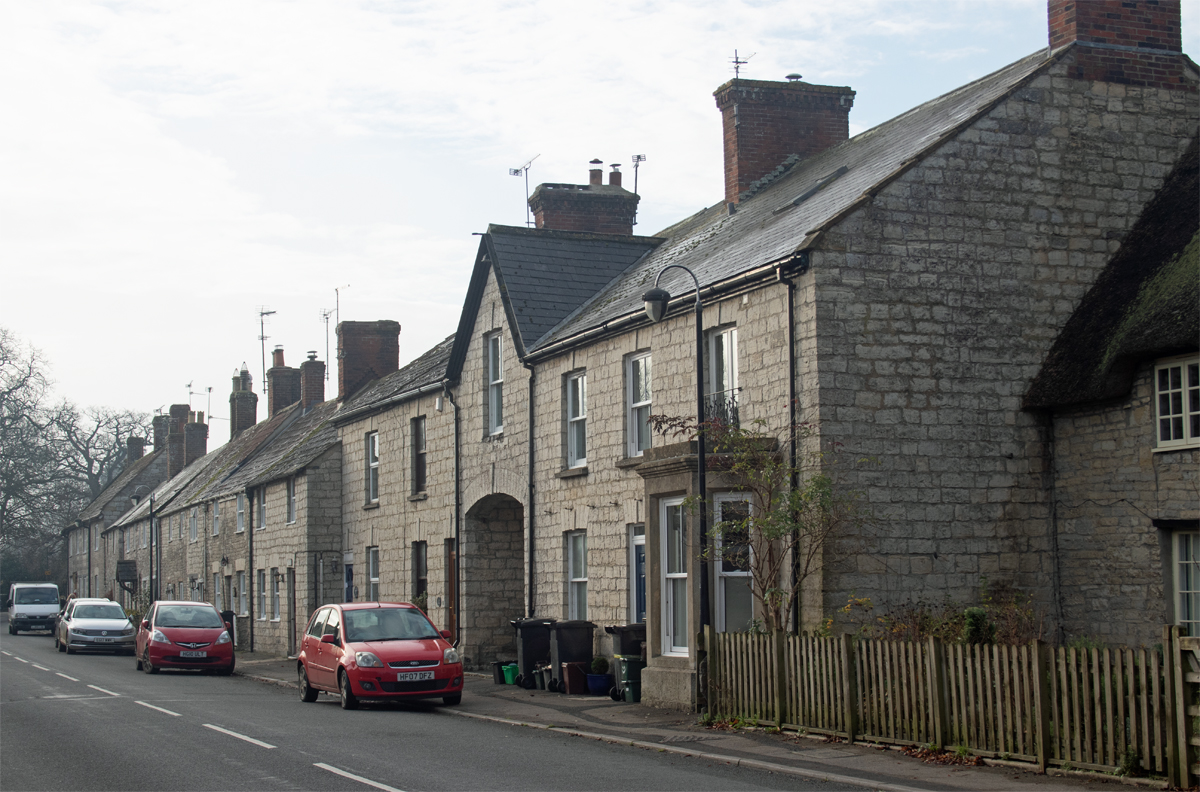
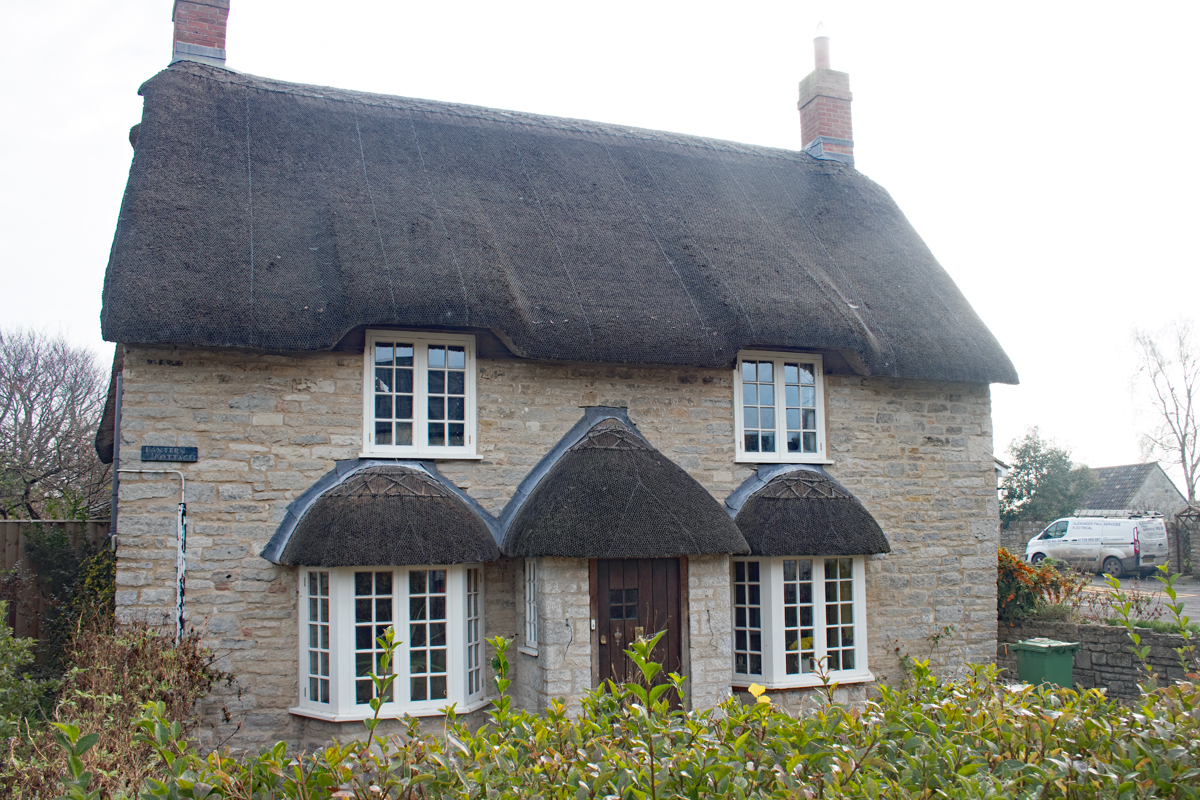
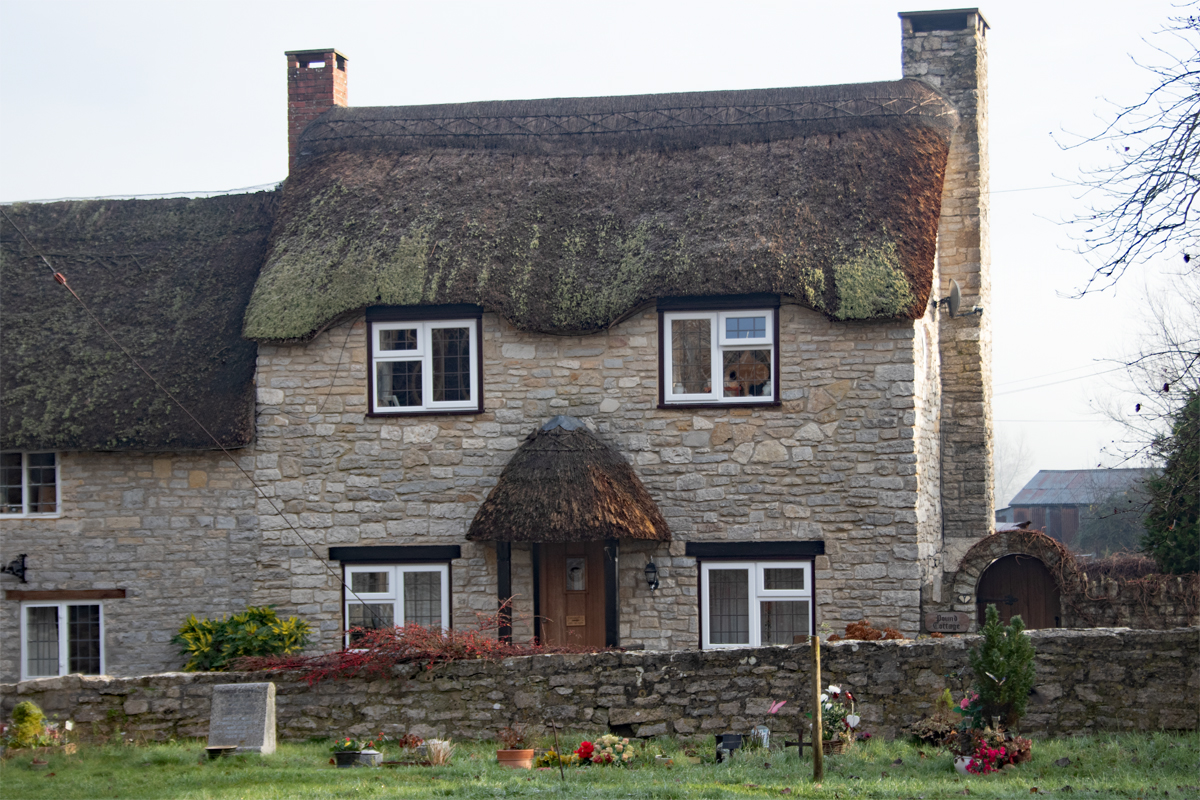
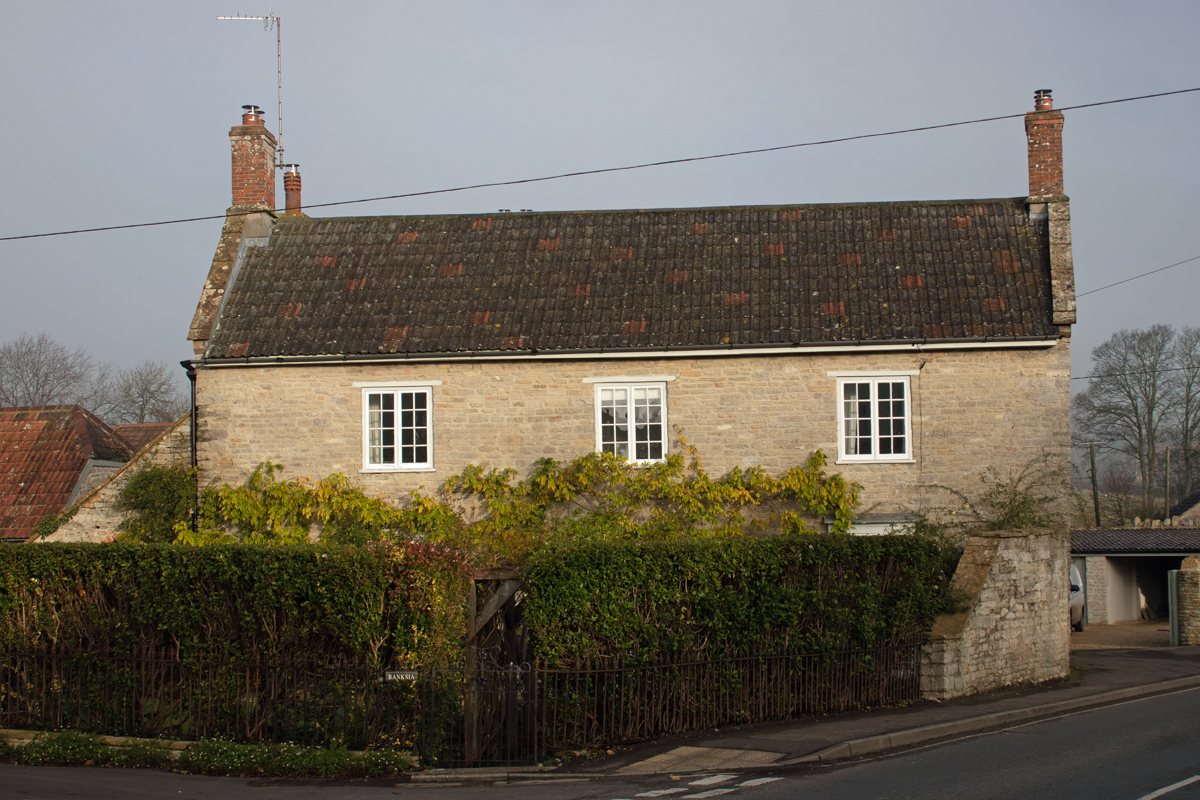
The houses in the village are all local stone, and while some are from the early 2000s, they fit in almost seamlessly with the old structures around them.
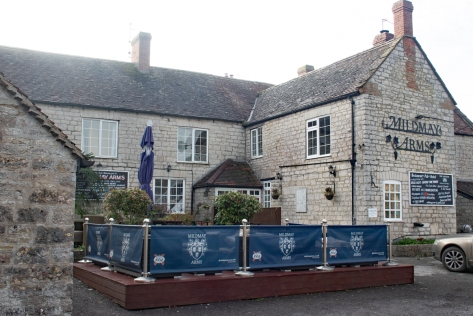
The Mildmay Arms is the village pub; again, it is reminiscent of a coaching inn, and was likely used as such at some point in its history.
Queen Camel has an undoubted village feel; with a population of less than 1000 people, there is a definite sense of community here.
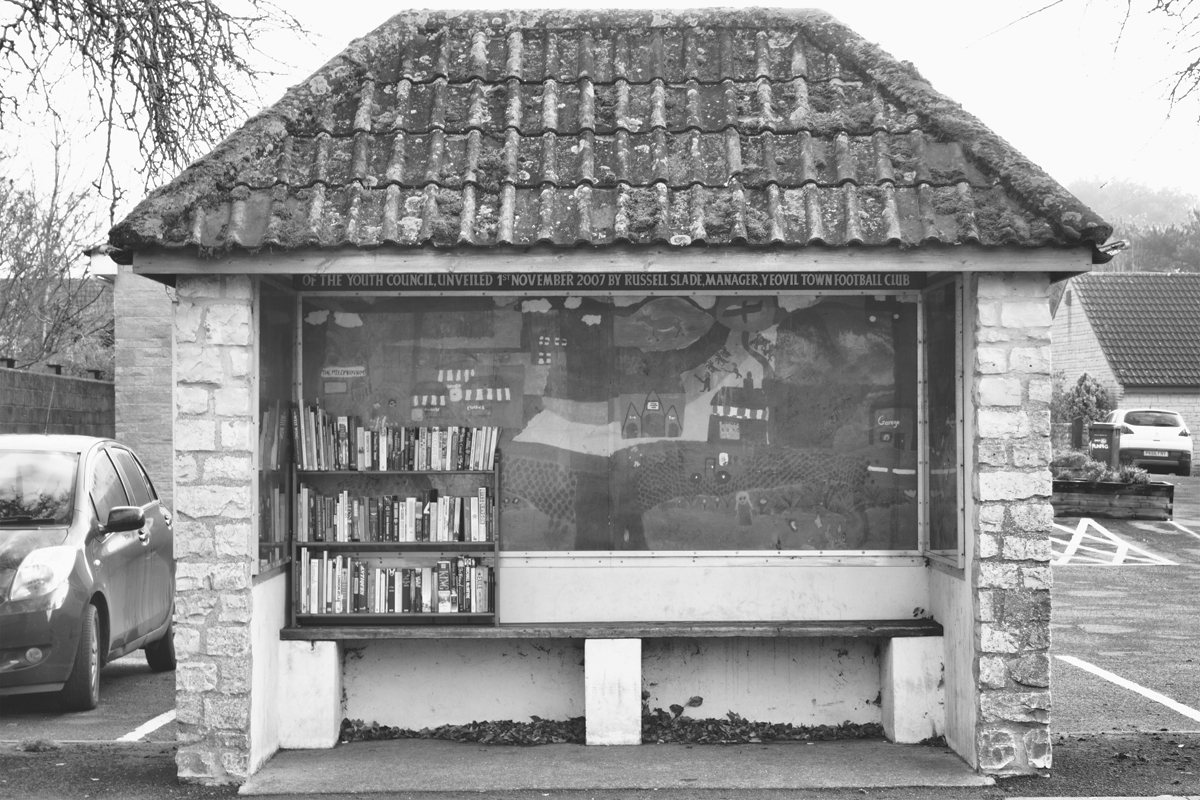
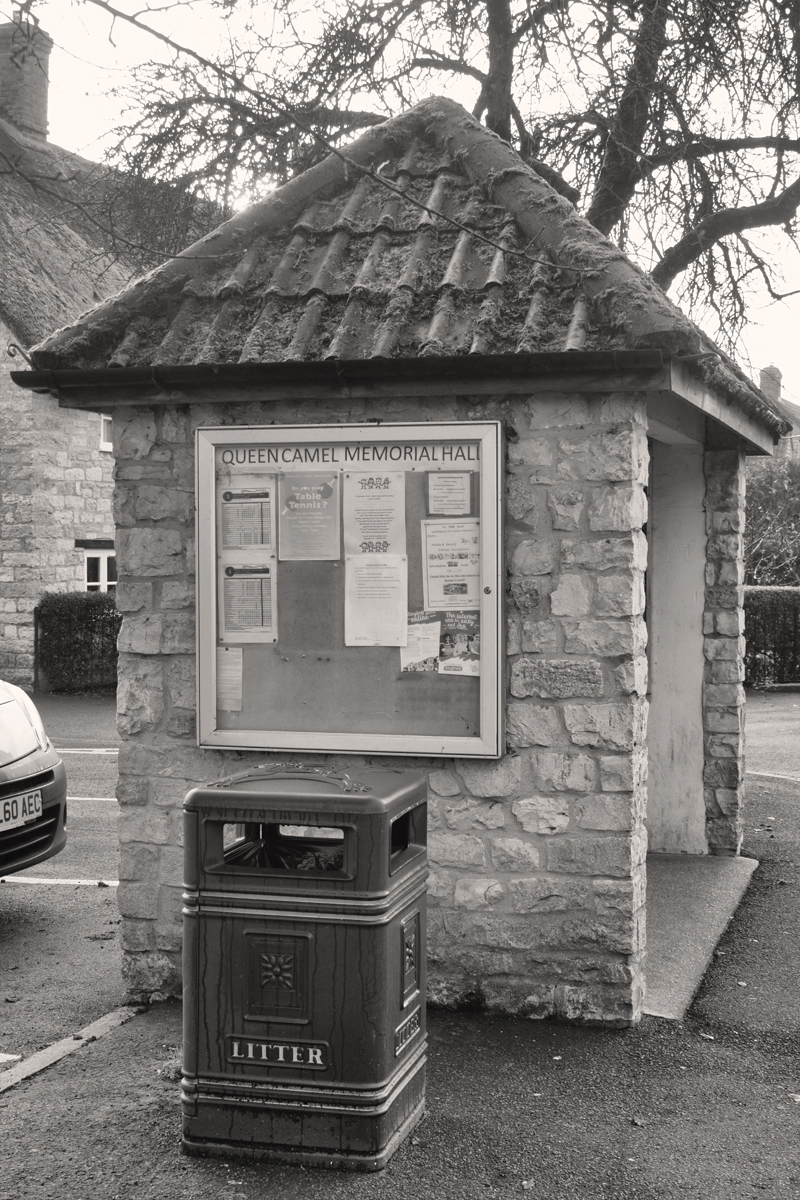
A former bus stop – standing outside the Memorial Hall – now houses a mural dedicated to the village’s history, as well as a book swap station.
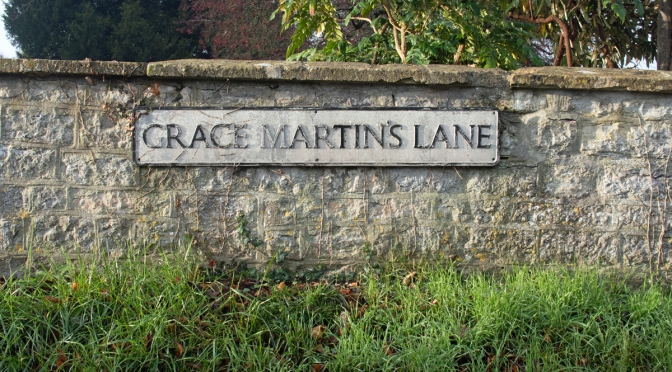
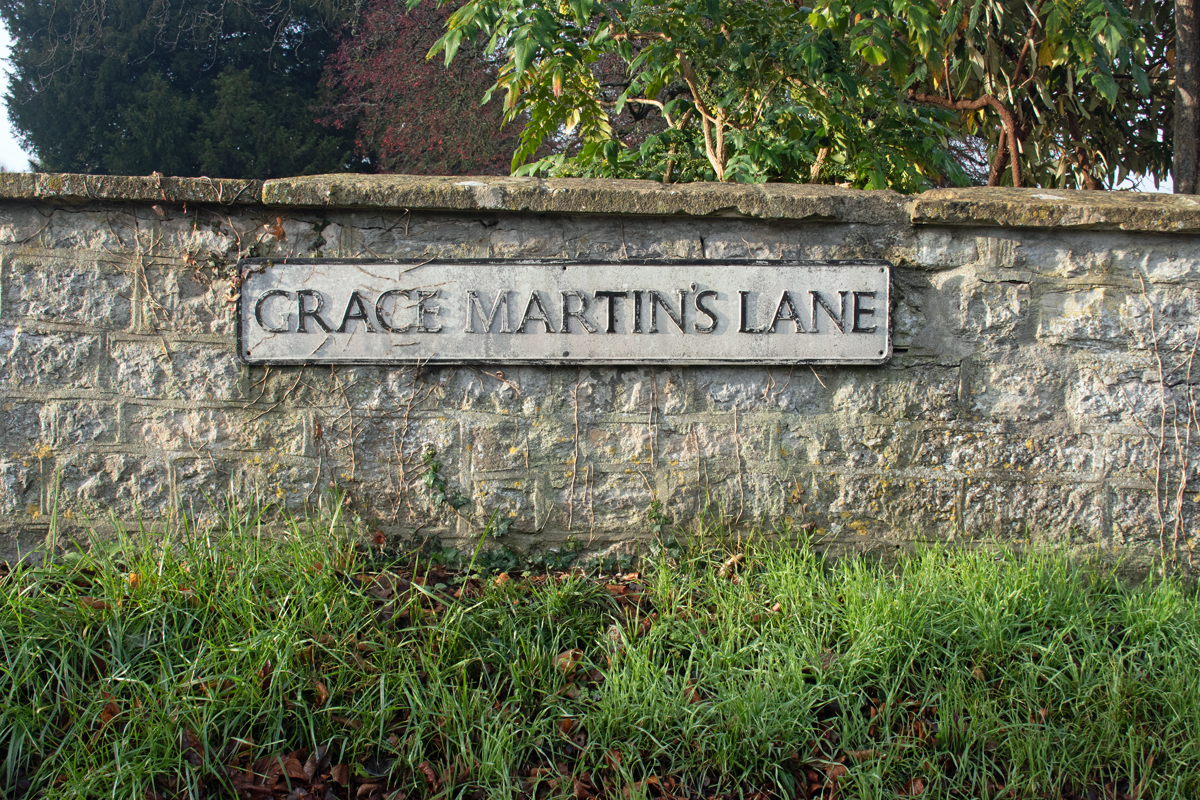
There is a lane in Queen Camel that is dedicated to a Grace Martin; I have not been able to find out much about her. There is someone by that name – the daughter of John and Judith Martin – baptised in St Barnabas’ Church in July 1744. Beyond that she remains a mystery.
Despite its location, Queen Camel is a peaceful place to visit; a lovely addition to the Somerset A to Z.























 CKPonderingsToo