With everything else that has been going on in the world, it’s taken a while to get there, but here is the complete list of alphabetical Somerset villages posts. What started out in August 2020 as something of a lockdown photographic project, helping me explore parts of my new home county that I might normally bypass, became much more than just something to challenge my satnav.
Twenty six villages, each with their own individual personalities and traits. Each came into being in different ways, for different reasons, but each brings something different to the county, adding different stories to the county’s history.
(The previously mentioned disclaimers apply to the alphabetical journey. There are no villages in Somerset beginning with a J or a V, so K and W are doubled up. Zeals is technically not in Somerset, but is within a few hundred yards of the border, so I have taken the liberty of including it in the list, as there are no other places in the county starting with that letter.)
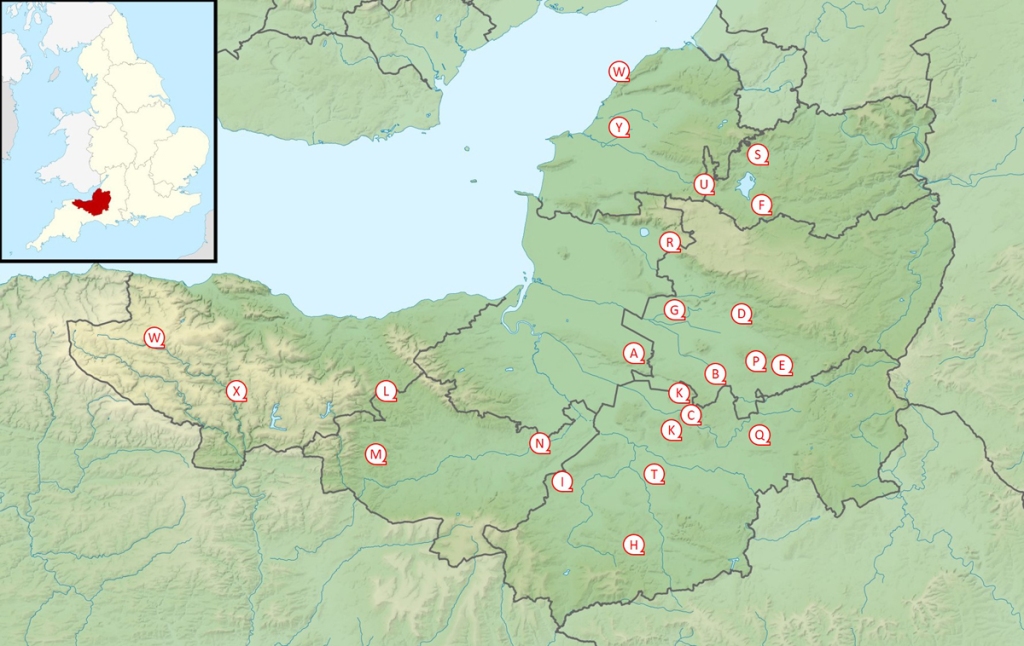
In the north west corner of Somerset lies the village of Yatton. Sandwiched between Clevedon in the north, Weston-super-Mare in the west and Bristol Airport in the east, this is a village of two halves. The older, quainter part of the village vies with an expanding new part, stretching out towards the station and beyond.
Like our previous villages of Ashcott and Othery, Yatton sits on a busy road heading towards the coast and, like those other villages, this detracts dramatically from any picture-box charm that it may once have had.
Where the village’s name comes from is lost to time. There are a number of hypotheses; it may come from gatton meaning the village on the track in Old English (which may relate to the limestone pathway to nearby Cadbury Hill); or eaton, which translates as the settlement on the river (the River Yeo meanders close by). The Domesday Book records it as Jatune, but since at least the reign of Elizabeth I, the name of Yatton has stuck.
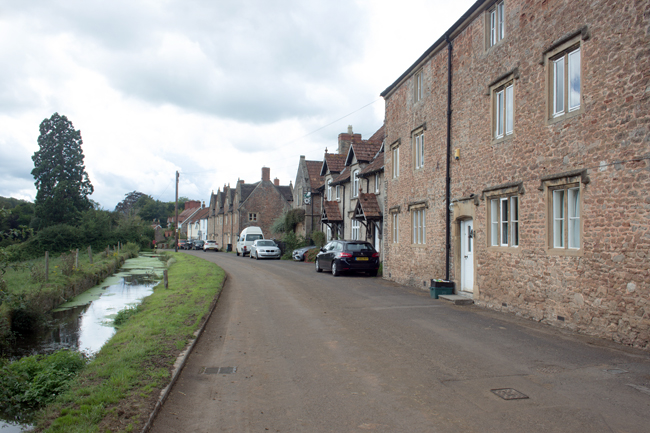
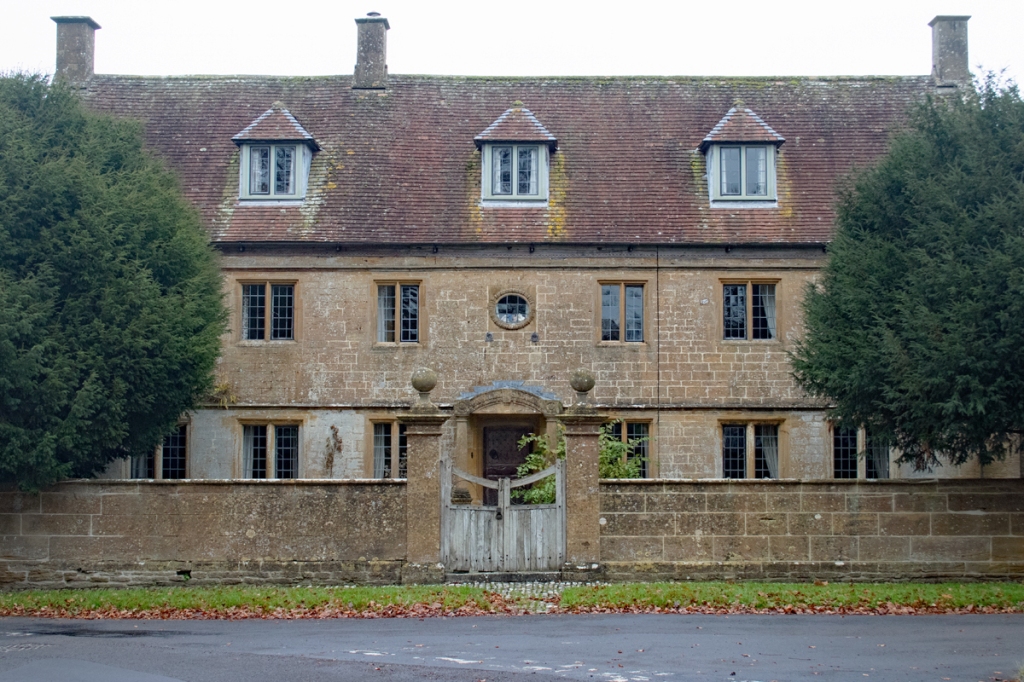
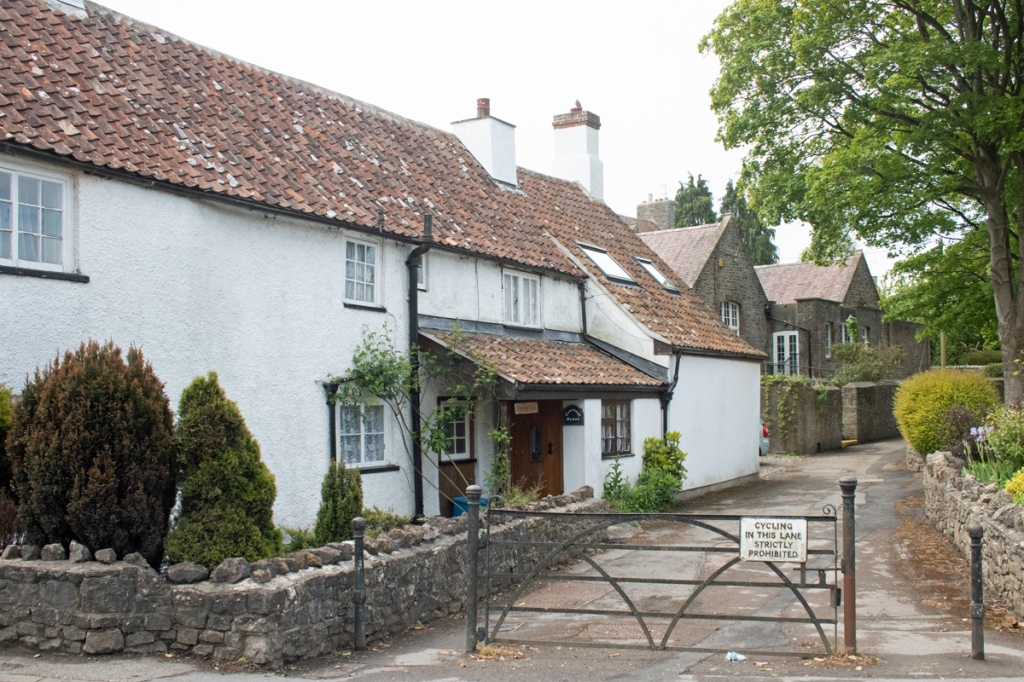
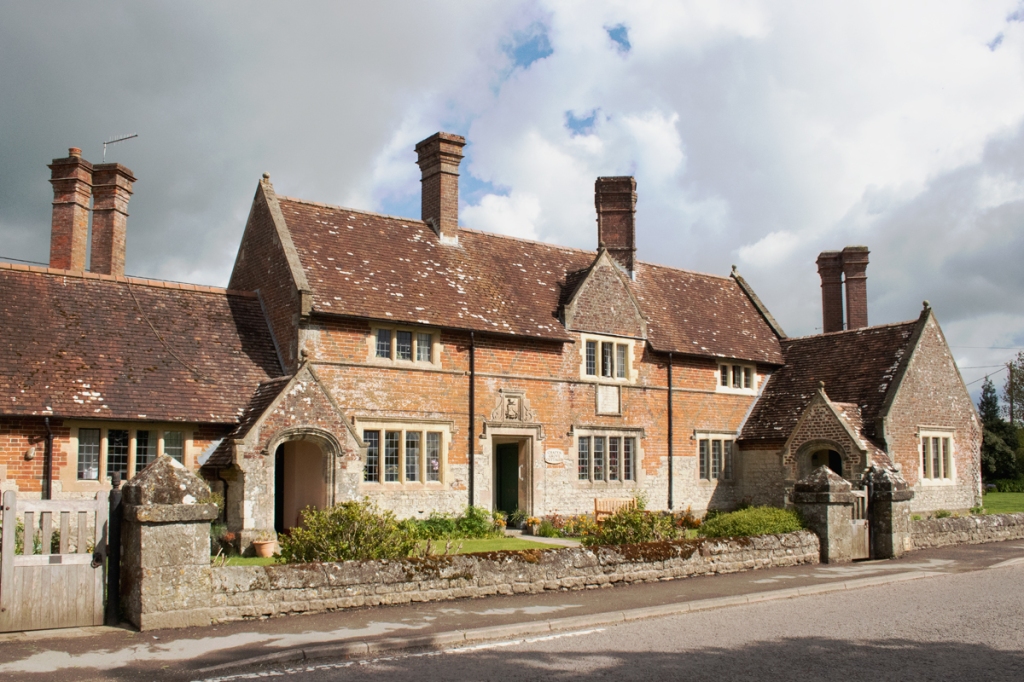
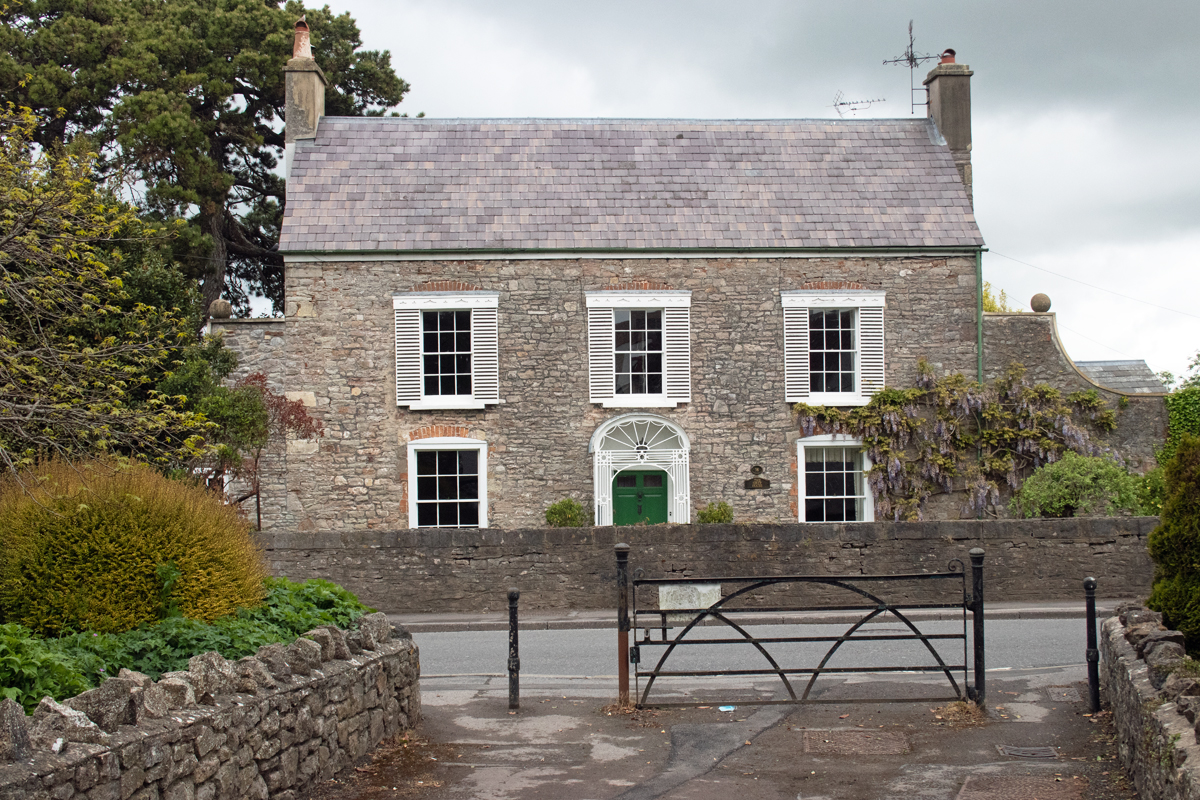
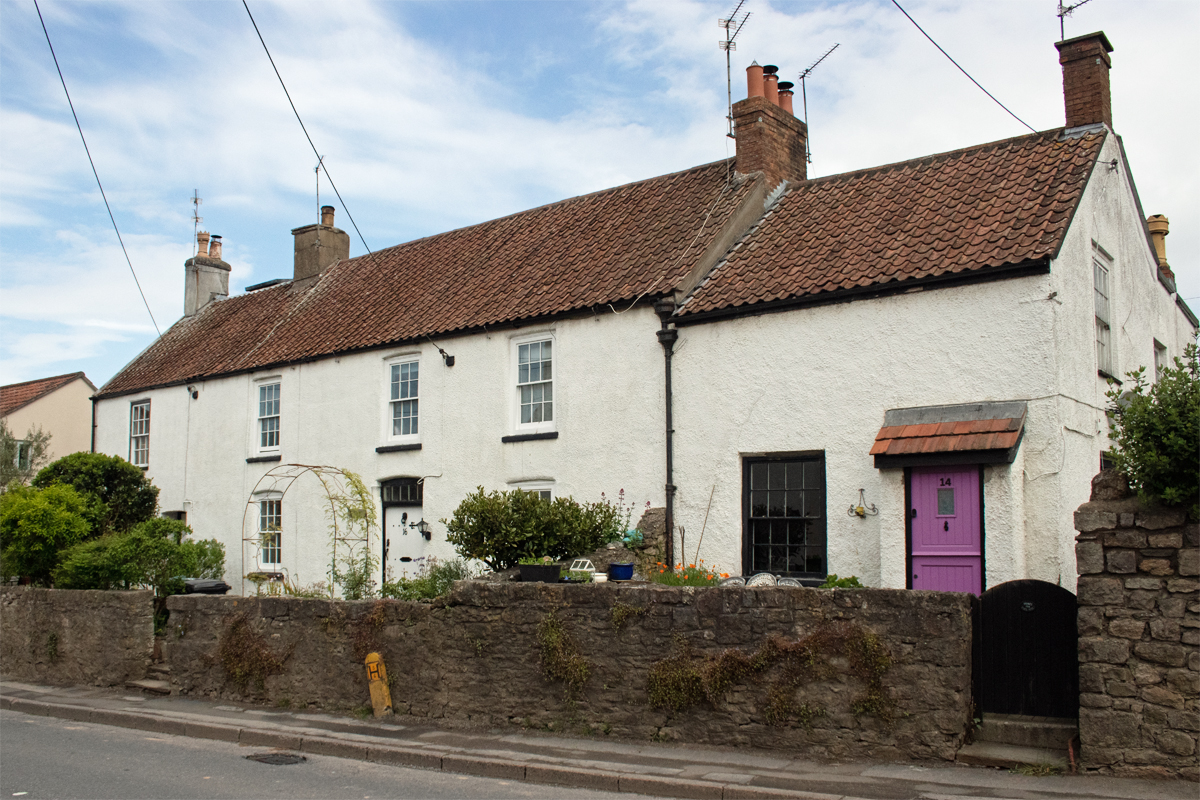
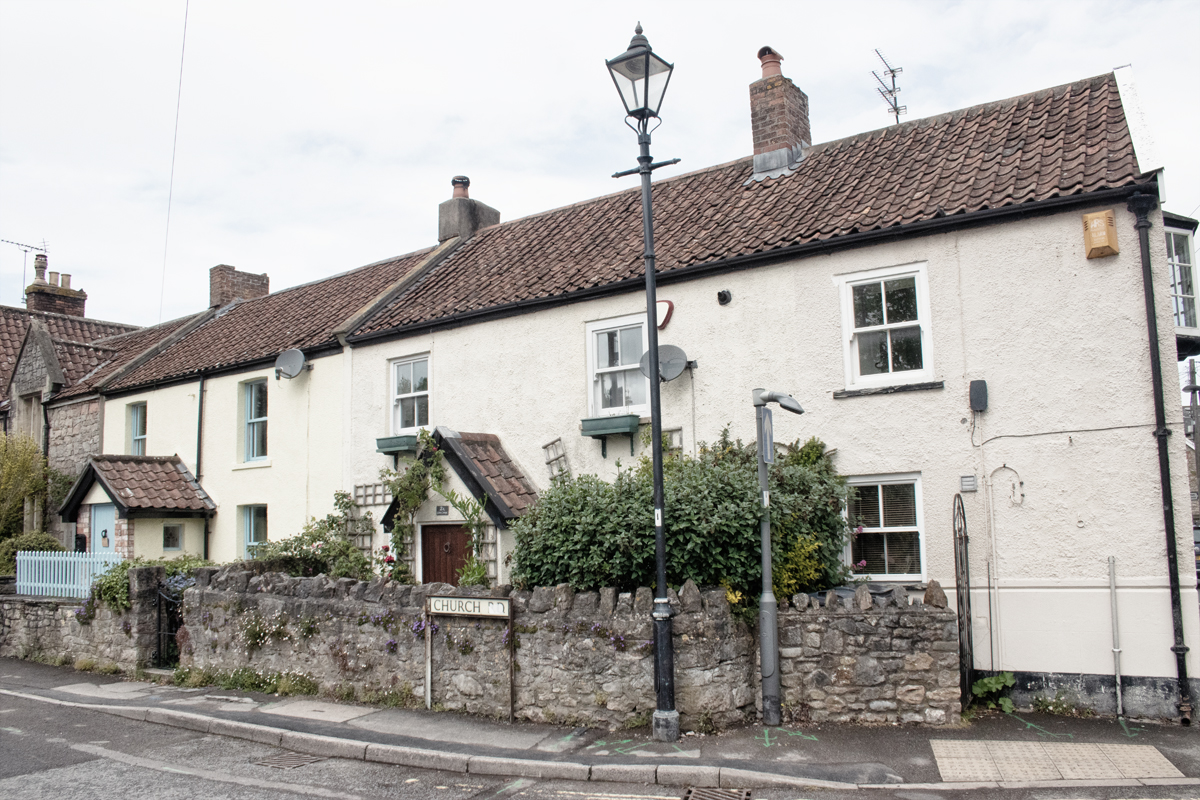
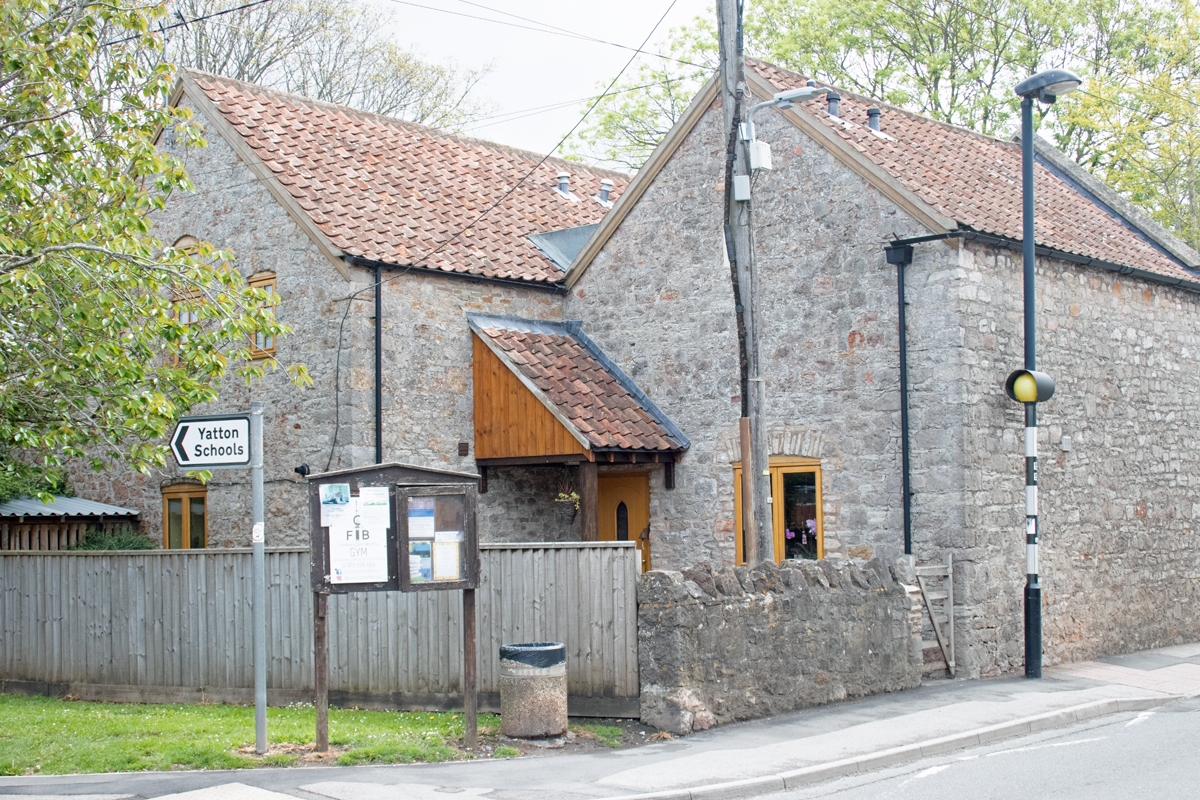
The old part of the village is typical of other places in the area; solid, stone-built cottages, originally doubling up as work premises and homes. There is a central green, along the main road, with a pathway leading to the church of St Mary’s.
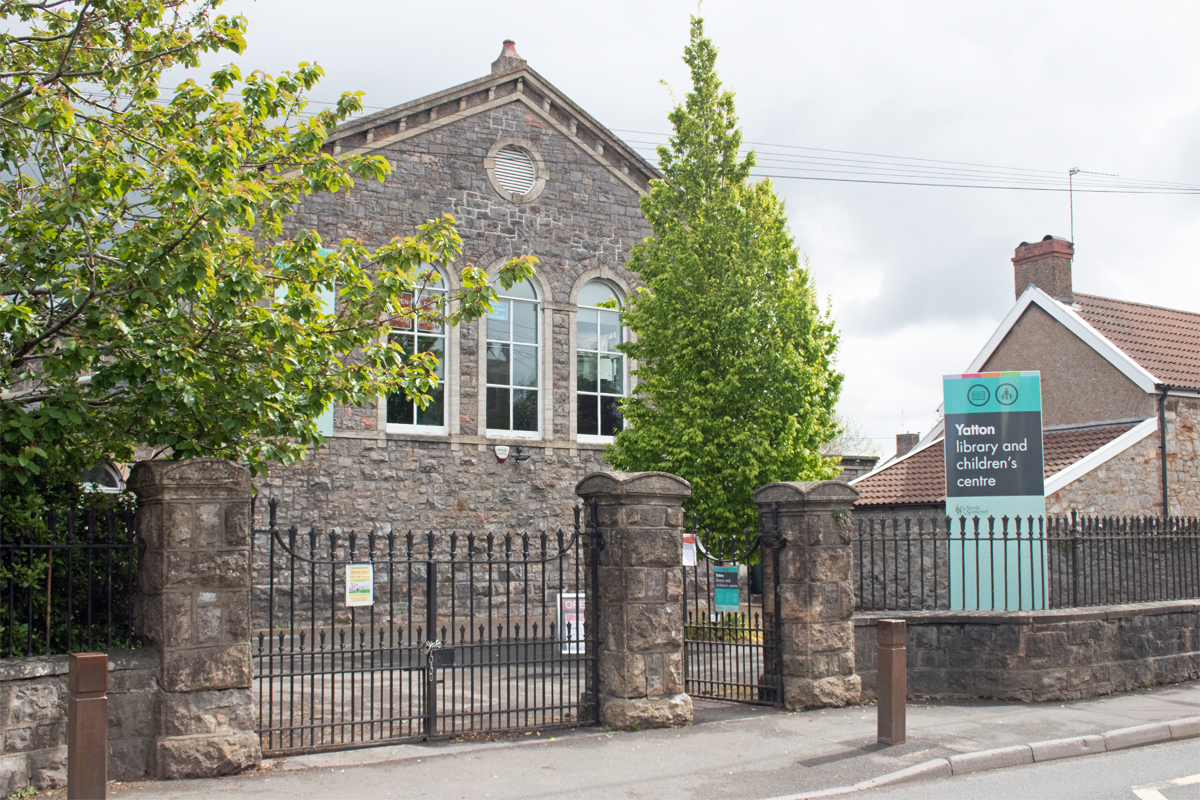
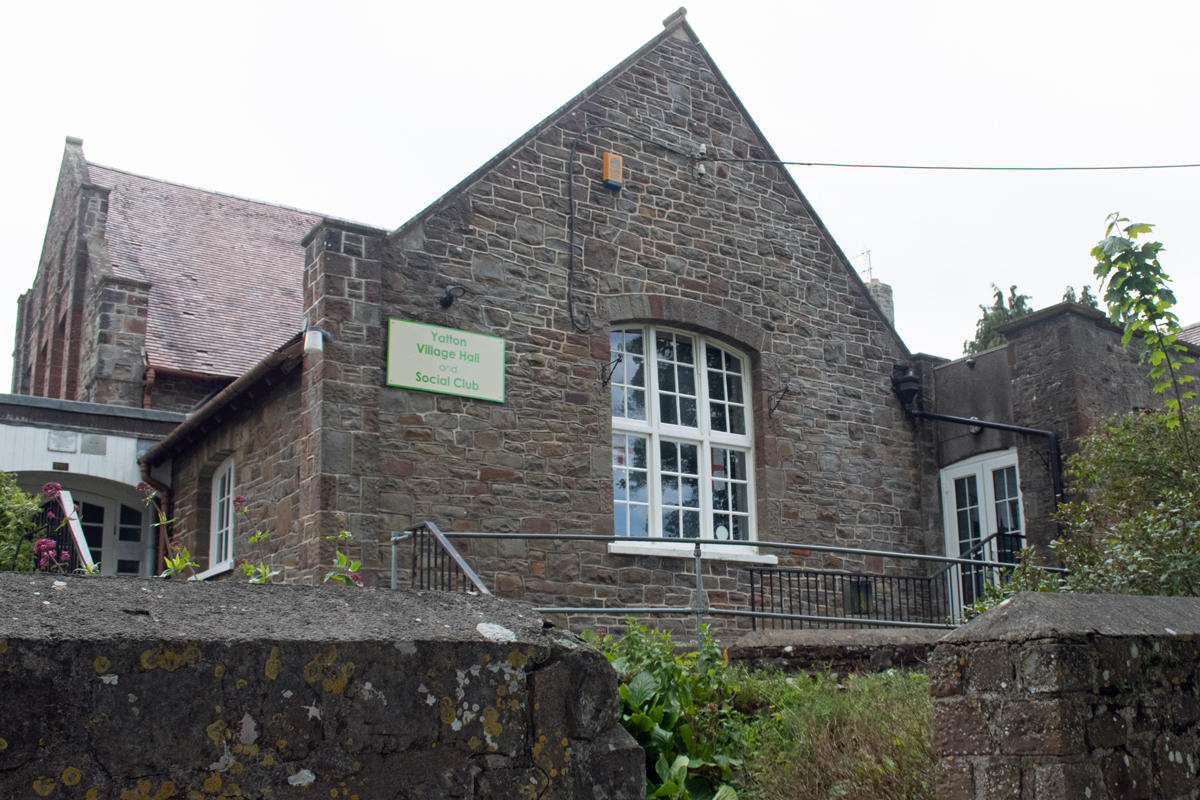
Yatton possesses the expected buildings of a village hall and public house that mark it as a village. The local library-cum-children’s centre was once the village school, but this has moved on, as much as anything, to accommodate the growing number of children.
The 1840s saw the start of a big change to the once-quiet village. The Bristol & Exeter Railway opened, and Yatton gained a station. This gave ready access to Bristol and Weston-super-Mare, and their 20 minute journey time made Yatton ideal commuter territory.
Never a small place, the population nevertheless exploded, and the village more than tripled in size between 1810 and 1910. Today, the population stands at 7,500, more than enough to make Yatton a small town, rather than a large village.
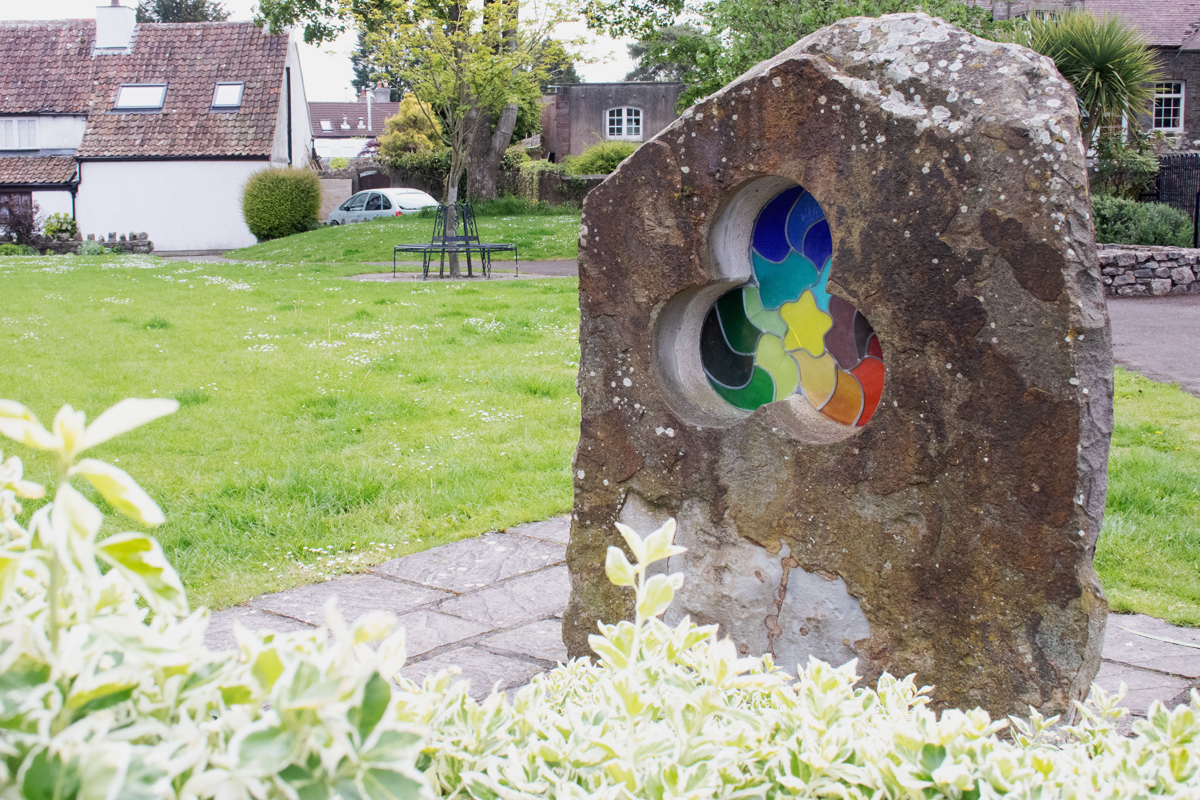
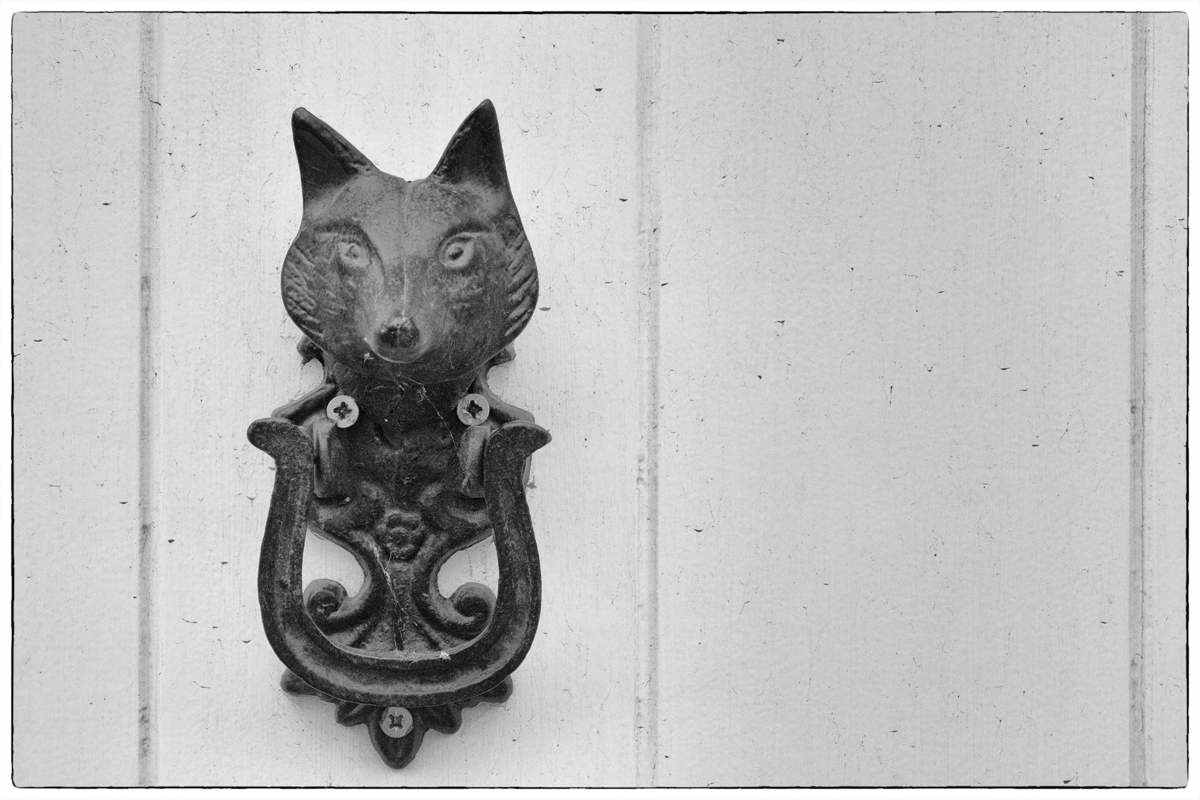
Nonetheless, the heart of Yatton retains a community feel, even if this may seem overlooked by the majority. The 2020 pandemic may have strengthened this, but if you look past the twentieth century expansion, there are welcoming nods to people looking out for one another.
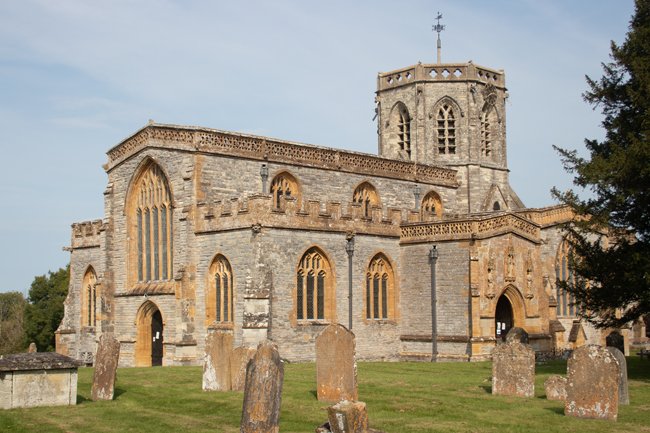
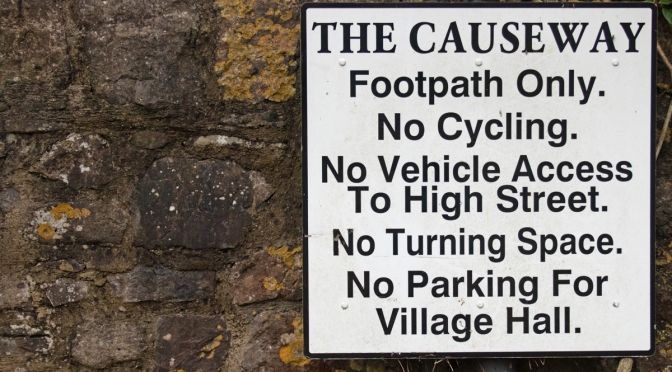
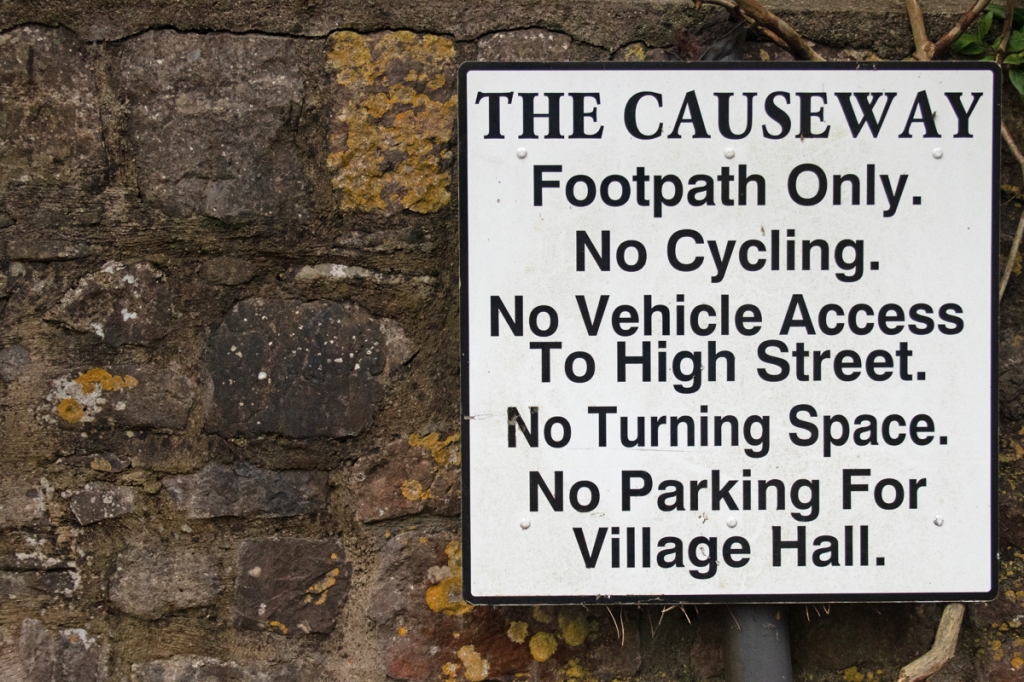
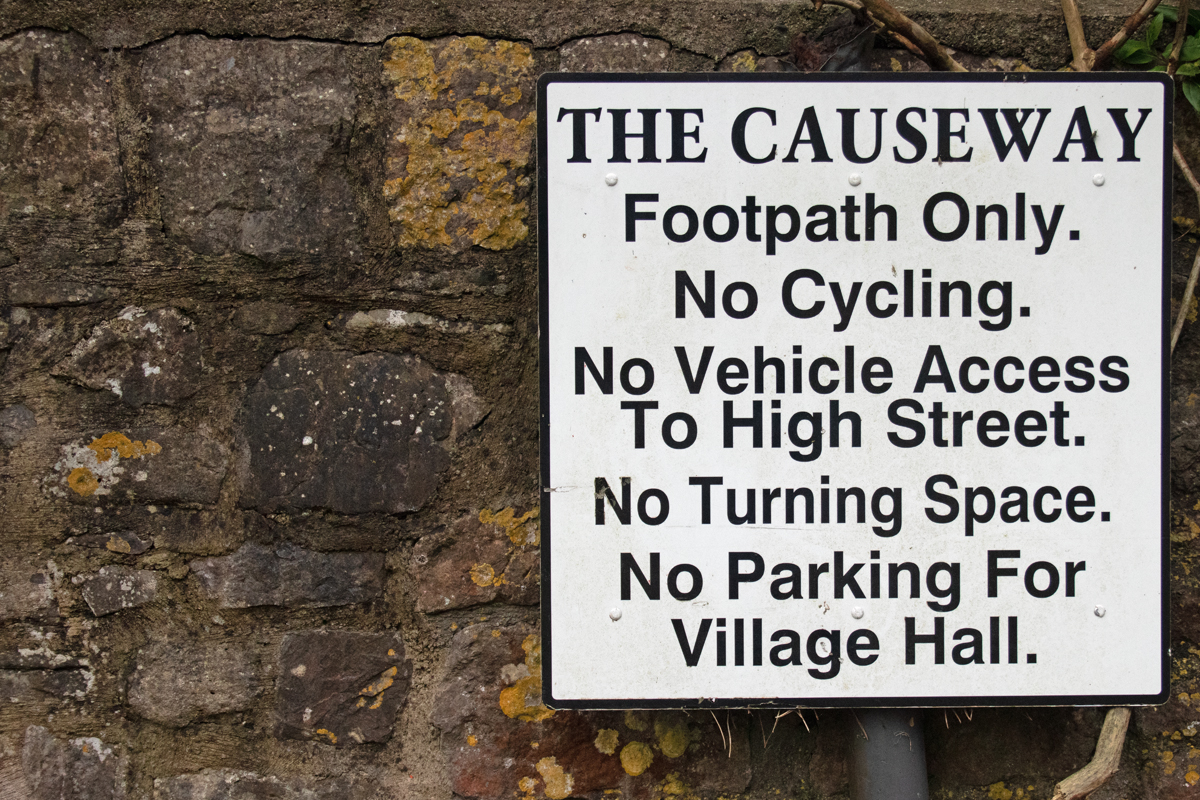
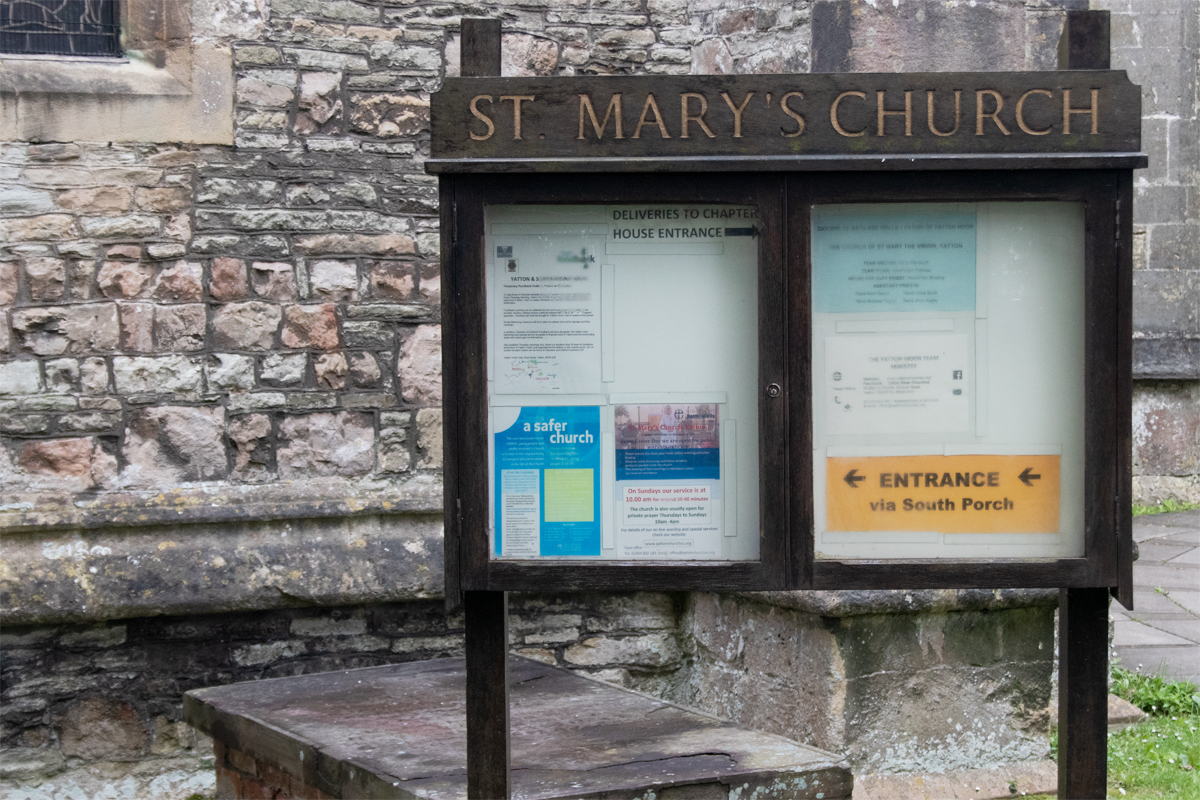
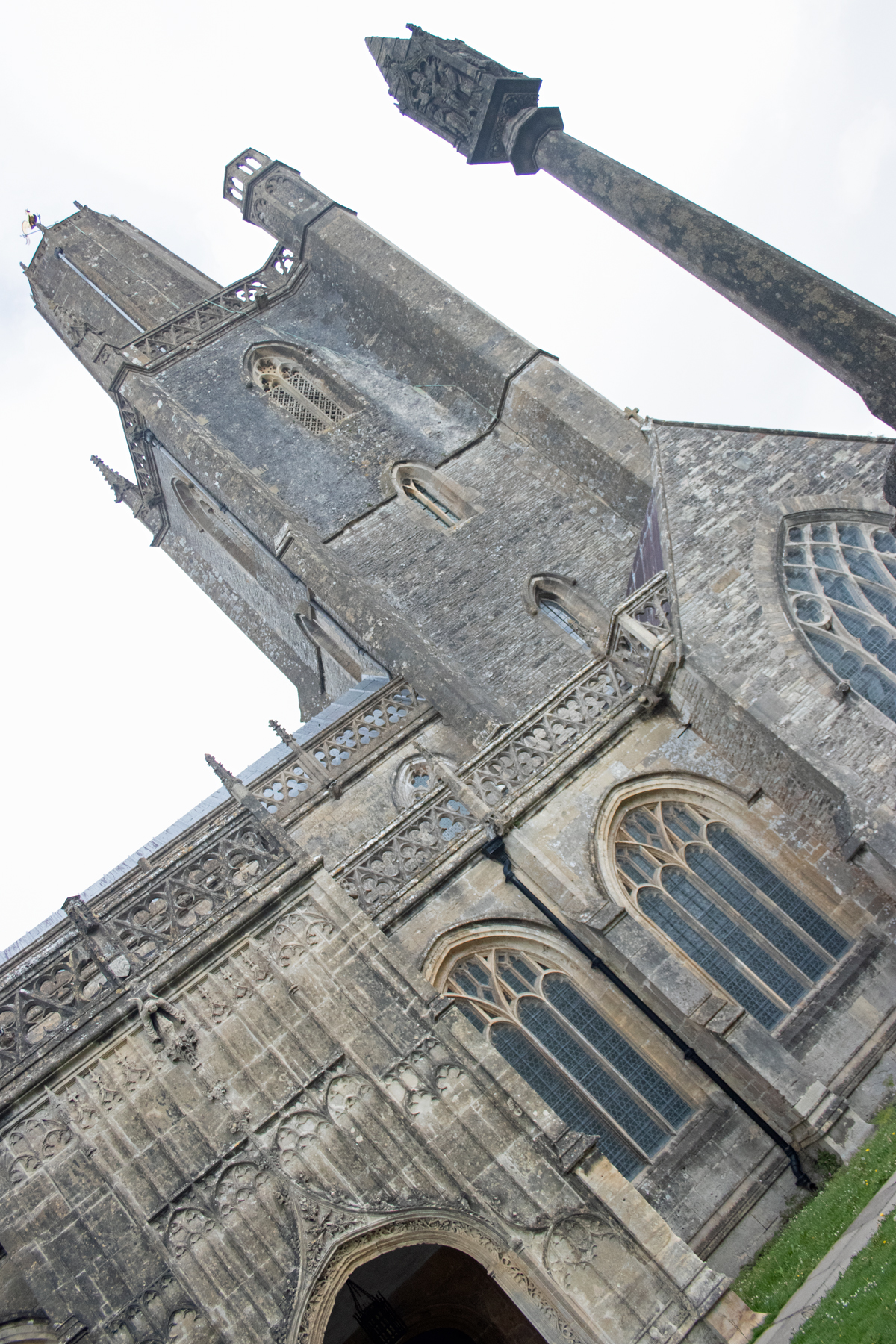
St Mary’s Church stands almost aloof from the hubbub of the main road. Next to the Rectory, at the end of a now-pedestrianised causeway that leads from the Village Hall, there is a second green, a quiet place to pause and reflect.
Turn your face away from the green, and you are confronted by the Cathedral of the Moors. The Grade I listed church oversees the religious instruction of the villagers, and is large when you compare it to the size of Yatton itself.
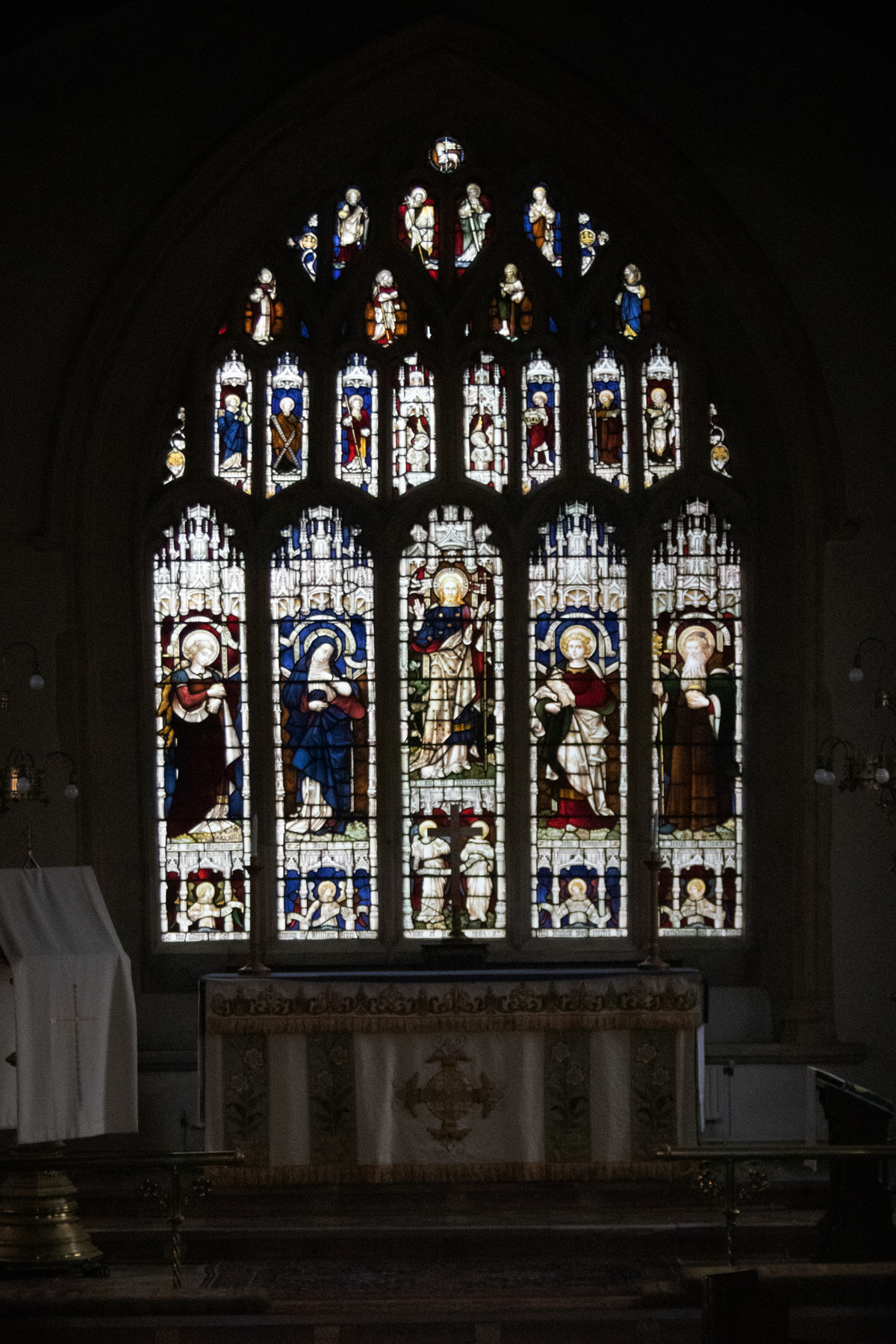
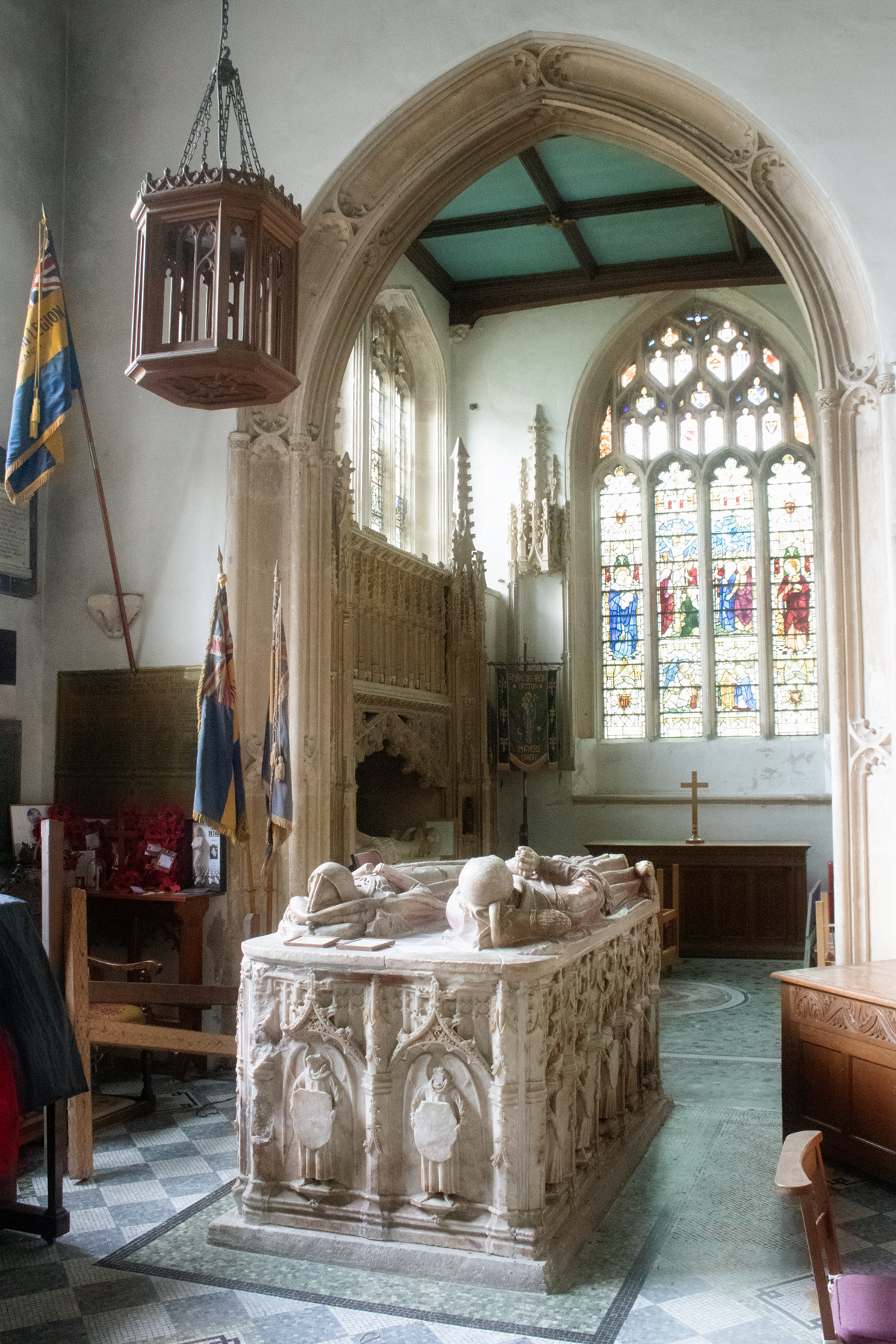
As you would expect, inside you will find peace and tranquillity, but also a sense that money built the place, and those with the money wanted villagers to know it. The stained glass windows are adorned with the coats of arms of the local lords of the manor, and a large monument to one of those lies as a focal point to one of the chapels.
This was a church built to be seen; from nearby Cadbury Hill, it is the largest structure to be seen on this side of the Bristol Channel.
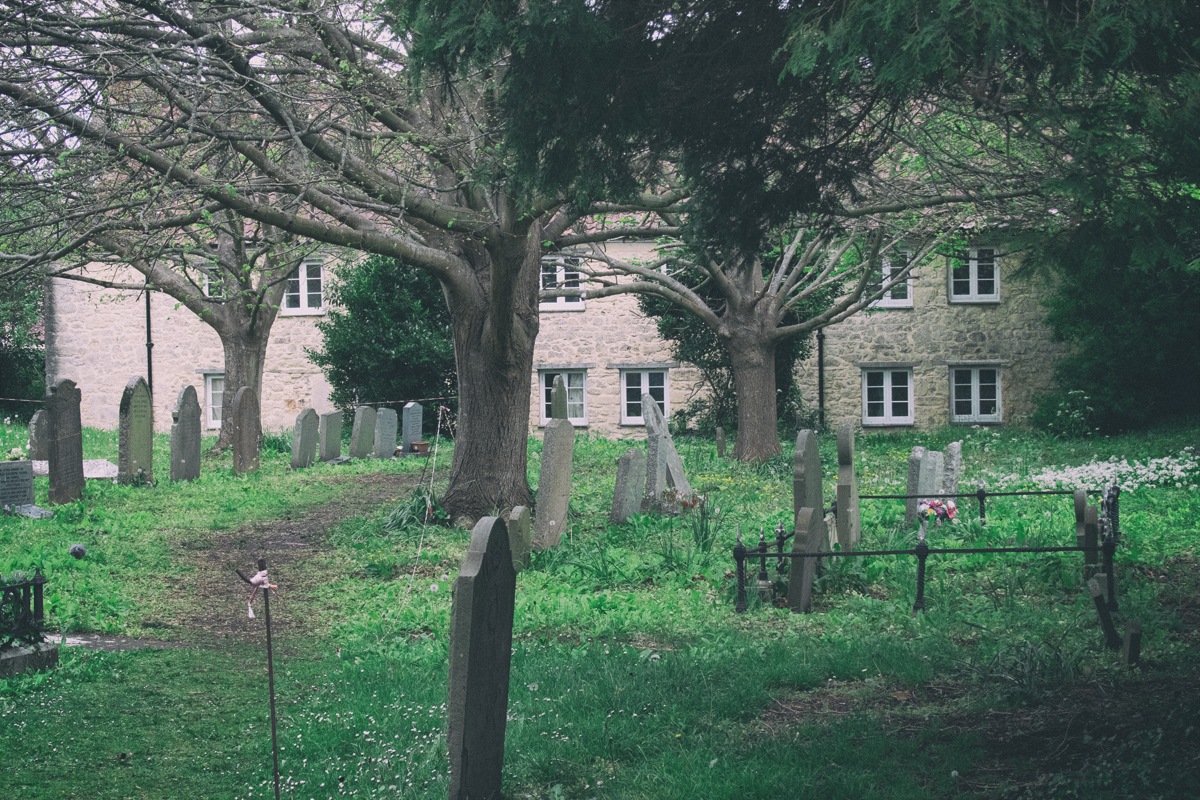
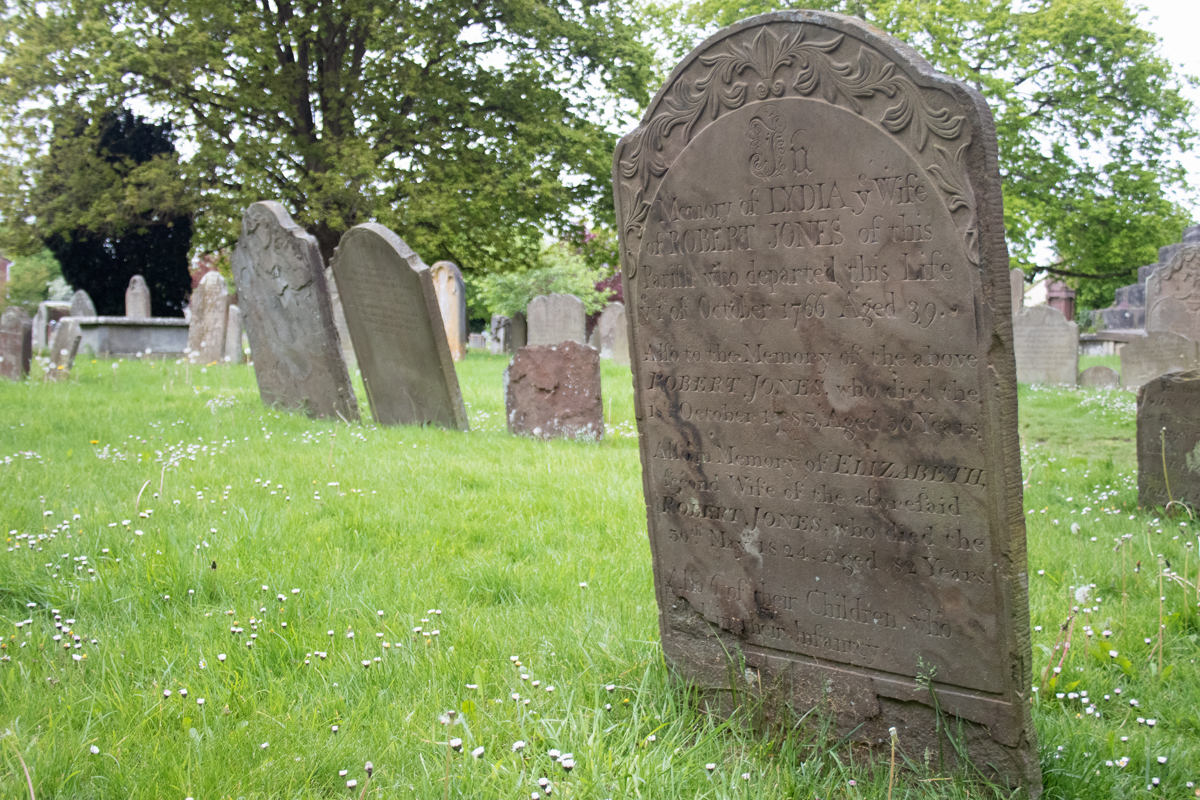
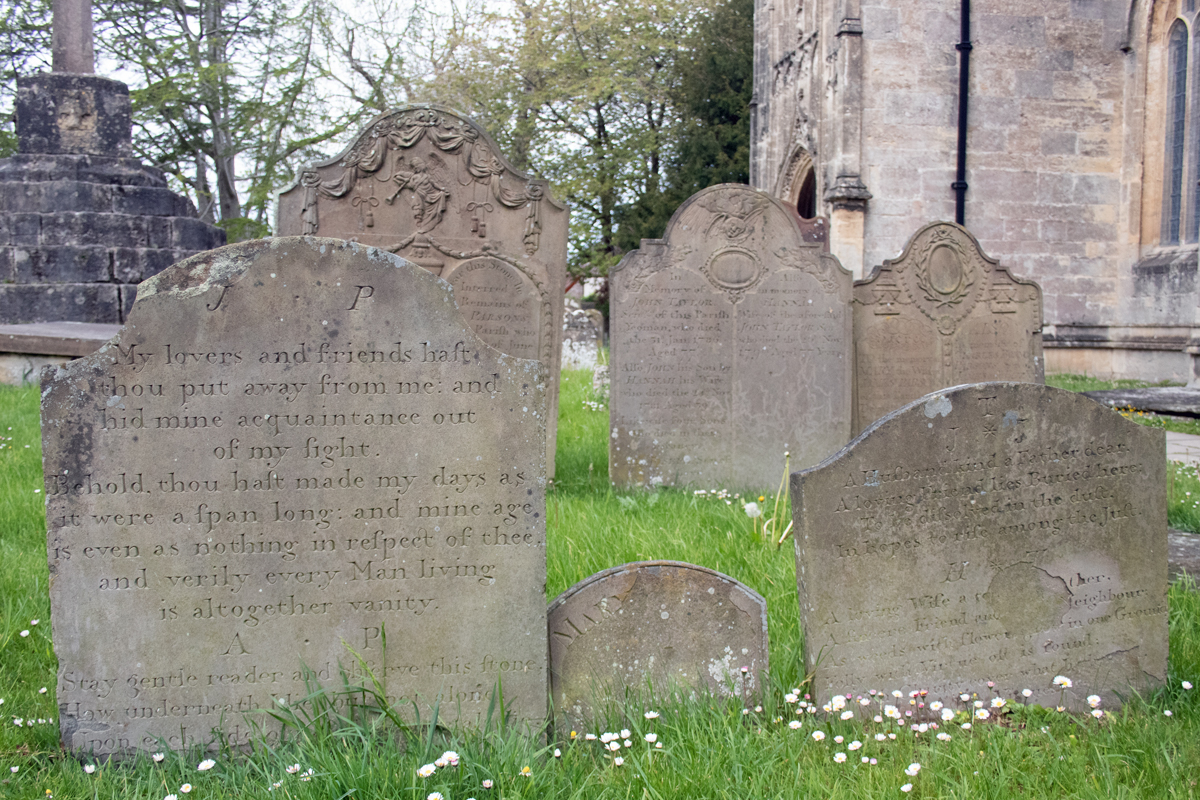
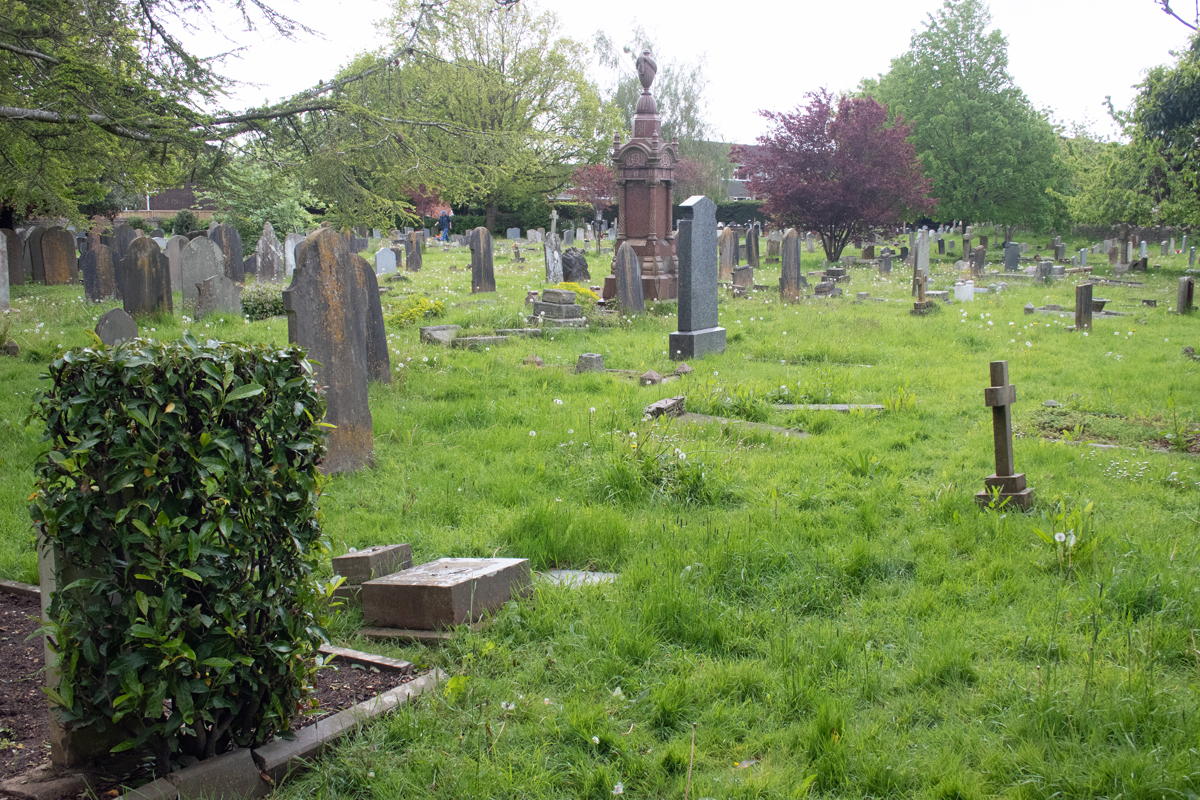
The large graveyard surrounding the St Mary’s is, as you would expect, a place of reflection. The ornately scripted headstones underline the wealth of the families in the area from centuries ago. The sense of peace, however, is detracted somewhat by the expanse of Yatton; while smaller villages might welcome people to wander through the stones, here, sadly, the graveyard acts as a cut through from housing estate to bus stop and railway station.
There is no escaping from the fact that Yatton is not your typical country village. It might be a large, bustling place, but there is a general sense that that bustle is happening elsewhere. The heart of the village appears readily overlooked – people wander past the old stone houses on their way to somewhere else, faces buried in their phones, ignoring the history all around them.
And this is what saddens me about the place. You can sense an intention to retain a community feel, but you can also sense that this is a desperate, last-ditched attempt, and that, for Yatton at least, the opportunity may already be lost.






















 CKPonderingsToo