Category Archives: Architecture

A-Z of Somerset: Part 2

My recap of the villages of Somerset continues… Click on the links to read the full posts…


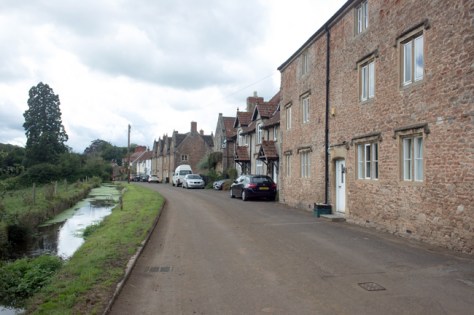
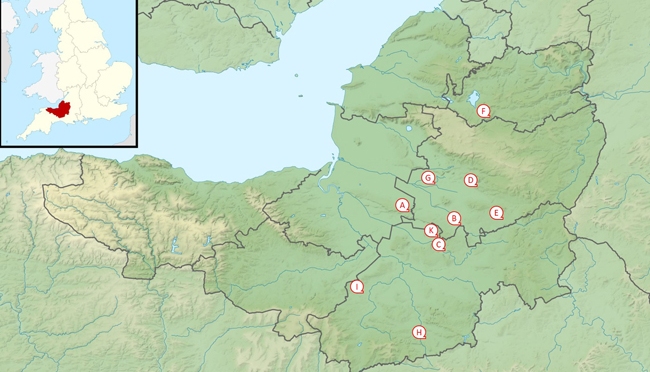
F is for Farrington Gurney.

Not an Edwardian detective, but a 12th century village in the north of the county.


G is for Godney.

When one village just won’t do, why not have three?


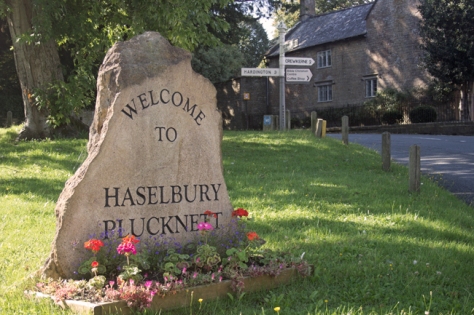
H is for Haselbury Plucknett.

Detective Gurney has to have a nemesis, so strike forth, sir!


I is for Isle Abbots.

A river names Isle, and countryside perfection.


K is for Kingweston.

There are no Js in Somerset, so, instead, the first of two villages beginning with a K.


Next week, it’s K (Mk II) to O…

A-Z of Somerset: Part 1

Lockdown 2021 has given a bit of an enforced break on my photographic journey around the villages of Somerset, so I thought it might be good to have a bit of a catch up of the places I have visited so far.

Over the next four Sundays, therefore, I will be having a bit of a recap.

Today, we look at A to E. (Click on the links to see the original posts.)


A is for Ashcott.

On the A39 between Wells and Bridgwater, Aschott sits on a hill overlooking the Somerset Moors around Shapwick.


B is for Baltonsborough.

Nestled on the moors to the south west of Shepton Mallet, the village is a prime place to view Glastonbury Tor.


C is for Charlton Mackrell.

A big house and a close neighbour, Charlton Mackrell is a quiet haven in the countryside.


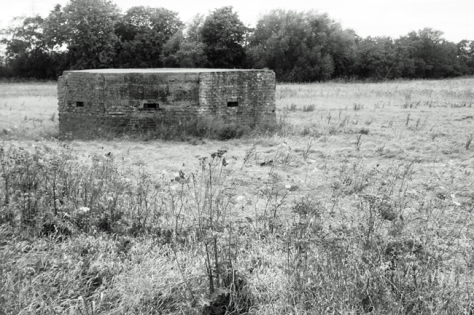
D is for Dinder.

Quiet and unassuming, Dinder has a hidden secret, designed to protect the nearby city cathedral city.


E is for Evercreech.

A small village, home to a social drinker’s wily scheme…


Next week, villages F to J (ish)…

Confusion

Information was coming at her from all sides.

Conflicting, confusing information that was leaving her in no clearer position to make a decision. Turn left, turn right, do this, do that, fake news, real news, the truth, lies. How was she supposed to know what was right and what was wrong?

Friends were telling her one thing, family another and colleagues a third.

Bury your head, she thought. Keep a low profile and avoid the constant barrage of details, choices, confusions…


Unique

“You are unique, but you are part of a collective.” The message was clear.

Individuality was gone, uniformity was key. But within her uniformity, she knew she was individual. This wasn’t 1984, for Pete’s sake…

She had to keep hold of her individuality. She had to maintain the essence of ‘her’. She didn’t want to stand out, didn’t want to be obvious, didn’t want to run the risk of being separate, ostracised.

So how to keep a collective mentality while retaining an individual perspective? How to be part of the whole while remaining true to herself?

You are unique, but you are part of a collective.

Stile

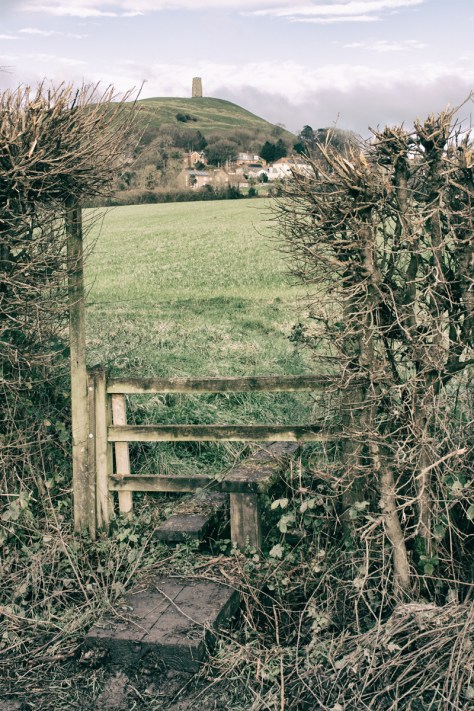
The path ahead was clear, there was just one hurdle to cross and their destination would be within spitting distance.

A couple of steps, two up and two down, would lead them into the field and they would be away.

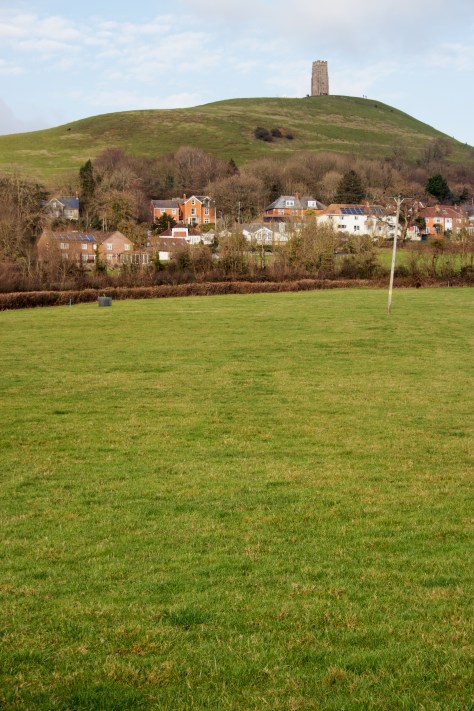
The hill looked ominous ahead of them, it was almost a mirage, they felt that, no matter how long they kept walking towards it, it would never be within reach.

But they also knew that they had to try, had to keep on going.

Just two steps up, and two steps down…


Follow The Leader

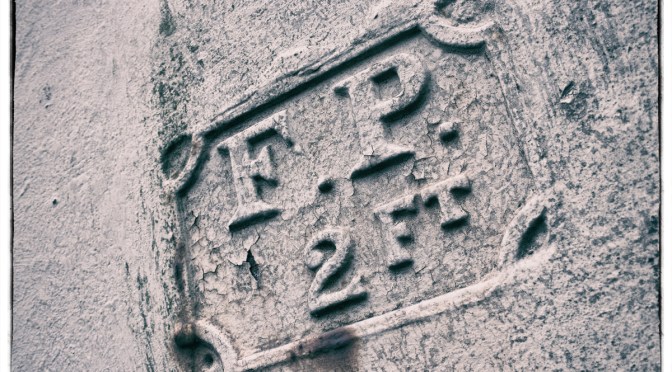
The first sign they came to was halfway up the wall, buried beneath years of paint.

It was Victorian, as old as the house into which it was embedded; a memory of a time when it meant something to take time, effort and pride to make signage. Signage that was there for one reason and one alone. Nobody would normally look for it; most wouldn’t even see it.

But there it sat, bold as cast iron, giving information to the world and no-one.


Further on, another sign pointed the way.

It was a different direction than the one they wanted to go in, but its instructions were clear, very clear.

There seemed no reason for the diversion, though. The road was empty in both directions, no hint of closure. But they were conscientious and set off in the direction the sign was pointing, unsure whether, in fact, that would get them to the destination they were hoping for.


A gate barred their way, a third sign informing them what lay beyond.

But was it an Abbey or was it a Farm? They had previously seen a sign for Street Road, which was muddling in itself, and this just added to their confusion.

Beyond the gate was a path, but they were on the outskirts of a town, and there was no farm in sight, let alone any building of religious significance.

Still they made their way on, hoping against hope that where they were heading, what they were doing, was right.


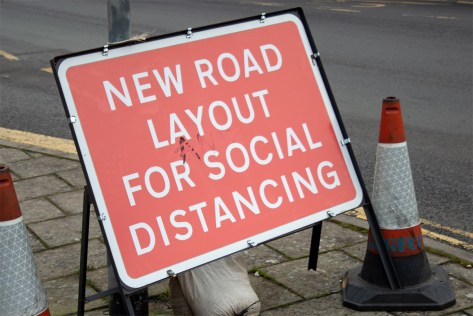
Another sign, and one whose message always seemed to cause chaos.

Social distancing was a new concept. Years had gone by and people had slowly but surely gotten used to being more tactile. Then things had changed, and distance became the new close.

New road layouts were always a hazard, particularly as the signs tended to stay in place long after new became old.

So they carried on, taking extra care and being overly vigilant, hoping that the end was in sight, metaphorically as well as geographically.

Crack’d

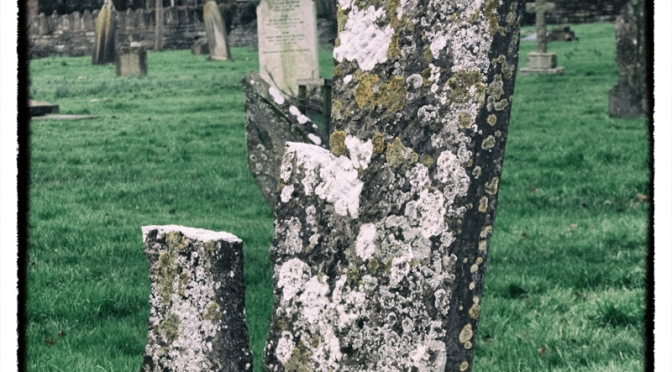
The stone had been like that for generations, from what he had been told. The chunk of granite had cracked from tip to base, that fateful night in 1874. Nothing else had been touched, no other graves affected, no other souls disturbed. Just this one stone.

The dedication had worn away decades before, the records lost to time. Nobody knew any more whose grave it was, nobody knew if their remains were still there. The rumour was that the devil himself had torn the stone asunder, ripping the body from the ground so that his own domain may remain unsullied.

Who could have been so evil that even the devil didn’t want them as his bedmate? What crimes must they have committed to anger Lucifer so?

And who came each month to lay flowers on the grave with no name?