Category Archives: Religion

9 in 45: 26th December 2020

HAPPY NEW YEAR!!!

I’m well overdue for another photographic wandering, so it’s time for another “9 in 45” shoot. I tied this in with a Boxing Day walk, dodging showers and working off some of those festive calories!

The idea of the project is to set out on a walk with a phone/stopwatch and your camera. Set your stopwatch for five minutes and start walking. When the five minutes is up, stop walking. You have a minute to compose and take a photograph. Set your stopwatch for another five minutes and start walking. When the time is up, stop and, within a minute take and compose your second photo. Keep going until you have walked for 45 minutes and have nine photos.

So, the nine photos…


26th December 2020 – 14:25

I freely admit that these photographs are not my finest work. I put it down to my general excitement of actually being out of the house!

Spring seems to be coming early this season – particularly given that we are only just past the Winter Solstice… Someone has forgotten to tell the daffodils, crocuses (or croci) and this forsythia…


26th December 2020 – 14:31

The worst photo of the bunch by far… This was a definite hit-and-run shot, and that shows in its blurriness. There were people walking towards me, and I didn’t want to offend the person whose front door this was!

Ahem… Moving on, then…


26th December 2020 – 14:37

I couldn’t take photos during the festive season without a nativity scene of some sort… I am not sure exactly what sort of nativity scene this is, though… Angel Gabriel looks a little misshapen…


26th December 2020 – 14:43

A bit further down the road, and the crest above the door to another of the churches in Glastonbury. The insignia is that of Richard Bere, a 16th century abbot from the nearby Abbey.


26th December 2020 – 14:49

It has been a particularly damp winter so far, with clear days interspersed with others of consistent rain or torrential downpours. Water, therefore, had to feature!


26th December 2020 – 14:54

Picture six, and something a bit more abstract. Walking along, my eye was initially caught by the lettering, but the discarded bottle top added a nice additional dimension to the shot.


26th December 2020 – 15:00

Glastonbury is not a large town, and the countryside is never too far away.

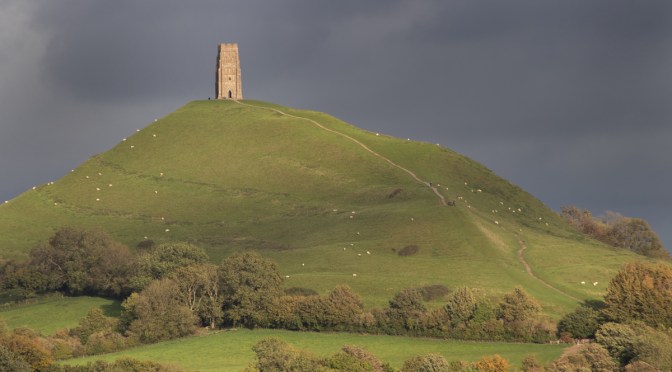
Walking along the main road, houses lie to one side, while Wearyall Hill is on the other. (Usually with a lot more sheep on it…)


26th December 2020 – 15:06

It was a drab Boxing Day, as I have alluded to, and, on a day when the light didn’t exactly help the photographer, a brown-leafed hedge seemed to sum up the possibilities available..


26th December 2020 – 15:12

Last of the nine photos, then, and another expanse of countryside. I am extremely lucky to live where I do, where are amenities are readily to hand, while nature and countryside are just a hop, skip and a jump away…


Click on the links below to see my previous 9-in-45 walks:

4th May 2020

4th April 2020

31st March 2020

14th September 2019

31st May 2019

15th May 2019

3rd May 2019

12th October 2016

My inspiration comes from the amazing Postcard Cafe. Check out his awesome “Take Nine Photos In Forty Five Minutes” collection by clicking the link.

Observation

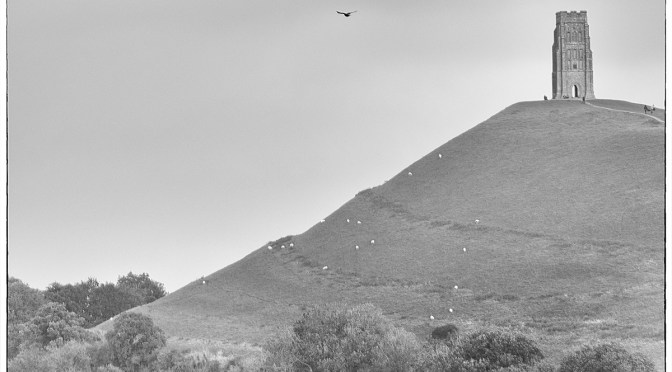
Viewing a situation from a different perspective is sometimes the only way to see the way forward.
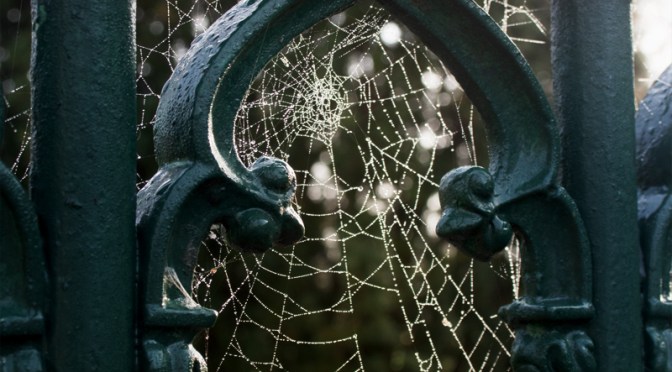
Reaching out for a new viewpoint, you can identify the solutions to problems and the route you should take.

Soar like an eagle, and get the bird’s eye view that you need.


History Repeating

We live our lives based on what went before; and this can lead to what we have done before happening again.

While your roots are important, you need to ensure that you don’t repeat the same mistakes again.

Take a step back, identify objectively what worked and what didn’t, and try a new approach.


A-Z of Somerset: Queen Camel

Q is for Queen Camel

Seven miles to the north of Yeovil, lies the unusually-named village of Queen Camel. While it sits on the main A359 road, this thoroughfare dog-legs through the village, so it avoids the speeding traffic of which Othery is a victim.

The name derives from the old English word cam, meaning ‘bare rim of hills’, a word shared by the river that runs through the village. The manor of Camel was given to the crown in the late 13th century, and the name was changed to Camel Regis (“King’s Camel”). Edward I gave the area to his wife, Eleanor, and so the name Queen Camel was born.


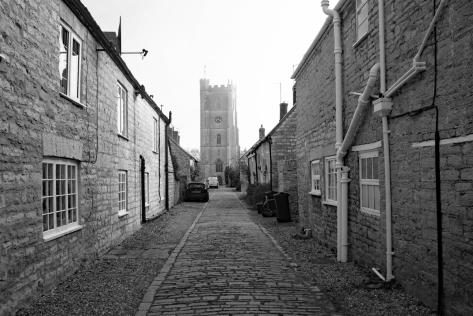
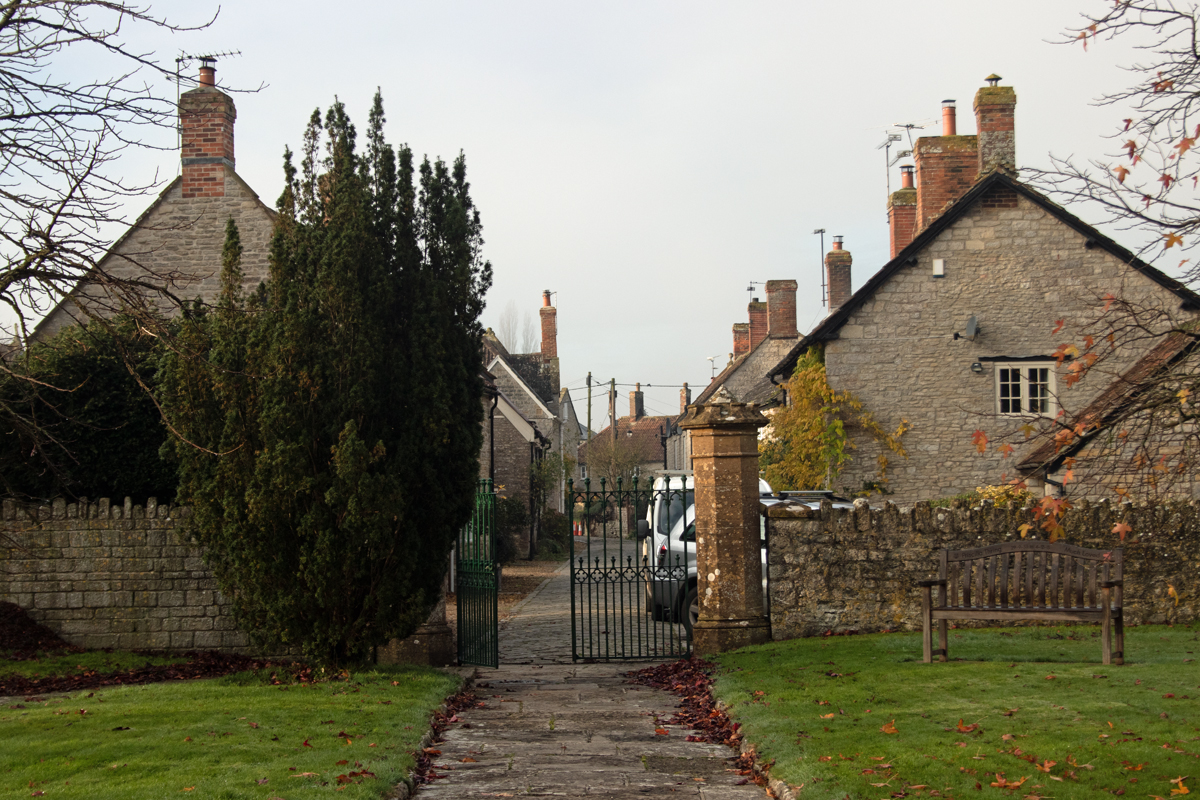
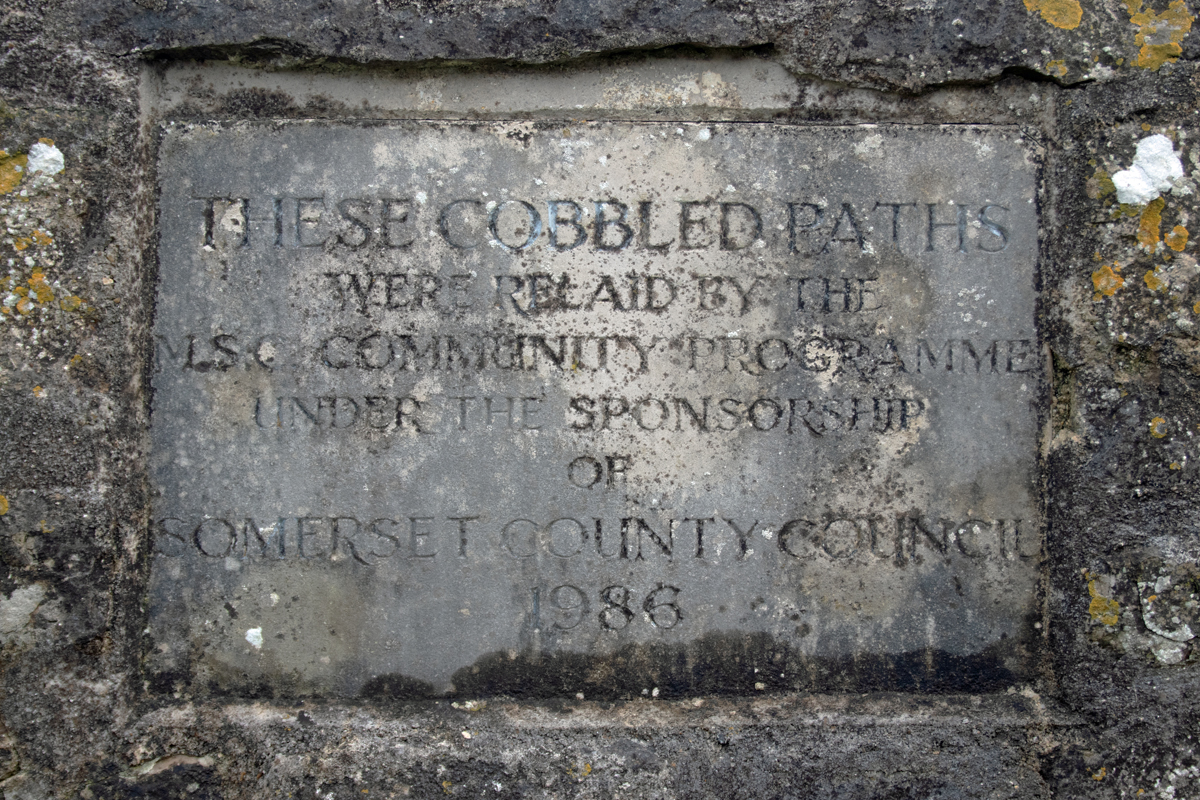
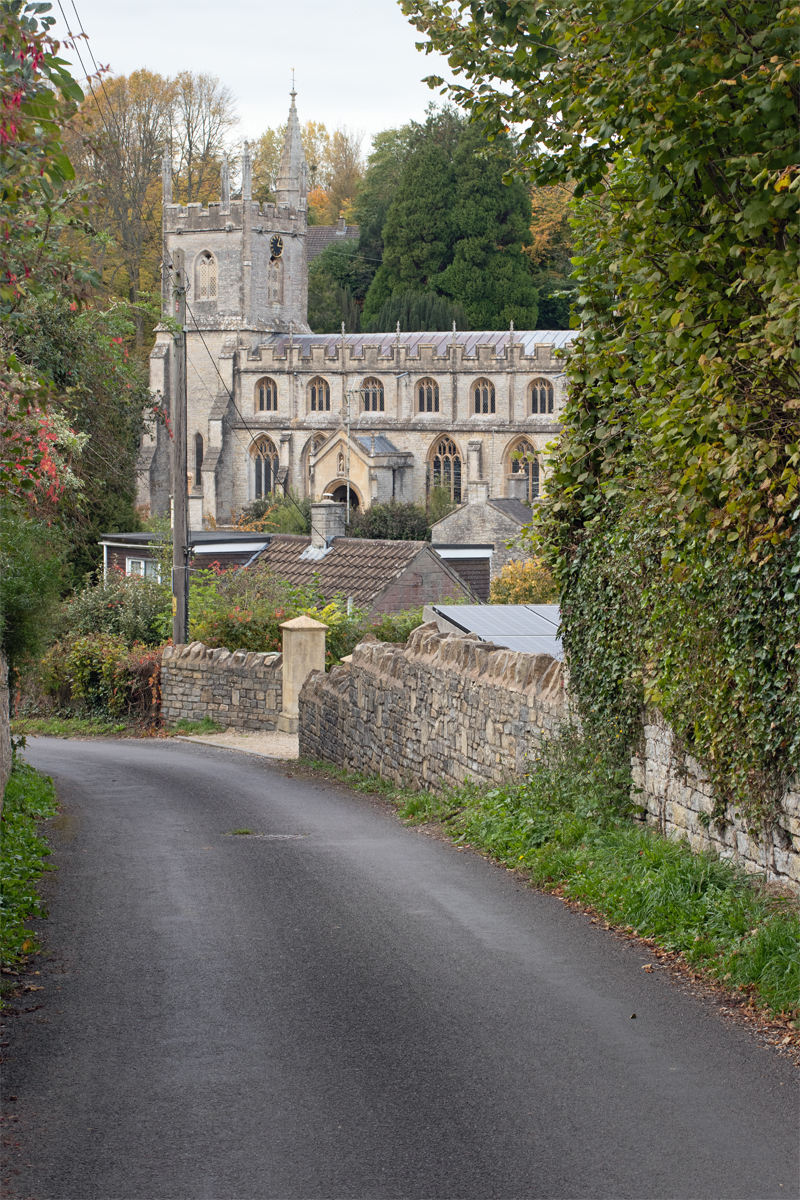
One of the highlights of the village is Church Path, a cobbled road that leads from the centre of Queen Camel to St Barnabas’ Church.

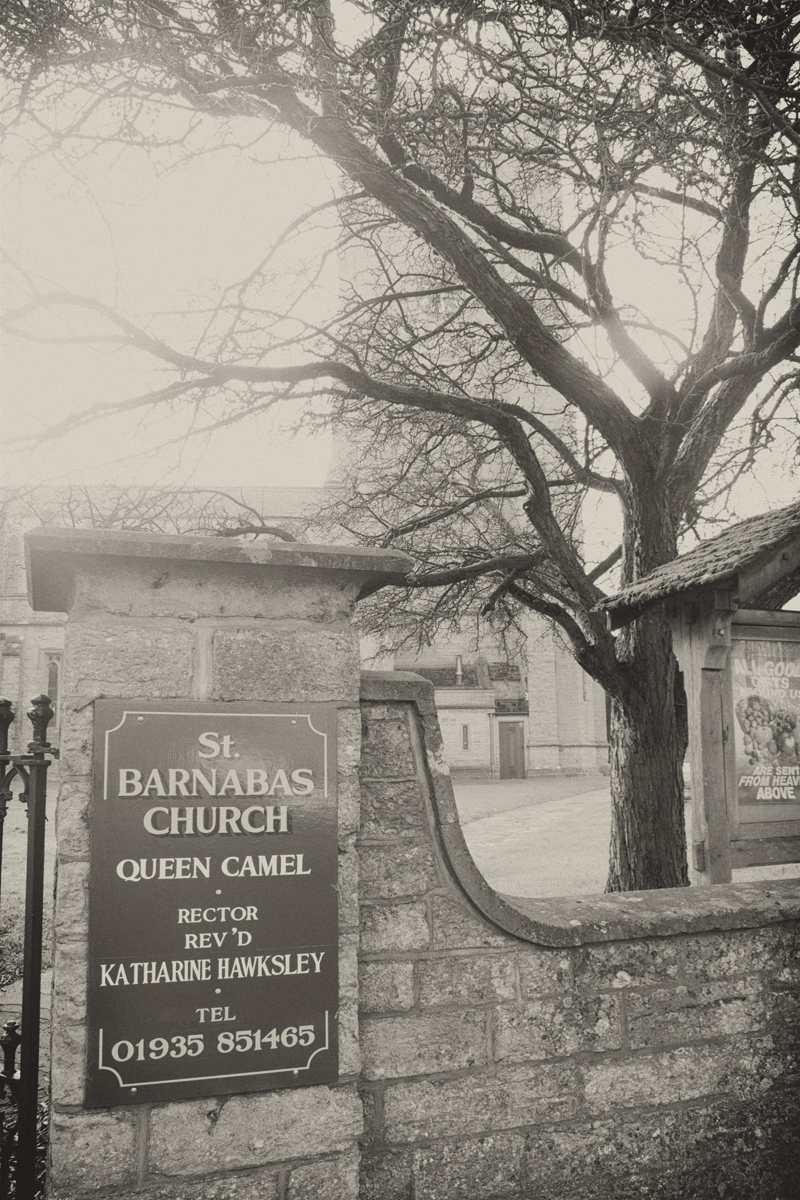
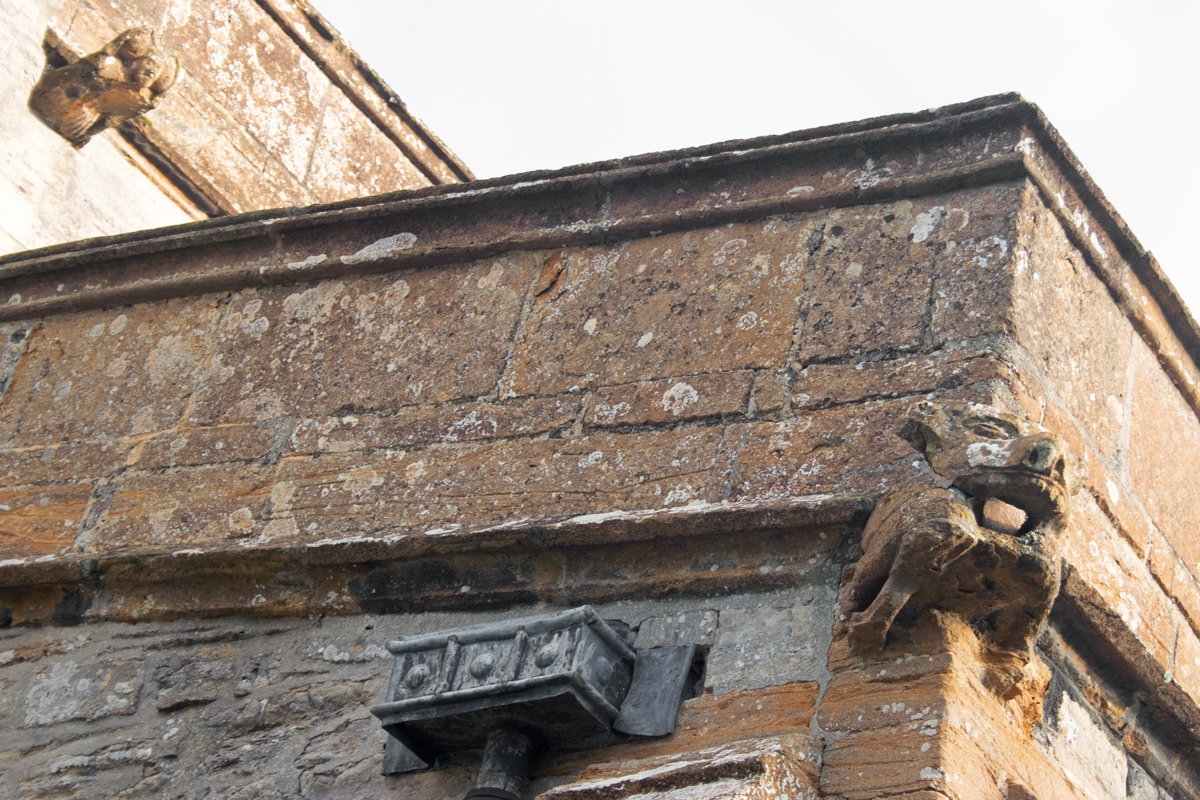
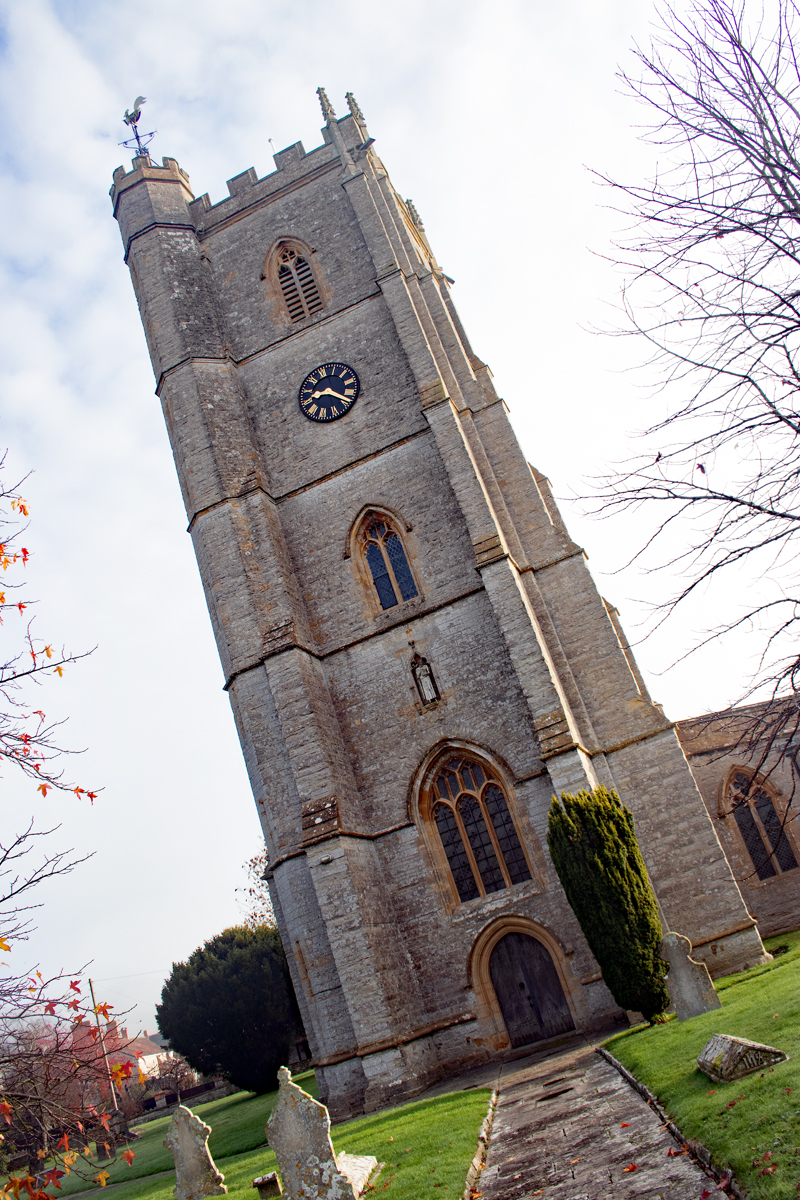
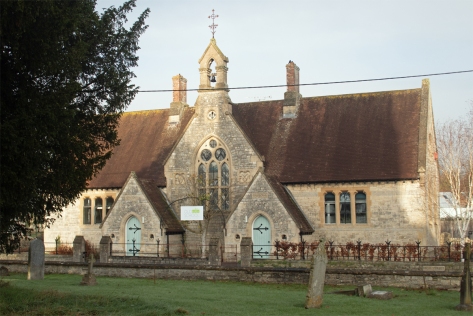
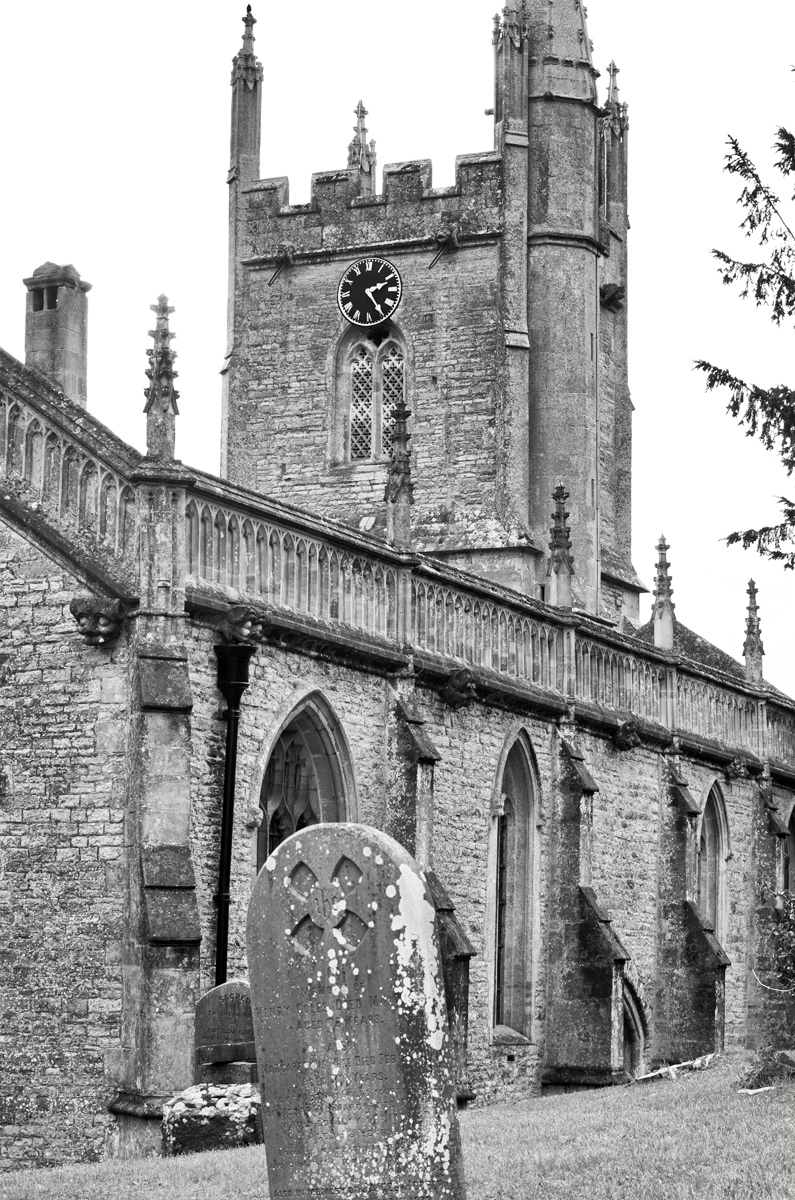
The church itself dates from the 1300s, and, despite the main road, is surrounded by a quiet churchyard and allotments. Additional architectural elements – including an imposing porch on the south side – were added in the 19th century, as part of Queen Victoria’s Golden Jubilee celebrations.

The churchyard includes a gravestone to Seaman Donald Burgess, who died in the Great War, aged just 17 years old.

Details of his life can be found on the CKPonderingsCWG site, which is dedicated to those who lost their lives as a result of that conflict.


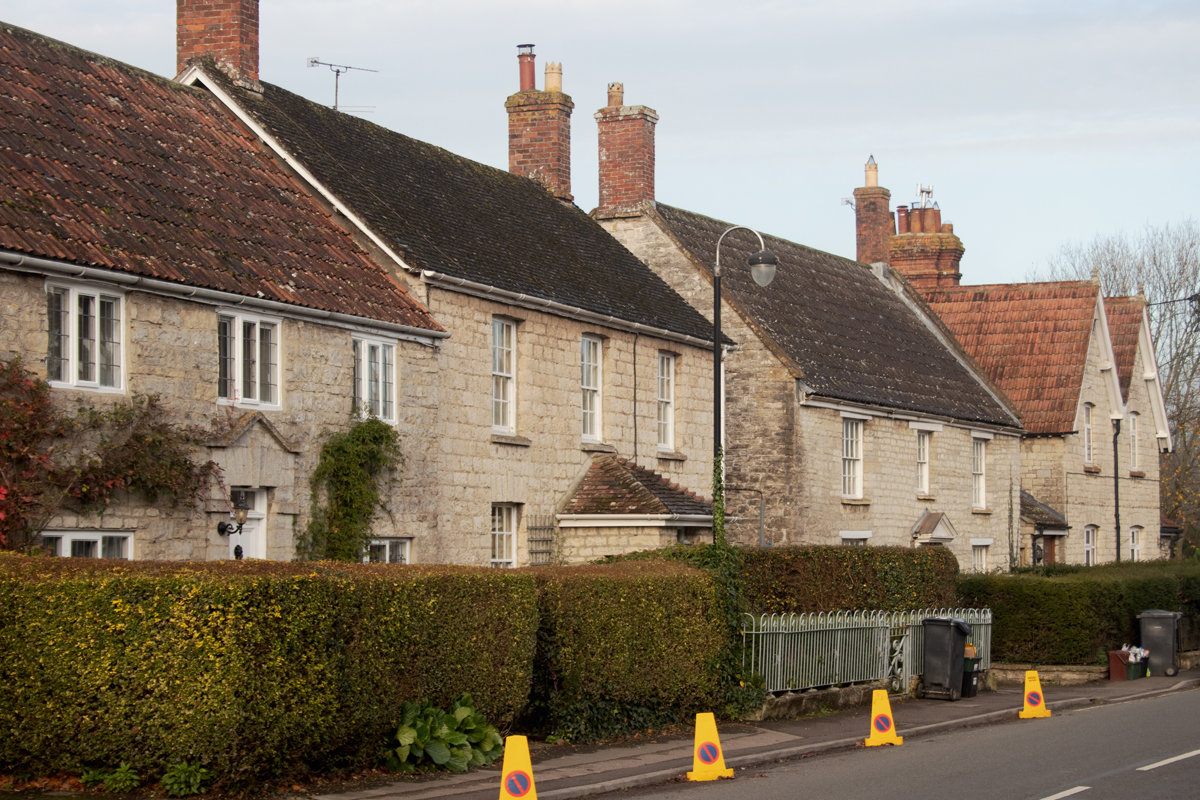
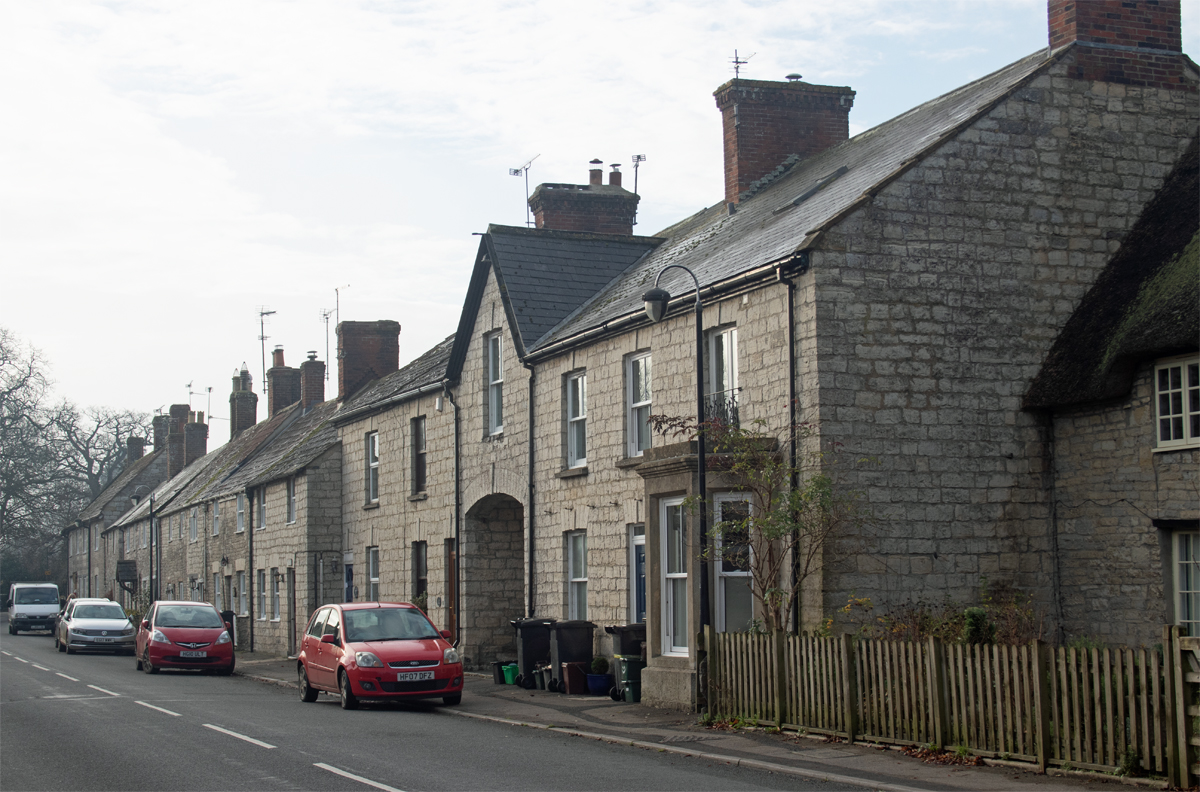
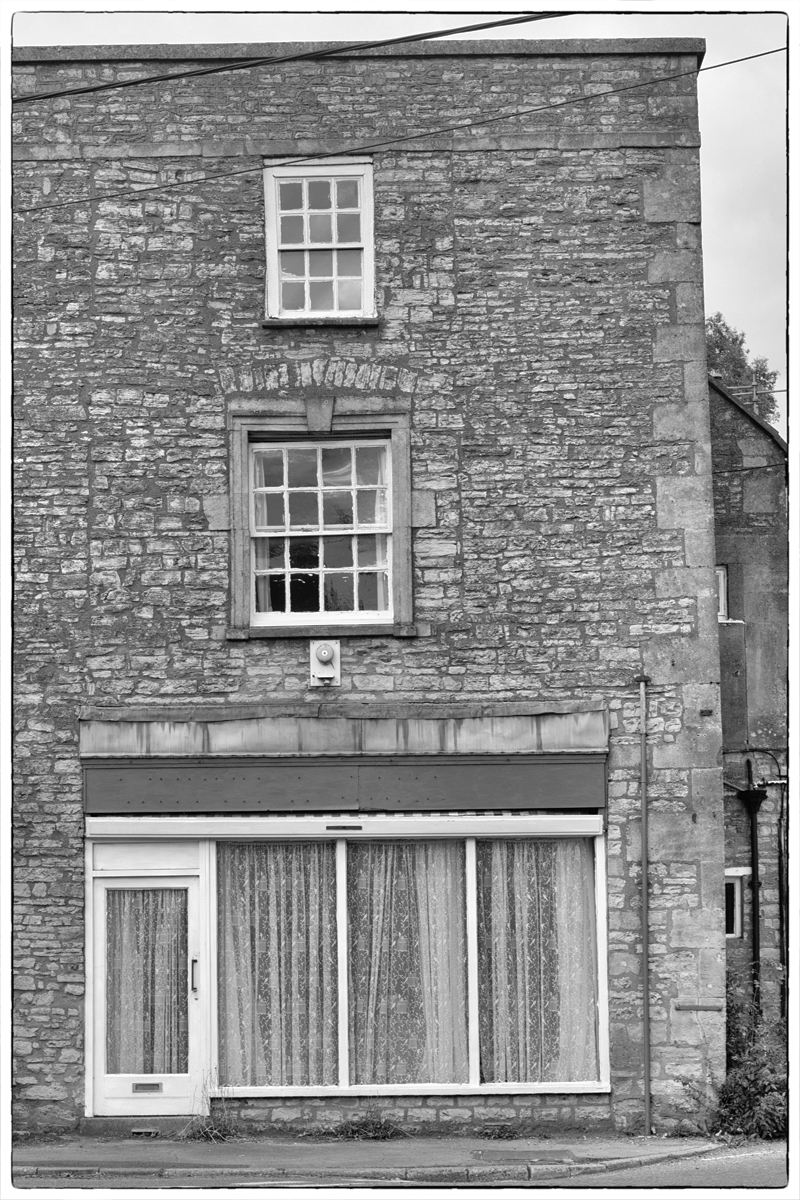
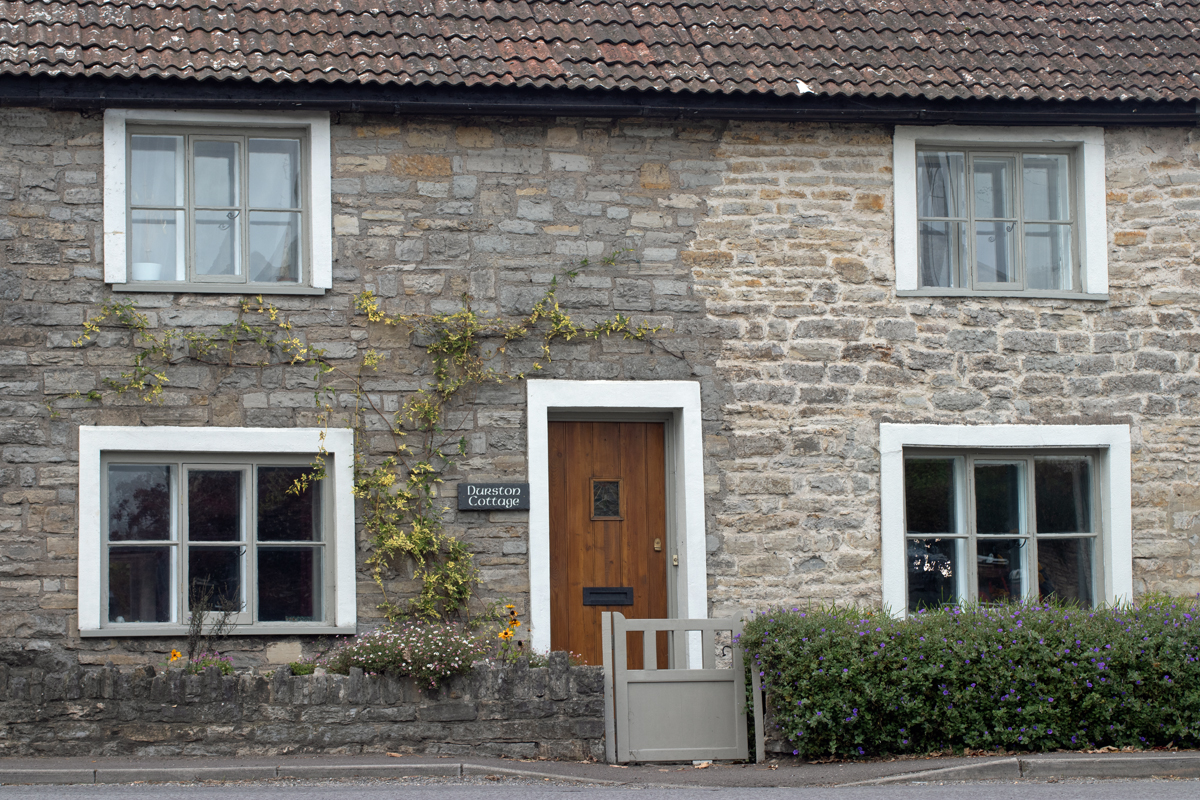
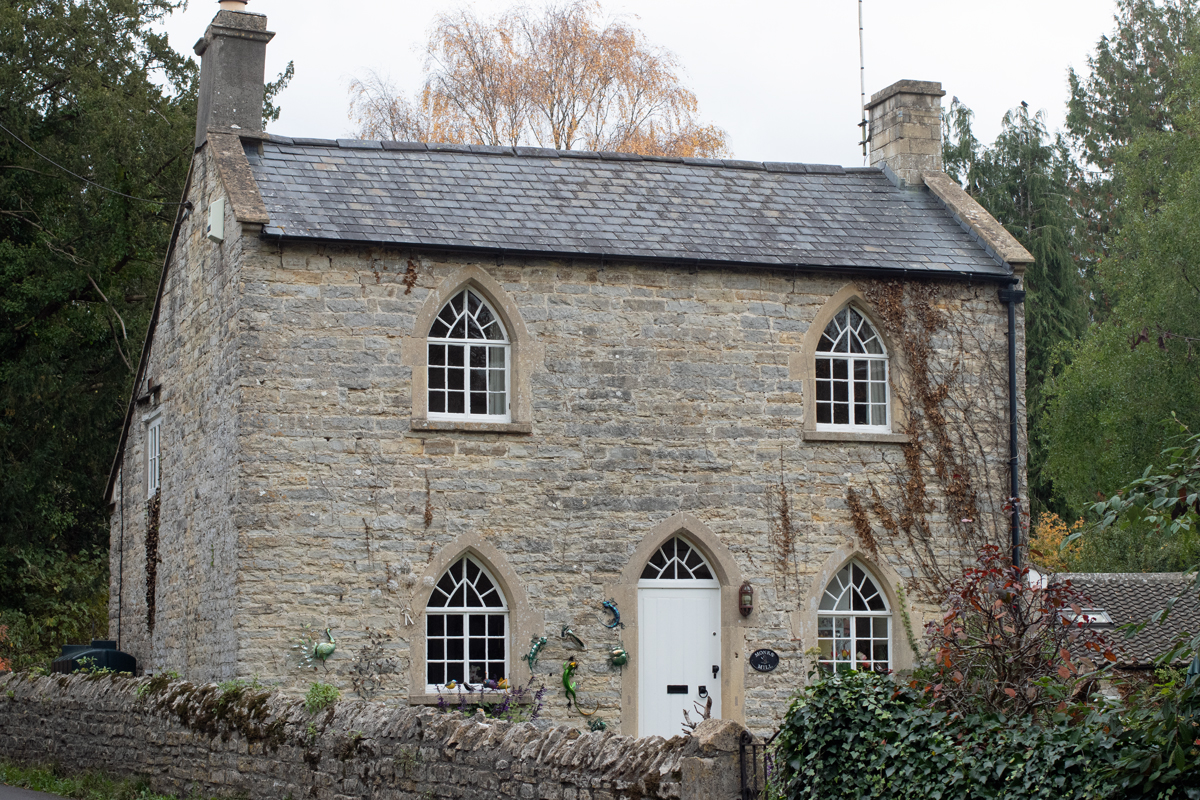
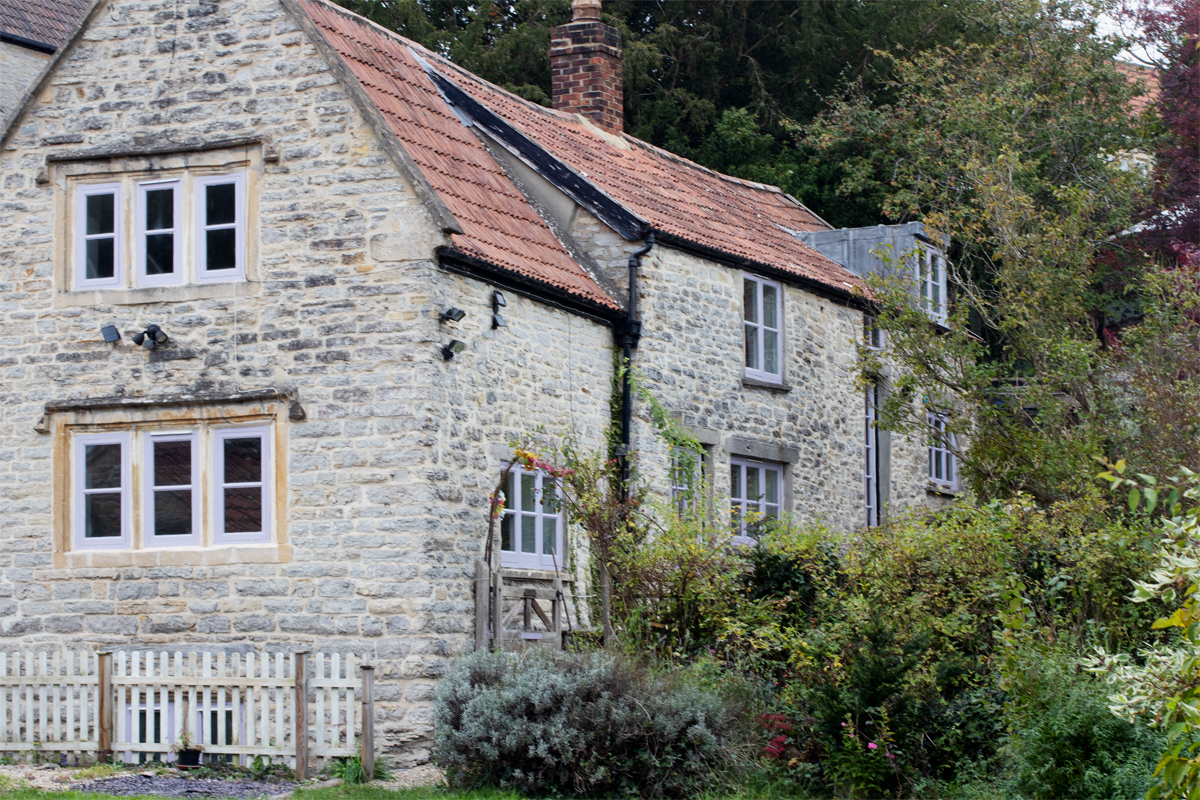
The houses in the village are all local stone, and while some are from the early 2000s, they fit in almost seamlessly with the old structures around them.

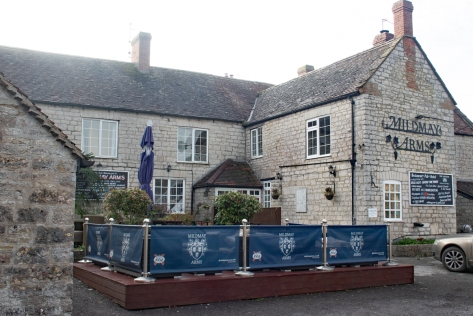
The Mildmay Arms is the village pub; again, it is reminiscent of a coaching inn, and was likely used as such at some point in its history.


Queen Camel has an undoubted village feel; with a population of less than 1000 people, there is a definite sense of community here.

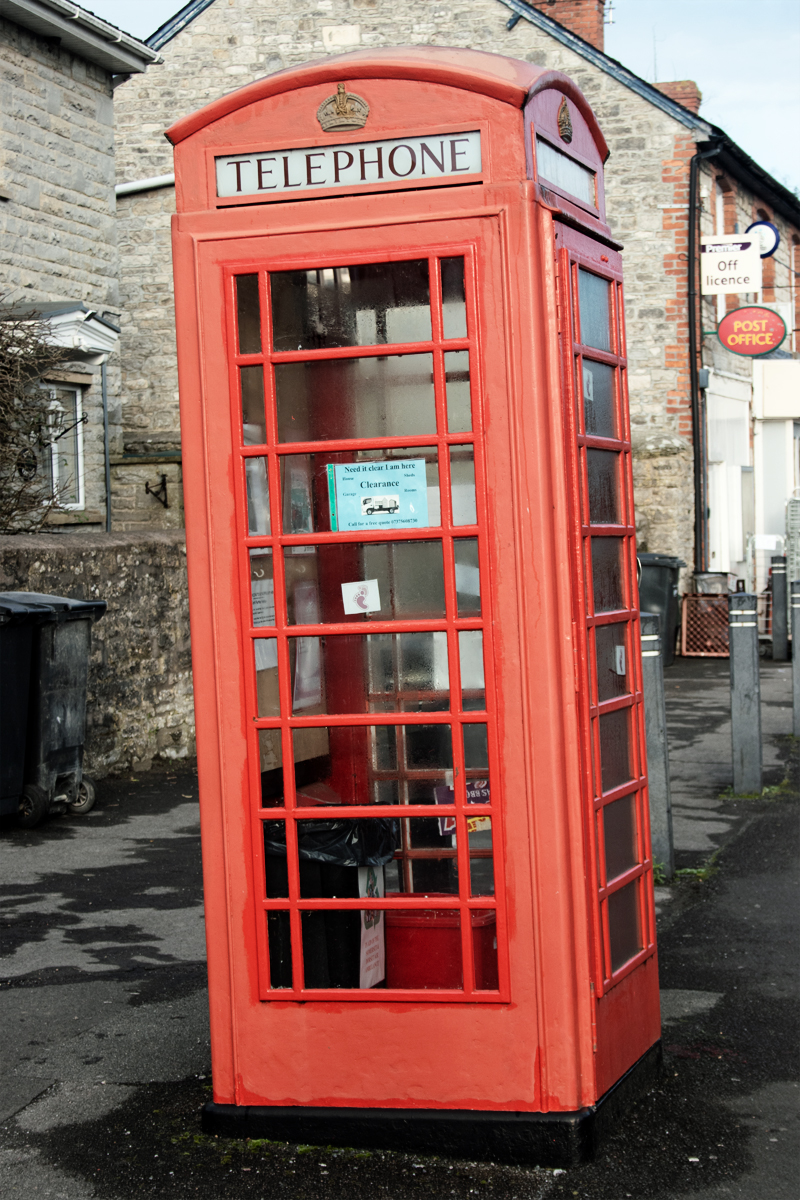
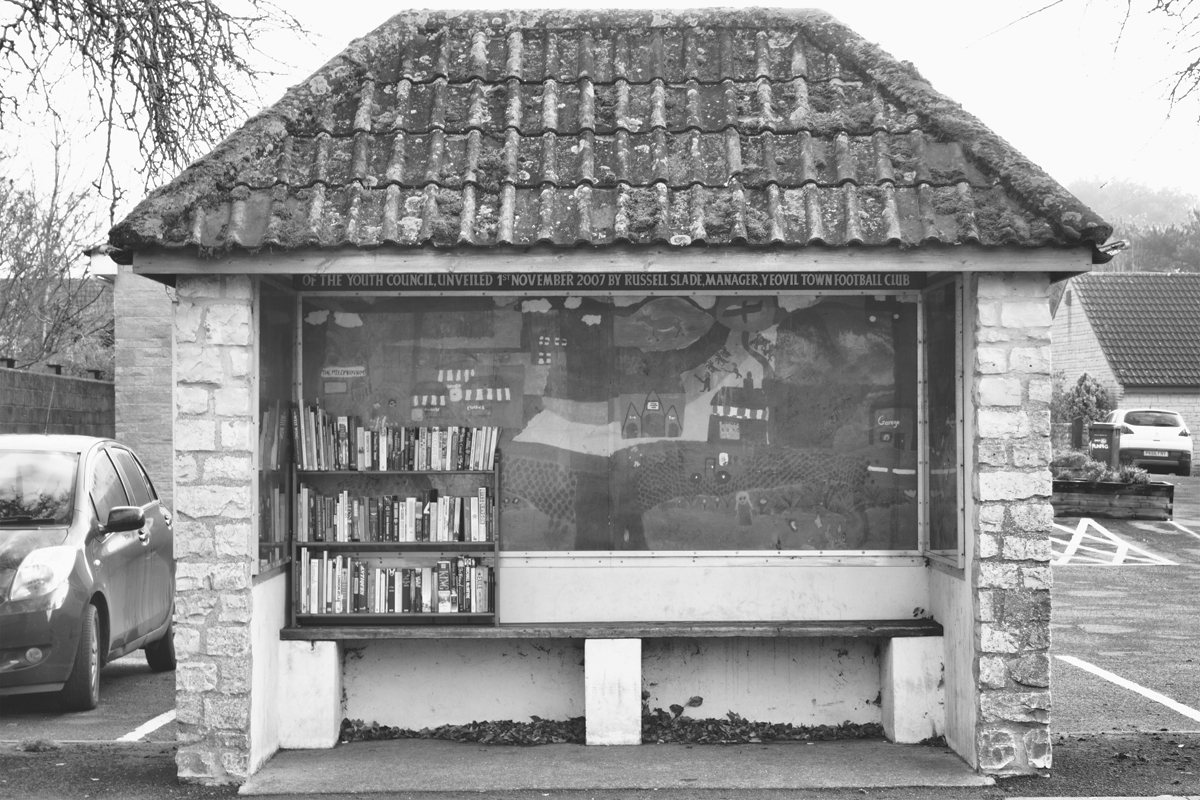
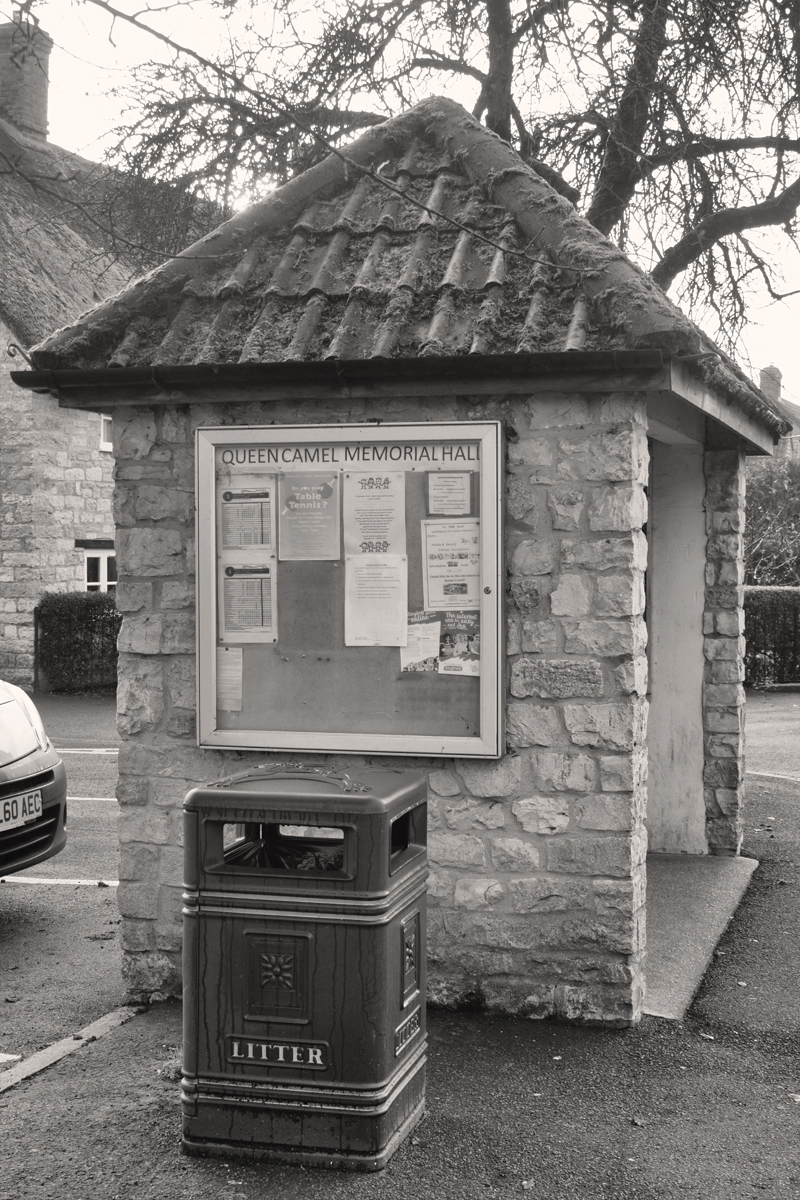
A former bus stop – standing outside the Memorial Hall – now houses a mural dedicated to the village’s history, as well as a book swap station.


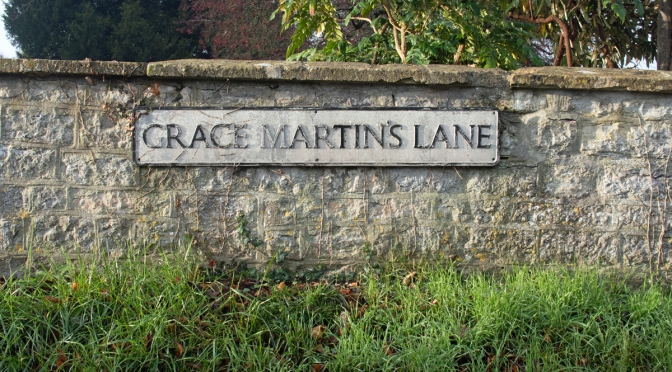
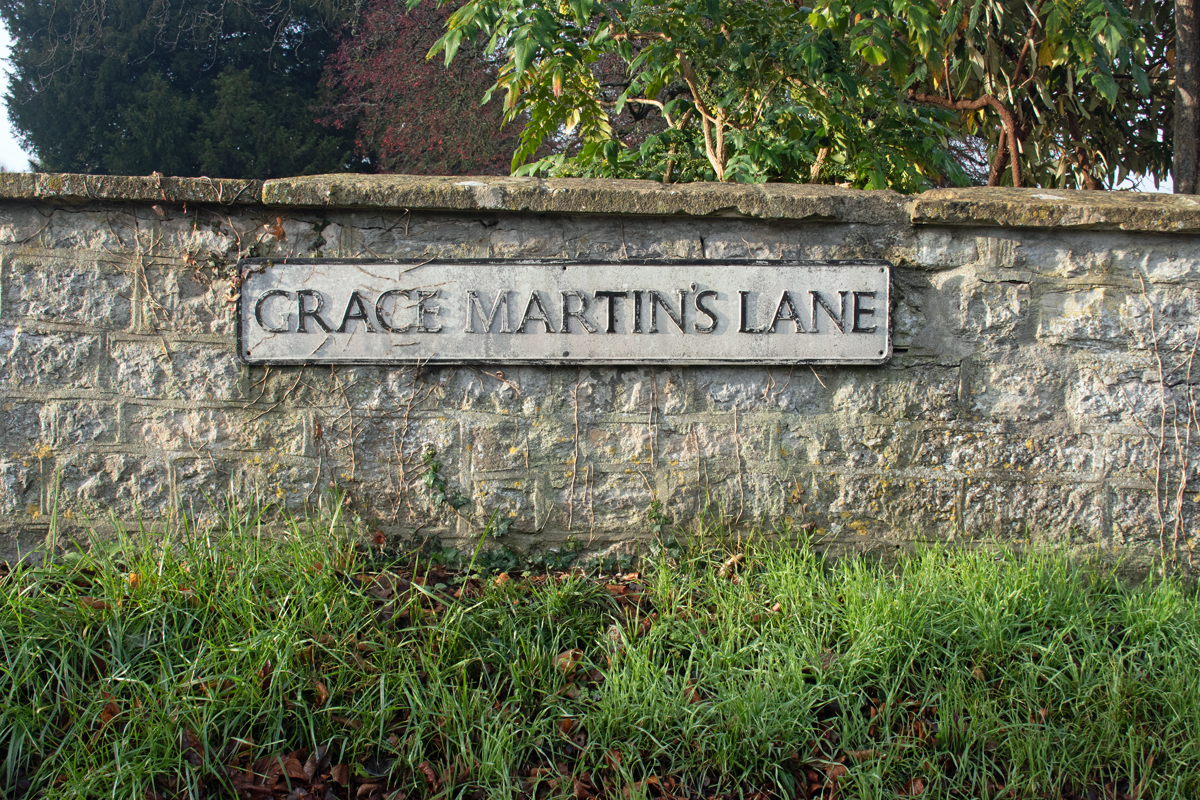
There is a lane in Queen Camel that is dedicated to a Grace Martin; I have not been able to find out much about her. There is someone by that name – the daughter of John and Judith Martin – baptised in St Barnabas’ Church in July 1744. Beyond that she remains a mystery.


Despite its location, Queen Camel is a peaceful place to visit; a lovely addition to the Somerset A to Z.


A-Z of Somerset: Pilton

P is for Pilton

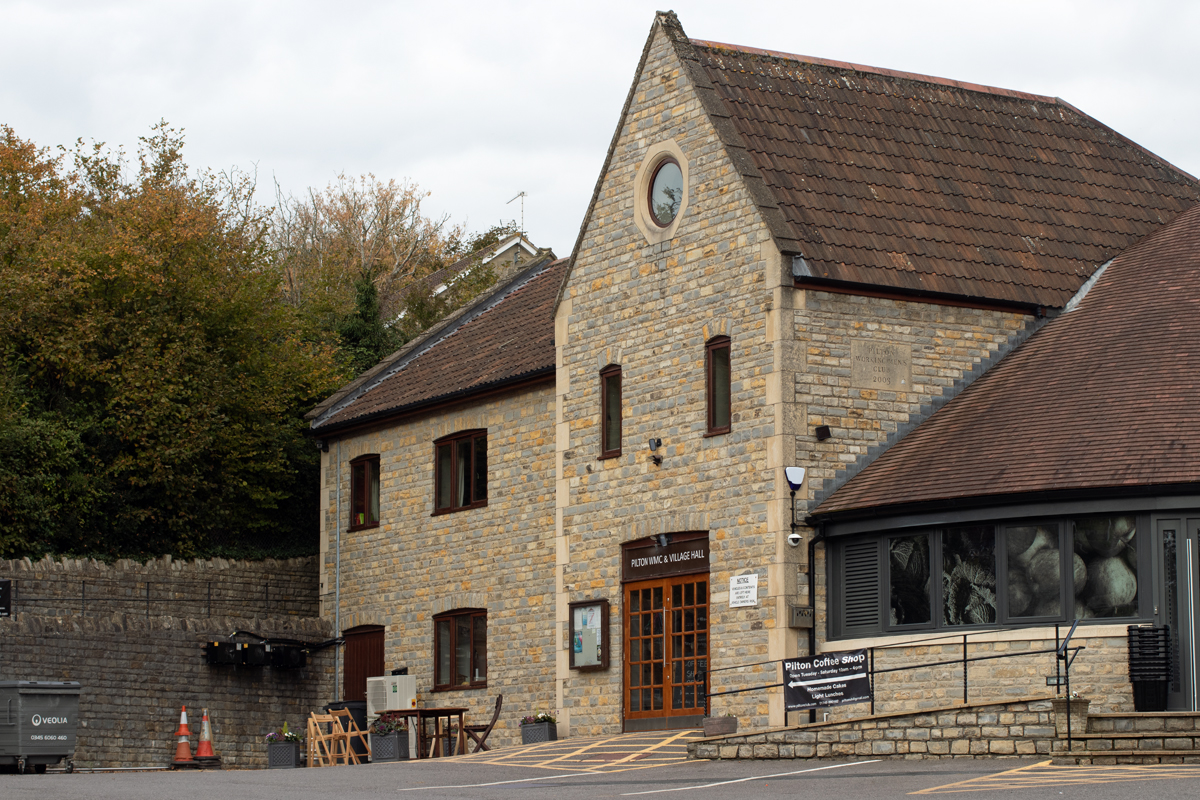
Continue up the A361 for 16 miles from Othery and you reach the surprising village of Pilton. I have driven through the village countless times over the years, and there is so much more to it than what is visible from the main road.

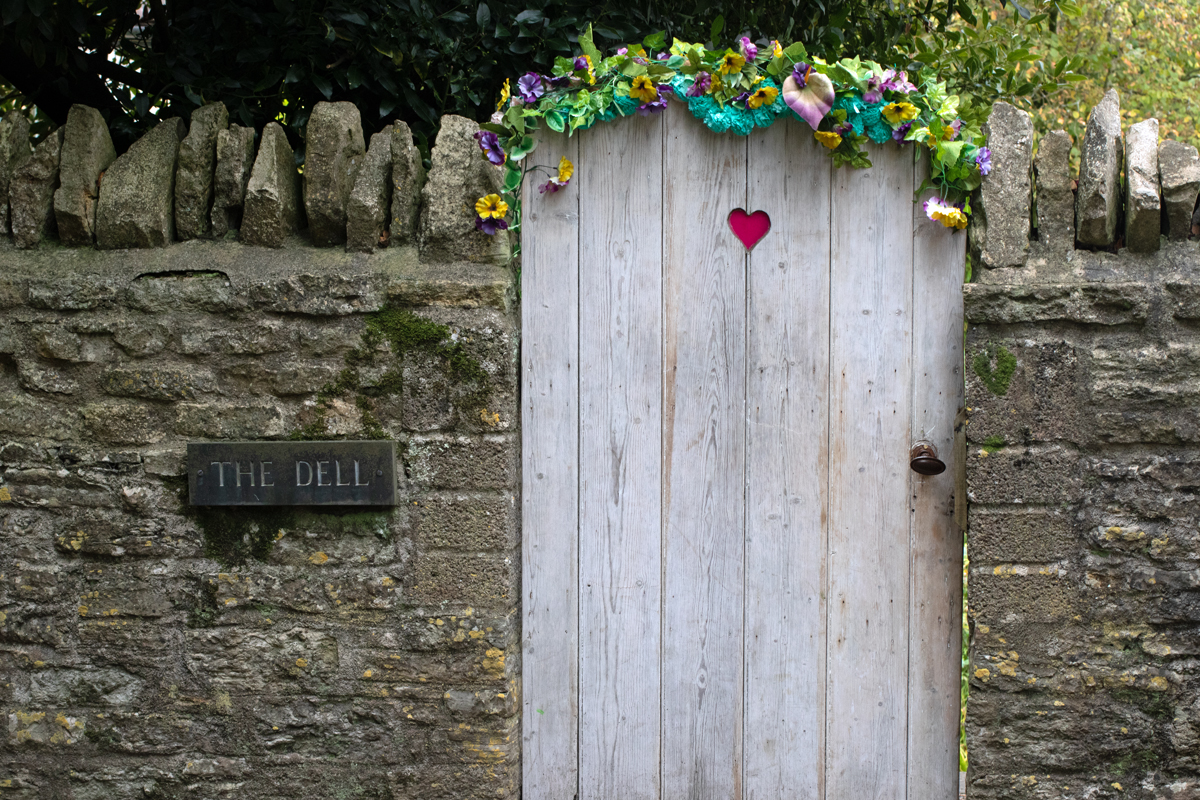
Situated on the top of a hill to the east on Glastonbury, the village once overlooked an inland sea that stretched to the present day Bristol Channel. This lead to the village’s original name, Pooltown, because ships were able to navigate this far inland.


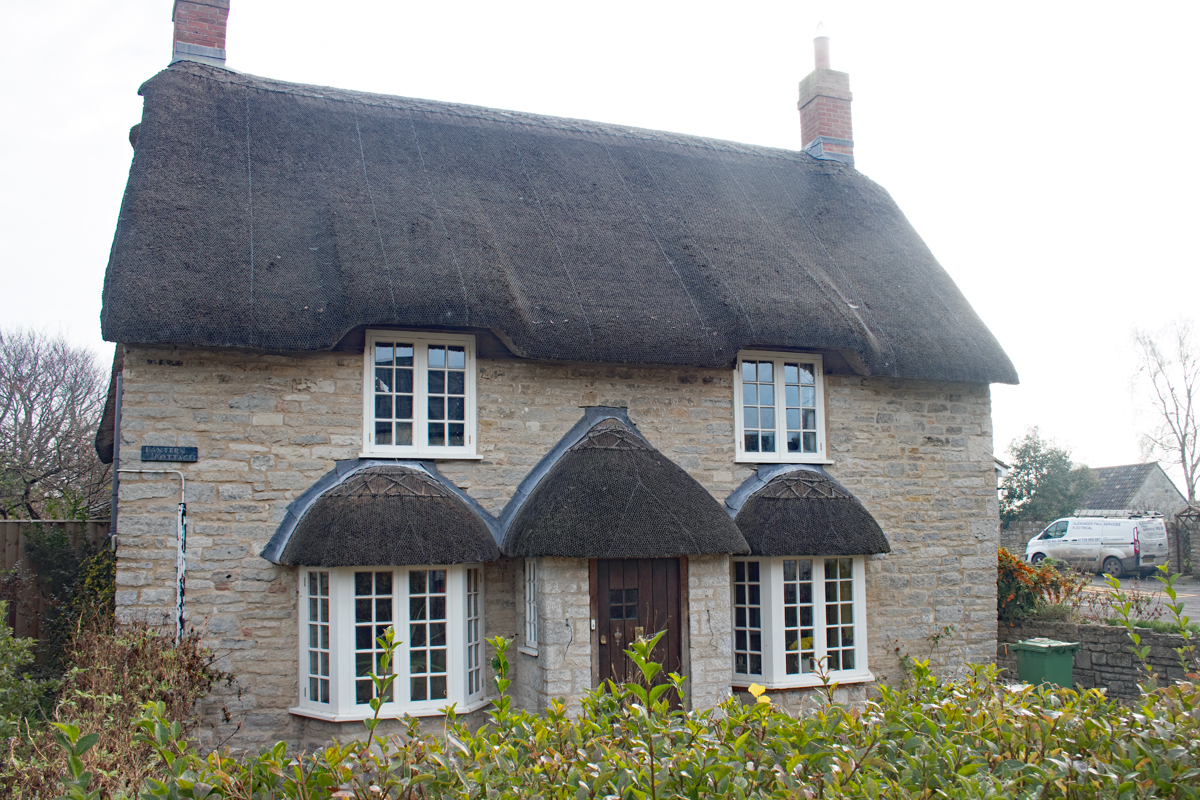
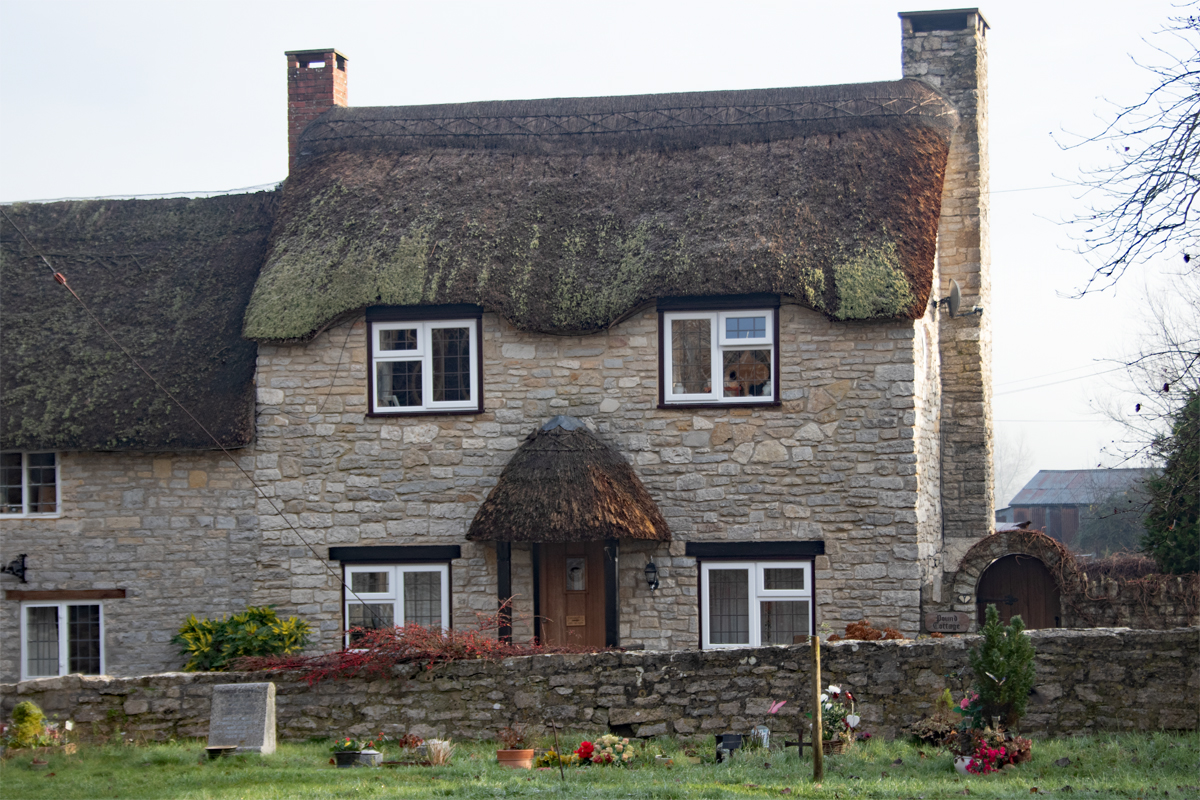
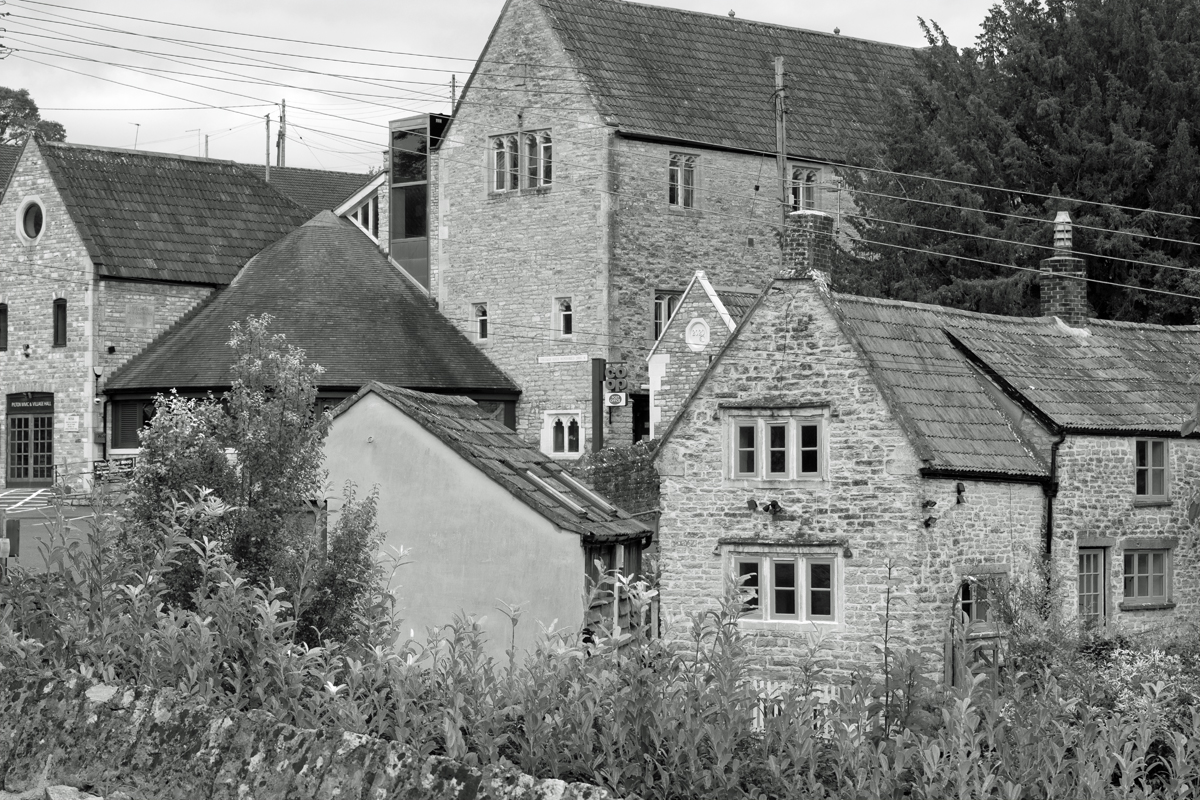
The houses in the village are old, from local stone, and really fit in with the country feel. Despite the main road, laden with juggernauts, being close by, the majority of the village is in a sheltered valley, and within a matter of metres away from the A361, it can barely be heard.


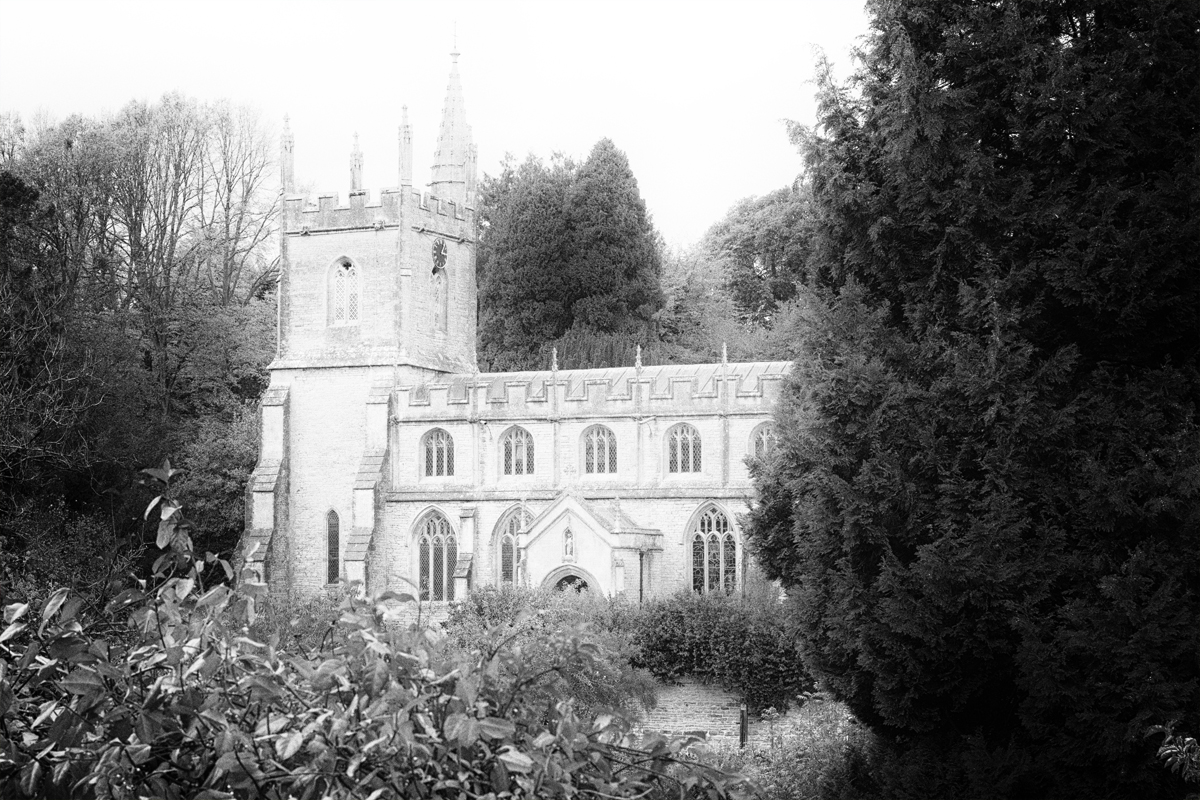
The local church is St John the Baptist, which is on the north side of the valley, has a commanding view across all Pilton. Once again, the Church’s dominance is in plain sight, and it can be seen on the skyline from most of the houses.

Sapper Percy Rodgers

In the churchyard is a memorial, a grave to Sapper Percy Wright Rodgers, who fell in the First World War. More information on this young man’s life can be found on the CKPonderingsCWG blog, along with more stories of the fallen of the Great War.


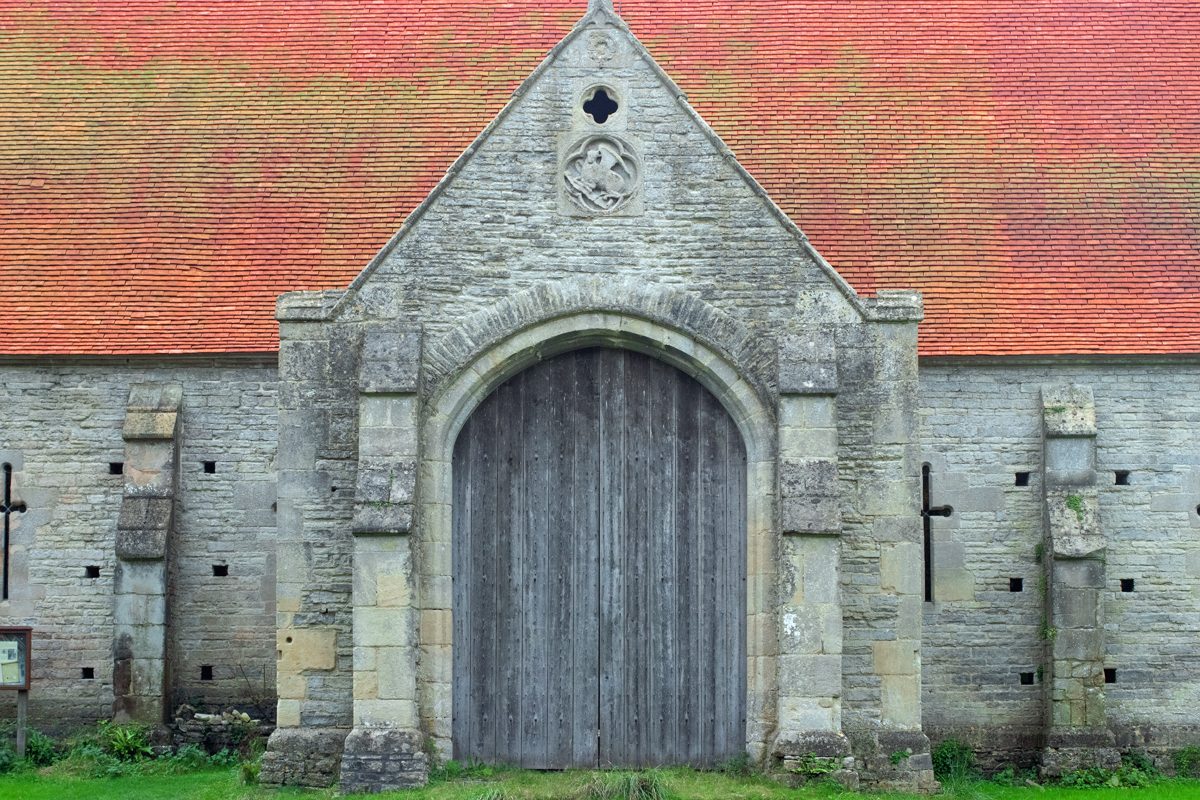
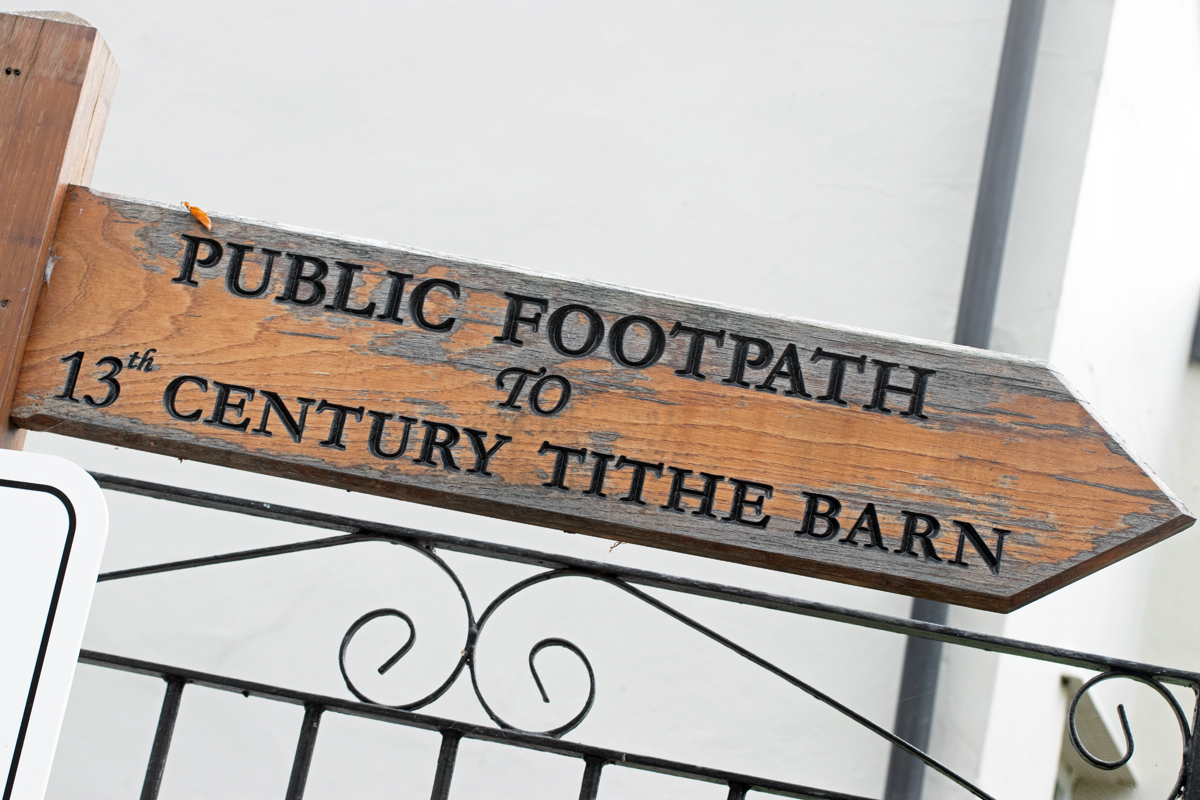
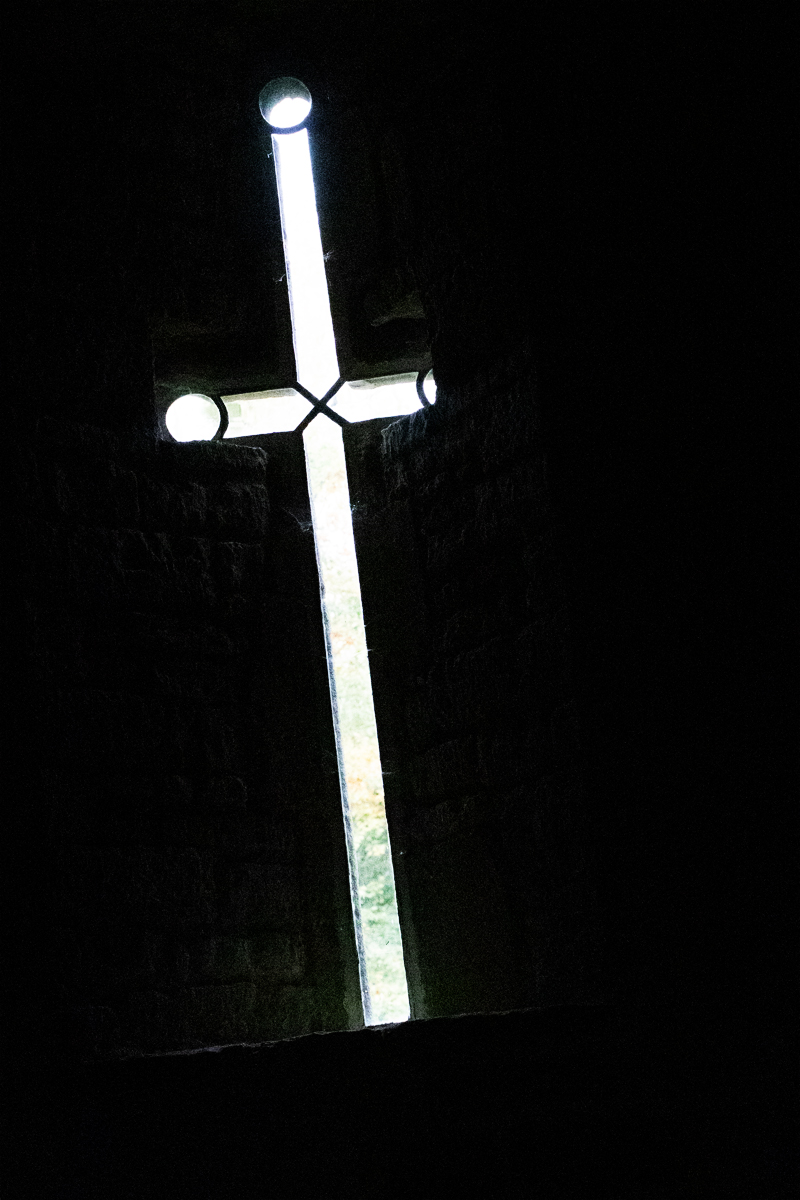
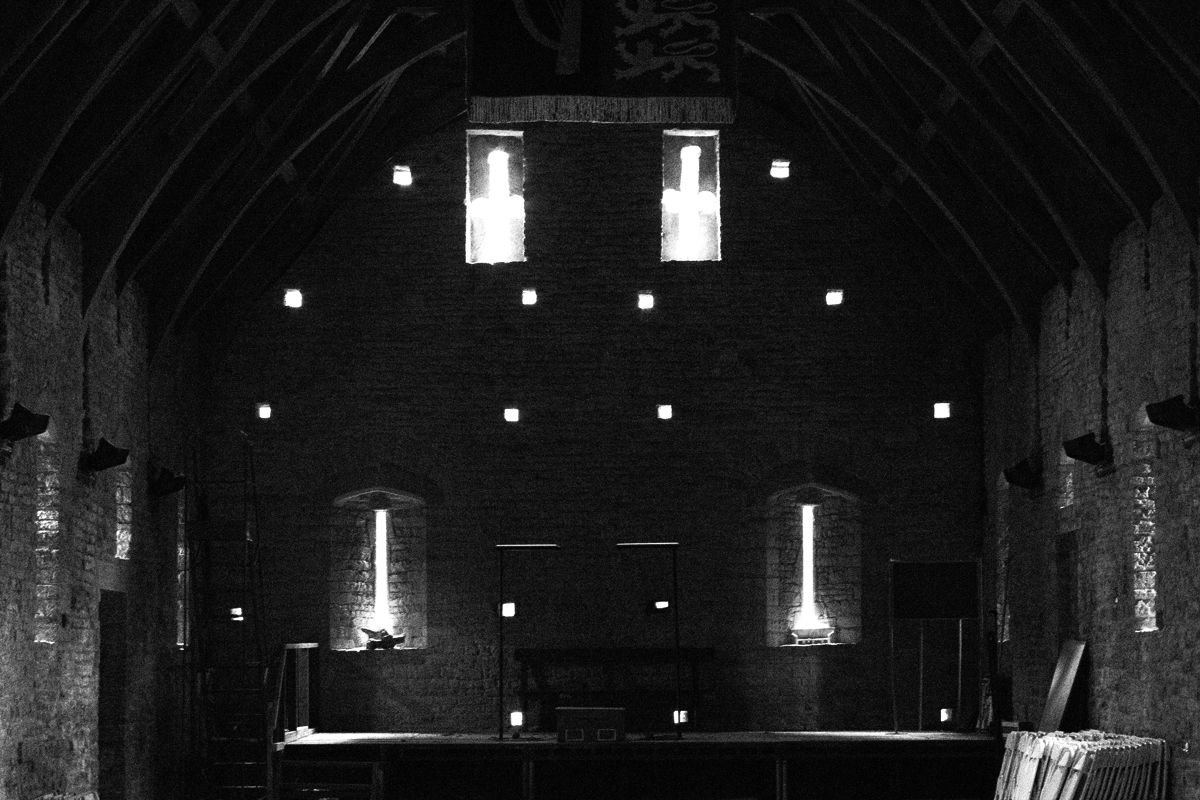
To the south of the village, a tithe barn stands alone and proud. Once belonging to Glastonbury Abbey, the barn once stored local farmers’ produce, of which they gave the Abbey – the landowner – one tenth.

The barn is now a Grade 1 listed building.


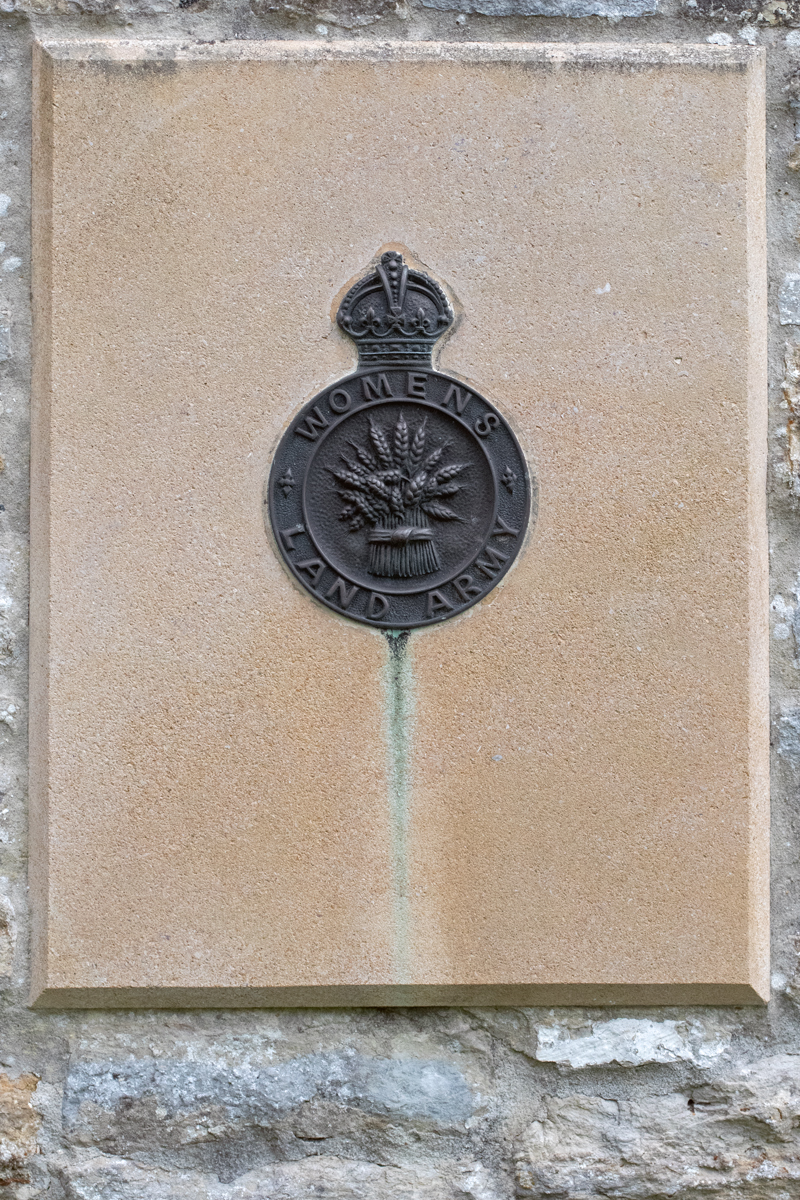
In the barn’s grounds is a monument to the Land Armies of both world wars; a bench in a quiet corner of an already quiet corner of the village is perfect for contemplation.


When I first made my intention of moving to Somerset known to friend, family and colleagues, the general first reaction was usually related to the annual music festival. My stock response to this was ‘no’, and, if the mood was right, this was usually followed up by the fact that the Glastonbury Festival does not actually take place in the town of the same name.

Worthy Farm, the location of the festival, is situated just to the south of Pilton, six miles from Glastonbury. It was only called Glastonbury Festival because that was the nearest town people had heard of.


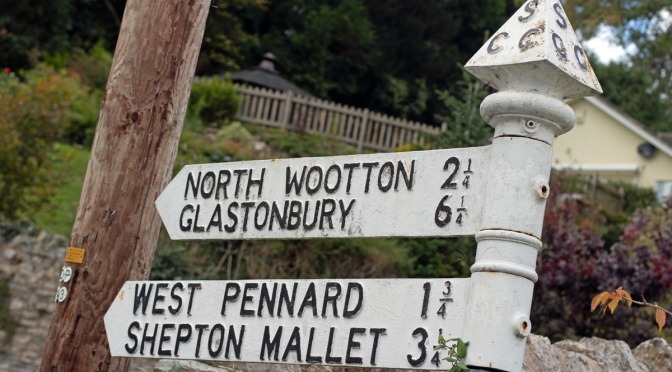
If you get the chance to make a quick pitstop from your journey to the south west, Pilton is definitely worth a visit. A genuine gem of a village, hidden in plain sight, it is also a good start and end point for a wander across the Levels or over the hilltops to Shepton Mallet.


CWG: Gunner Frederick Brooks

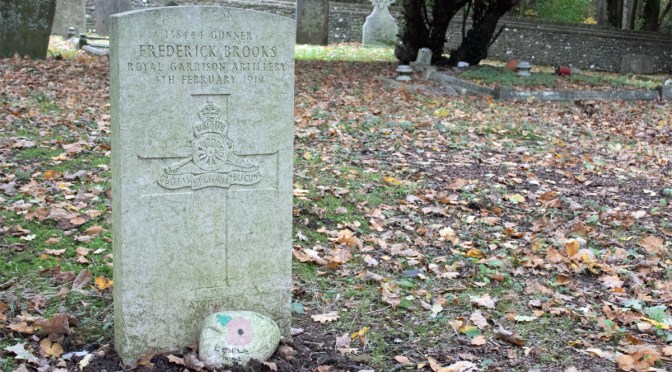
Gunner Frederick Brooks

Frederick Brooks was born in the spring of 1897, the ninth of eleven children to Stephen and Grace Brooks. Stephen worked as a woodsman in Bredhurst, Kent, a trade his eldest sons followed him into.

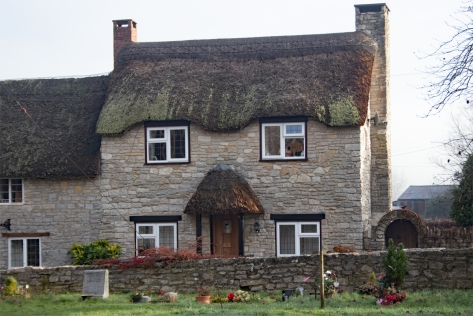
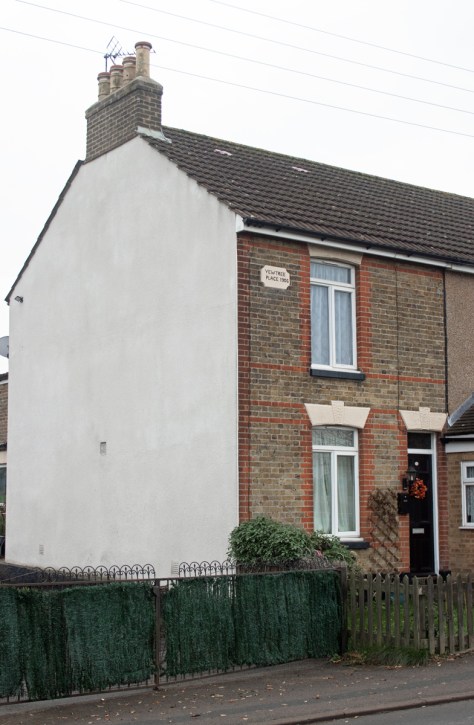
Yewtree Cottages in Bredhurst, home to the Brooks Family

Frederick’s service records show that, when he enlisted in nearby Rainham, he was working as a fence maker. He was 5ft 6ins (168cm) tall, weighed 143lbs (65kg) and had fair physical development. He joined up in September 1915 and was assigned to the 2/1 Company Kent Royal Garrison Artillery.

Gunner Brooks’ early service was on home soil as part of the Territorial Force. However, he was transferred overseas as part of the British Expeditionary Force on 10th March 1917, where he served for nearly two years.

Frederick fell ill in January 1919, and was brought back to the UK for treatment. He was admitted to the Weir Red Cross Hospital in Balham, London, with bronchial pneumonia. He succumbed to heart failure just a few days later, on 4th February 1919. He was just 21 years old.

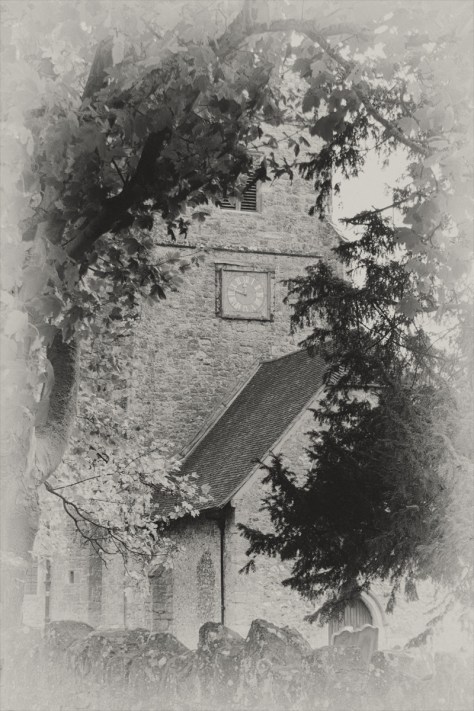
Gunner Frederick Brooks lies at rest in a peaceful corner of the secluded graveyard of St Peter’s Church in his home village of Bredhurst.


Frederick’s life throws a couple of coincidences my way. I used to live within spitting distance of his village, Bredhurst, and, indeed, have drive past his family home countless times. I also happened to have been born in the same hospital – the Weir in Balham – where Frederick had passed away 53 years earlier.


For the stories of more of the fallen from the Great War, take a look at my Commonwealth War Graves page.