Category Archives: Religion

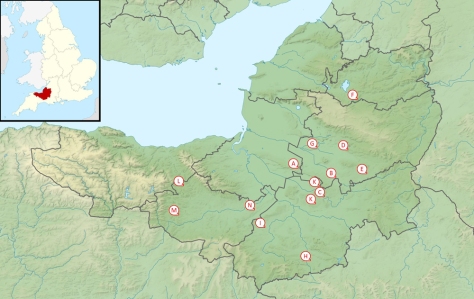
A-Z of Somerset: Othery

O is for Othery

As history moves on, it seems there were two main routes for villages to take. As we have seen, the first is to thrive, then to settle quietly into the background and become a quintessential English village, as with Haselbury Plucknett and Milverton (see previous posts).

The second option is not as positive, and this has been the route taken by the next village on our Somerset journey, Othery.

Sitting on the crossroads of the main roads between Bridgewater and Langport, Glastonbury/Street and Taunton, Othery once thrived as a stopping off point on the long journeys across sometimes threatening terrain.

The Other Island sits 82ft (20m) above the surrounding moorland of the River Parrett, and so proved a good resting point for horses, carriages and passengers alike. For a population of around 500 people, this was once a bustling place, boasting three pubs, a post office, village store and bakery.

Sadly, the village has not thrived, and is nowadays more of a cut through, one of those places you see the road sign for, before slowing to 30mph and impatiently waiting for the national speed limit sign to come into view.

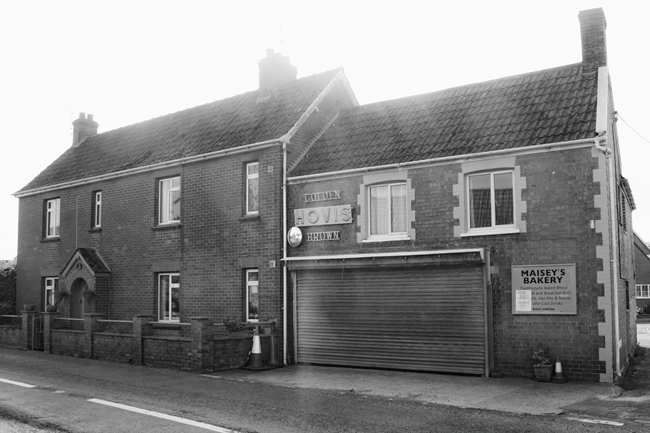
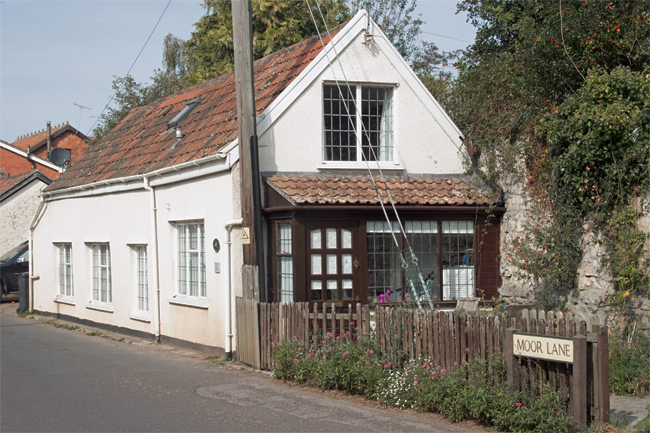
The buildings on the main road seem a little tired, once white frontages sullied by the dirt and grime of passing juggernauts. The signs outside the one remaining public house – the London Inn – almost beg you to stop, whether for a Sunday carvery or to watch weekend football matches on the huge TV screens.

(I admit the scaffolding does little to show the pub in its best light.)

But the fact of the matter is that, where once it would have had regular bookings, you can’t help feeling that this is very much a locals’ pub, whose inhabitants have set places at the bar and engraved tankards.

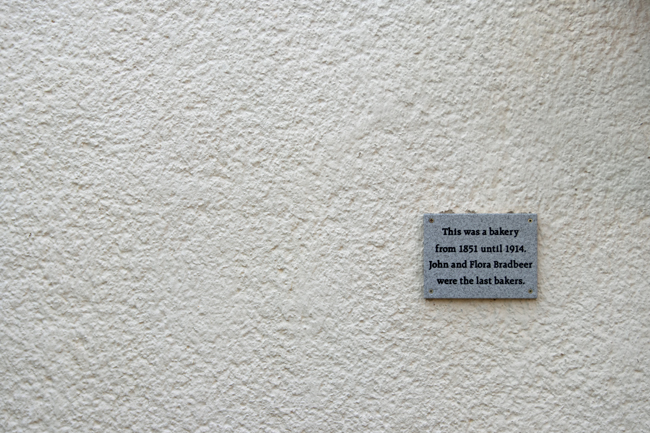
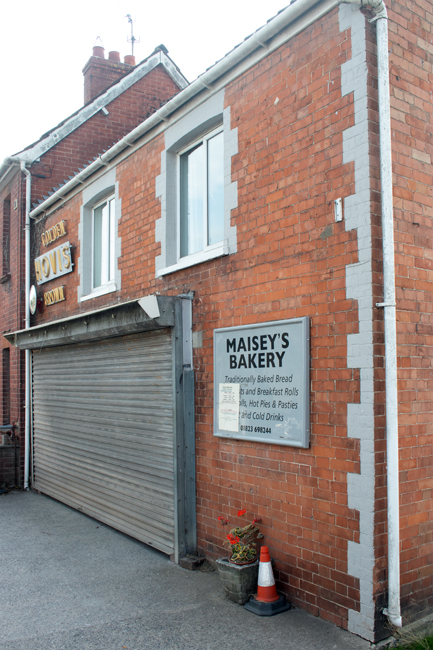
One glimmer of hope is that the the bakery seems to attract a lot of support. Again, it was closed when I stopped off here late one afternoon, but whenever I have driven through Othery before, there has tended to be a queue of people outside, and this gives a hint at a sense of community that the commuter doesn’t get to see.

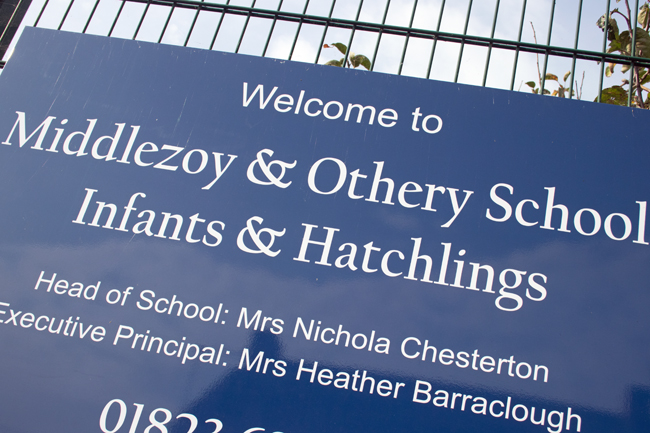
The community sense continues with the school sign too; a typical redbrick Victorian building enticing children in. Another sign of things changing is that, where this was once Othery Village School, it has now merged with neighbouring Middlezoy; families move out of the smaller villages, school numbers drop, changes take place to help support struggling services.
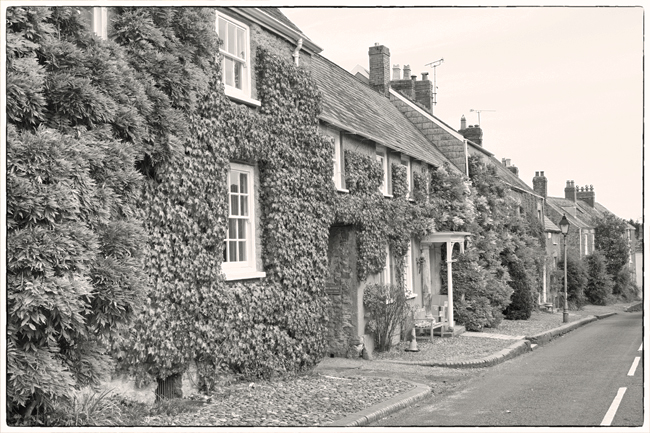
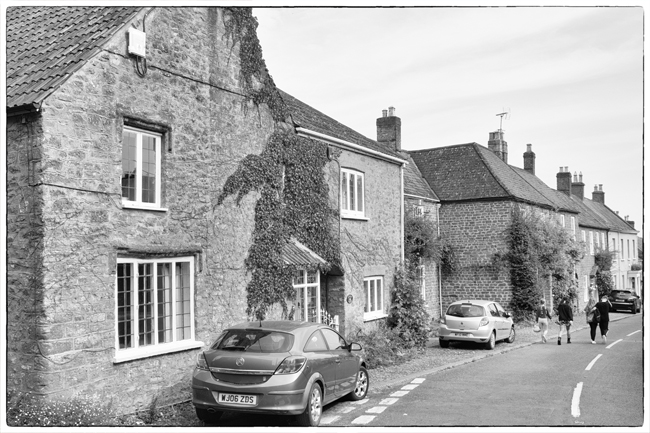
Move away from the main road, though, and you can see tantalising hints of what Othery once was, and probably still would be, had its position on the crossroads not been the main function of its existence.

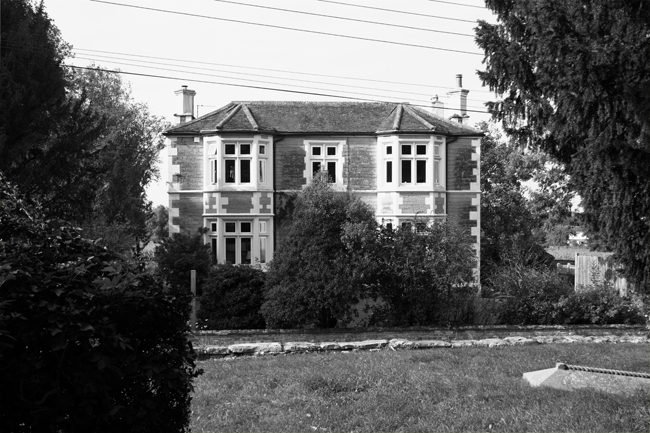
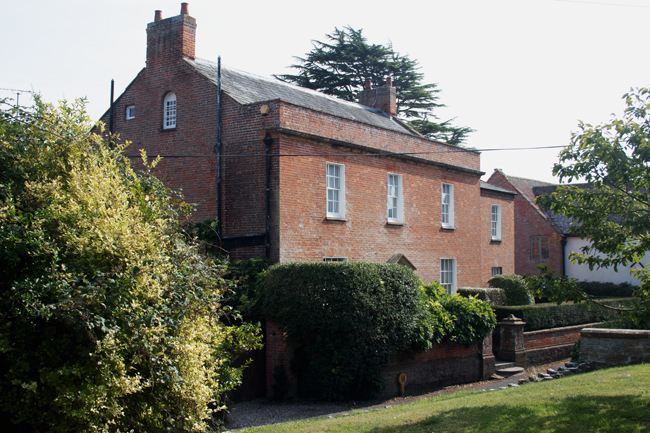
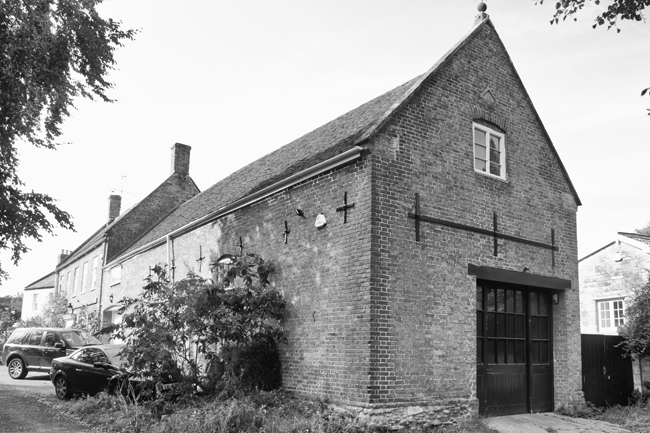
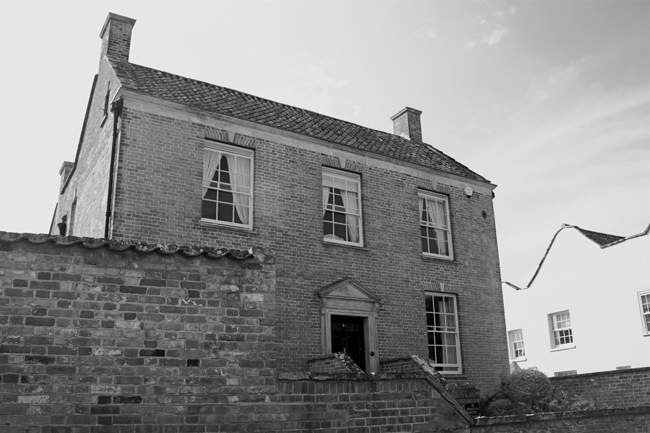
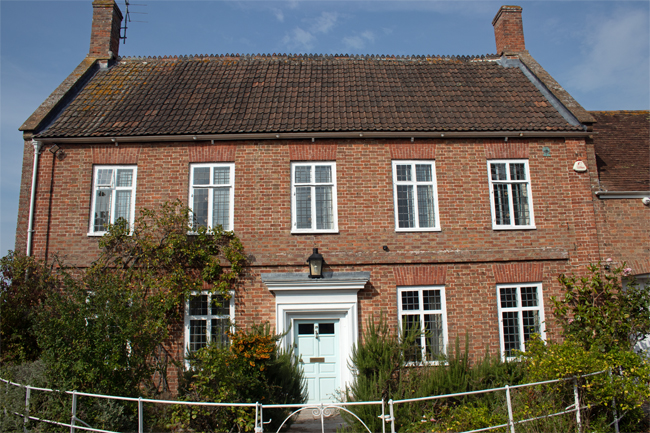
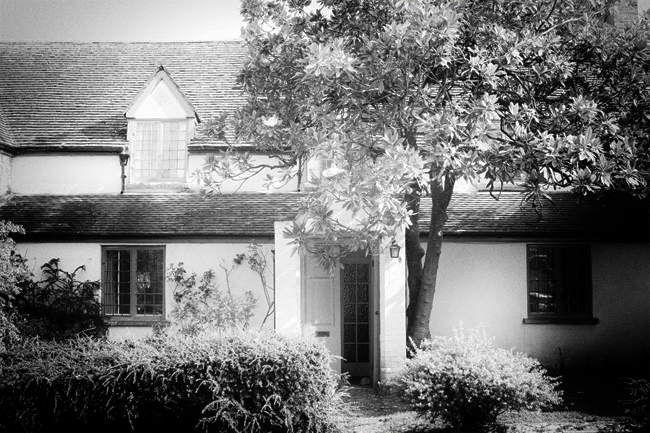
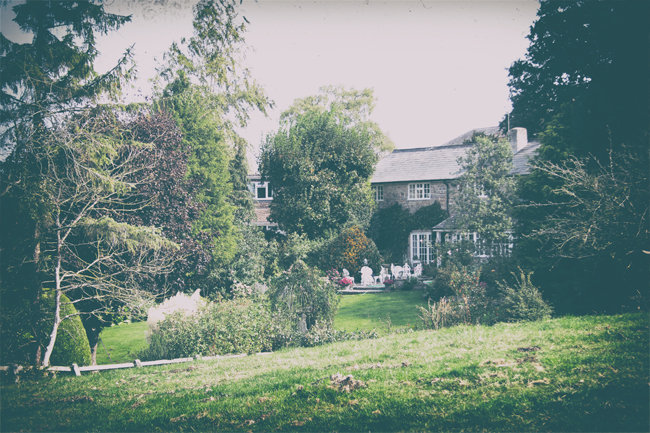
North Lane is a much quieter affair than the main road. In between the mid-20th Century houses sit more stately structures, hidden behind high walls to shelter them from passing traffic.

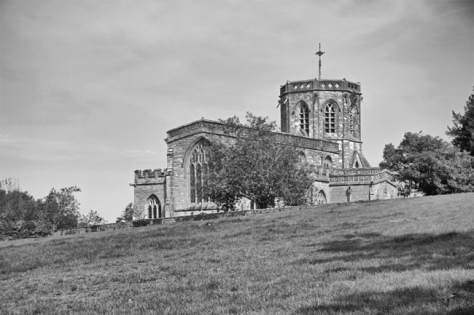
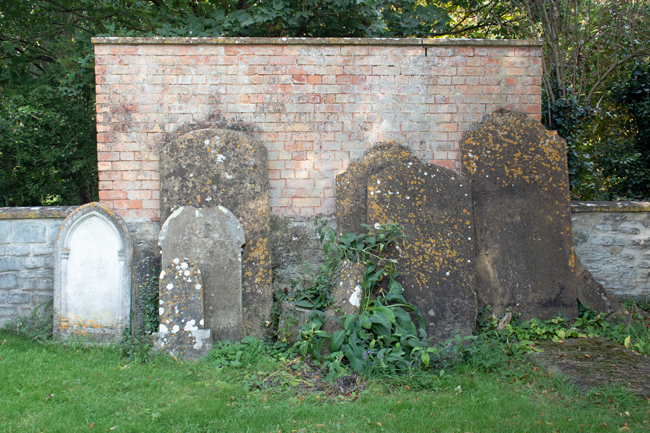
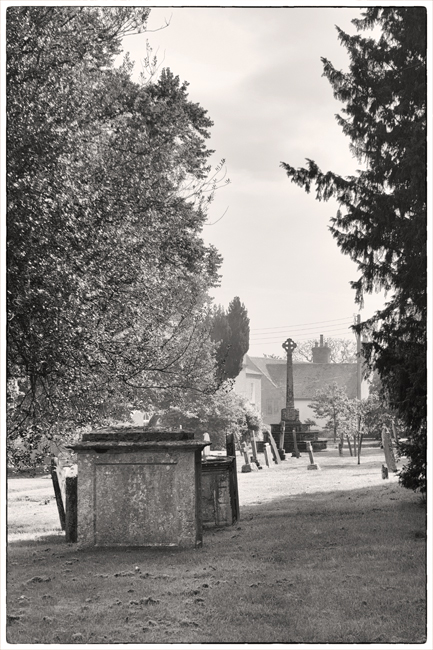
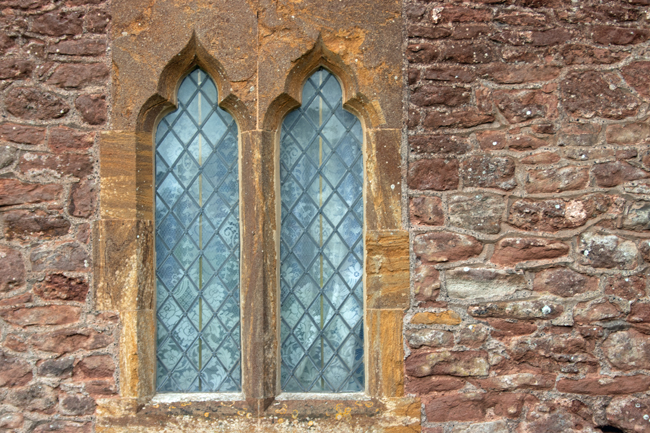
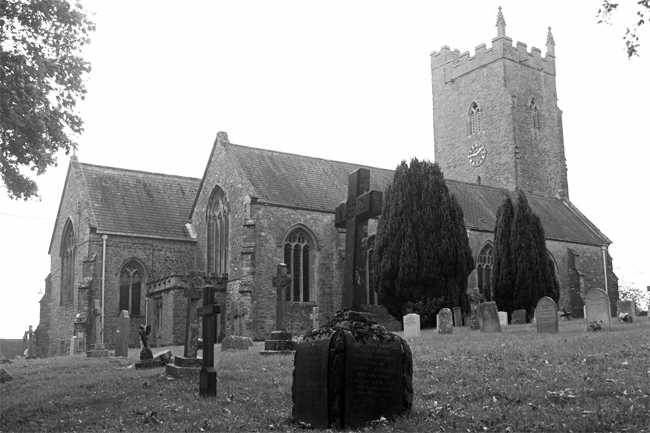
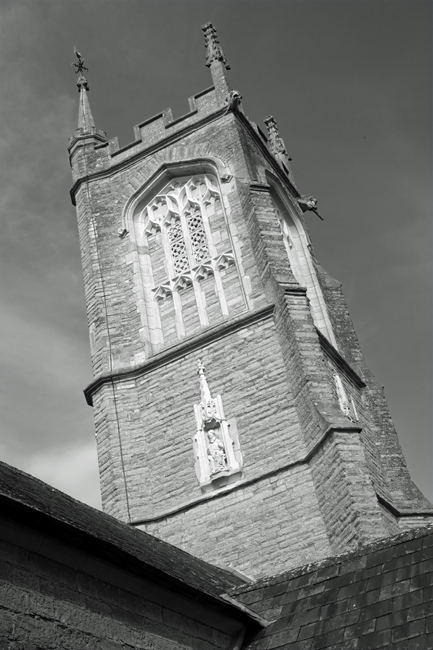
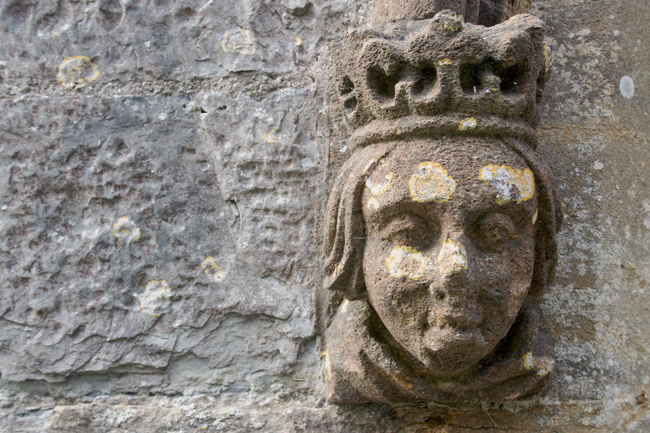
St Michael’s Church stands proud above the village, helping direct the wayward and lost to a better life. You get the feeling, however, that locals stay behind their high walls more than they used to, something sadly echoed across rural Britain more than one might care to admit.


I am painting a pretty bleak picture, I know, but, while not deliberately doing the village down, this is the sense you get when exploring a place like Othery.

Where villages like North Curry once had glory, they were fortunate in their locale. Those villages that lie too short a distance from neighbouring towns have struggled in recent years, and Othery is not an exception.

Using the same stretch of road between Street and Taunton as an example, places like Walton, Greinton, Greylake, East Lyng, West Lyng and Durston have also struggled over the years.

Villages with a distinct pull, a unique selling point, like Burrowbridge on the same stretch of road, do survive, but for others it has been a struggle.

Additional housing projects have tried to rejuvenate them, but without the infrastructure to support them, the villages still die or get swallowed up by those neighbouring towns.


CWG: Private Charles Stodgell

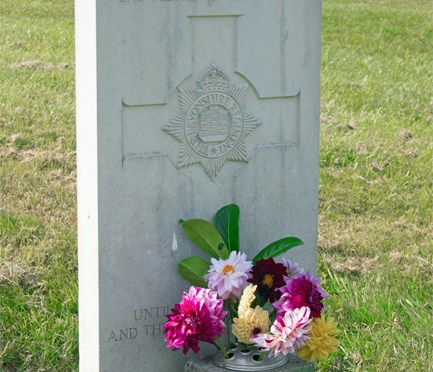
Private Charles William Stodgell

Charles William Stodgell was born in 1878, the eldest son of Samuel and Mary Stodgell. His father was an agricultural labourer, while his mother was a glover. Charles followed into farm work, becoming a carter by time of the 1901 census.

Charles married Mabel Duke in 1898 and the young couple had two daughters – Ida and Florence – in the following few years.

When war came, Charles was called up. He enlisted in June 1916, joining the Devonshire Regiment before being transferred to the Agricultural Company. His record shows that he stood at 5ft 6ins (1.67m) and weighed 10st 2lbs (64kg) and his build, health and experience is probably why he ended up in service where he did.

Private Stodgell was demobbed at the end of the war, and returned home on furlough (a word not just linked to everything 2020 has thrown at us!). Sadly, before he was fully demobbed, he contracted influenza, and died on 2nd February 1919.

Charles William Stodgell lies at rest in his home village of North Curry, in the churchyard of St Peter & St Paul.


For the stories of more of the fallen from the Great War, take a look at my Commonwealth War Graves page.

A-Z of Somerset: North Curry

N is for North Curry

The unusual Somerset names continue as we head to the village of North Curry. Nothing to do with spicy food, the name is thought to derive from the Saxon or Celtic word for ‘stream’. There are a number of similarly named villages along this ridge to the east of Taunton – Curry Rivel, Curry Mallet and East Curry – but it is the North Curry that I found myself visiting.

Like Milverton, North Curry is a place that seems to have pretentions above its station. With a population of more than 1600 people, it is almost a town, but most of its wealth derives from its historic location – a dry ridge above water-logged marshes proved an ideal location for settlement from Roman times onwards.

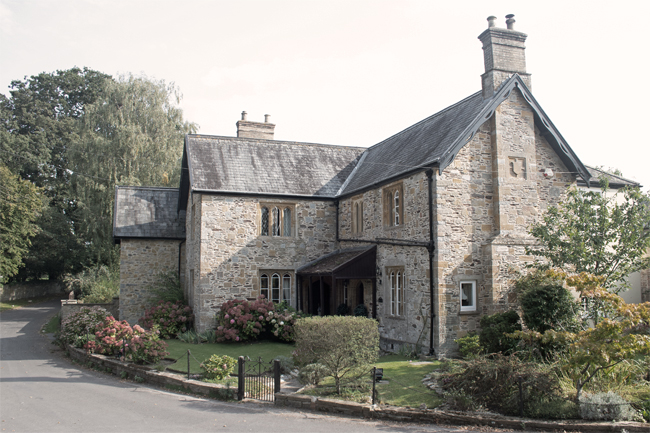
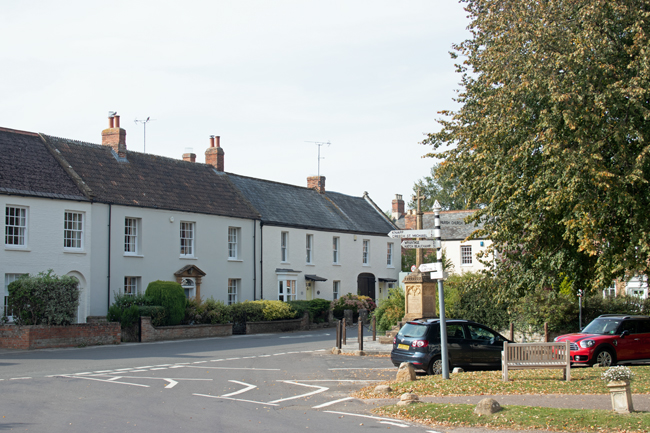
The wealth is reflected in the number of large houses, particularly around the central green – Queen Square – and North Curry appears gentrified by Georgians and Victorians alike.


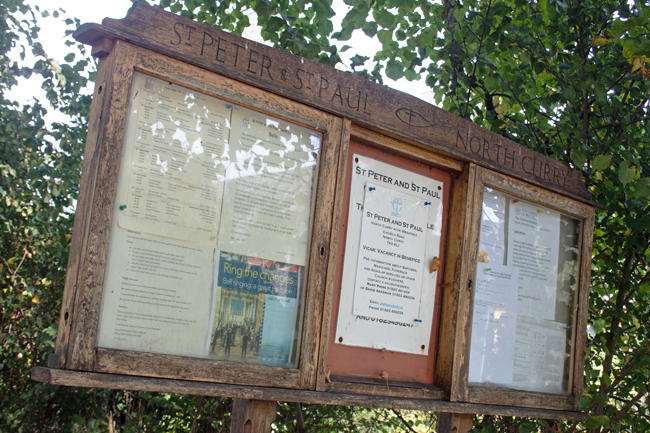
This sense of self importance is continued towards the north of the village, where the church – St Peter and St Paul’s – appears far larger than a place of North Curry’s size should accommodate. This is particularly the case, given that it is built on a ridge overlooking Haymoor and the River Tone – this is a building that was meant to be seen from afar and admired.


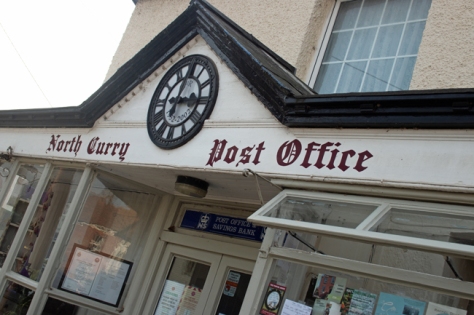
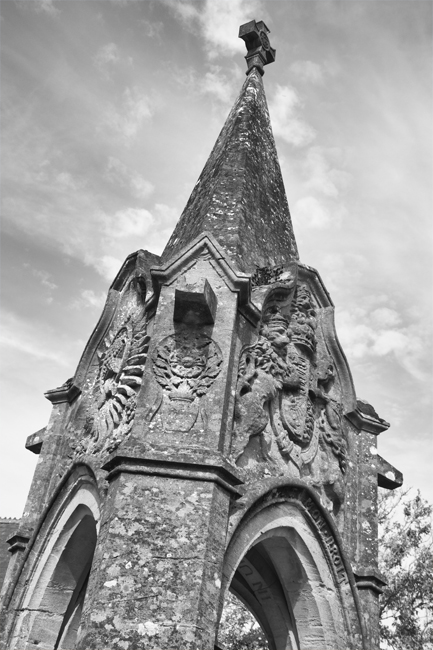
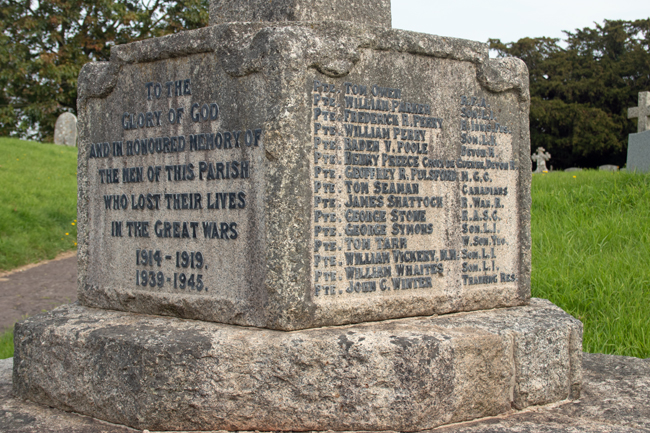
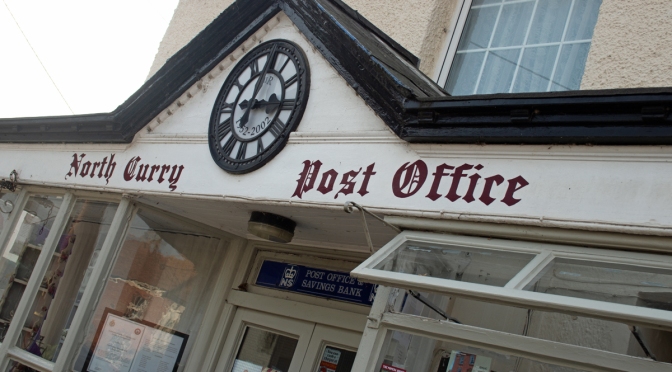
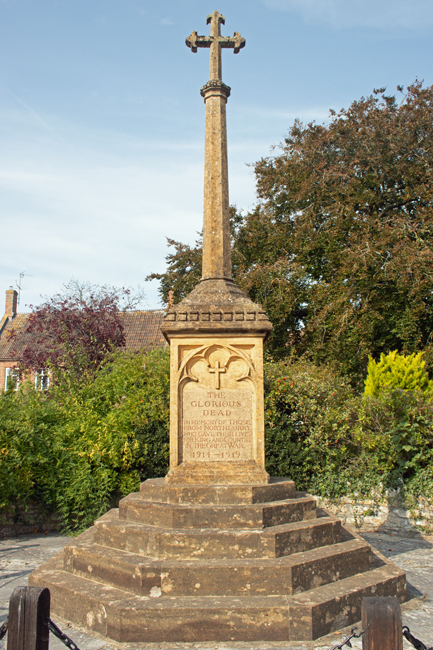
The central square is where the hub of life was focused. Sadly, the village’s post office/store and pub are all that remain of the old hustle and bustle. North Curry’s former wealth still remains on show, however, with a large memorial to Queen Victoria, an ornate War Memorial and a walled village garden being the focal points for today’s visitors.


While the wealth brought by through travellers may have long since departed, this is by no means a washed-up place. North Curry may be slightly off the beaten track, but it is still worth a wander around and there is plenty of opportunity to admire views and contemplate the wonder of the architecture.


CWG: Gunner Samuel Hayes

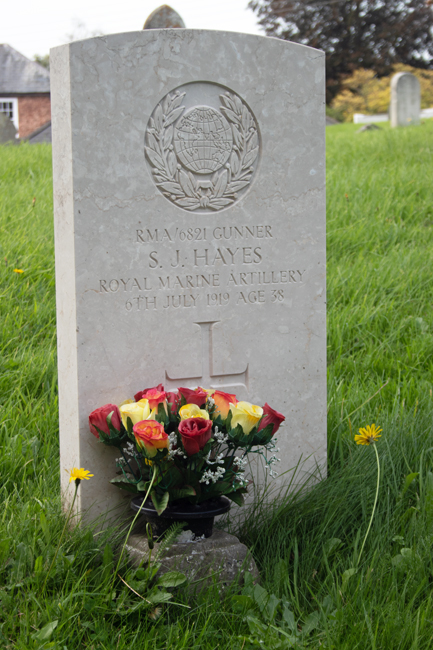
Gunner Samuel James Hayes

Samuel James Hayes was born in the Somerset village of Milverton in May 1879. He was the eldest son of James and Harriet.

James was an agricultural labourer, but Samuel wanted more than this; he enlisted in the Royal Marine Artillery in February 1897, three months before his 18th birthday.

The 1901 census finds Gunner Hayes in the Eastney Barracks in Portsmouth, while ten years later, he was on board the HMS Swiftsure in the Mediterranean.

In May 1912, he married Annie Thorne, also from Milverton, in his home village. Two years later, just before Christmas 1914, their first – and only – child, Lionel, was born.

I have struggles to find anything specific relating to Gunner Hayes’ wartime service. He certainly continued to serve, and by the time of his death had clocked up more than twenty years’ in the Royal Marine Artillery.

Samuel passed away on 6th July 1919, at the age of 38. One record I have located suggests that he died in a military hospital in Malta, but whether he passed there or in the UK, he was buried back in Somerset.

Gunner Samuel James Hayes lies at rest in St Michael & All Angel’s churchyard in Milverton.


CWG: George Henry Stone

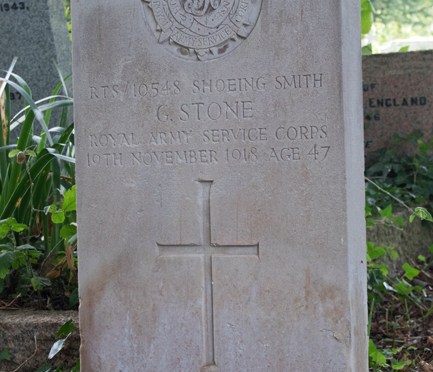
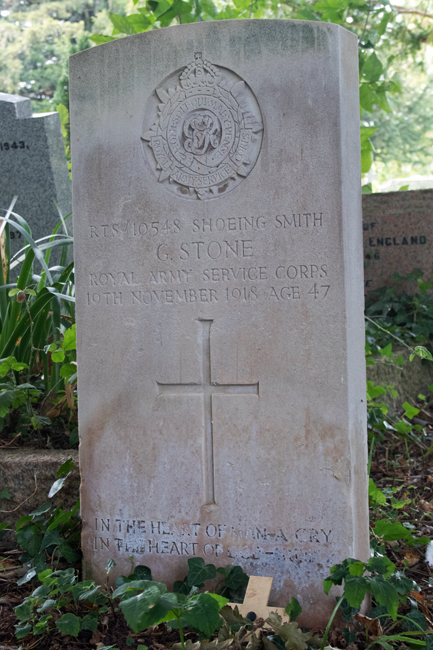
Shoeing Smith George Henry Stone

George Henry Stone was born in 1872, son of Milverton’s blacksmith James Stone and his wife Mary Ann. He followed in his father’s footsteps and, by the time he married Mary Florence Paul in 1894, he was also working in the forge in Milverton.

George and Mary had eight children – seven girls and one boy; by the time he signed up in 1915, he listed himself as a blacksmith.

His military records show that he was medically certified as Category B2 (suitable to serve in France, and able to walk 5 miles, see and hear sufficiently for ordinary purposes). He was assigned to the Remount Depot in Swaythling, Southhampton, which was built specifically to supply horses and mules for war service. (In the years it was operating, Swaythling processed some 400,000 animals, as well as channelling 25,000 servicemen to the Front.)

While serving George contracted pneumonia. He was treated in Netley Military Hospital, but passed away on 19th November 1918, aged 47.

Shoesmith George Henry Stone lies at peace in a quiet corner of St Michael & All Angel’s churchyard in his home village of Milverton.


CWG: Private George Symons

Private George Symons

George Symons was born in 1895 to Charles and Rosa Symons. He was the third of five sons.
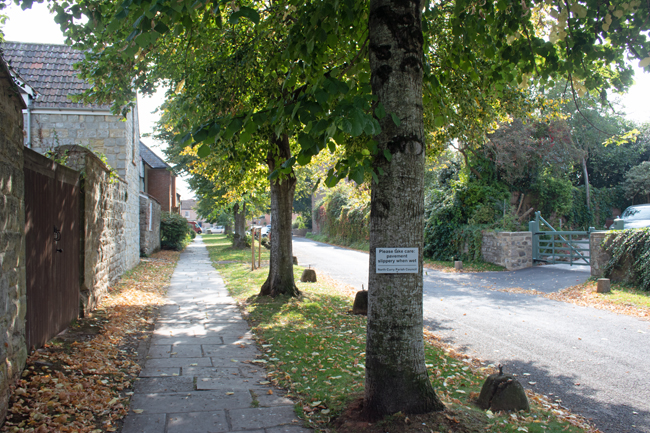
Charles worked as a carter on a farm, and his son became a cowman as soon as he could leave school.
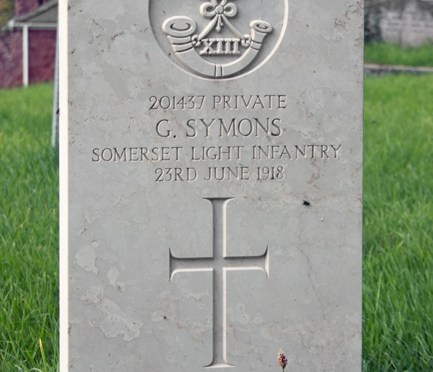
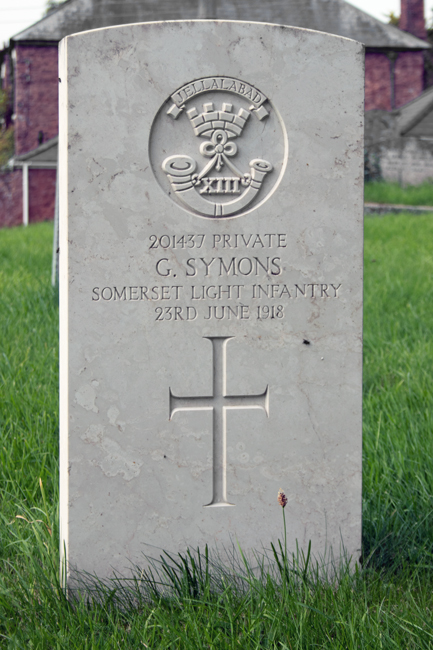
Military records for George Symons are pretty sparse. From his gravestone we know he joined the Somerset Light Infantry; the army’s register of soldier’s effects confirm that he died in a military hospital on home soil; £23 7s 11d went to his father.

It can be assumed, therefore, that Private Symons served on the Western Front (where the Somerset LI was), was injured and brought home for treatment or rehabilitation.

Private George Symons lies at rest in the churchyard of St Michael and All Angels in Milverton.


A-Z of Somerset: Milverton

M is for Milverton

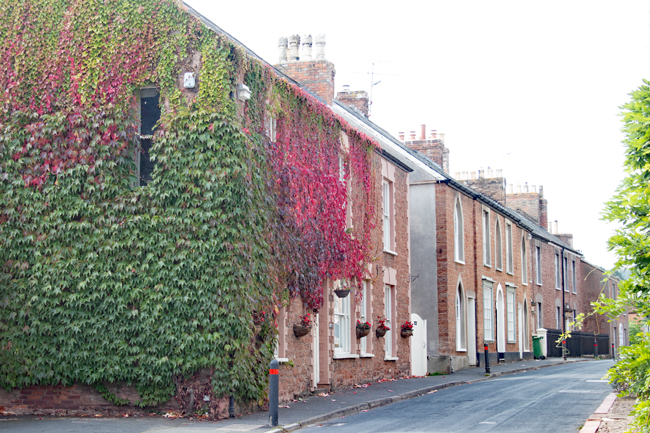
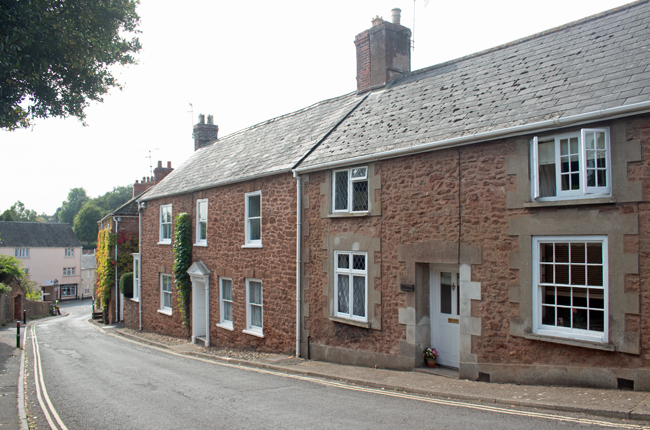
Five miles to the west of Taunton lies the pretty village of Milverton. With a population of nearly 1500 people, it feels like more of a town, and the size and architecture of the houses hint at this being a bustling and rich place.

As with much of Somerset, the key trade was cloth, and a silk throwing factory was set up in the village at the beginning of the 19th century, eventually employing more than 300 people.


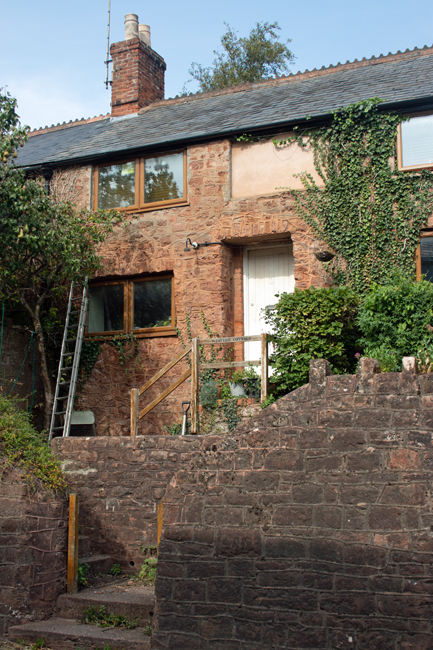
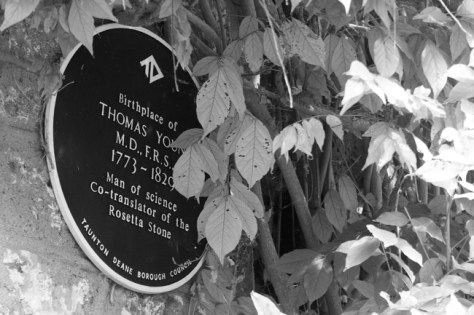
One of Milverton’s notable residents was Thomas Young (1773–1829). He is a man who had fingers in many pies, counting a scientific understanding of vision, light, solid mechanics, energy, physiology amongst his specialisms. He is probable more notable for his interest in Egyptology, and helped translate the Rosetta Stone.


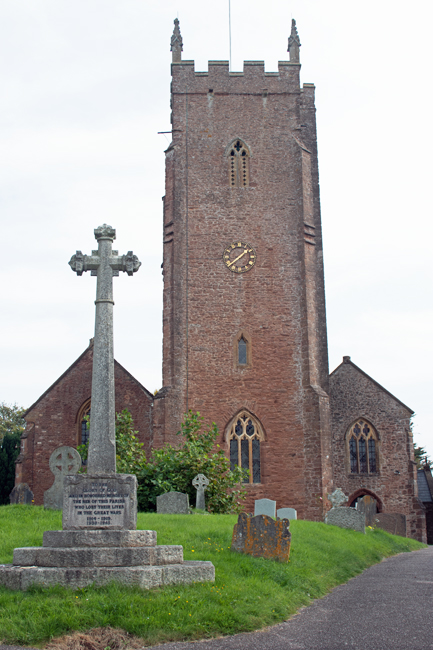
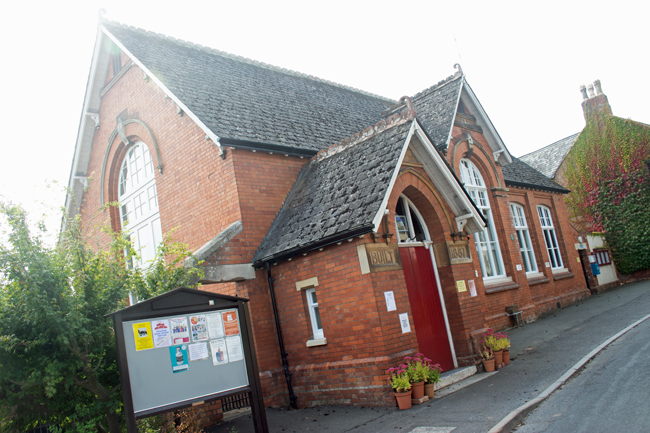
The parish church is the Church of St Michael and All Angels, set in a quite location, and raised above the surrounding houses. It is a peaceful and tranquil location, perfect for reflection and contemplation.

A number of Commonwealth War Graves lie in the graveyard, which I’ll expand on in coming posts.


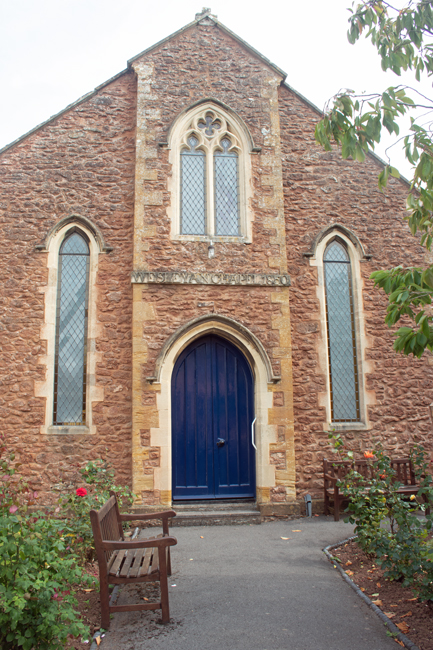
For a town of its size, Milverton has the amenities you would expect; there is another church – a Wesleyan Chapel built in 1850 – a school and a lone remaining public house, The Globe. Shops are minimal, as is transport – the village’s station was another of those that feel during the Beeching cuts of the 1960s.

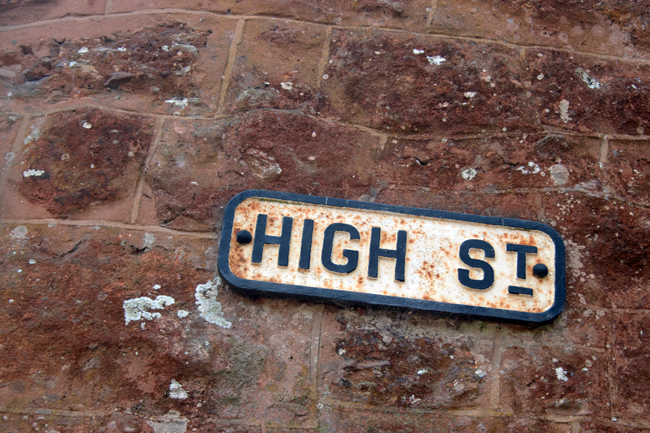
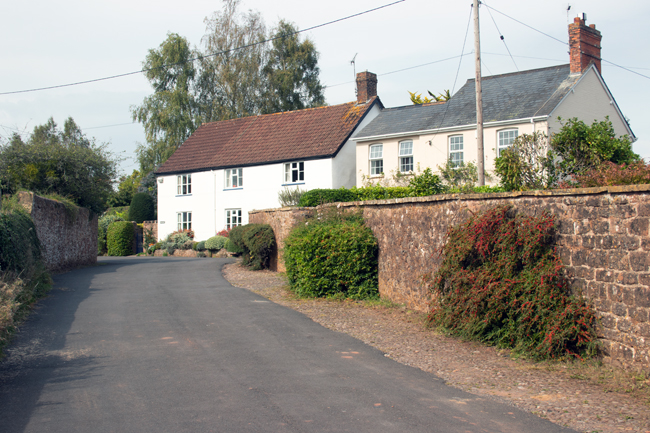
One surprise, however, is the village’s High Street. Doing away with what we nowadays expect, there are no shops or conveniences on it; it is literally a high street, leading up a hill away from the church.


One thing I have found, as I reach the halfway point of my alphabetical journey around Somerset is that, while generally the same, all of the places I have visited have their distinct personalities.

Milverton has just that. It is a large village, the result of its previous industrial heritage, but has slipped back to become a sleepy locale, and is all the better for it.


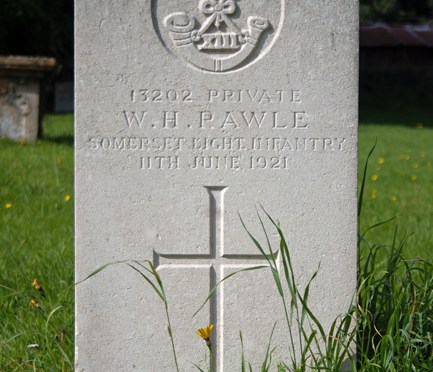
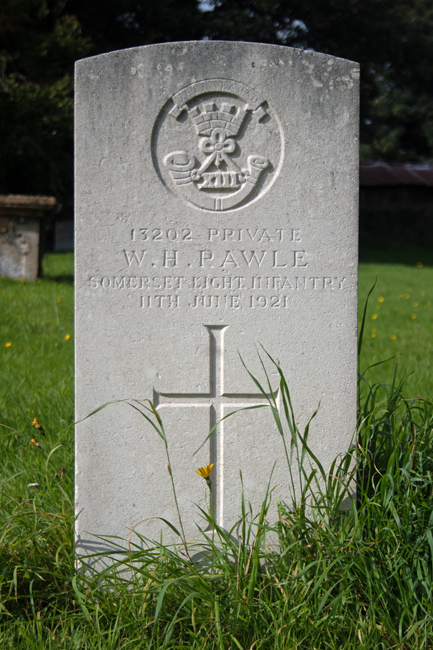
CWG: Private William Rawle

Private William Henry Rawle

William Henry Rawle was born in 1894, the eldest child of George Rawle, a sailor, and Louisa, his wife.

At the time of the 1911 census, William was working as a carter on a farm not far from Porlock in Somerset.

He enlisted in August 1914, joining the Somerset Light Infantry and serving as part of the Expeditionary Force. After a couple of postings, Private Rawle was transferred to the Pioneer Depot in March 1916.

Six months later William was medically discharged as unfit for continued service. His notes highlight his distinguishing marks as 3 marks on his left arm, birth mark under his right nipple and gunshot wound to the left eye (which I am guessing is what led to his discharge).

William died on 11th June 1921, aged 27 years old. I have been unable to find anything specific relating to his death and it is likely, therefore, that no misadventure was involved.

Private William Henry Rawle lies at peace in the churchyard of Lydeard St Lawrence, alongside his brothers Stephen and Ernest.


It should be noted that, by June 1921, Louisa Rawle had lost three of their four sons to the Great War. Her husband, George, had also passed away in 1915.

Louisa’s other son – Edward – also served, enlisting in the Somerset Light Infantry and fighting in the Balkans. Private Edward Rawle survived the war, returning home in March 1919.


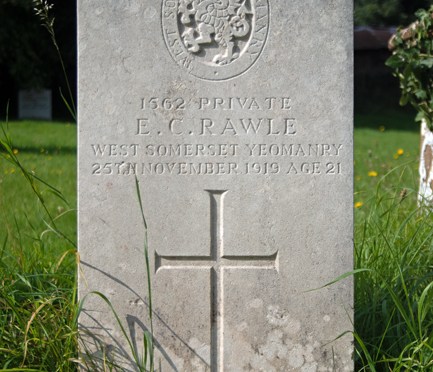
CWG: Private Ernest Rawle

Private Ernest Charles Rawle

Ernest Charles Rawle was born in 1894, the fourth son of George Rawle, a sailor, and Louisa, his wife.

It has not been easy to find information on his war service. What I have been able to ascertain is that Ernest was still at school at the time of the 1911 census, and enlisted in the West Somerset Yeomanry.

He was discharged with a disability on 23rd May 1919, passing just six month later. He was just 21 years old.

Private Ernest Rawle lies at peace in the churchyard of Lydeard St Lawrence, alongside his two brothers, Stephen and William.


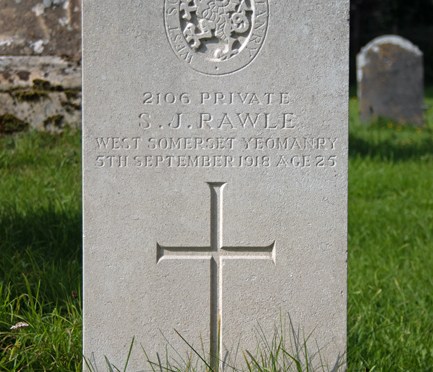
CWG: Private Stephen Rawle

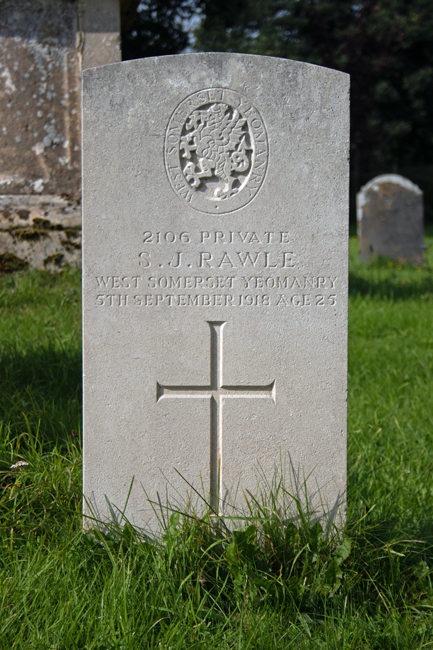
Private Stephen John Rawle

Stephen John Rawle was born in 1894, the second of four sons of George Rawle, a sailor, and Louisa, his wife.

By the time war broke out, Stephen was working as a groom in Wheddon Cross, just south of Minehead.

As the Great War loomed, he enlisted and Private Rawle serving on the home front. His record show that he stood at 5ft 9.5ins (1.76m) and was of good enough health to be enrolled for the Territorial Force. He was assigned to the West Somerset Yeomanry.

He was medically discharged from service on 29th March 1915, having served for one year and 31 days. The records show no signs of injury or wounds, and newspapers of the period do not link him with any misadventure. I can only assume, therefore, that he died of natural causes, possibly linked to the Spanish Flu Pandemic.

Private Stephen John Rawle lies at rest in the churchyard of Lydeard St Lawrence, alongside two of his brothers, Ernest and William.