Category Archives: Great War

Death and Service

I’ve been a keen photographer for years now, as anyone who had followed the CKPonderings or CKPonderingsToo blogs will know. What began as a hobby quickly became an obsession, and there was rarely a time that I would venture out without my camera.

Given the number of photographs I took, the subject range became vast, and seeing the world in a slightly different way helped me view things in ways that others found a bit odd. (“Why was I taking a photograph of those wires hanging from the wall?” for example.)

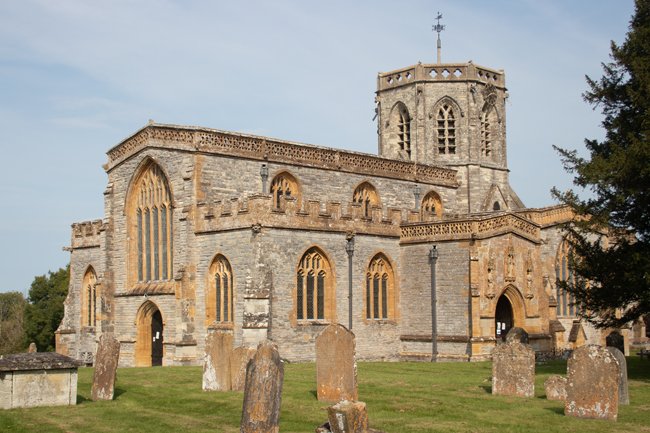
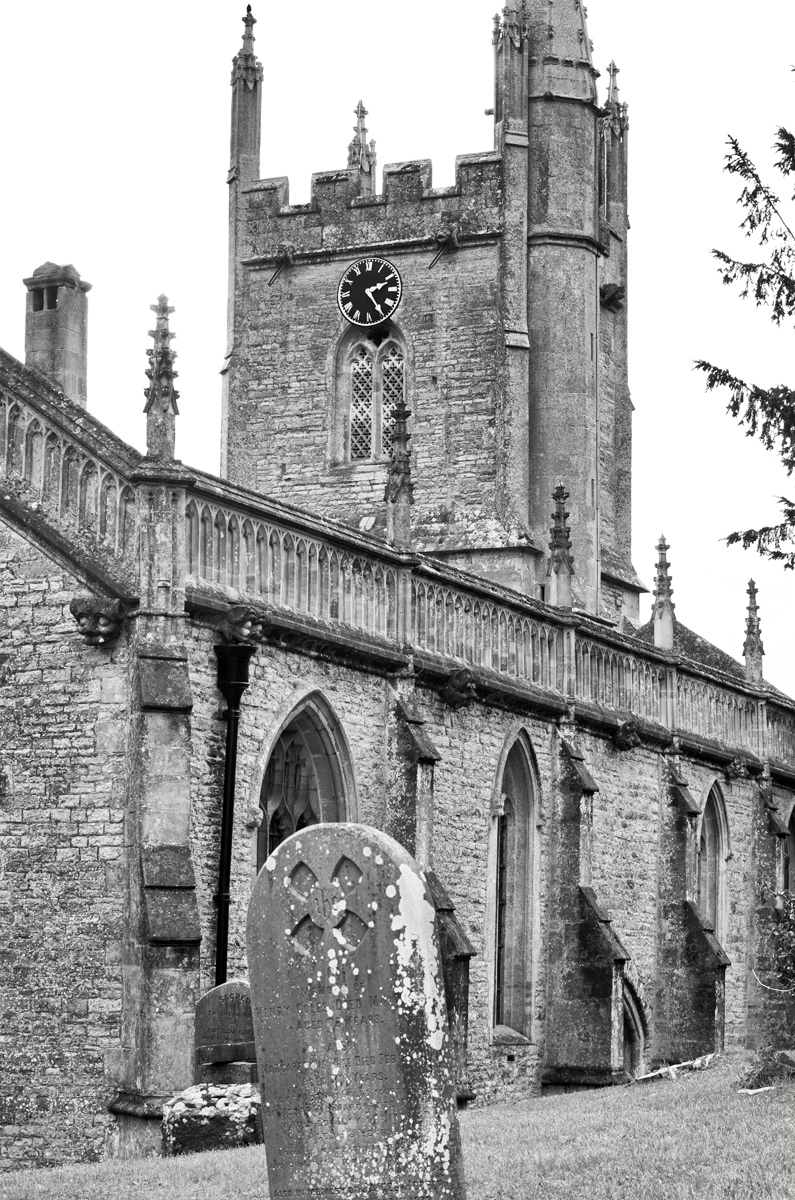
With a move to Somerset coinciding with life coming to a halt as pandemic swept the world, I used the once-a-day forays out of doors to explore the villages around me. Part of this photographic exploration naturally included the local church, and the atmosphere of the graves and tranquillity the churchyard instilled was a natural draw for my eye.

One of my other passions in recent years has been collecting – rescuing – old and antique photographs, the idea that these were people whose lives were fogged in anonymity and lost to time. I love the social history that these studio portraits convey, and am saddened that nobody will ever know whose these people were.

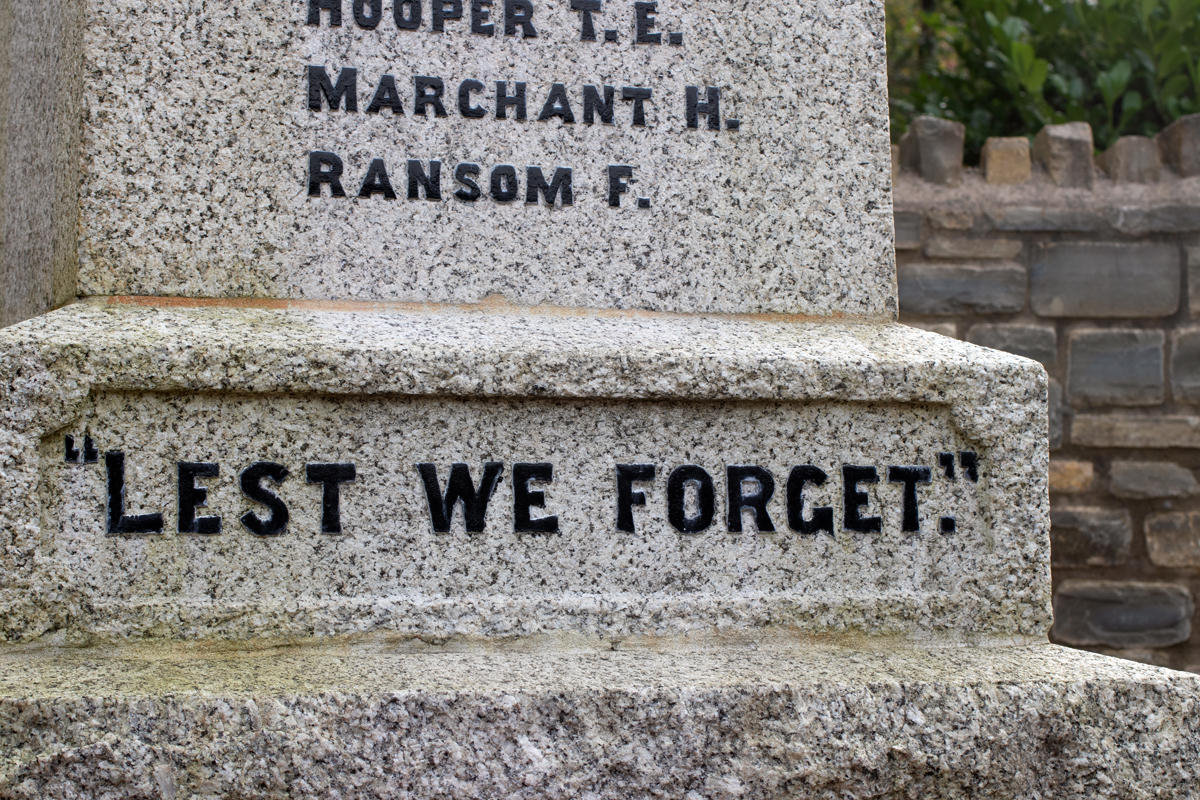
The social history side of my brain kicked in once more when I was wandering around the Somerset graveyards. The names inscribed on the headstones represent lives that again, have been lost to time, and what drew me even more was the thought that the names of the soldiers, sailors, airmen and medical staff that featured on the Commonwealth War Graves in some of these churchyards may, again, be lost to time.

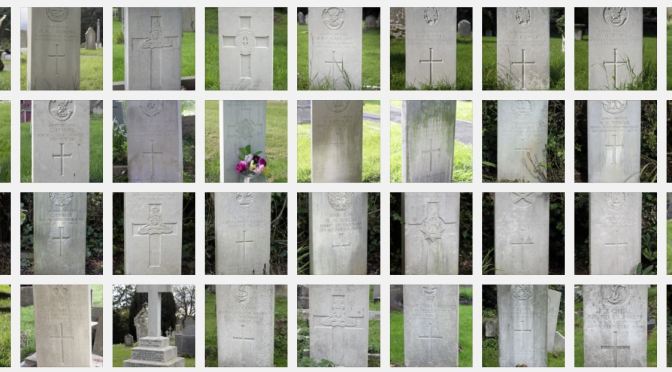
So, as part of my research into the story of the villages I visited, I began to investigate the names on these gravestones, to see how much of these people’s lives could be recovered or reconstructed. There are more than 800,000 War Graves across the UK and more than 800 of those can be found in over 240 cemeteries and churchyards across Somerset. Each of the names on those gravestones has a story connected to it, a story of family and of tragedy, a story of life on the battlefield and of love on the home front.

The names on these graves represent men and women from over sixty regiments, drawn to the cause from all corners of the Empire. They were wounded in battle or succumbed to disease, they were caught up in accidents or died at their own hands. These were soldiers of all ranks, age and class; brave pioneers of aviation; people seeking adventure on the high seas. Above all these were hopes, dreams and aspirations lost, cut tragically short for King and Country.

This image has an empty alt attribute; its file name is img_3860s.jpg

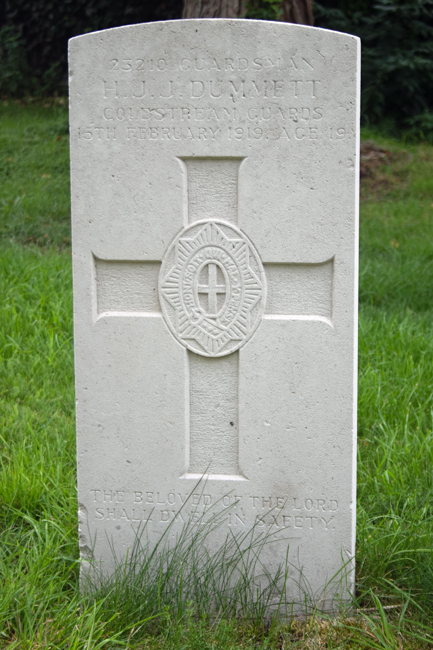
These were people like Guardsman Harold Dummett from the village of Kingsdon, who enlisted in the the Coldstream Guards, but died of pleurisy and pneumonia in 1919 at the age of just 19 years old.

Read about Guardsman Dummett.


This image has an empty alt attribute; its file name is img_4726s.jpg

These were soldiers like Rifleman Harry Trevetic of the King’s Royal Rifles. Born in Burton-on-Trent in Staffordshire, he served in the Boer Wars and acted as batman to a Captain Makins.

Makins was injured on the Western Front, but Harry carried him to the nearest field hospital, then stayed with him there and returned to England as his assistant while he recovered.

Makins received his orders to return to the Front, but the idea of returning there horrified Rifleman Trevetic who chose to take his own life, rather than return to the terrors that awaited.
Read about Rifleman Trevetic.


This image has an empty alt attribute; its file name is img_4414s.jpg

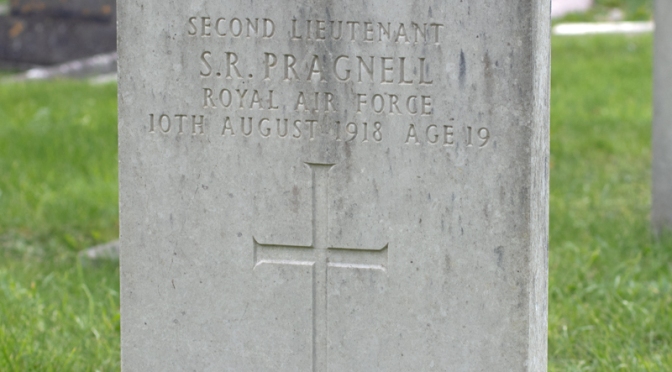
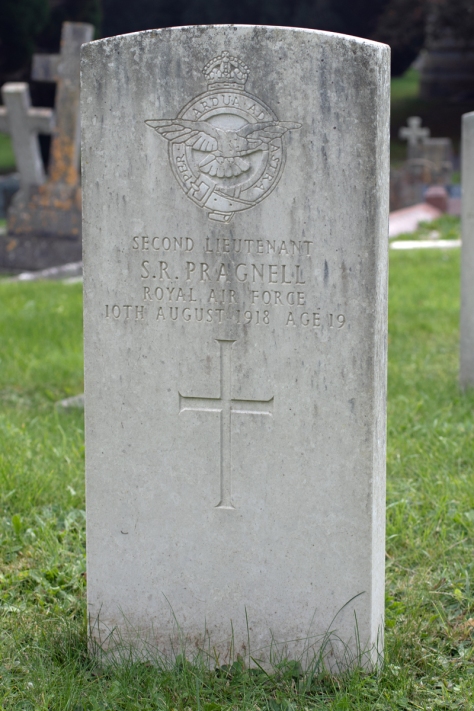
There was Second Lieutenant Sidney Pragnell from Sherborne in Dorset, who was so keen to play his part, he enlisted in the Royal Navy while under age.

He moved to the Royal Naval Air Service, which became the Royal Air Force, and was killed in a flying accident in August 1918.

Read more about Second Lieutenant Pragnell.


This image has an empty alt attribute; its file name is img_4432s.jpg

There was Staff Nurse Dorothy Stacey, also from Sherborne in Dorset who, because she came from a ‘good family’ was able to join the Queen Alexandra’s Imperial Military Nursing Service Reserves.

After time spent tending to the troops returning wounded and injured from the Front, she fell ill, probably contracting one of the many conditions she had found herself treating, and died at the tender age of just 25 years old.

Read about Staff Nurse Stacey.


This image has an empty alt attribute; its file name is img_5050s.jpg

There was Private John Russell, who was hit by a motor car while guarding his camp. Just 19 years of age, he was buried in his home village of Meare, near Glastonbury.

The driver, Vera Coysh, went on to become an author of romantic novels.

Read more about Private Russell.


I am drawn to these sad and tragic tales, but also moved by the seeming randomness of the way life was taken.

The sleepy village of Lydeard St Lawrence has in its churchyard the graves of three brothers, William, Stephen and Ernest Rawle, all of whom died for their cause, leaving their other sibling, Edward, the only one to return from the European battlefields.

Read more about William Rawle, Stephen Rawle and Ernest Rawle.


This image has an empty alt attribute; its file name is img_6825.jpg

In Yeovil Cemetery, on the other hand, lies Joseph Dodge, one of seven brothers to fight in the conflict, and the only one of the seven not to survive.

Read more about the life of Private Dodge.


There are countless stories to be told, and it is a privilege to be able to share some of these on the Death and Service website.


An A-Z of Somerset Villages

With everything else that has been going on in the world, it’s taken a while to get there, but here is the complete list of alphabetical Somerset villages posts. What started out in August 2020 as something of a lockdown photographic project, helping me explore parts of my new home county that I might normally bypass, became much more than just something to challenge my satnav.

Twenty six villages, each with their own individual personalities and traits. Each came into being in different ways, for different reasons, but each brings something different to the county, adding different stories to the county’s history.

(The previously mentioned disclaimers apply to the alphabetical journey. There are no villages in Somerset beginning with a J or a V, so K and W are doubled up. Zeals is technically not in Somerset, but is within a few hundred yards of the border, so I have taken the liberty of including it in the list, as there are no other places in the county starting with that letter.)

Click on an image to visit the village post.


Ashcott

Baltonsborough

Charlton Mackrell

Dinder

Evercreech

Farrington Gurney

Godney

Haselbury Plucknett

Isle Abbotts

Kingweston

Kingsdon

Lydeard St Lawrence

Milverton

North Curry

Othery

Pilton

Queen Camel

Rodney Stoke

Stanton Drew

Tintinhull

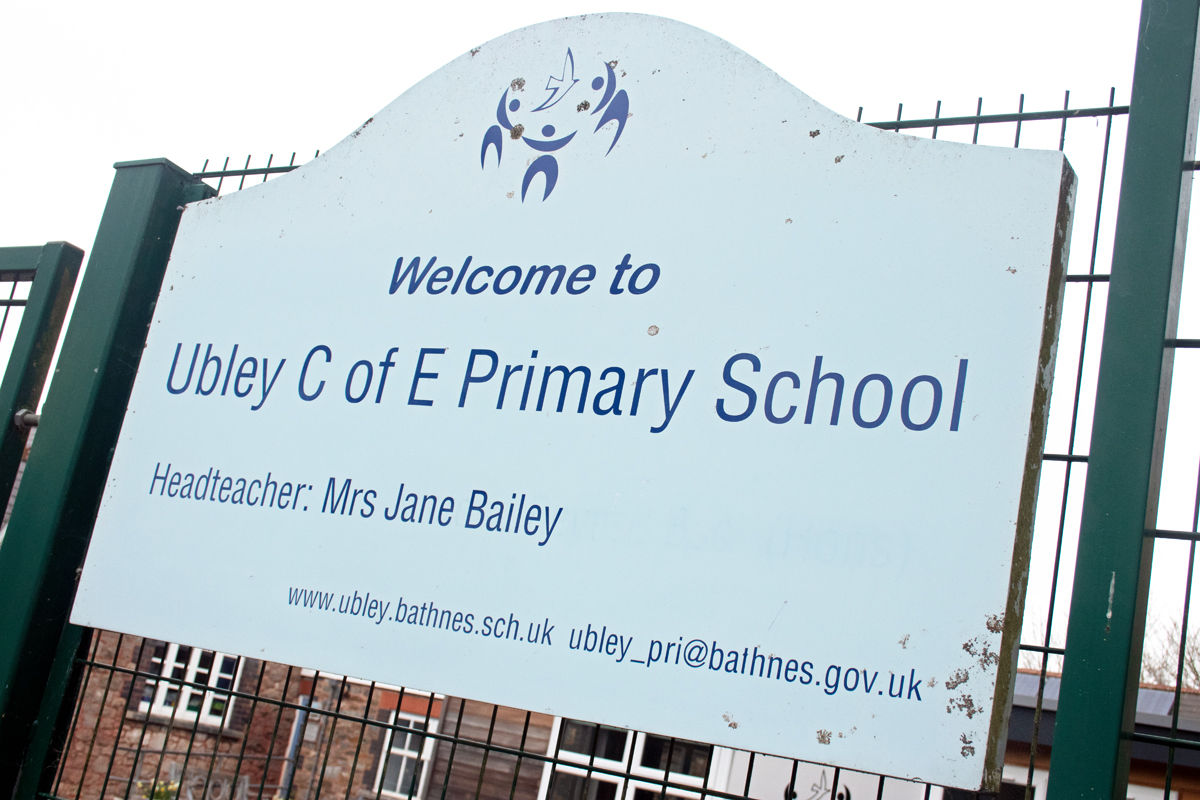
Ubley

Withypool

Walton-in-Gordano

Exton

Yatton

Zeals

A-Z of Somerset: Ubley

U is for Ubley

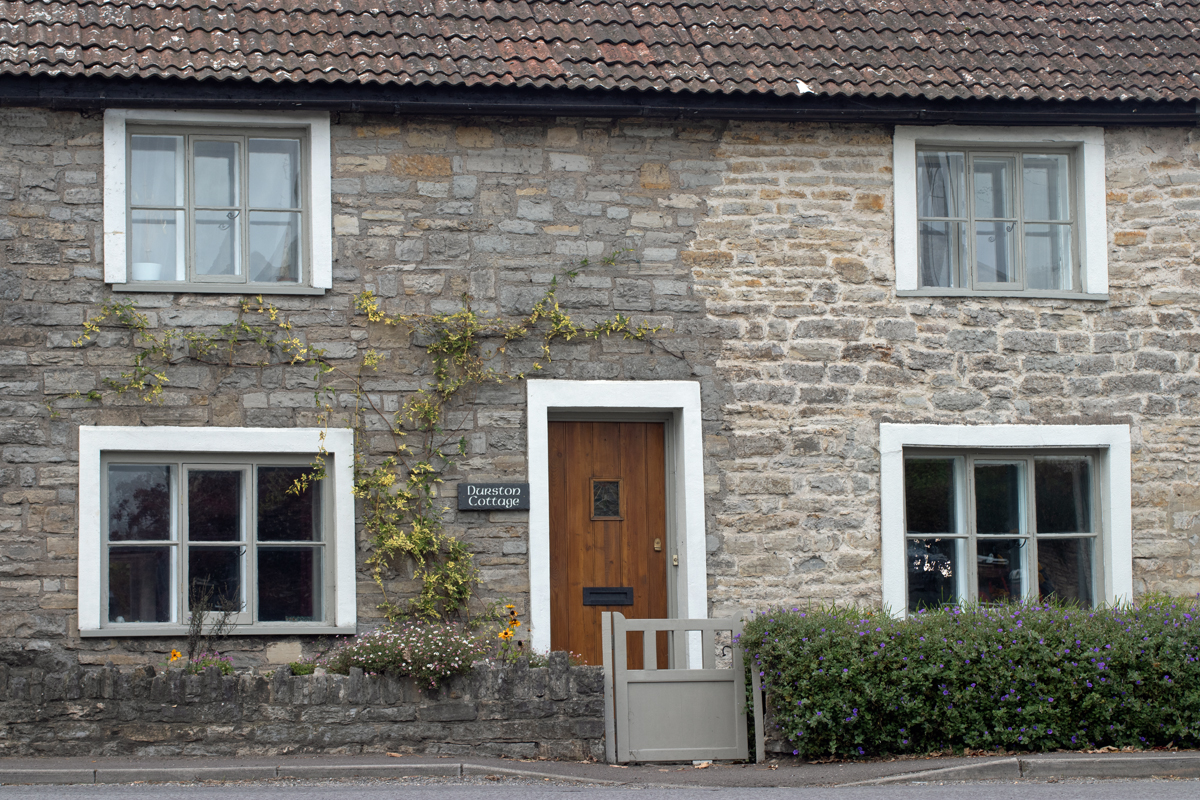
Nestled under the northern slopes of the Mendips, close to the Blagdon Lake in the Chew Valley, lies the quiet and unassuming village of Ubley.

The derivation of the village’s name is lost to time: in the 10th century it was known as Hubbanlege; a century later is was Tumbeli (or “rolling meadow” in old English). The name may come from local king Ubba, although it may also have been given the name in Veb, after the Latin word for lead, from the lead miners who lived in the area.


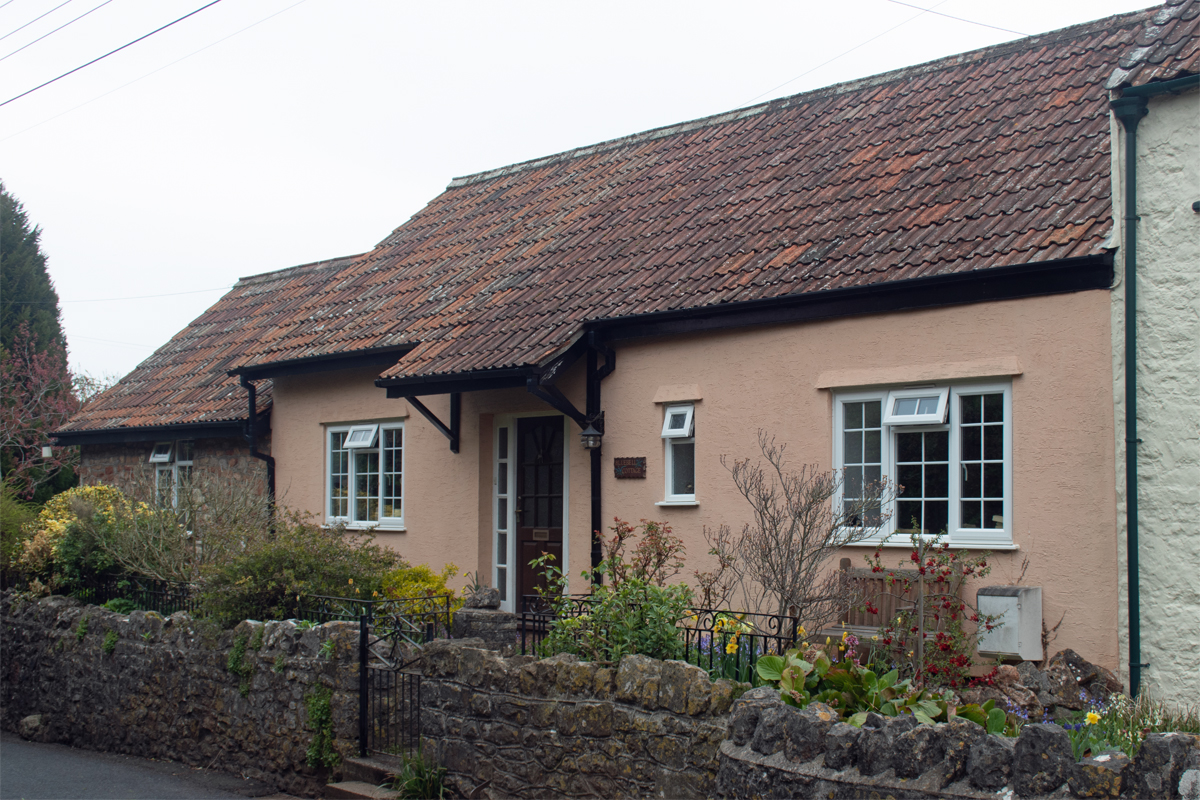
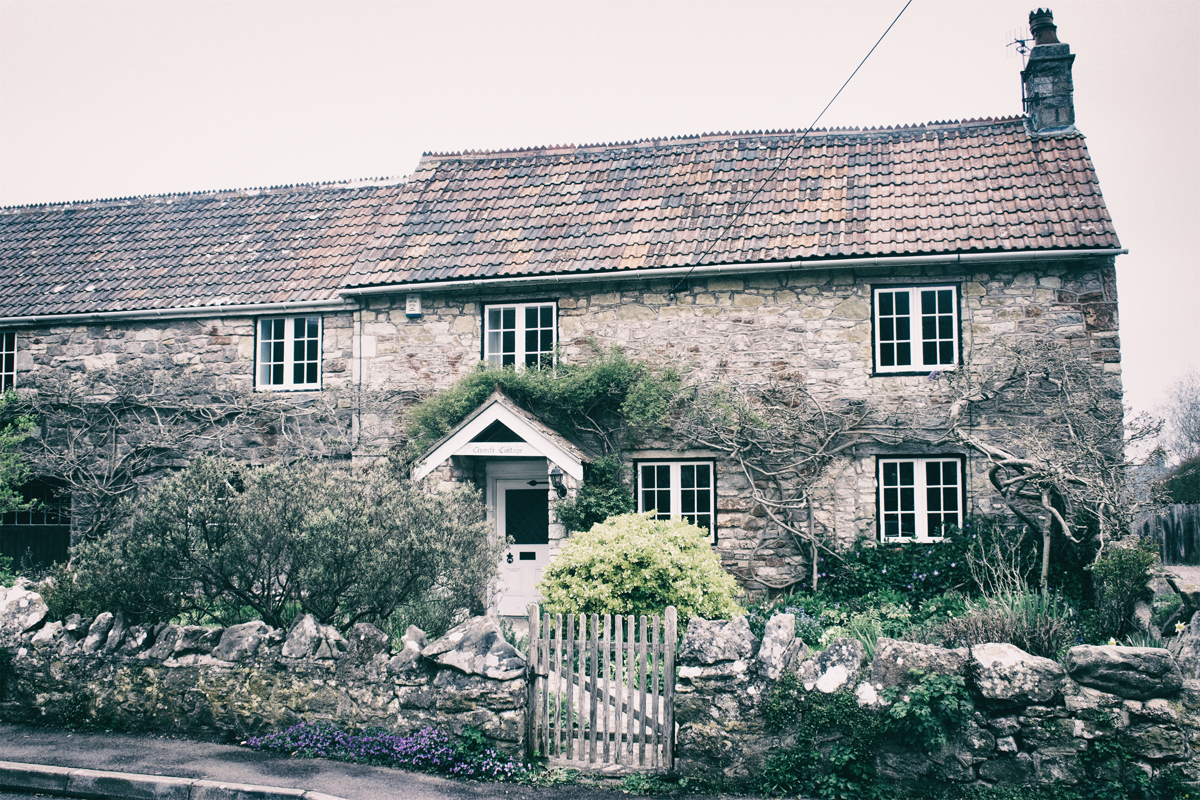
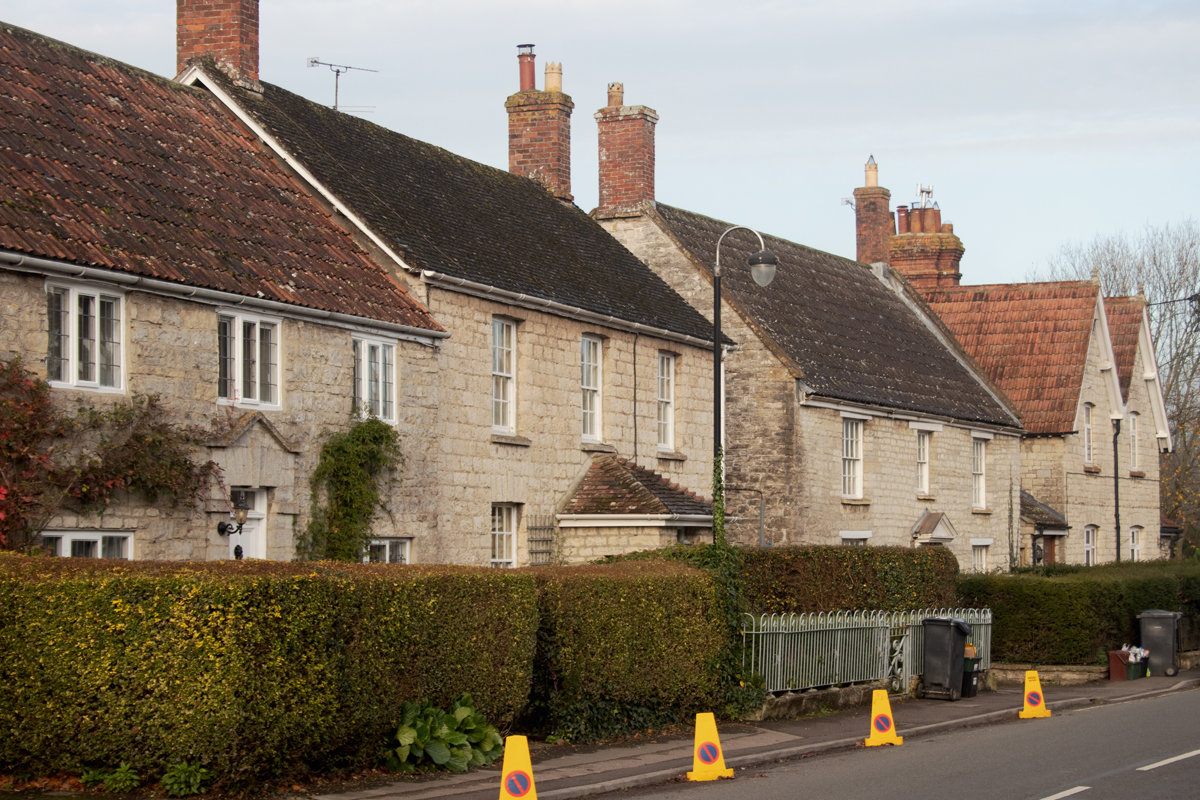
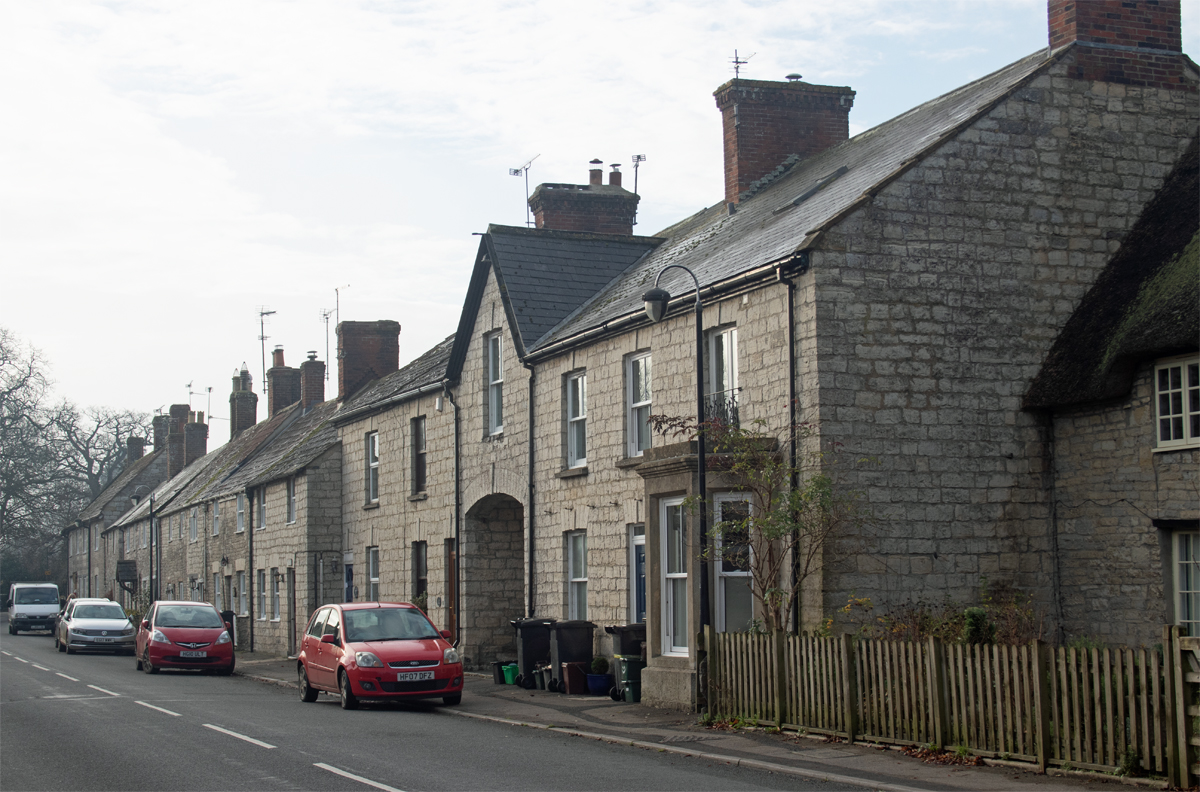
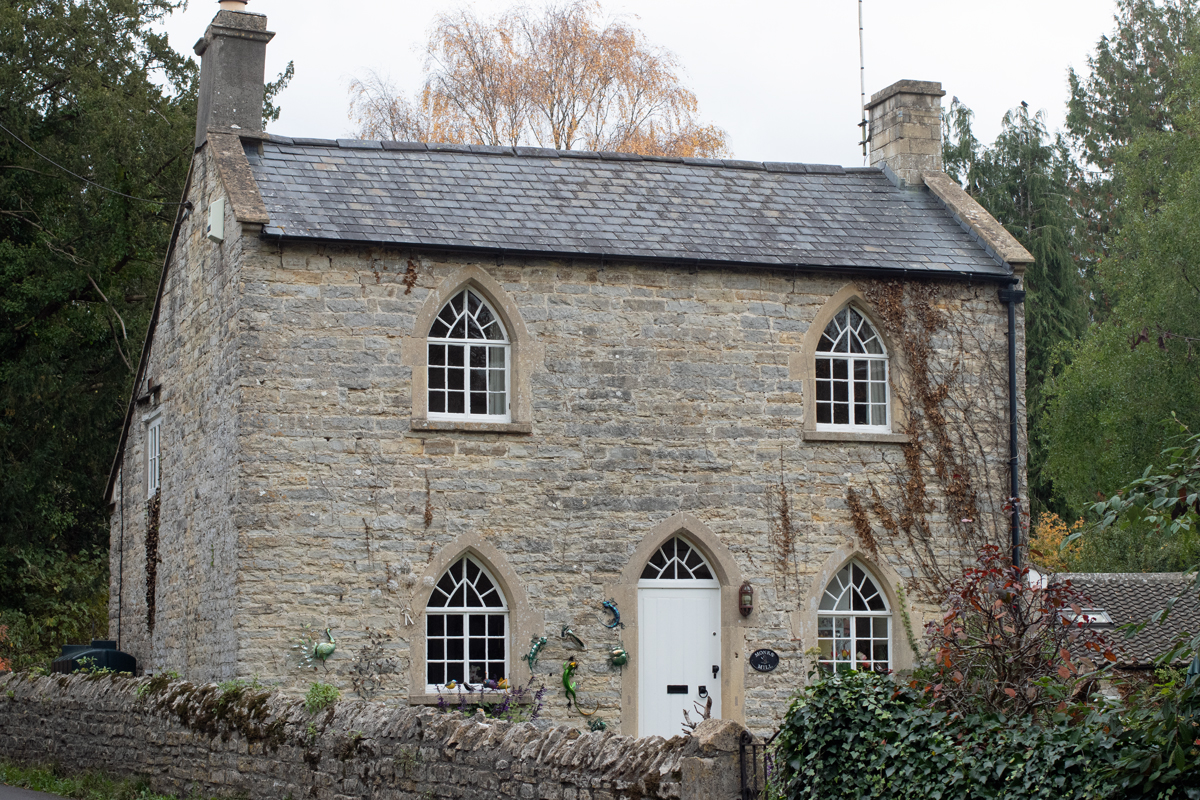
Today, the village has a population of around 330 people, most of whom live in old, stone built houses around the village green.


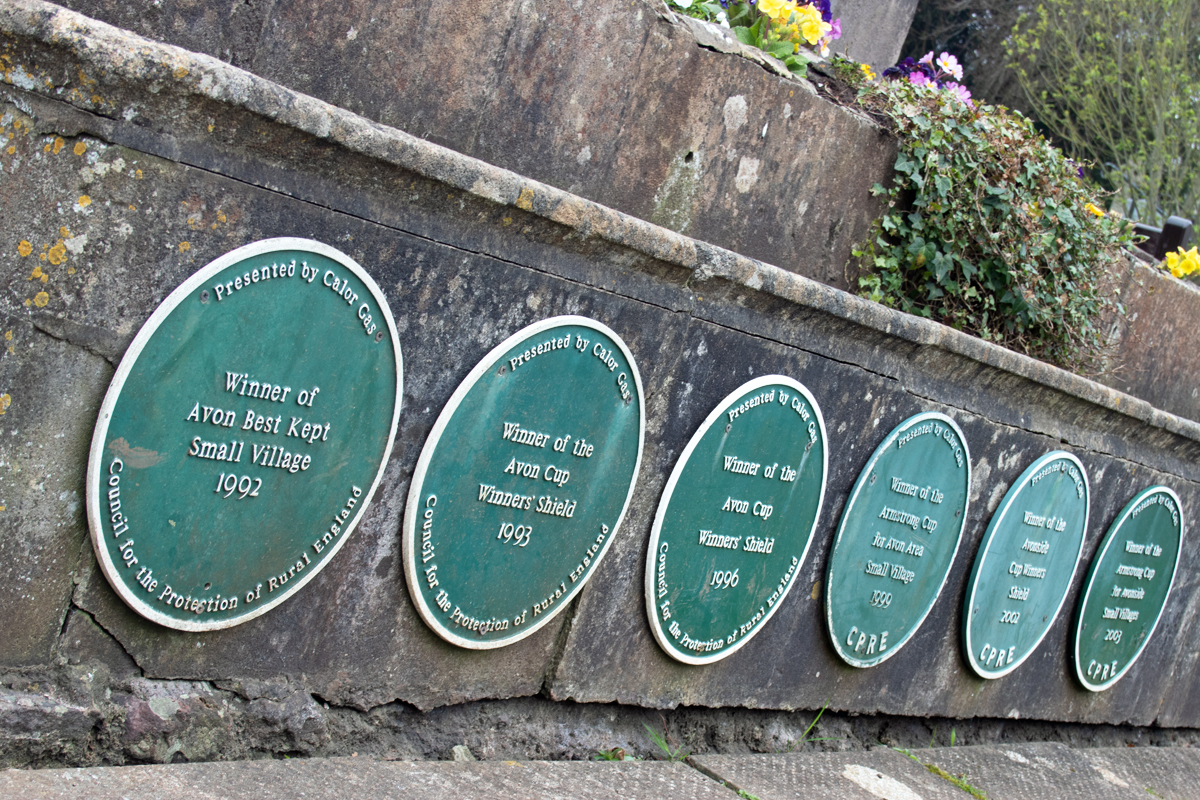
Ubley is a village that takes pride in its appearance, although the Best Kept Village signs date from twenty or thirty years ago. It is a quiet place in a quiet valley, and one with a community feel that is even more apparent because of the events of the last year or so.


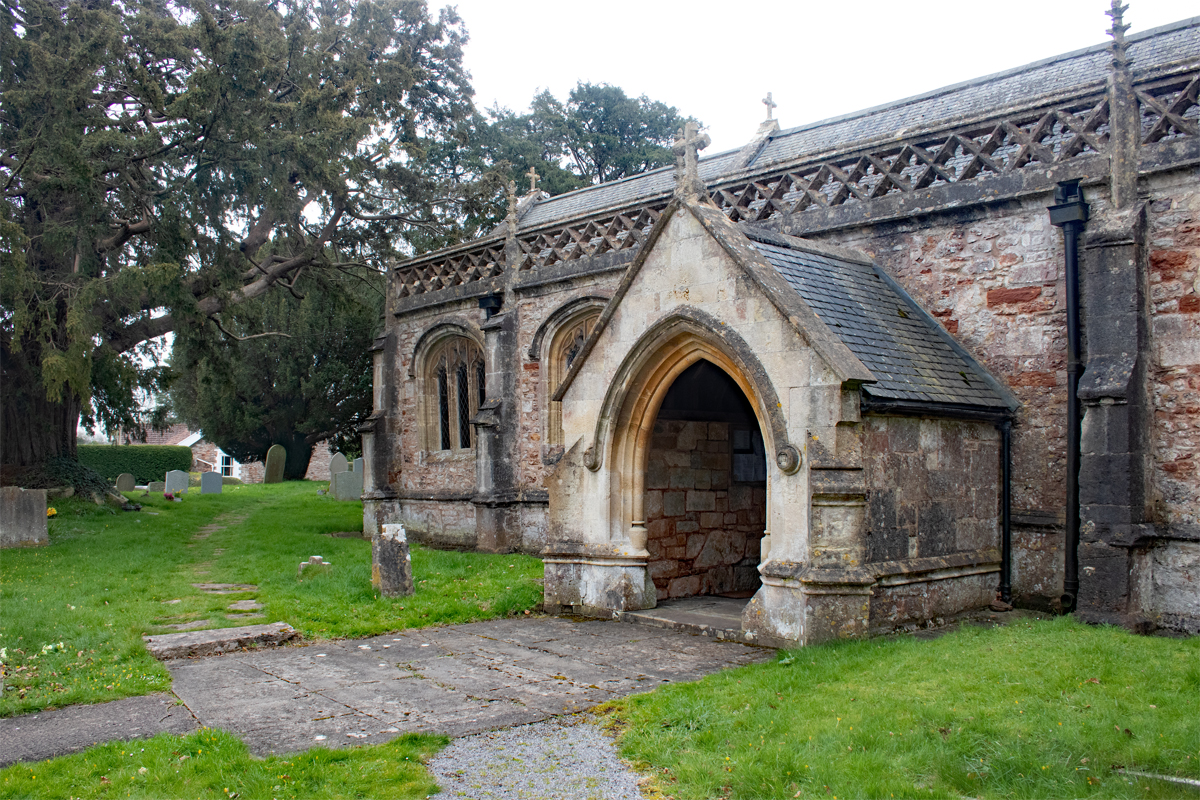
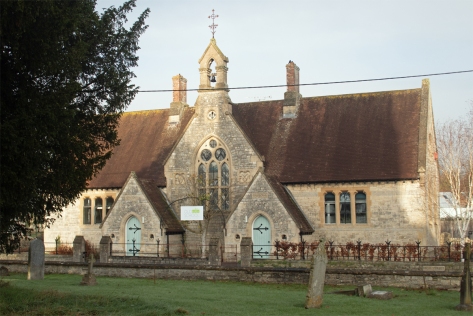
At the heart of the village lies St Bartholomew’s Church. Grade I Listed, it was closed on the day I visited, but was being frequented by a large number of crows, diligently building nests within its open steeple.
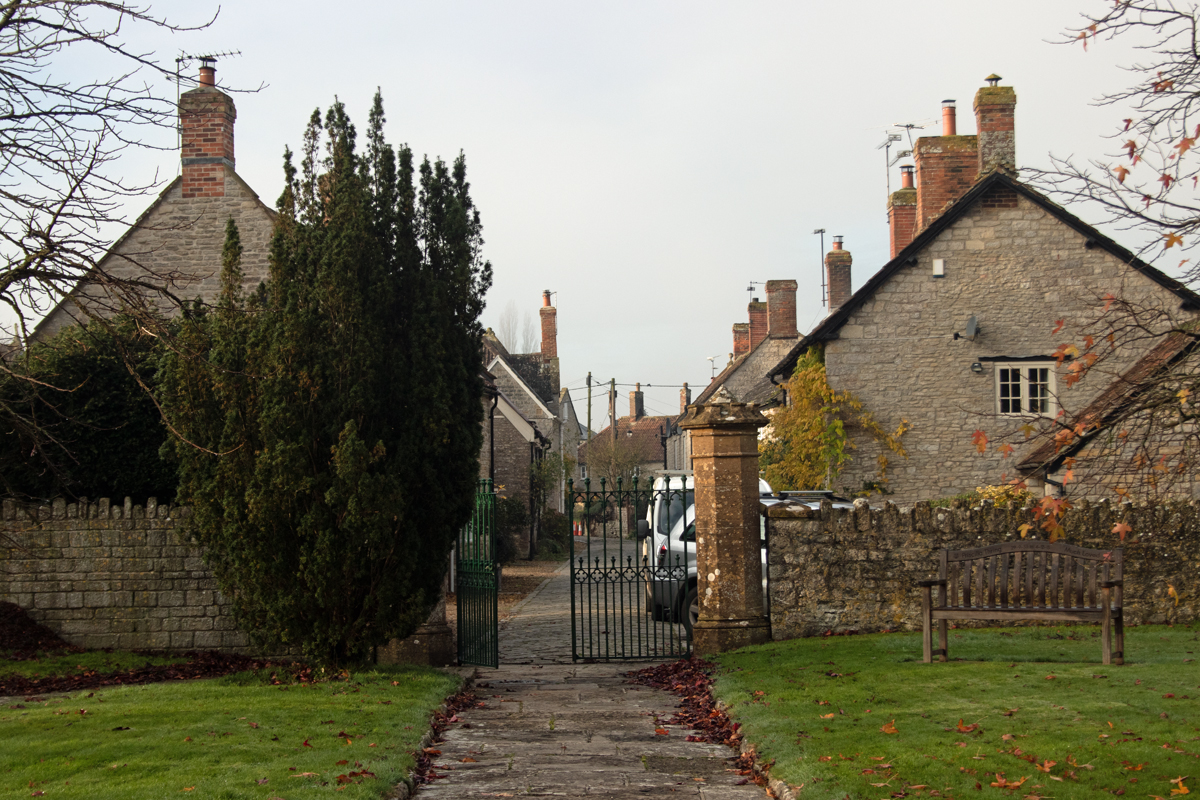
The grounds around the church are a peaceful, safe haven for those who have been buried within them over the years.

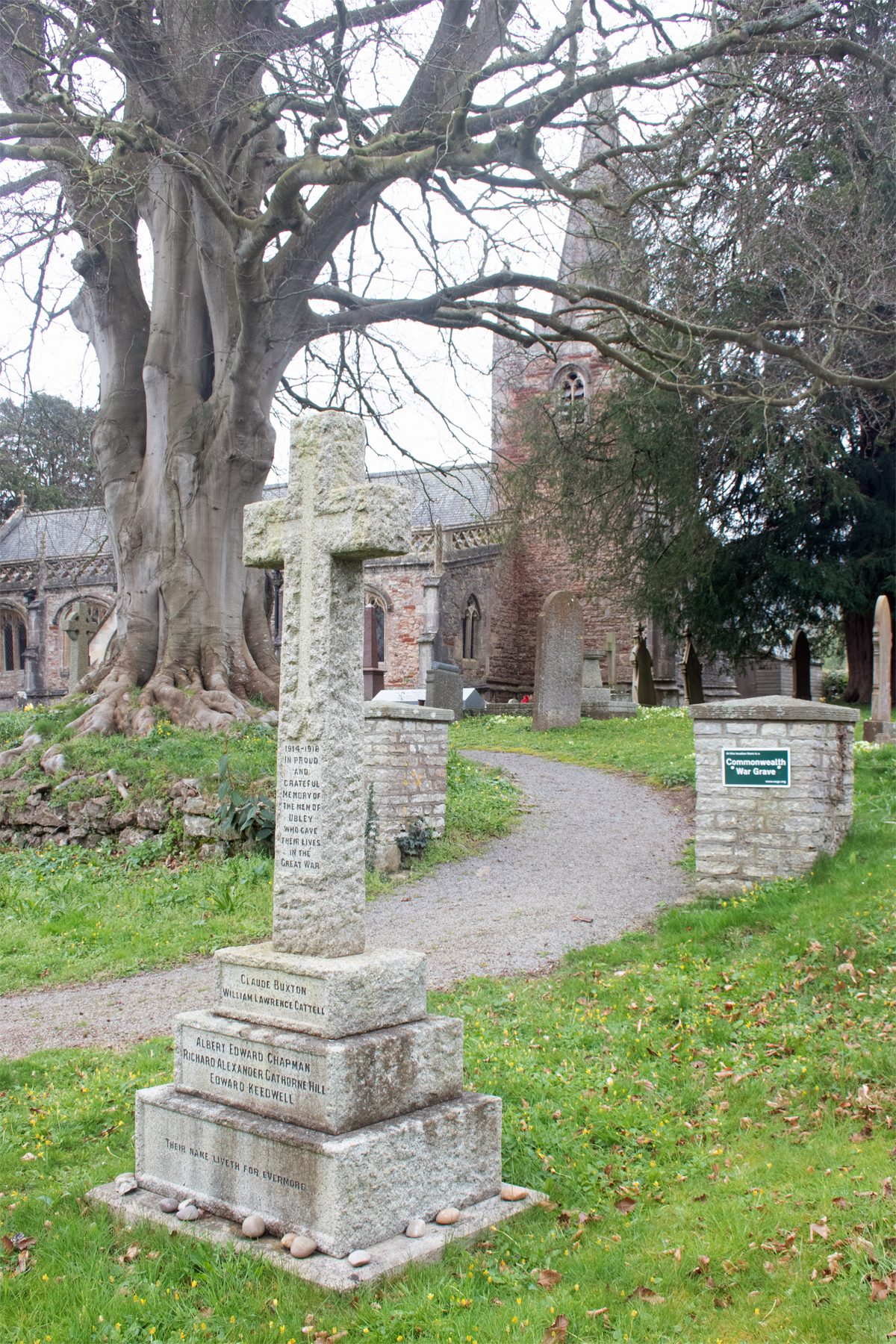
The village War Memorial remembers the five villagers who died in the First World War. There is only grave to a fallen solder in the churchyard and, ironically, that is for Second Lieutenant Alfred Newington, who wasn’t even a local man. (You can read more about his life and story by clicking on his name.)


Within easy reach of both the Mendips and Blagdon Lake, Ubley is worth a visit; it provides plenty of opportunity for walking and cycling. It is far enough away from the hubbub of the main Weston to Bath road, but accessible to it, to warrant stopping off.


100 War Grave Stories

This image has an empty alt attribute; its file name is war-graves.jpg

One hundred tales of the fallen of World War One.
One hundred tales of pandemics, battlefield wounds, accidental shootings, car crashes, drownings, suicides, tram accidents and plane crashes.
One hundred tales of soldiers, sailors, airmen and nursing staff, from the United Kingdom, Canada, South Africa and the West Indies.

One hundred stories behind the names on the gravestones.

Let their stories not be forgotten.

Learn more at the CKPonderingsCWG blog.


A-Z of Somerset: Rodney Stoke

R is for Rodney Stoke

At the foothills of the Mendips, on the main road between Wells and Weston-super-Mare, lies the quiet, unassuming village of Rodney Stoke. Owned by a number of families over the years, Stoches (old English for ‘settlement’) has been known as Stoke Whiting, Stoke Giffard and Stoke Rodney over the years, before the name settled on Rodney Stoke.

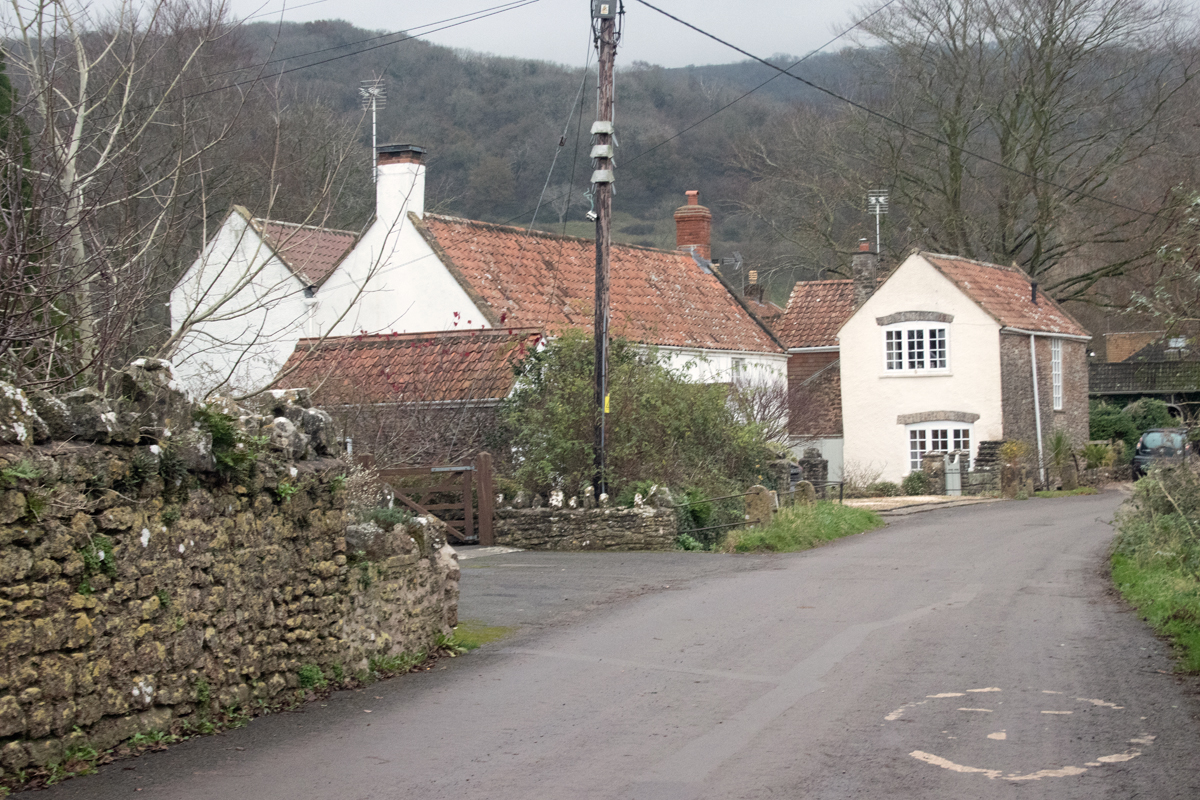
With a population of close to 1,500 people, you would expect the village to be a bustling affair, but settled as it is – along three lanes leading downhill from the A371 – it has an altogether quieter feel about it.


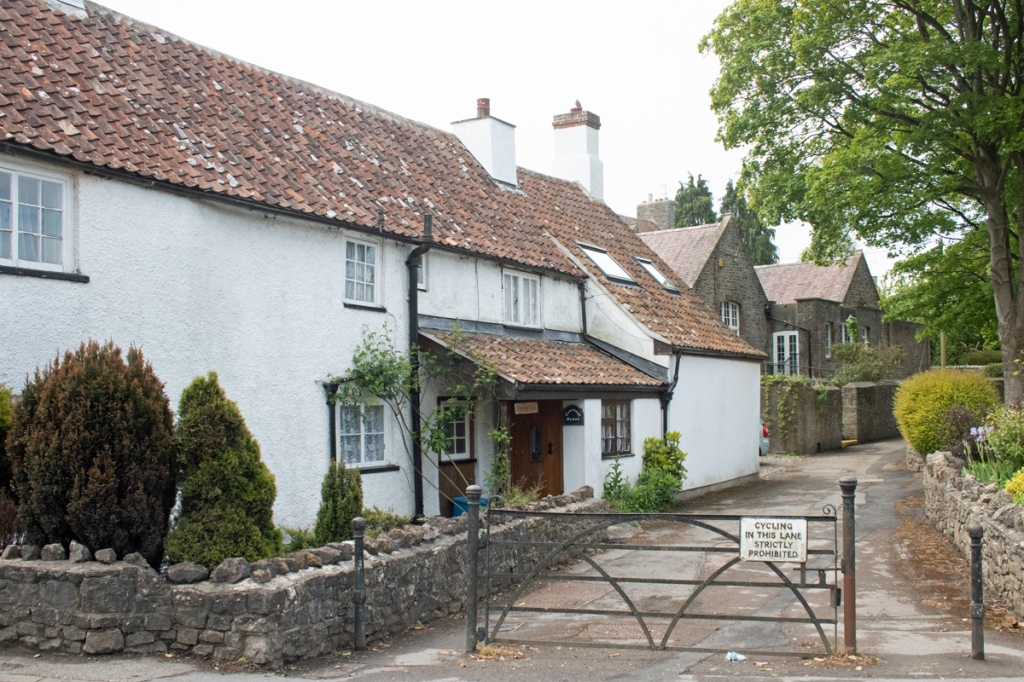
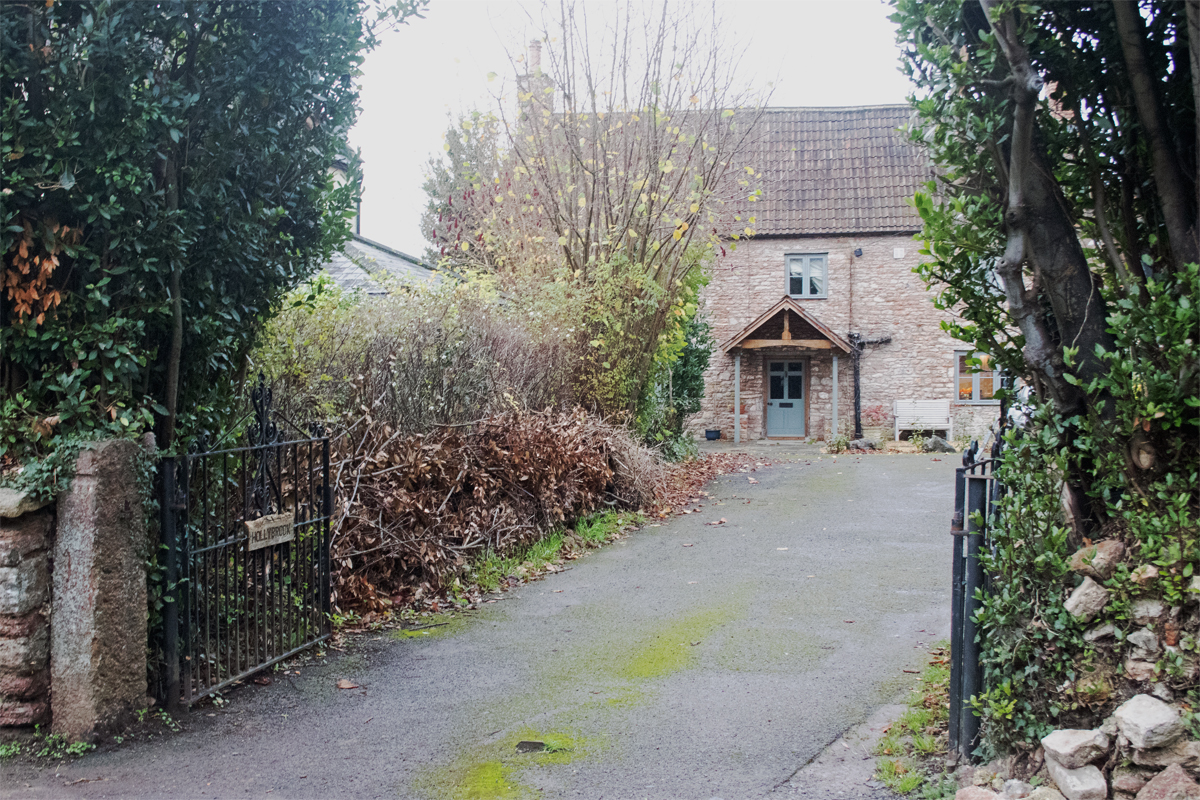
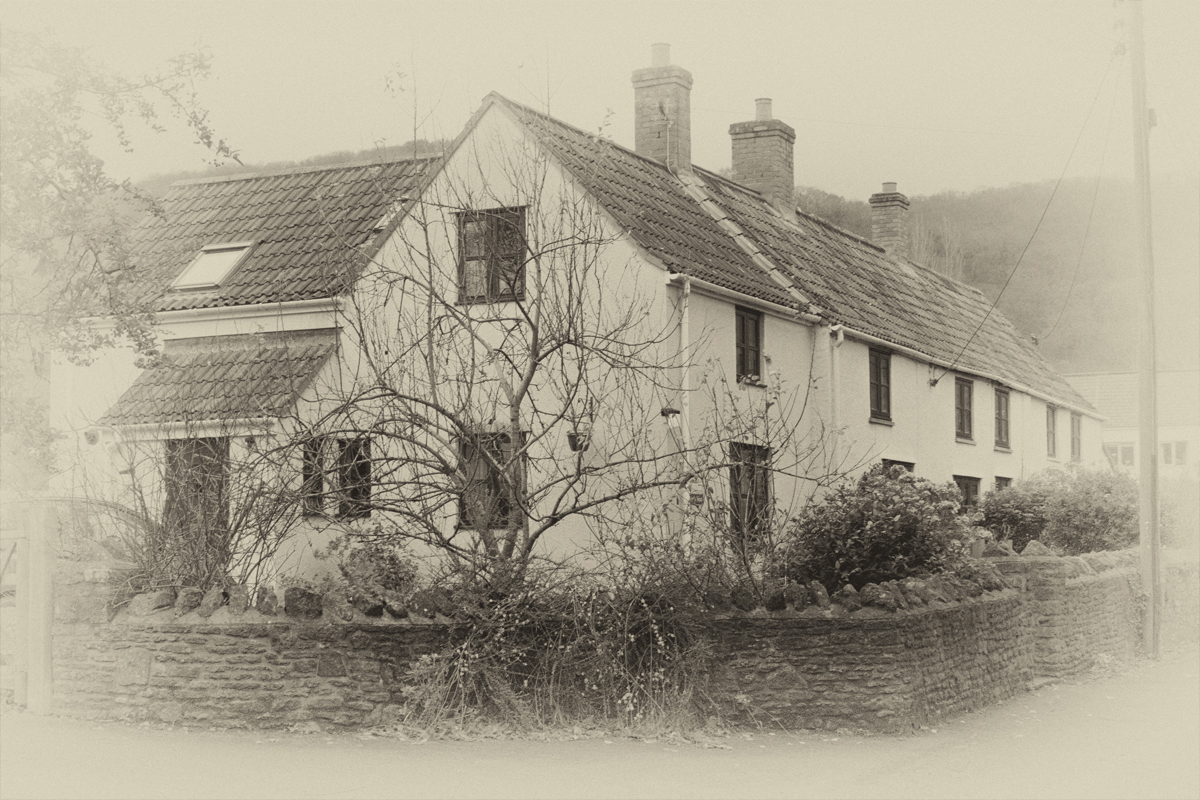
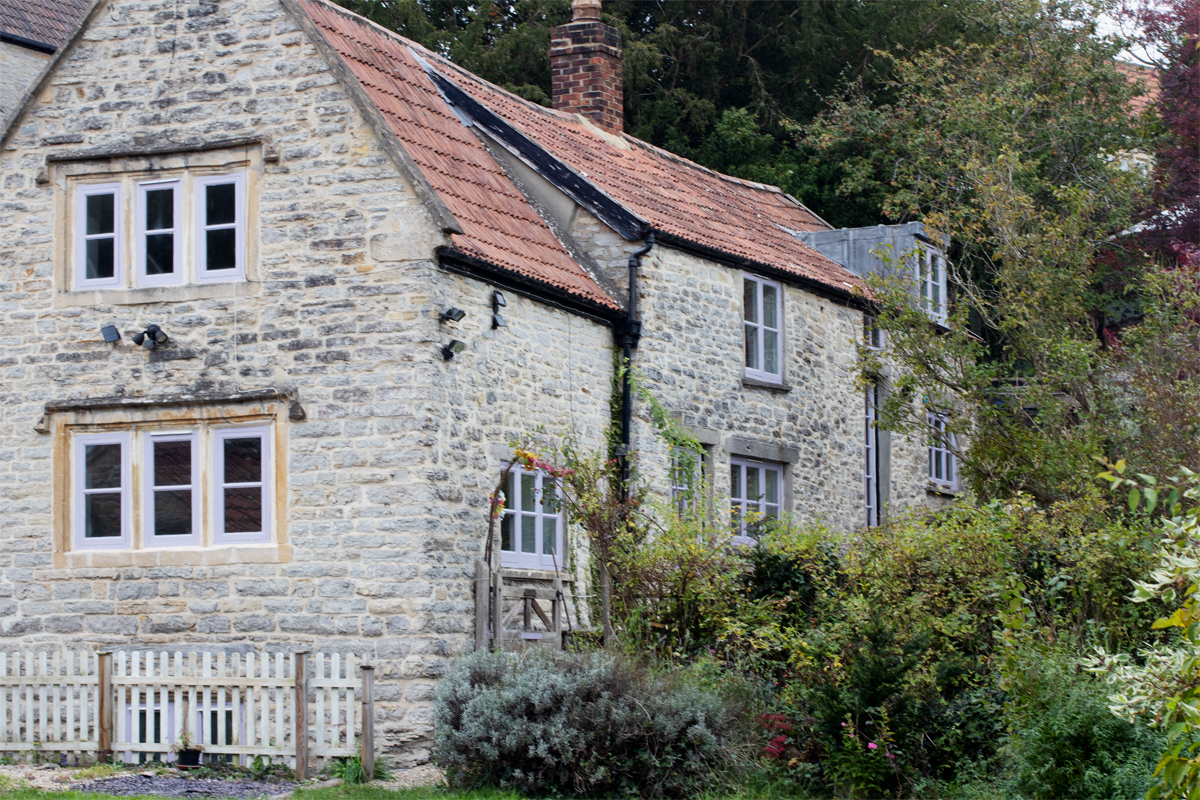
The lanes are lined with cottages built for former farm workers. Some former outbuildings have been converted into newer residences while other parts of the village are much newer properties, albeit still in keeping with the history of the village.

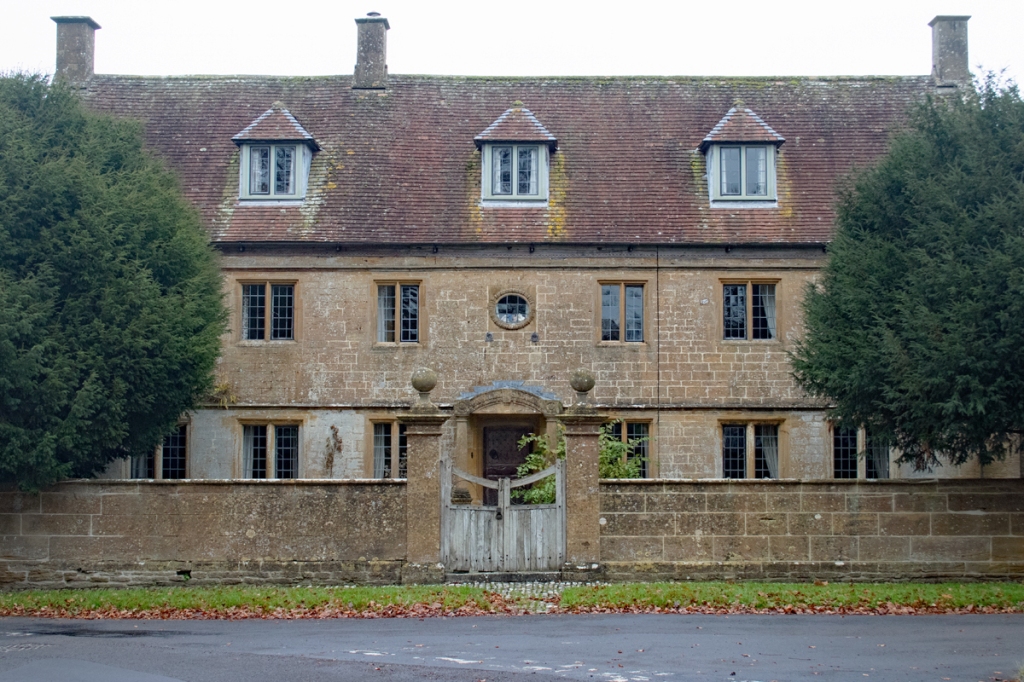
At the bottom of Stoke Street lies a farm, while the former manor house stands proud above the surrounding fields.


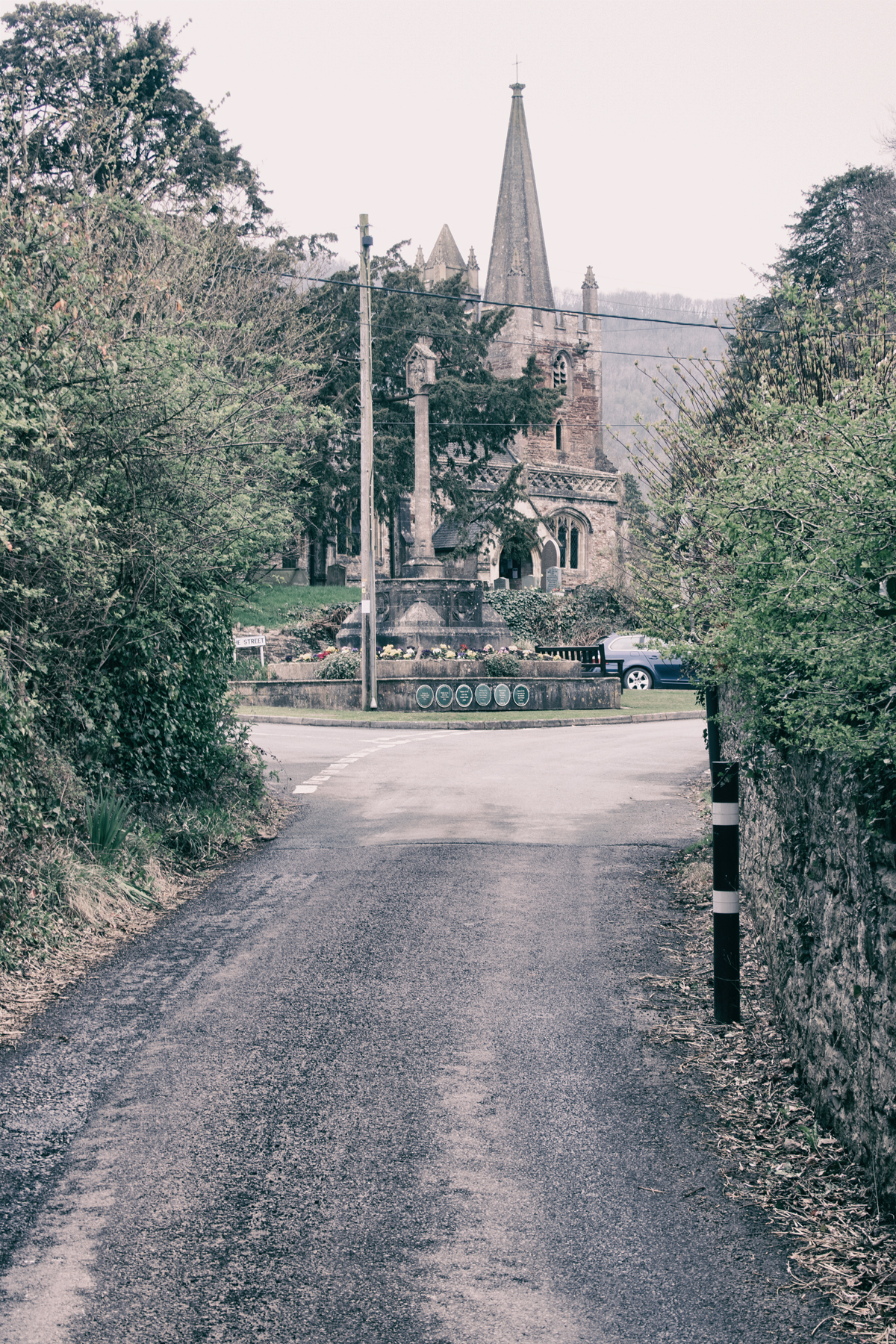
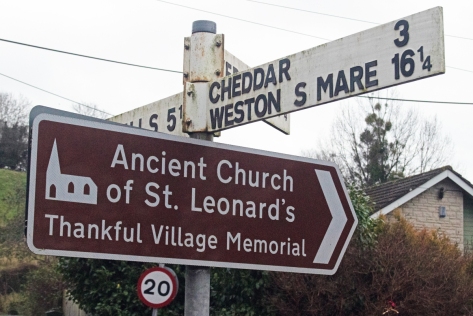
The parish church – St Leonard’s – is, unsurprisingly, place next to the manor house and, while hidden from most of the village, it can be clearly seen on the skyline from the south, standing tall and proud against the dramatic escarpment of the Mendips.

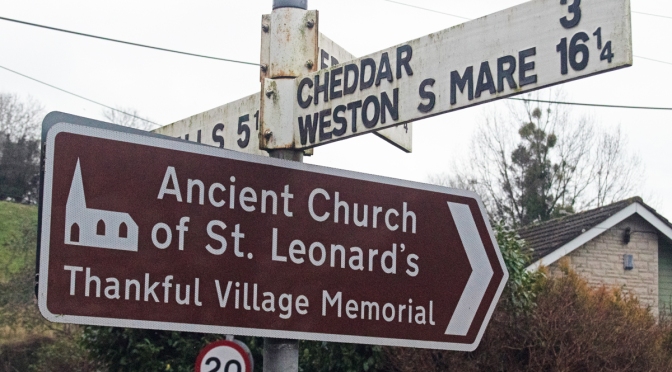
Normally, when I visit the local villages, I spent time in the churchyard looking for Commonwealth War Graves. However, Rodney Stoke stands out as one of the county’s Thankful Villages.

Fifty-three parishes in England and Wales are commemorated as having sent servicemen to war between 1914 and 1918, all of whom returned at the end of the conflict. These Thankful Villages stand out, particularly given that there are tens of thousands of towns and villages across the country.

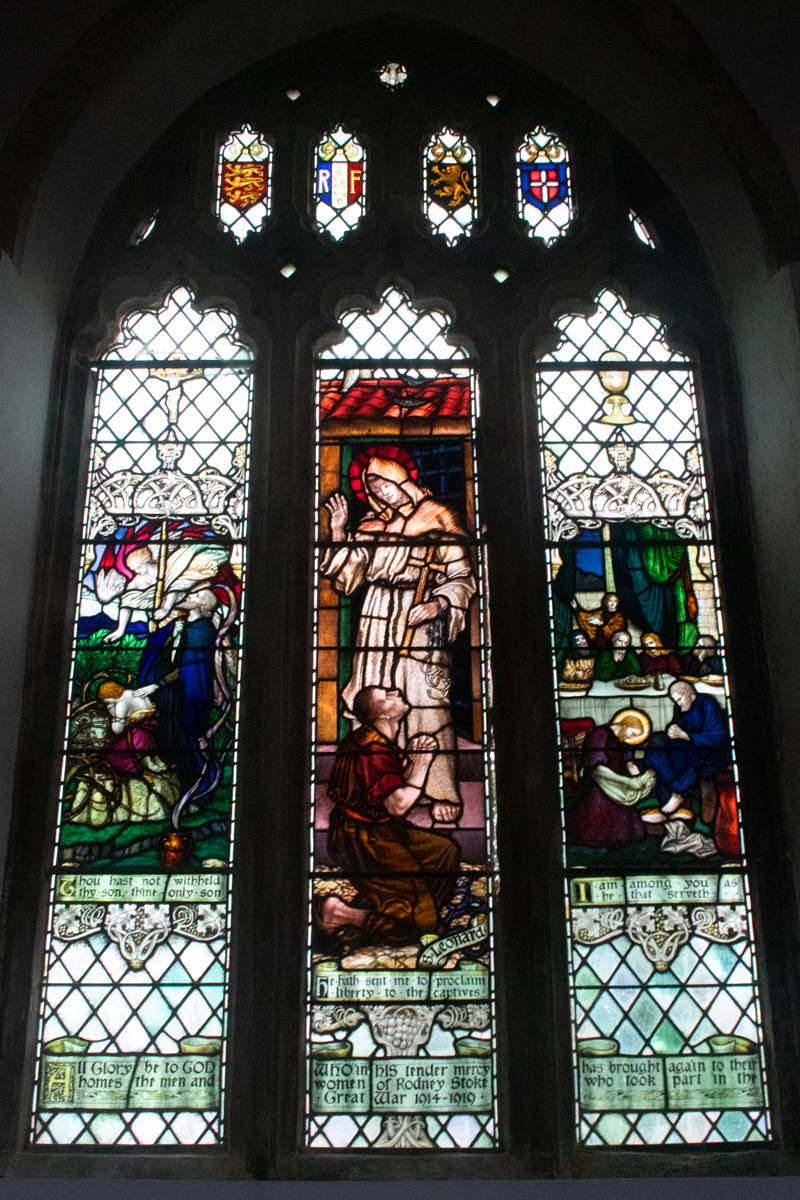
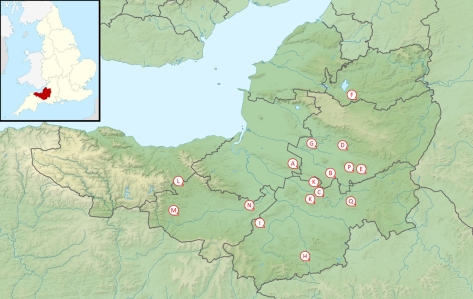
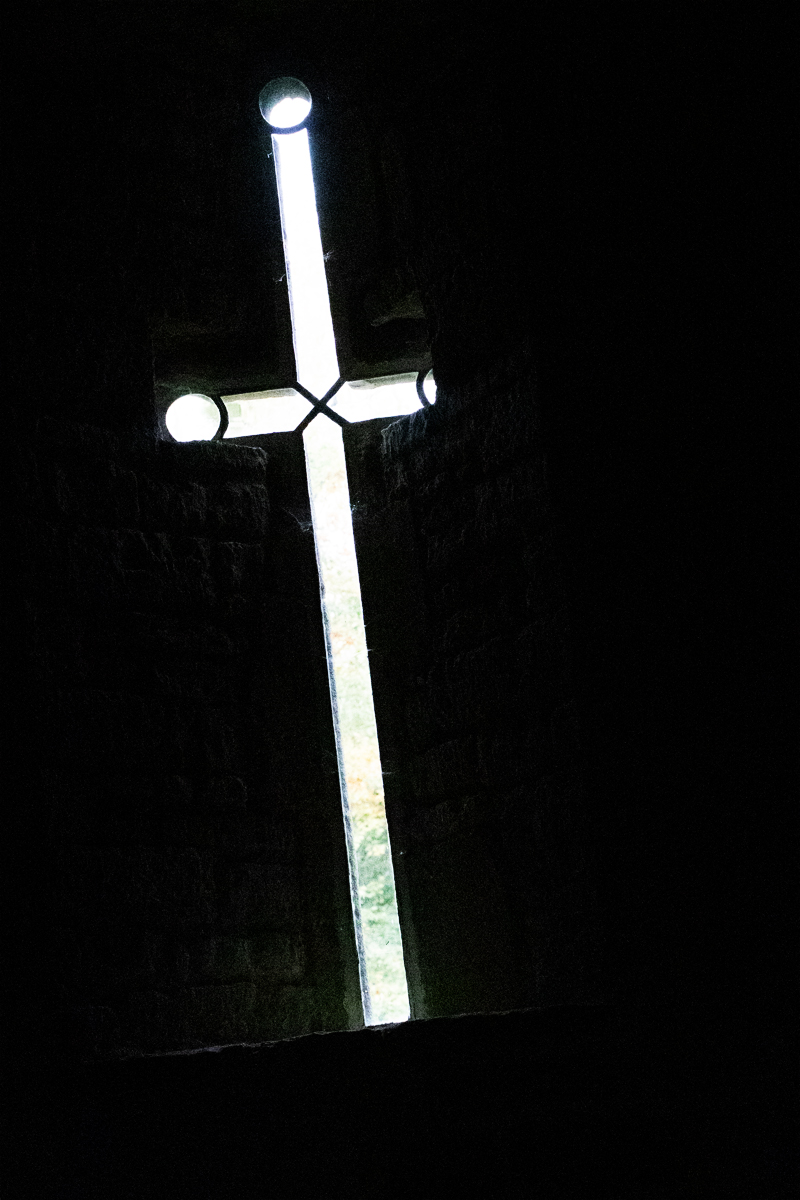
Somerset has the highest number of Thankful Villages by county, with Rodney Stoke counting as one of nine. This is celebrated by a window in the church, giving thanks that “All glory be to God, whom in his tender mercy has brought again to their homes, the men and women of Rodney Stoke who took part in the Great War 1914-1919”.

(As an aside, Rodney Stoke sadly doesn’t fit into the category of being Doubly Thankful, having seen all of their service men and women return from both world wars. Four local residents – David Cooper, John Glover-Price, Denis Thayer and James Williams – perished in the 1939-1945 conflict.)


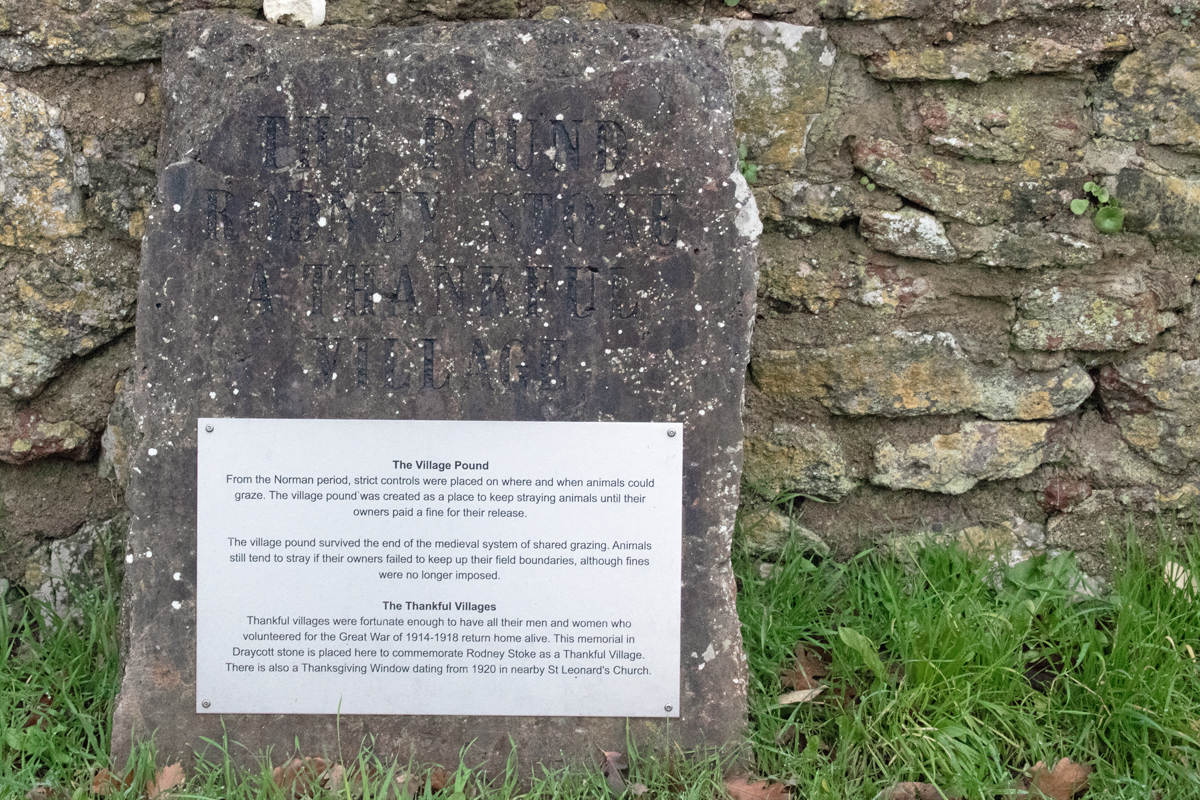
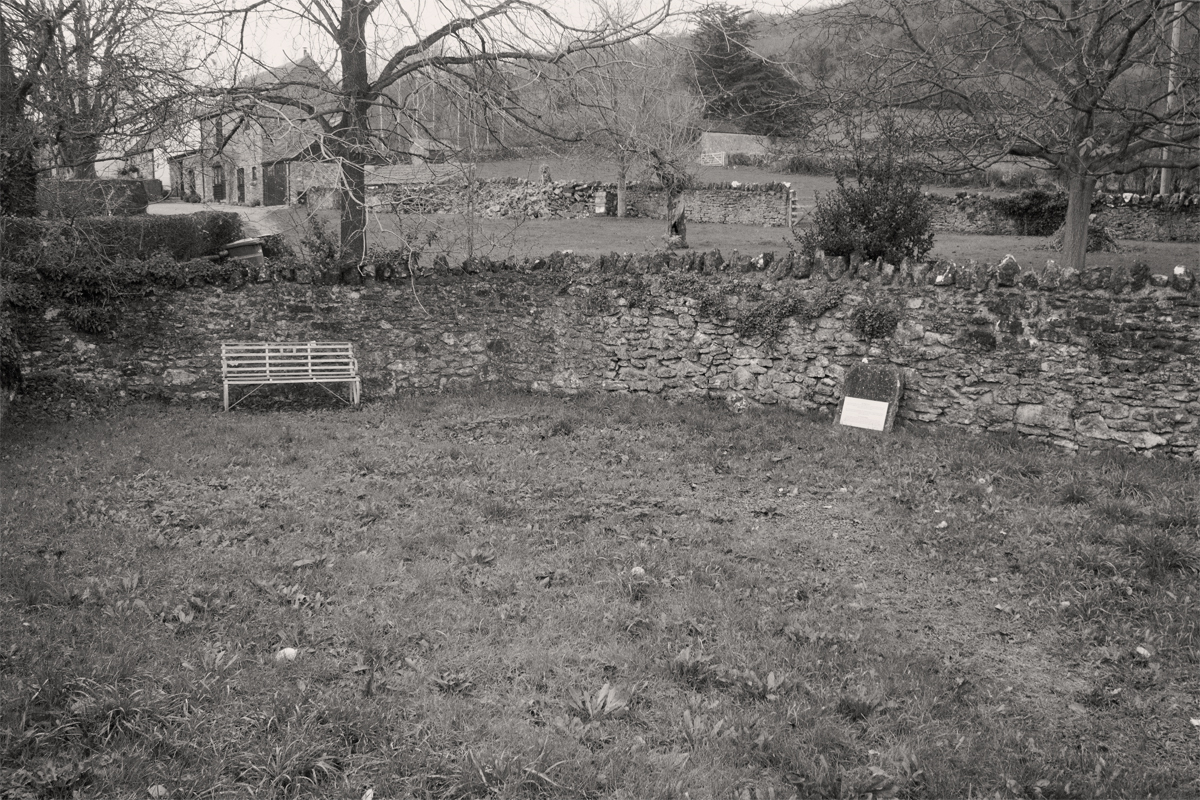
A second memorial to Rodney Stoke being thankful is situated in the Village Pound.

Since Norman times, strict controls were in place about where and when animals could graze on common land. The Pound – a walled area on the main road – was a place for straying animals to be kept until their owners paid the due fine.


As with other villages I have visited for this alphabetical journey, Rodney Stoke is definitely worth stopping by for. To the north of the village lie the Stoke and Stoke Woods Nature Reserves , and the village pub – the Rodney Stoke Inn – must also be worth a visit!


A-Z of Somerset: Queen Camel

Q is for Queen Camel

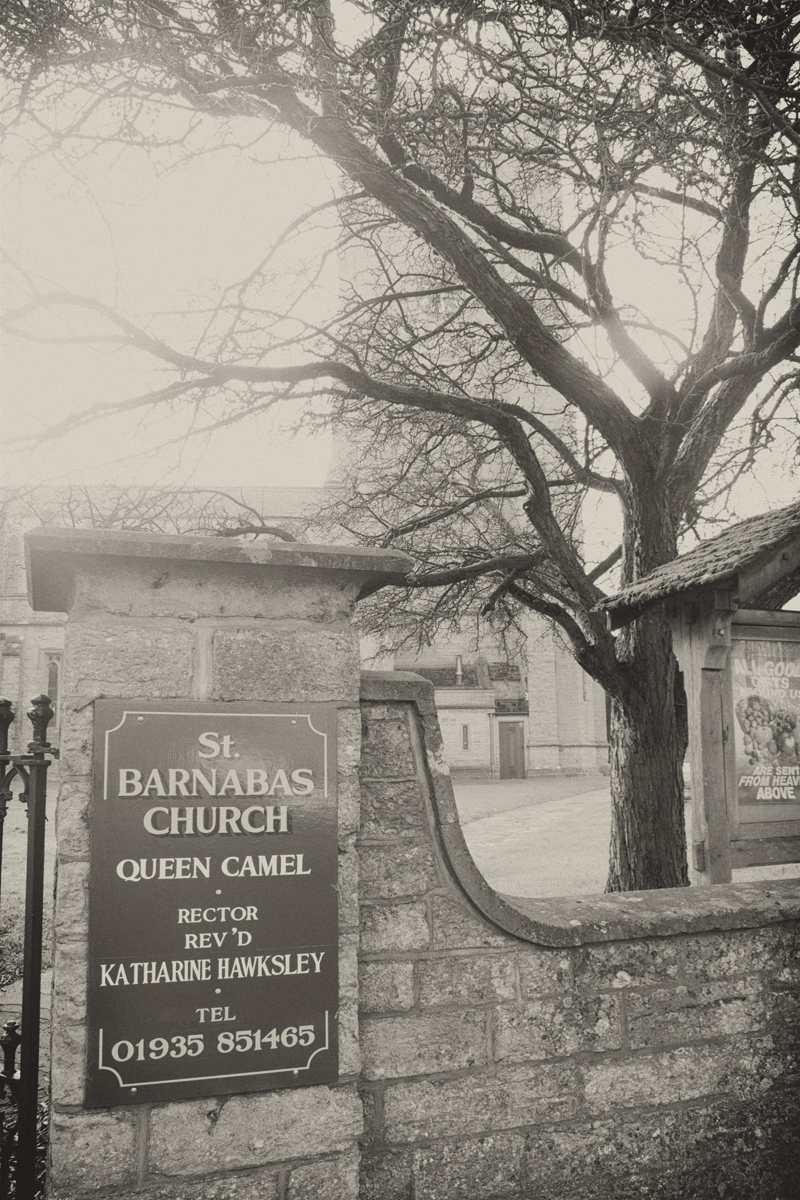
Seven miles to the north of Yeovil, lies the unusually-named village of Queen Camel. While it sits on the main A359 road, this thoroughfare dog-legs through the village, so it avoids the speeding traffic of which Othery is a victim.

The name derives from the old English word cam, meaning ‘bare rim of hills’, a word shared by the river that runs through the village. The manor of Camel was given to the crown in the late 13th century, and the name was changed to Camel Regis (“King’s Camel”). Edward I gave the area to his wife, Eleanor, and so the name Queen Camel was born.


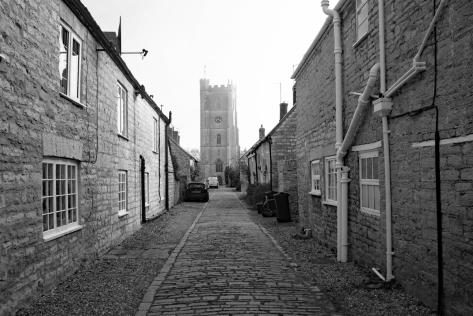
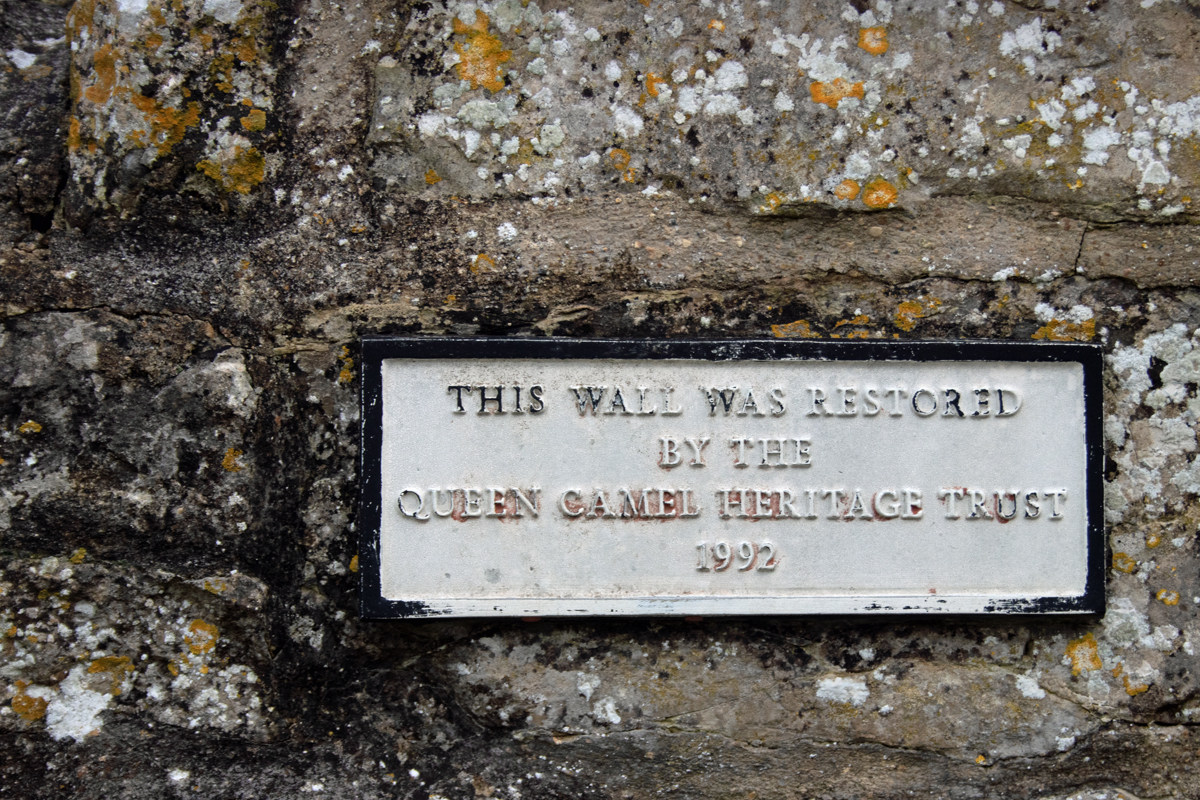
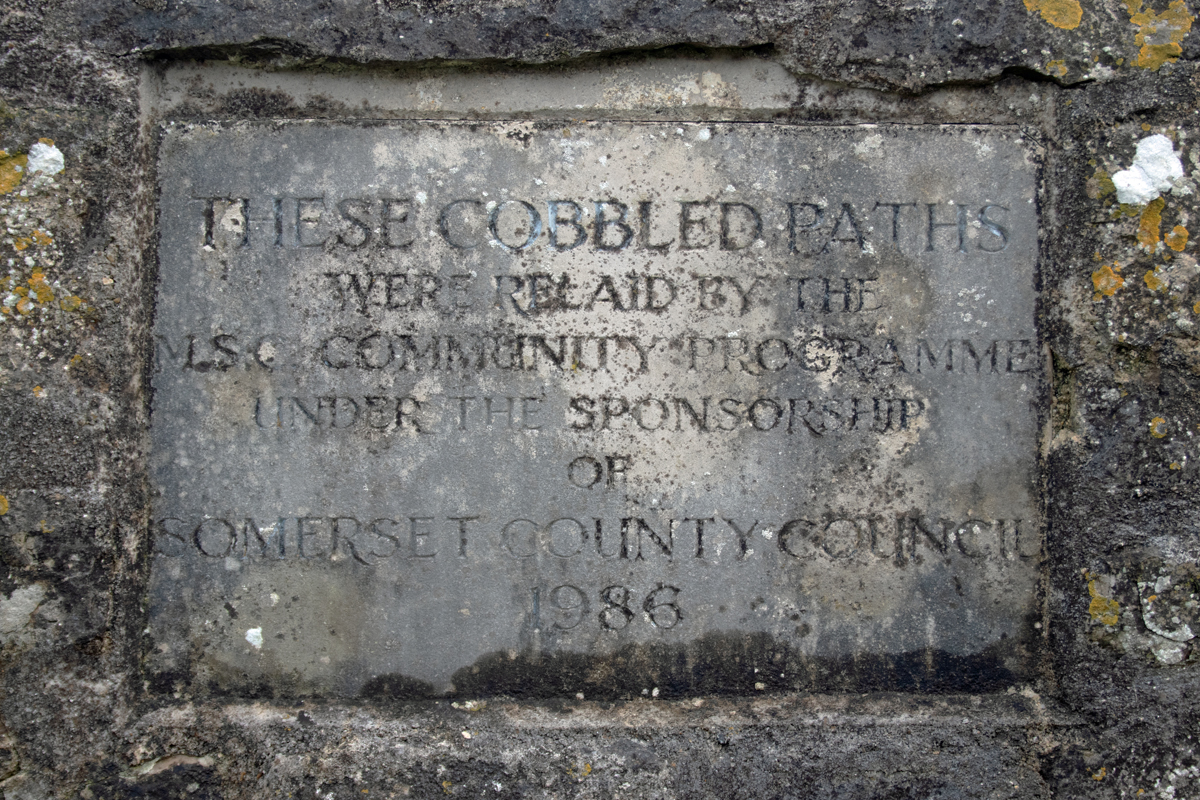
One of the highlights of the village is Church Path, a cobbled road that leads from the centre of Queen Camel to St Barnabas’ Church.

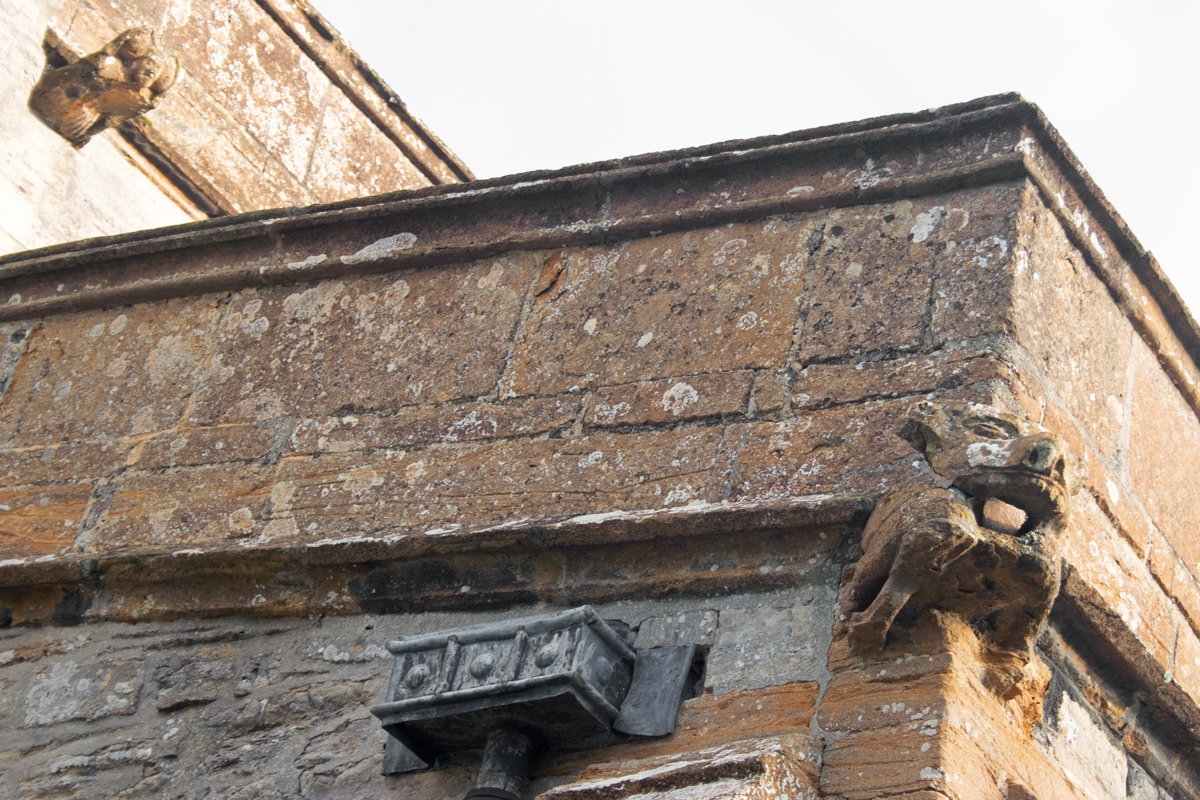
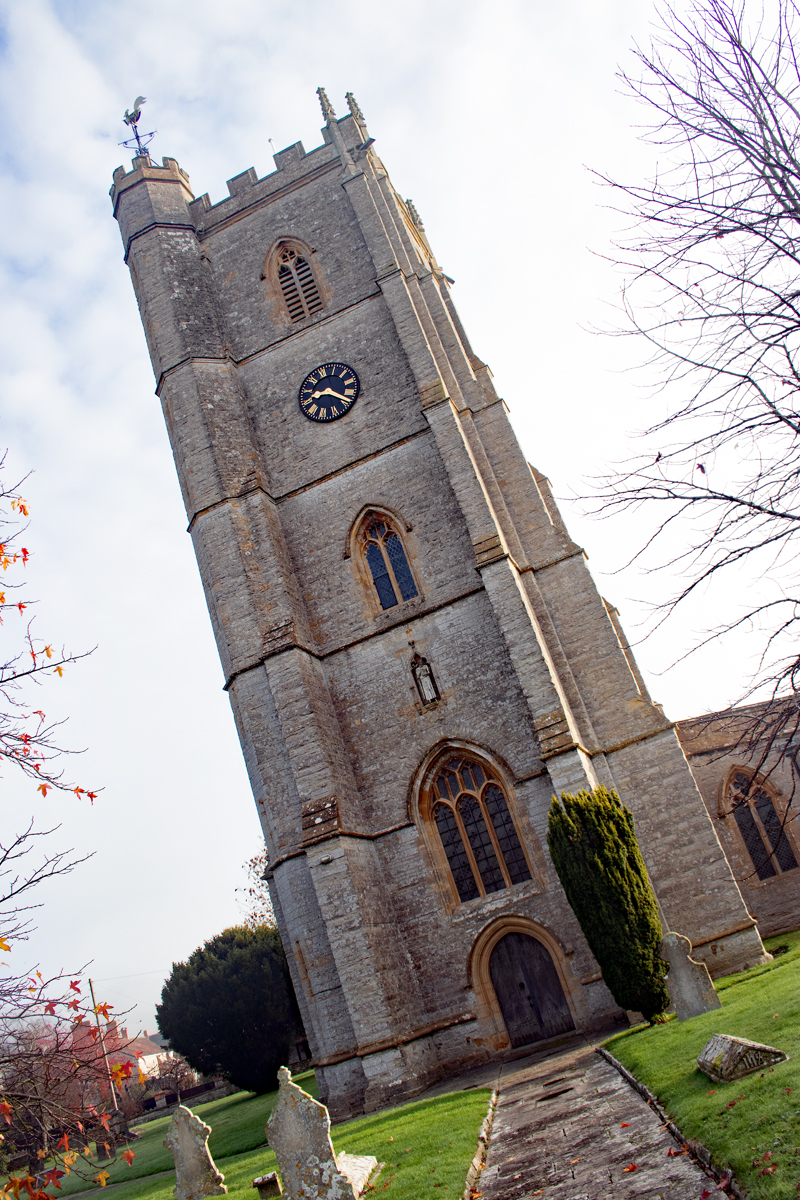
The church itself dates from the 1300s, and, despite the main road, is surrounded by a quiet churchyard and allotments. Additional architectural elements – including an imposing porch on the south side – were added in the 19th century, as part of Queen Victoria’s Golden Jubilee celebrations.

The churchyard includes a gravestone to Seaman Donald Burgess, who died in the Great War, aged just 17 years old.

Details of his life can be found on the CKPonderingsCWG site, which is dedicated to those who lost their lives as a result of that conflict.


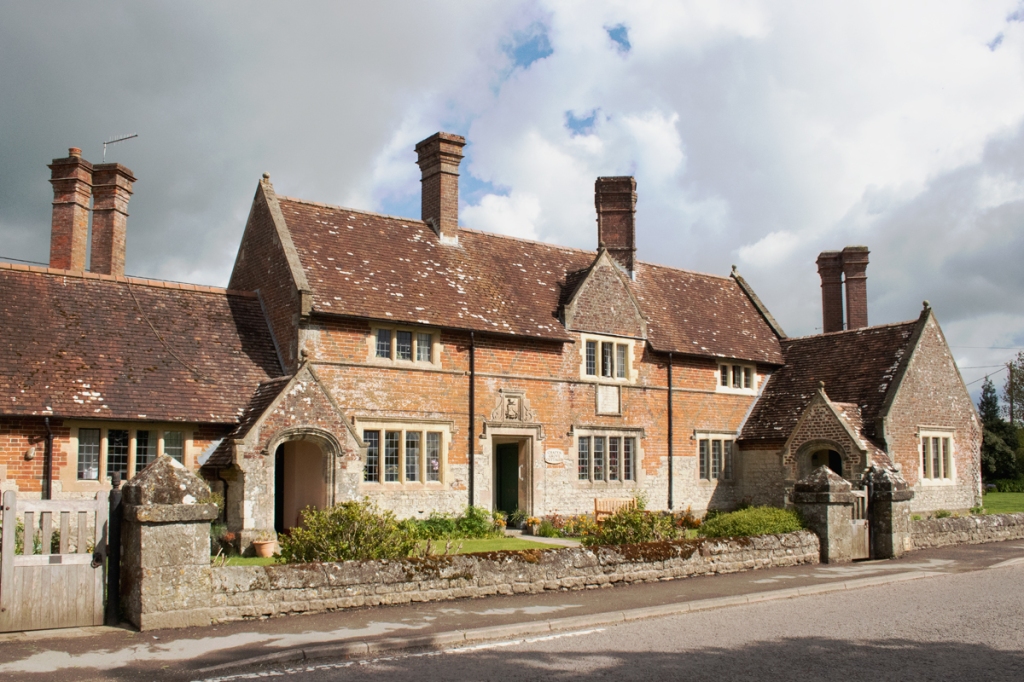
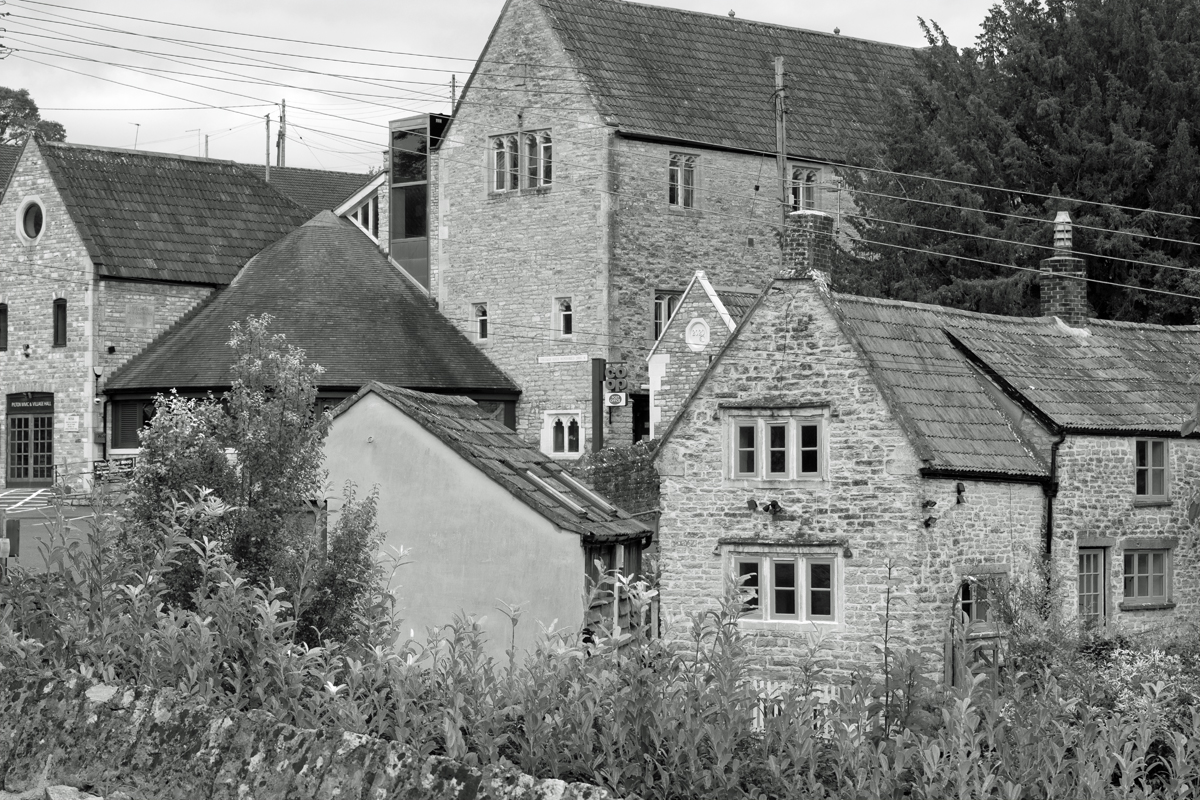
The houses in the village are all local stone, and while some are from the early 2000s, they fit in almost seamlessly with the old structures around them.

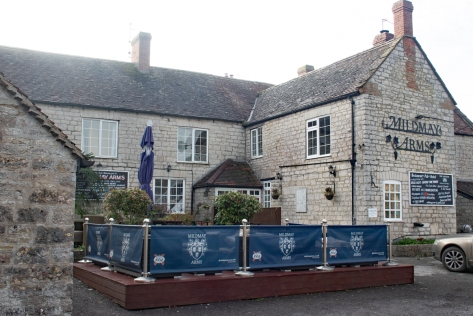
The Mildmay Arms is the village pub; again, it is reminiscent of a coaching inn, and was likely used as such at some point in its history.


Queen Camel has an undoubted village feel; with a population of less than 1000 people, there is a definite sense of community here.

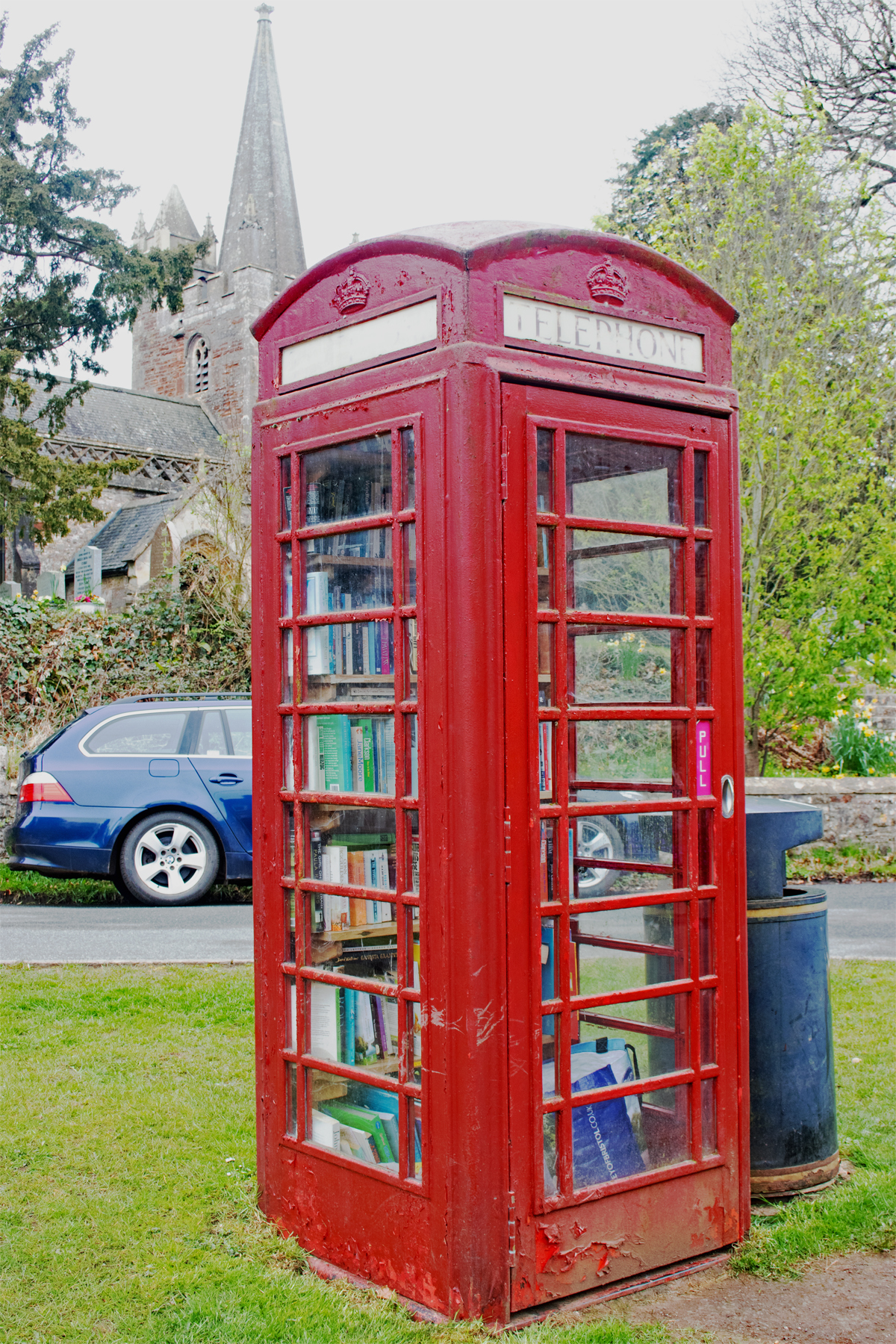
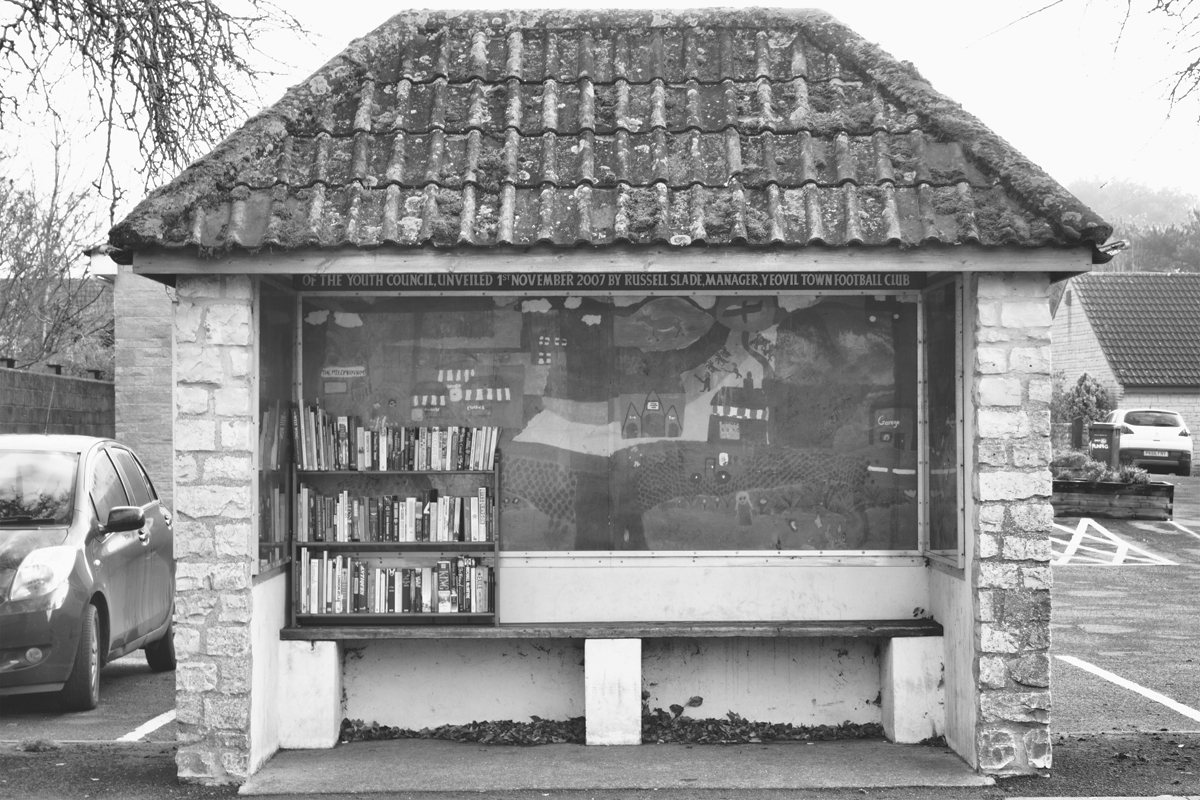
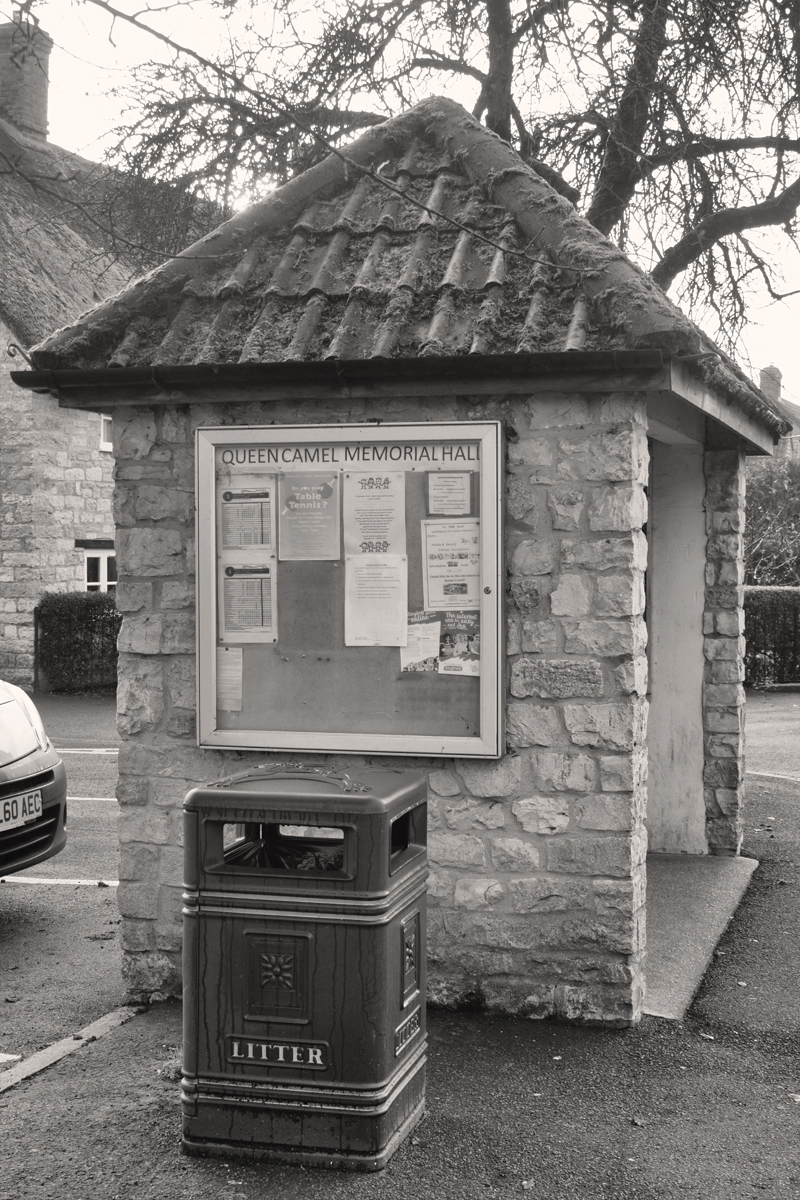
A former bus stop – standing outside the Memorial Hall – now houses a mural dedicated to the village’s history, as well as a book swap station.


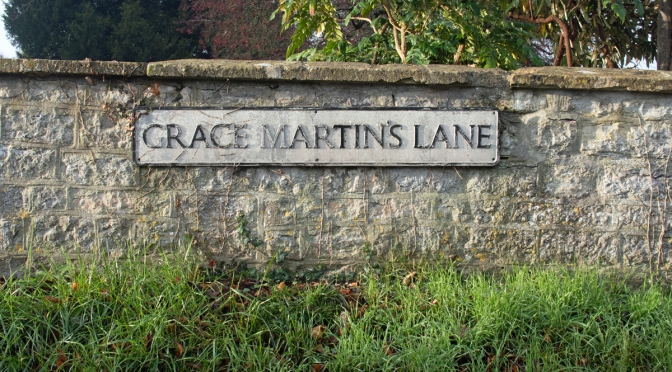
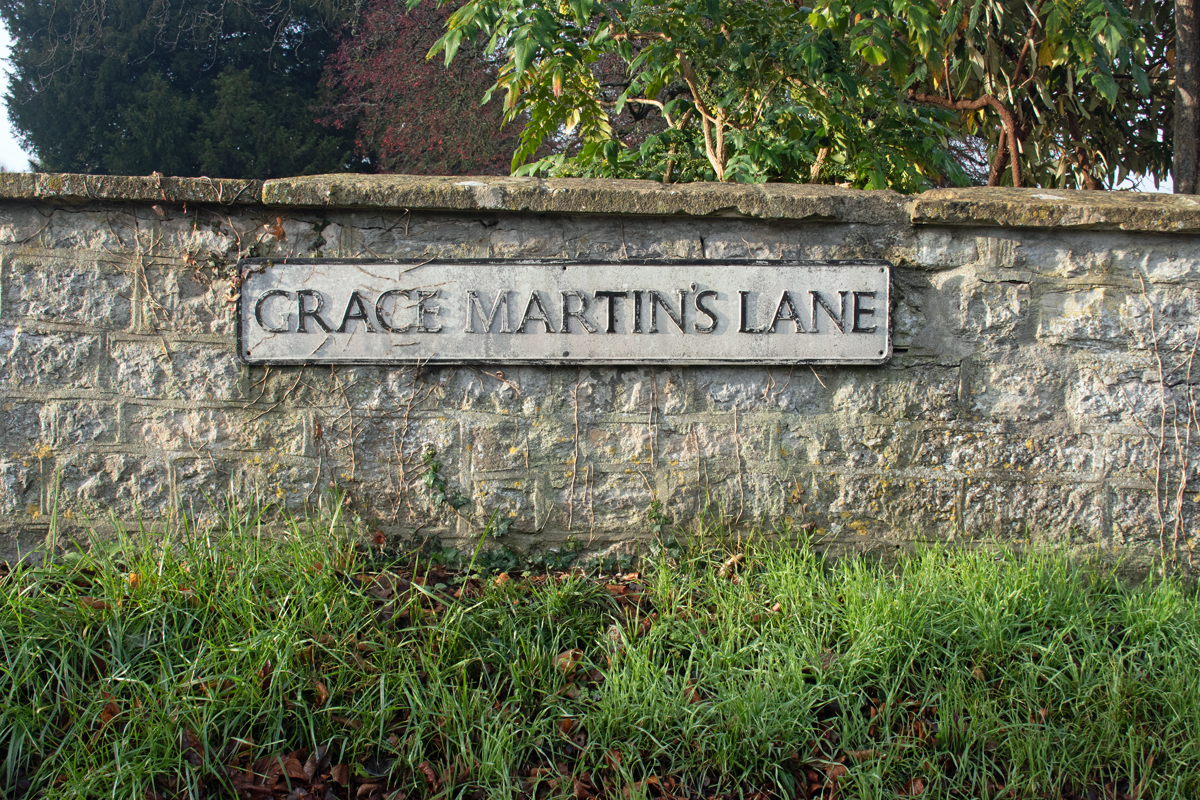
There is a lane in Queen Camel that is dedicated to a Grace Martin; I have not been able to find out much about her. There is someone by that name – the daughter of John and Judith Martin – baptised in St Barnabas’ Church in July 1744. Beyond that she remains a mystery.


Despite its location, Queen Camel is a peaceful place to visit; a lovely addition to the Somerset A to Z.


A-Z of Somerset: Pilton

P is for Pilton

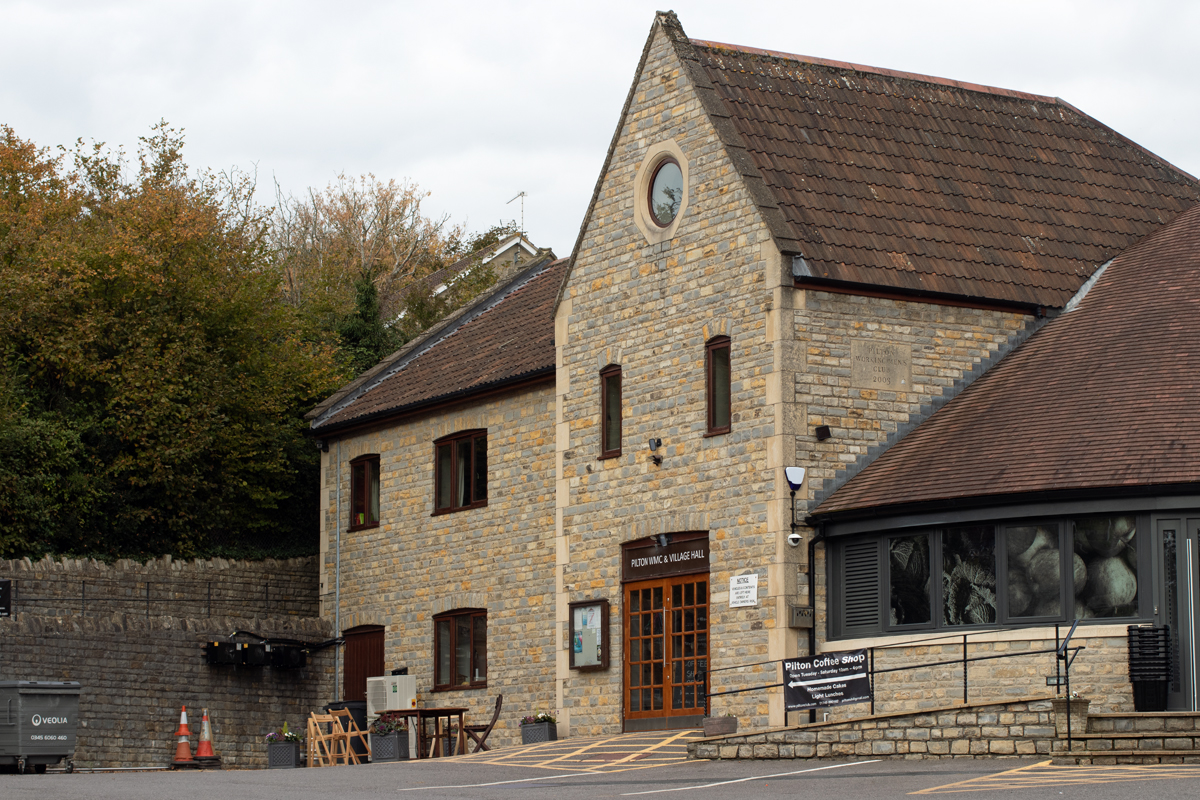
Continue up the A361 for 16 miles from Othery and you reach the surprising village of Pilton. I have driven through the village countless times over the years, and there is so much more to it than what is visible from the main road.

Situated on the top of a hill to the east on Glastonbury, the village once overlooked an inland sea that stretched to the present day Bristol Channel. This lead to the village’s original name, Pooltown, because ships were able to navigate this far inland.


The houses in the village are old, from local stone, and really fit in with the country feel. Despite the main road, laden with juggernauts, being close by, the majority of the village is in a sheltered valley, and within a matter of metres away from the A361, it can barely be heard.


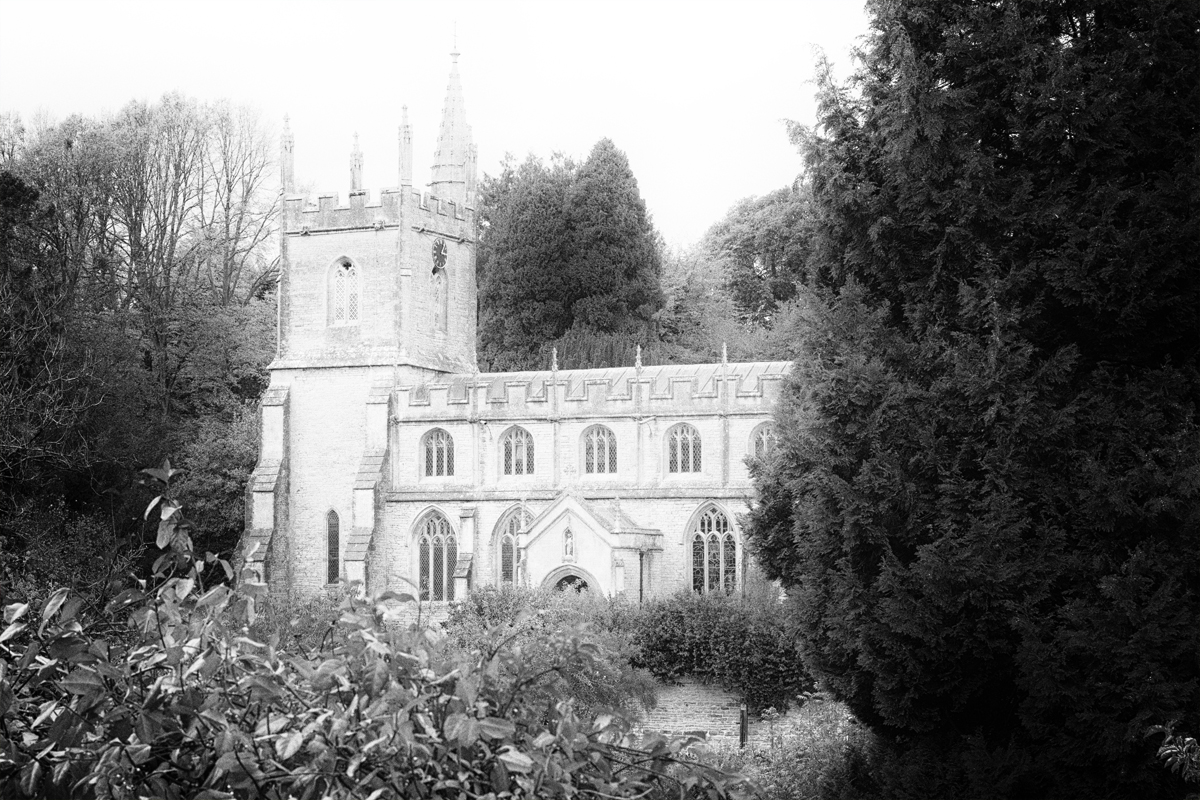
The local church is St John the Baptist, which is on the north side of the valley, has a commanding view across all Pilton. Once again, the Church’s dominance is in plain sight, and it can be seen on the skyline from most of the houses.

Sapper Percy Rodgers

In the churchyard is a memorial, a grave to Sapper Percy Wright Rodgers, who fell in the First World War. More information on this young man’s life can be found on the CKPonderingsCWG blog, along with more stories of the fallen of the Great War.


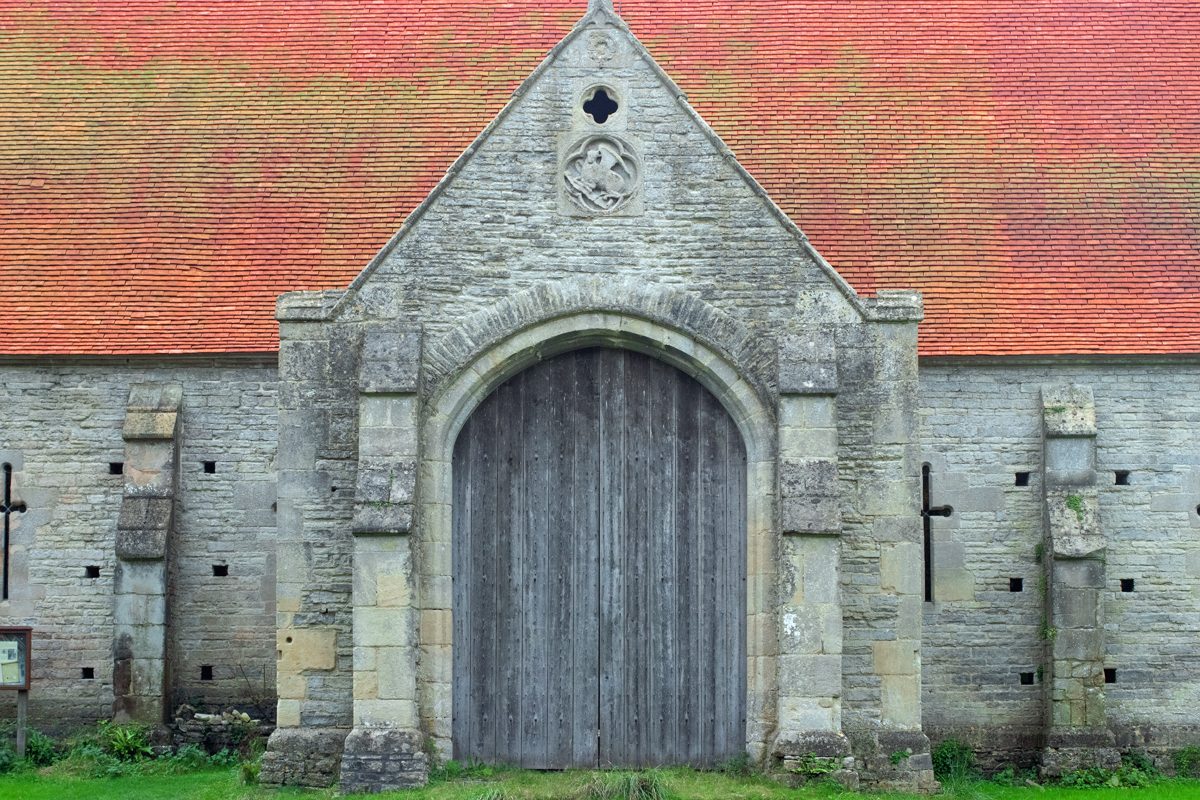
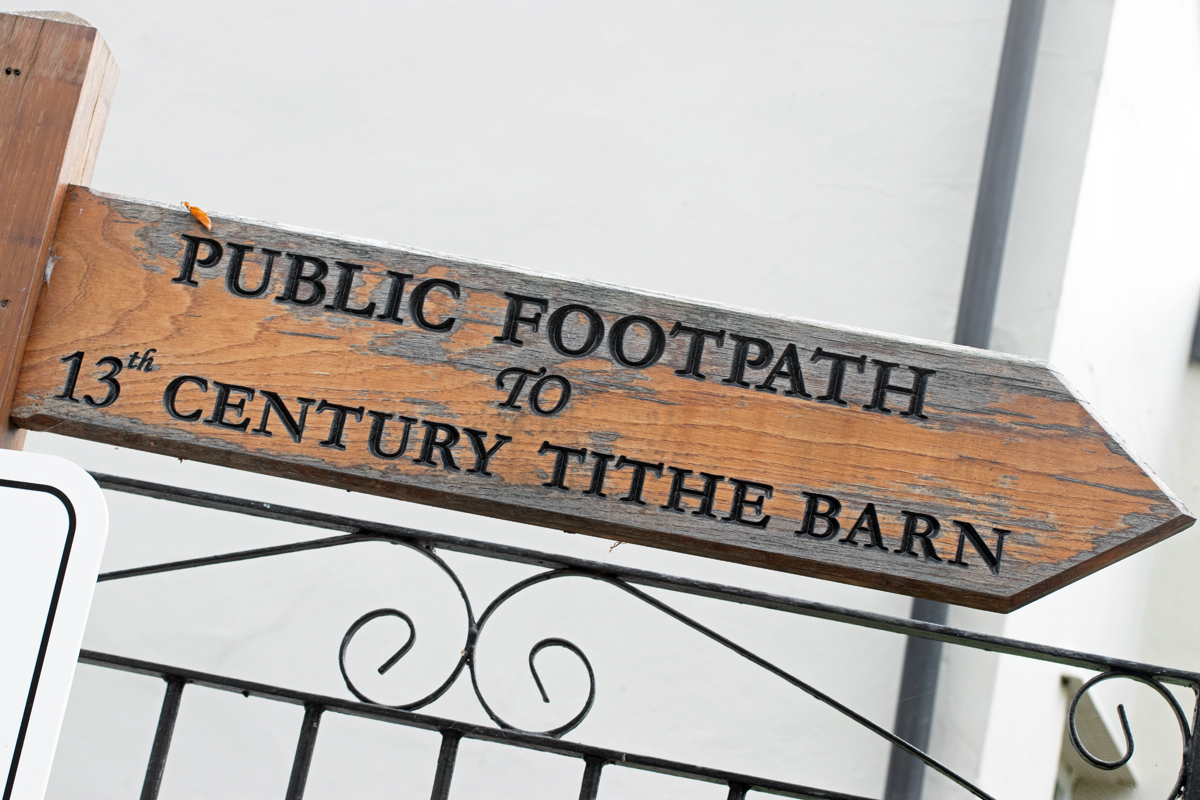
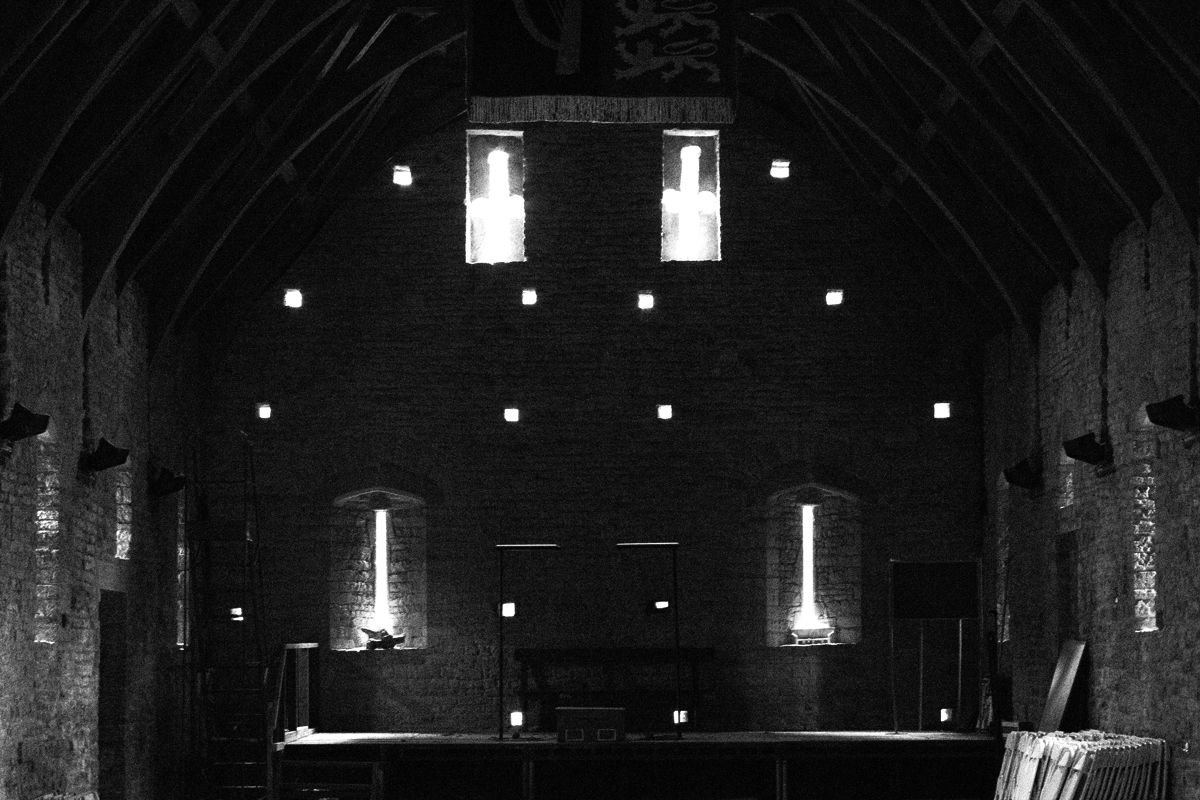
To the south of the village, a tithe barn stands alone and proud. Once belonging to Glastonbury Abbey, the barn once stored local farmers’ produce, of which they gave the Abbey – the landowner – one tenth.

The barn is now a Grade 1 listed building.


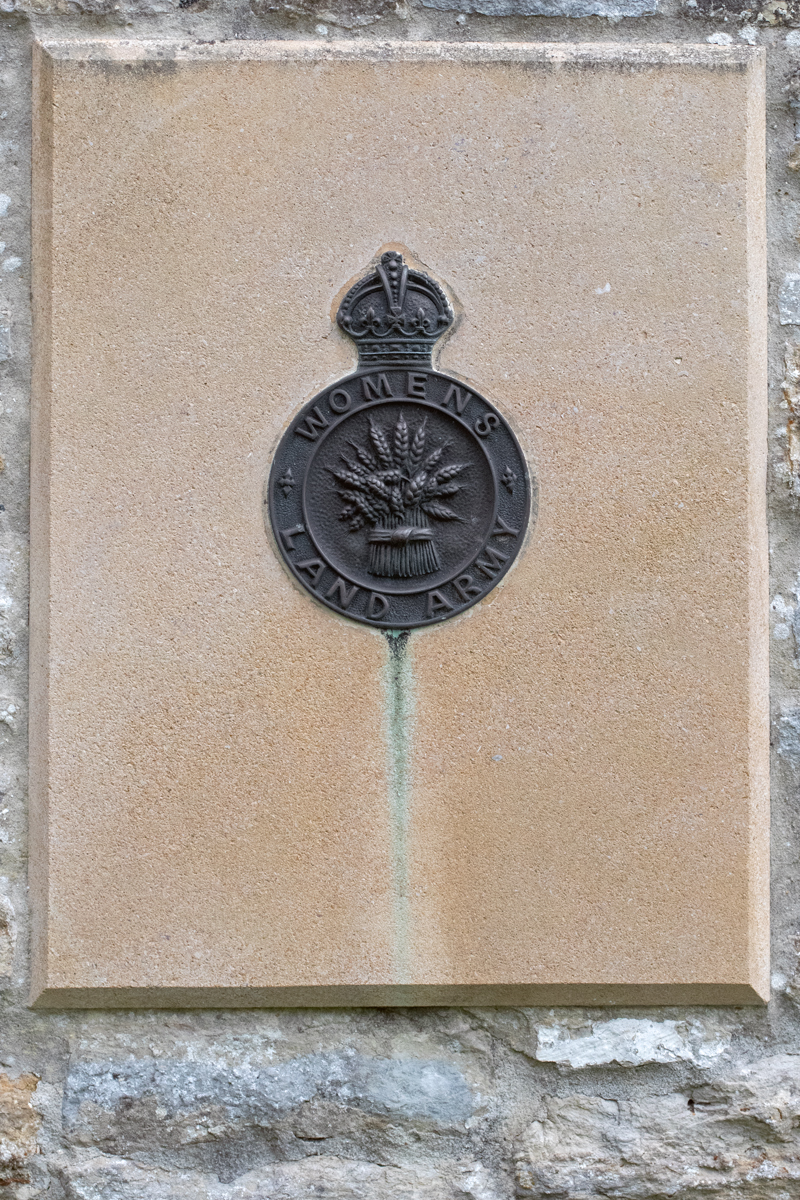
In the barn’s grounds is a monument to the Land Armies of both world wars; a bench in a quiet corner of an already quiet corner of the village is perfect for contemplation.


When I first made my intention of moving to Somerset known to friend, family and colleagues, the general first reaction was usually related to the annual music festival. My stock response to this was ‘no’, and, if the mood was right, this was usually followed up by the fact that the Glastonbury Festival does not actually take place in the town of the same name.

Worthy Farm, the location of the festival, is situated just to the south of Pilton, six miles from Glastonbury. It was only called Glastonbury Festival because that was the nearest town people had heard of.


If you get the chance to make a quick pitstop from your journey to the south west, Pilton is definitely worth a visit. A genuine gem of a village, hidden in plain sight, it is also a good start and end point for a wander across the Levels or over the hilltops to Shepton Mallet.


CWG: Guardsman William Crossan

Guardsman William Crossan

William Crossan was born in 1892 in Ballinamore, Ireland. He was the fourth of five children to Patrick and Catherine Crossan.

William disappears from the 1911 Census or Ireland, but has joined the Irish Guards by the time war broke out.

Guardsman Crossan’s battalion was involved in the Battle of Mons, but it was during the fighting at Ypres that he was injured.

Shipped back to the UK for treatment, William passed away on 2nd November 1914. I am assuming that this was at one of the Red Cross Hospitals in the Sherborne area, as this is where he was buried.

Guardsman William Crossan lies at rest in Sherborne Cemetery.


For the stories of more of the fallen from the Great War, take a look at my Commonwealth War Graves page.

CWG: Private Edward Lewsley

Private Edward Lewsley

Edward (Teddy) Lewsley was born in 1894, the ninth of twelve children to James and Charlotte Lewsley from London.

James had worked with horses, and become a cab driver at the turn of the century; Edward started as a general labourer on finishing school.

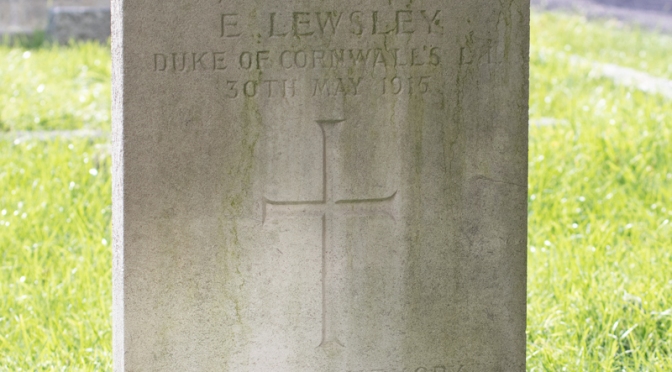
Edward’s military history is a little vague. From his gravestone, we know that he joined the Duke of Cornwall’s Light Infantry and was in the 1st Battalion. The battalion fought at the Battles of Mons, Marne and Messines.

In the spring of 1915, Edward’s battalion fought in the Second Battle of Ypres and, given the timing, it seems likely that he was involved.

Whether he was on the Western Front or stationed in the UK, Private Lewsley was admitted to the Red Cross Hospital in Sherborne, where he passed away on 30th May 1915.


One of Edward’s brothers also enlisted in the Light Infantry.

Daniel Lewsley first joined the East Surrey Regiment in 1909 and continued through to 1928. This included a stint as part of the British Expeditionary Force in France.


For the stories of more of the fallen from the Great War, take a look at my Commonwealth War Graves page.

CWG: Second Lieutenant Sidney Pragnell

Second Lieutenant Sidney Pragnell

Sidney Ralph Pragnell was the eldest of two children of Edward and Ellen Pragnell. Edward grew up in Sherborne, before moving to London to work as a chef; he found employment as a cook in an officer’s mess, which took him and his wife first to Ireland – where Sidney was born – and then to the barracks at Aldershot.

By the time of the 1911 census, Edward had brought his family back to Dorset, and was running the Half Moon Hotel, opposite the Abbey in Sherborne. Sidney, aged 12, was still at school.

When war broke out, Sidney was eager to play his part, even though he was underage. An article in the local newspaper highlights his keenness and how he progressed.

When war broke out, he was keen to serve his country and joined every local organisation his age would allow him to. He was an early member of the Sherborne VTC and Red Cross Detachment, and was actually the youngest member of the Volunteers to wear the uniform. Whilst still under age, he enlisted in the Royal Naval Division at the Crystal Palace and after a period of training was drafted as a qualified naval gunner to a merchant steamer carrying His Majesty’s mails and in this capacity went practically round the world. In February [1919] he joined the RNAS and after some air training in England went to France to an air station, where he passed all the tests with honours and gained the ‘wings’ of the qualified pilot. Lieutenant Pragnell then decided to go in for scouting and came back to England for advanced training in the special flying necessary for this qualification and it was whilst engaged in this that he met with the accident which resulted in his death.

Western Chronicle: Friday 16th August 1918.

The esteem in which Second Lieutenant Pragnell was held continues in the article, which quotes the condolence letter sent to his parents by his commander, Major Kelly.

It is with deep regret that I have to write you of the death of your son, Second-Lieutenant SR Pragnell. Your boy was one of the keenest young officers I have ever had under my command and was extremely popular with us all and his place will be extremely hard to fill.

The service can ill afford to lose officers of the type of which Lieutenant Pragnell was an excellent example and it seems such a pity this promising career was cut short when he had practically finished his training. May I convey the heartfelt sympathy of all officers and men in my command to you in this your hour of sorrow.

Western Chronical: Friday 16th August 1918.

What I find most interesting about this article is that the letter from Major Kelly detail how Edward and Ellen’s son died, and this this too is quoted by the newspaper.

Your son had been sent up to practice formation flying and was flying around the aerodrome at about 500 feet with his engine throttled down waiting for his instruction to ‘take off’. Whiles waiting your boy tried to turn when his machine had little forward speed. This caused him to ‘stall’ and spin and from this low altitude he had no chance to recover control and his machine fell to earth just on the edge of the aerodrome and was completely wrecked. A doctor was there within a minute, but your boy had been killed instantaneously.

Western Chronicle: Friday 16th August 1918.

Further research shows that the aerodrome Second Lieutenant Pragnell was training at was RAF Freiston in Lincolnshire, which had been designated Number 4 Fighting School with the specific task of training pilots for fighting scout squadrons. He had been flying a Sopwith Camel when he died.

Second Lieutenant Sidney Ralph Pragnell lies at rest in the cemetery of his Dorset home, Sherborne.


For the stories of more of the fallen from the Great War, take a look at my Commonwealth War Graves page.